How to choose oils for saute frying and baking
27 min read Guide to selecting oils for sauteing, frying, and baking by comparing smoke points, flavor, and nutrition—with examples like olive, avocado, canola, and ghee for consistent, tasty results. (0 Reviews)
Choosing the right oil for sautéing, frying, and baking can transform your food from merely fine to memorably delicious. The right choice keeps flavors clean, textures crisp, and kitchen air clear of smoke. The wrong one leads to scorched notes, soggy crusts, or off-flavors you can’t mask with salt. This guide gives you the practical shortcuts and science-backed reasoning to pick the ideal fat for the job—every time.
The science of heat and fats
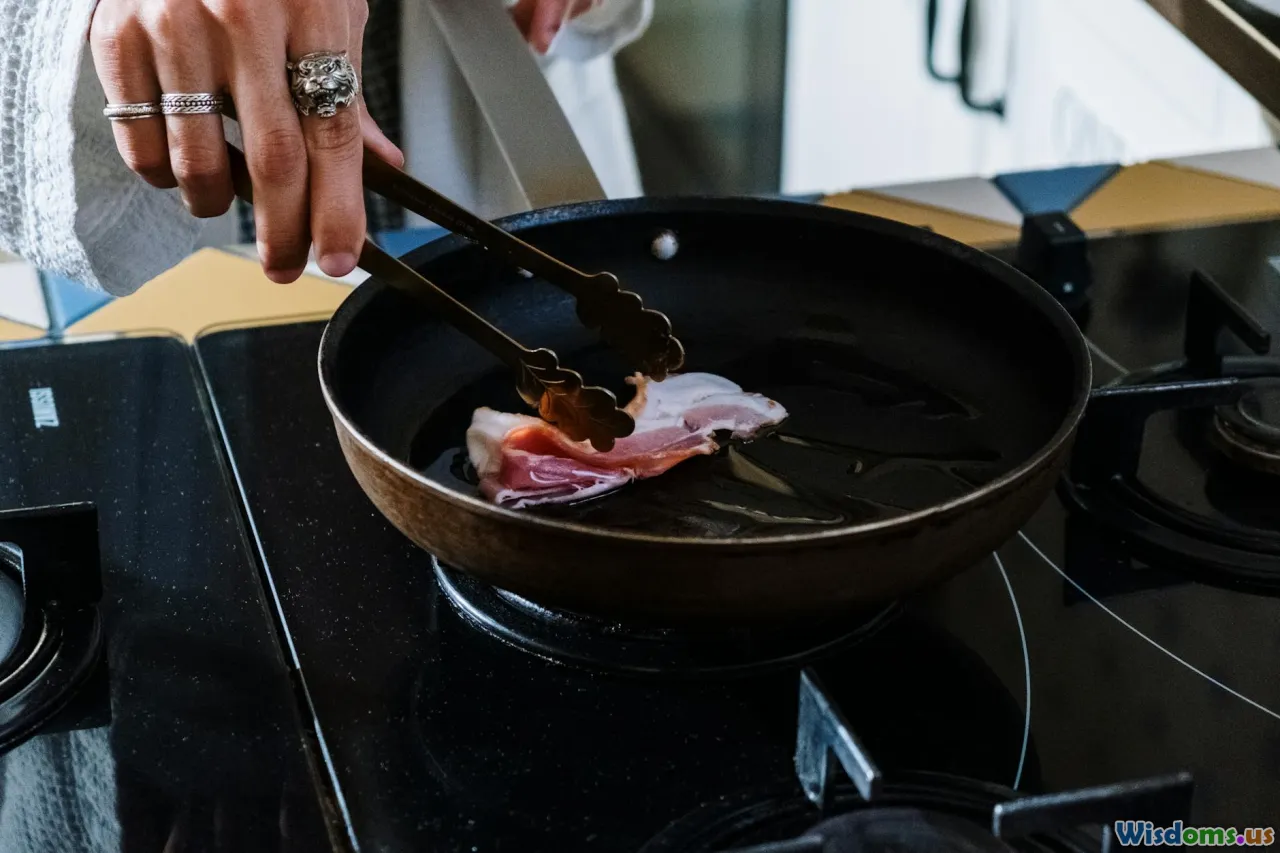
Before picking a bottle, it helps to understand how oils behave under heat. Three factors matter most:
- Smoke point: The temperature at which visible smoke starts. Past this point, flavor suffers and fumes grow harsh.
- Fatty acid profile: Saturated fats (e.g., coconut oil, tallow) are generally more stable; monounsaturated fats (e.g., olive, avocado) are also stable; polyunsaturated fats (e.g., conventional soybean, corn) are more prone to oxidation at high heat.
- Protective compounds: Antioxidants (like polyphenols in extra-virgin olive oil) slow breakdown and can offset a lower smoke point in some scenarios.
Heat type also matters:
- Sautéing: Short, moderate-to-high heat with frequent movement. Oils need decent heat tolerance and a flavor profile that complements the ingredients.
- Pan or shallow frying: Longer exposure and higher temperatures than a quick sauté; stability and neutral flavor often take priority.
- Baking: Oven air can be 325–475°F (163–246°C), but batter or dough typically heats more gradually. Flavor, texture, and how the fat solidifies/liquefies in the bake all matter.
Example: A stir-fry cooked at very high heat benefits from a stable, neutral oil like peanut or refined avocado oil. A skillet of garlicky greens is wonderful with extra-virgin olive oil (EVOO), which adds peppery, fruity notes and stands up to the time and temperature of a typical sauté.
Decoding labels: refined, unrefined, and "high-oleic"
Oil names hide important processing details that affect performance.
- Unrefined/virgin: Minimal processing. Flavorful, often cloudier, and usually lower smoke points. Examples: extra-virgin olive oil, unrefined coconut oil, unrefined sesame oil. Best for flavor-forward cooking or finishing.
- Refined: Filtered and purified to remove solids, odors, and impurities. Cleaner taste and typically higher smoke points. Examples: refined avocado oil, refined peanut oil, refined safflower oil. Ideal for high-heat and neutral flavor needs.
- High-oleic: A cultivar or formulation richer in monounsaturated fat (oleic acid), improving stability and often smoke point. Look for “high-oleic sunflower/safflower/canola.” These perform reliably for searing, roasting, and frying.
Tip: If a label emphasizes “cold-pressed,” expect bigger flavor and often a lower smoke point. If it emphasizes “high-heat” or “refined,” expect a more neutral flavor and better high-temperature tolerance.
Smoke point is a tool, not a rule
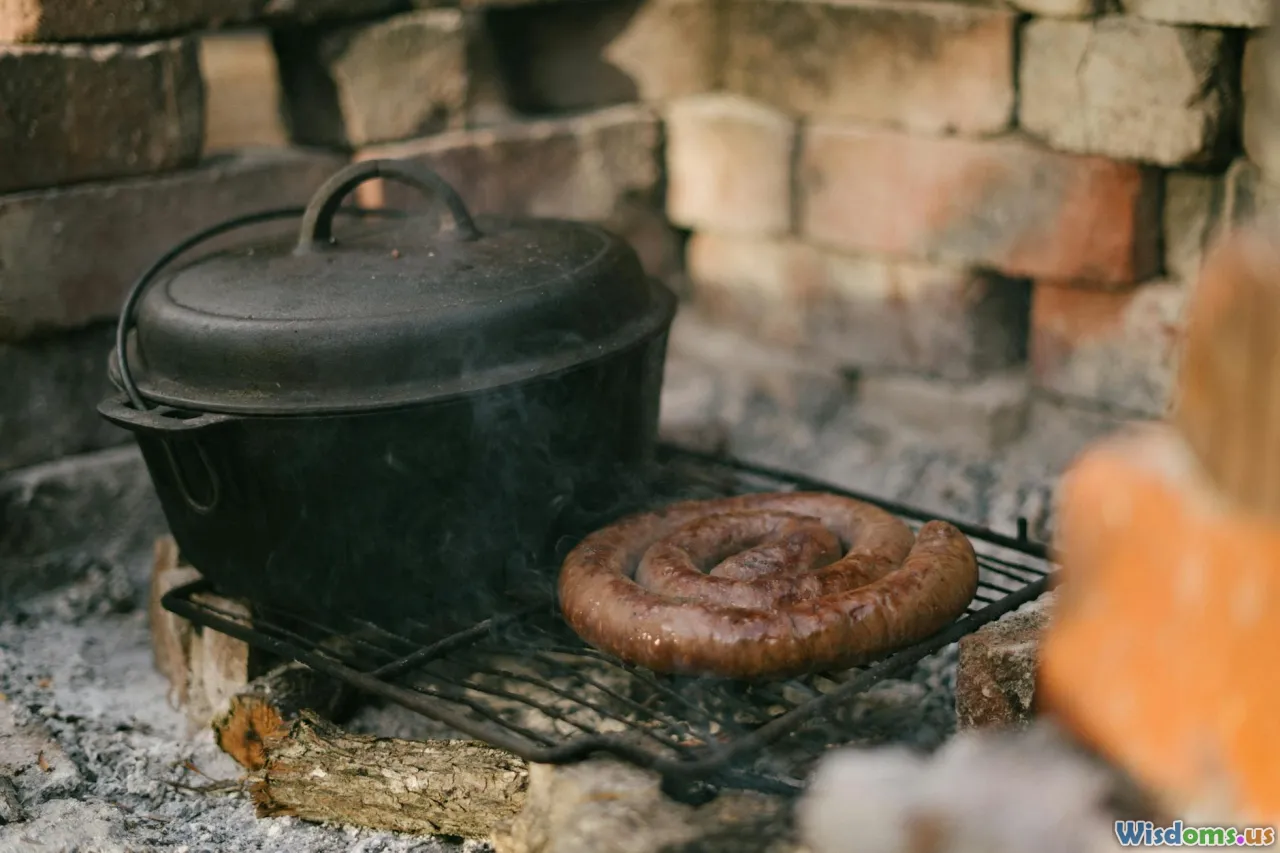
Smoke points are helpful—but they’re not the full story. Consider ranges and context:
- Extra-virgin olive oil (EVOO): Roughly 375–410°F (190–210°C), sometimes higher depending on quality and freshness.
- Refined olive oil: ~430–470°F (221–243°C).
- Refined avocado oil: ~480–520°F (249–271°C). Unrefined avocado: closer to ~375°F (190°C).
- Peanut oil (refined): ~440–450°F (227–232°C).
- Canola (refined): ~400–450°F (204–232°C).
- Grapeseed oil: ~420°F (216°C).
- High-oleic sunflower/safflower: ~450–510°F (232–266°C), depending on brand.
- Butter: ~300–350°F (149–177°C) due to milk solids.
- Ghee/clarified butter: ~450–485°F (232–252°C) because solids are removed.
- Coconut oil: unrefined ~350°F (177°C); refined ~400–450°F (204–232°C).
- Lard: ~370–400°F (188–204°C). Beef tallow: ~400–420°F (204–216°C).
Why it’s not everything:
- Antioxidants and fatty-acid composition influence real-world performance. EVOO often outperforms its listed smoke point in typical kitchen use because its polyphenols protect it during short, moderate-high heat cooking.
- Duration and contact: A 6-minute sauté at 375°F is different from a 25-minute shallow fry at the same dial setting.
- Equipment and load: A crowded pan lowers temperature; a light pan can spike heat fast. Both change how an oil behaves.
Practical takeaway: Use smoke point as a boundary, then refine your choice by flavor, stability, and cooking time.
Best oils for sautéing
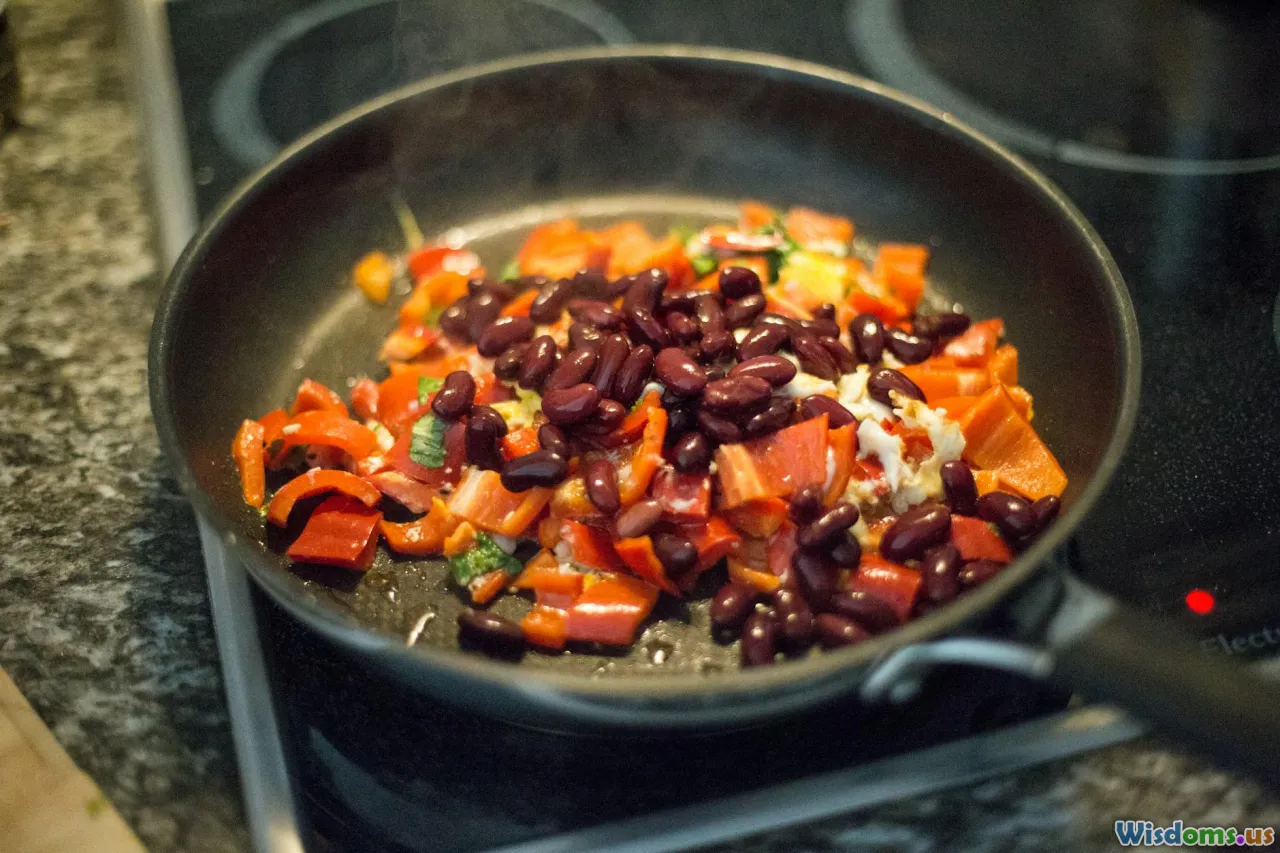
Sautéing thrives on oils that taste good and can handle quick heat.
Great picks:
- Extra-virgin olive oil: Adds peppery fruitiness to vegetables, shrimp, chicken cutlets, and eggs. Works beautifully for 3–10 minute sautés, especially 300–400°F (149–204°C). Example: Sautéed kale with garlic and chili flake in EVOO—fragrant, glossy, and not smoky when the pan is properly preheated.
- Refined olive oil: A more neutral alternative with higher heat tolerance. If you want olive’s roundness without assertive flavor, this is it.
- Avocado oil (refined): Very high smoke point and neutral-to-buttery notes; ideal for quick sears of scallops or steak strips.
- Peanut oil (refined): Stable with a subtle nuttiness; ideal for quick sautés of green beans, tofu, or pork.
How-to for a clean sauté:
- Preheat an empty pan for 1–2 minutes over medium-high. A drop of water should dance and evaporate quickly when ready.
- Add 1–2 tablespoons oil; tilt to coat. Look for a light shimmer—not smoke.
- Add ingredients in a dry state (pat proteins and vegetables dry). Moisture plummets pan temperature and causes sticking.
- Adjust heat down if you smell harsh fumes or see wisps of smoke; add a splash more oil only if the pan looks dry.
Avoid: Unrefined nut or seed oils with robust aromas (e.g., unrefined walnut, flax, unrefined sesame) for the main sauté step; they’re better as finishing oils to preserve taste and nutrients.
Oils for shallow and pan frying
Shallow frying takes longer than a quick sauté and often aims for crisp edges. You want stability and clean taste so the exterior browns evenly.
Top choices:
- Refined avocado oil: Excellent for high-heat pan-frying cutlets or fritters; flavor stays neutral.
- Peanut oil (refined): Classically used for frying thanks to its stability; great for breaded chicken or vegetable tempura.
- High-oleic sunflower or safflower oil: Designed for high heat; they brown evenly and remain neutral.
- Ghee or beef tallow: Traditional fats with robust stability; ghee adds buttery notes to potato rösti; tallow yields exceptional crusts on smashed burgers.
Good choices with a flavor footprint:
- Refined olive oil: Slightly more taste than avocado/peanut, and still heat-tolerant.
- Lard: Traditional pan-frying fat for pork schnitzel or tortillas; adds savory depth.
Tips for best results:
- Target oil temperature: 325–375°F (163–191°C). For breaded foods, 340–360°F (171–182°C) promotes crispness without scorching.
- Use enough oil to come halfway up the sides of the food for even browning.
- Work in batches; overcrowding cools oil and leads to greasy results.
- Refresh oil or strain if crumbs accumulate; burnt particles accelerate off-flavors.
Avoid for longer pan fries: Butters with milk solids (they scorch), unrefined delicate oils (they oxidize and burn), or strongly flavored finishing oils (they distract from the crisp texture).
Choosing oils for baking
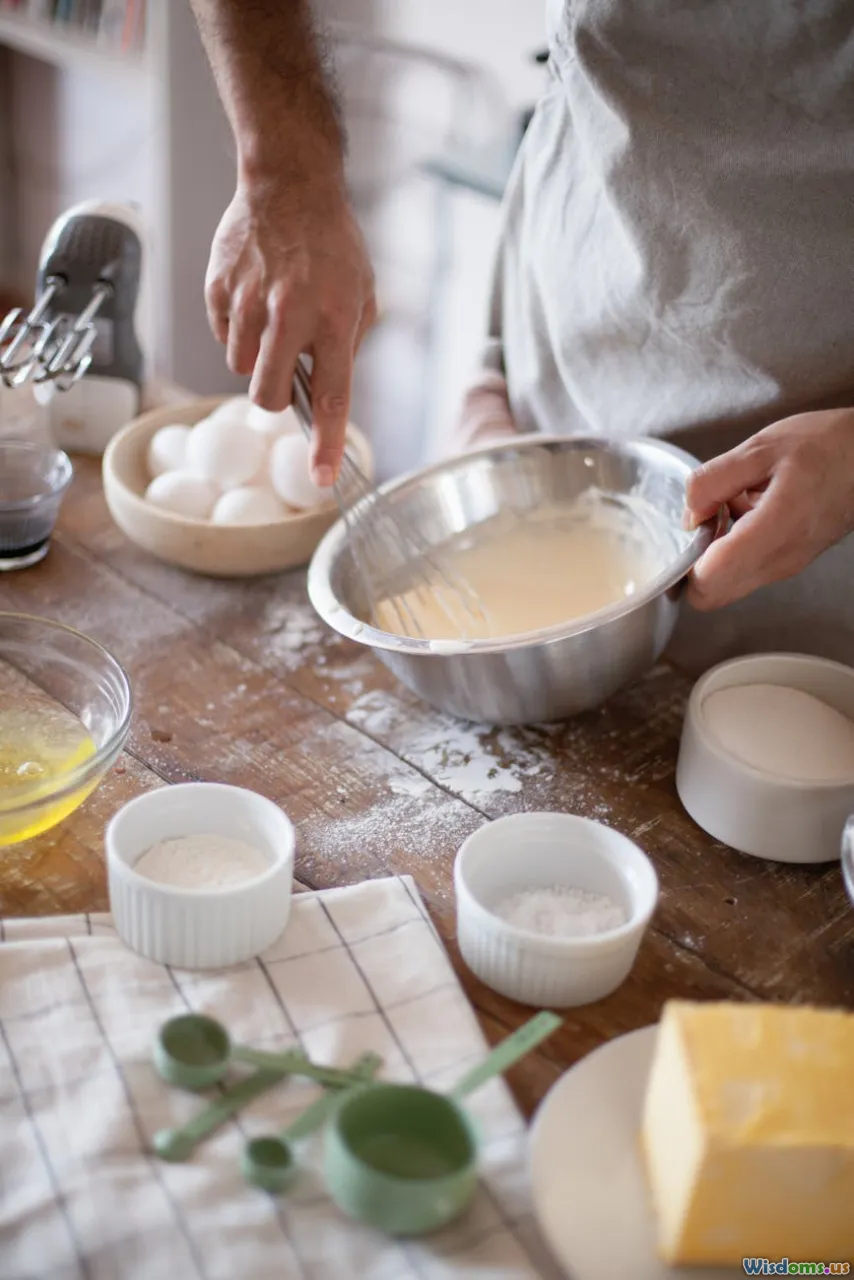
In baked goods, oil influences tenderness, crumb, and flavor. Because batter heats more gradually than a pan surface, smoke points matter less than taste and how the fat behaves as it melts.
Reliable, neutral oils for cakes and quick breads:
- Canola (refined), grapeseed, or refined sunflower (ideally high-oleic). These keep vanilla cakes clean-tasting and allow spices to shine in pumpkin bread.
When you want character:
- Extra-virgin olive oil: Fabulous in citrus or chocolate cakes, almond tortes, and rosemary-olive-oil loaf cakes. Choose a fruitier, milder EVOO to avoid bitterness. Example: A blood orange olive-oil cake where citrus zest harmonizes with EVOO’s floral notes.
- Coconut oil: Adds gentle coconut aroma; solid at room temp, so it can mimic butter’s richness in vegan cookies. Use refined coconut oil for less coconut flavor if desired.
- Browned butter or ghee: For brownies and blondies, ghee gives buttery depth without milk solids that can brown too fast.
Structure matters:
- Butter vs oil: Butter is ~80% fat and 20% water + milk solids, which helps creaming and puff in cookies. Liquid oils don’t cream the same way, leading to denser or chewier textures. If substituting oil for melted butter in brownies or loaf cakes, a 1:1 by volume swap works; in cookies, you may need to adjust flour up slightly or chill dough to reduce spread.
- Pie crusts and biscuits: Solid fats (butter, lard, shortening) create flaky layers by leaving steam pockets. Liquid oils tend to make tender but less flaky crusts. For a compromise, use a blend: 70% butter + 30% refined coconut oil, chilled and cubed.
Oven temperature logic:
- For roasting vegetables at 425–475°F (218–246°C), use stable oils: refined avocado, peanut, high-oleic sunflower/safflower, or refined olive oil. EVOO can still be used at 425°F if vegetables are not left to smoke and you roast for a reasonable duration—line the sheet and rotate pans to prevent hot spots.
Flavor matching: let the oil be a seasoning
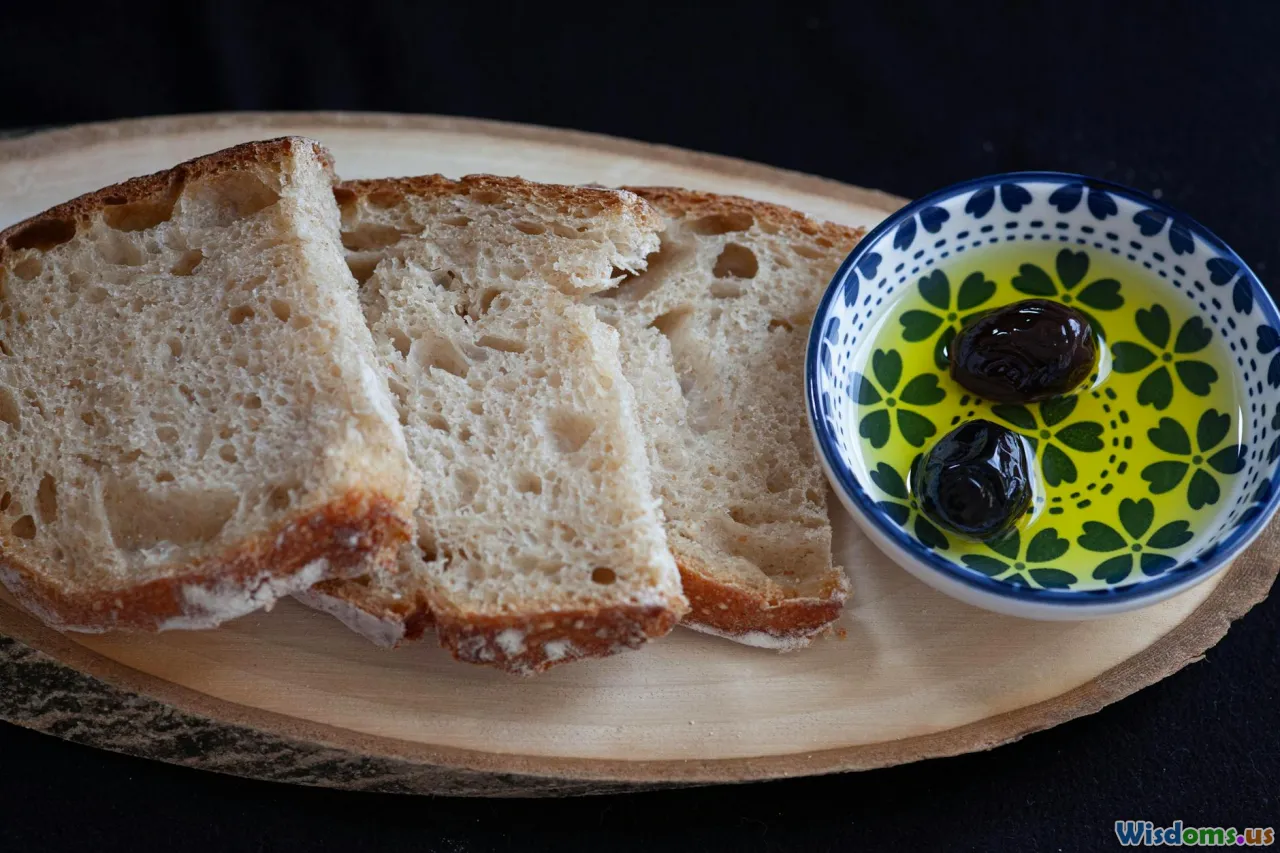
Treat cooking fat like salt: it seasons everything it touches. Match it to the dish.
- Mediterranean vegetables, tomatoes, fish: EVOO or refined olive oil. Example: Cherry tomatoes blistered in EVOO gain jammy sweetness and peppery finish.
- Stir-fries and crispy tofu: Peanut or refined avocado oil. Sesame flavor? Finish with a drizzle of toasted sesame oil off heat.
- Latin American dishes: Avocado oil is a natural fit; use lard for authentic tortillas or refried beans.
- Baking with fruit or warm spices: EVOO or coconut oil complements citrus, banana, and cinnamon.
- Neutral backdrop for delicate flavors (vanilla sponge, white fish): Grapeseed, refined sunflower, or canola.
Try this exercise: Line up three small bowls with bread or sliced cucumber. Taste side-by-side—EVOO, peanut oil, and grapeseed. Notice pepper, nuttiness, and neutrality. Now imagine them in your dish: which enhances, which distracts?
Health and nutrition context without the noise

From a cooking standpoint, think in terms of stability and balance.
- Monounsaturated-rich oils (olive, avocado, high-oleic sunflower/safflower, high-oleic canola) combine good heat performance with a favorable fatty-acid profile for everyday use.
- Saturated-rich fats (coconut oil, ghee, tallow) are highly heat-stable and excellent for browning but lend distinct flavors. Use when that flavor serves the dish.
- Polyunsaturated-rich conventional seed oils (soybean, corn, standard sunflower/safflower) can be fine at moderate heat and for short cooking, but they oxidize more readily under prolonged high heat. If your cooking skews to frequent pan-frying or high-temp roasting, consider refined or high-oleic versions.
Practical balance: Keep at least one monounsaturated workhorse (EVOO or avocado oil) and one neutral high-heat refined oil (peanut or high-oleic sunflower) on hand. Add a character fat (ghee, butter, or coconut) for flavor-forward recipes.
Cost, storage, and shelf life

Oxidation doesn’t just happen on the stove—it also happens slowly on the shelf.
- Buy in sizes you’ll use within 2–4 months once opened, especially for delicate, unrefined oils.
- Store in cool, dark places. Dark glass or opaque tins protect oils from light.
- Keep caps tight. Oxygen exposure degrades flavor and stability; a half-empty bottle ages faster than a full one.
- For nut oils (walnut, hazelnut) and flaxseed oil, refrigerate after opening. They’re best used as finishing oils rather than for heat.
- If an oil smells like crayons, playdough, or paint, it’s likely rancid—discard it. Rancidity will dull flavors and can carry through to baked goods or delicate sautés.
Budget moves:
- Use EVOO for salads, finishing, and quick sautés; reserve refined high-heat oils for searing or roasting. A two-bottle system avoids using pricey EVOO where a neutral oil works better.
- Seek high-oleic store brands; they’re often more affordable than specialty labels and perform just as well for high-heat cooking.
Special cases: cast iron, stir-fry, and finishing oils
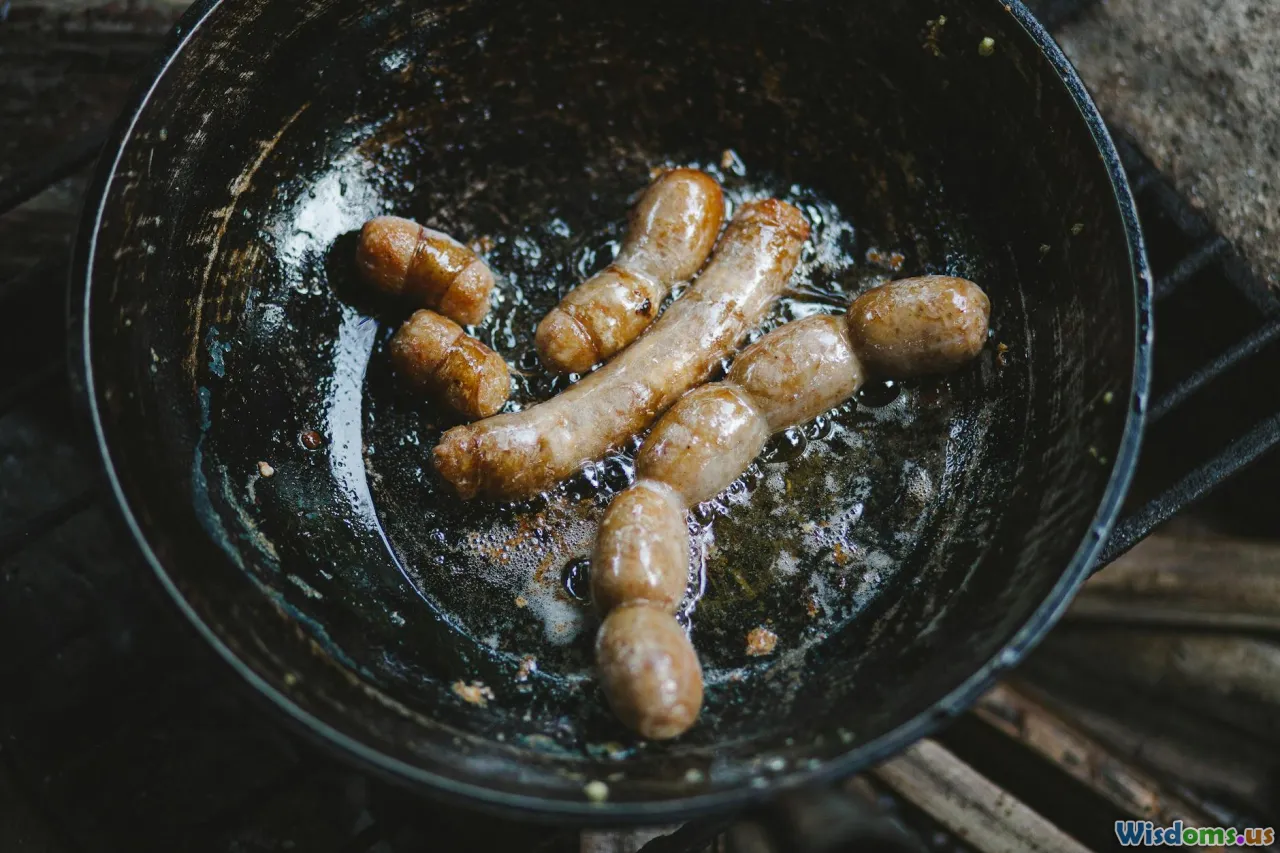
- Cast iron seasoning: For building a polymerized coating, use a high-smoke, neutral oil thinly applied (refined flaxseed is debated; many prefer grapeseed, canola, or high-oleic sunflower). Bake thin coats around 450°F (232°C), cool, repeat. For everyday cast iron cooking, ghee or refined avocado oil resists sticking and smoke.
- Wok cooking: High direct heat needs stability. Peanut oil, refined avocado, or high-oleic sunflower excel. Add aromatics and delicate oils (like toasted sesame) at the end or off heat.
- Finishing oils: Use unrefined sesame, walnut, pumpkin seed, or a peppery EVOO to finish soups, roasted vegetables, and grains. They shine brightest when unheated or gently warmed.
Example: Char broccoli florets in refined avocado oil in a ripping-hot pan; toss off heat with a teaspoon of toasted sesame oil and a squeeze of lime. You get the sear you want and full sesame aroma.
Practical decision trees and smart swaps

Use this quick logic when choosing:
- What am I doing?
- Quick sauté (under 10 min): EVOO, refined olive, refined avocado, or peanut.
- Shallow/pan frying (10–20+ min): Refined avocado, peanut, high-oleic sunflower/safflower, ghee, tallow.
- Baking (cakes/loaves): Neutral oils (canola, grapeseed, refined sunflower) or flavor-forward EVOO/coconut for specific styles.
- Roasting 425–475°F (218–246°C): Refined avocado, peanut, high-oleic sunflower/safflower, refined olive; EVOO is fine if you monitor and avoid smoking.
- Do I want the oil to add flavor?
- Yes: EVOO, coconut oil, ghee, butter (for lower-heat or baking). Finish with toasted sesame, walnut, or pumpkin seed oils.
- No: Grapeseed, refined avocado, peanut, high-oleic sunflower/safflower.
- Any allergens or dietary needs?
- Avoid peanut oil for guests with peanut allergies. Choose avocado, high-oleic sunflower/safflower, or refined olive instead.
- For dairy-free high heat, pick refined avocado or high-oleic seed oils instead of ghee.
Smart swaps to rescue a recipe:
- Out of butter for brownies? Use 1:1 EVOO for a luxurious crumb with a hint of fruitiness; add an extra pinch of salt and a touch of citrus zest to balance.
- Need a neutral oil for a delicate sponge? Swap in grapeseed or refined sunflower at 1:1 for canola.
- Stir-fry without peanut oil? Refined avocado oil is a near-seamless replacement; finish with a teaspoon of toasted sesame for the nutty aroma.
Common myths, clarified

- Myth: “Never cook with extra-virgin olive oil.” Reality: EVOO works excellently for sautés and even moderate roasts. Its antioxidants help resist oxidation during typical cooking times. Avoid letting it smoke or leaving it in a 475°F oven for prolonged periods without monitoring.
- Myth: “Only smoke point matters.” Reality: Fatty-acid profile, antioxidants, cooking duration, and load all matter. Grapeseed’s smoke point is fine, but high-oleic sunflower can be more stable over long, hot sessions.
- Myth: “All seed oils are bad for heat.” Reality: High-oleic varieties are specifically bred for stability and perform reliably in high-heat cooking.
- Myth: “Butter can handle the same heat as ghee.” Reality: Butter’s milk solids burn quickly. Ghee removes those solids, raising heat tolerance and giving a nutty, buttery flavor without scorching.
Real-world menus and oil pairings
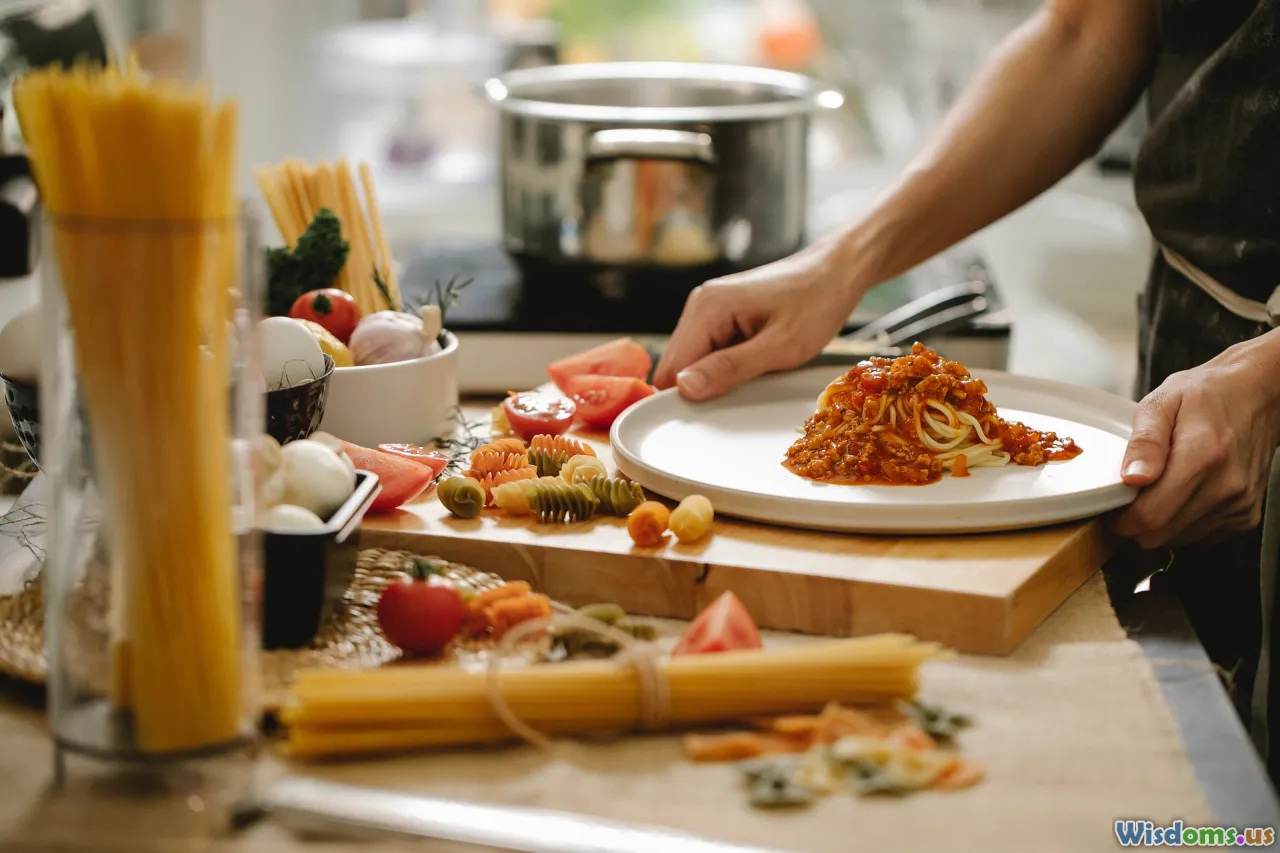
Here are sample scenarios illustrating practical choices that respect heat, time, and taste:
-
Tuesday Sauté: Chicken breast strips with peppers and onions. Choose refined olive oil or EVOO. Pan at medium-high, oil shimmers, add chicken, then vegetables. Finish with a squeeze of lime and a final teaspoon of EVOO off heat for aroma.
-
Weekend Pan Fry: Breaded eggplant cutlets. Choose peanut oil or refined avocado oil. Maintain 350°F oil temp; fry in batches to keep crust crisp. Salt immediately after draining.
-
Sheet-Pan Roasting: Carrots and cauliflower at 450°F (232°C). Choose high-oleic sunflower oil. Toss with oil, salt, cumin, and coriander. Roast until edges caramelize. Drizzle a little EVOO and lemon zest after roasting to lift flavors.
-
Vegan Baking: Banana bread. Choose refined coconut oil for gentle coconut notes or a neutral canola for pure banana. For a loftier crumb, whisk oil thoroughly with sugar before adding wet ingredients.
-
Seafood Night: Seared scallops. Choose refined avocado oil for the sear at high heat. After flipping, add a nob of butter or a spoon of ghee for basting and aroma without burning early in the cook.
-
Cast Iron Steak: Use beef tallow to pre-sear at high heat for crust stability. In the final minute, reduce heat and baste with ghee, garlic, and thyme.
Troubleshooting: when things go wrong
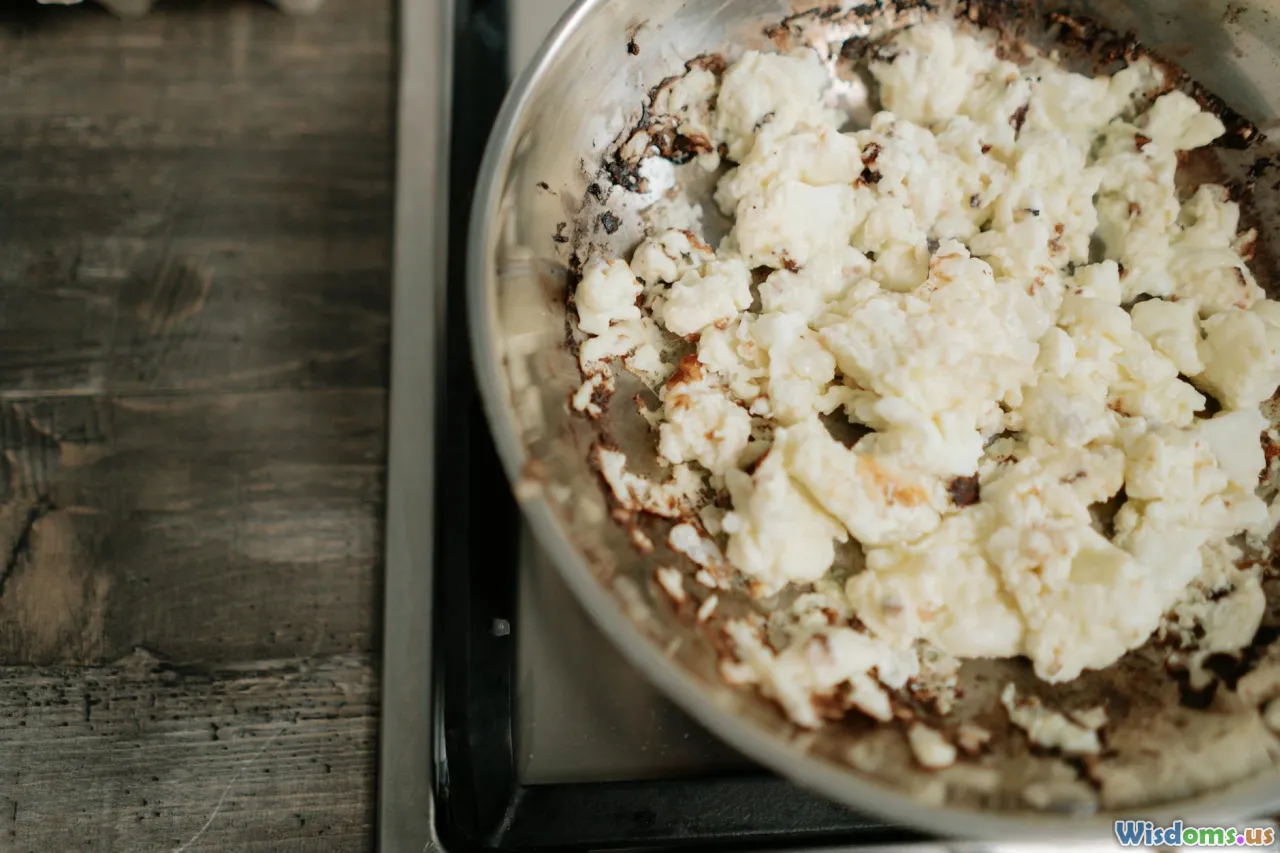
- The oil keeps smoking: Lower heat, switch to a higher-smoke-point oil, or use a thicker pan that retains heat more evenly. Make sure the pan isn’t bone-dry preheated for too long.
- Food sticks: Pan or oil wasn’t hot enough, or the food was wet. Preheat more thoroughly, pat ingredients dry, and give proteins a minute to release naturally before flipping.
- Soggy crust: Oil too cool or pan overcrowded. Fry in smaller batches and check temperature with a clip-on thermometer or an infrared gun.
- Bitter sauté: Either the oil or aromatics burned. Start over with lower heat, add aromatics later, and use a more stable oil if your recipe needs extended time.
- Off-flavors in baked goods: The oil may be stale or too flavorful for the recipe. Switch to fresh neutral oil or a mild EVOO; store delicate oils in the fridge and label opening dates.
A compact buying list for most kitchens
- Extra-virgin olive oil: For salads, finishing, and quick sautés with character.
- Refined avocado oil or high-oleic sunflower/safflower: For high-heat searing, roasting, and shallow frying.
- Peanut oil: For stir-fries and pan fries with subtle nutty warmth (skip if allergies are a concern).
- Ghee or butter: For baking flavor and quick finishing, with ghee stepping in where heat runs higher.
- Optional flavor accents: Toasted sesame, walnut, or pumpkin seed oil—small bottles kept cool for finishing.
With these on hand, you can match nearly any technique or recipe to a fat that enhances both taste and texture.
Choosing oils comes down to two questions you can ask at the stove or oven door: How hot will this get, and do I want the fat to speak up or blend in? Answer those, and the right bottle almost picks itself. Over time, you’ll develop a personal short list—a fruity EVOO for veggies, a neutral high-oleic for roasting, a jar of ghee for browning, maybe a bottle of toasted sesame for that last, fragrant flourish. Your pans will stay cleaner, your food will taste brighter, and the whole kitchen will smell like dinner, not smoke.
Rate the Post
User Reviews


Popular Posts