How to Launch a Fashion Line Using Only Social Media
33 min read Step-by-step guide to launch a fashion line using only social media—validate demand, build branding, source ethically, run pre-orders, leverage TikTok/Instagram, UGC, and micro-influencers, then scale with analytics. (0 Reviews)
You do not need a showroom, a PR agency, or even a website to launch a real fashion line. Social media can be your studio, your store, and your street team. If you commit to building in public, invite your audience into the process, and run tight operations from your phone, you can go from sketch to shipped orders with nothing more than the apps you already use.
Below is a practical, play-by-play guide based on what works for modern creators and scrappy founders who start lean and stay close to their customers.
Define a sharp point of view that people can recognize at a glance

A fashion line lives or dies by its point of view. On social, you have seconds to make that clear.
- Distill your brand thesis into one sentence. Example: Utility streetwear for cyclists in rainy cities; Modular festival layers that clip and snap; Workleisure for coffee pros who move fast and spill stuff.
- Lock a visual grammar. Choose 1 primary typeface, 1 accent typeface, and 2 to 3 core colors. Your signature color becomes a memory cue in the feed. If the color lime or safety orange is yours, claim it everywhere: in captions, backgrounds, and packaging.
- Decide your silhouette language. Oversized boxes, cropped and boxy, engineered seams, or clean drape. Post a side-by-side of references with comments on what details you will keep, improve, or drop.
- Name 3 non-negotiables. Example: water-resistant first, visible storage, and reflective hits. Say them out loud in every early video so your audience can repeat them back.
A crisp POV is not about complexity; it is about consistency. The more specific you are, the easier it is for people to remember and explain you to a friend in one line.
Validate demand before sewing a single sample
Treat your first designs like hypotheses. Use platform tools to test them fast and free.
- Post mockups and ask for pre-interest. Use story polls, question boxes, or comment triggers. Example: Drop a mockup of a tech cargo skirt with two colorways; poll on color A vs B. Ask: If I open pre-orders Friday, want early access? DM me the word SKIRT.
- Run a fake-door test. Share a Reel showing a 360 render or a flat lay mockup, then say you are holding 50 pre-order slots. Only collect interest, not money. If you cannot get 100 to 200 warm leads across platforms for a hero piece, refine the offer.
- Offer a choice architecture. People make faster decisions when choosing between two compelling options. Post A vs B with clear differences: fabric weight, pocket count, or hem length.
- Track intent metrics. Aim for story poll response rates above 5% of viewers, saves above 4% of reach on product posts, and DMs from at least 1% of viewers when you say DM me for early access. These are directional signals that your idea is sticky.
Validation is not approval; it is data about what to prioritize. Kill designs that stall. Double down on the ones people cannot stop talking about in comments and DMs.
Choose platforms that match your category and customer behavior
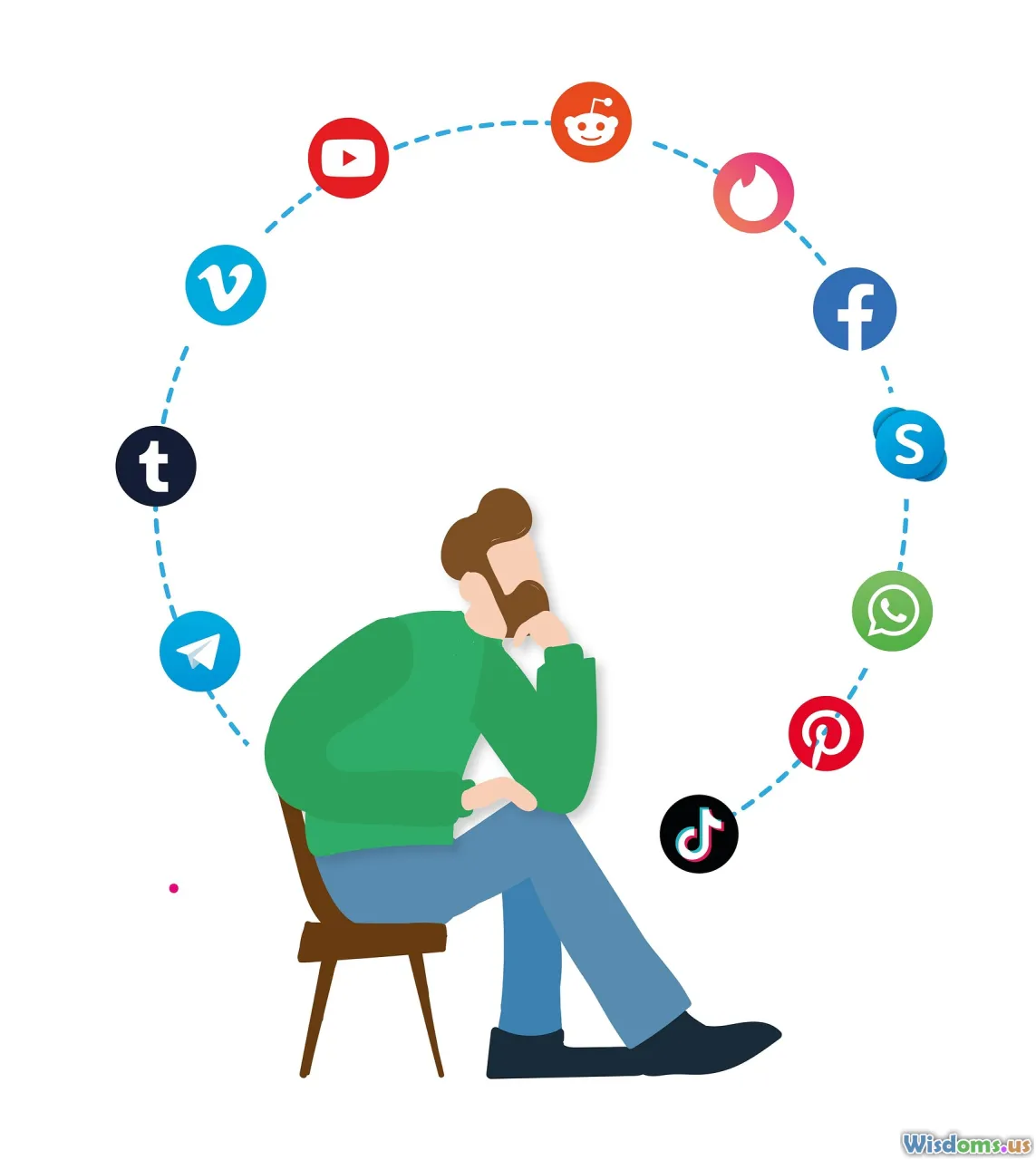
Every platform gives you a different lever. Pick 2 to go deep on; mirror the highlights to others.
- TikTok: Discovery engine. Fast creative testing, daily posts, live sessions, and community stitches. Best for design diaries, pattern hacks, and before-after tailoring.
- Instagram: Visual showroom plus DMs that sell. Posts to build aesthetic, Stories to sell, Reels to reach, Lives to convert, Highlights to pin policies and sizing.
- Pinterest: Long-tail inspiration and search. Great for moodboards, fabric swatches, and seasonal capsules. Pins drive sustained discovery for months.
- YouTube Shorts: Reach meets SEO. Quick cuts of fit tests, washing durability, and how-to style episodes.
- Discord or WhatsApp Channels: Micro-community for your most engaged followers who want early drops and real-time updates.
Map platform to message. Example: use TikTok to tell the design story, Instagram Stories to run polls and take pre-orders, and a WhatsApp Channel for drop alerts and shipping updates.
Build a lean brand system your community can copy and co-create
Your brand should be simple enough for fans to replicate in their own content.
- Create a 6-slide brand starter: logo lockups, color swatches with hex codes, two type styles, your hashtag, and 3 sample post layouts. Share it publicly. Invite people to remix it when they post UGC.
- Use a signature prop or motif. A custom hangtag, zipper pull, or stitch color becomes recognizable in macro shots on social.
- Set a brand hashtag and a campaign tag. Brand tag for every post; campaign tag for a specific drop. Keep them short and easy to spell.
- Publish a UGC guide in a pinned post. Show best angles, recommended lighting, and the caption formula fans can copy. Make participation effortless.
When you make your look easy to remix, you recruit creators without paying them, and you maintain a cohesive aesthetic that compounds across feeds.
Content pillars and a 30-day launch calendar

Pick 4 to 5 pillars so you never wonder what to post.
Content pillars examples:
- Design diary: sketches, pattern tweaks, fit adjustments.
- Fabric facts: why this weave, weight, or finish matters.
- Stress tests: stain tests, rain tests, abrasion tests.
- Style lab: 3 ways to wear it, petite and tall comparisons.
- Customer stories: duets, stitches, or reposted try-ons.
A 30-day calendar outline:
- Week 1: Problem and POV. Post daily about the problem your line solves. Run 3 polls and 1 Q and A box. DM responders with early-access list.
- Week 2: Solutions in progress. Show sourcing, swatches, trim decisions, and a first muslin fit. Go live twice to vote on details.
- Week 3: Finalize and price. Post COGS breakdown and why pricing is what it is. Transparency builds trust. Open a private drop list via DM keyword.
- Week 4: Countdown. Daily countdown stories, creator seeding teasers, and pinned video of how to order via DM or platform shop. Drop on day 30 with a live stream.
Attach every post to a next action: save this for launch day, DM keyword for early link, or join the broadcast channel for instant alerts.
Prototype in public: from sketch to sample live
Open the curtain on your process and let the audience steer micro decisions.
- Run a live from your cutting table. Ask viewers to vote on pocket depth, cuff width, or hem curve using on-screen polls or comment keywords.
- Use deadstock or small-batch mills to lower minimums for early runs. Many local screen printers will run as few as a dozen tees; small cut-and-sew shops often start around 50 to 100 units. Sampling typically costs more per piece than production; budget accordingly.
- Document first-fit learnings. Post honest clips: waist too tight on size M, knee articulation needs another inch, zipper teeth scratch under the chin. Audiences respect iteration more than perfection.
- Batch your b-roll. Record each step for later edits: pressing seams, bar tack reinforcement, pattern notches. These details make loopable satisfying content that outperforms glossy lookbooks.
When people witness your craft, they become co-authors. Co-authors buy.
Price with margin for growth

Set a price that funds quality, marketing, and future runs. Do not guess.
- List all costs per unit: fabric and trims, labels, sample amortization, labor, packaging, shipping supplies, and payment processing fees. Most payment processors take around 3 percent plus a small fixed fee per transaction.
- Target gross margins in the 60 to 70 percent range for direct-to-consumer apparel. That margin pays for inventory risk, returns, creator fees, and your time.
- Example: A heavy tee costs 8 for fabric and sewing, 1.50 for label and trims, 2 for packaging, 1.50 for payment processing at a 40 price, and 1 average for sampling amortization. Landed COGS about 13. Margin at 40 retail is roughly 68 percent before shipping. Adjust for your reality.
- Consider an early-access price for your first 50 to 100 units to reward early believers and lock cash before production.
Transparent pricing posts do well on social. Show your math and ask the audience if they prefer free shipping baked into price or separate at checkout. Use their feedback.
Accept orders entirely through social
You can take orders without a site by using DMs, in-app shops, and payment links.
- DMs as a cart: Prepare quick replies for sizing, price, care, and order steps. When a customer DMs your keyword, reply with size chart, color choice, and a payment link.
- Payment links: Create product-specific links using services like Stripe Payment Links, PayPal, or Square Online Checkout. Paste the link in DMs or in a link-in-bio hub. These do not require a full site.
- In-app shops: If available in your region, set up TikTok Shop or Instagram shopping to tag products in posts and Lives. Use product pins during live streams so viewers can check out in a tap.
- Track orders in a simple sheet. Columns: handle, name, address, product, size, color, paid link, ship date, tracking number, notes. Send receipts inside the DM thread for a consistent experience.
Practice your 60-second DM checkout flow until it feels natural. Speed and clarity win impulse windows on social.
Launch mechanics: build anticipation, then drop with purpose

Treat your drop like an event. Most sales come from sequences, not single posts.
- Run a three-phase plan: tease, reserve, and drop. Tease with close-ups and context; reserve with early access and deadlines; drop with a live shopping session, pinning the product link.
- Seed micro-creators 10 to 14 days before launch. Aim for 10 to 20 creators aligned with your niche and size range. Ask for try-on stories during countdown week, not just on launch day.
- Time your drop to when your audience is online. Look at your platform insights for peak times. Many fashion audiences convert well in the evening or weekend windows.
- Have a sell-out protocol. Cap the first run with a clear number, post real-time updates, and open a waitlist for restock. Scarcity should be honest and rooted in production limits.
On drop day, make noise across formats: Reels, Stories with countdown stickers, Lives, comment replies, and a pinned post that explains exactly how to buy.
Creators and micro-influencers as your sales team
Creators are your distribution. Micro-influencers often drive higher engagement rates than large accounts and feel more like friends than celebrities.
- Structure a seeding program. Offer product in exchange for honest content and permission to repurpose. Keep your brief specific but creative: show three moves that prove the garment solves a real problem, shoot in daylight by a window, and include a pocket test.
- Use codes or DM triggers to attribute sales. Since you may not have a site for UTM links, assign short codes or ask followers to DM a creator-specific keyword to order. Track which keyword converts.
- Expected rates vary. Many micro-creators will post for gifted product if the piece is relevant and premium. Others may charge a fee; start with small test budgets and request usage rights to run their clips as ads later.
- Feature creators prominently. Repost their try-ons, stitch their styling tips, and pin their videos to your profile. Social proof compounds.
When creators riff on your brand rules, new customers see someone like them wearing your work in their real world. That is conversion gold.
Community, not customers: turn DMs into a club

Community beats algorithms. Cultivate rituals and a sense of membership.
- Launch a Close Friends list or broadcast channel for early looks and coupons. Position it as the runway side-stage. Entry is earned by engaging or by DM request.
- Name your community. A nickname bonds people. Use it naturally in captions and Lives.
- Host recurring segments: First Friday fit check, Wash test Wednesday, or Sketchbook Sunday. Rituals keep fans returning on schedule.
- Celebrate customers. Repost every tagged try-on in a weekly carousel. Send a voice note thank you. These touches are rare and memorable.
Make the DM thread feel like a boutique with a very attentive stylist, not a ticketing system.
Operations you can run from your phone

Keep your back office light but disciplined.
- Sizing and SKUs: Name products with short codes. Example: UT-01 for utility tee, color code GR for graphite, size M. Your sheet entry would be UT-01-GR-M. This reduces packing mistakes.
- Packing: Use recycled poly mailers or kraft mailers sized to your garments. Include a thank-you card with care instructions and a QR code that links back to your profile.
- Shipping: Most carriers have mobile label purchase options. Print at home or drop at a kiosk. DM the tracking number and expected delivery window in the same thread as the order.
- Quality control: Before packing, checklist seams, trims, threads, label accuracy, and any potential defects. Post your QC ritual in Stories so buyers feel confident.
Simplicity scales better than complexity at the start. The goal is consistent, predictable fulfillment.
Legal, returns, and trust signals on social

Trust is the currency of social commerce. Put your policies front and center.
- Pin a policy post and save it as a Story Highlight. Include shipping timelines, return or exchange windows, and how to contact you.
- Care and content labels: Many countries require fiber content and care labels for apparel. Add compliant labels to your garments and show them in content.
- Transparent timelines: State production and ship windows clearly, especially for pre-orders. Update weekly until every unit ships.
- Dispute plan: Prepare refund scripts and a documented process in case of lost packages. Post a summary so people know you stand behind orders.
Professionalism on social feels rare; that is why it differentiates you.
Metrics that matter and how to read them

You only need a handful of numbers to know what to fix next.
- Top-of-funnel: Reach, watch time, view-through rate, and percentage of viewers who saved or shared. Saves and shares predict future sales better than likes.
- Mid-funnel: Profile visits to DMs ratio, Story link tap-through rate, DM keyword responses. If profile visits are high but DMs are low, make the call to action explicit in your bio and pinned posts.
- Bottom-of-funnel: DM-to-paid conversion, refund rate, on-time shipping rate. A healthy DM-to-paid conversion for warm audiences can land in the 20 to 40 percent range.
- Cohort learning: Track creator codes or keywords to learn which creators and content angles produce the most orders.
Optimize the bottleneck you actually have. If watch time is fine but few DMs, fix your call to action. If DMs are strong but conversion is weak, improve sizing guidance and checkout clarity.
Scale playbook: from side hustle to sustainable label

Once you nail the cycle for one product, you can grow without abandoning your social-first model.
- Add paid on top of organic. Take your best-performing UGC and run small tests with platform-native ads. Spark Ads or Boosts that use creator posts often perform better than brand posts.
- Expand the line slowly. Introduce complementary pieces that reuse trims or fabrics to simplify operations.
- Wholesale via DMs. Invite boutique owners to DM for a line sheet PDF and a virtual appointment. Keep MOQs realistic; small stores appreciate flexible buy-ins.
- Pre-order cycles. Keep cash flowing by dropping in seasons with controlled pre-orders. Communicate cut-off dates and production ETA.
Scale is not just more orders; it is cleaner systems. Update your checklists every time something breaks.
Common mistakes and how to avoid them

Avoid the pitfalls that stall promising lines.
- Vague brand voice: If people cannot summarize you, they cannot sell you to friends. Sharpen the POV.
- Underpricing: Low prices starve production quality and marketing. Price for sustainability, not survival.
- Overbuilding a website too early: Your audience lives in DMs; do not split attention. Add a site once you have repeatable demand.
- Ignoring lead times: Fabric, trims, and cut-and-sew timelines stack. Promise conservative ship dates and update publicly.
- Inconsistent sizing: Fit is a trust contract. Test on multiple body types and share the data.
- Hiding behind perfection: Social rewards honesty. Post the miss, then post the fix.
Fast learners win on social. Break small, fix fast, and narrate both.
A scrappy 10-day starter plan if you begin today

Follow this pace to move from idea to pre-orders in less than two weeks.
- Day 1: Write your one-sentence thesis and non-negotiables. Choose your colors and type. Create a simple text logo and a brand hashtag. Open a notes doc with your content pillars.
- Day 2: Build a 9-tile grid of your vibe: 3 references, 3 texture or fabric shots, 3 problems you are solving. Publish to Instagram with a caption that states your thesis. Pin it.
- Day 3: Mock up your hero piece in two variations. Post a side-by-side Reel. Use a poll in Stories: Option A or B. Invite DMs with a keyword for early access.
- Day 4: Go live for 20 minutes. Show sketches, talk through material choices, and ask for questions. Save the live as a replay. DM every commenter with a thank you and a link to join your broadcast channel.
- Day 5: Price openly. Share your cost components and ask if buyers prefer free shipping baked-in or separate. Open an interest waitlist with a DM keyword.
- Day 6: Finalize details using poll results. Post a 15-second loop of the garment detail that people responded to most. Announce a date and time for the early-access drop.
- Day 7: Seed 5 micro-creators. Offer the first samples or promise units from the first run in exchange for try-on content scheduled for days 9 to 12.
- Day 8: Post a size and fit plan. Show fit on two different body types if possible. Ask for more volunteers for size feedback via DM.
- Day 9: Countdown. Daily Stories with behind-the-scenes packing prep. Creators post first looks. Repost every tag.
- Day 10: Drop to your early-access list via DM keyword first, then to public in 2 hours. Go live with pinned product links and answer questions on sizing and shipping.
You will learn more in those 10 days than in 10 weeks of silent planning. Keep what works, toss what does not, and repeat.
Production options that fit a social-first launch

Your production choice should match your risk tolerance and storytelling needs.
- Local small-batch cut-and-sew: Great for higher control and quick tweaks. MOQs can start around a few dozen units. Film the workshop process; people love seeing craft.
- Deadstock and upcycling: Source surplus fabrics or rework vintage blanks. You reduce waste and can tell a sustainability story that resonates, especially on platforms where ethics matter.
- On-demand embellishment: Start with high-quality blanks, then screen print, embroider, or heat-transfer designs locally in batches of 12 to 48. This lets you test graphics without deep inventory.
- Hybrid: Use on-demand for graphics and small runs while developing one flagship cut-and-sew piece you perfect over a few cycles.
Show the trade-offs openly: speed, control, sustainability, and price. Customers appreciate the transparency and will help you choose.
Visual craft: make your clothes look expensive with a phone
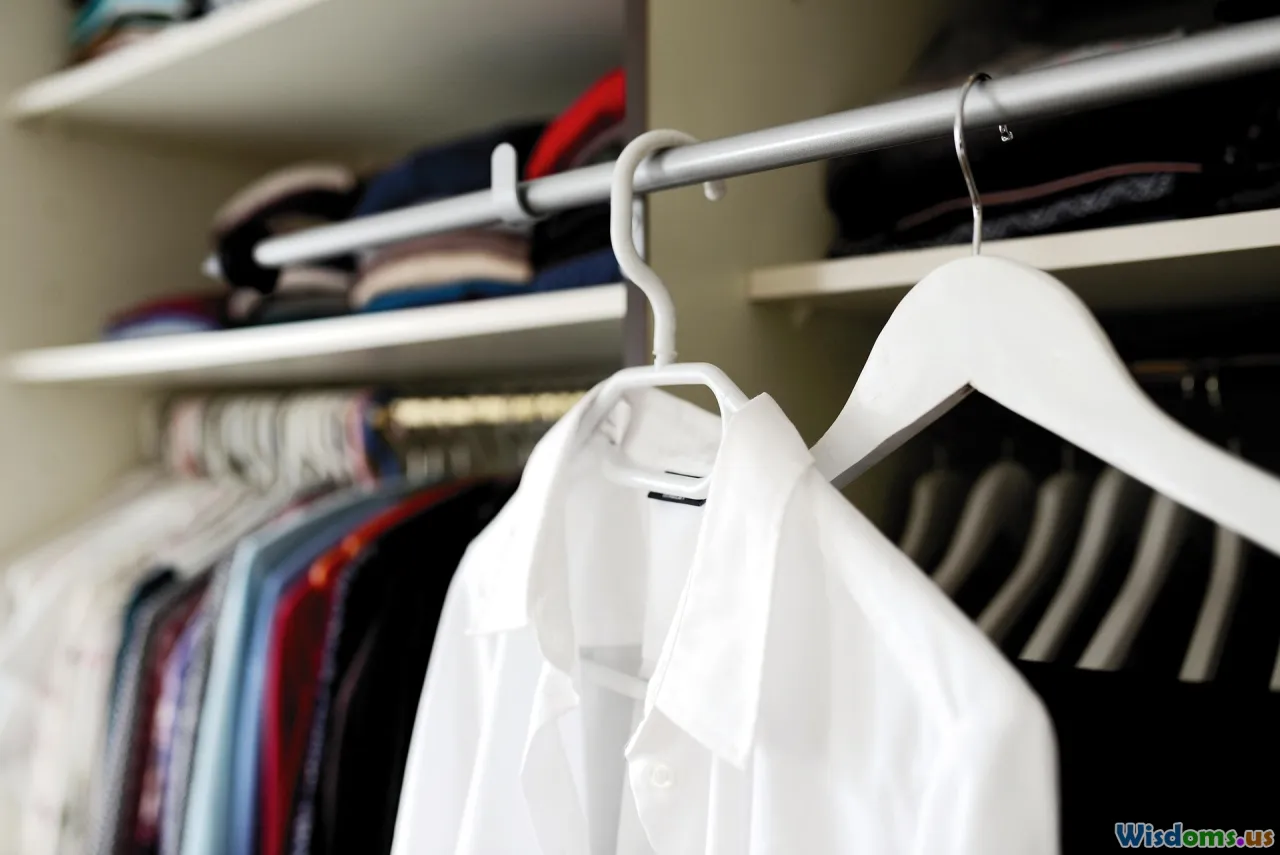
Production value on social comes from taste, not gear.
- Light: Shoot near a window during daylight. Use a cheap reflector or white foam board to bounce light and kill shadows.
- Backgrounds: One textured wall, one seamless paper, and one street location are enough. Keep color harmony with your palette.
- Angles: Mix flat lays with 45-degree detail shots and moving fit clips. Get close to stitches, zippers, and labels. Texture sells quality.
- Hooks: In your first 3 seconds, promise the payoff. Examples: Watch this tee repel coffee, Three fit tweaks that fixed shoulder pull, This jacket has a secret map pocket.
- Edit: Keep cuts quick, captions large and legible, and maintain a safe zone for platform UI. Add chapters in longer videos with on-screen text to hold attention.
You do not need perfection; you need clarity and a reason to watch to the end.
Customer experience that creates word-of-mouth
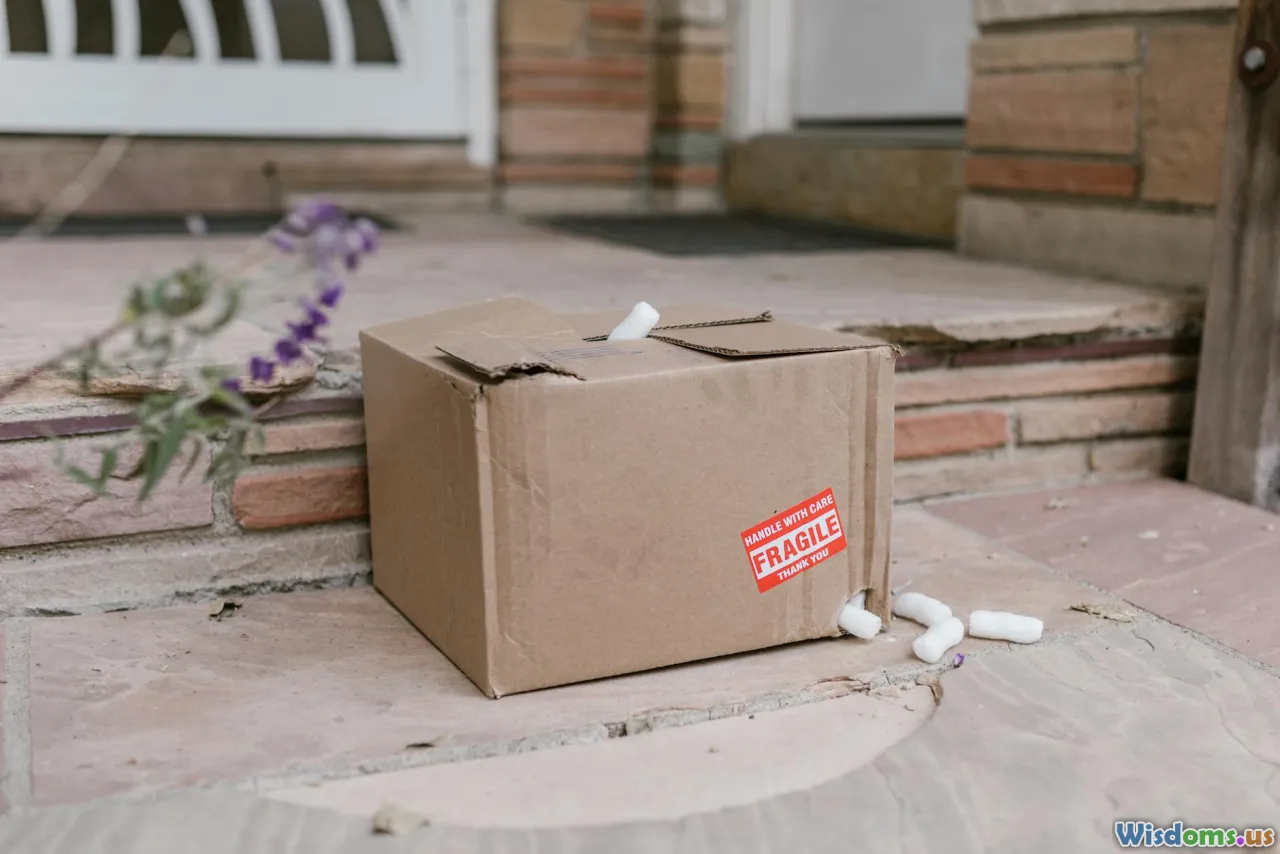
Your buyer journey is the real product. Make it a story they want to share.
- Pre-purchase: Fast replies in DMs, a real human voice, and sizing confidence. Offer a quick fit consult via voice notes.
- Unboxing: Branded but minimal packaging, a hand-signed card, and a care card. Include a QR that leads to a playlist or styling guide.
- Post-purchase: DM a care reminder and styling tip one week after delivery. Invite them to feature in your Story highlight.
- Loyalty: Give returning buyers early access and a standing perk such as free name embroidery, a patch, or a small accessory.
People share surprises. Engineer one delightful detail in every order.
Realistic budget to launch with only social

A lean social-first launch can be cash-light but time-heavy. A sample budget many founders make work:
- Samples and test yardage: a few hundred to a low thousand depending on complexity and local rates.
- Packaging and labels for first 50 units: modest, especially if you source thoughtfully.
- Creator seeding: product cost plus shipping. Fees only if you have leftover budget.
- Ads: small daily boosters for your best organic posts in countdown week. Spend only after organic content proves resonance.
Your main investment is consistency and responsiveness. The money follows if you show up daily with value.
Launching a fashion line on social is not a hack; it is a craft and a conversation. Share your taste. Listen to your people. Make better things together, one post and one stitch at a time. When someone DMs you months later to say this piece made their day easier or more expressive, you will know you built something real—and you did it from your phone.
Rate the Post
User Reviews




Popular Posts