The True Cost of Fast Fashion Explained
32 min read Unpacks environmental, social, and economic toll of fast fashion with clear stats, case studies, and cost-per-wear tips to shop smarter and support ethical brands. (0 Reviews)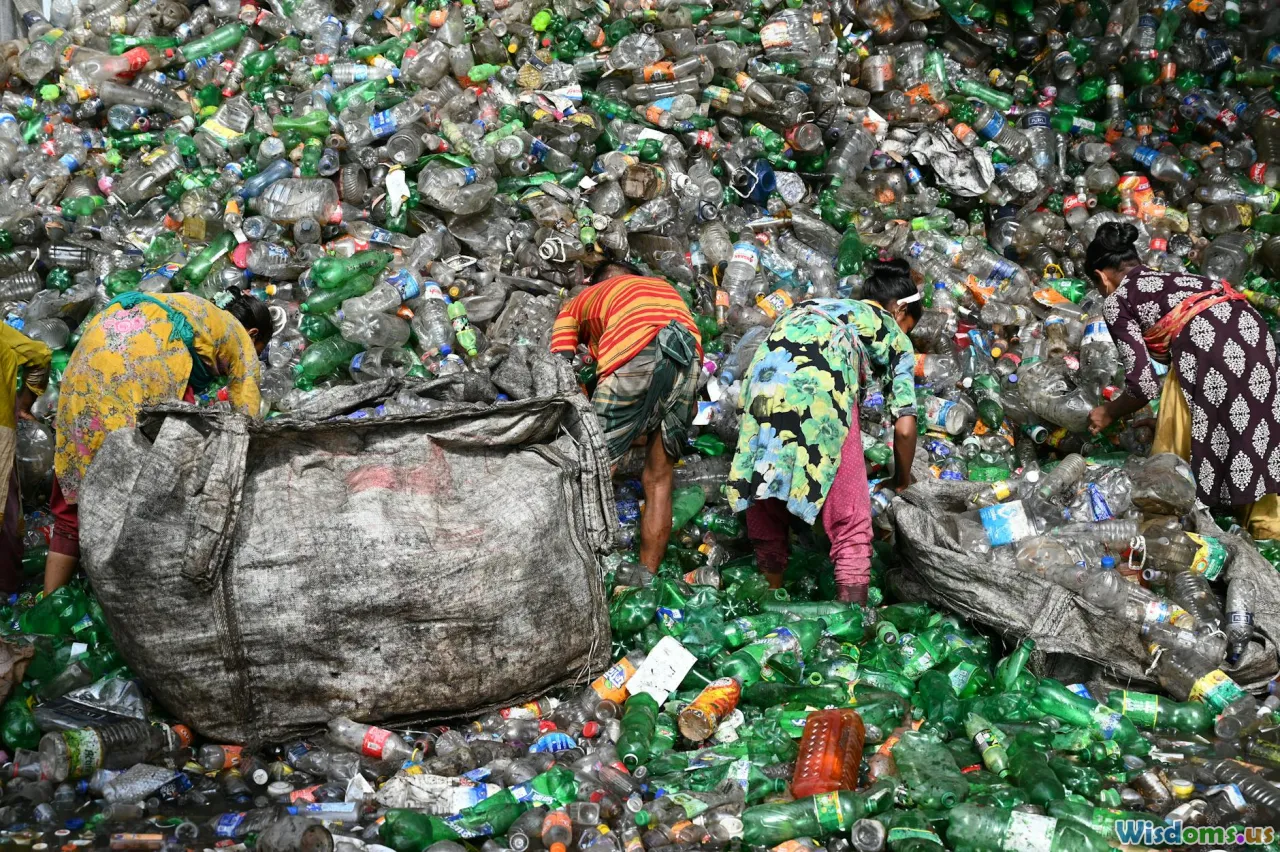
A $7 T‑shirt can feel like a small victory at the checkout counter: on-trend, delivered fast, barely a dent in your budget. But the price you pay is not the price it costs. From fossil-fuel-heavy fibers and dye-laden rivers to poverty wages and a growing mountain of waste, fast fashion’s discount is financed by the planet and by people you’ll never meet. Understanding the true cost doesn’t mean giving up style. It means looking under the hemline of a business model designed to speed up trends, push overproduction, and outsource risk.
This guide unpacks how fast fashion works, where the real costs land, and how to dress well without buying into the churn. It blends concrete data with practical steps you can start today.
What 'fast fashion' really means — and why it got so cheap
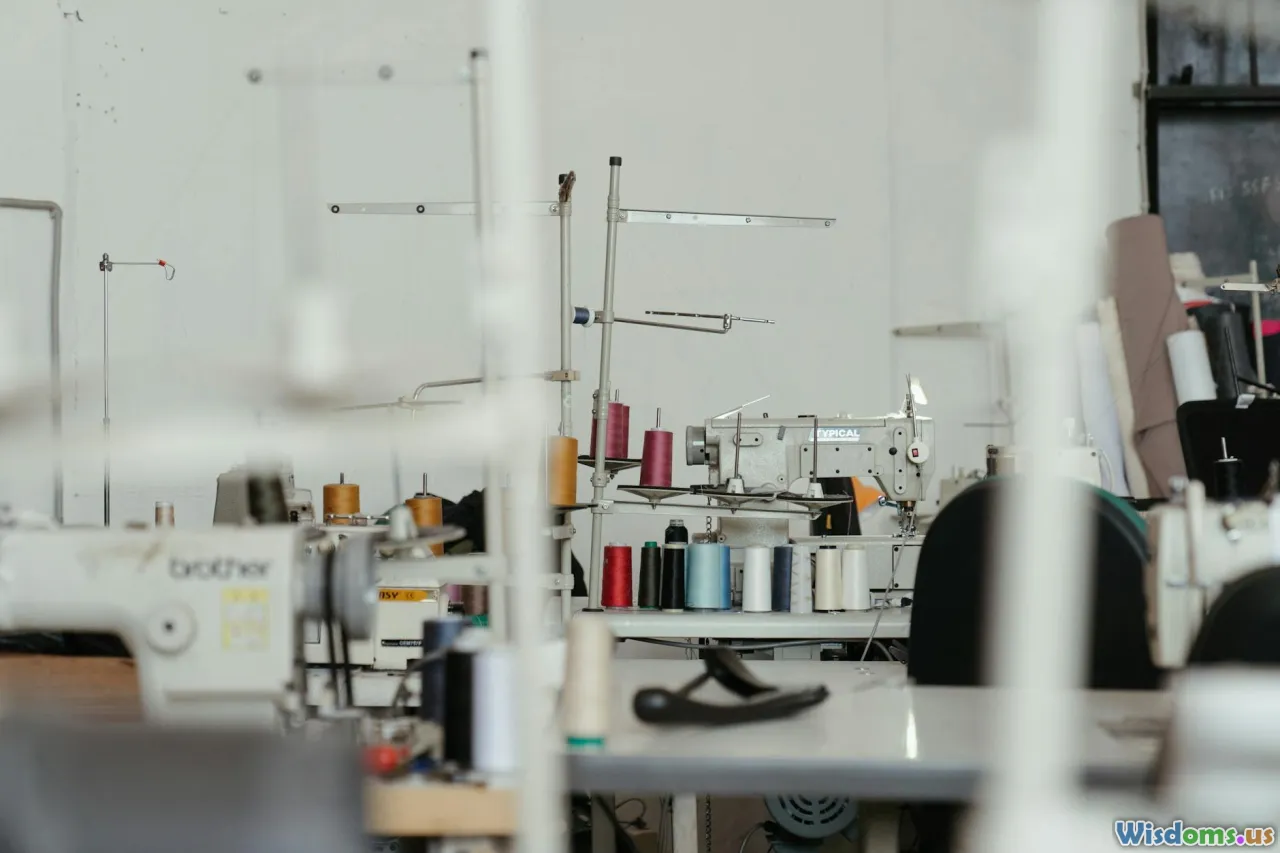
Fast fashion is a retail model built on three pillars: speed, scale, and price. In the late 1990s and 2000s, brands like Zara, H&M, and later ultra-fast players such as Shein compressed the design-to-store timeline from months to days. Social media poured fuel on the engine. Instead of two seasons a year, fast fashion pushes dozens of micro-collections, sometimes hundreds, releasing new styles weekly.
How the model operates in practice:
- Trend harvesting: Design teams scrape runways, influencers, and search data; algorithms flag what’s going viral. Ultra-fast brands test tiny runs (as few as 50–200 units per SKU) and scale the winners immediately.
- Globalized, fragmented supply chains: Fabric is often knitted or woven in one country, dyed in another, and sewn in a third, wherever costs are lowest and regulations are laxest. A single blouse can cross multiple borders before it reaches you.
- High-velocity logistics: Nearshoring for quick-turn basics, far-shoring for bulk orders, and air-freight for trend-critical items. E-commerce stokes demand with free shipping and ‘buy-now, wear-this-weekend’ promises.
- Price deflation by design: Costs are squeezed through cheap synthetic fibers (especially polyester), intense supplier competition, and volume—lots of it. The faster trends move, the more you feel you need.
The result: rock-bottom prices and a closet that fills faster than you can wear everything you own. But speed and scale have consequences that don’t show up on a receipt.
The environmental bill: water, carbon, chemicals, and microfibers

When you divide apparel production across the planet, the numbers stack up fast. Estimates vary, but the fashion sector is widely cited as contributing roughly 2–8% of global greenhouse gas emissions. Annual clothing output is now over 100 billion items—more garments than there are people on Earth by an order of magnitude. Here’s where the environmental toll comes from:
- Water and chemicals: Dyeing and finishing fabrics are water- and chemistry-intensive. Analysts have attributed up to 20% of industrial water pollution globally to textile treatment. A single cotton T‑shirt has a ‘water footprint’ often quoted around 2,700 liters from farm to store—enough to hydrate one person for years. Chemical effluent can leave rivers in dyehouse regions literally tinted the color of the season.
- Carbon: Fiber production and processing dominate the carbon ledger. Polyester—over half of global fiber volume—comes from oil and gas. Life-cycle estimates suggest 1 kg of virgin polyester fiber can carry 4–9 kg of CO2e, depending on energy mixes and process efficiencies. Spinning, weaving/knitting, dyeing, and finishing add more. Air-freighting last-minute trends multiplies the footprint.
- Microplastics: Synthetic garments shed microscopic fibers during wear and washing; one 6 kg load can release hundreds of thousands of microfibers. The International Union for Conservation of Nature has estimated that synthetic textiles account for roughly 35% of primary microplastics released into the oceans.
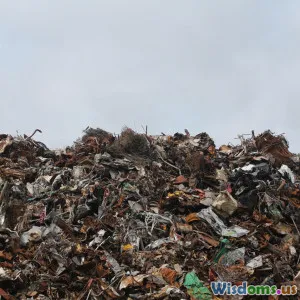
- Waste: The Ellen MacArthur Foundation famously calculated that every second, the equivalent of a garbage truck of textiles is landfilled or incinerated. Globally, only about 1% of clothing is recycled into new clothing (fiber-to-fiber), because mixed fibers, dyes, and elastane make recovery hard.
Fiber-by-fiber, the story looks like this:
- Cotton: Natural, breathable, and repairable. Conventional cotton farming can be pesticide- and water-intensive, especially in arid regions. Better Cotton and organic cotton aim to cut inputs, but yields, traceability, and water source (rainfed vs irrigated) matter more than labels alone.
- Polyester: Cheap, durable, wrinkle-resistant—and fossil-based. Recycled polyester (rPET) often comes from used plastic bottles, which keeps material out of landfills but can divert feedstock from bottle-to-bottle recycling and does little to solve microfiber shedding.
- Viscose/rayon: A cellulosic fiber made from wood pulp. It’s biodegradable but relies on chemical processing and, if poorly sourced, can drive deforestation. Certifications like FSC and programs like CanopyStyle seek to protect ancient and endangered forests.
Where the emissions happen across a typical garment lifecycle:
- 50–70%: Raw material and fabric production (spinning, weaving/knitting, dyeing)
- 10–20%: Cut-and-sew manufacturing and packaging
- 10–20%: Transport and retail (air freight is a big swing factor)
- 5–10%: Consumer use (washing, drying, ironing)
- End-of-life: Landfill/incineration emissions; negligible circularity today
The environmental ‘discount’ on fast fashion is paid upstream by rivers, soils, and air—and downstream as microfibers and methane from landfilled synthetics.
The human cost: wages, safety, and the race to the bottom
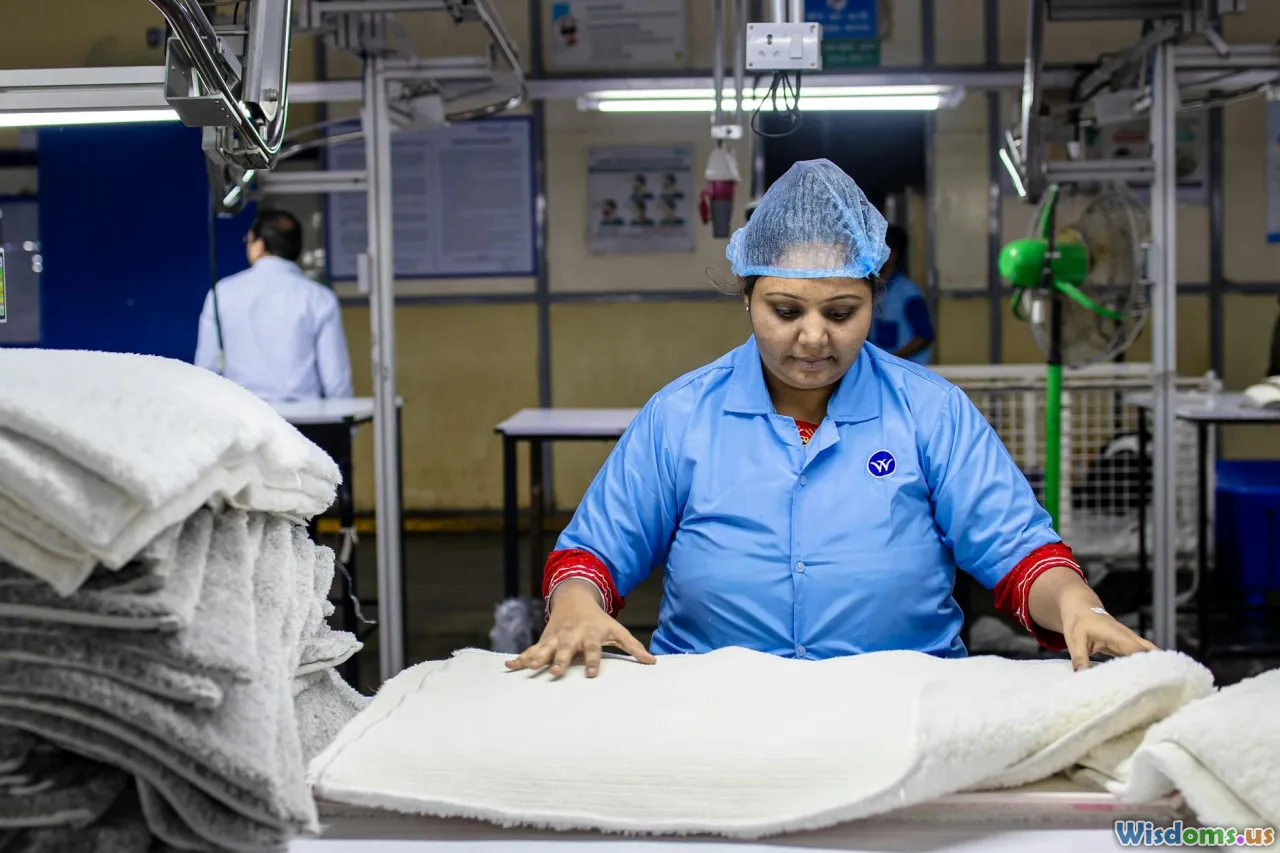
Cheap clothes are propped up by cheap labor. The cut-and-sew stage—the step where fabric becomes clothing—is labor-intensive and concentrated in low-wage countries. Not all factories are unsafe or exploitative, but the pressures of lead time and price compound risk.
- Wages vs living wages: In Bangladesh, one of the world’s top apparel exporters, the legal minimum wage was raised in 2023 to around 12,500 taka per month (roughly US$114). Many living-wage estimates for Dhaka exceed US$220–300 monthly for a small family. The gap is often bridged by excessive overtime or simply not bridged at all.
- Safety: The 2013 Rana Plaza collapse in Bangladesh killed 1,134 workers and injured thousands. It catalyzed the Accord on Fire and Building Safety, which made measurable improvements for covered factories. Yet subcontracting, temporary units, and factories outside audit scopes remain vulnerabilities.
- Piece rates and hours: Workers are commonly paid by the piece, incentivizing speed over safety. Twelve-hour days near shipment deadlines are not unusual during crunch periods. Wage theft through unpaid overtime and illegal dismissals for organizing still occur.
- Gender dynamics: The workforce is predominantly women, often without daycare, maternity protections, or recourse against harassment. Empowerment programs exist, but systemic power imbalances remain in buyer-supplier relations.
Transparency is patchy. A brand may publish first-tier supplier lists while deeper tiers (dyehouses, spinners, farms) remain opaque. Each hidden link is a place where costs—not just monetary ones—can be shaved.
How a $10 tee ‘works’: a quick cost breakdown

Margins vary widely, but a simplified, plausible scenario for a $10 retail T‑shirt can clarify incentives. Assume a basic cotton tee sold by a large e-commerce brand:
- Retail price: $10.00
- Typical retailer gross margin: 50–60%. So the brand’s target cost (including inbound freight) may be $4.00–$5.00.
Inside that $4.50 cost-of-goods target, a rough split might look like:
- Fabric (cotton knit, ~0.3–0.4 kg): $1.20
- Cut-and-sew labor and overhead at factory: $0.80
- Dyeing/finishing: $0.70
- Trims, labels, packaging: $0.30
- Inbound logistics and duty: $0.70
- Factory margin: $0.30–$0.50
That leaves the retailer with $5.50 gross to cover:
- Marketing and platform fees (ads, influencer payouts): $1.50–$2.00
- Fulfillment and last-mile shipping: $1.00–$1.50
- Returns processing (with a 30–40% return rate common in apparel e‑commerce): $0.50–$1.50 averaged across orders
- Overheads (staff, rent, tech): $0.80–$1.20
- Retailer profit before tax: thin, sometimes cents on the dollar
Who flexes if costs rise? Almost always the factory and its workers. When brands squeeze ten cents off the FOB (free on board) price, suppliers look for savings in thread counts, seam allowances, and wages. The more we demand speed and cheapness, the more the model leans on the most vulnerable link.
Engineered for disposability: trend churn by design

A fast-fashion garment isn’t built to be an heirloom. Durability, timeless silhouettes, and quality stitching are expensive. The model is to incentivize repeat purchases by:
- Frequent drops: Dozens of new styles every week send a message—what you bought last month is already old.
- Lower construction standards: Narrow seam allowances, weak thread, and fragile trims save pennies. Synthetic blends that feel ‘nice’ in-store may pill or sag after a few washes.
- Psychology: Flash sales, countdown timers, and influencer ‘hauls’ trigger urgency and normalize bulk buying.
- Fit fragmentation: A vast SKU range increases the chance you’ll buy something. It also drives returns—and many returned items aren’t resold; they’re liquidated or destroyed if refurbishment costs exceed resale value.
It’s not just consumer behavior; it’s engineered obsolescence. We’re trained to want novelty and to tolerate short lifespans.
Where the clothes go: landfills, resale markets, and dead zones
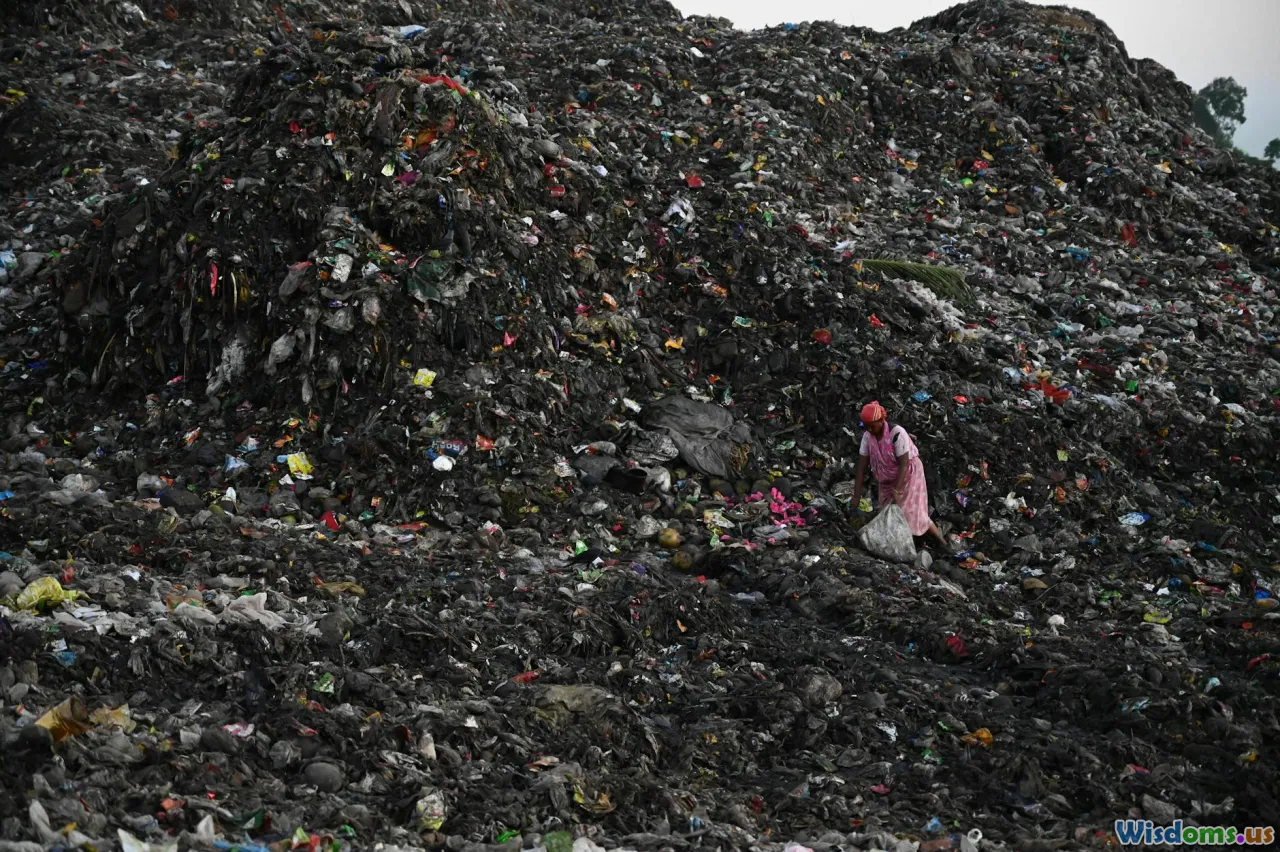
Once you donate a shirt, it doesn’t magically become someone else’s favorite. The global secondhand trade is saturated with low-quality garments.
- Landfill and incineration: Low-value items go straight to disposal. Synthetic fibers persist for decades; when burnt, they release greenhouse gases and toxins.
- Exported thrift: Bales of post-consumer clothing flood markets in West and East Africa, South Asia, and Latin America. In Accra’s Kantamanto Market, traders buy mixed bales hoping for resalable pieces, but a large fraction is unsellable due to damage or poor quality. Local waste systems buckle under the overflow.
- Desert dumps: Images from Chile’s Atacama Desert show mountains of discarded clothing—an emblem of overproduction’s end point.
- Recycling realities: Mechanical recycling works best for pure cotton, but shortens fibers, often requiring virgin material to blend. Chemical recycling is promising for poly-cotton blends but is still limited in scale and cost, and must manage solvent impacts.
When brands scale volume without scaling end-of-life solutions, the planet acts as the warehouse of last resort.
Green claims: what to trust, what to question

As consumers wise up, marketing adapts. ‘Conscious’ capsules and ‘carbon neutral’ drops can obscure more than they reveal.
Red flags and reality checks:
- Vague language: ‘Eco-friendly’ without specifics is a tell. Look for numbers: percent recycled content, liters of water saved, energy mix used, or verified life-cycle assessments.
- Tiny green lines: A 2% ‘sustainable’ collection doesn’t offset a business pumping out billions of items.
- Offsets vs reductions: Planting trees is not the same as replacing fossil electricity at factories. Prioritize brands that cut absolute emissions and energy intensity in their supply chains.
- Methodology debates: Some impact indices have faced criticism for incomplete data or comparability issues. Treat any single score as a snapshot, not gospel.
Certifications that add some signal:
- GOTS (Global Organic Textile Standard): Stringent on organic fiber content and processing chemicals.
- OEKO‑TEX/Bluesign: Focused on chemical safety in textiles and supply-chain inputs.
- Fair Trade: Addresses wages and community premiums at certified facilities.
- FSC/CanopyStyle: For cellulosics like viscose to avoid ancient forest sourcing.
No label is perfect, but credible ones narrow the room for greenwash.
Buy better, wear longer: a practical toolkit
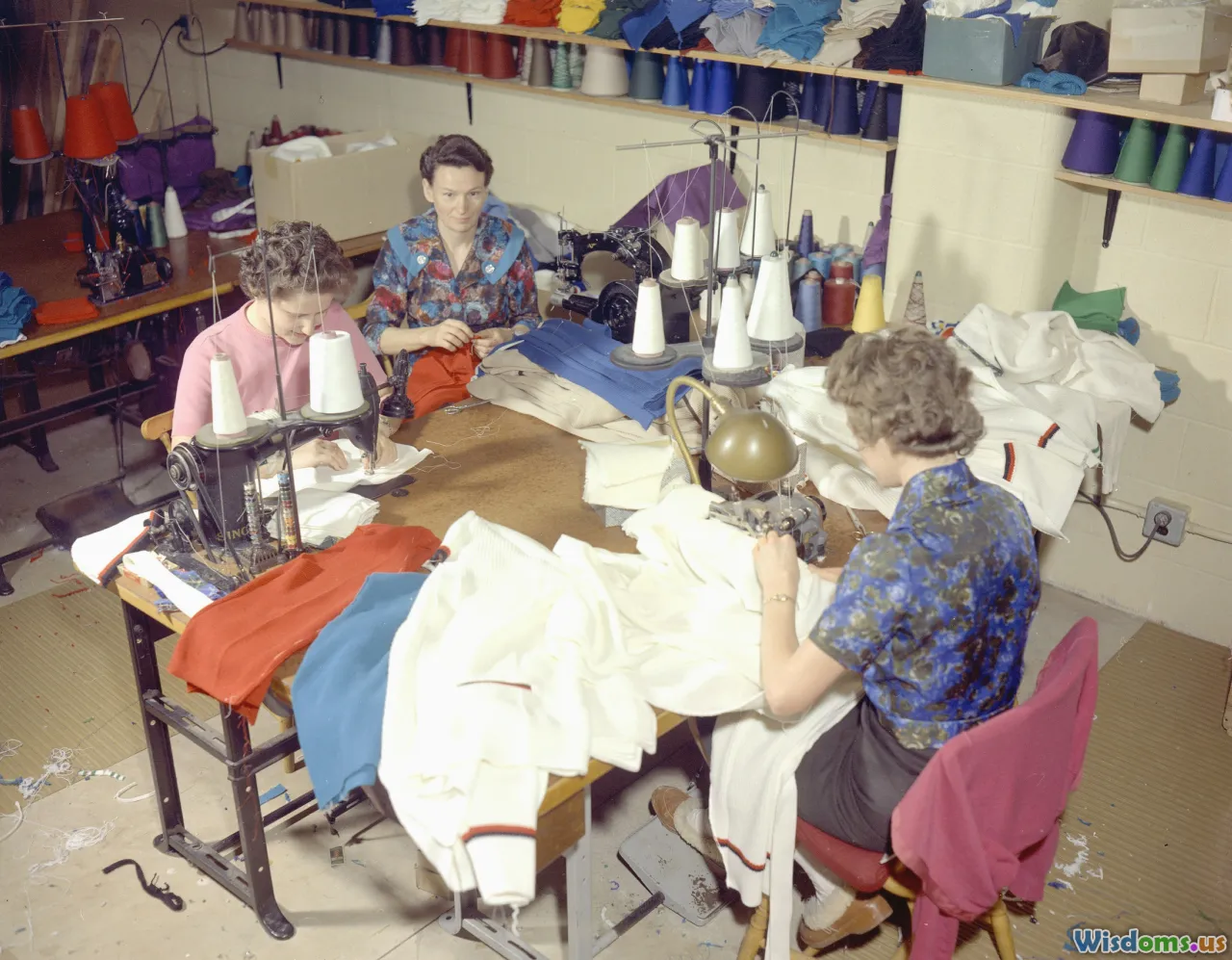
You don’t need to overhaul your closet overnight. Small, consistent choices rewrite the demand signal brands respond to.
- Cost-per-wear math: Before buying, estimate how often you’ll wear it. A $120 jacket worn 120 times costs $1 per wear; a $20 jacket worn twice costs $10 per wear. Buy with ‘at least 30 wears’ in mind.
- Fabric choices:
- Everyday basics: Prefer sturdy cotton, hemp, linen, or wool for breathability and repairability.
- Activewear: If synthetics are unavoidable, choose higher-denier fabrics that shed less and wash in a microfiber-catching bag or install a washing-machine filter.
- Blends: Avoid hard-to-recycle mixes (poly-cotton with elastane) for items you expect to replace often.
- Construction cues: Check seams (are they double-stitched?), hems (clean and secure?), and zippers (YKK or equivalent brands are a quality signal). Slightly heavier fabric usually drapes and lasts better.
- Care smarter: Wash cold, line-dry when possible, skip the dryer on elastics, and treat stains promptly. Fewer washes extend life and slash energy use.
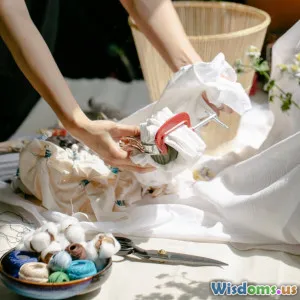
- Mend and tailor: A $10 alteration can transform a ‘meh’ piece into a favorite. Learn simple fixes—re-sewing buttons, darning elbows, patching inner thighs of jeans—via quick tutorials.
- Set a buy-list: Keep a running note of genuine gaps (black trousers, rain shell) to resist impulse hauls.
Most consumers don’t have time to research every brand. These heuristics catch 80% of the value with 20% of the effort.
Build a capsule wardrobe in four steps
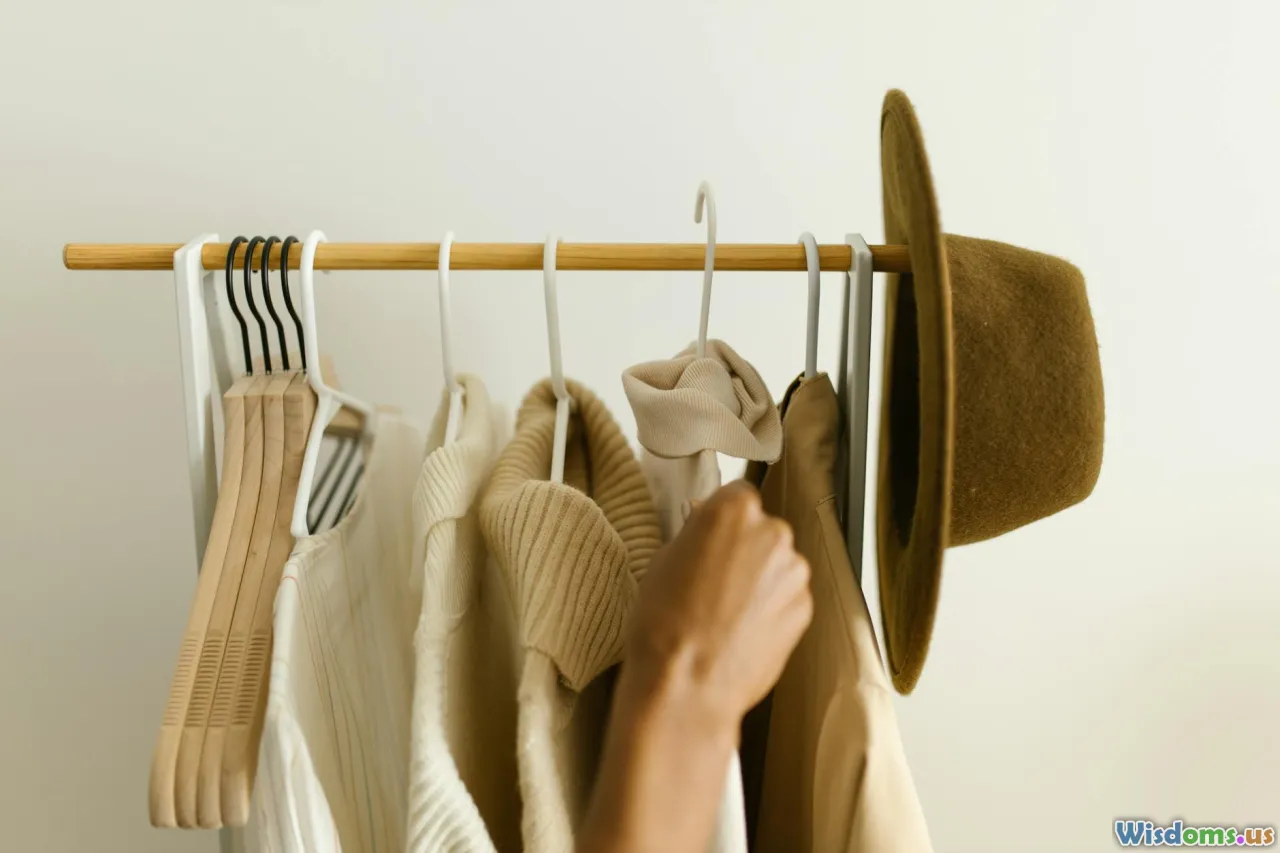
A capsule wardrobe is a compact set of mix-and-match pieces that cover most occasions. It reduces decision fatigue, saves money, and raises your cost-per-wear ROI.
Step 1: Choose a color backbone
- Pick one dark neutral (navy, charcoal, or black) and one light neutral (oatmeal, white, or stone). Add 1–2 accent colors you love and that flatter your skin tone.
Step 2: Lock your silhouettes
- Tops: Do you prefer relaxed or tailored? Crew or V‑neck? Lock it in so pieces play well together.
- Bottoms: Straight, tapered, or wide? Aim for 2–3 core fits that work with most of your tops and shoes.
Step 3: Draft your 30‑piece core (example)
- 8 tops: 3 tees (cotton), 2 shirts (oxford or linen), 2 knit sweaters (wool/cotton), 1 dressier blouse.
- 6 bottoms: 2 jeans (different washes), 2 trousers, 1 chino/khaki, 1 seasonal (linen shorts or wool skirt).
- 3 layers: 1 blazer, 1 cardigan, 1 weather shell.
- 5 shoes: sneakers, loafers/oxfords, boots, sandals, dress shoe.
- 6 ‘others’: 1 dress or jumpsuit, 1 athletic set, 3 accessories (belt, scarf, hat), 1 bag.
- 2 wildcards: trend piece or seasonal joy item.
Step 4: Maintenance rituals
- Seasonal audit: Rotate out-of-season pieces into a box; repair before storing.
- One-in, one-out: New purchase in, redundant item out—to donation, resale, or a friend.
- Photo outfits: Snap combinations you love; it short-circuits ‘I have nothing to wear.’
With a capsule, your style evolves by swapping one or two items per season—not 20.
Smarter than new: secondhand, rental, and swaps
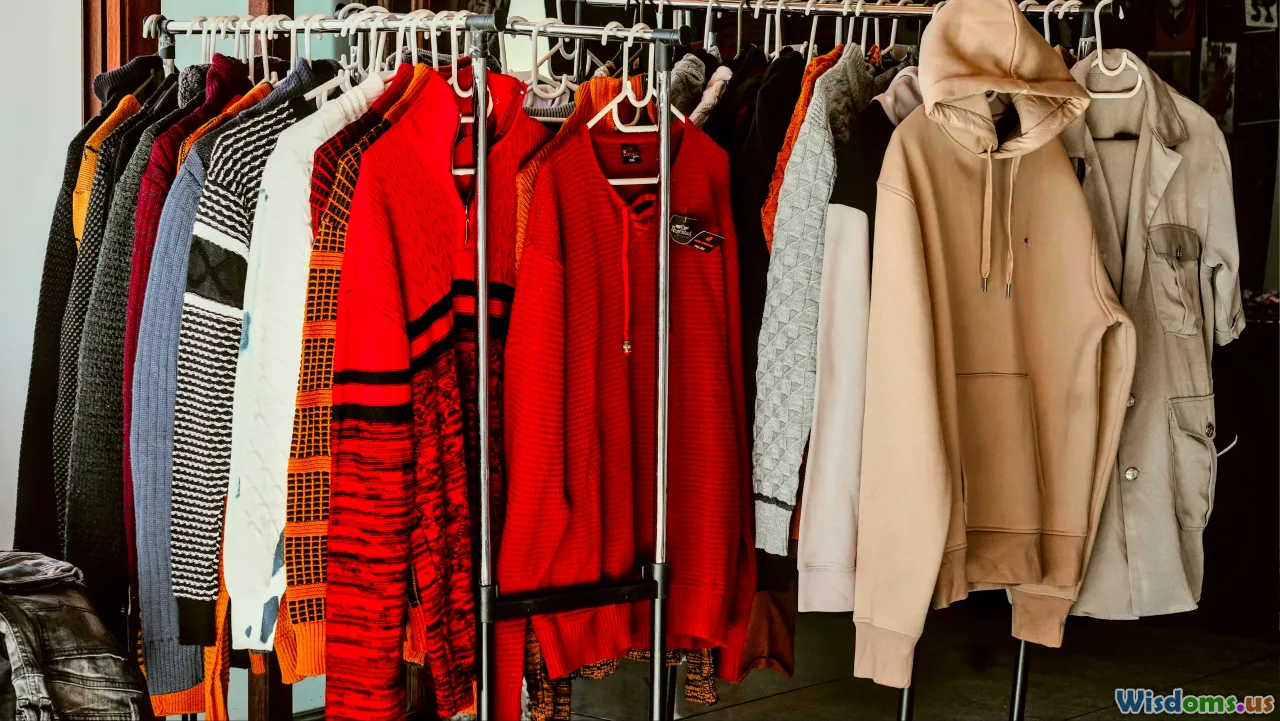
Alternatives to brand-new can dramatically cut impact and cost—if you use them strategically.
- Secondhand/vintage: Best for denim, outerwear, and occasion wear. Look for natural fibers, check wear points (crotch seams, underarms), and test zippers. Platforms and local thrift stores abound; tailor for a custom fit.
- Resale of quality brands: High-end items depreciate sharply. A $300 sweater lightly worn for $80 can outlast three $30 sweaters.
- Rental: Smart for black-tie events and maternity wear. For everyday clothes, shipping and cleaning footprints can cancel benefits unless you rent locally and batch multiple items.
- Swaps: Host a swap night; set basic rules (clean, functional items) and bring a sewing kit for instant fixes.
The common denominator: pick items you’ll actually wear. The greenest jacket still hanging on a rental rack doesn’t lower anyone’s footprint.
What brands and policymakers can do next

Consumers can move demand, but systemic change requires shifts in how clothes are designed, made, and governed.
Business actions with teeth:
- Pay on time, pay fairly: Long payment terms push factories to cut corners. Shorter cycles and fair prices support living wages.
- Commit to absolute reductions: Science-based targets for scope 1–3 emissions; finance energy upgrades at mills and dyehouses.
- Design for durability and repair: Reinforced stress points, spare buttons, modular parts (replaceable linings, zippers), and easy-to-separate materials.
- Digital product passports: QR tags that reveal fiber content, factory tiers, and care/repair guidance. Aids resale and recycling.
- Take-back with accountability: Not just collection bins—measurable outcomes for reuse and fiber-to-fiber recycling, published annually.
Policy levers gaining traction:
- Extended Producer Responsibility (EPR): Fees on new garments to fund collection, sorting, and recycling. France already restricts destruction of unsold goods; the EU’s textile strategy targets durability and circularity by 2030.
- Living wage agreements: Binding accords that raise wages and protect freedom of association in supplier countries, enforced via trade leverage.
- Right to repair: Legislation to guarantee spare parts and information, plus tax breaks for repair services.
- Waste import controls: Stricter rules on exporting post-consumer textiles to countries without adequate waste infrastructure.
If done well, these measures reward companies that make fewer, better garments—and create a level playing field where the worst practices no longer win on cost.
How to read a label—and what to ask before you buy
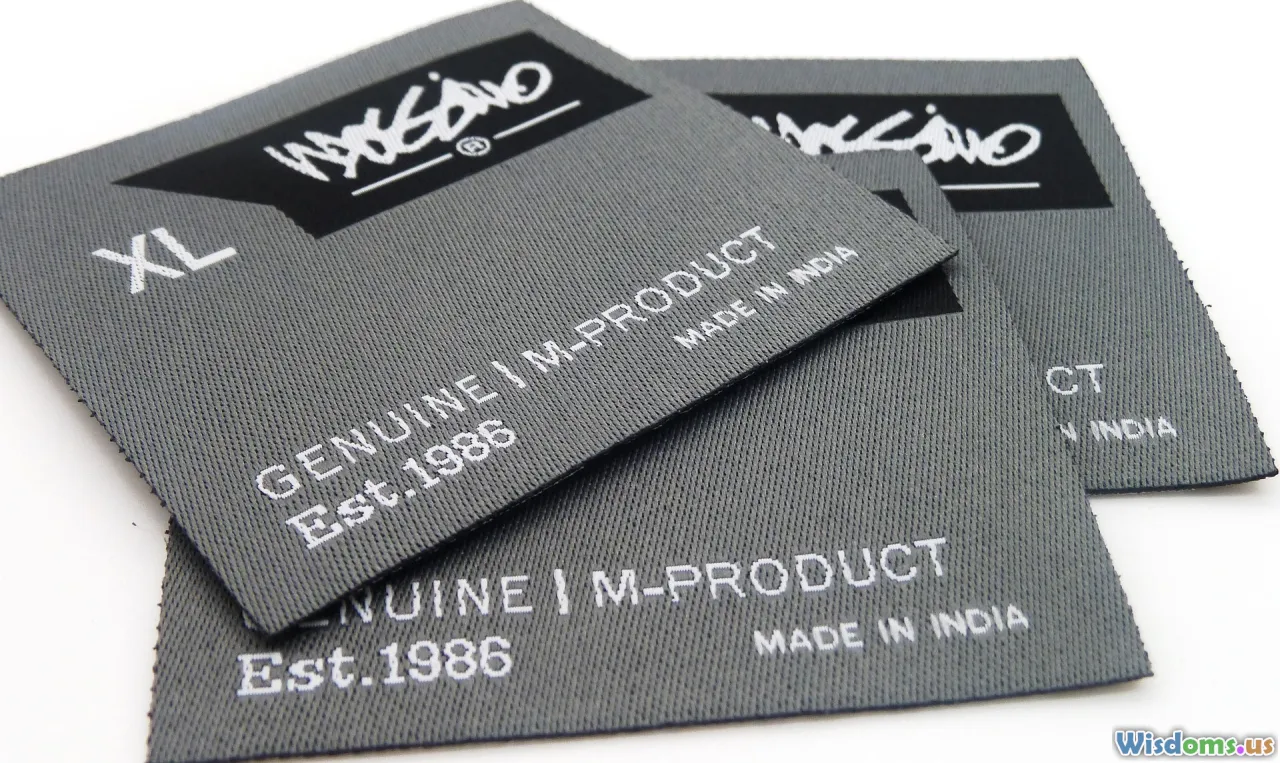
The next time you’re in a fitting room or about to click ‘buy,’ run this five-question gauntlet:
-
Fiber content: What is it made of? Prefer mono-materials for basics (100% cotton, 100% wool), and choose recycled where it makes sense (insulation, outerwear) without compromising performance.
-
Construction cues: Turn it inside out. Are seams clean? Is there seam tape where needed? Are stress points bar-tacked? If the inside looks sloppy, expect a short life.
-
Origin reality: The tag says ‘Made in [Country]’—but where was the fabric made and dyed? Brands that publish mill lists signal better traceability.
-
Care: Will this require dry cleaning? If yes, does the brand provide guidance for wet-cleaning alternatives? Are you willing to hand-wash and line-dry?
-
Use plan: Can you list five outfits you’ll wear this with? Can you imagine wearing it in a year?
Good answers don’t guarantee ethics, but bad answers are strong warnings.
Two pairs of jeans, two very different costs
Consider denim—one of the most worn items in modern wardrobes.
Scenario A: Ultra-cheap jeans
- Price: $20
- Fabric: Lightweight stretch denim with high polyester and elastane content
- Fit: Feels great on day one; knees bag out by week two
- Lifespan: 6 months before tear at inner thigh
- Care: Frequent washing to snap back the stretch; dryer used to shrink back into shape
- End-of-life: Repair is tricky due to thin fabric; donation rejected; landfill
- Wears: 30 (once a week for ~7 months)
- Cost-per-wear: $0.67
- Environmental notes: Synthetic blend sheds microfibers; hard to recycle; frequent laundering increases energy use
Scenario B: Mid-quality selvedge or sturdy denim
- Price: $120
- Fabric: 100% cotton, heavier weight
- Fit: Stiff initially; breaks in over a month; holds shape
- Lifespan: 4–5 years with occasional patching
- Care: Wash sparingly, line-dry; repairs extend life
- End-of-life: Patching possible; eventually cut into rags or mechanically recycled
- Wears: 300 (1–2 times per week for years)
- Cost-per-wear: $0.40 (or less if resold)
- Environmental notes: No microfiber shedding; more amenable to recycling; lower wash frequency cuts energy use
Even if Scenario B feels expensive upfront, it pays you back in use—and reduces the volume you push through the system.
Why returns and ‘free shipping’ aren’t free
Apparel returns run 30–40% for many online sellers. Each return triggers extra transport, repackaging, and often disposal. Items that can’t be resold as new are liquidated at pennies on the dollar or destroyed. Meanwhile, free shipping folds logistics costs into prices or squeezes suppliers further down the chain.
How to avoid the cycle:
- Check size guides and reviews; measure a similar item at home and compare.
- Batch purchases into fewer shipments; avoid ‘bracketing’ three sizes unless you’ll return in-store.
- Prefer brands that share detailed fit data and post-return resale outcomes.
Every avoided return is a small emissions cut and a nudge toward better product information industry-wide.
The real price tag: externalities in plain language
Economists call them externalities—costs that a business doesn’t pay but society does. For fast fashion, those include:
- Health costs from polluted air and water in manufacturing hubs
- Public waste-management costs for landfilling low-value textiles
- Lost wages and social safety-net burdens when factories underpay or dodge benefits
- Climate damages from fossil-based fibers and energy
If these were priced into the shelf tag through carbon pricing, EPR fees, or living-wage mandates, that $7 tee wouldn’t be $7. The point isn’t to make clothing unaffordable; it’s to align prices with reality and accelerate innovation in durability, recyclability, and clean production.
Starter moves for the next 30 days

Small, time-boxed actions beat vague aspirations. Try this month-long sprint:
Week 1: Audit and mend
- Pull out 10 items you haven’t worn lately; identify why (fit, damage, style). Mend two items. List three pieces you genuinely need.
Week 2: Set filters
- Install a microfiber filter on your washing machine or use a wash bag. Switch to cold washes and line-dry once this week.
Week 3: Buy with intent
- If you must buy, apply the five-question gauntlet and the 30-wear rule. Try one secondhand purchase.
Week 4: Extend life
- Learn one new repair (hemming, darning, replacing a zipper pull). Organize a mini-swap with friends or colleagues.
By day 30, you’ll have decluttered, upskilled, and likely spent less than you would have on impulse buys.
The road ahead: dressing well without dressing the planet down

Fashion will always be about expression and joy. The goal isn’t austerity; it’s alignment—where the garments that make us feel most ourselves also respect the hands that made them and the places they came from. That shift isn’t abstract. It’s in checking a seam before you check out. It’s in wearing the jacket you love a hundred times. It’s in rewarding brands that slow down and in asking your favorites to show their homework.
Fast fashion’s true cost has been hidden in plain sight. Now that you’ve seen the ledger, you can spend differently, care for what you have, and nudge the industry toward fewer, better, fairer. The next time a $7 tee winks from your screen, do the math—in dollars, in wears, and in the world you want to live in.
Sustainability Carbon Footprint Environment Fast Fashion Supply Chain Transparency Fashion Circular Economy Fashion & Style Fast Fashion vs. Slow Fashion Ethical Consumerism cost per wear Business & Economics Water Use Microfiber Pollution Labor Rights Secondhand Fashion Sustainability Certifications
Rate the Post
User Reviews





Popular Posts