
How to Recognize Early Signs of Pet Allergies
33 min read Spot early signs of pet allergies with clear symptoms, causes, and next steps. Learn when to see a vet and how to track triggers at home. (0 Reviews)
Allergies in pets rarely appear overnight. They creep in as small changes: a new habit of licking paws after walks, a faint yeasty smell from the ears, a soft cough that shows up on humid days, a cat that starts grooming the belly a little too often. Learn those early signals, and you can spare your pet weeks of discomfort, prevent secondary infections, and tackle triggers before they spiral.
This guide walks you through what to look for, how to track it, and how to work with your veterinarian to identify the cause. You will find at-home checks, pattern recognition tips, diagnostic basics, and practical steps you can start today.
What an Allergy Looks Like in Pets vs just itching

All pets itch sometimes. The difference with allergies is persistence, pattern, and collateral signs.
Look for these early, allergy-leaning features:
- Localized hot zones: paws and between toes, armpits, groin, belly, face and lips, around the eyes, and the base of the tail. These areas have thinner skin and higher exposure to allergens or flea bites.
- Symmetry: environmental allergies often cause bilateral itching (both sides) unless a specific contact area is involved.
- Recurrent ear discomfort: head shaking, ear scratching, brown or waxy debris, or a sweet, musty odor can precede obvious redness.
- Behavior changes: pets may become restless, seek cool floors, or stop mid-play to scratch. Cats may hide and overgroom silently.
- Seasonal or situational flare-ups: symptoms that spike after lawn time, on windy days, during spring or fall pollen surges, or after vacuuming.
A useful comparison:
- Normal itch: brief, occasional, resolves without redness or hair loss.
- Allergy itch: frequent or daily, leaves signs like pink skin, saliva staining, dandruff, broken hairs, or recurring ear debris.
Quick fact: Studies suggest 10–15% of dogs experience atopic dermatitis (environmental allergy–driven skin disease). Cats are underdiagnosed; their signs tend to be subtle, dominated by grooming and small crusted lesions rather than dramatic scratching.
Common Allergens Hiding in Your Pet’s World

Allergens are ordinary substances that trigger an exaggerated immune response in sensitive pets. Early recognition is easier when you know where to look.
Frequent culprits:
- Flea saliva: the number one cause of allergic itch in many regions. A single bite can trigger intense, tail-base–focused itch in sensitive pets.
- Pollens: grasses, trees, weeds. They can cling to fur and paws and ride into the house.
- Dust mites and storage mites: thrive in carpets, bedding, and even opened pet food. Storage mites can proliferate in kibble, particularly in warm, humid environments.
- Molds and yeasts: bathroom grout, damp basements, houseplants, HVAC systems.
- Contact irritants: detergents, fragrance sprays, fabric softeners, lawn chemicals, new carpeting, certain plastics or metal bowls (especially with nickel).
- Food proteins: commonly beef, chicken, dairy, egg, or fish in cats and dogs. Grain allergy exists but is far less common than protein sensitivity.
Insight: Allergies can stack. A dog mildly sensitive to dust mites may seem fine until spring pollen adds to the load. The combined exposure crosses the threshold, producing noticeable itch. This threshold effect explains why symptoms wax and wane.
Early Skin Clues You Can Spot in Minutes
Set aside five minutes in good light and use your phone’s flashlight. Early skin changes often appear before dramatic scratching.
What to scan:
- Paws and between toes: look for pinkness, moist fur, brown saliva stains, or a cheesy odor from yeast overgrowth.
- Armpits and groin: reddening in thin-furred areas; they may be slightly warmer to the touch.
- Belly and inner thighs: small scabs (miliary dermatitis in cats), tiny bumps, or flaking.
- Lips and muzzle: redness around lips after meals can suggest contact or food sensitivity.
- Tail base and rump: flea allergies often center here with tiny scabs and broken hairs.
Texture tells:
- Greasy coat and scaling (dandruff) often track with yeast flare-ups secondary to allergies.
- Thin, shiny patches without scabs can indicate overgrooming in cats.
Example: A dog who only licked paws occasionally now licks every evening after walks. The fur between toes shows brown staining, and paw pads feel slightly tacky. This pattern points to inhalant or contact allergies that surfaces exposures exacerbate.
Respiratory and Eye Signs That Sneak Under the Radar

Skin signs get the spotlight, but early respiratory clues are just as important.
Watch for:
- Soft coughing fits in cats, especially at night or after vigorous play, which may reflect airway sensitivity. Cats seldom wheeze loudly; coughing/hacking episodes can be mistaken for hairballs.
- Clear nasal discharge, sniffling, and sneezing on high-pollen or dusty days.
- Watery eyes, squinting, or pawing at the face. Light sensitivity can accompany conjunctival irritation.
- Reverse sneezing in dogs (rapid, snorting inhalations) triggered by irritants; occasional episodes are normal, frequent ones suggest airway irritation.
When is it allergy-like vs infection?
- Allergy discharge is typically clear and bilateral. Colored discharge (yellow/green), fever, lethargy, or one-sided nasal flow warrant a veterinary check for infection, foreign body, or dental issues.
Ear Trouble: The Often-Missed Allergy Signal

Allergic inflammation narrows ear canals, traps moisture, and feeds yeast or bacterial overgrowth. Ears may be the first or only sign.
Early indicators:
- Head shaking after walks or baths that escalates over days.
- Rubbing the ear against furniture; vocalizing when you touch the base of the ear.
- Brown, waxy debris or a sweet, fermenting odor (yeast). Pus or strong rancid smell can indicate bacterial infection.
- In cats, subtle changes like slight tilting or increased grooming of one ear.
Tip: If ear issues recur every few weeks, suspect underlying allergies rather than chalking it up to water in the ears or one-off infections. Addressing the allergy reduces repeat infections.
Gastrointestinal Signs and the Food Allergy Puzzle

Not all itchy pets have food allergies, but GI hints increase the odds.
Look for:
- Chronic or intermittent soft stools, increased frequency, or mucus.
- Vomiting small amounts, especially unrelated to hairballs in cats.
- Gurgly belly sounds, excessive gas, or decreased appetite during flares.
- Year-round itching without clear seasonal spikes.
Important patterns:
- Food allergy can develop to a diet a pet has eaten for years; sensitization takes time. A lack of recent diet change does not rule it out.
- Food-allergic pets often have concurrent ear disease or paw licking.
Example: A 4-year-old cat with daily grooming of the belly and rear legs, soft stool twice weekly, and no clear seasonality is a classic candidate for an elimination diet trial.
Seasonality and Pattern Recognition

Spotting time-linked patterns is one of the fastest ways to narrow triggers.
Clues by season:
- Spring: tree pollens; new grass. Dogs may show red paws and face rubbing after outdoor time.
- Summer: grass pollens, fleas peak; humidity favors yeast, leading to ear flares.
- Fall: weed pollens like ragweed; mold counts climb with leaf litter and damp basements.
- Winter: indoor allergens dominate (dust mites, molds), especially in tightly sealed homes.
Data you can collect:
- Track itch score (0–10) vs local pollen counts from weather apps. Correlated spikes point to inhalant allergies.
- Note timing in the day: worsening after walks or yard time suggests contact or inhalant triggers.
Species-Specific Tells: Dogs, Cats, Rabbits, Birds

Different species show allergies differently.
Dogs:
- Paw licking, face rubbing, ear infections, belly redness, hot spots. Flea allergy often targets tail base.
- Age of onset: environmental allergies commonly appear between 6 months and 3 years but can show later.
Cats:
- Overgrooming leading to smooth, thin fur on belly, inner thighs, and back legs.
- Eosinophilic lesions: indolent lip ulcers, eosinophilic plaques (moist, raised), or linear granulomas on the legs or back of thighs.
- Coughing episodes that mimic hairballs may signal asthma-like airway inflammation.
Rabbits and small mammals:
- Watery eyes, sneezing, nasal discharge; irritated skin under the chin or on hocks. Hay dust can be a trigger; try low-dust hay types and improved ventilation.
Birds:
- Feather picking is multifactorial; environmental irritants like aerosols and scented candles are common aggravators. True allergic responses are complex in birds, but air quality and particulate control are critical.
Differentiating Allergies from Parasites or Infections
Allergy is a diagnosis of pattern and exclusion. Rule-outs are essential to avoid missing a treatable cause.
Consider these distinctions:
- Flea infestation vs flea allergy: any pet with itch needs flea control, even if fleas are not seen. Flea combing may miss them. Allergy to flea saliva is intense; one bite can trigger days of scratching focused on tail base and thighs.
- Sarcoptic mange (scabies): extreme itch, ear margins and elbows often affected; highly contagious between dogs and can temporarily affect humans as itchy bumps.
- Demodex mites: more common in young or immunocompromised dogs; patchy hair loss with minimal itch early on, but secondary infections can make it itchy.
- Ringworm (dermatophyte): circular hair loss with scaling; more common in cats and kittens. Needs fungal culture or PCR.
- Bacterial or yeast infections: may present with odor, greasy coat, or pustules. Often secondary to allergies; treating them without addressing the underlying allergy leads to relapse.
If symptoms persist despite effective parasite control and appropriate infection treatments, allergies move higher on the list.
How to Run a 10-Minute At-Home Allergy Check
Do this quick routine weekly during flare seasons.
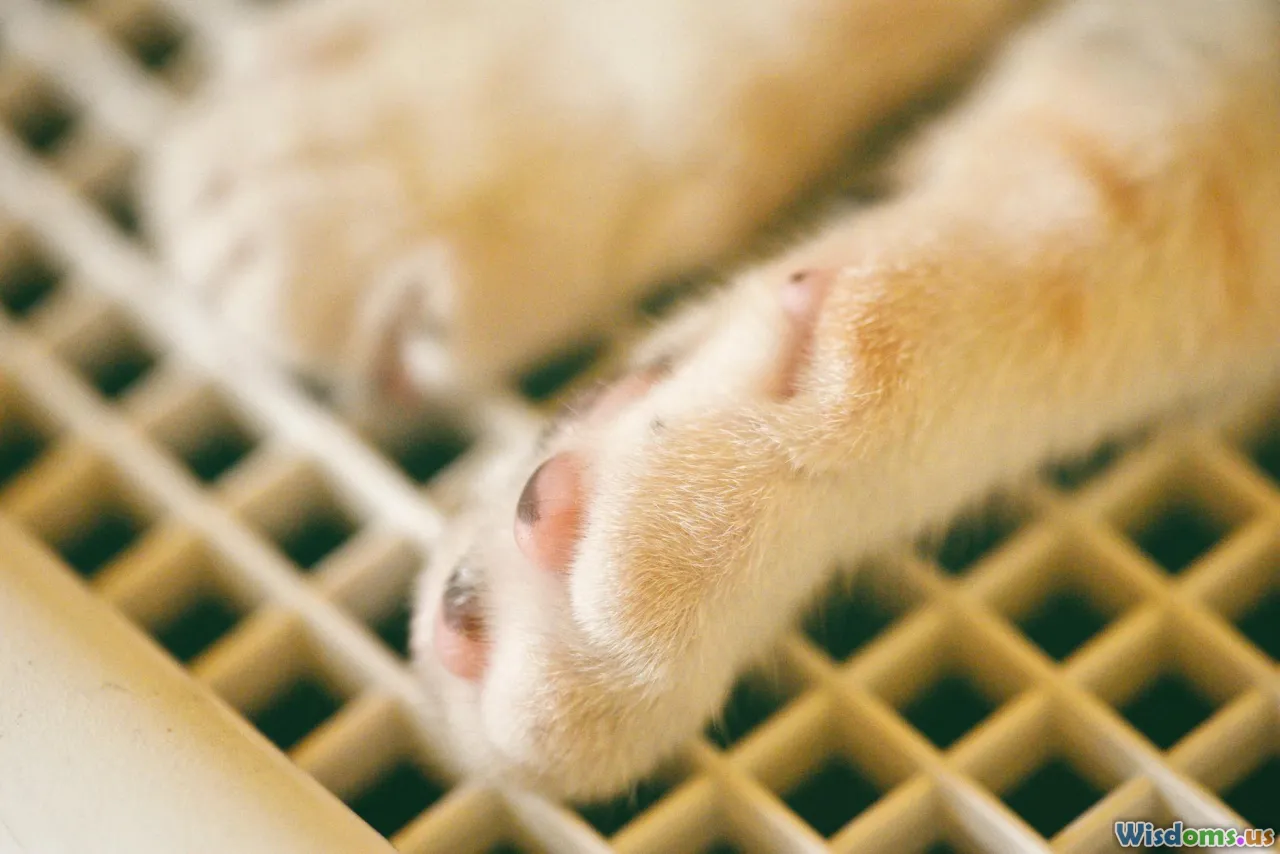
- Paw check: separate toes; sniff for yeast odor and look for pink skin or staining. Wipe with a damp cloth and note any brown residue.
- Ear look and smell: lift flaps; look for redness or debris. A sour or sweet smell suggests yeast.
- Belly and armpits: use a flashlight; look for small scabs or red speckles.
- Tail base: part the fur; check for small black specks (flea dirt) or scabs.
- Grooming behavior: observe for 2–3 minutes. Count scratch or lick episodes; more than 3–4 in that short window can be significant.
- Breath and cough: note any soft coughs or throat-clearing in cats; record time and trigger.
Record your findings in a symptom diary (see next section). The consistency of your observations is more valuable than any single snapshot.
The Symptom Diary: What to Track and Why

A simple diary accelerates diagnosis. Patterns become obvious faster for you and your veterinarian.
Track daily:
- Itch score: 0 to 10 (0 = none, 10 = constant scratching or licking).
- Body zones affected: paws, ears, belly, tail base, eyes.
- Activities: walks in tall grass, dog park visits, grooming, baths, new treats.
- Environment: pollen index, humidity, vacuuming day, open windows, lawn treatments.
- Food: brand, protein source, any new treats or flavored medications.
- Stool and vomit: consistency, frequency.
- Medications and topicals: what you gave, time, perceived effect.
Optional template:
- Morning: itch score, cough/sneeze count, stool quality.
- Evening: itch score, exposure notes (yard, visitors, cleaning), wipes/bath done or not.
- Weekly: bedding washed (yes/no), vacuum day, flea preventive given.
When to Call the Vet (and What to Expect)
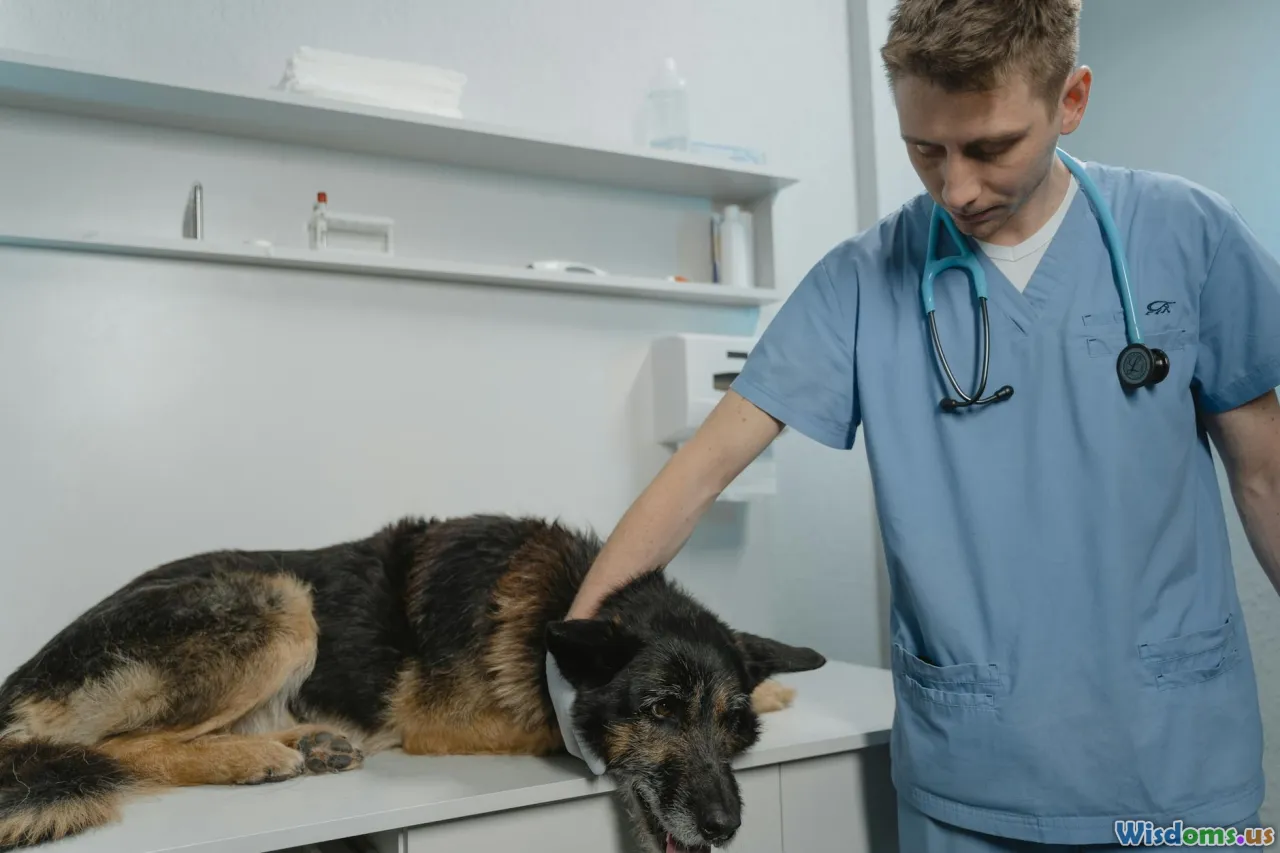
Call promptly if you see any of the following:
- Ear pain, swelling, or discharge; head tilt; loss of balance.
- Raw, bleeding hotspots or open sores; rapidly worsening redness.
- Repeated coughing episodes (especially in cats), labored breathing, or exercise intolerance.
- Colored nasal or eye discharge, fever, lethargy, or reduced appetite.
- Itch that disrupts sleep for more than two nights or persists beyond two weeks despite basic home care.
At the clinic, expect:
- Skin and ear cytology to check for yeast and bacteria.
- Parasite checks: flea comb, skin scrapings, and possibly fecal tests.
- Discussion of diet history and treats (including flavored medications and table scraps).
- If food allergy is suspected: a supervised elimination diet plan.
- If environmental allergy is likely: talk about symptomatic control and, later, allergen testing for immunotherapy.
Diagnostics 101: From Elimination Diets to Allergen Testing

Understanding the tools helps set expectations.
Elimination diet trial:
- Gold standard for diagnosing food allergy in cats and dogs.
- Duration: 8–12 weeks with strict avoidance of any non-prescribed food, treats, or flavored meds. Some cases need a full 12 weeks, especially cats.
- Diet types: hydrolyzed protein veterinary diets or carefully selected novel proteins (e.g., rabbit, venison) that your pet has never eaten.
- Re-challenge: after improvement, reintroduce the old diet to confirm if signs recur within days to two weeks. Confirmation matters because correlation is not causation.
Allergen testing for environmental triggers:
- Intradermal skin testing: small allergen injections into the skin; measured wheal responses. Considered the gold standard for dogs when planning allergen-specific immunotherapy.
- Serum IgE blood tests: convenient but more variable in accuracy; often used when intradermal testing is not feasible.
- These tests are not used to diagnose food allergies reliably.
Other helpful diagnostics:
- Tape preps and cytology to quantify yeast/bacteria. Repeat testing helps judge treatment success.
- Culture and sensitivity for stubborn bacterial ear or skin infections.
Quick Relief Measures You Can Do Today
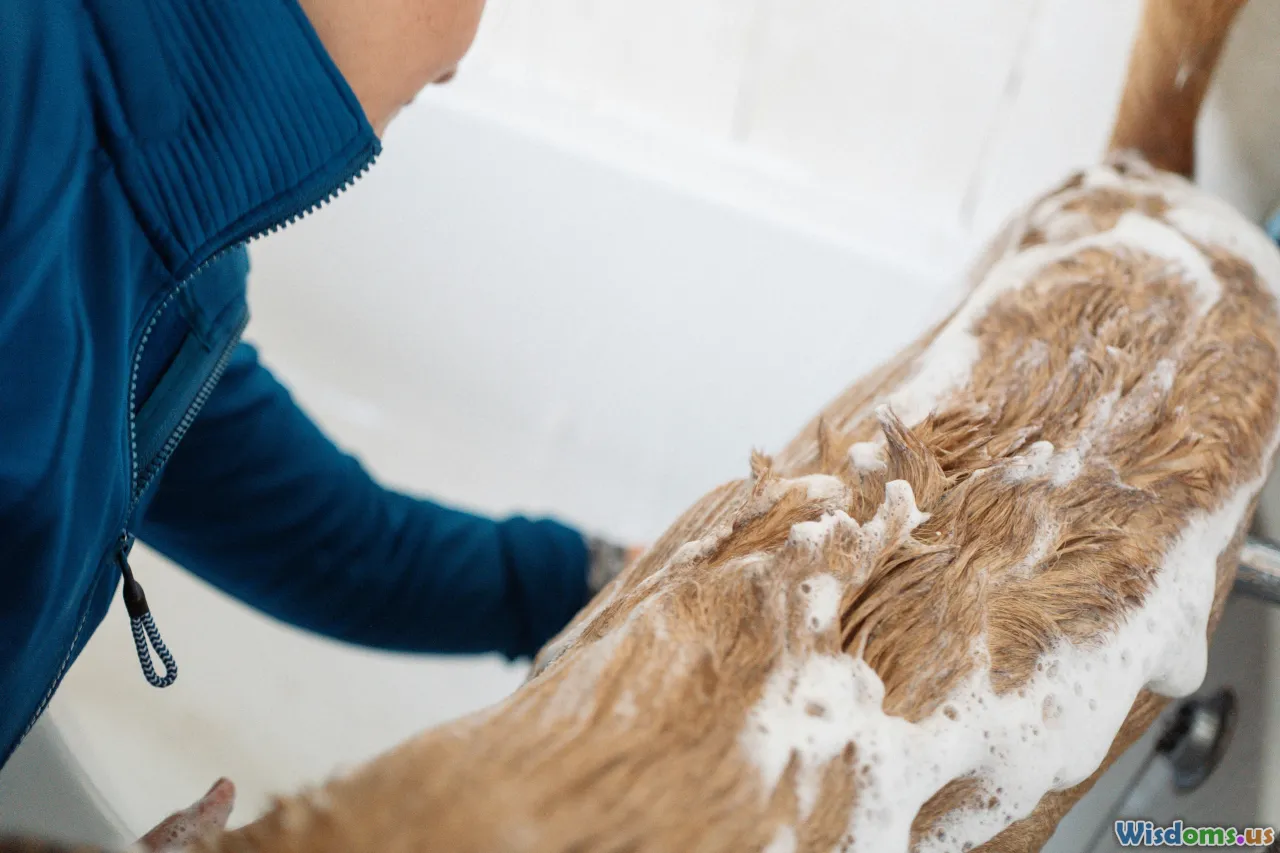
While you work with your veterinarian on long-term plans, you can reduce daily allergen load and break the itch cycle.
- Pollen rinse: after outdoor time, wipe paws, belly, and legs with plain water or pet-safe wipes. For dogs, quick lukewarm water foot soaks (30–60 seconds) help remove pollen and irritants.
- Barrier balms: apply pet-safe wax or balm to paw pads before walks in grass, then wipe on return.
- Cool compress: 5–10 minutes on hot, itchy areas.
- Bathing: brief, lukewarm baths with a veterinary-recommended hypoallergenic or medicated shampoo. Avoid overbathing; use conditioners to protect skin barrier.
- Anti-lick protection: a soft cone or pajamas can prevent self-trauma while you treat the cause.
- Flea control: implement effective, vet-approved flea prevention for all pets in the household; treat the environment if needed.
- Avoid triggers: pause fragrance sprays, scented candles, powdery cleaners, and lawn chemicals during flares.
Note: Human medications, including antihistamines and decongestants, should only be used under veterinary guidance. Some human meds are unsafe or even toxic to pets.
Long-Term Management: Environment, Grooming, and Nutrition

Reducing the allergen burden often pays off as much as medication.
Environment:
- HEPA filtration: run a HEPA air purifier in the main living area and pet’s sleeping space.
- Vacuuming: 2–3 times weekly using a HEPA-grade vacuum; wash pet bedding weekly in hot water.
- Dust mite control: choose washable beds with smooth covers; dry thoroughly. Reduce clutter that traps dust.
- Humidity: keep indoor humidity around 40–50% to curb mold and dust mites.
- Food storage: buy smaller kibble bags, keep in original bag inside an airtight bin, and use within 4–6 weeks to limit storage mites.
- Yard tactics: rinse paws after lawn time; keep grass short; avoid weedy areas during peak pollen hours.
Grooming:
- Regular brushing to remove allergens from the coat.
- Veterinary ear care plan for pets prone to ear issues; proactive cleaning may be advised between flares.
- Strategic bathing: during flares, once weekly with medicated products if your veterinarian recommends it; otherwise every 2–4 weeks to support the skin barrier.
Nutrition:
- Omega-3 fatty acids (EPA/DHA) from veterinary-formulated supplements can reduce inflammation in many pets; discuss dosing with your veterinarian.
- Skin-support diets with balanced fatty acids, vitamins, and barrier nutrients may help reduce flare frequency.
- Probiotics designed for pets may support GI health, especially in pets with combined skin and GI signs.
Medication Map: What Helps, What to Avoid, and Why

Medications control symptoms, buy time for skin healing, and improve quality of life. The right plan depends on your pet’s species, diagnosis, and health status.
Common options (vet-prescribed):
- Flea preventives: cornerstone for all itchy pets, especially in flea-endemic areas.
- Anti-itch therapies for dogs: monoclonal antibody injections that target itch pathways, oral medications that modulate immune response, and short courses of corticosteroids for acute flares. Your vet will select based on severity and comorbidities.
- For cats: options often include immune-modulating medications and carefully monitored short steroid courses for flares; off-label choices exist under veterinary guidance.
- Antimicrobials: topical or oral antifungals/antibiotics when cytology confirms overgrowth or infection.
- Ear medications: combinations of antifungal, antibacterial, and anti-inflammatory drops, tailored to cytology results.
- Allergen-specific immunotherapy (ASIT): customized drops or injections derived from your pet’s test results. This is the only treatment that can modify the underlying allergic disease over time. It requires patience (months for benefits) but has an excellent safety profile.
What to avoid without guidance:
- Human cold medicines, decongestants, and multi-symptom products; some contain dangerous ingredients for pets.
- Essential oils on skin or in diffusers around cats and birds; many are irritants or toxic.
Myth vs Fact: Clearing Up Common Misconceptions

- Myth: Allergies require lots of exposure; indoor-only pets are safe. Fact: Indoor pets can react to dust mites, molds, and even pollen carried in on clothing.
- Myth: Grain-free equals hypoallergenic. Fact: Most food allergies involve animal proteins. Grain-free diets do not inherently prevent allergies.
- Myth: Hypoallergenic dog breeds do not get allergies. Fact: Coat type does not eliminate immune sensitization; any breed or mix can be allergic.
- Myth: If the pet has always eaten the same food, it cannot be allergic to it. Fact: Sensitization develops over time; many food allergies appear after years on the same diet.
- Myth: Brown paw fur in white dogs is dirt. Fact: It is often saliva staining from chronic licking due to itch.
Real-World Scenarios and What They Teach

Case 1: The spring paw licker
- Signalment: 2-year-old dog, new habit of evening paw licking and face rubbing, clear eyes, mild ear wax, no fleas seen.
- Owner action: Diary started; itch score spikes on windy days after park visits. Pollen counts high.
- Vet visit: Negative scrapings, cytology shows mild yeast; started anti-itch therapy, ear drops, and weekly medicated baths. Pollen wipe-downs instituted.
- Outcome: Significant improvement; later, intradermal testing confirmed grass and tree pollen sensitivities; immunotherapy started for long-term control.
Case 2: The belly barber cat
- Signalment: 4-year-old indoor cat, smooth hairless patch on belly, soft stool twice weekly, intermittent lip sore.
- Owner action: Removed all treats and flavored meds; strict elimination diet with hydrolyzed protein for 10 weeks.
- Vet follow-up: Marked reduction in grooming by week 6; lip lesion resolved. Re-challenge with old food triggered grooming within 5 days, confirming food allergy.
- Outcome: Transitioned to a suitable long-term diet; occasional environmental itch managed with routine grooming and air purification.
Case 3: The ear relapse cycle
- Signalment: 5-year-old dog with ear infections every 6–8 weeks.
- Owner action: Kept diary, realized flares followed missed flea prevention and weekends at a grassy cabin.
- Vet plan: Year-round flea control, targeted ear therapy based on cytology, and paw rinses post-outdoor time.
- Outcome: Ear infections dropped dramatically; an allergen test later guided immunotherapy for grasses.
Case 4: The rabbit and the hay switch
- Signalment: Adult rabbit with watery eyes and sneezing during hay changes.
- Owner action: Switched to low-dust, second-cut hay; stored hay in sealed containers; improved room ventilation and added a HEPA unit.
- Outcome: Eye discharge resolved; no antibiotics required.
A Simple Plan You Can Start This Week
Day 1–2:
- Begin a diary with itch score and exposure notes. Photograph any skin areas of concern for baseline.
- Wash pet bedding on hot; vacuum with a HEPA filter.
- Start daily paw/belly wipe-downs after outdoor time.
- Confirm all pets in the home are on effective flea prevention.
Day 3–4:
- Review food and treat inventory; remove all extras if you suspect food involvement. Note flavored medications.
- Reduce indoor irritants: pause scented candles and room sprays; increase ventilation and run a HEPA unit.
- Schedule a veterinary appointment if symptoms are significant or persist.
Day 5–7:
- Implement a gentle bath if advised by your veterinarian; use appropriate products.
- Prepare questions for your vet: seasonality, GI signs, ear frequency, what you have recorded in the diary.
- Discuss with your vet whether an elimination diet or environmental testing is the logical next step.
Checklist: Early Allergy Signals at a Glance

Use this as a quick reference. If you tick several boxes, allergies are likely playing a role.
Skin and coat:
- Pinkness or redness in armpits, groin, belly, or between toes
- Brown staining of paws from licking
- Small scabs on belly or tail base; dandruff or greasy coat
- Hair thinning from overgrooming, especially in cats
Ears and eyes:
- Head shaking, ear scratching, waxy debris, or odor
- Watery eyes, face rubbing, squinting
Respiratory:
- Sneezing fits on high-pollen or dusty days
- Cat coughing episodes mistaken for hairballs
Gastrointestinal:
- Soft stool intermittently or chronically
- Vomiting not tied to hairballs
Patterns:
- Symptoms worsen seasonally or after outdoor exposure
- Year-round itch suggests food or indoor triggers
- Relapses after stopping flea prevention
What to do next:
- Start the diary
- Implement wipe-downs and environment cleanup
- Call your veterinarian for a tailored plan, especially if ears are involved or the pet’s comfort and sleep are affected
Putting It All Together

Early allergy signs are quiet, but consistent: the paw that gets licked every evening, the ear that always smells a little sweet, the cat who barbers the same patch, the dog who sneezes after romps in tall grass. Catching these whispers matters. You can remove allergens from coat and paws, calm inflamed skin, and work with your veterinarian on diagnostics that lead to targeted treatment rather than endless cycles of itch and infection.
Start with a diary and a 10-minute home check. Control fleas. Trim environmental exposures. Ask your veterinarian about an elimination diet if GI signs accompany itch or if symptoms are nonseasonal. Explore immunotherapy for long-term modification of environmental allergies. With a thoughtful plan and a few weekly habits, you can turn the tide early and keep your pet comfortable through the seasons.
Rate the Post
User Reviews







Popular Posts