My Week Using Daily Dry Brushing Results And Surprises
29 min read A seven-day experiment with daily dry brushing: what changed, what didn’t, how to do it safely, and science-backed takeaways for smoother skin, circulation, and routine success. (0 Reviews)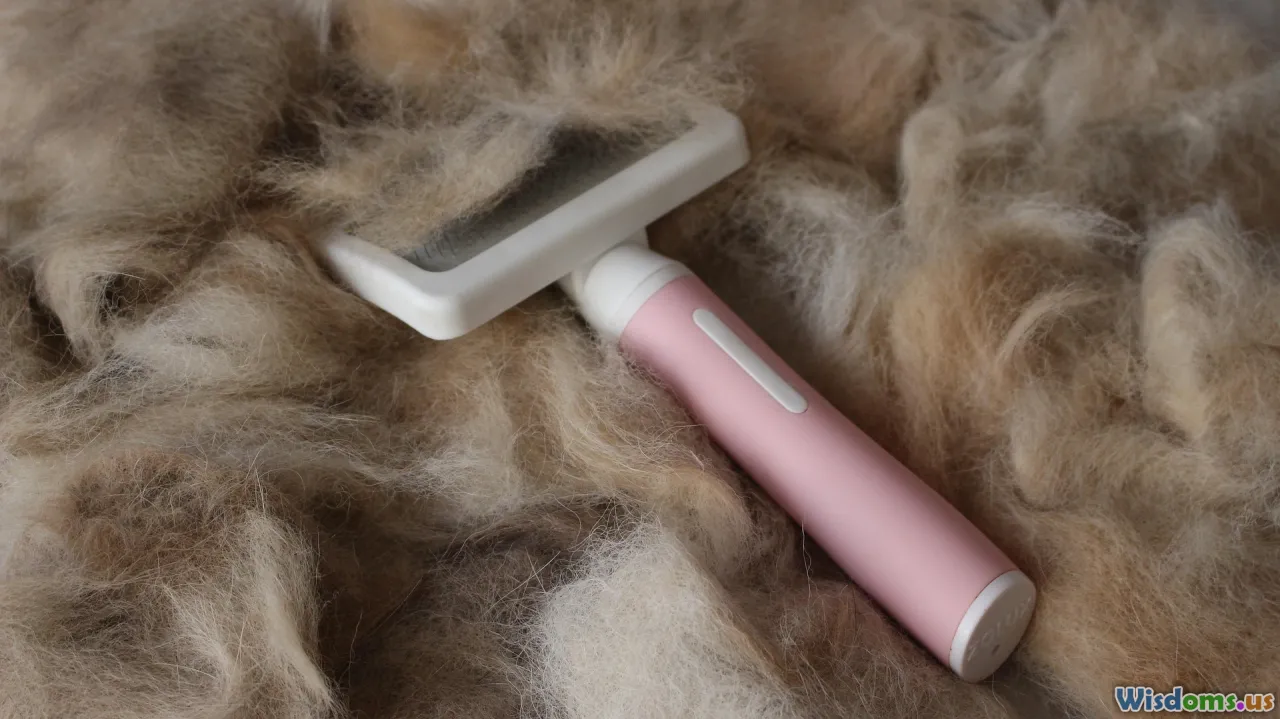
By midweek I realized I’d been brushing my skin with more attention than I gave my inbox. Seven days of daily dry brushing sounded like a minor experiment—three to five minutes before a shower, a quick sweep of bristles, and done. Instead, it turned into a crash course in skin mechanics, morning rituals, and the strange satisfaction of seeing a fine dusting of dead skin disappear down the drain. Below is exactly what I did, what changed, what didn’t, and how you can adapt the routine to your own life in a way that’s effective, safe, and—surprisingly—pleasant.
What I Did (Tools, Routine, Baseline)
I started with a clear plan. The goal: daily dry brushing for one week, tracking both visible skin changes and how it felt, with an eye on the realistic benefits and the limits.
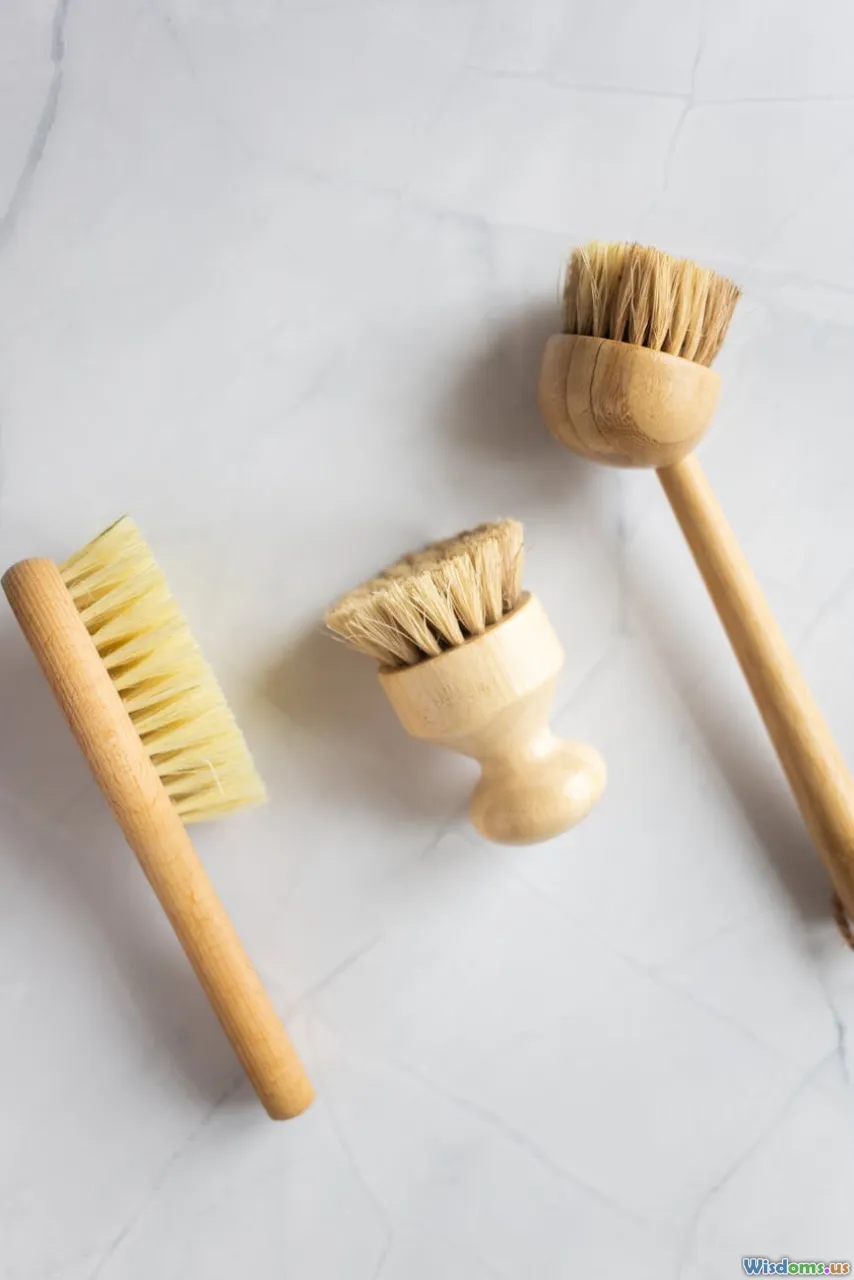
- Brush: A palm-sized natural bristle brush (plant-based tampico fibers) with medium firmness, plus a long-handled boar-bristle brush for my back. I deliberately avoided very stiff bristles to reduce the risk of micro-scratches.
- Time: 3–6 minutes each morning before a lukewarm shower.
- Pressure: Light to moderate—enough to feel circulatory stimulation, but not enough to leave visible scratches or prolonged redness.
- Skin baseline: Mild keratosis pilaris (rough bumps) on the upper arms, a few ingrown hairs on the thighs from shaving, no active dermatitis. My legs trend dry in winter; this experiment took place in early spring.
- Moisturizer: A fragrance-free body lotion with 10% urea for legs and arms; a lighter ceramide lotion for the rest of the body.
- Controls: No changes to diet, exercise, or shower products (gentle, non-exfoliating body wash) for the week. I skipped body scrubs to keep exfoliation consistent.
Before Day 1, I did a quick patch test on the forearm to gauge sensitivity—ten gentle strokes, waited 12 hours. No hives, only slight pinkness that resolved within 5 minutes.
The First 24 Hours: Immediate Impressions
Within minutes of the first session, there were visible tiny flakes—especially along the shins and forearms. This is normal: dry brushing manually removes part of the stratum corneum (the outermost layer of dead skin cells). My immediate notes were practical:
- Sensation: A warm, slightly prickly feeling similar to a brisk towel rub. Not painful; borderline invigorating.
- Appearance: Subtle, quick glow—likely from temporary vasodilation (increased blood flow at the surface). I saw faint pinkness that faded in under 10 minutes.
- Shower synergy: The water seemed to rinse away more thoroughly, and lotion absorbed faster. Urea lotion, in particular, glided on and felt less sticky.
What surprised me most was how much more even the skin looked after a single session, without crossing into redness or itchiness. On Day 1, I also realized two logistical quirks:
- Doing this over a bathmat caught the skin flakes (dry brushing is basically controlled shedding). 2) Brushing before coffee actually helped me wake up—like a physical equivalent of a strong morning stretch.
The Technique That Actually Works (And What Didn’t)
The internet is divided on technique: some advocate vigorous scrubbing; others advise feather-touch strokes. After testing both extremes, here’s the formula that worked and felt sustainable.
- General direction: Brush toward the heart. For arms and legs, that means long strokes upward. On the abdomen and chest, small clockwise circles. On the back, brush upward toward the shoulders or toward the spine, then upward.
- Stroke length and count: 5–10 strokes per zone, overlapping slightly. Each stroke about 10–15 cm in length on limbs; shorter, gentler circles on the torso.
- Pressure: Enough to feel mechanical contact without blanching or scraping. If your skin is red for longer than 10 minutes, decrease pressure.
- Sequence: Feet to calves to thighs; hands to forearms to upper arms; abdomen (clockwise) to chest; back (with the long handle). I skipped the face and neck to avoid irritation and because facial skin is generally thinner.
- Timing: 3–6 minutes total. Longer didn’t translate into better results—only increased dryness.
What didn’t work:
- Brushing damp skin made the bristles drag and increased irritation. Dry means dry.
- Sharp pressure over bony areas (shins, collarbones) left transient scratch marks. Going lighter solved it.
- Fragrance-heavy lotion immediately after brushing tingled unpleasantly. Fragrance-free moisturizers performed best.
A quick note on lymphatic claims: Some people cite dry brushing for detox or lymph flow. The lymphatic system moves primarily through muscle contractions and deep breathing, and evidence that light skin brushing significantly affects lymph drainage is limited. It may encourage a sense of “lightness,” but I’d categorize that as subjective rather than medically proven. What is more grounded: mechanical exfoliation clearly improves surface smoothness and can help prevent ingrown hairs by keeping follicles clear.
Day-by-Day Notes From The Week

Day 1
- Observations: Immediate smoothness on shins and forearms; faint pinkness vanished in minutes.
- Adjustment: Reduced pressure over the shins; switched to smaller strokes.
- Moisturizer: 10% urea on legs, ceramide lotion elsewhere.
Day 2
- Observations: Upper arms felt less “sandpapery,” especially around keratosis pilaris patches. One ingrown hair on the right thigh started to expose the tip.
- Adjustment: Limited each spot to 8 strokes. Timing was 4 minutes.
- Sensation: Slight itch after shower—resolved after moisturizing.
Day 3
- Observations: Visible reduction in ashiness on legs. No flaking midday.
- Adjustment: Added a 30-second deep-breathing pause at the end; not essential, but it reinforced the calm, ritual vibe.
- Product tweak: Layered a thin body oil over lotion on calves to prevent afternoon dryness.
Day 4
- Observations: KP bumps on upper arms noticeably flatter. My back felt smoother, though harder to evaluate visually.
- Adjustment: Used the long-handled brush for the full back with upward strokes only; avoided lateral scrubbing.
- Note: A tiny red line on the shin from going too fast—healed within a day.
Day 5
- Observations: Ingrown hairs almost gone; shaving on Day 5 was smoother with fewer tugging sensations.
- Adjustment: Skipped brushing immediately after shaving. I waited 24 hours before brushing again to avoid irritation.
- Energy: The post-brush buzz was real; I felt more awake during morning workouts.
Day 6
- Observations: Skin tone looked more uniform; still no change to cellulite (as expected after less than a week, and arguably beyond the scope of dry brushing altogether).
- Adjustment: Reduced torso time; I found limbs respond best and are easier to monitor for pressure.
- Hygiene: Washed the brush bristles with warm water and a drop of gentle soap; air-dried in the sun.
Day 7
- Observations: The best texture yet on upper arms and thighs. Lotion seemed to absorb faster. Zero flaking on dark clothing.
- Final tweak: Locked in the 5-minute routine: 2 minutes legs, 1.5 minutes arms, 1 minute torso, 30 seconds back.
Skin Science: What Dry Brushing Can and Can’t Do
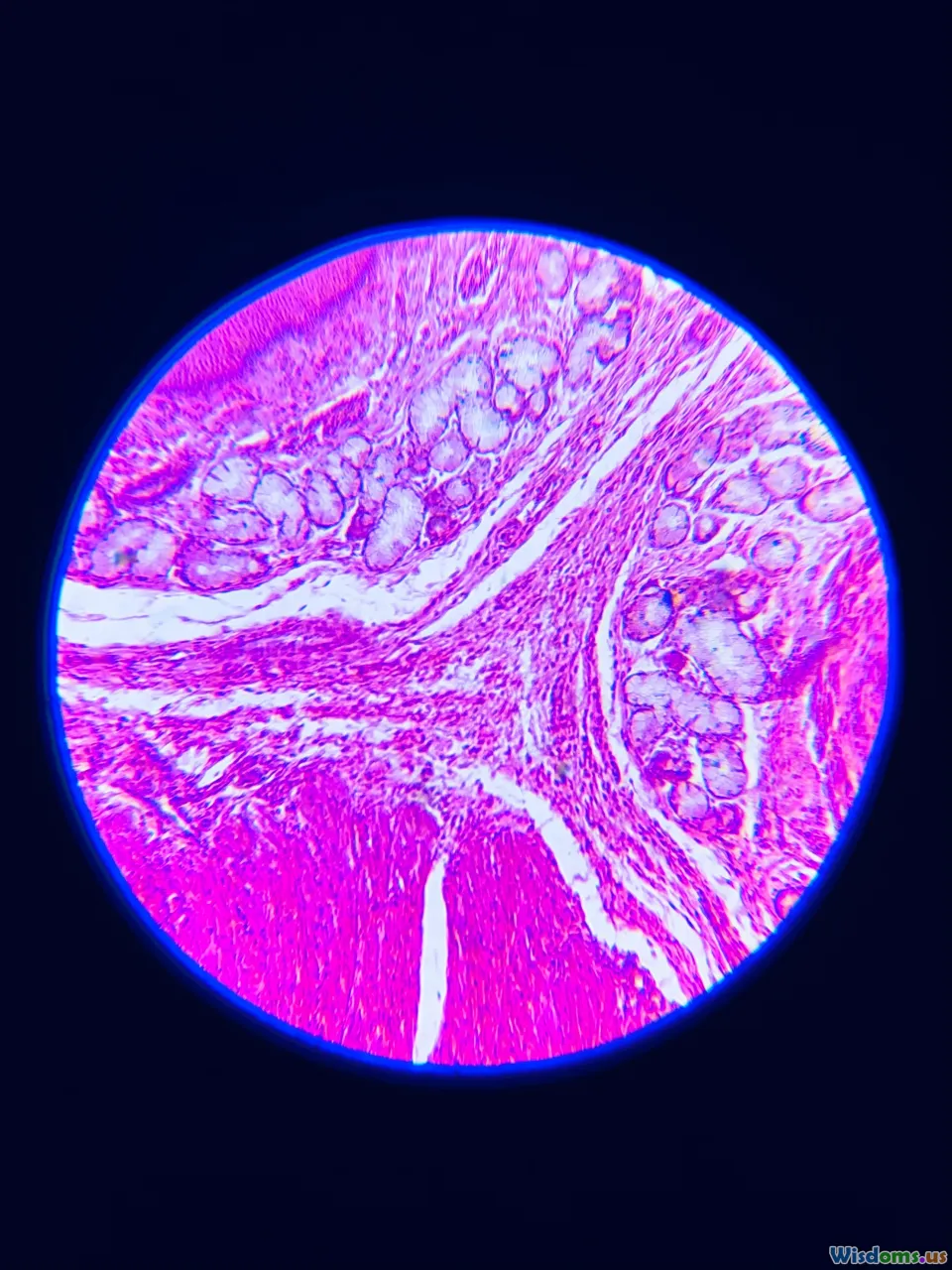
What dry brushing can do:
- Exfoliation: The stratum corneum naturally sheds; brushing accelerates this process mechanically. This can smooth rough patches, reduce flaking, and help prevent ingrown hairs by discouraging dead skin from clogging follicular openings.
- Temporary surface circulation: Light friction increases local blood flow, which may produce a glow and a warm sensation. This is short-lived and mostly aesthetic.
- Perceived product absorption: By removing flaky buildup, lotions and oils can sit more evenly on the skin, which feels like better absorption.
What it likely can’t do:
- Cellulite removal: Cellulite is driven by fat distribution, connective tissue structure, and skin thickness. Brushing can’t restructure these. Some people report temporary skin plumping (stimulation), but it’s not a long-term cellulite solution.
- Detox: The skin’s role in excretion is limited; the body’s primary detoxification organs are the liver and kidneys. Dry brushing doesn’t “flush toxins.”
- Dramatic lymph drainage: Manual lymphatic drainage is a specific, gentle technique performed by trained therapists. Casual brushing is not a substitute.
Potential risks to manage:
- Barrier disruption: Over-brushing or using stiff bristles can impair the skin barrier, increasing water loss and irritation. If you notice stinging when applying moisturizer, scale back frequency or pressure.
- Contraindications: Avoid active eczema, psoriasis flares, open wounds, sunburn, recently shaved skin, or areas with infections. If you have diabetes, peripheral neuropathy, a bleeding disorder, or are on anticoagulants, talk to a clinician first.
- Allergies: Some natural bristles or plant fibers can trigger contact sensitivity in rare cases. Patch-test new materials.
An often-overlooked plus: For keratosis pilaris (those tiny bumps on arms and thighs), gentle mechanical exfoliation can be helpful when paired with moisturizers containing urea, lactic acid, or salicylic acid. The trick is “gentle.” Too much friction makes KP redder.
Comparing Brushes: Natural Bristle vs Synthetic vs Plant Fiber
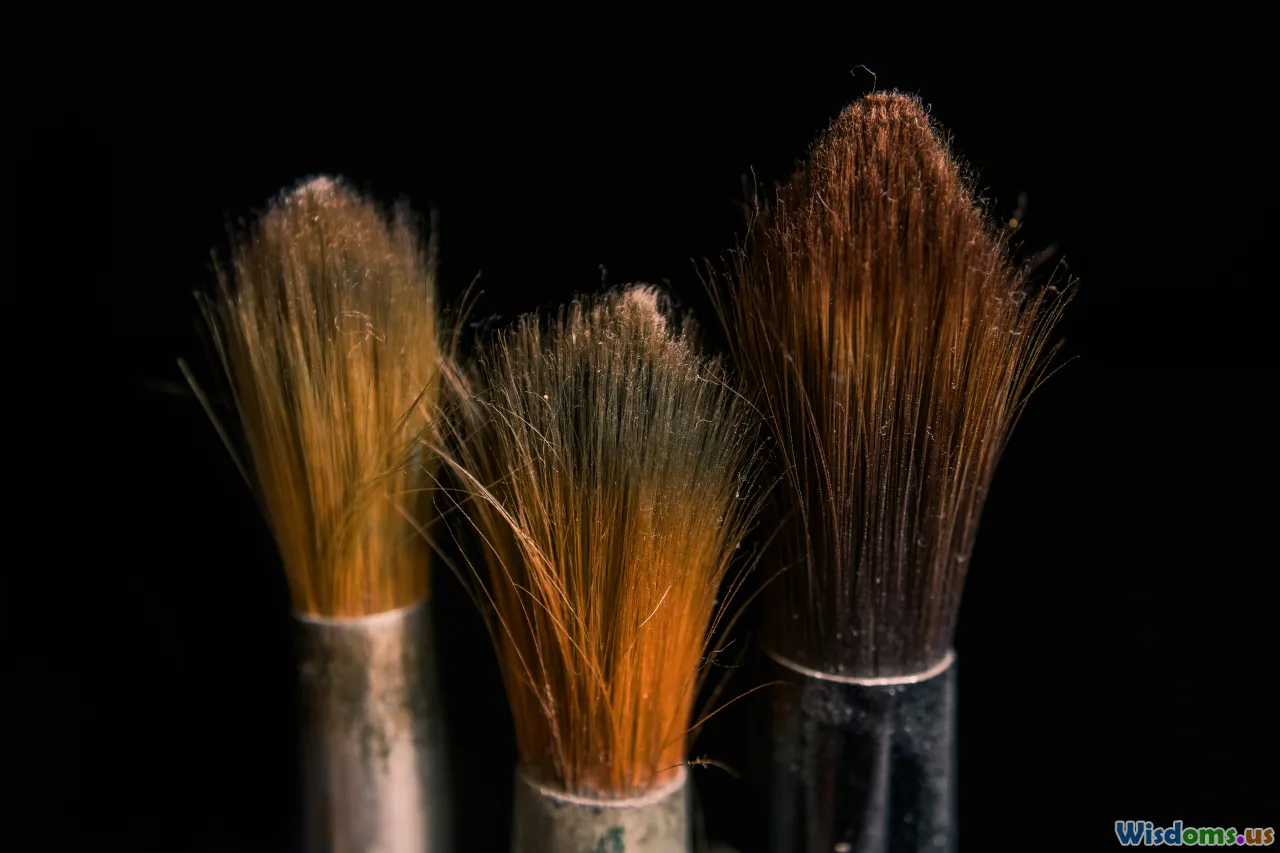
I tested two materials and researched a few more. Here’s how they stack up in real life.
- Boar bristle: Slightly softer than many plant fibers, good for sensitive areas like upper arms. Mine shed minimally. If you avoid animal products, skip it.
- Tampico (agave) or sisal: Plant-based, medium-firm, effective for legs and feet. Great exfoliation with a bit more texture. Can feel too scratchy if used with heavy pressure.
- Jute: Softer plant fiber, good for beginners and thin skin zones.
- Synthetic nylon: Often too smooth or too scratchy depending on quality. Dries fast and resists mildew, but can snag or build static.
Handle style matters:
- Palm brush: Fantastic control over pressure; my preferred choice for arms and thighs.
- Long-handle brush: Necessary for the back, less precise elsewhere. Look for a detachable head for versatility.
Care and durability:
- Expect some shedding at first. If fibers splay early, you’re brushing too hard or the brush is poor quality.
- Rinse and dry thoroughly. Natural fibers can mildew if left wet in a closed bathroom.
Sustainability note: Plant fibers and wood handles are more biodegradable than plastic-heavy options. If eco-impact is a factor for you, choose plant fibers and avoid microplastic-laden scrubs (many regions have banned plastic microbeads, but not all exfoliating products are equally eco-safe worldwide).
My Results After 7 Days

The habit didn’t transform my skin like a retouching filter, but it delivered specific, noticeable changes:
- Texture: Upper arms were roughly 30–40% smoother to the touch by Day 4 (admittedly a subjective measure, but obvious to me). The classic KP “grit” softened.
- Ingrown hairs: The two on my thighs cleared naturally—no picking—by Day 5. Brushing gently over the area, then moisturizing, seemed to keep follicles clear.
- Flaking: Significantly less ashiness on legs, no flaky residue on dark leggings by the end of the week.
- Tone and glow: A mild, immediate glow after brushing; this was temporary but pleasant.
- Cellulite: No visible change (as expected). The skin felt smoother, which can make dimpling slightly less visually pronounced in certain light, but this is about texture, not structural change.
- Irritation: A couple of fleeting scratch marks early on when I rushed. Once I adjusted pressure and stroke length, zero ongoing redness or itch.
One unexpected positive: My morning energy felt steadier. Whether it was the ritual, the sensory kickstart, or placebo is hard to say—but it made mornings better.
Unexpected Surprises (Good and Bad)

- It’s tidier than I imagined. A bathmat or towel catches the flakes; a quick shake outside solves cleanup.
- Static happens. On dry days, the nylon-handled brush produced mild static. The wooden palm brush didn’t.
- Brush personality is real. My boar bristle brush felt soothing on the arms but too soft on heels; tampico shined on legs but was overkill on the chest.
- Pets are curious. My cat thought the brush was a new toy. I now store it high.
- Fragrance clashes. Heavily scented lotions felt irritating post-brush; fragrance-free became a staple.
- Time cost was lower than I feared. Consistent five-minute sessions fit into the “toothbrushing category” of daily hygiene—short, automatic, and oddly satisfying.
How-To: A Safe, Effective 5-Minute Dry Brushing Routine

Use this as a template and tweak based on your skin.
- Set the stage
- Stand on a bathmat. Skin must be completely dry.
- Tie up hair; wash hands.
- Start at the feet (60–75 seconds)
- Tops of feet: 5 gentle strokes toward ankles.
- Shins and calves: 8–10 light-to-moderate upward strokes per segment.
- Behind knees: 5 careful, gentle strokes.
- Thighs and glutes (60–75 seconds)
- Front and sides of thighs: 8–10 upward strokes per area.
- Back of thighs and glutes: 6–8 upward strokes; avoid aggressive pressure over dimples.
- Hands and arms (60 seconds)
- Palms and backs of hands: 5 strokes toward wrists.
- Forearms and upper arms: 8–10 strokes toward shoulders. For KP, go lighter and consistent.
- Abdomen and chest (45–60 seconds)
- Abdomen: Small clockwise circles for 30 seconds. Keep pressure light.
- Chest: Very gentle strokes toward the center, avoiding nipples and any irritated areas.
- Back (30–45 seconds)
- Use a long handle; go upward toward shoulders. Keep the pressure light over the spine and shoulder blades.
- Shower and moisturize (60–90 seconds)
- Rinse with lukewarm water; skip harsh body scrubs.
- Apply a fragrance-free moisturizer while skin is still slightly damp from the towel (not dripping). For dry legs, a 5–10% urea lotion or lactic acid body milk 1–3 times a week can complement brushing.
Pro tips:
- Frequency: Start with 3–4 times per week. If skin tolerates it, daily is okay. If you notice lingering redness or sting, reduce frequency.
- Pressure cue: Your skin should feel warm and tingly afterward, not abraded. Pink that resolves quickly is okay; welts or stinging means too much.
- Shaving: Brush before shaving, not after. Wait 24 hours post-shave.
Troubleshooting Common Problems
-
Problem: Persistent redness or sting after moisturizing. Solution: Reduce pressure and frequency. Switch to a softer brush. Try a simpler moisturizer with ceramides and glycerin (no fragrance, no strong acids) for a few days.
-
Problem: Ingrown hairs persist. Solution: Use fewer but consistent strokes; follow with a salicylic acid body product 2–3 times a week (not on the same day as vigorous brushing). Keep blades sharp and shave in the direction of hair growth.
-
Problem: Itchy skin at night. Solution: Brush in the morning, not at night. Increase moisturizer weight; layer a few drops of body oil over lotion on driest areas.
-
Problem: Brush smells musty. Solution: Clean weekly. Swish bristles in warm water with a pea-sized drop of mild soap, rinse, squeeze gently with a towel, and sun-dry bristle-side down. Monthly, a quick dip in diluted white vinegar (1:5 with water) helps. Replace if odor persists.
-
Problem: Breakouts on chest or back. Solution: You may be overdoing it. Reduce pressure or skip those areas for a week. Consider a benzoyl peroxide wash 1–2 times per week, but don’t combine with aggressive brushing in the same session.
-
Problem: Brush bristles splay within days. Solution: You’re either brushing too hard or the brush is poor quality. Ease up or invest in a better-made brush.
Who Should (and Shouldn’t) Try Dry Brushing
Good candidates:
- Normal-to-dry skin with visible flaking, mild KP, or frequent ingrowns.
- People who prefer mechanical exfoliation over chemical scrubs and want a quick, low-water routine.
Proceed with caution or consult a clinician:
- Active eczema, psoriasis, or dermatitis. Friction can worsen flares.
- Very sensitive or thin skin, or a history of keloids.
- Diabetes, peripheral neuropathy, or vascular conditions—reduced sensation may mask damage.
- Those on anticoagulants or with bleeding disorders.
- Over varicose veins, open wounds, sunburns, or infected skin.
- Pregnant individuals with concerns about lymphatic drainage or varicosities: get specific guidance.
General rule: When in doubt, skip it or consult a dermatologist. No glow is worth compromising your skin barrier.
The Cost-Benefit Math

Time: 5 minutes per session, about 35 minutes a week. That’s roughly the length of a single streaming episode intro if you’re counting habit trade-offs.
Financials:
- A decent brush ranges from $12–$35. A long-handle brush adds $10–$20 if you need one.
- Lifespan: 6–12 months with good care; replace when bristles fray or smell persists.
Value proposition:
- Compared to body scrubs: Dry brushing uses no product per session, saves on continuous purchases, and is less messy in the shower.
- Compared to chemical exfoliants: AHAs/BHAs offer deeper action for KP and texture, but carry irritation risk if overused. Dry brushing is more tactile and easy to modulate in real time. Combining both (on alternating days) can be effective.
- Environmental angle: Plant-fiber brushes generate less plastic waste than many scrubs packaged in plastic or those that still rely on synthetic micro-beads in some markets.
In short: For low cost and modest time, the return in smoothness is substantial—if you keep pressure respectful and moisturize consistently.
Alternatives and Complements
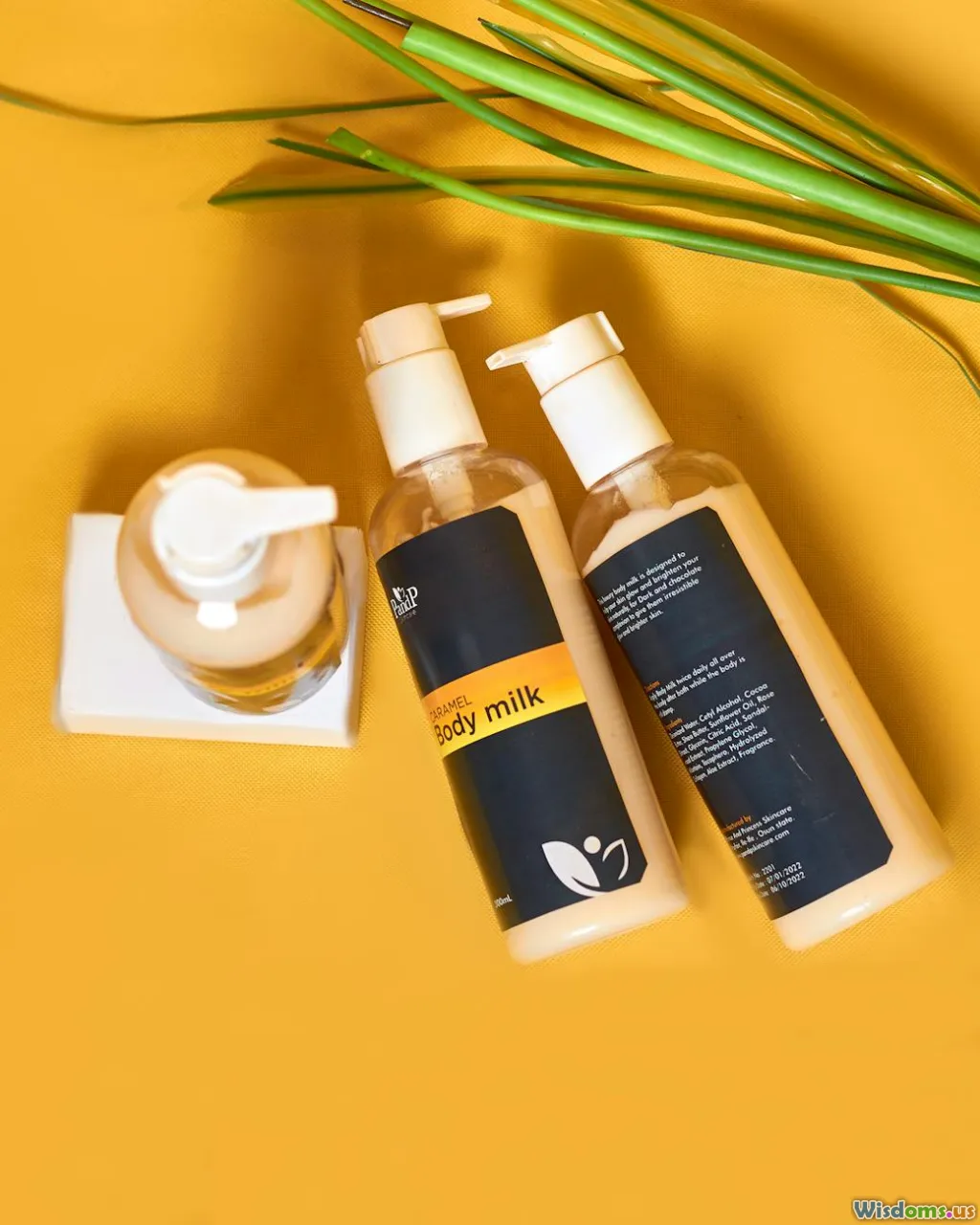
- AHAs (lactic or glycolic acid): Use 1–3 times/week to soften KP and rough patches. Best for arms and thighs. Start low and slow.
- BHAs (salicylic acid): Great for ingrowns and body acne; 0.5–2% is typical. Avoid layering with vigorous brushing in the same session.
- Urea (5–10%): Humectant and keratolytic at higher concentrations. My week used 10% on legs with noticeable improvement.
- Enzyme exfoliants (papain, bromelain): Gentle alternative for sensitive types.
- Washcloth or exfoliating gloves: Lower-intensity mechanical exfoliation than dry brushing, usually used wet in the shower.
- Body retinoids: Can improve texture and even out tone over months; introduce carefully, and avoid on nights you brush aggressively to prevent irritation.
- Sauna or contrast showers: If you like the invigorating effect, these pair well subjectively, but keep water temperature moderate if your skin tends to dryness.
Strategy: Choose one exfoliating lane per day. If you brush in the morning, skip acids that day or apply them at night to different body zones.
Maintenance and Hygiene
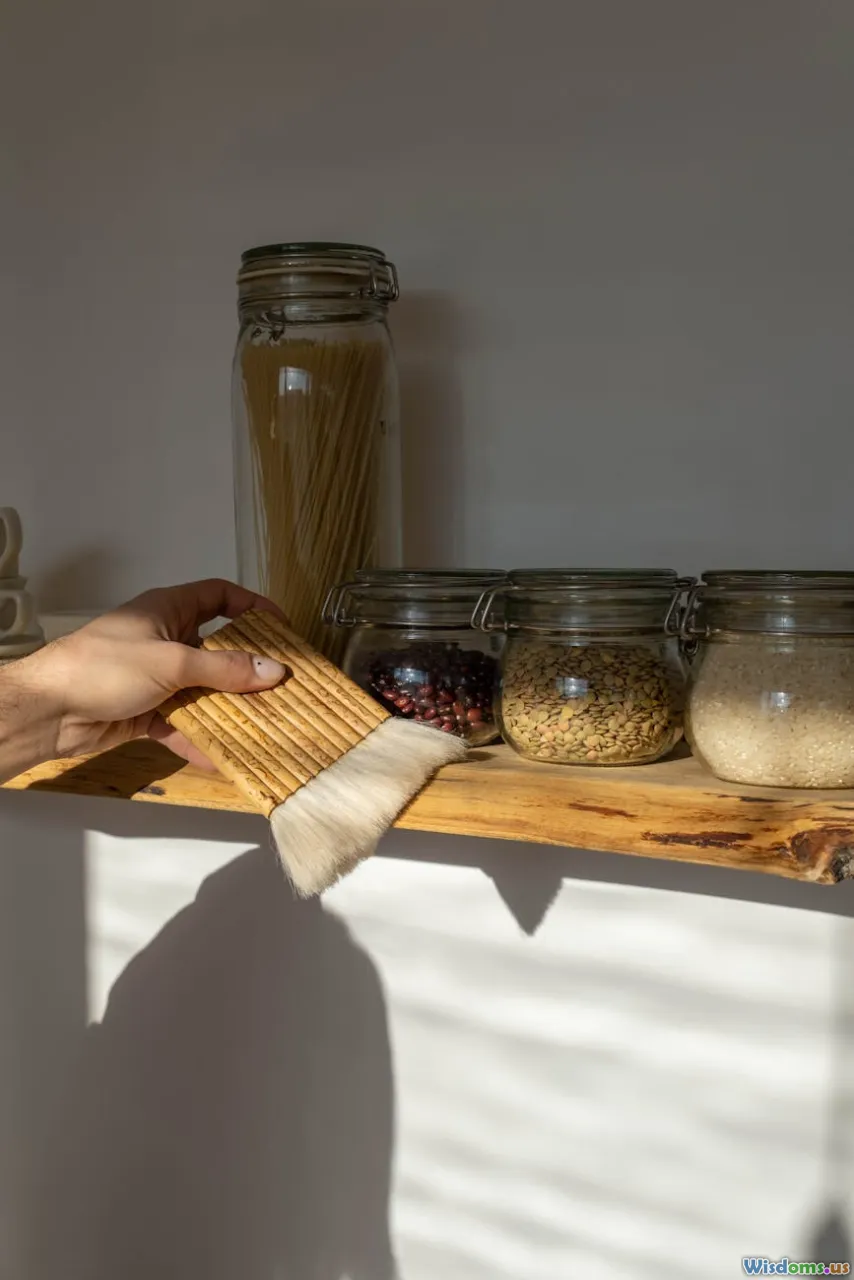
- Quick clean: Tap out the brush after each use to remove debris. A lint roller can pick up fine dust.
- Weekly wash: Warm water + mild soap, brief swish, rinse. Do not soak wood handles for long.
- Drying: Lay bristle-side down on a clean towel in direct or indirect sun if possible. Good airflow prevents mildew.
- Storage: Keep in a dry, open area. Avoid sealed shower caddies.
- Replacement: Every 6–12 months, sooner if bristles splay, shed excessively, or smell musty.
- Personal use: Don’t share. It’s a personal hygiene tool.
Final Thoughts You Can Use This Week
Seven days of daily dry brushing taught me that small, tactile habits can be both practical and surprisingly enjoyable. The main wins were smoother texture, fewer ingrown hairs, and better-looking legs in shorts—without the mess of scrubs. The myth-busting: cellulite didn’t budge, and there’s no detox miracle. But for a few minutes a day, the payoff in feel and look was real.
If you want to try it this week, here’s a ready-to-use plan:
- Start with a medium-soft plant-fiber or boar bristle brush.
- Brush 3–4 days the first week, 5–7 the second if your skin tolerates it.
- Use light, upward strokes toward the heart; 5–10 strokes per area.
- Shower lukewarm, moisturize immediately with fragrance-free lotion (consider 5–10% urea on rough zones).
- Skip brushing over irritated, broken, or freshly shaved skin.
- Clean the brush weekly and store it dry.
Treat dry brushing as a tool, not a cure-all. Its strength is in consistency and restraint. If you keep the pressure respectful and the routine short, you’ll likely notice the same results I did: skin that feels smoother against fabric, looks more even in daylight, and makes daily lotion finally feel like it’s doing its job. That might be the most surprising part of all—not the hype, but the simple satisfaction of making your skin a little better, every morning, in five minutes flat.
Rate the Post
User Reviews
Other posts in Self-Care & Relaxation




Popular Posts