Secrets of Surviving in the Rainforest Canopy
35 min read Field-tested strategies for navigating, sleeping, and staying safe in the rainforest canopy—water sourcing, shelter, movement, signaling, and wildlife awareness for explorers, researchers, and eco-travelers. (0 Reviews)
High above the rainforest floor, life braids itself into a bustling, sunlit city. Leaves stack into rooftops, vines serve as bridges, and epiphytes make apartments on branches that never touch the soil. Up here, the air holds more moisture, the winds turn sudden, and the margin for error shrinks to the width of your next step. Surviving in the rainforest canopy is not only a test of strength; it is a discipline of systems, observation, and respect. The canopy rewards those who think like engineers and pay attention like naturalists. This guide distills field-proven techniques, comparisons, and small but decisive habits that make the difference between a safe return and a risky story.
Mapping the Vertical City of the Canopy

The canopy is not a single layer. Picture a layered metropolis:
- Emergent layer: giants like kapok (Ceiba pentandra) tower 50–60 meters, catching full sun and the first hits of wind and lightning. Harpy eagles often nest near here for vantage and airflow.
- Main canopy: a continuous, interlaced roof 25–45 meters high, rich in fruiting figs, orchids, and bromeliads.
- Sub-canopy and understory: darker, still air, but with climbing routes via lianas and branch unions.
Connectivity is the first survival metric. Lianas can comprise a quarter of woody stems in some tropical forests and can tie crowns of different trees together. That connectivity is a blessing for movement but a hazard in storms: a sudden gust in one tree transmits force through vine bridges to the next. When scouting from the ground, look beyond trunk size. Identify:
- Crown architecture: wide, forked crowns with thick primary limbs offer stable anchors; narrow crowns snap in wind.
- Epiphyte load: mats of bromeliads and canopy soil add weight and become slippery platforms. They also hide soft, rotten wood.
- Branch unions: U-shaped unions with visible reaction wood and minimal rot are safer than sharp V unions.
Fact to bank: bark in cloud-exposed canopies accumulates lichens and mosses that trap water; footing there can be as slick as ice. Assume every surface is wet until proven otherwise.
Risk Mindset and Decision Making
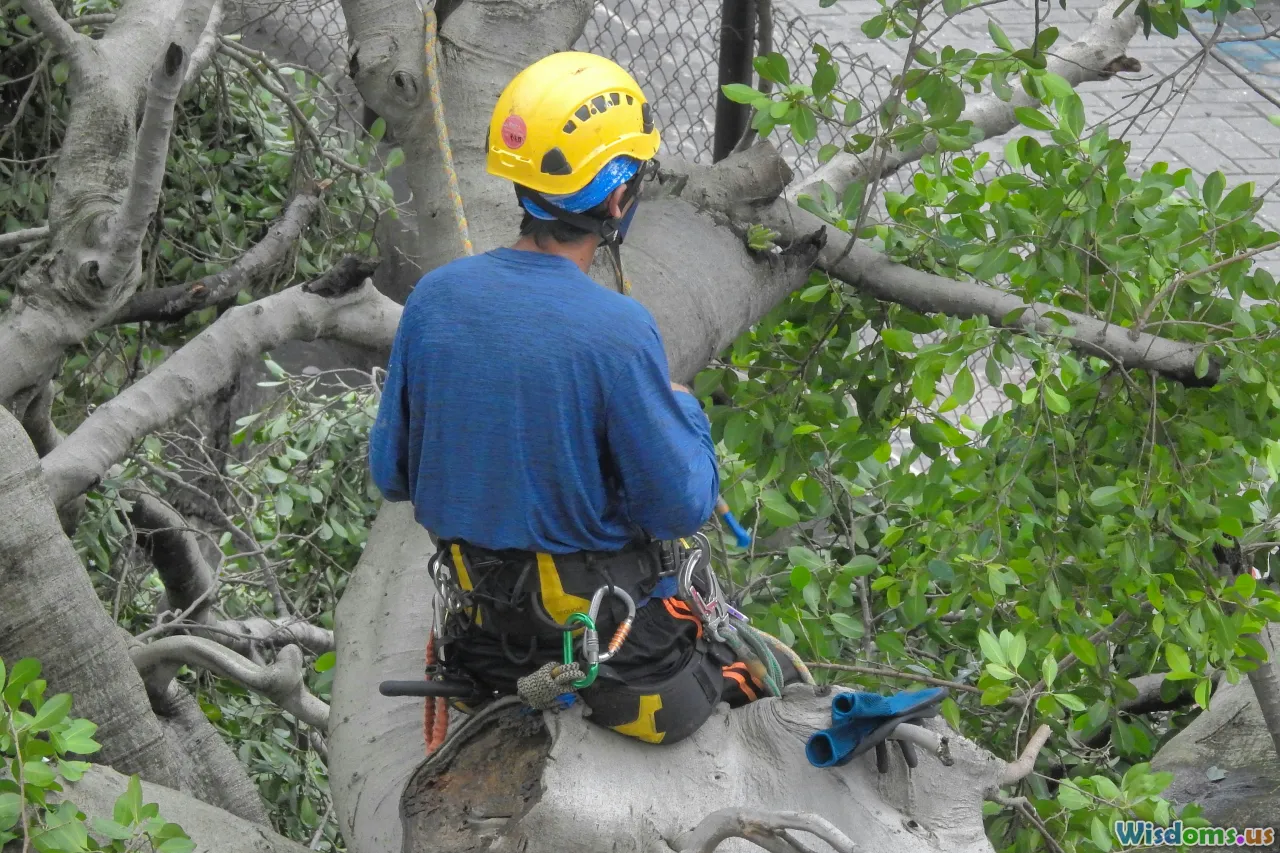
Survival in the canopy is less about heroics and more about boring, consistent decisions. Use a simple, relentless loop:
- Pause: the first move is to stop. Heat, height, and humidity amplify impulsive errors.
- Plan: define the objective for the next hour, not the whole day. Example: reach a stable limb 3 meters out, set a redundant anchor, sip water, reassess.
- Proof: check assumptions. If you assume a limb is sound because it is thick, probe it. Rot often hollows large branches from the inside.
- Proceed: move with deliberate cadence. Do not rush the last 10 percent of a task; most falls and gear failures occur at task completion.
Make decisions by load and consequence. Use the two-question rule:
- What is the worst plausible outcome if this fails? (fall, entrapment, isolation, dehydration)
- How can I make that outcome impossible or survivable? (redundant system, backup ascender, reachable knife, partner communication)
Cognitive hazards to watch for include heat impatience, fatigue blindness, and sunk cost—continuing a risky traverse because you invested time setting it up. Nothing in the canopy cares about your timeline. Reset expectations frequently.
Movement and Rope Systems That Keep You Alive
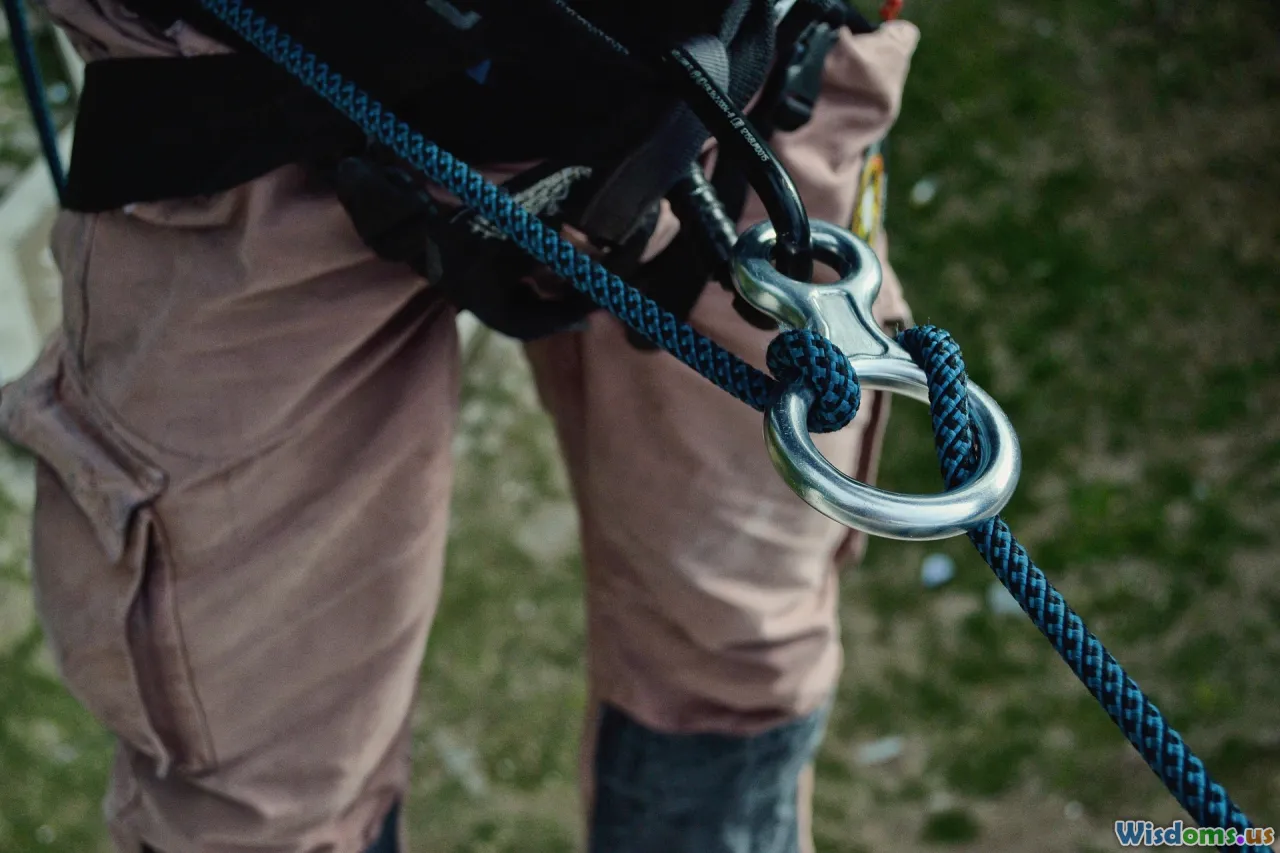
Move as if the tree will fail you and your system will save you. That means redundancy and predictable friction. Core techniques:
- Entry: throwline and throw-weight to place a high canopy anchor over a limb with bark protection (cambium saver). A well-placed anchor reduces rope drag and protects the tree.
- Ascents: single rope technique (SRT) with foot ascender and hand ascender, plus a chest tether for efficiency. Double rope technique (DRT) offers easier work positioning but less efficient vertical gains.
- Hitches and devices: a mechanical device or friction hitch like a distel or VT prusik backed by an auto-block. Favor equipment with minimum breaking strengths well above 22 kN; treat 12–15 kN as a working minimum and build a wide safety margin.
- Lanyards: maintain two points of attachment when moving around the crown. One lanyard should stay above waist height to prevent a pendulum fall.
Practice arm-length moves. Avoid dynamic leaps or unweighted swings. Keep your fall factor low; never climb above your anchor point without an independent connection. When traversing between trees over lianas, test with a progressive load: body weight while retained by your primary rope, then a partial commit, then full commit. If you cannot safely test a route under redundancy, do not take it.
Examples of common errors and fixes:
- Error: clipping the same carabiner to two life-support systems. Fix: isolate connectors; one carabiner per system. Lock check verbal: locked, oriented, loaded.
- Error: shock-loading a prusik on wet rope. Fix: keep a mechanical backup device rated for wet conditions and add friction with an extra wrap or a hitch cord with higher sheath friction.
- Error: leaving slack in lanyards to reach a fruiting branch. Fix: reposition anchor or use a lanyard adjuster for micro-movements; never accept slack near an edge.
Building a Night Above Ground: Hammocks, Platforms, and Anchors
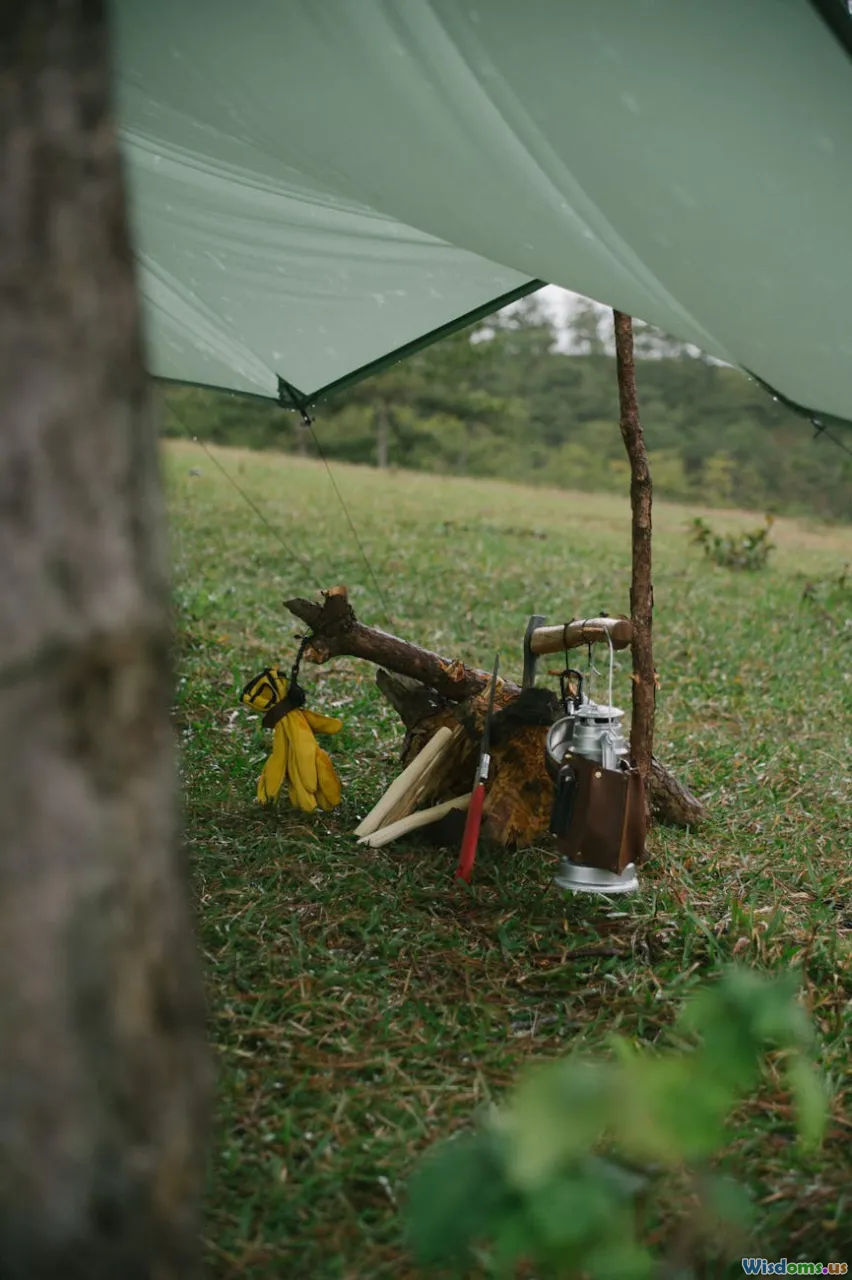
Sleeping in the canopy keeps you away from ground predators, flooded floors, and some biting insects. It also introduces fall risk and wind exposure. Choose systems based on time and tools:
- Fast shelter: a gathered-end hammock with integrated bug net, paired with a rectangular tarp (3 x 3 m), hung with drip lines on each suspension. Pick anchor limbs greater than your thigh in diameter. Use tree-friendly webbing straps and a cambium saver to prevent bark damage.
- Platform shelter: for research or extended stays, a laced webbing platform or a suspended portaledge clipped to two independent anchors on the same tree, plus a backup to a separate tree if possible. Keep total static load under 20% of the anchor limb’s estimated capacity; load low on the limb, near the trunk.
Safety tactics:
- Redundancy: two independent anchors for sleeping systems. One can be a static line fixed to the trunk, separate from the hammock anchors.
- Fall discipline: clip into a short cow’s tail whenever unzipping the hammock or reaching for gear. Night movements cause most near-misses.
- Moisture control: pitch the tarp with one side lower to block prevailing wind. Use drip lines tied 10–15 cm below each tree strap; this simple string diverts water flow from soaking your hammock.
Case example: A field pair in Borneo built a low-profile tarp under the main canopy, avoiding the emergent wind. They used a forked branch union to anchor a portaledge, added bark-protecting sleeves, and rigged a short safety tether to their harness while asleep. Their morning pack-out took 40 minutes with no damage to the tree, demonstrating how planning shortens vulnerable time aloft.
Finding and Treating Water Where Leaves Rule

Rainforest canopies are wet but not automatically drinkable. Reliable options:
- Rain capture: the gold standard. Rig your tarp with a clean runoff corner feeding a collapsible bag. Discard the first minute of run-off to remove leaf debris and bird droppings.
- Bromeliad tanks: some bromeliads hold liters of water in leaf cups. Scoop carefully; water may harbor mosquito larvae, beetles, or fecal contamination from frogs and birds. Always treat.
- Canopy drip and leaf axils: spoon water from large leaf axils (palms, heliconias). Again, treat before consumption.
Treatment hierarchy:
- Filtration: a 0.1–0.2 micron hollow fiber filter removes bacteria and protozoa like Giardia and Cryptosporidium. Pair with a carbon element to reduce taste and some chemicals. Virus removal needs chemical or UV.
- Chemical: chlorine dioxide tablets or drops. Allow 30 minutes for bacteria, up to 4 hours for Cryptosporidium. Keep a small mixing cap to pre-activate drops.
- UV: handheld UV purifiers are effective in clear water. Pre-filter with cloth to reduce turbidity before UV.
Avoid unfiltered water—even in the canopy. Leptospirosis and other pathogens ride in animal urine and feces. Dehydration creeps up fast in humid heat; you sweat but sweat evaporates poorly, so you feel less thirsty while losing salts. Aim for 0.5–1 liter per hour with an electrolyte supplement. Mix your rehydration: 1 liter water, a pinch of salt, a small spoon of sugar, and a bit of citrus if available. Commercial electrolyte packets simplify this.
Field trick: tie a clean bandanna under a leaf drip line during a shower. The cloth will trap debris while channeling water into your bottle. Clean the cloth afterward to avoid biofilm buildup.
Food From Vines, Bromeliads, and Bugs
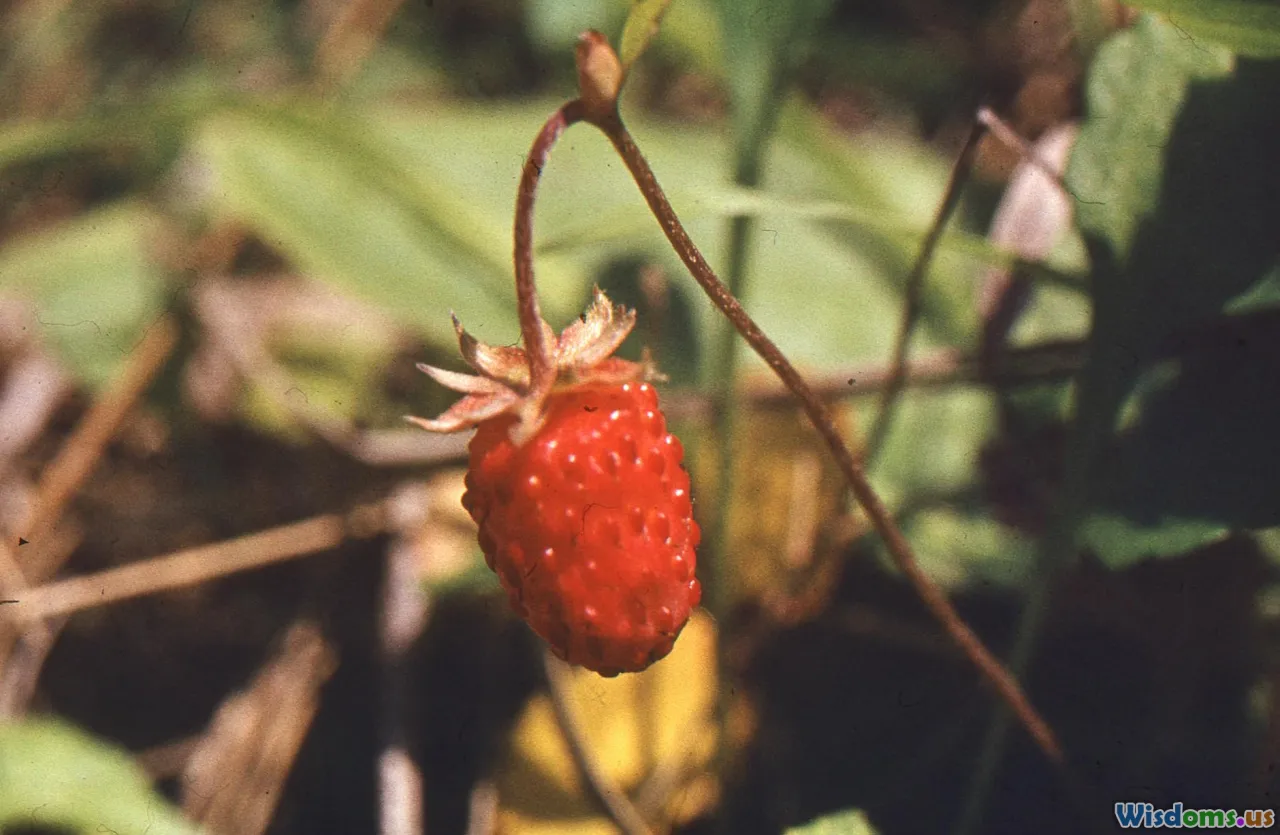
The canopy offers calories if you know where to look and how to harvest safely.
- Fruit: figs (Ficus), guava, guanabana, and cacao can appear in canopy crowns. Fruit attracts competition; never overreach on a thin branch for a ripe cluster.
- Palms: hearts of palm are edible but harvesting kills the plant; only consider in dire need and when legality and ethics allow. Palm nuts offer fats; split with a machete or a rock, minding blade control while on rope.
- Insects: palm weevil larvae, termites, and certain ant species are high in protein and safe when roasted. Soldiers of leafcutter ants can bite; use smoke to dissuade.
- Bromeliads: small freshwater shrimp or insect larvae shelter in tank water. Boil if fuel is available.
Identification is the gatekeeper. Misidentification in the tropics can be catastrophic. A practical strategy:
- Pre-trip study: learn five safe fruits and two safe insects common in your region.
- Rule of moderation: taste small quantities; do not combine multiple new foods in one day. Track any symptoms in a field note.
Tool safety matters more than menu. On rope, cut away from the body, use short strokes, and tether your blade. Keep a catch line on any pot or container to prevent deadly drops onto people or wildlife below.
Calorie budgeting fact: moderate canopy work may burn 3,000–4,500 kcal per day. Prioritize high-calorie density foods—nuts, dried fruit, nut butter, and oil packets—to supplement any foraged intake.
Fire, Dryness, and Heat Management in a Wet Sky
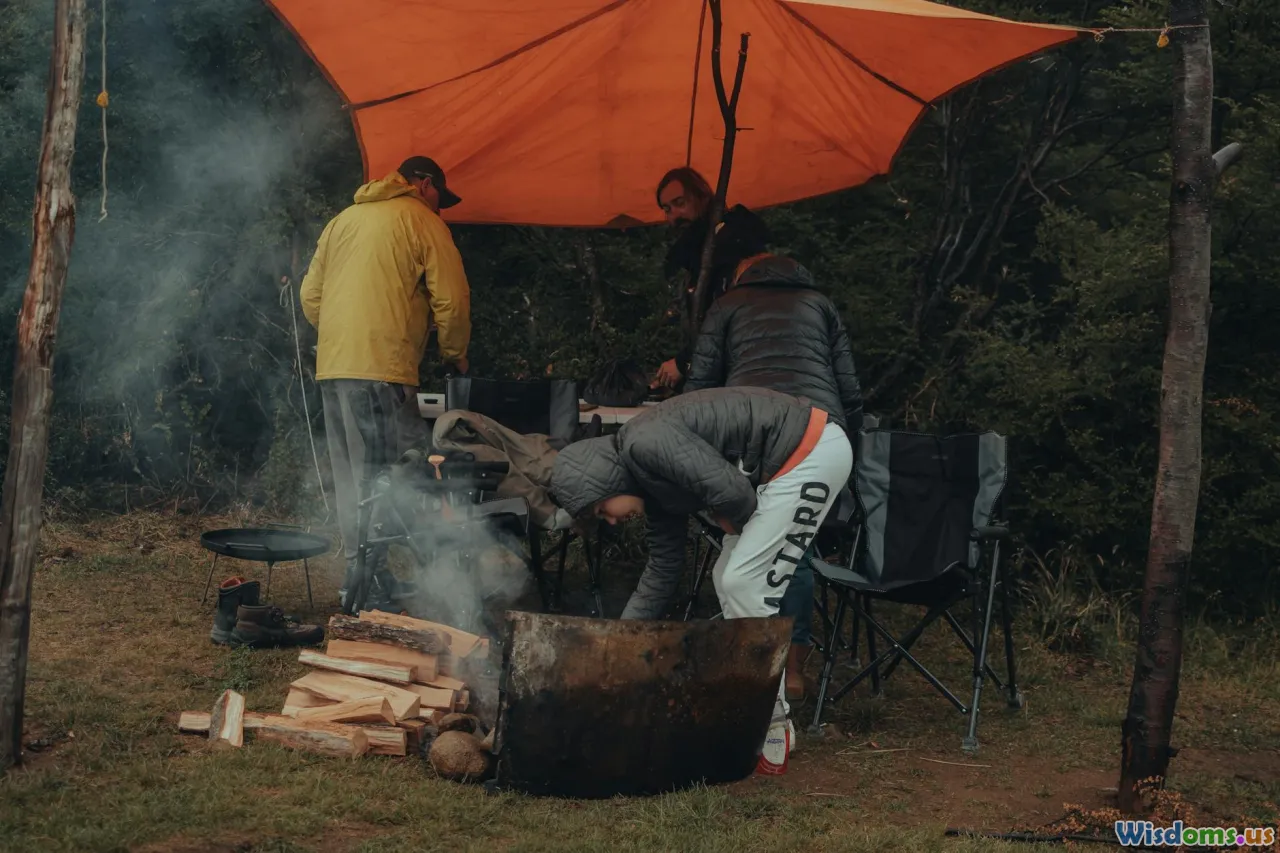
Open fire in the canopy is generally unsafe and unethical. Heat and dryness, however, are survival pillars. Focus on safe, contained flame or chemical heat when needed.
- Flame sources: stormproof matches and a ferrocerium rod are reliable even when damp. Keep tinder in a waterproof pouch: cotton smeared with petroleum jelly, resin-rich shavings, or alcohol stove fuel tablets.
- Fuel strategy: gather pencil-thin twigs from undersides of branches where wind has pre-dried them. Many tropical trees exude resins that burn hot; in some regions, copal-like resins are found in wounds and can jumpstart damp fires at ground-level fire pans.
- Containment: if a warming fire is essential, drop to the forest floor and use a metal pan or a dug pit well clear of roots and leaf litter, with a full water extinguisher. Never light fires aloft.
Dryness without flame:
- Body: dedicate one dry base layer sealed in a waterproof bag. Change into it before sleep and store damp clothes in a separate bag to slow mildew.
- Gear: rig a double ridge line under your tarp; hang socks, harness, and small items with airflow. Breakfast warmth comes from movement and hot fluids rather than flames.
Heat stress sneaks up in the tropics. Monitor for headache, nausea, and irritability. Micro-cool by dipping a bandanna in bromeliad water and wringing it over wrists and neck—only after hand sanitizing and keeping the water out of your mouth.
Weather, Wind, and Lightning: Reading the Sky From the Trees

Canopy weather is amplified. Winds increase with height, storm outflows arrive minutes before rain, and lightning favors emergent crowns.
- Wind cues: if leaves on the upper crown invert and show pale undersides, expect a gust front within minutes. Secure loose items and reduce your profile.
- Lightning: avoid being the highest conductive point. Do not camp in emergent crowns during storm season. If thunder follows lightning in less than 10 seconds, you are inside the 3 km radius; descend to a lower canopy position or forest floor if safe and stay away from isolated tall trees.
- Rain patterns: in many tropical zones, convection storms build mid-afternoon. Start anchor changes and long traverses early; reserve late day for short movements and camp setup.
Microclimate fact: canopy humidity can hover above 80 percent with frequent wetting from fog or mist, even when rain is absent. That persistent dampness degrades ropes and metal. Dry gear daily and inspect for corrosion or sheath fuzz.
Insects, Bites, and Invisible Hazards
In the canopy, insects are not a nuisance; they are a survival variable.
- Mosquitoes and disease: wear permethrin-treated clothing and a head net during low-wind dawn and dusk. Use a high-concentration repellent on exposed skin. Sleep inside a bug net. Consider prophylaxis where malaria or dengue risk is high.
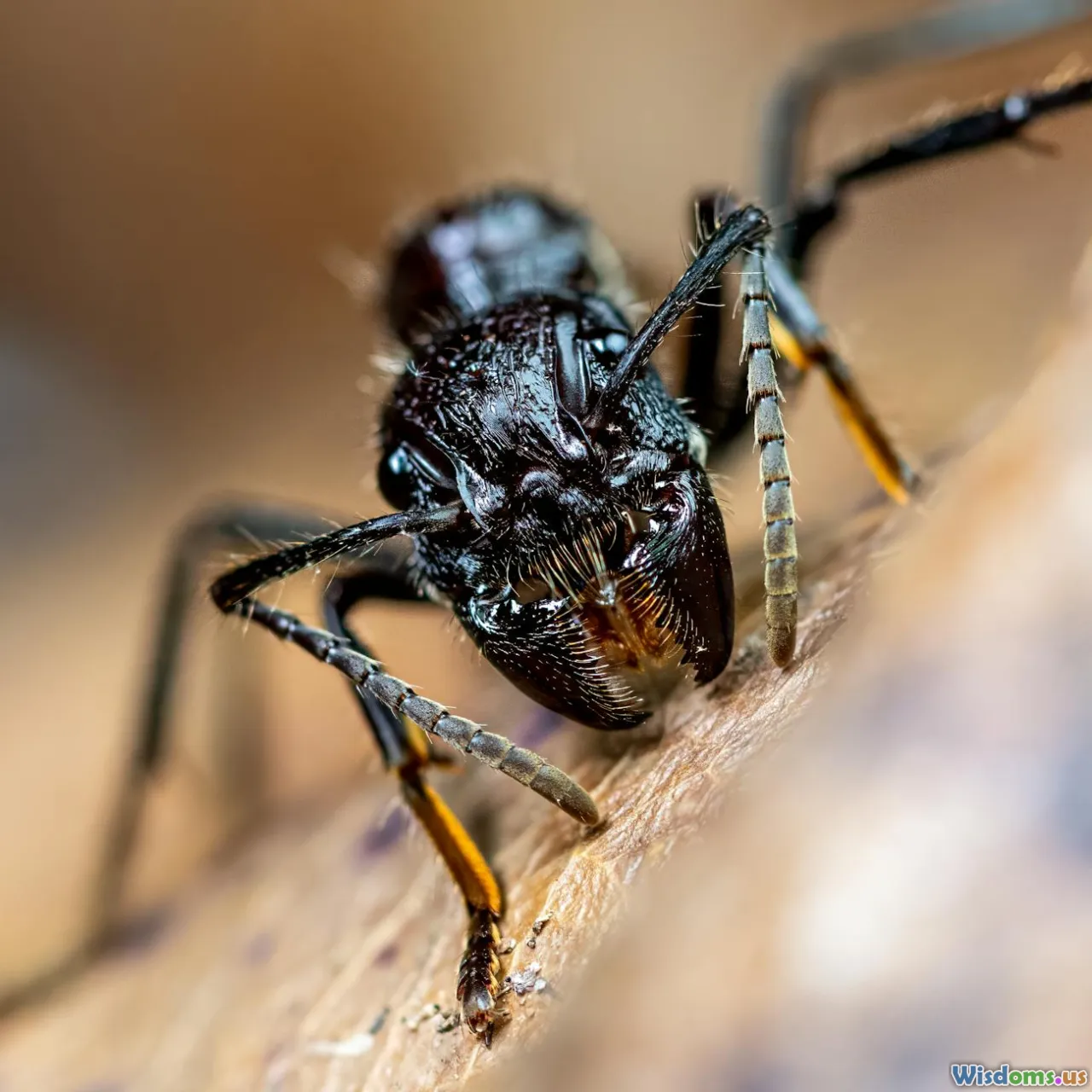
- Ants: bullet ants deliver excruciating stings; avoid contact points by inspecting lianas and trunk routes. Tap branches before grabbing. If swarmed by army ants, move calmly across a gap and brush ants off with a leafy branch once clear.
- Caterpillars and hairs: some species have venomous urticating hairs. Do not lean on unknown twigs. Gloves reduce risk but can be slick; choose models with tactile grips.
- Snakes and spiders: emerald tree boas and arboreal vipers can sit motionless in branches. Use a light for night moves and probe before placing hands.
First-aid essentials:
- Pressure immobilization bandage for suspected neurotoxic snakebite. Do not cut or suck wounds.
- Antihistamines and, if prescribed, an epinephrine auto-injector for anaphylaxis.
- Wound cleaning kit: pressurized saline ampoules, povidone-iodine swabs, and hydrocolloid dressings (they stay put in humidity).
Invisible hazards include dermatitis from plant sap and fungal infections from perpetually wet skin. Dry your feet daily, apply a light antifungal powder, and rotate socks. Treat minor cuts aggressively; the rainforest does not do minor infections.
Navigation and Communication When the Ground Disappears

Traditional trails vanish in the canopy. Navigation is a blend of modern tools and sky-reading.
- Tools: GPS with spare batteries, a baseplate compass, and a laminated map with canopy walkways or known emergent landmarks marked. Satellite messengers enable text check-ins and SOS.
- Bearings: observe sun arcs through canopy gaps. In equatorial regions, the sun rises roughly east and sets roughly west year-round, but daily cloud cover complicates this. Use bearing discipline: mark a single azimuth to a safe descent corridor and stick to it.
- Landmarks: emergent trees with distinctive crowns, rivers that create visible ribbons of brightness, and distant ridgelines. In flat rainforest basins, sounds of rivers and frogs can orient you at night.
Signals to remember:
- Whistle: three blasts repeated for distress. Sound carries better than voice.
- Mirror: flashes through small gaps can be seen kilometers away in sun.
- Light: a strobe on your helmet helps partners track you in thick foliage.
Keep a movement log: time, bearing, anchor points used, and any hazards. If injured, this record accelerates rescue.
Self-Rescue and Partner Rescue in the Treetops
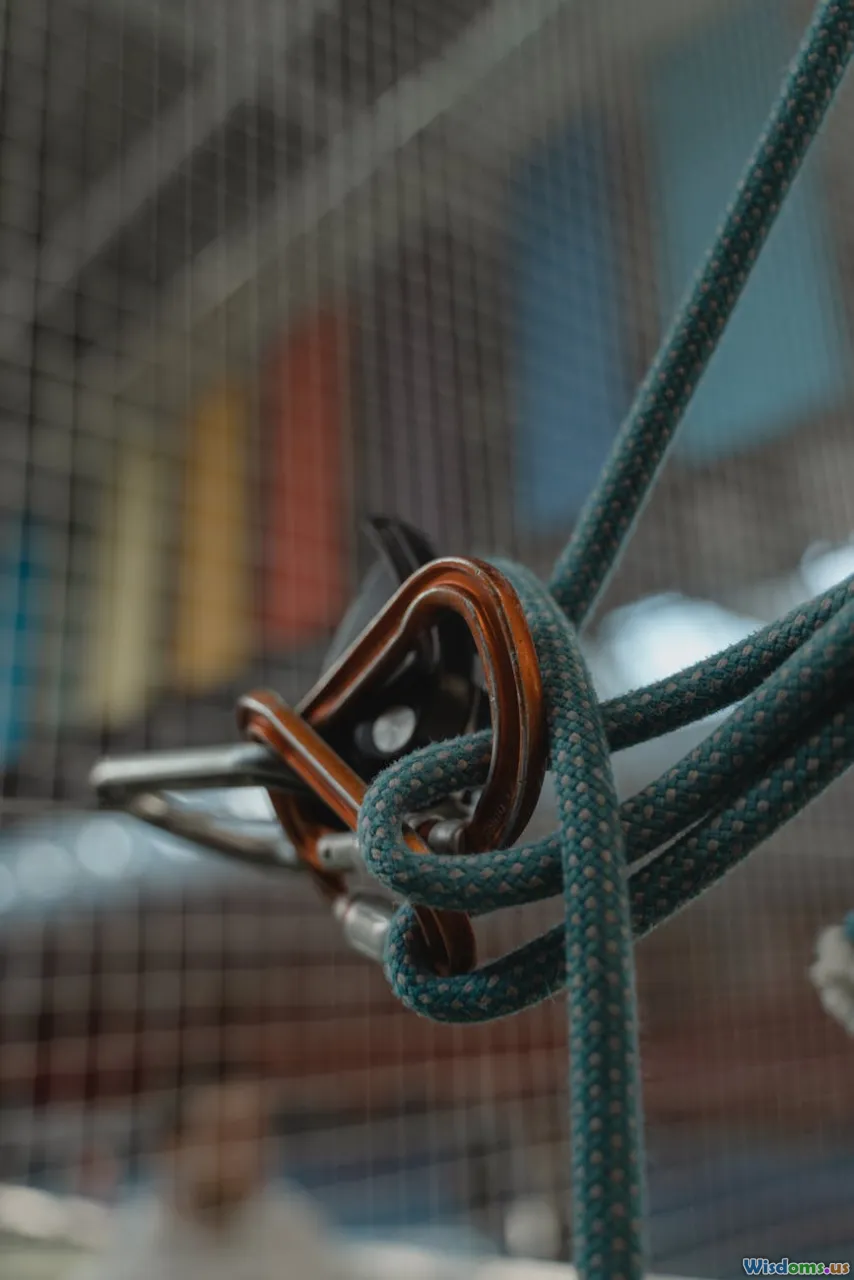
Prepare to fix your own problems. Simple self-rescue skills prevent manageable issues from spiraling.
- Ascender jam: carry a short sling and a spare friction hitch cord. Build a foot loop to unweight the jammed device and swap it out.
- Changeovers: practice switching from ascent to descent with eyes closed and gloves on. Muscle memory matters when it is raining and your hands are numb.
- Hauling: a 3:1 or 5:1 Z-drag built from pulleys and prusiks can lift a partner to a platform or off a snag. Color-code prusiks and clearly name commands before the lift.
- Cutaway: a serrated rescue knife on a short lanyard can free a caught lanyard or line, but cutting is the last resort. Announce loudly before any cut and check below.
Anchor design for rescue:
- Aim for anchors on the main trunk or a large primary limb close to the trunk. Reduce lever arms that magnify load.
- Use tree protection sleeves under any running rope to preserve bark and reduce friction heat in a lower.
Practice scenarios monthly:
- Partner unable to descend: set up a counterbalance rappel.
- Ascender below a knot: execute a knot pass.
- Rope damage mid-line: isolate the damaged section with alpine butterflies and rerig.
The Minimal-Impact Mindset: Ethics of Canopy Survival
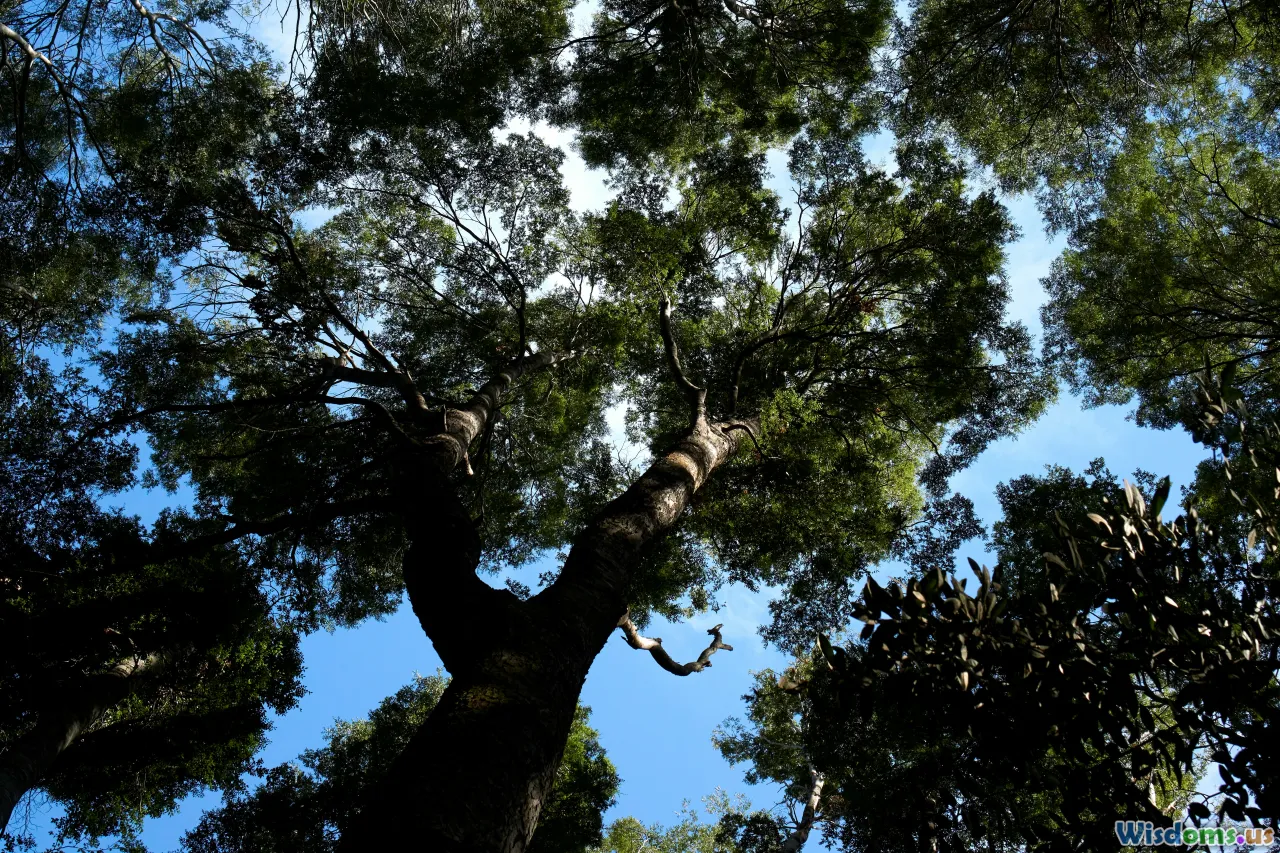
Staying alive includes keeping the canopy alive. The rainforest is under enormous pressure; your presence should not add to it.
- Protection: always use wide straps or cambium savers. Thin cords and bare metal strip bark and invite infection.
- Epiphyte respect: avoid ripping bromeliads and orchids. They are micro-habitats for frogs, insects, and nesting birds, and they store water that supports canopy life.
- Waste: pack out all trash. Human waste should be controlled in a sealed bag system; never drop from height. Urinate away from bromeliads and animal traffic routes to avoid attracting insects.
- Fire and cutting: minimize cuts to live wood. If you must remove a dead branch for safety, make clean cuts and avoid wounding the trunk.
Document and share good practice. A quick photo of a protected anchor plus a short note to your team sets a standard others will follow. The canopy is not just another playground; it is a living infrastructure for biodiversity and climate regulation.
A Short Field Scenario: Storm, Injury, and Overnight
It is late afternoon in the Amazon. Humidity sits like a warm cloak. You are 30 meters up, having just traversed into a new crown to observe a fruiting fig. A low grumble of thunder rolls. Wind tips the leaves. Your partner, 10 meters away, reports a mild ankle twist after a misstep.
- Pause: You both stop moving. You clip into a short lanyard and lower your center of gravity.
- Plan: You decide to move to a lower, thicker limb near the trunk. You will set a redundant anchor and rig a tarp before the rain.
- Proof: You test the limb—tap with a carabiner, sound is solid, no visible rot. Your partner stretches and confirms weight-bearing ability, but not long traverses.
- Proceed: You descend two meters on SRT, build a second anchor on the trunk with a wide strap, and deploy a tarp tied to two limbs and a separate fixed line. Drip lines are on.
As rain hits, you capture runoff into two 1-liter bags and drop in chlorine dioxide tablets. You elevate your partner’s ankle, wrap with a compression bandage from your kit, and prepare warm food from a sealed ration. Thunder quickens. You count the gap to five seconds; lightning is roughly a kilometer away. You both attach short safety tethers from harness to the trunk line and stay low. Within 40 minutes the worst passes. The ankle feels stable with the wrap.
Night comes. You decide to sleep in hammocks clipped to the two redundant anchors on the main trunk, each with an independent backup cow’s tail. You log the location and status on a satellite messenger and schedule an 0600 update with your field base. Morning reveals clear skies. Your treated water is ready. You descend calmly, choosing a safer ground route rather than another traverse. Nothing dramatic, no heroics—just decisive steps and a conservative margin.
Field-Proven Kit: What Earns Its Weight Aloft

Every gram in the canopy should justify itself by solving multiple problems.
- Life support: certified harness with chest tether, helmet, two lanyards with mechanical adjusters, 60–70 m static rope, throwline kit, cambium saver, three locking carabiners with distinct colors, two prusik cords, foot and hand ascenders, descender.
- Shelter and sleep: hammock with integrated net, 3 x 3 m tarp, four ultralight stakes for ground fallback, eight meters of accessory cord, drip lines, quilt or light sleeping bag in a dry bag.
- Water and food: 2–3 liter capacity in collapsible bladders, hollow fiber filter with backflush syringe, chlorine dioxide drops, metal pot, stove or fuel tablets, calorie-dense rations, electrolyte packets.
- Medical and repair: ankle wrap, dressing kit, antihistamines, pain relief, epinephrine if prescribed, trauma shears, rescue knife on a short tether, tenacious tape, small cordage for repairs.
- Navigation and comms: GPS, compass, map, satellite messenger, whistle, headlamp with strobe, spare batteries in waterproof case.
- Clothing and protection: lightweight gloves with grip, permethrin-treated pants and shirt, hat with brim, neck buff, spare dry base layer, insect repellent, sunscreen.
Multipurpose thinking saves weight. A metal pot boils water, doubles as a container, and, with a stick stand, can dry damp socks with steam. Your tarp is a roof, a rain-catcher, and a ground shelter. Accessory cord handles ridgelines, prusiks, and repairs. Redundancy is for life-critical items only; everything else earns its slot by flexibility.
Skills to Practice Before You Climb
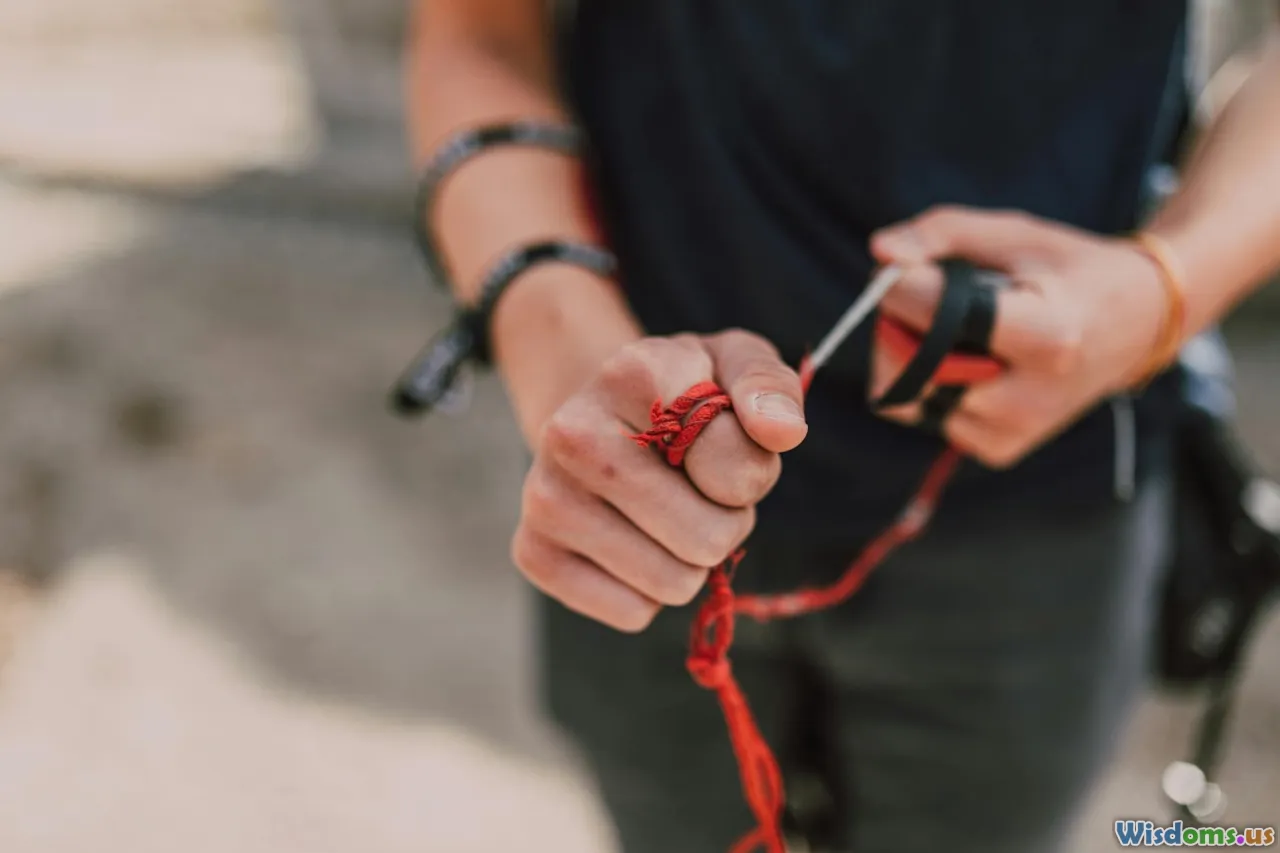
No piece of gear substitutes for competence. Build muscle memory on the ground and low trees before committing to the high canopy.
- Knots and hitches: tie a figure-8 follow-through, alpine butterfly, Blake’s hitch, and VT prusik in the dark and with wet hands. Time yourself.
- Changeovers: perform ascent-to-descent and descent-to-ascent smoothly while hanging a few meters off the ground.
- Anchor building: practice bark protection placement and load evaluation on different species. Learn to identify reaction wood and signs of decay.
- Evacuation routines: simulate a partner sprain, a sudden storm, and a kit spill. Run a checklist within five minutes.
- Silent communication: develop hand signals for stop, lower, on rope, off rope, slack, and tension. Noise and distance often kill voice commands.
Keep a written checklist laminated and attached to your harness. Pilots use checklists because stress erases memory; so should canopy travelers.
Ground Versus Canopy: A Quick Reality Check
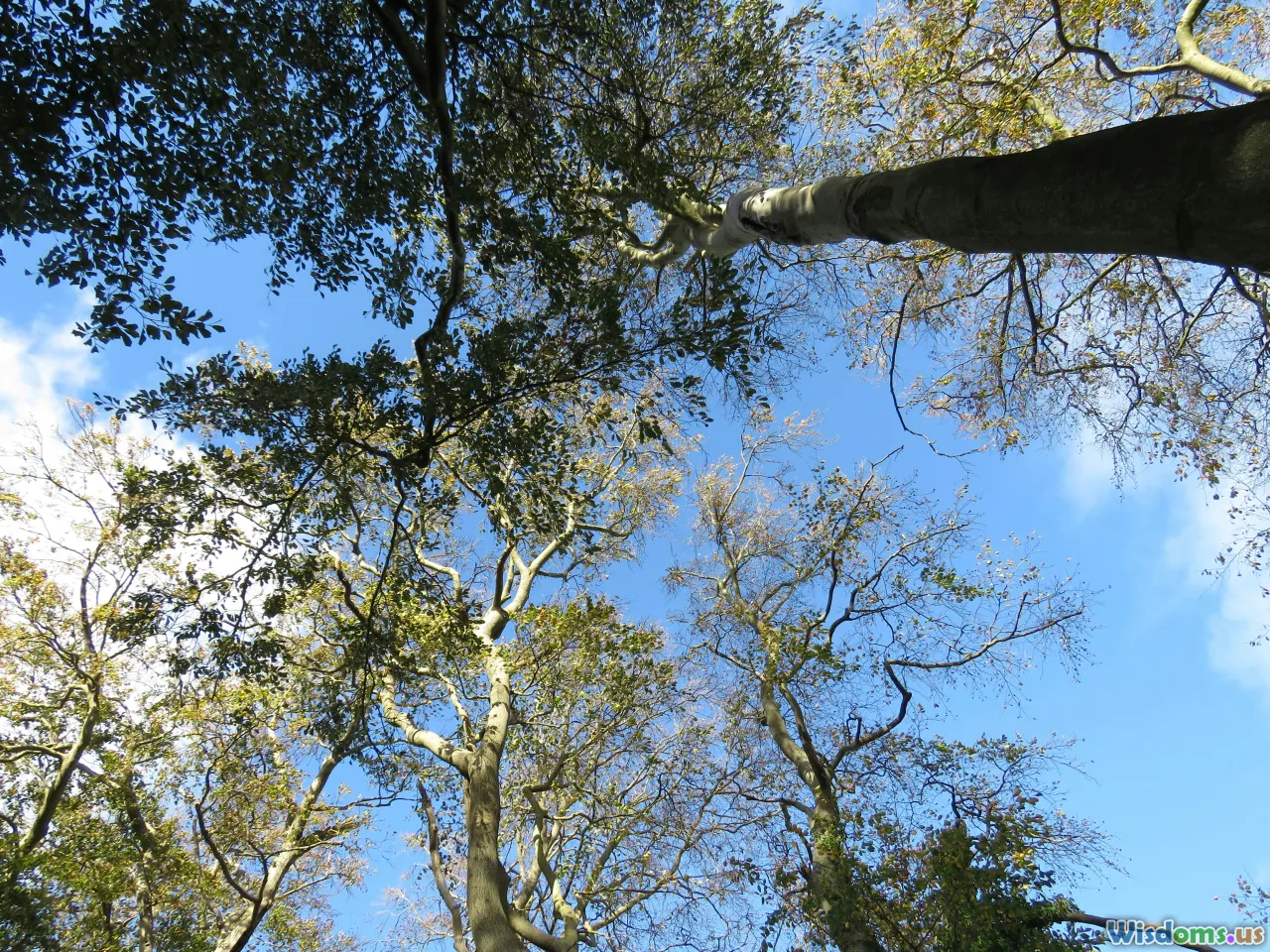
When should you stay aloft and when should you descend?
- Stay aloft if: ground is flooded, you are in known big cat territory at night, insects are overwhelming at ground level, or you rely on canopies for travel across swampy basins. Your anchors are secure, and storms are not imminent.
- Descend if: thunderstorms approach, you are fatigued, you need to navigate long distances, or your anchor options degrade. Ground travel allows easier water treatment, fire use, and shelter building in many forests.
Comparison insight: the canopy offers safety from some predators and floods but increases exposure to wind, lightning, and fall risk. Ground shelters build faster and allow larger fires for warmth or signaling. In stable dry spells, aloft sleeping can be wonderful. In volatile weather, the ground wins for safety and options.
Habits That Compound Safety

Small routines save time and prevent errors:
- Every anchor, every time: tug test, bark protection, backup plan. Verbally call and confirm with a partner.
- Glide checks: before each movement, test the path with a light load and scan for ants or wasp nests.
- Hydration cadence: a sip every 10 minutes beats a chug every hour. Use a timer if needed.
- Night protocol: clip in before unzipping or sitting up. Headlamp goes on before any movement. Keep a spare light clipped to the harness.
- End-of-day reset: dry gear, log the day, inspect rope sheath, charge devices. Tomorrow’s safety begins tonight.
The rainforest canopy may appear alien, but the rules are simple: redundancy, friction, observation, and humility. Respect the tree, minimize your footprint, and keep your systems boringly reliable. The rewards—sun-struck leaves, the low whoop of howler monkeys at dawn, and the sense of moving through a living cathedral—are worth every patient, deliberate move.
Rate the Post
User Reviews
Other posts in Wilderness Survival


Popular Posts