Train travel with kids overnight sleeper tips and tricks
33 min read Practical tips to make overnight sleeper train journeys with children smooth, safe, and fun—from booking berths and packing smart to bedtime routines, meals, and keeping kids entertained. (0 Reviews)
If you’ve ever watched your kids press their noses to a train window, you already know the magic on rails. Turn that wonder into a full-night adventure and you unlock a rare parenting trifecta: transportation, lodging, and a memory your children will talk about for years. Overnight sleeper trains aren’t just about saving a hotel night; they’re about reclaiming travel time—eating together in a tiny compartment, whispering bedtime stories as stations drift by, and waking up in a new city with zero jet lag.
But “sleeping on a moving vehicle with children” sounds—let’s be honest—ambitious. With the right setup and a few veteran moves, it becomes both doable and genuinely enjoyable. Here’s a practical, detail-rich guide to make your family’s overnight ride smoother, quieter, and a lot more fun.
Choosing the right sleeper setup for your family
The biggest factor in how restful your night will be is what you book. Sleeper configurations vary widely by country and operator. A quick primer with examples:
-
Europe (typical options):
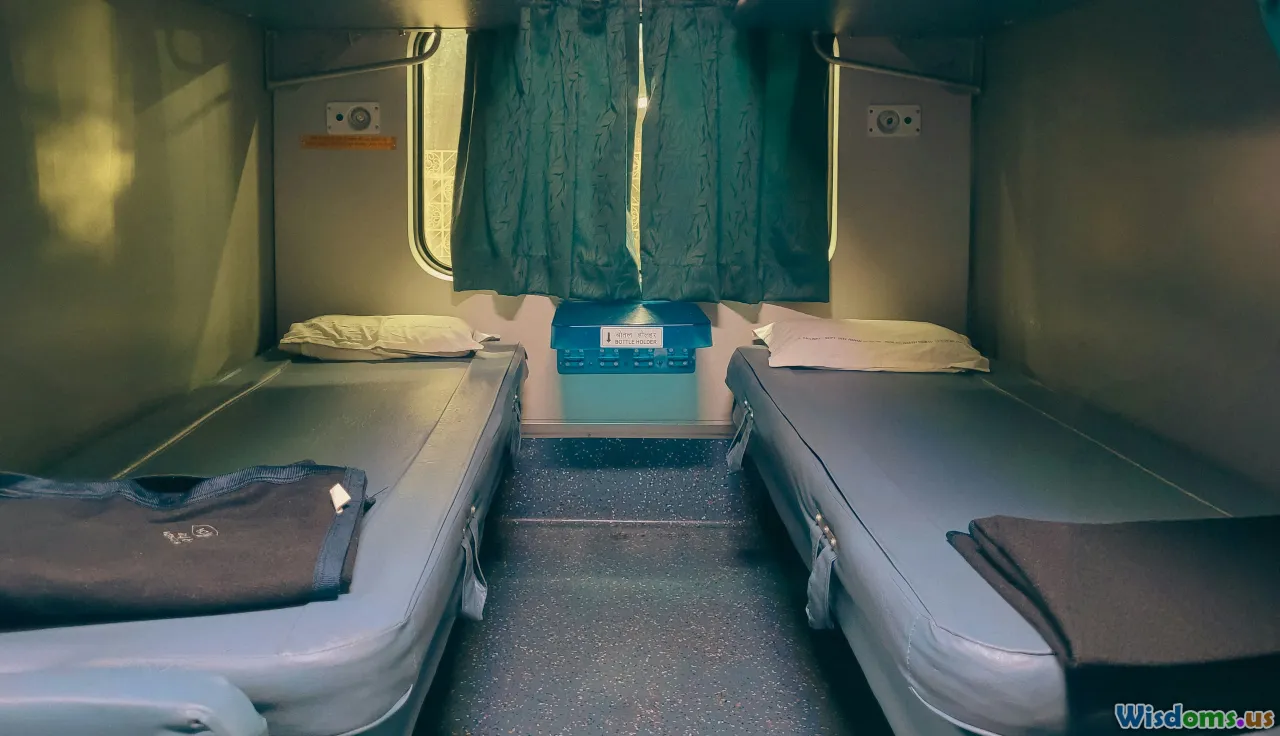
- Couchettes: Shared compartments with 4 or 6 bunks. Basic bedding, shared toilets down the hall. Budget-friendly and fine for older kids who sleep anywhere. Many operators (like ÖBB Nightjet) let you book an entire compartment for privacy.
- Sleepers: 1–3 real beds per compartment, thicker mattresses, breakfast often included. “Deluxe” sleepers sometimes have private toilets/showers; standard sleepers share facilities along the corridor. Nightjet’s Deluxe sleepers, for example, include a compact private bathroom.
- Family/Private options: On some routes, you can toggle “private compartment” even in a 4–6 couchette, giving you the whole space. SNCF Intercités de Nuit and Nightjet emphasize this option during booking.
-
United States (Amtrak):
- Roomette: Two seats that turn into a lower bunk plus one upper bunk; restroom and shower are in the same car but not in the room. Meals included on long-distance trains. Great for one adult + one child or two smaller kids who can share the lower berth.
- Bedroom: More space, a sofa that converts to a bed and an upper bunk; on many Superliner cars there’s an in-room combined toilet/shower. Works for two adults and one small child.
- Family Bedroom (Superliner routes only): Spans the width of the car with two adult-sized beds and two child-sized berths. No in-room bathroom, but plenty of floor space and windows on both sides. The best value for families when available.
-
UK (Caledonian Sleeper):
- Classic and Club rooms with bunks; interconnecting rooms can be booked for families. Club rooms add access to lounges and showers.
-
India and parts of Asia:
- Air-conditioned berths (2A/3A) and sleeper classes with stacked bunks, curtains, and shared facilities. Look for side lower berths for easier access with kids. Privacy is limited; bring sleep masks and earplugs.
How to choose:
- Young toddlers: Prioritize a private compartment and a lower berth. Bunks feel high in motion; some compartments provide straps or nets for upper bunks, but verify in advance.
- Two adults + 1–2 kids: A sleeper with private compartment or Amtrak Family Bedroom makes bedtime simpler and quieter.
- Budget focus: A private couchette can cost less than multiple seats and a hotel. If you need six bunks, compare the cost of booking the entire compartment versus a mix of seats and a shared couchette.
Pro tip: If the website doesn’t clearly show the layout, search for the train car type (e.g., Nightjet WLABmz sleeper, Amtrak Superliner) and look up diagrams with dimensions to ensure strollers or travel cots will fit. Roomettes can be snug; a full-size travel crib typically won’t fit, but a compact inflatable toddler mattress sometimes does on the floor of larger rooms.
Booking smart: secure berths and privacy without overpaying
Good bookings solve half of the problems parents face at 2 a.m. Aim for privacy, adjacent berths, and control over who sleeps where.
- Book early. Popular overnight routes (especially weekends, holidays, and summer) sell out weeks in advance. The earlier you book, the more likely you are to snag an entire compartment or a Family Bedroom.
- Target privacy toggles. On some European sites you can select “private compartment” explicitly—even for couchettes. This usually prices the entire compartment rather than per person; it can be cheaper than piecing together separate tickets.
- Request lower berths. If the system doesn’t let you pick bunks, call. Many operators will assign lower berths for families with small children when asked. Lower berth = safer and easier for bathroom trips.
- On Amtrak, look for Family Bedrooms on Superliner routes (e.g., California Zephyr, Southwest Chief). East Coast single-level Viewliner trains don’t have Family Bedrooms, but Roomettes and Bedrooms work well; meals are included with sleeper fares on long-distance trains.
- Use child discounts. As of this writing, Amtrak typically offers 50% off for ages 2–12 when traveling with an adult; under 2s can ride free on laps (rules change—check before booking). Many European operators let kids under a certain age ride free if they share a berth with an adult; confirm specifics at checkout.
- Consider splitting compartments across adults if needed. Example: Two adults + three kids in a 4-berth sleeper might book one adult + two kids in one compartment and one adult + one kid in the next. Ask staff to place you in adjacent rooms.
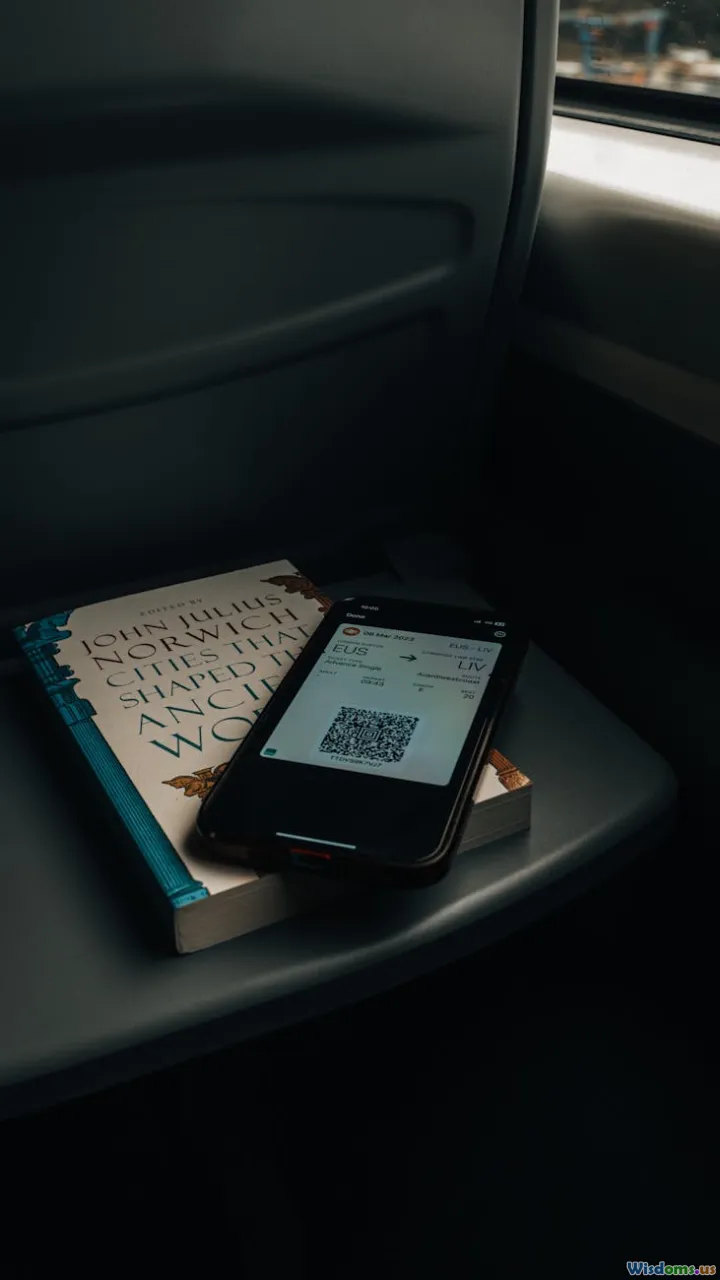
- Keep documents handy. On cross-border sleepers outside the Schengen Area, passports may be checked at night. Store tickets and IDs in a small zip pouch near the door—not under a sleeping child.
Cost sanity check: An overnight train may be pricier than a budget flight, but it replaces hotel cost, eliminates airport transfers at odd hours, and buys you daytime at your destination. Add those to your comparison.
Pack for rail, not for air: the family sleeper list that actually works
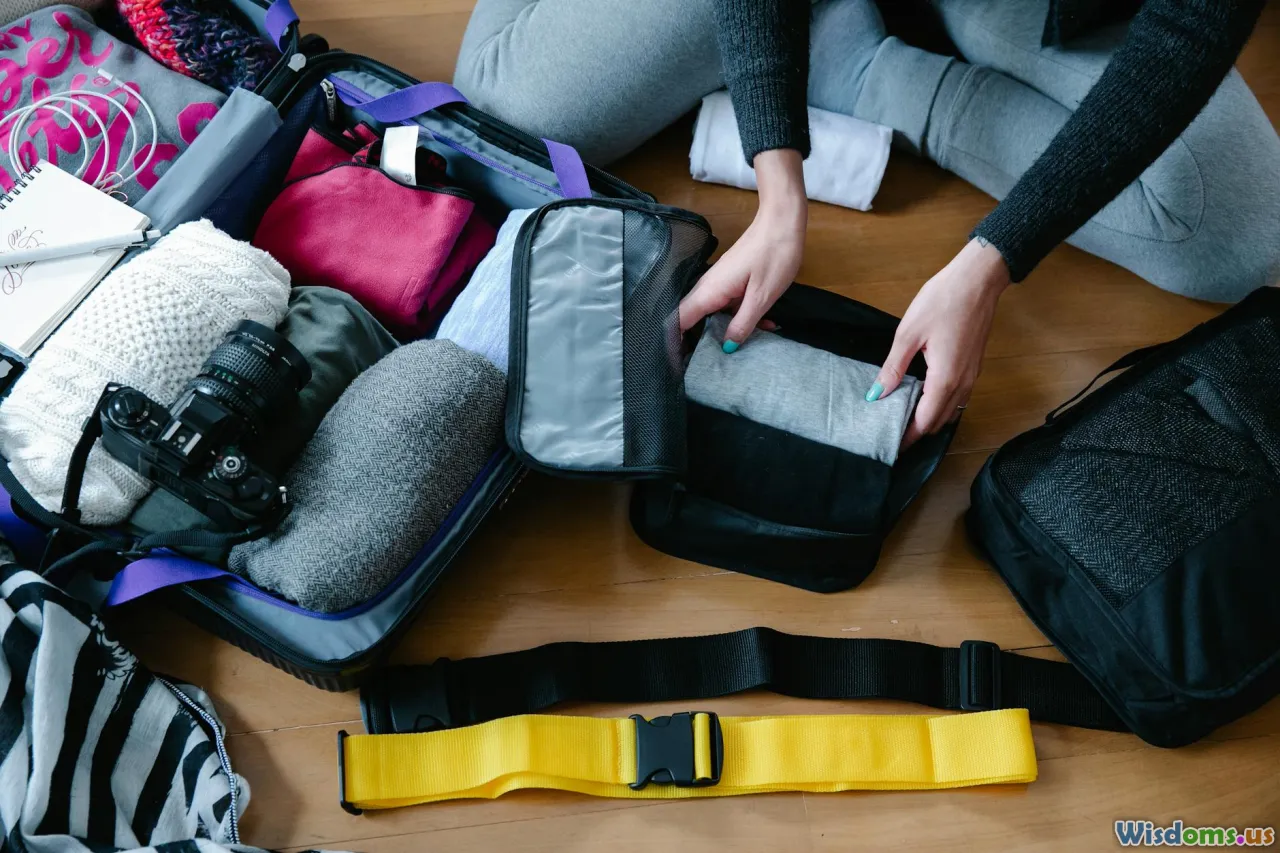
Cabins reward compact, soft luggage you can squish under a bunk or in overhead shelves. Pack one “overnight” bag so you’re not unzipping suitcases in the aisle at midnight.
- Soft duffel or backpack per adult, plus a small daypack just for the compartment: pajamas, toothbrushes, wipes, a change of clothes, meds, and snacks.
- Sleep kit per child: fleece or merino layer, cozy socks, compact blanket if your child is picky about textures, sleep mask for bright platforms, and a white noise app pre-downloaded.
- Compact nightlight or small headlamp with red mode. Many cabins have one overhead light that’s too bright for midnight bathroom runs.
- Snacks that don’t crumbify the sheets: soft granola bars, fruit pouches, shelf-stable milk boxes (UHT), cheese sticks, instant oatmeal cups, and nut-free options if sharing spaces.
- Water bottles with tight lids; refill at stations or ask the cafe/dining car for hot water for noodles or oatmeal. Most trains won’t allow passenger-use kettles, and outlets may not handle high-watt devices.
- Hygiene: travel-size soap, hand sanitizer, flushable wipes (use sparingly; do not clog toilets), tissues, toothbrush covers. A foldable changing mat and diaper disposal bags.
- Organization: packing cubes, extra zip bags for wet clothes, a small collapsible tote to corral shoes.
- Safety and comfort: a short length of painter’s tape or washi tape (to help close a gappy curtain or anchor a towel as a privacy screen), a few clothespins, and rubber bands for blackout hacks.
- Power: small power bank and a dual-USB adapter. Some older cars have only one outlet; do not rely on it.
- Entertainment pouch: sticker books, magnetic playsets, a deck of cards, window bingo sheets, and kid-size wired headphones. Download shows and audiobooks offline.
Reality check on magnets and hooks: Many cabin walls are laminated metal and will take magnetic hooks; some won’t. Low-residue tape and a couple of binder clips are safer bets if you’re unsure.
Bedtime setup and sleep science on rails
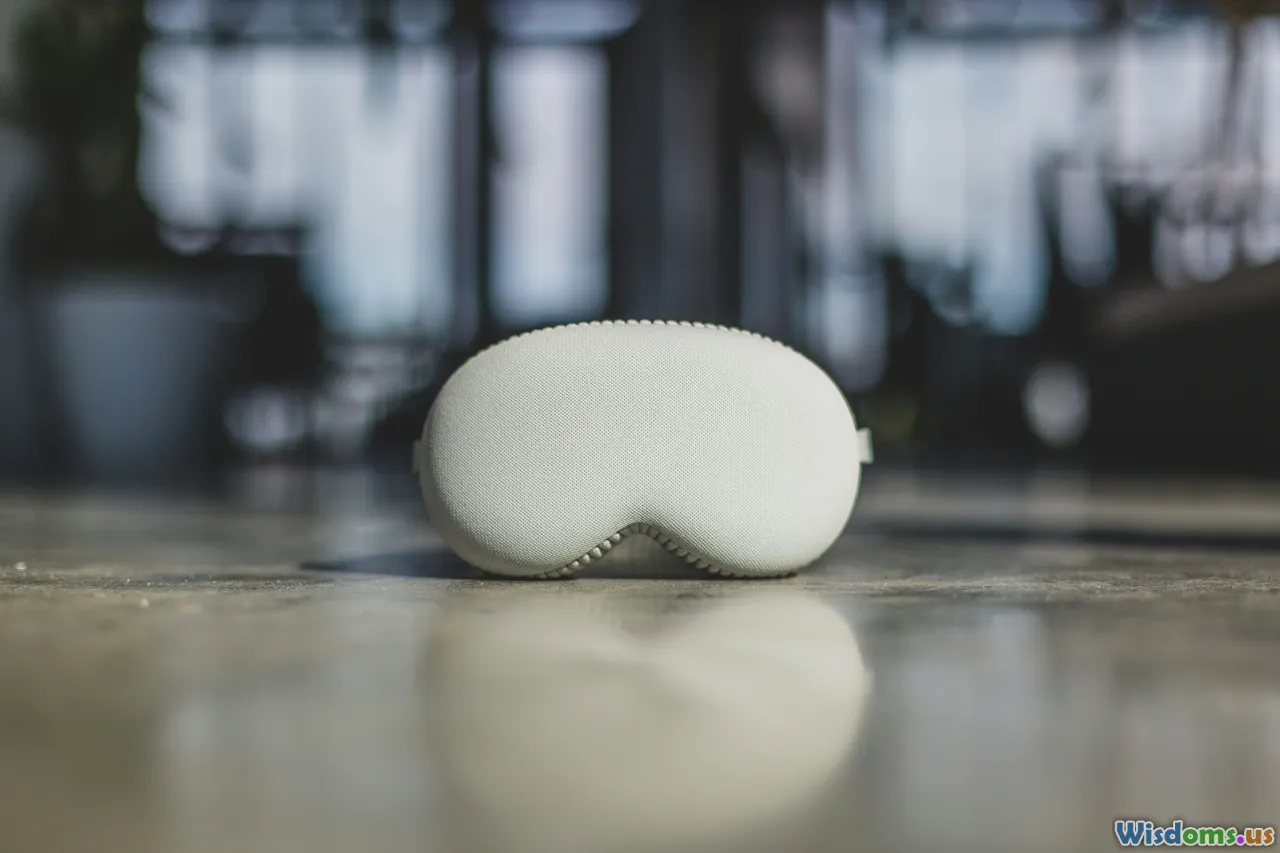
Sleep on a moving train is all about controlling light, noise, and temperature—and setting expectations.
- Light: Close curtains fully and clip overlapping gaps with clothespins. If a hallway light bleeds under the door, roll a hoodie and place it along the threshold. Sleep masks are gold for older kids.
- Noise: Wheels and joints make rhythmic sounds that many kids find soothing. Dampen sudden noises with a white noise app (download before departure) or a small travel sound machine. Keep volume low to respect neighbors.
- Temperature: Trains can swing from toasty to chilly as the HVAC cycles. Dress kids in breathable layers (a merino base + cotton PJs) and keep a hoodie nearby. Avoid heavy duvets that may cause overheating.
- Motion: The ride feels smoother near the center of the train; compartments over bogies (wheel assemblies) may feel bumpier. If your child is sensitive, request a mid-car cabin when booking if possible.
- Safety on bunks:
- Place toddlers on the lower berth. If your compartment has no guardrail, create a soft barrier: tuck a rolled towel or a pool noodle (trimmed) under the sheet as a bumper. Ensure it doesn’t create a suffocation hazard.
- Some upper bunks include a safety net or strap (e.g., on many Amtrak upper berths). Use it. If none is provided, do not improvise with long cords or scarves that could entangle a child.
- Teach kids to use the ladder slowly, facing inward, and never jump down.
Bedtime routine, compressed: Recreate familiar cues—pajamas, toothbrushing adventure in the tiny sink or down the hall, a short book, lights dim, then a few minutes of whispered “what did we see today?” One caveat: skip sugary desserts. Kids metabolize excitement slowly; aim for calm by the time the train leaves the departure city.
Food and hydration: keep kids fed without a kitchen
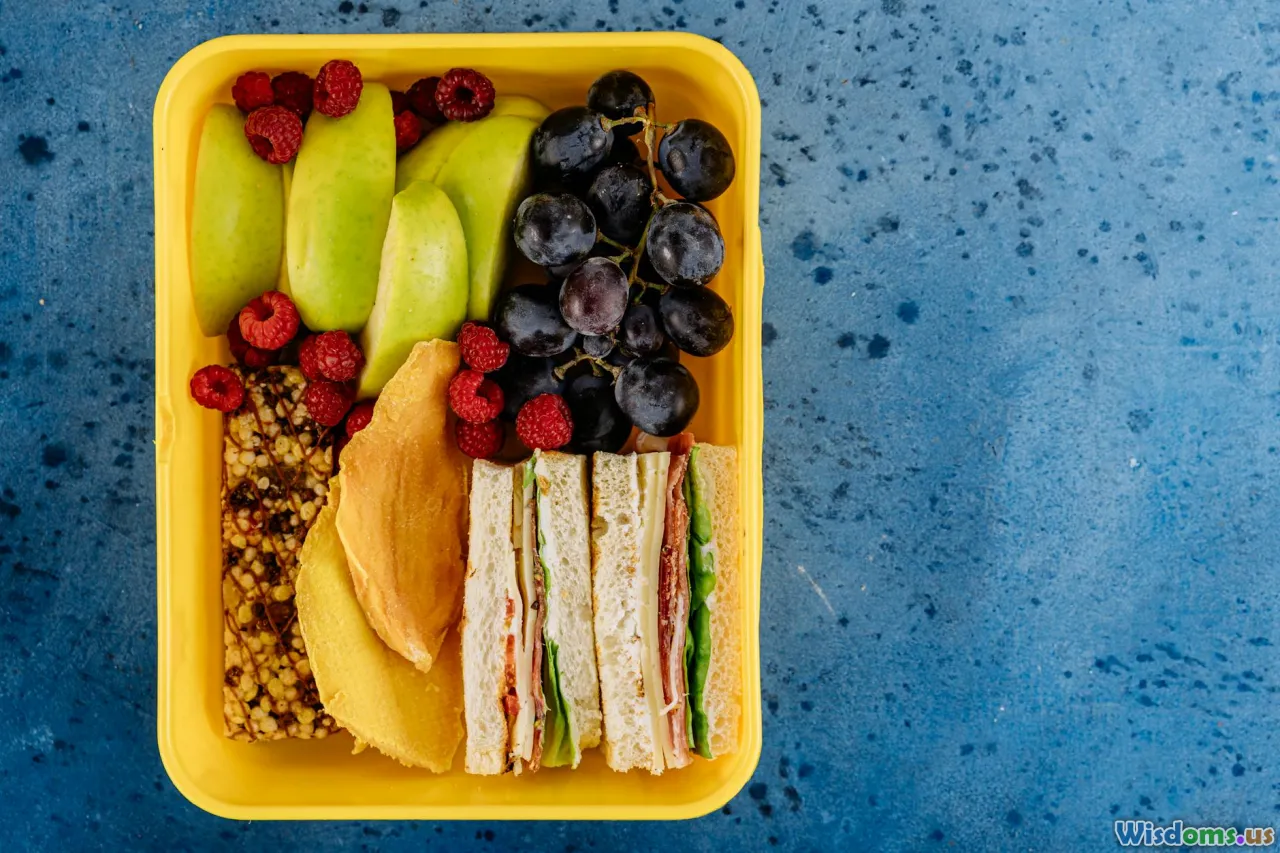
Overnight trains vary from full dining cars to a minimalist cafe car with packaged snacks. Plan as if there will not be hot meals after departure, then treat any onboard options as a bonus.
- Dining logistics:
- Amtrak sleepers include meals on long-distance routes; attendants will share reservation times. Kids’ menus exist but can be limited; bring backups for picky eaters.
- European sleepers may offer breakfast (rolls, yogurt, juice) delivered to your compartment. Evening meals are often limited; eat before boarding or pack a picnic.
- Cafe cars usually have hot water. This turns instant oatmeal cups, couscous, and instant miso soup into real food. Bring a collapsible bowl and a spork.
- Picky-proof staples: shelf-stable milk (small boxes), banana chips, fresh fruit that won’t bruise easily (citrus segments in a container), jerky, pre-cut veggies with hummus cups, and nut-free bars if you’re in shared spaces.
- Allergy strategy: Pack clearly labeled containers, wipe surfaces before eating, and brief older kids about not sharing snacks with neighbors. Carry two epinephrine auto-injectors if prescribed and store them in your daypack, not the overhead.
- Hydration: Trains can be dry. Offer sips regularly, especially before bed and first thing in the morning. For diapered babies, a bit more fluid may mean an extra change overnight—plan for it.
Avoid: crumbly chips (you’ll sleep on them later), fizzy drinks at bedtime (guess who’s up at 1 a.m.), and strong-smelling foods in shared compartments.
Bathrooms, diapers, and midnight logistics
Where’s the bathroom? Usually at the end of the car. En-suite toilets exist in some premium sleepers, but assume you’ll be walking a few steps in socks.
- Changing diapers: Most trains have a changing table in the accessible restroom; bring a foldable mat anyway. Use scented disposal bags and tie them tight before placing in the bin. Never flush wipes unless clearly marked flushable.
- Potty training: Pack a compact travel potty if your child is mid-training; sudden bathroom needs + a locked lavatory can be stressful. Line the pot with a bag and absorbent pad for easy cleanup.
- Toothbrushing and face washing: A small microfiber towel and a silicone travel cup make sink time easier. Brush early to avoid queues right before lights-out.
- Night runs: Place slip-on shoes near the door and keep a tiny flashlight handy. Remind older kids to lock the compartment door on return.
- Showers: Some sleepers have shared showers at the end of the car; bring flip-flops and a small quick-dry towel. Showers are usually first-come in the morning; go early if your arrival is late-morning.
Pro move: Before lights-out, do a quick “night map” walk with your oldest child—show them the nearest bathroom, the direction to the dining car, and how the compartment lock works. Confidence reduces midnight panic.
Entertainment that doesn’t rattle other passengers

Good news: trains are built-in entertainment. The landscape slides by, trains pass on adjacent tracks, and stations offer mini-mysteries to spot. That said, bring quiet diversions:
- Window bingo: Print or draw a list—water tower, red bridge, grazing animals, a station clock. Reward with a sticker, not sugar.
- Audiobooks and podcasts: Download a short story collection and sync a “lights out” playlist to nudge sleep.
- Low-mess crafts: reusable stickers, washi tape murals on a notebook, origami with pre-cut squares.
- Games for tight spaces: Uno, Spot It, or a mini magnetic chess set. Keep rounds short.
- Sketch the journey: Each child gets a simple travel journal to draw what they see at each station.
Keep volumes respectful. Use wired headphones for kids; Bluetooth can be finicky with shared devices and older carriage electronics.
Safety, etiquette, and teaching kids train sense
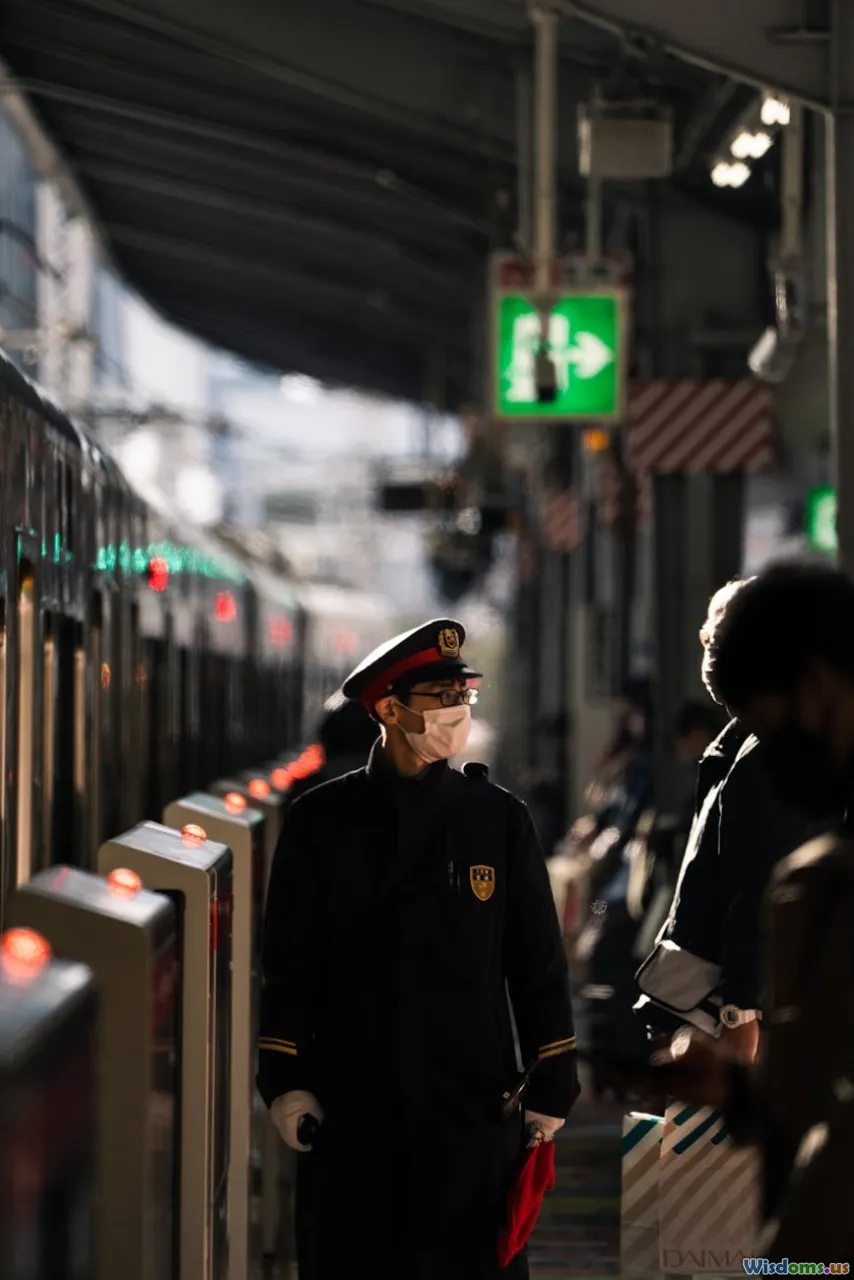
A few rules make trains feel secure rather than chaotic.
- Platform safety: Hold hands, keep bags zipped, and stand behind the safety line. Teach “trains are quiet and fast” and “we wait until the train stops fully.”
- Boarding rhythm: Board with one adult first to claim space and lift small bags into the racks, while the other adult keeps kids off the steps until the queue clears.
- Doors and windows: Compartment doors often have an internal latch—use it at night. Windows may be locked; never let kids lean out of open windows on older stock.
- Hot liquids: Trains jostle. Cup lids on, hot drinks high and away from kids.
- Night courtesy: Whisper after 9 p.m., dim screens, and use nightlights instead of ceiling lights. Your neighbors will return the kindness.
- Contact info: For young kids, a wristband or card in a pocket with your name and number provides peace of mind in busy stations.
- Staff are allies: Introduce your kids to the conductor or sleeper attendant. If a bunk net or ladder seems dodgy, ask for help. Staff often have practical hacks and know where spare blankets or water bottles hide.
Motion sickness and onboard health
Many kids who get car sick do fine on trains, thanks to smoother motion and the ability to look far ahead. If nausea is a concern:
- Face forward if possible, and choose lower bunks. Looking out the window at the horizon helps.
- Snacks matter: bland crackers, ginger chews (for those old enough), and sips of water. Skip heavy or greasy meals near bedtime.
- Fresh air at stops helps; step onto the platform when permitted, keeping an eye on departure times.
- Acupressure wristbands help some kids; they’re safe and drug-free.
- Medication: For persistent motion sickness, talk to a pediatrician. Common antihistamine-based remedies can make kids drowsy, but dosing is age-dependent. Trial any medication at home first to avoid surprises.
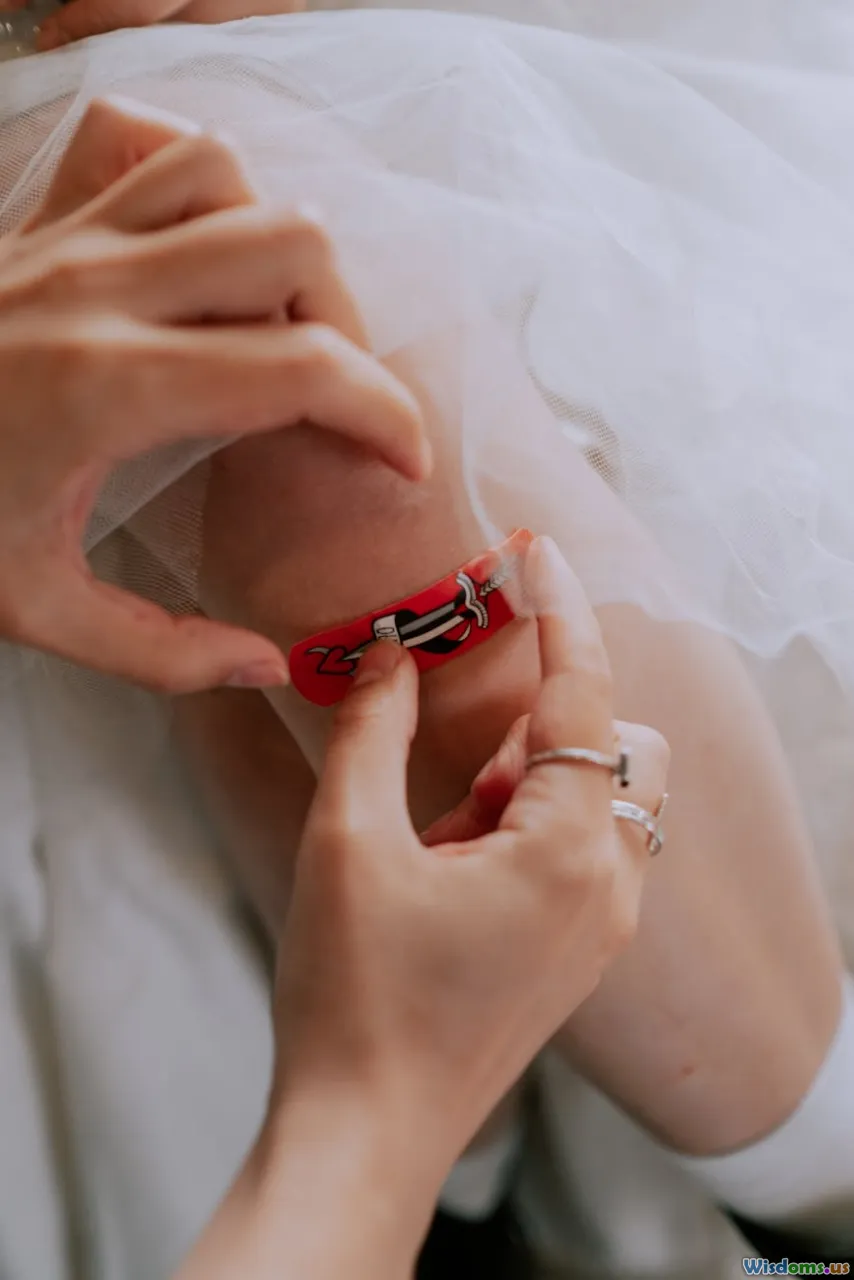
- First aid: Pack kids’ pain reliever, digital thermometer, a few adhesive bandages, and any daily meds in your overnight bag. Keep them in original packaging to ease security or customs questions.
A sample timeline for a smooth overnight
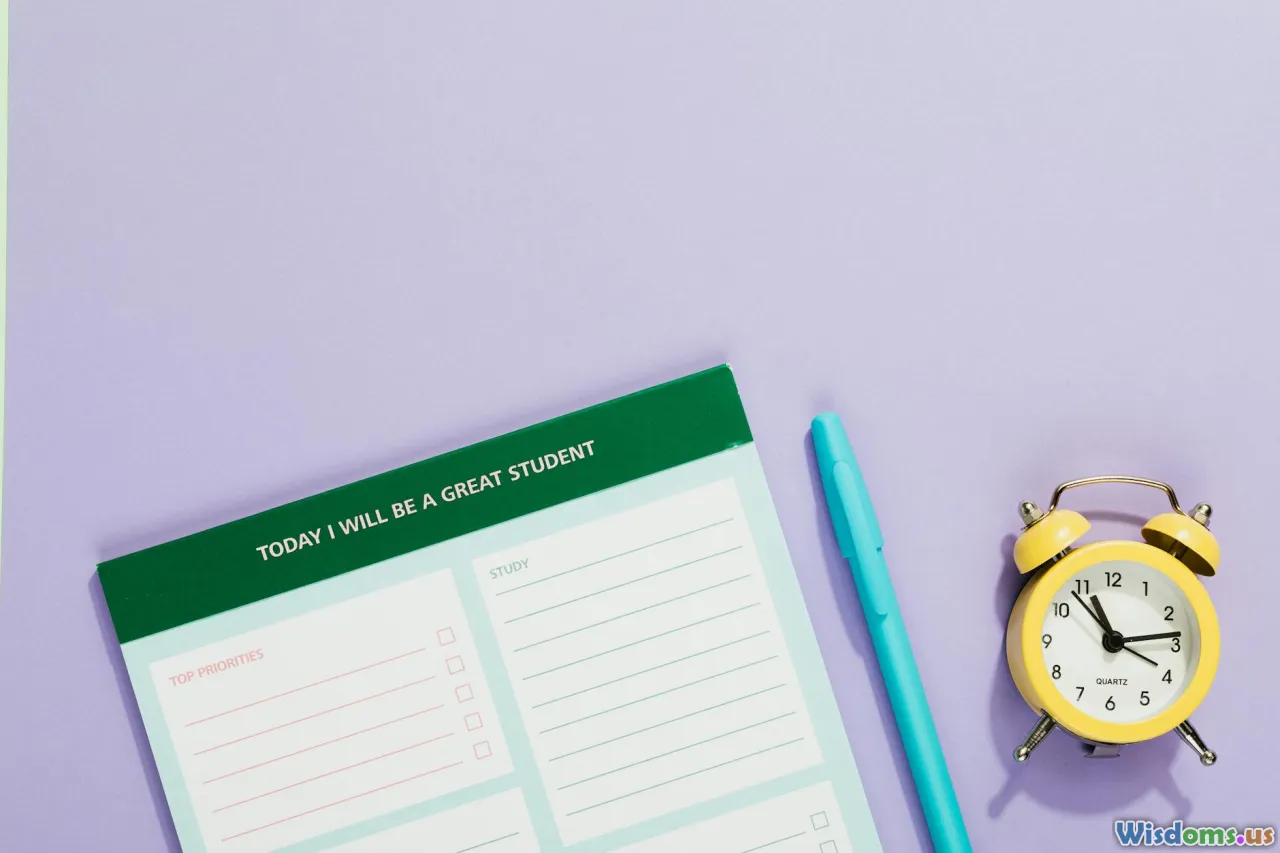
A simple run-of-show keeps everyone calmer. Adjust times to your departure.
-
Morning of departure:
- Keep nap schedules normal. Over-tiring kids can backfire.
- Confirm platform and car numbers in the rail app; screenshot tickets for offline access.
-
Late afternoon:
- Eat an early, familiar dinner. Protein + carbs, light on sugar.
- Pre-pack the overnight bag and move bulky luggage to a “not-needed” pile.
-
At the station (45–60 minutes before departure):
- Arrive early to avoid a sprint. Many sleepers board 20–30 minutes ahead of departure.
- Identify your car number. Staff can direct you—show your reservation on your phone for clarity.
-
Onboard, first 20 minutes:
- Stow big bags first: under the lower berth, in overhead racks, or designated luggage spaces.
- Lay out pajamas, toothbrushes, and the nightlight where you can reach them.
- Do a quick safety brief with kids: ladder rules, door latch, no running in corridors.
-
An hour into the journey:
- Bathroom run, PJs on, lights low. Start a quiet activity or audiobook.
- Clamp curtains, set white noise if you use it, and place slip-on shoes by the door.
-
Overnight:
- Expect one wake-up (bathroom, strange noise). Keep any soothing routine short and confident: “You’re safe. It’s nighttime. Back to cozy.”
-
45 minutes before arrival:
- Pack the overnight bag, fold bedding if requested by staff, and check under seats for lost socks.
- Bathroom visit before the morning rush.
-
Arrival:
- Step off carefully; hold hands. Pause to orient—stations can be busy even early.
- Breakfast plan: station bakery, cafe car (if continuing), or a snack stash to tide you over.
Regional quirks and examples worth knowing
-
Amtrak (USA):
- Sleeper fares include meals on most long-distance routes. Sleepers grant access to some station lounges (e.g., Metropolitan Lounges) for showers and snacks—clutch after an early arrival.
- Superliner vs. Viewliner: Western routes (Superliner) have Family Bedrooms and upstairs/downstairs layouts; Eastern routes (Viewliner) are single-level with slightly taller Roomettes. Upper bunks typically have safety straps.
-
ÖBB Nightjet (Austria and beyond):
- Offers couchettes (4/6), sleepers (1–3 beds), and Deluxe sleepers with private facilities. “Private compartment” options are often available—great for families.
- Breakfast trays delivered to your compartment are common; pack dinner.
-
Caledonian Sleeper (Scotland):
- Interconnecting rooms can be booked for families; Club rooms add lounge access and showers. Staff are famously helpful with families; ask for extra pillows to build a toddler bumper.
-
Trenitalia Intercity Notte (Italy):
- Mix of couchettes and sleepers; family deals pop up seasonally. Compartments can be warm—dress kids in breathable layers.
-
Indian Railways:
- 2AC/3AC berths come with curtains and bedding; book lower berths for kids and consider side lower berths for easier access. Bring your own sheet for toddlers if you prefer familiar fabric.
General note: Station names and car numbers can be small and placed high on the carriage. Show your reservation to platform staff—they do this daily and will point you to the right door.
Arriving well: mornings on the rails and the first hour in town
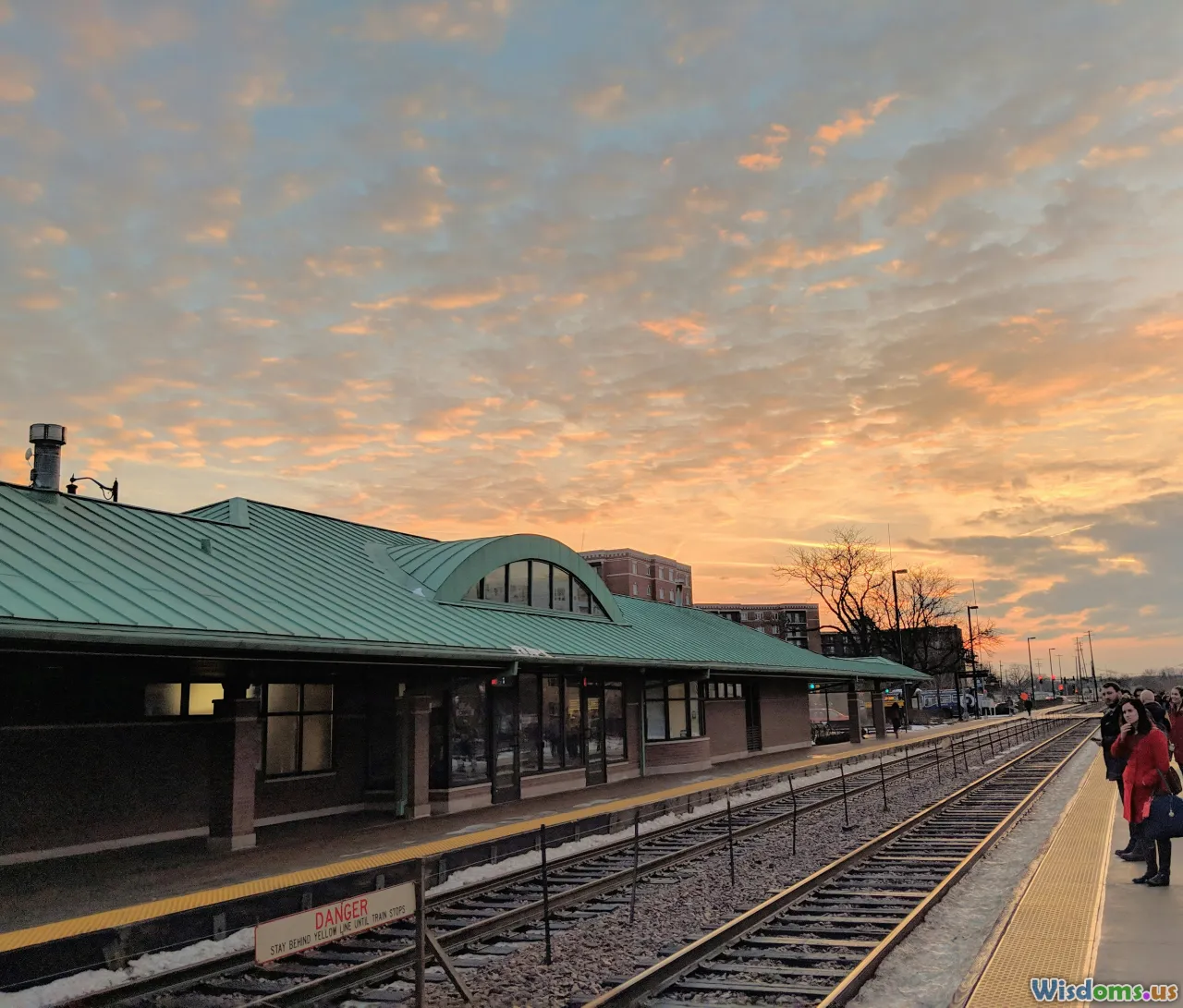
The last 30 minutes decide whether you start your day composed or scrambled.
- Wake gently 45–60 minutes before arrival. Turn on a soft light and offer sips of water. Kids wake better given time.
- Dress kids before you strip the beds. Put used PJs straight into a zip bag so they don’t vanish.
- Make the bathroom run early to avoid queues, then a quick cabin sweep: under bunks, behind curtains, and inside bedding folds.
- If your ticket grants lounge access at the arrival station, consider a short stop to freshen up. In the U.S., sleeper passengers often have access to lounges in major terminals; in parts of Europe, paid station showers are available.
- Plan your onward transport. Early hours can mean fewer taxis; pre-book a rideshare or note tram/bus lines.
- Breakfast: a simple plan avoids hangry meltdowns. Station bakeries open early in many European cities; in the U.S., pack a backup granola bar in case vendors open later.
Bonus: Build in a 30-minute playground stop near your accommodation if possible. A burst of fresh air resets energy after a night of contained movement.
Sustainability, budget, and the big-picture benefits
Why go to the effort? Beyond the romance of rails, overnight trains deliver solid wins for families:
- Time efficiency: You “teleport” while your kids sleep, turning travel hours into rest instead of a day lost to airports and road transfers.
- Lower emissions: Rail typically produces far less CO2 per passenger-kilometer than flying or driving. In Europe, average rail emissions can be roughly an order of magnitude lower than short-haul flights, depending on the grid mix and occupancy. Choosing one overnight train instead of a flight plus hotel can meaningfully shrink your trip’s footprint.
- Budget balancing: Even if the ticket price looks steep, subtract a hotel room and add the value of arriving downtown without airport transfers. Families often find sleepers cost-comparable to a flight + hotel—especially with child discounts and when booking early.
- Education by osmosis: Kids absorb geography by watching towns and rivers roll past. The “how” of getting somewhere becomes part of the story, not just the wait before the destination.
A note on expectations: Perfection isn’t the goal. Motion and novelty mean you might lose an hour of sleep compared to home. But the upside—a shared adventure—usually outweighs a slightly earlier bedtime the next night.
A few final pro tips that consistently pay off:
- Label everything: a name on the kid’s water bottle, on their hoodie, and on the entertainment pouch.
- Keep the corridor clear: store large bags under the lower berth or in the luggage space at the car’s end to avoid midnight trip hazards.
- Use the attendant: whether it’s adjusting cabin temperature, locating extra pillows, or sorting breakfast times, the sleeper attendant or conductor is your partner.
- Pack light but right: the difference between a smooth night and chaos is often the small stuff—nightlight, tape, wipes, and a plan for breakfast.
The rails invite a different rhythm of family travel—one where the journey is not the obstacle but the playground. With smart booking, a rail-ready packing list, and a few night-train habits, your kids’ first sleeper could become the trip they compare every other adventure to. Dim the cabin light, pull the curtain tight, and let the soft percussion of the tracks do what bedtime stories usually do. Morning will come with a new skyline—and maybe a new family tradition.
Rate the Post
User Reviews







Popular Posts