Advice for Creating Amphibian Friendly Gardens
34 min read Practical steps to design amphibian-friendly gardens with fish-free water, shelter, native plants, and safe corridors that boost biodiversity and natural pest control. (0 Reviews)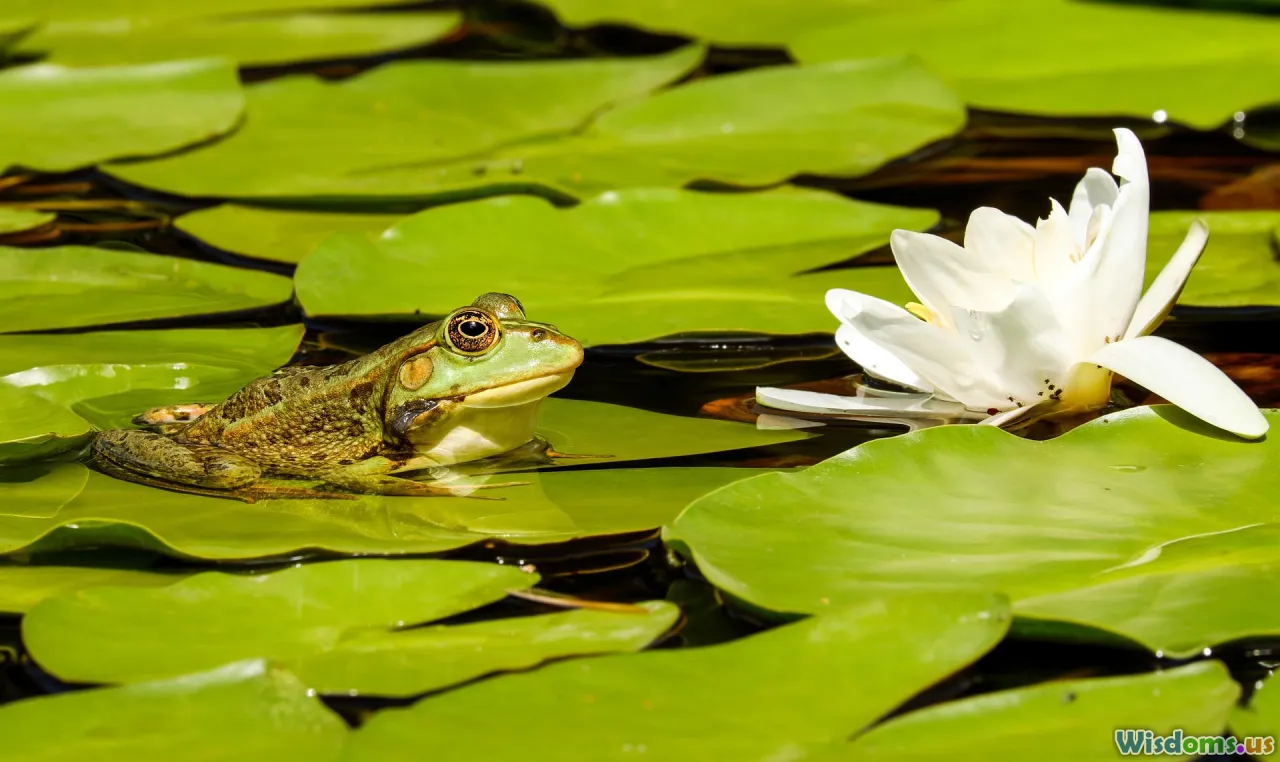
A quiet garden at dusk can become a living concert: soft trills from treefrogs, the plop of a toad slipping back under a leaf, the hush of night insects. Amphibians reward us not only with magic; they also deliver real ecological benefits. Many species consume huge quantities of slugs, mosquitoes, and beetles, easing pest pressure without chemicals. And because amphibians absorb water and oxygen through delicate skin, they are early warning beacons for water pollution. With more than 40 percent of the world’s amphibians considered threatened, turning your yard into a refuge is a practical act of conservation you can do this weekend.
What follows is a thorough, actionable guide to creating an amphibian friendly garden that works in small courtyards and larger suburban plots alike. You will find design checklists, plant suggestions by region, climate resilient features, and a seasonal maintenance calendar. Whether you are in a temperate, tropical, or Mediterranean climate, the core principles are the same: clean water, cool shelter, chemical free pest control, native vegetation, and safe movement corridors.
Understand what amphibians need
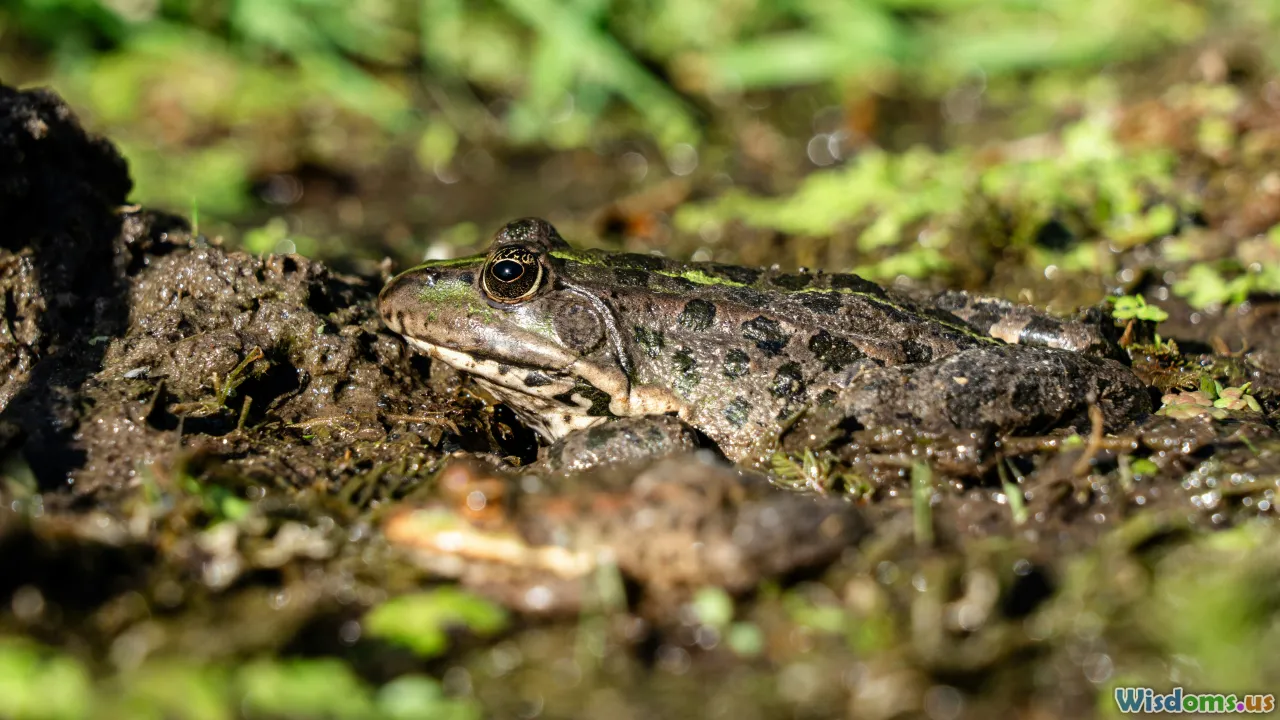
To design for amphibians, start with biology. Frogs, toads, salamanders, and newts have three universal needs.
- Moisture and temperature regulation: Amphibian skin is permeable. They lose and gain water rapidly and can suffocate if skin dries. Cool, humid microhabitats beneath logs, stones, and dense groundcover are critical on hot or windy days.
- Safe breeding sites: Many species lay eggs in shallow, fish free water. Tadpoles graze on algae and detritus; emergent plants and gentle slopes offer cover from predators.
- Insect rich foraging: Adult amphibians eat invertebrates. Leaf litter, native plant diversity, and low night lighting boost insect abundance and variety.
Key threats to mitigate in gardens:
- Chemicals: Herbicides, pesticides, and some fertilizers can be absorbed through skin and eggs. Avoid or minimize entirely.
- Barriers and traps: Vertical pond walls, window wells, steep edged planters, and sheer steps can strand animals. Provide ramps and roughened escape paths.
- Fish in breeding ponds: Most garden fish will eat eggs and tadpoles. Keep breeding water fish free.
Takeaway: if your garden supplies moisture, cover, fish free clean water, and bugs, amphibians will likely find it. If they are native nearby, your garden can be a stepping stone that helps local populations persist.
Map your microclimates before digging
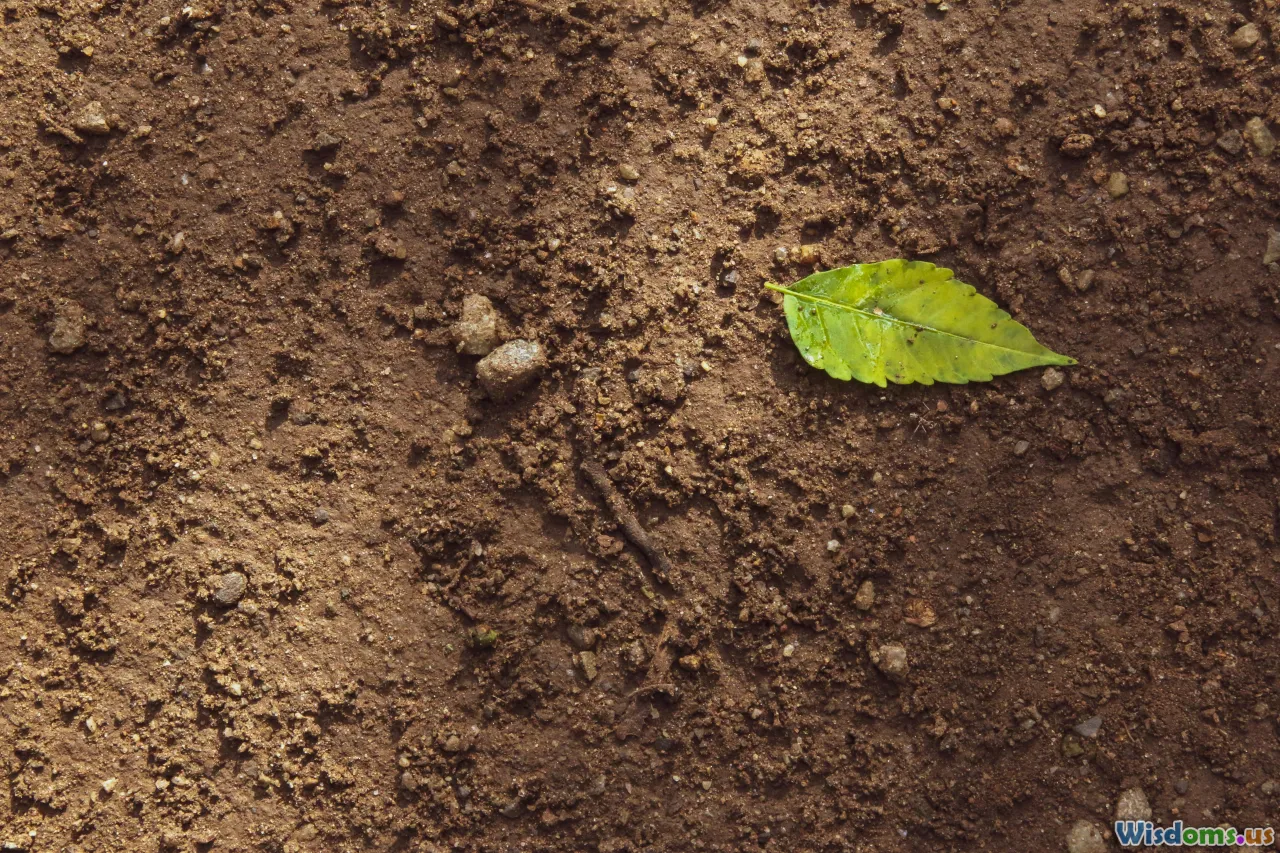
Do a 60 minute reconnaissance of your space with a notebook:
- Sun and shade: Note where full sun, partial sun, and shade fall at 9 am, noon, and 4 pm. Amphibians prefer dappled shade. Place ponds where they receive morning light and afternoon shade.
- Water flow and drainage: After a rain, watch where water collects or races off. A depression that holds water for 24–48 hours can become a rain garden; a slope may need swales to slow runoff.
- Soil test: A simple infiltration test helps. Dig a 15 cm hole, fill with water, let drain, then fill again and time the drop. A drop of 2–5 cm per hour is good for most plantings. Note clay versus sand; clay retains moisture, sand dries quickly.
- Existing habitat: Do you have hedges, woodpiles, or a compost corner? These are already amphibian friendly features you can enhance.
- Hazards: Identify treated lumber, sheds with rodenticide, or downspouts that flush street grit into your yard. Plan to intercept and filter that runoff.
Example scenario: a small urban courtyard with south facing brick walls bakes in summer. You might tuck a half barrel pond along the east wall under a trellis to get morning sun but midday shade. A buried log pile along the north fence becomes a cool refuge. A gutter fed rain chain fills the barrel from a small cistern. Even in tight spaces, microclimate planning multiplies success.
Build water features amphibians will actually use
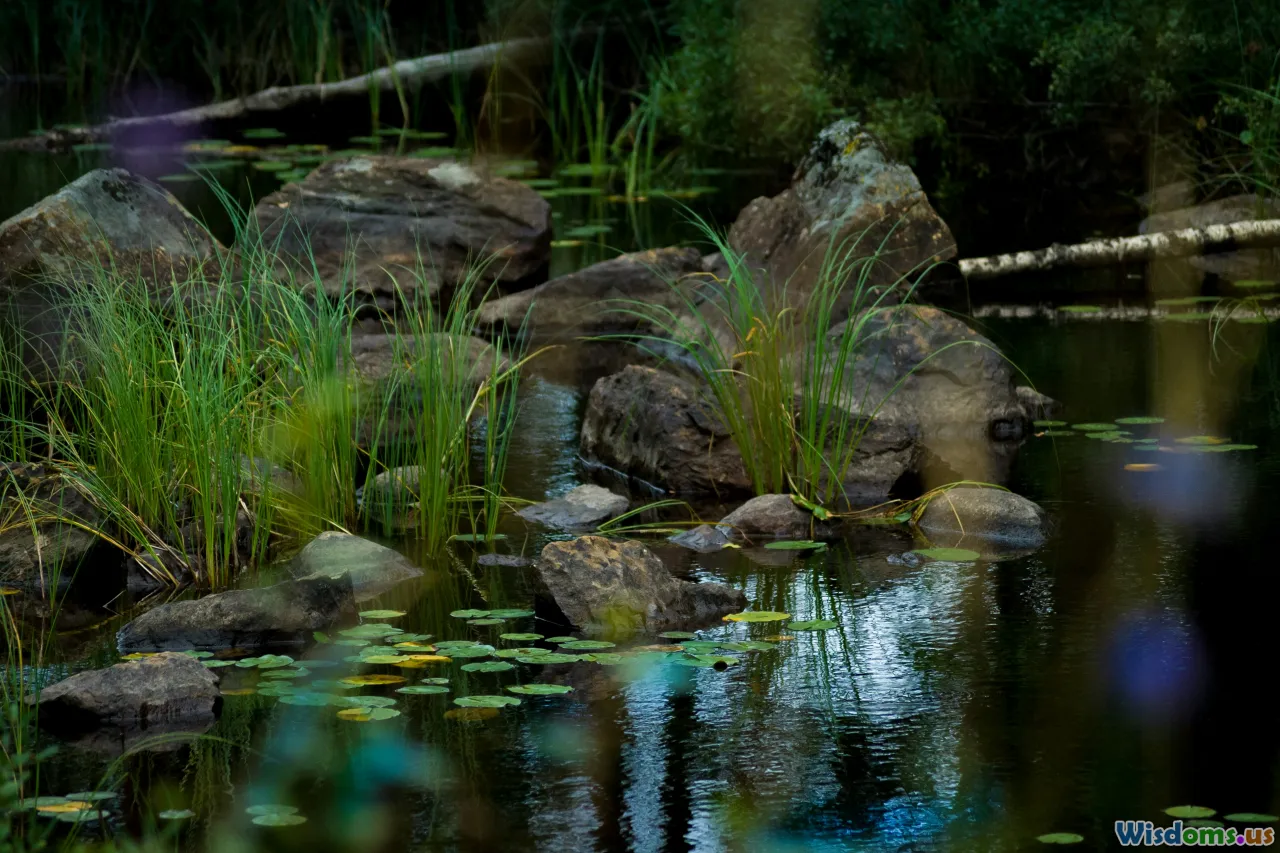
A well designed wildlife pond is the heart of an amphibian garden. Consider these design rules:
- Size and shape: Aim for at least 2–4 square meters of surface if space allows. Smaller is still useful, but larger water bodies buffer temperature better. Irregular, sinuous edges create varied depths and more shelter.
- Depth profile: Provide a gentle beach on at least one side at 1:5 slope, with shelves at roughly 10–20 cm and 30–40 cm deep. A deeper pocket of 60–90 cm stabilizes against heat waves and cold snaps. Avoid vertical sides.
- Liner: Use EPDM pond liner or a preformed shell. Underlay with sand or old carpet to prevent punctures. In clay rich soils, a compacted clay basin can work if you understand your subsoil.
- No fish: Keep breeding ponds fish free to protect eggs and larvae. If you want fish elsewhere, use a separate, contained feature.
- Planting: Use a mix of submerged oxygenators, emergent marginals, and floating cover. Varied vegetation supports microhabitats and egg laying. Plant in groups along shelves, leaving some open water.
- Pumps and fountains: Gentle circulation is fine if you are mainly managing mosquitoes, but avoid strong aeration and vertical jets that disturb egg rafts. Amphibians often prefer quiet water.
- Water source: Rainwater is best. If you must use tap water, dechlorinate or let it sit 24–48 hours before adding. Do not fill with water that has passed through water softeners.
Small space options:
- Container ponds: Half barrels or large glazed planters 50–70 cm in diameter can host marginal plants and provide drinking water. Ensure an escape ramp inside for any visiting amphibian.
- Rain gardens: For species that breed in seasonal pools, a shallow basin that holds water after heavy rain then slowly infiltrates can be valuable. Plant with moisture tolerant natives and avoid lawn herbicides uphill.
Practical measurements and materials list for a 3 m x 2 m pond:
- Liner: 5 m x 4 m EPDM to allow depth, shelves, and wrapping edges
- Underlayment: 5 m x 4 m geotextile or recycled carpet
- Rocks: rounded, not sharp; 15–20 medium stones and fist sized cobbles for edge stabilization and hideouts
- Wood: two untreated hardwood logs 1–1.5 m long for shady perches
- Plants: 3–5 bunches of oxygenators, 8–12 marginal plugs, 2–3 floaters
- Extras: a coarse leaf net for autumn, a small solar aerator for heat waves if needed
Safety and accessibility:
- If you have children, design broad shelves and a pebble beach that slows entry. Use fencing or low hedging for separation when unsupervised.
- Add a wildlife ramp to any existing pool or livestock trough. A simple rough plank or rope ladder can prevent drownings.
Provide shelter, cover, and overwintering sites
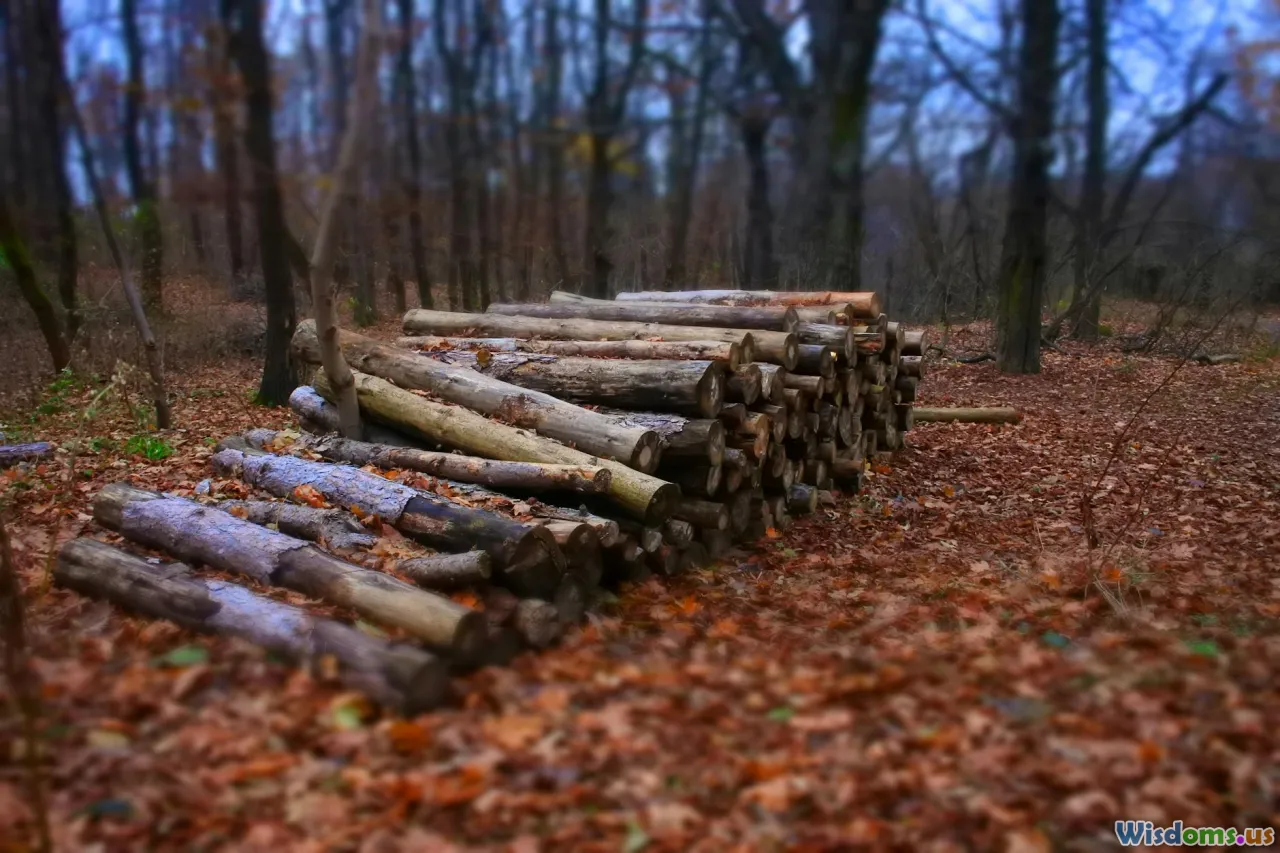
Amphibians spend much of their lives out of sight. Create cool, secure hiding places.
- Log and brush piles: Stack layers of rot resistant and softer woods. Partially bury the bottom layer to maintain humidity. Slip bark pieces and leaf litter into gaps. Place in shade.
- Rockeries: Build with flat stones that rest on smaller spacers to form crevices. Tilt stones slightly forward to shed water away from voids that might flood in storms.
- Hibernacula: In cold climates, dig a 60–90 cm deep pit roughly 1 m x 1 m. Fill the bottom with coarse rubble and perforated pipe for drainage. Layer with logs and stones to create chambers, then backfill with soil and leaf litter. Site on a gentle slope out of frost pockets if possible. A small south facing entrance protected by a brush pile can help.
- Amphibian houses: Clay roof tiles propped on bricks, broken pottery, and small wooden tunnels set slightly into soil all provide day refuges. Keep them out of direct sun.
- Groundcover mosaic: Combine damp mossy patches, ferns, tussock grasses, and dense low shrubs. Variety ensures options in heat waves and cold snaps.
Placement tips:
- Connect shelter to water with continuous cover. A toad does not like to cross hot paving. Use stepping stone islands of mulch and plants every 0.5–1 m.
- Keep at least one refuge zone quiet year round. Avoid frequent raking or turning.
Choose native plants that feed the whole food web
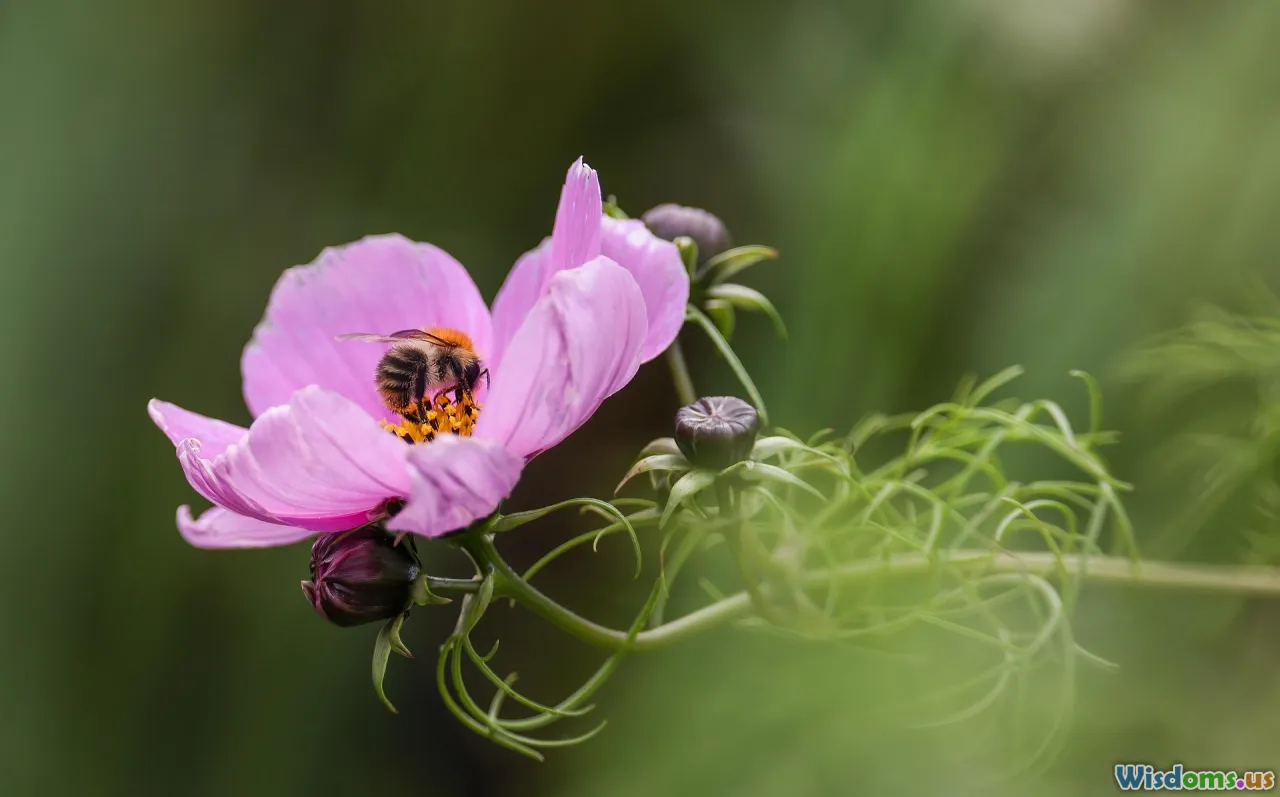
Plants power the insect buffet that amphibians depend on. Favor native species adapted to your region’s soils and climate, and avoid invasives that can smother ponds or outcompete local flora.
Structural layers to include:
- Emergent wetland plants: sedges, rushes, and native irises stabilize pond margins and offer egg laying sites.
- Moist meadow and edge plants: flowers for pollinators and habitat complexity.
- Ground layer: leaf litter, moss, and shade tolerant perennials for humidity.
- Shrub and small tree canopy: to moderate temperature and reduce evaporation.
Sample regional palettes (verify local suitability and regulations):
- Temperate North America: blue flag iris Iris versicolor, soft rush Juncus effusus, pickerelweed Pontederia cordata, broadleaf arrowhead Sagittaria latifolia, tussock sedge Carex stricta, spicebush Lindera benzoin, red osier dogwood Cornus sericea, native ferns like Athyrium filix femina.
- United Kingdom and Ireland: water mint Mentha aquatica, water forget me not Myosotis scorpioides, marsh marigold Caltha palustris, reedmace Typha latifolia used sparingly, ragged robin Silene flos cuculi, pendulous sedge Carex pendula, alder Alnus glutinosa.
- Australia temperate: knotweed Persicaria decipiens, water ribbons Triglochin procera, native rushes Juncus spp., Carex appressa, lomandra Lomandra longifolia, paperbark Melaleuca ericifolia in damp zones.
- New Zealand: purei Carex secta, water milfoil Myriophyllum triphyllum, native flaxes Phormium spp. near but not in water, coprosma Coprosma robusta.
- Mediterranean climates: yellow flag iris Iris pseudacorus can be invasive in some regions; avoid where restricted. Instead consider lesser bulrush Typha angustifolia where appropriate, rushes Juncus maritimus, and moisture loving sages Salvia uliginosa around pond fringes. Use local sedges and clubrushes recommended by your regional native plant society.
Pro tips:
- Plant densely in clumps. Bare soil dries quickly and attracts weeds. Mulch with leaf litter rather than bark chips in core amphibian zones.
- Leave last year’s stems through winter. Many native insects overwinter in them, seeding the spring food web. Cut back gradually in late spring once temperatures are reliably warm.
Eliminate chemicals and practice gentle pest control
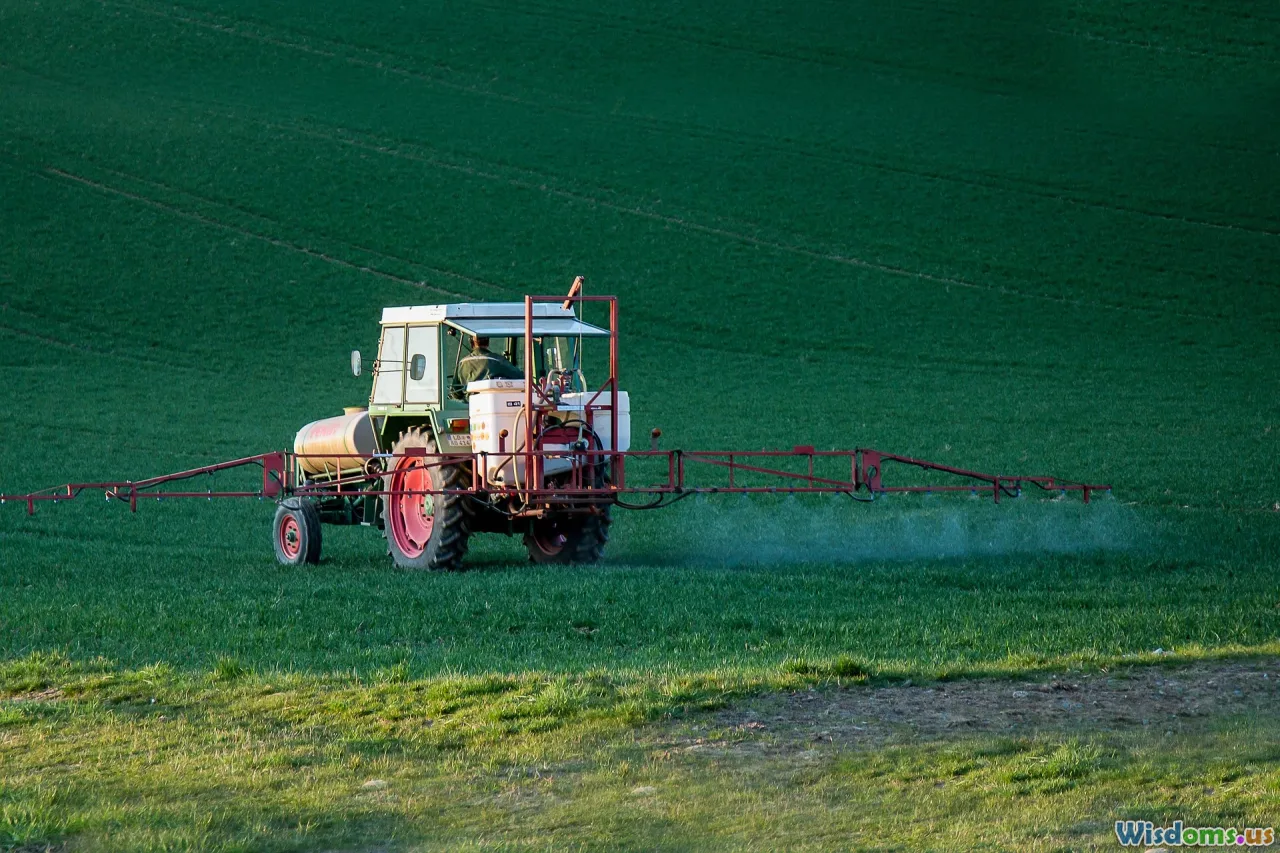
Amphibians absorb water and dissolved substances through skin and eggs. Even low levels of some garden chemicals can harm them or the invertebrates they eat. Use integrated pest management (IPM) instead of sprays.
Practical IPM steps:
- Prevention: Choose disease resistant plants, improve soil with compost, water early in the day to minimize foliar diseases.
- Physical controls: Hand pick slugs at dusk with a headlamp. Use upside down grapefruit halves or boards as slug traps, then remove the catch in the morning. Ring vulnerable seedlings with copper tape or rough bands like crushed eggshells. Set beer traps away from ponds to avoid luring slugs toward amphibian refuges.
- Habitat for predators: Encourage beetles, birds, and predatory insects with native plant diversity and messy edges. Avoid mowing every week; allow small wild patches.
- Mosquitoes: In a balanced wildlife pond, dragonfly nymphs, backswimmers, and tadpoles limit mosquitoes. Skim surface with a fine net weekly in peak season. Keep water circulating very gently if needed. If you must treat stagnant containers, use Bti products only in non wildlife features like rain barrels, following label guidance.
- Herbicides and fertilizers: Spot weed by hand or with mulch. Use compost and leaf mold rather than synthetic fertilizers. Avoid weed and feed lawn products entirely.
Light and noise matter too. Many amphibians forage at night; bright security lights and noise disrupt behavior. Use motion sensors, warmer color temperature bulbs, and shields to keep light low and targeted.
Create safe movement corridors in and out of your yard

Amphibians travel between feeding and breeding sites. A yard that is a wonderful oasis but sealed at the edges is less useful.
- Fences: Leave wildlife gaps 10–15 cm wide and 10 cm high at ground level every 5–10 meters. Lift the bottom panel slightly, or cut small arches and line edges to prevent sharp burrs.
- Hedges over walls: A mixed native hedge is both shelter and highway. If you need a barrier, plant a hedge inside a low, porous fence rather than a solid wall.
- Avoid death traps: Cover basement wells and install escape ramps. Cap vertical pipes and use coarse mesh over drains. Check buckets, tarps, and tools after rain.
- Road awareness: During spring breeding migrations, amphibians can cross streets on wet nights. Keep an eye out with headlamps when driving slowly in your neighborhood. Some communities add temporary signage; you can help organize.
- Microcorridors: Connect pond to shade with a 1 m wide ribbon of dense planting or log edging on soil or mulch. Even small bridges of cover make a difference.
Keep water clean and balanced with light touch maintenance
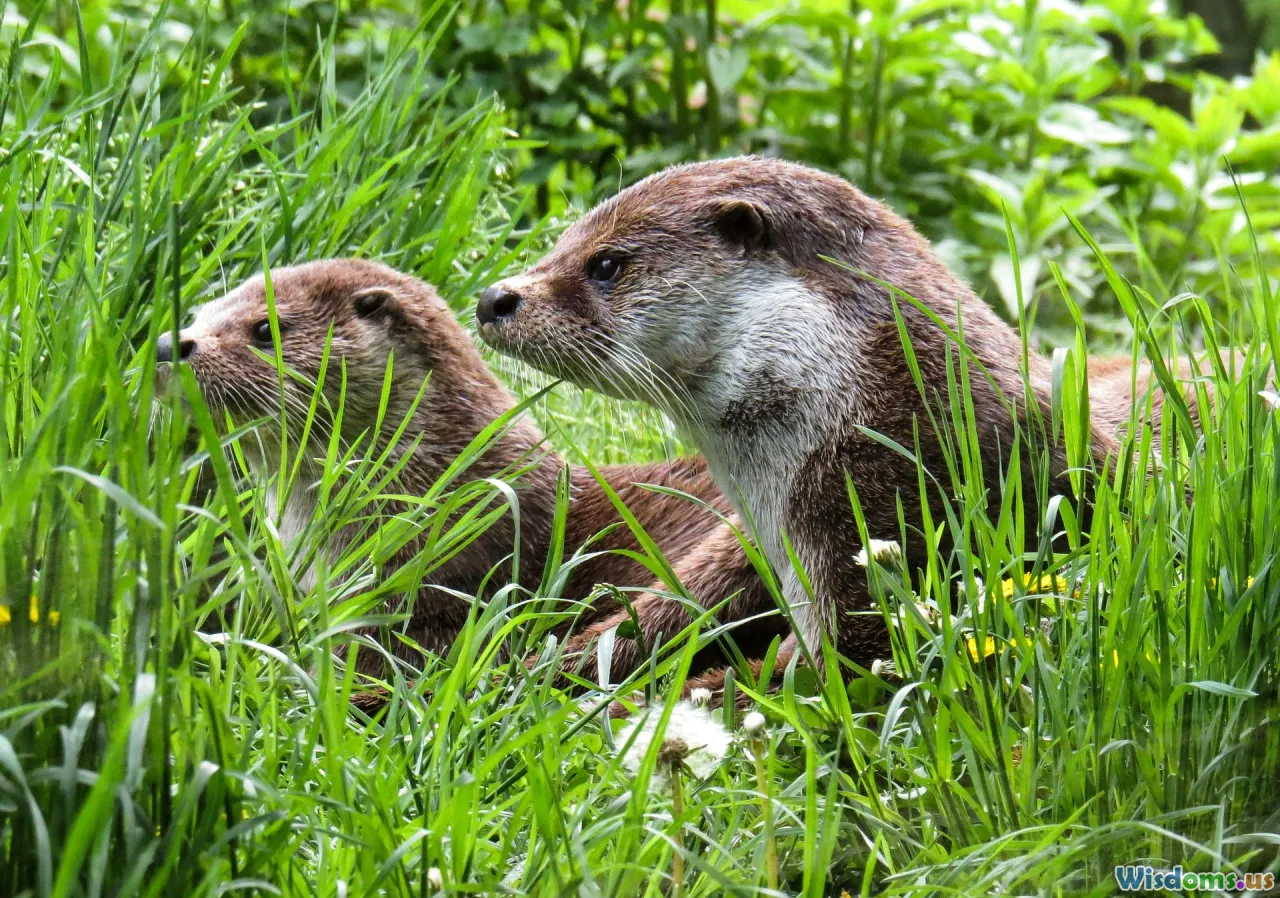
Maintenance for wildlife ponds is the art of restraint.
- Avoid fish and chlorinated inputs: This is the single best water quality decision for amphibians.
- Leaf management: In autumn, stretch a coarse net over part of the pond to prevent deep silt buildup. Do not obsess over every leaf; a thin layer fuels tadpoles and microfauna.
- Plants: Thin emergent clumps in late summer after most breeding is done. Remove no more than a third at a time and let trimmed stems drain over the pond edge so aquatic creatures can crawl back.
- Algae: A spring bloom is normal. Shade and plant growth will moderate it. Skim filamentous mats by twirling around a stick. Avoid algaecides.
- Water top ups: Prefer rainwater. If topping up with tap, use dechlorinator following product guidance or let water sit before adding. Slow pour onto a rock beach to reduce disturbance.
- Testing: Simple dip tests can check pH and chlorine. Aim for pH roughly 6–8. Free chlorine should be near zero for wildlife features.
- Cleaning intervals: Avoid deep cleaning in peak breeding and metamorph periods. In temperate zones, that usually means leaving the pond largely alone from early spring through midsummer. If you must dredge sediment, do it in late summer or early autumn and move muck to the bank for a day so critters can return.
Prevent runoff pollution:
- Build a 1–2 m vegetated buffer around the pond with sedges, grasses, and shrubs to filter sediment and nutrients.
- Direct downspouts into swales or rain gardens that overflow gently toward the pond rather than blasting directly into it.
- Replace impermeable surfaces with permeable paving or gravel where possible.
Design for climate resilience
As heat waves, intense rains, and droughts become more common, a few design tweaks keep your amphibian habitat stable.
- Thermal refuges: Include a deeper cool pocket and dense shade over at least a third of the pond surface by midsummer. Plant a small tree or add a pergola with vines.
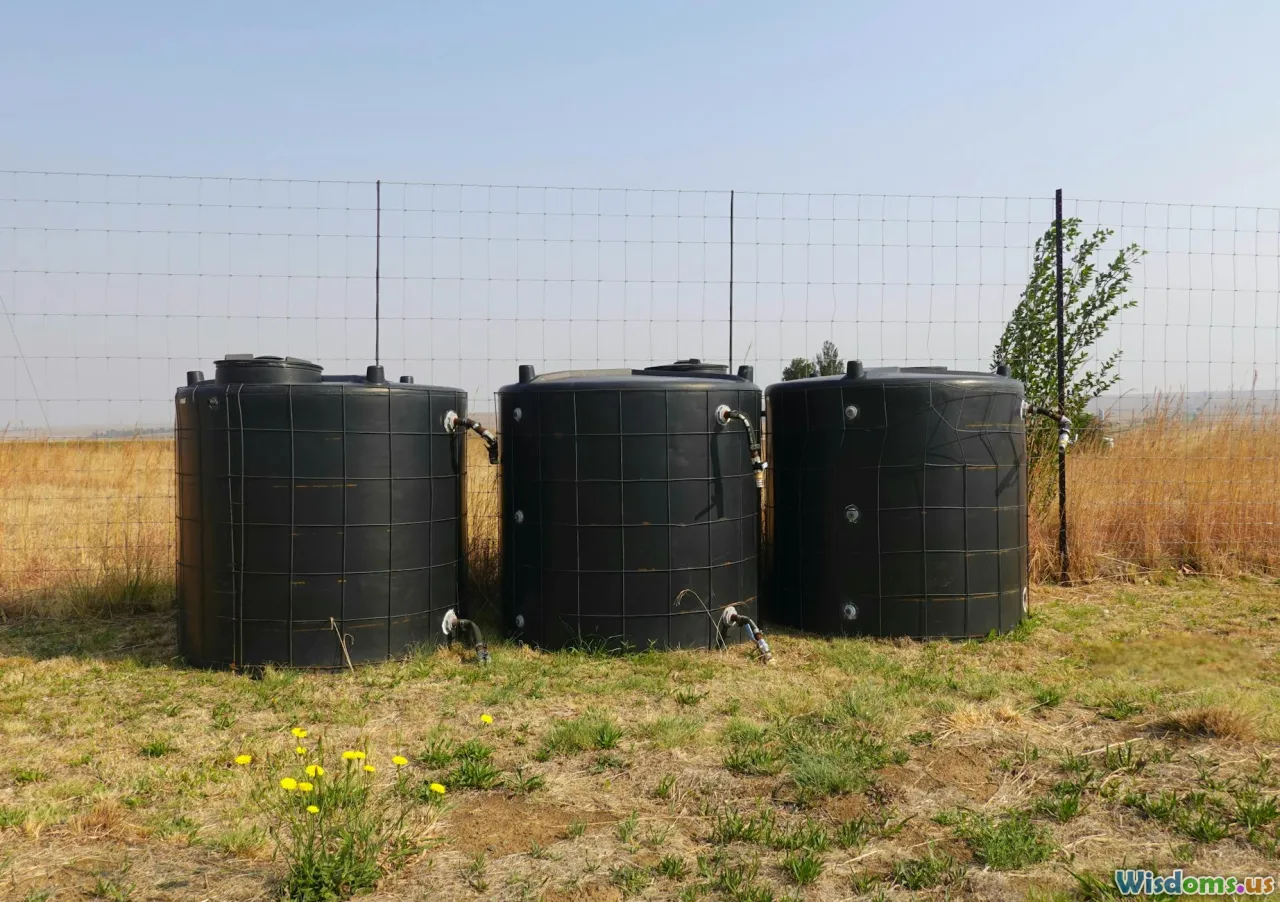
- Drought buffers: Add a small cistern or barrel to store roof runoff dedicated to topping up wildlife water features. Place drip lines along hedges to keep cover vegetation alive in dry spells.
- Overflow pathways: Create shallow, grassed swales that carry storm overflow to a rain garden. Protect pond edges with stone where water might escape and erode.
- Fire and ash: In fire prone regions, install a simple sand and gravel pretreatment basin on the inflow from downspouts to catch ash and debris after wildfire smoke events.
- Heat stress operations: During extreme heat, a 30–60 minute shade cloth deployment over a portion of the pond can reduce acute temperature spikes. Top up at dawn or dusk to avoid thermal shock.
Coexist with pets and people

A shared garden should be safe and enjoyable for everyone.
- Dogs: Provide a dog friendly drinking basin separate from the wildlife pond. Use low fencing or dense plant borders to discourage repeated plunges that churn sediment and disturb eggs.
- Cats: Keeping cats indoors at night during breeding and metamorph seasons lowers predation. Consider brightly colored breakaway collars with small bells to give prey a chance.
- Children: Design a beach shelf, use stepping stones that signal boundaries, and supervise. Involve kids in spotting egg strings, tadpoles, and metamorphs to build empathy.
- Hygiene: Do not move amphibians between water bodies. Diseases like chytrid fungus can spread on wet boots or nets. Dedicate a net to your pond and let gear dry thoroughly in sunlight between uses.
- Local regulations: Some regions regulate pond liners, water depths, or plant species. Confirm before major excavation.
A seasonal calendar that matches amphibian life cycles

Use this template, then adjust to your climate and species.
- Late winter
- Inspect for damage, repair fence gaps, and clear gentle inflows for rain.
- Set out a couple of flat survey boards (untreated plywood) near damp edges to monitor activity.
- Early spring
- Avoid major pond work. Adults migrate and breed on warm, wet nights.
- Learn local calls and egg mass types. Record first calls, first egg cords, and first tadpoles.
- Late spring
- Plant marginal and edge plants. Thin algae lightly if needed. Do not introduce fish.
- Reduce nighttime lighting. Install motion sensors if you have not already.
- Summer
- Top up from cistern at dawn during drought. Skim mosquito larvae with a fine net.
- Create additional shade if water temperatures spike. Keep dogs out during metamorph emergence.
- Early autumn
- Prune and thin plants. Dredge small amounts of silt if needed. Set a leaf net if tree drop is heavy.
- Build or refresh log and rock piles. Dig a hibernaculum if soil is workable.
- Late autumn and winter
- Keep disturbance low. Check that water does not freeze solid. A deeper pocket helps.
- On warm, damp nights, you may still spot movement; observe without handling.
Citizen science amplifies your garden’s impact. Report observations through platforms like iNaturalist, FrogWatch USA, FrogID in Australia, Herpetofauna record schemes in the UK, or local naturalist groups. Consistent annual notes on first calls, egg counts, and metamorph numbers help track population health beyond your fence.
Avoid common mistakes and fix them fast
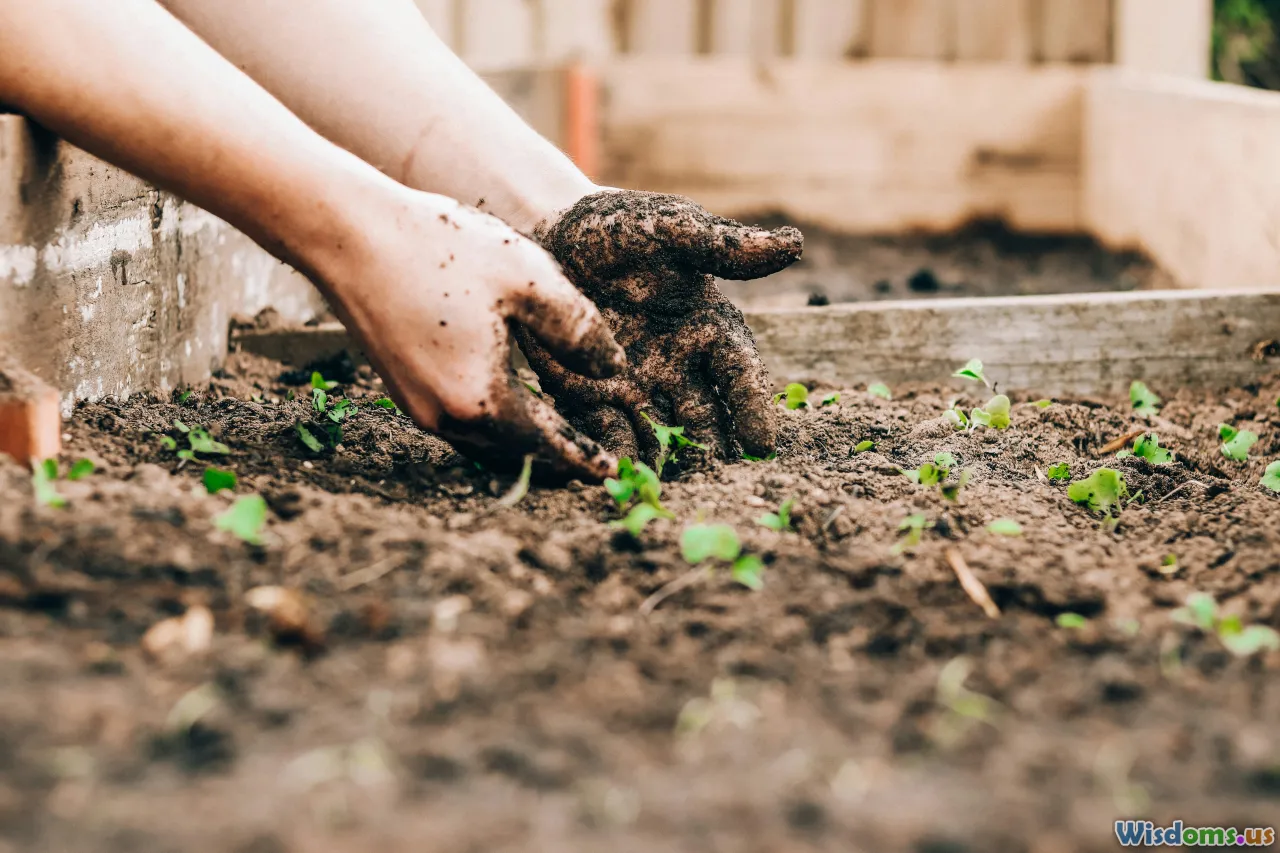
- Adding fish to the pond
- Problem: Eggs and tadpoles become snacks; water quality can suffer.
- Fix: Rehome fish. Drain and refill part of the pond with dechlorinated water. Provide dense emergent plantings to encourage recolonization by amphibians.
- Vertical pond edges or smooth liners left exposed
- Problem: Trapped animals drown.
- Fix: Build shallow shelves and add stone or log ramps. Cover exposed liner with stones or turf to give traction.
- Overcleaning in spring
- Problem: Removing eggs, larvae, and beneficial biofilm.
- Fix: Restrict heavy maintenance to late summer or early autumn. If you must remove debris in spring, lift it into a tray and check for eggs or tadpoles before composting.
- Using tap water straight from the hose
- Problem: Chlorine or chloramine harms gills and skin.
- Fix: Dechlorinate or pre age water in a barrel. Add slowly.
- Bright night lighting near water
- Problem: Disrupts foraging and courtship.
- Fix: Swap to warm LEDs on motion sensors. Shield lights downward and away from pond.
- Over tidy beds
- Problem: No cover, dry soil, fewer insects.
- Fix: Leave leaf litter, keep some spent stems, and plant dense groundcovers.
- Invasive plants
- Problem: Choke margins, alter water chemistry.
- Fix: Learn your region’s invasive list. Manually remove early and replant with natives.
Budgeting and a weekend by weekend action plan
You do not need a large budget to help amphibians. Here are realistic ranges and a phased plan.
Estimated costs (currency varies):
- Micro container pond: 50–150 for a half barrel, liner or plug, a few plants, and a wildlife ramp.
- Small liner pond 3 m x 2 m: 300–800 for EPDM liner, underlayment, edging stones, plants, and a basic net. Salvage rock and logs to save money.
- Planting and cover features: 100–300 for native plugs and shrubs if you cannot source from swaps or cuttings.
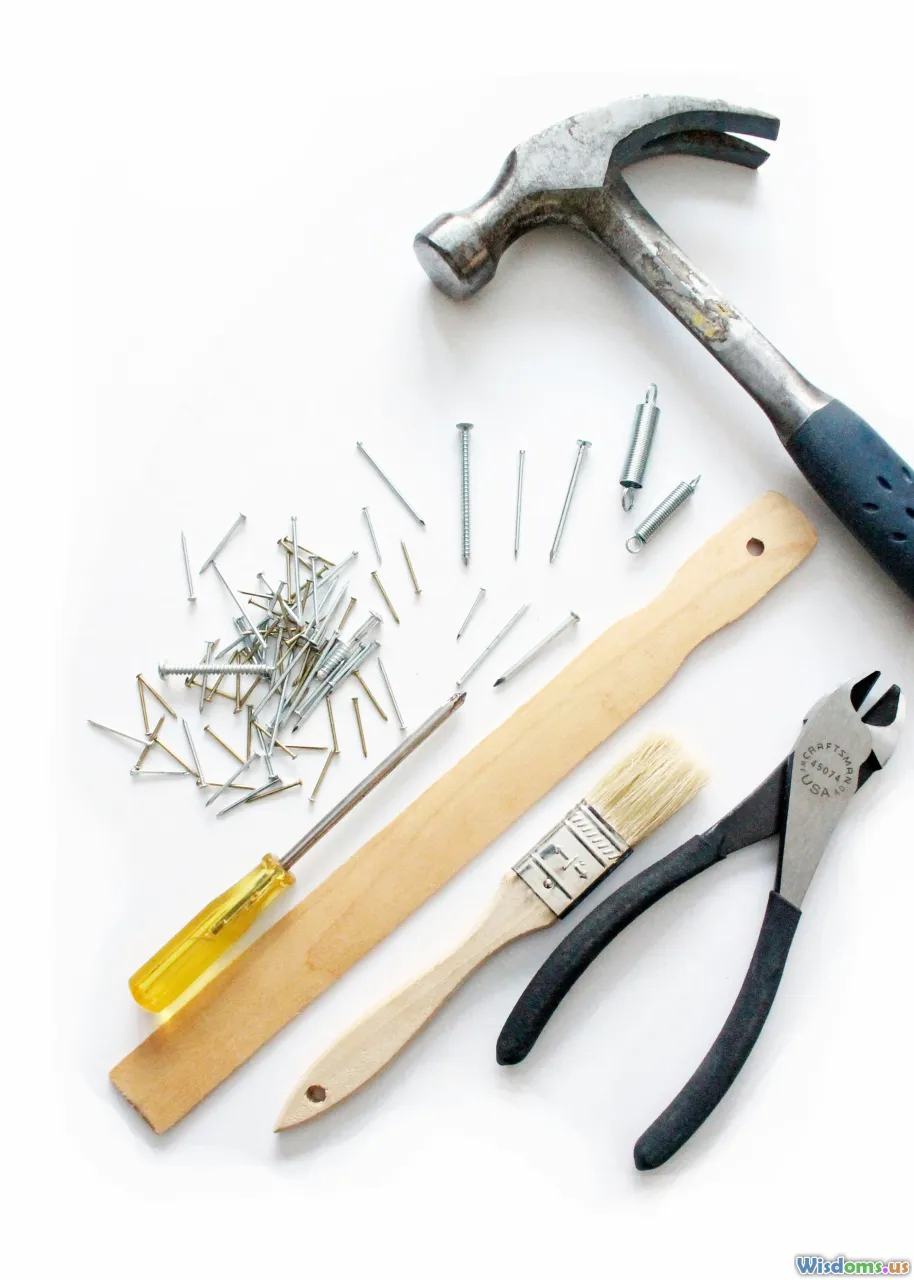
Tools you likely need: spade, mattock in clay soils, level, wheelbarrow, tamper, utility knife, bucket, string line, gloves, and a fine mesh net.
Four weekend plan:
- Weekend 1
- Map sun, shade, and flow. Mark pond outline with a hose. Order liner and plants.
- Begin gathering logs and rocks. Contact local tree services for free logs.
- Weekend 2
- Excavate pond with shelves, remove sharp roots and stones, and line with underlayment and EPDM.
- Fill partially, shape shelves with stones, and create a gentle beach.
- Weekend 3
- Plant marginals and oxygenators. Mulch edges with leaf litter and install a brush or log pile nearby.
- Add a small cistern to a downspout and set a discreet overflow swale to a rain garden.
- Weekend 4
- Cut 10–15 cm wildlife gaps under fences. Install a leaf net ready for autumn. Adjust outdoor lights.
- Place survey boards and set up a simple logbook for sightings.
Measure success with simple data and patient eyes

Success is more than seeing a frog once. Track outcomes so you can adapt.
- Occupancy: Note the first date each year you hear calls or see individuals.
- Breeding: Count egg masses or strings weekly during the peak window for your local species.
- Metamorphosis: Estimate the number of newly transformed juveniles leaving water. Mark a safe crossing route with low temporary edging if needed.
- Water and habitat metrics: Log shade cover percent in midsummer, water temperature on hot afternoons, and rough pH.
- Predators and pests: Note presence of dragonflies, backswimmers, and slugs to understand balance.
Make a simple sheet with columns for date, temperature, rainfall, sightings, and maintenance tasks. Over a few years, patterns emerge: maybe breeding starts a week earlier as you added more shrubs, or metamorph counts rise after you removed that floodlight.
A real world example: a suburban garden with a 2.5 m x 2 m pond saw no amphibian breeding in year one, but nightly calls by year two after adding a brush pile, dimming lights, and increasing emergent cover. By year three, ten egg masses appeared, and the owners counted dozens of tiny toads dispersing through a shady path they mulched specifically for that moment.
A well planned amphibian garden is not a showpiece you pressure wash on Sundays; it is a living system you tend lightly and enjoy deeply. The chorus will not start immediately, and some years will be quiet. Yet every log you place, every chemical you do not use, and every gap you cut under a fence stitches your yard into a network of small refuges that matter. Put out a headlamp on a warm, damp night, crouch by your pond, and listen. The garden will tell you when you have done enough.
Biodiversity Eco-Friendly Gardening native plants wildlife corridors Wildlife & Biology Amphibians & Reptiles Wildlife Gardening Sustainable Landscaping Backyard Ecology Amphibians Frogs Toads Salamanders Newts Wildlife Pond Habitat Creation Pesticide-Free Gardening Garden Design Rain Garden Log Piles Overwintering Sites Water Features Shade Gardening Mosquito Control Backyard Conservation
Rate the Post
User Reviews

Popular Posts