Advice from Experts Writing Engaging Video Content
15 min read Expert insights and proven techniques for crafting video content that captivates audiences and drives engagement across platforms. (0 Reviews)
Advice from Experts: Writing Engaging Video Content
Anyone scrolling through social media today can tell the difference between videos they skip instantly and the ones that draw them in until the end. But what separates forgettable videos from binge-worthy content? Behind every engaging video lies a well-crafted script, and getting it right is both an art and science. To uncover the secrets of writing video content that truly connects, we gathered advice from veteran scriptwriters, video marketers, and digital storytellers. Here’s what they had to say.
Start with a Relatable Hook

Opening moments are crucial. According to Emmy Award-winning scriptwriter Mark W., “You have just 5–8 seconds to capture attention. If your script meanders, so does your audience.” That means skipping lengthy introductions and diving straight into something instantly relatable—think of moments your target audience immediately recognizes in their own lives.
Example: Suppose you're writing for a fitness brand. Start with a scene of someone groaning about setting an early alarm, not a generic statement like, "Exercise is important for your health." The first acknowledges a common pain point, drawing viewers in emotionally and visually.
Tip: Use a high-impact statistic, question, or an intriguing statement as an opener. “Did you know the average person loses interest in a video in just eight seconds?” instantly frames the issue while piquing curiosity.
Know Your Audience Inside Out

"The single biggest mistake content creators make is writing scripts for themselves, not for their audience," says Tasha Lin, digital marketing consultant. Deep research is non-negotiable. Expert scriptwriter Rachel Chen suggests building detailed audience personas to guide your script’s language, tone, and even its structure.
Actionable Steps:
- Define clear personas: List attributes: age, interests, challenges.
- Review existing comments: What phrases or slang does your audience use? Incorporate this vernacular for authenticity.
- Address needs directly: If your viewer is unfamiliar with a subject, use analogies and define industry terms. For experts, skip basics and prioritize advanced insights.
For example, a financial education channel for Gen Z audiences might open with a TikTok trend reference, signaling instant cultural relevance.
Structure is Storytelling’s Best Friend
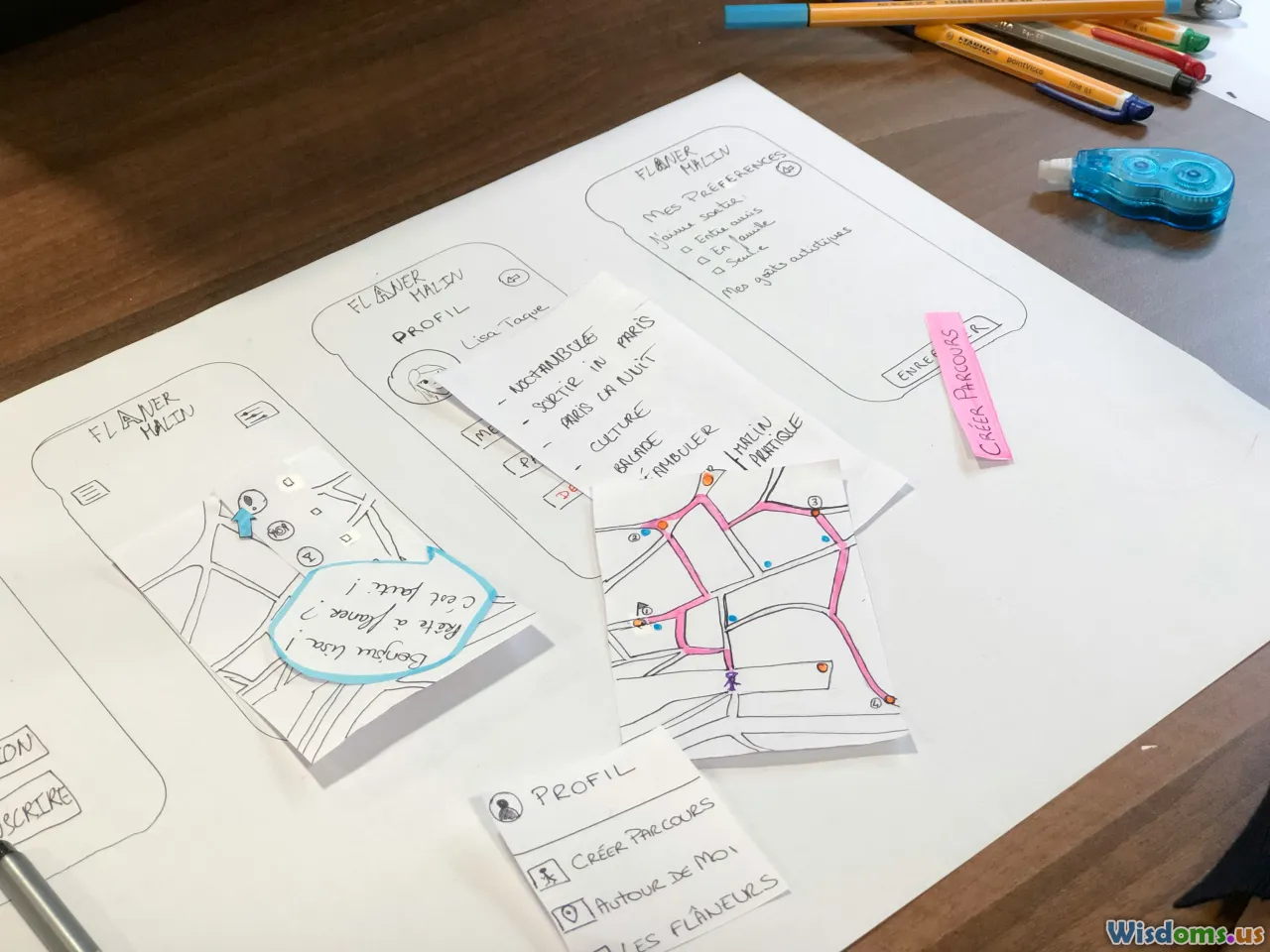
There's a misconception that digital videos can be loose and unstructured. In reality, the opposite is true. According to Jeff Daniels, screenwriter and story coach, “A strong structure gives creative freedom. Every scene, even in shorts, must serve the greater story.”
Adopt Time-Tested Story Frameworks:
-
The Three-Act Structure:
- Setup: Introduce the conflict or promise.
- Confrontation: Escalate tension, insert challenges, or complicate the problem.
- Resolution: Deliver the solution—preferably actionable or memorable.
-
AIDA (Attention, Interest, Desire, Action):
- Pull viewers in, escalate intrigue, stir desire, and end with a call-to-action (CTA).
Example: A 2-minute explainer on sustainable packaging could open with a pollution crisis headline, share surprising consumer facts, then close with easy eco-friendly swaps—all mapped on the AIDA structure.
Write for Visual and Auditory Impact

Remember: viewers will watch — and listen. Scripts should leverage the medium’s strengths. Video is not just about spoken words; it’s a symphony of visuals, music, pacing, and silence.
Pair Dialogue with Visuals
Veteran director Carla Espinoza recommends mapping every line to the intended on-screen action. “If your script says ‘She’s nervous,’ the video must show it—a jittery leg under the table or anxious glances at the clock. Avoid dictating what’s already obvious visually.”
Use Sound, Silence, and Pace
David Fisher, an audio engineer for major YouTube channels, insists on scripting strategic breaths and silences for comedic timing and drama. For instructional or complex topics, pace the script with intentional pauses to let visuals anchor key points, rather than cramming in dense narration.
Pro Tip: Indicate inflections, background sound, and graphic cues directly in your script (use brackets or italics), e.g.:
(Sound cue: Rising suspense music) "But what if we told you… the answer has been in your kitchen all along?"
Embrace Short Sentences and Conversational Tones

Even educational or corporate videos succeed with friendly, approachable language. Award-winning Youtuber Pascal Kim points out, “On-screen, complex sentences are easily misheard or lost. Brevity equals clarity.”
How to Achieve Conversational Flow:
- Write like you speak: Read lines aloud; awkward phrasing stands out early.
- Avoid jargon unless your audience expects it — and always explain acronyms on first use.
- Use rhetorical devices sparingly—rhetorical questions or repeat phrases for emphasis, but don’t overload.
Good Example: "We’ve all hit snooze one too many times. But what if your alarm… made coffee?"
Prioritize the Call to Action—But Make It Natural

Too many scripts save the call-to-action for the final frame, but destination should shape the entire journey. “We script in CTA reminders as breadcrumbs throughout the video—it’s not just about the end, but about intent," notes Trisha Singh, creative lead at a top digital agency.
Best Practices for CTAs:
- Relate CTA to the emotional or informational core of your video.
- Mix direct CTAs (“Subscribe for more tips”) with indirect prompts (“Imagine skipping the morning rush—try this tomorrow!”).
- If sharing or engagement is the goal, script an interactive element: “Drop a comment with your biggest kitchen fail.”
Clever Example: For a charity, don’t simply say, “Donate now.” Instead, try, “Be the reason someone eats a warm meal tonight—join us in making a difference.”
Leave Room for Spontaneity and Collaboration

Every expert agrees—great scripts are living documents. Real-world collaboration yields stronger results, whether among team members, presenters, or even your viewers.
Insider Tip: Leave intentional space in your script for presenters’ asides, ad-libs, or reactions to real audience questions. Tori Delgado, a popular LinkedIn video host, regularly marks places in her scripts as “open for improv” — especially in Q&A or product demo segments.
Workflow Suggestions:
- Table Reads: Gather your team to read scripts out loud before filming—invite critique, laughter, and energy.
- A/B Scripting: Draft two versions for key segments or hooks, and test them with small audience panels.
- Feedback Loops: After release, review comments and engagement metrics together. Update script templates with what worked and what fell flat.
Anticipate and Tackle Viewer Drop-Off Points

Platform analytics provide a goldmine of feedback, especially YouTube’s retention charts. According to Leah Prior, content strategist at MediaPulse, “A sharp audience drop-off at the two-minute mark isn’t fate—it’s a clue.”
What to Do:
- Break content into digestible chapters: Use graphic titles and musical transitions when shifting topics.
- Tease future segments: If viewers leave after answers are revealed, sprinkle interesting “teasers” or next-step hooks throughout (“Coming up: why your diet might be sabotaging your sleep… stay tuned.”)
- Match pacing to intent: Analysis of data from popular channels reveals that segments must accelerate (or offer surprises) right at typical exit points.
Optimize Scripts for Different Video Platforms
Not all platforms—and audiences—are created equal. What works for a 10-minute YouTube vlog can flop as a TikTok or LinkedIn post.
Platform-Specific Scripting Techniques:
- YouTube:
- Invest in deeper storytelling. Open strong, and introduce plot twists or value bombs throughout.
- Frequent recap lines for skimmers: “So far, we’ve learned…”
- TikTok/Instagram Reels:
- Start with action—no preamble.
- Caption every key moment for silent viewers.
- Use more overt hooks and cliffhangers.
- LinkedIn or B2B:
- Lead with insights or surprising stats.
- Scripts should highlight direct business impact or personal anecdotes from credible professionals.
Fact: Studies show videos under 60 seconds on social platforms average 68% higher completion rates, underscoring the need to script for attention economy realities.
Scriptwriting Tools and Workflows Pros Use

Modern scriptwriters rely on digital tools to streamline collaboration, versioning, and creative flow. Veteran screenwriting coach Lila Gomez shares, “Don’t force yourself to write in Word unless you love it—there’s a bespoke tool for every preference.”
Popular Tools and Practices:
- Google Docs: For real-time, multi-person edits. Use comment and suggestion features for feedback.
- Trello or Notion: For organizing shot lists, storyboards, and script drafts.
- Final Draft & Celtx: For traditional, formatted screenwriting; feature collaborative review modes.
- Shotlister: Manage visual planning synced with script cues.
Use templates but always customize your voice and branding. Save time by turning your successful scripts into new adaptable frameworks for recurring formats.
Real-World Success: What Engaging Video Scripts Achieve

Powerful scriptwriting drives measurable results. Let’s look at a few case studies:
-
Charity Campaign: WaterAid’s viral “If Men Had Periods” campaign blended shock-value hook, humor, and a jaw-dropping stat—cutting skip rates by 40% and driving donations up 60% over previous efforts.
-
Education Channel: CrashCourse’s signature step of starting every video with an oddball, viewer-directed question (“Have you ever licked a battery?”) boosts understandability and pushes average watch time above competing channels.
-
Brand Series: BlendJet’s short video ads close with visually-cued, emotion-centered CTAs rather than traditional asks (think colorful smoothies, on-the-go moments), contributing to viral ad shares and rapid brand growth.
While video platforms evolve, what keeps viewers watching doesn’t change: empathetic stories, clarity, surprise, and pacing—crafted for their needs, not yours. Ask any pro, and they’ll agree: Every word in your video adds or subtracts from audience engagement. So immerse yourself in the audience perspective, iterate fearlessly, and never be afraid to rewrite for greater impact. That’s what separates forgettable scroll-by content from video gold.
Rate the Post
User Reviews










Popular Posts