Why Citation Errors Can Ruin a Research Paper
15 min read Explore how citation errors undermine research integrity and impact academic credibility, with practical tips to prevent these common pitfalls. (0 Reviews)
Why Citation Errors Can Ruin a Research Paper
A well-crafted research paper is not just a collection of facts—it reflects a writer’s credibility, diligence, and respect for academic conversation. Yet, no matter how thorough your ideas, even small citation errors can diminish your hard work, making reviewers question your authority, the originality of your arguments, and, ultimately, your contribution to scholarship. Understanding why citation errors matter is essential for anyone aiming to produce effective, rigorous research.
The Crucial Role of Citations in Academic Integrity
When composing a research paper, citations are more than bureaucratic tradition—they underpin your work’s academic honesty. Proper citation:
-
Prevents Plagiarism — When you credit others’ ideas, you clearly delineate what’s original in your paper versus what’s borrowed or built upon. Plagiarism, whether deliberate or accidental, is a major academic offense and often stems from missing or incorrect citations.
-
Supports Transparency — Accurate references allow readers or peer reviewers to verify your claims, locate the original sources, and continue scholarly conversations.
-
Enhances Credibility — Proper attribution demonstrates a comprehensive review of related literature. Conversely, citation errors hint at carelessness, potentially causing reviewers to doubt your diligence.
Real-World Example: In 2011, renowned Dutch psychologist Diederik Stapel was exposed for fabricating data. While outright fraud is extreme, the scandal highlighted how even citation oversights—such as citing unverifiable or ‘ghost’ references—raised immediate red flags that prompted the deeper investigation into his research ethics.
How Small Citation Errors Escalate
What begins as an overlooked punctuation mark or mistyped publication year can have outsized consequences. Academic evaluators and journal editors expect not just the right sources but precisely formatted citations.
-
Typographical Issues — Misspelled author names or incorrect publication years prevent others from finding and verifying sources. A journal reviewer unable to trace your evidence may question your sources’ existence.
-
Incomplete Information — Missing page numbers, URLs, or DOIs may render citations useless, especially in fast-evolving fields where editions or databases quickly shift.
-
Unintentional Misattribution — Incorrect author attributions (e.g., confusing John Smith with Jon Smythe) may inadvertently give credit to the wrong individual or misrepresent the weight of supporting literature.
Case in Point: A 2018 survey at a leading university library discovered that nearly 60% of undergraduate submissions had citation mistakes ranging from minor (typos) to serious (wrong authors/titles). In academic settings, even minor slip-ups may result in rejected papers or a retraction, affecting the student's GPA or a career's trajectory.
Citation Styles: More Than Just Formatting
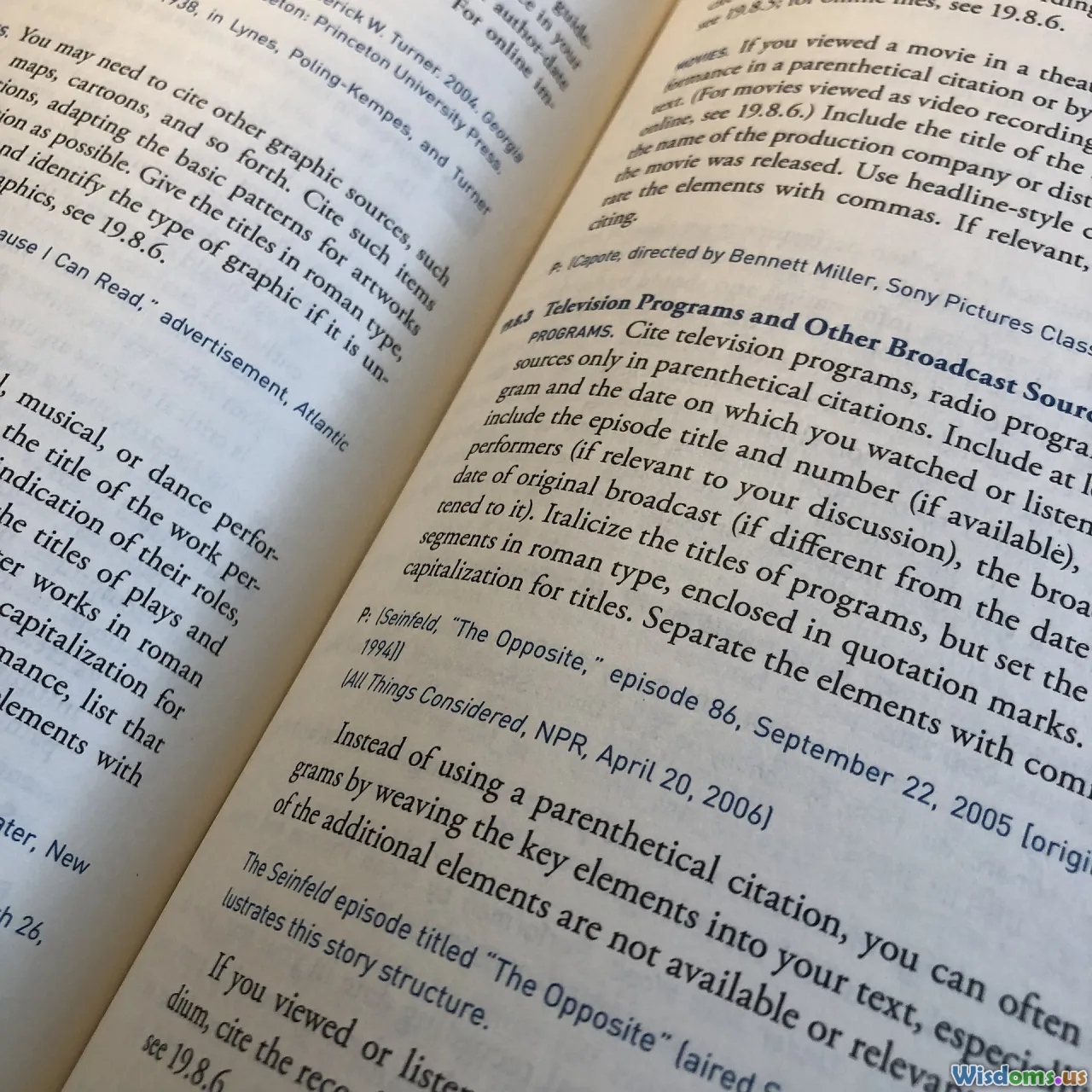
Most instructors, journals, and conferences prescribe specific citation styles—APA, MLA, Chicago, and more—beyond cosmetic uniformity. Consistency in these styles is crucial not only for aesthetics but also for clarity and legal standards.
-
Field-Specific Precision — For example, APA (used in psychology) emphasizes dates to track the novelty of research, while Chicago (prevalent in history) stresses provenance.
-
Formatting Nuance — A misapplied comma or italicization isn’t arbitrary. These conventions make citations easily scannable by field experts.
Comparison: Imagine submitting to both an English Literature and a Medical journal. Citing “Smith, J.” versus “J. Smith,” or including/excluding et al., has different meanings depending on the style. A researcher inadvertently inserting the wrong style may signal unfamiliarity with the field’s expectations and could confuse both readers and databases.
The Domino Effect: Undermining Arguments and Authority
Citation errors have a ripple effect. One misreferenced statement may unravel an entire theoretical framework, inviting scrutiny and skepticism over your findings.
-
Weakening Evidence Chains — Strong arguments depend on reliable, checkable sources. If citations trace back to unrelated or questionable works, your paper’s evidence collapses.
-
Loss of Reader Trust — Editors and peer reviewers expect attention to detail. Once an error is found, a reader is primed to spot more, potentially dismissing an otherwise strong paper.
-
Example: In 2005, a study was retracted from a high-impact chemistry journal after reviewers noticed a single incongruent reference. This initial mistake, when further examined, was symptomatic of broader research sloppiness, leading to professional embarrassment for the authors and a diminishment of their standing in the field.
The Dire Consequences: From Rejection to Retraction
Academic publishing standards are stringent for a reason. Citation errors are among the most common grounds for serious outcomes:
-
Desk Rejection — Committees and editorial boards may reject manuscripts outright if references are missing or incorrect. Since publication space is limited, even small slip-ups can disqualify a submission.
-
Grade Penalties — In educational settings, citation mistakes may count as plagiarism or shoddy scholarship, leading to lower grades, failed courses, or academic probation.
-
Career Setbacks — Retractions, often a result of serious citation irregularities or academic dishonesty, can stain reputations and careers. Retraction Watch, a database of such papers, shows over 2,000 citation-related retractions as of 2024.
A High-Profile Example: In 2018, the journal Nature retracted a paper when it was revealed that key claims lacked proper attribution. The ensuing controversy not only delayed collective research progress but also affected the lead author’s funding prospects for future projects.
Technology Is No Substitute for Diligence
Reference management tools such as Zotero, EndNote, and Mendeley promise streamlined bibliography creation. However, technology cannot catch all mistakes, and careless use often increases error rates.
-
Auto-Generated Pitfalls — Importing bibliographies directly from databases often results in misplaced fields, incorrect formatting, or missing data (e.g. incomplete author lists).
-
Old vs. Updated Sources — Automated tools may default to citing obsolete editions or unrevised versions unless checked.
-
Manual Double-Check Required — The American Psychological Association recommends that even with citation software, authors manually verify every reference against the original source before submission.
Tip: Set a specific period at each writing stage to audit references separately from the main paper. This separation decreases the likelihood of overlooking inconsistencies that software may miss.
Authoritative Sources or Academic Minefield?
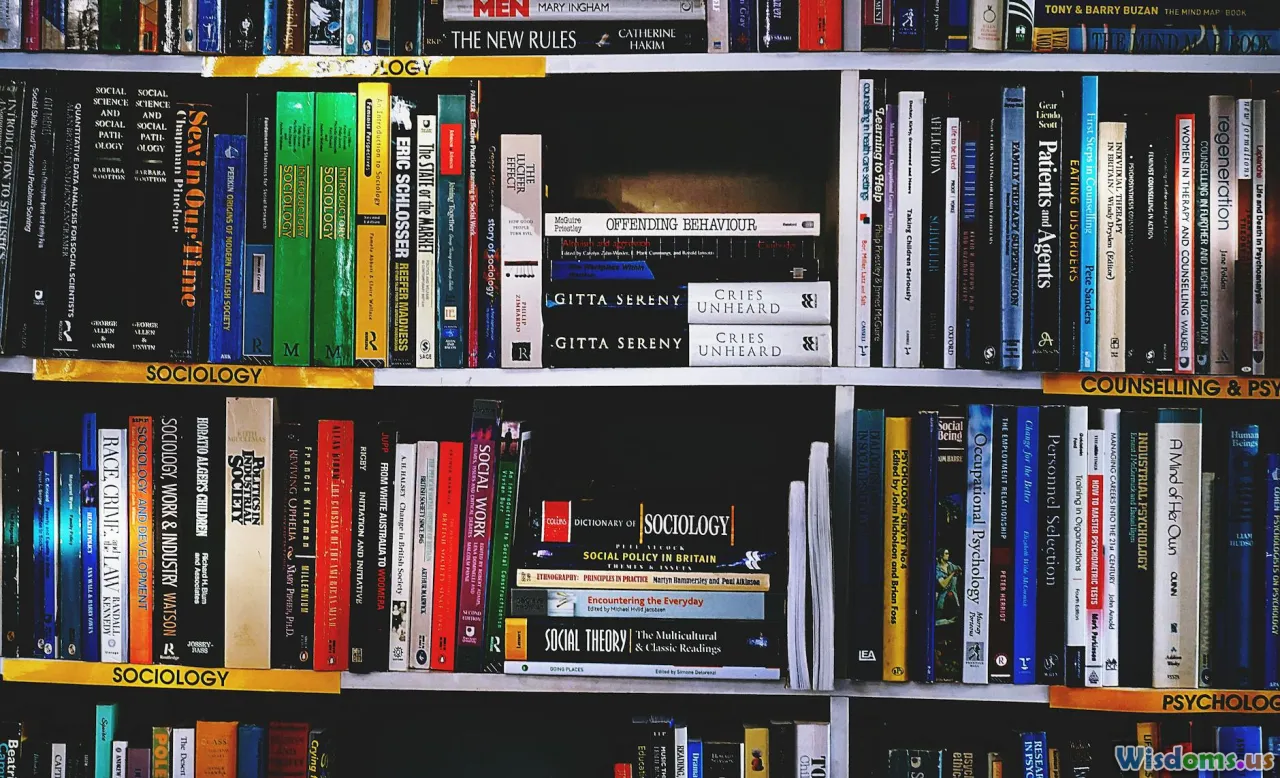
A common but critical misconception is that all easily available sources are citation-worthy. Misattributing ideas to non-authoritative outlets or using tertiary, crowd-sourced content like Wikipedia can undermine an entire paper.
-
Authority Hierarchy — Peer-reviewed journals, books by field experts, and published conference proceedings are gold standards for citations.
-
Problematic Choices — Blogs, unverified online materials, and even college textbooks may be reviewed less rigorously, limiting their usefulness as academic references.
-
Example: In a meta-analysis published by The Lancet, several studies were flagged for referencing medically-themed websites lacking peer review, reducing their influence and prompting editorial warnings about source selection.
The Challenge of International References

Researchers increasingly draw from a global pool of scholarship. With this opportunity comes the complexity of international conventions:
-
Transliteration Traps — Citing works with non-Latin scripts (e.g., Cyrillic, Chinese, Arabic) demands careful transliteration. Errors here can make a cited work impossible for others to locate.
-
Language Barriers — Misinterpreting the title, author names, or publication year because of language misunderstandings leads to unreliable referencing.
-
Local Standards — Some regions prioritize different citation details. For example, some Asian journals require inclusion of funding agency information, which Western formats often omit.
Actionable Advice: Cross-check international references against the most up-to-date library catalogs or the original publisher site, preferably with input from native speakers or academic liaisons in the relevant region.
Defending Against the Trap: Best Practices
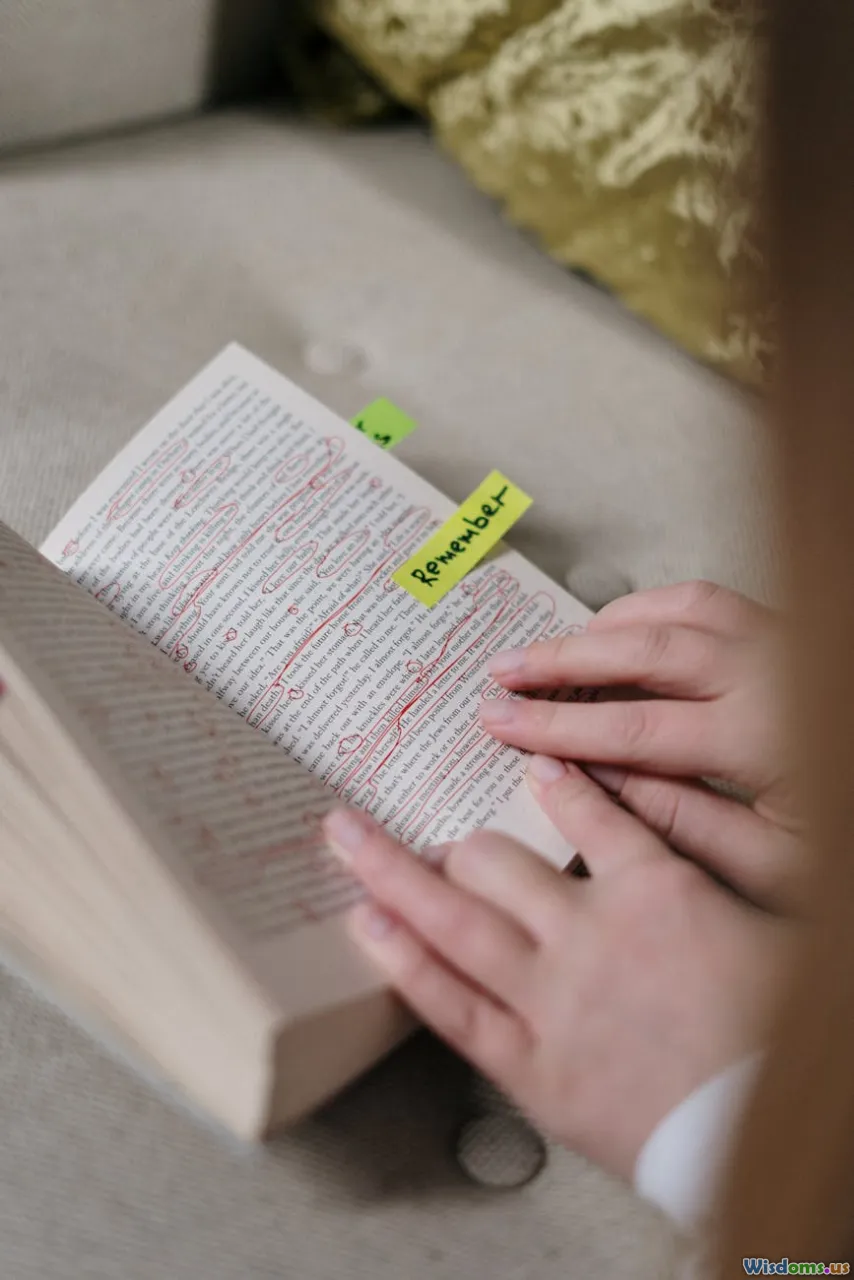
Avoiding citation errors isn’t merely about diligence—it’s about adopting a strategic, step-wise approach integrated into your research workflow.
- Start Early with Citation Management: Keep a running bibliography as you research, rather than as an afterthought.
- Consult Multiple Style Guides: For cross-disciplinary work, double-check every guideline, using up-to-date manuals from official organizations.
- Utilize Reliable Reference Tools: Prefer curated library and journal portals for importing bibliographic data.
- Cross-Validate with Originals: Always double-check digital or physical copies of sources—never cite a work you haven’t seen directly.
- Peer Review: Where possible, invite peers to spot-check your references—fresh eyes catch mistakes your own might miss.
- Check Against Plagiarism Detection: Use institutional resources (such as Turnitin) to catch missing or improper citations.
Further Tip: Many seasoned academics maintain a reference template or spreadsheet with fields for every required citation detail, ensuring no key data goes missing during the transfer from notes to final draft.
When in Doubt: Where to Get Citation Help
For beginners and experienced writers alike, knowing where and when to seek expert help is a lifesaver:
- Academic Librarians — Most university libraries offer citation review services and personalized guidance on obscure references.
- Writing Centers — Writing tutors often specialize in citation style compliance and offer workshops on common pitfalls.
- Publisher Guidelines — Many academic journals maintain robust checklists and practice guides; always review these before hitting submit.
- Community Forums — Sites like StackExchange or Reddit’s r/AskAcademia offer crowdsourced troubleshooting for tricky references, style changes, or international norms.
Fact: A study by the Council of Writing Program Administrators found that students who consulted writing centers at least twice per paper saw a 40% reduction in citation errors versus the student average.
Ensuring accurate, complete citations requires effort at every stage of the research journey. Far from arbitrary rules, strong citation practices safeguard your credibility, allow ideas to flourish, and open the door to academic advancement. Don’t let avoidable errors stand between your research and the impact it deserves—treat every reference as an essential building block in the foundation of your scholarship.
Rate the Post
User Reviews



Popular Posts