TikTok Challenges Demystified Lessons From 2024 Viral Campaigns
32 min read Unpack how 2024's biggest TikTok challenges went viral, what fueled participation, and actionable takeaways for brands, creators, and nonprofits to design safer, measurable, trend-resilient campaigns. (0 Reviews)
TikTok Challenges Demystified: Lessons From 2024 Viral Campaigns
The term “TikTok challenge” used to conjure dance routines and catchy lip-syncs. In 2024, it means far more: remixable prompts, CapCut templates, shoppable hooks, and creator-led mini-games that spread through duet chains and comment prompts. The most successful challenges this year didn’t just chase trends—they engineered participation, accelerated distribution, and drove measurable outcomes like saves, shares, and even sales via TikTok Shop.
This guide breaks down what’s really working, why certain challenges break out, and how you can design a 2024-ready challenge that invites mass participation without feeling like a generic ad. You’ll find frameworks, concrete examples, common pitfalls, and step-by-step templates you can reuse.
What a TikTok “Challenge” Actually Means in 2024

“Challenge” has become shorthand for a set of mechanics that encourage viewers to participate, not just watch. In 2024, that typically includes one or more of the following:
- Hashtag prompts: A clear call to action packaged with a hashtag (#FlipYourFit, #5IngredientFix). This aids discovery but is not sufficient by itself.
- Remixable formats: Duet, Stitch, CapCut templates, Green Screen, Photo Mode carousels, and “Add Yours” prompts that lower the barrier to join.
- Social badges: A visible marker that you “did it” (an on-screen overlay, an effect, a shared soundtrack, or a recognizable format).
- Lightweight constraints: Rules or time boxes (e.g., “10 seconds, no cuts,” “only pantry staples,” “one take”) that remove decision fatigue and increase creative variance.
- Reward loops: Social credit (likes/comments from the originator), features in a compilation, or shoppable benefits (discount codes, coupons via TikTok Shop, affiliate commissions for creators).
Key 2024 nuance: Challenges increasingly live inside ecosystems, not one-off hashtags. Brands blend organic posts, Spark Ads, Branded Mission, and affiliate creator content that drive the same mechanic from multiple entry points. And the best challenges are natively remixable—designed to be altered, not copied.
The Anatomy of a 2024 Viral Challenge

Winning challenges consistently exhibit five elements:
- A snap hook in the first 2 seconds
- Examples: “Prove you can cook dinner with only 5 pantry ingredients,” “Show your work-from-anywhere view in one cut,” “Before 9am vs. after 9pm—show the switch.”
- Visual cold-open: Text-on-screen framing (“5 Second Proof:”); a bold claim (“Under $10 dinner—watch”); or a challenge card overlay.
- A visibly achievable demonstration
- A creator quickly performs the challenge; viewers instantly learn how to participate.
- Example: The originator shows a 10-second recipe while a picture-in-picture timer ticks down. The constraint is obvious.
- A remixable asset
- CapCut template with timing and text fields; a downloadable Branded Effect; or a Green Screen background asset.
- Pro tip: Publish the template link in the first comment and on-screen QR code. Many 2024 breakouts used a CapCut template because it standardizes the flow and makes joining feel like filling in blanks.
- A social badge and shared soundtrack
- A unique overlay, text style, or effect that makes submissions recognizable in feed.
- A consistent sound (ideally cleared via TikTok’s Commercial Music Library for business accounts) unifies the series and improves reach via sound pages.
- A momentum engine
- Originator stitches or duets early submissions; tags micro-creators by name; pins a submissions playlist; reposts to Stories; and uses comment prompts (“Next: someone try it with only 3 spices”).
- Paid spark: Spark Ads to early winning submissions; light TopView or In-Feed to seed awareness; Branded Mission to incentivize creators.
What Changed in 2024: Format Shifts You Should Embrace

- CapCut-first challenges: Templates now do the heavy lifting. Instead of a complex how-to, the template establishes pacing, transitions, and text slots.
- Photo Mode carousels: Multi-image posts reignited for tutorials, checklists, and “step-by-step reveals,” often paired with a sound. Challenges that ask for a 5-slide “before/after/proof/parts list/price” flow perform well.
- Comment-to-content loops: Creators reply to comments with videos, turning top comments into challenge pivots. In 2024, many series grew by surfacing “hard mode” rules via comment replies.
- Shop-native prompts: With TikTok Shop adoption expanding, challenges often include “proof + receipt” formats or “7-day try-on” routines, connecting content to conversion without feeling like a sales pitch.
- Effect House maturation: Branded or community effects that stamp a “completed” badge increased completion visibility and added playful constraints (timers, score counters).
Case Snapshots: What Worked in 2024

Note: These examples are composites of public patterns widely observed on TikTok in 2024, anonymized to focus on transferable lessons rather than a single brand.
-
Beauty micro-routine challenge
- Prompt: “Under-$20 3-step routine—show your before and after in one cut.”
- Mechanics: CapCut template timed to a trending sound; on-screen price tags add up; Green Screen receipt overlay for proof.
- Why it worked: Constraints were tight, the template handled pacing, and the proof visual (receipt) built credibility. TikTok Shop affiliate links allowed creators to earn, fueling participation.
-
Food “five things” pantry sprint
- Prompt: “5 ingredients, 5 minutes. Show timer and plate-up.”
- Mechanics: Split-screen with a PIP timer; text overlay lists each ingredient; stitch chains where creators one-up spice levels.
- Why it worked: Time-boxed difficulty, satisfying reveals, and easy remixing. The timer—and a simple “ding!” sound at 5:00—became the social badge.
-
Remote work “view switch” challenge
- Prompt: “Your 9am vs 9pm desk setup in one swipe.”
- Mechanics: Photo Mode 5-slide template: 1) 9am desk; 2) midday snack; 3) 5pm close; 4) 9pm game or hobby desk; 5) cost breakdown.
- Why it worked: Photo Mode invites low-effort joining; it tells a story; and the cost slide triggered comments and duets.
-
Fitness “one movement, three levels” challenge
- Prompt: “Pick your level: easy/medium/hard—no cuts.”
- Mechanics: Branded Effect overlays the difficulty level; creators tag friends to attempt the next level.
- Why it worked: Clear progression, visible stakes, friend-tagging, and safety emphasis (“pick the level that’s safe for you”) kept it inclusive.
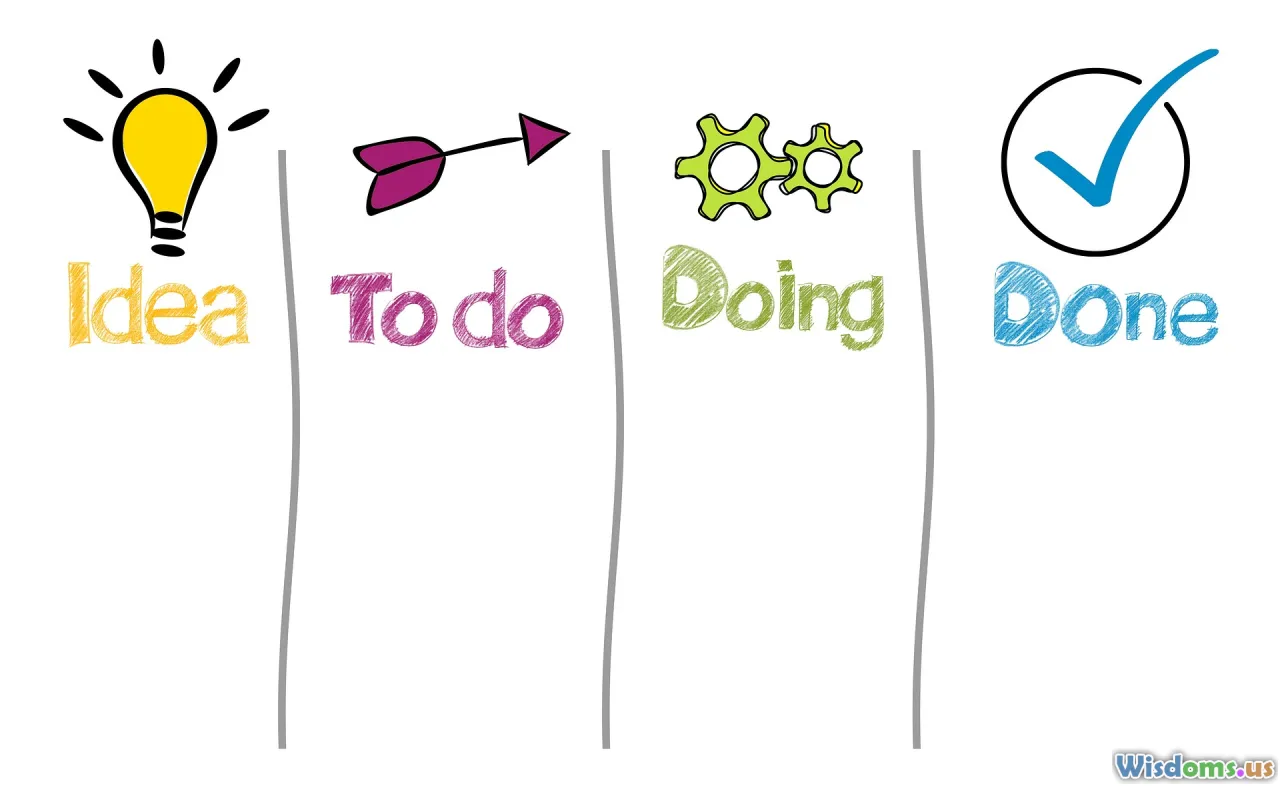
Designing Your Challenge: A 7-Step Blueprint
- Define the core proof
- What is the smallest visible act that proves your product or idea works? Examples: removing a stain; a 10-second app demo that auto-summarizes; plugging in a cable and lighting up; an outfit transition.
- Choose the constraint
- Time: 10 seconds, 1 minute, 5 minutes.
- Materials: only 5 pantry items; under $20; single color.
- Skill: beginner vs advanced tiers.
- Participation friction should be lower than the typical TikTok post. If your challenge requires editing mastery, package a CapCut template.
- Package the remixable asset
- Create: CapCut template (include placeholders; lock timing); an Effect House filter; a downloadable overlay.
- Publish: Put the template link in your bio, pinned comment, and on-screen QR.
- Brand lightly: Use subtle logo watermarks or a recognizable frame, but don’t cover the content.
- Script the hook and CTA
- Hook: “10 seconds to prove your [result].”
- CTA: “Use this template, tag #YourHashtag, and I’ll feature 10 today.”
- On-screen: Make the challenge rules readable within 2 seconds; use large, high-contrast text.
- Seed with the right creators
- Brief 10–30 micro-creators (5–50k followers) who already make content in your niche.
- Give them options: a “standard” template plus a “hard mode.”
- Incentivize with a small stipend, affiliate percentage if using Shop, and guaranteed stitches.
- Operationalize the momentum engine
- Day 1–3: Post the origin video, reply to top comments with new videos, and stitch 3–5 early entries daily.
- Day 4–10: Spark Ads on the top 2–3 UGC submissions (not just the origin). Post a compilation carousel; call out regional or niche variants.
- Day 11+: Introduce a twist: “Only thrifted,” “no heat,” “under 3 minutes.”
- Measure, learn, iterate
- Define success: participation rate, remix rate, saves-per-view, watch time, Shop clicks, affiliate activation.
- Commit to 2–3 iterations. Most 2024 breakouts refined over two weeks, not two days.
Sound Strategy and Music Rights (Without Getting Burned)

- Use TikTok’s Commercial Music Library (CML) if you’re a business account to ensure rights-safe usage. This library offers pre-cleared tracks fit for ads and branded content.
- Build a sound page: Upload a unique sound or use a CML track consistently. Encourage participants to use the same sound to aggregate submissions.
- Sound swaps: If a fan-favorite sound becomes restricted, be ready with a backup template synced to a rights-cleared track. Repost your origin under the new sound and stitch top entries to migrate momentum.
- Audio hierarchy: Mix hooks slightly louder than background music and compress to keep levels stable across remixes. Add a subtle count-in click for timing if your template relies on transitions.
Safety, Moderation, and Ethics: Keep It Fun and Responsible

- No dangerous stunts: Avoid anything that encourages risky behavior, unsafe consumption, or illegal actions. Keep eligibility age-appropriate and explicitly state safety constraints.
- Transparent labeling: If creators are paid or earn affiliate income, ensure they use TikTok’s branded content toggle or clear disclosures like #ad or #paidpartner, compliant with local regulations.
- Community-first tone: Invite, don’t pressure. Emphasize accessibility (“choose your level”), and celebrate creative twists.
- Moderation plan: Draft a comment policy, prepare filters for sensitive terms, and enable keyword moderation. Decide what you’ll repost. Don’t amplify low-effort or off-brief entries.
- Data respect: Avoid requesting personal information in comments. If running prizing, route entries through official forms and follow contest laws in applicable regions.
Metrics That Matter: From Vanity to Value

Move beyond views. Track:
- Participation rate: number of UGC entries ÷ total views of the origin post.
- Remix rate: stitches + duets + template uses ÷ total UGC entries.
- Save and share rate: saves or shares per 100 views. These predict longevity.
- Completion and rewatch: percent of viewers who complete and rewatch; strong challenges often spike rewatch as viewers scrutinize details.
- Creator mix: distribution of entries by creator size. A healthy challenge has a long tail; if it skews to only large creators, you may have a dependency problem.
- Time-to-first-100 entries: indicates friction; aim for under 72 hours with seeding.
- Downstream: Shop clicks, add-to-cart, conversion rate, and affiliate activations when relevant.
Benchmarking tips:
- Compare to your own baselines; TikTok is highly contextual.
- Look for “residual participation”—entries that continue after paid support ends. That’s cultural adoption.
Paid Support Without Killing the Vibe
- Spark Ads on UGC: Instead of promoting your brand post, spark the best creator entries. It preserves social proof and comment threads while scaling reach.
- Branded Effects: A simple timer, stamp, or “completed” frame can become the badge that binds the challenge. Design for speed: auto-apply in 1 tap.
- Branded Mission: Invite creators to make entries for a chance at promotion or rewards. This formalizes the UGC inflow and clarifies your selection criteria.
- TopView/In-Feed: Use sparingly to announce the challenge and link to your sound page or template. The creative should feel like content, not an ad.
- Frequency cap and creative rotation: Don’t oversaturate a single cut. Rotate 3–5 variants; keep comments lively.
Category Playbooks: Tailor the Mechanics
-
Beauty and skincare
- Format: “3 steps under $X,” “one dip, two looks,” “before/after + lighting proof.”
- Tools: CapCut timing template; receipt overlay; ingredient callouts.
- Caution: Avoid medical claims; focus on visible, short-term effects (texture, coverage, color).
-
Food and beverage
- Format: 5-ingredient constraints; “pantry vs. fresh”; “one pan, one song.”
- Tools: PIP timers; spice level meters; sound that builds to the reveal.
- Caution: Safety (proper cooking), allergy awareness, clear labeling.
-
Fashion
- Format: “3 looks, 1 item”; “under $50 fit”; “thrift flip in 60 seconds.”
- Tools: Photo Mode carousels; transition templates; side-by-side try-ons.
- Caution: Ensure lighting consistency to prevent misleading color depictions.
-
Home and DIY
- Format: “One weekend fix”; “under $100 upgrade”; “before → parts → after.”
- Tools: Parts list overlays; cost tally. Show mistakes—it builds trust.
- Caution: Suggest appropriate tools and safety gear.
-
Apps and tools
- Format: “One tap, one outcome”; “3 features in 30 seconds”; “duet me with your screen.”
- Tools: Screen recording frames; cursor highlights; keyboard cam.
- Caution: Privacy—avoid exposing sensitive info.
-
Education and nonprofits
- Format: “Explain it in 20 seconds”; “myth vs fact, duet your add-on”; “1 tip a day for 7 days.”
- Tools: Green Screen citations; on-screen bullet receipts; templated caption structure.
- Caution: Verify facts; cite sources in description or on-screen.
Creative Principles From 2024 Winners

- Design for the second participant: If someone who didn’t see your origin video encounters an entry, will they know how to join? Make the instructions self-contained.
- Distinctive, not distracting: Use one memorable visual motif (a border, timer, or typeface) across all entries. Too much brand dressing reads as an ad.
- Asymmetric effort: Originator invests in template and curation; participants expend minimal effort to join. That’s how scale happens.
- Invite expertise layering: Encourage commenters to add variations (“try smoked paprika instead of chili”) and then turn comments into stitches.
- Celebrate the remix: Feature “wrong but delightful” entries. The messy, creative takes are often the contagious ones.
Common Failure Modes—and Fixes

- Vague prompt: “Show us your best.” Fix: Add rules and time boxes.
- High friction: Too many steps or complex edits. Fix: CapCut template + on-screen rules.
- Sound mismatch: Using a dull or off-beat track. Fix: Test 3–5 CML tracks; optimize sync cuts.
- Bland incentives: “Win exposure.” Fix: Guaranteed stitches, feature rounds, small grants, or Shop affiliate percentages.
- Overbranding: Watermarks and logos everywhere. Fix: One subtle signature and a recognizable frame.
- No follow-on plan: The originator posts once, disappears. Fix: Daily stitches and comment replies during the first 10 days.
- Ignoring the mid-tail: Only large creators are seeded. Fix: Mix micro-creators for authentic adoption.
- No safety guidance: Risky or ambiguous instructions. Fix: Clear do/don’t list on-screen and in captions.
- No measurement: Declaring success on views alone. Fix: Track participation and remix rates.
- Not adapting: Forgetting to iterate once feedback arrives. Fix: Introduce variants and hard modes.
A Two-Week Launch Calendar You Can Copy
- Day 0: Finalize CapCut template, sound choice, and rules. Draft 3 variants of the origin video.
- Day 1: Post the origin with a crystal-clear hook. Pin the template link in comments. Seed to 10 micro-creators.
- Day 2: Reply to top comments as videos. Stitch 3 early entries. Spark Ads on the origin to your core interest clusters.
- Day 3: Publish Variant B of the origin. Post a “how to join” carousel. Seed 10 more creators.
- Day 4: Announce you’ll feature 5 entries daily. Stitch 3 more entries. Test a second CML track if necessary.
- Day 5: Introduce “hard mode.” Spark Ads on the top UGC entry. Update the template if feedback reveals friction.
- Day 6: Drop a compilation with credits. Encourage duets with that compilation.
- Day 7: Live session reacting to entries; give shout-outs; clarify rules for week 2.
- Day 8–10: Niche expansions (e.g., vegetarian-only version for food; $0 thrift-only for fashion). Seed to creators in those niches.
- Day 11: Creator takeover—let a participant host the day’s stitch chain.
- Day 12: Post learnings and celebrate milestones (e.g., “1,000 entries”).
- Day 13: Announce final 48-hour sprint. Offer a small reward or feature for late joiners.
- Day 14: Final compilation and roadmap (“We’re evolving this into [series name] with weekly prompts”).
Writing the Challenge Prompt and Caption
-
On-screen script (example):
- Frame 1 (0:00–0:02): “5 ingredients. 5 minutes. Prove it.”
- Frame 2 (0:02–0:04): “Use the template—timer included.”
- Frame 3 (0:04–0:09): Quick demo, dramatic reveal.
- Frame 4 (0:09–0:12): “Tag #5minPlates. I’ll stitch 5 today.”
-
Caption skeleton:
- Lead: One-line summary (“Can you cook dinner with 5 pantry items in 5 minutes?”)
- Rules: “5 ingredients, visible timer, one pan.”
- How to join: “CapCut link in bio + first comment.”
- Incentive: “Feature + template pack for top 10.”
- Hashtags: 1–3 branded + 4–6 niche tags (avoid stuffing).
Tool Stack for 2024 Challenges
- CapCut: Build timing templates with text placeholders; lock beats.
- Effect House: Create simple badges, timers, counters.
- TikTok Creative Center: Research trending sounds, hashtags, and ad examples by region and category.
- Ads Manager + Spark Ads: Promote selected UGC while preserving social context.
- Analytics and UTM: Use URL parameters for Shop or site links. Track clicks with your analytics platform to measure downstream impact.
- Comment moderation tools: Keyword filters; saved replies; rules for your team.
Beyond Hashtags: Distribution Tactics the Winners Used
- Sound-page anchoring: Encourage use of a single sound to consolidate discovery. Comment “Use the sound for features” on early entries.
- Playlists: Create a “Challenge Submissions” playlist on your profile to house highlights.
- Story boosts: Repost entries to Stories with a “tap to create yours” sticker.
- Cross-post smartly: Adapt the template to Reels and Shorts, but keep the native TikTok sound and effects for entries living on TikTok.
- Creator ladders: Start with micro-creators, then graduate to mid-tier and niche leaders once you see what angles resonate.
- Comment prompts: Seed “hard mode” ideas in your own comments to cultivate a comment-to-content loop.
Measurement in Practice: A Simple Dashboard Layout
Track weekly:
- Origin post: views, watch time, completion rate, saves, shares, comments.
- UGC entries: total count, growth per day, top creators, variants by niche.
- Remix rate: duets, stitches, template uses.
- Sound adoption: number of videos on your sound page; top geographies.
- Paid vs organic: UGC growth during paid support vs after it stops.
- Conversion (if Shop-enabled): clickthrough rate, add-to-cart, conversion rate, top SKUs.
Create alerts:
- If participation < target by Day 3: lower friction (simplify rules) or increase seeding.
- If sound adoption stalls: refresh with a second rights-cleared track.
- If safety issues emerge: immediately update rules on-screen and in caption; comment pin the guidance; consider pausing amplification.
Legal and Compliance Pointers (Not Legal Advice)
- Disclosures: Require creators to use TikTok’s branded content tools or clear #ad labels when compensated or when affiliate links are used, consistent with advertising regulations in their country.
- Music: Use the Commercial Music Library for business accounts; avoid uploading copyrighted tracks you don’t have rights to.
- Prizing and contests: If offering prizes, outline eligibility, deadlines, selection criteria, and region-specific restrictions; follow local laws.
- Minors: Obtain appropriate permissions and follow platform policies for content featuring minors.
- Safety: Include warnings or do/don’t lists for challenges involving physical activity, food, or tools. Remove submissions that violate community guidelines.
A Realistic Budgeting Mindset

- Creative production: Invest in the template and 3–5 origin cuts. This is usually the highest-return spend.
- Creator seeding: Micro-creators can be cost-effective and often outperform on participation.
- Paid amplification: A light Spark budget on top entries often works better than blasting TopView for the origin.
- Time: Allocate daily operations—stitches, comment replies, moderation. This is where many challenges win or lose.
2024-to-2025 Outlook: Where Challenges Are Headed
- AI-assisted effects: Expect more smart templates that auto-cut footage to beats or auto-generate captions. This lowers editing friction further.
- Live challenge nights: Live shopping and real-time reaction streams tied to weekly challenge prompts.
- Multi-platform chains: Start on TikTok but design assets that port to Shorts and Reels with minimal loss of context.
- Deeper affiliate ecosystems: More creators joining challenges because they can earn directly via Shop or affiliate links.
- Safer, clearer constraints: The community favors challenges that are creative and inclusive over risky stunts.
Challenge Blueprint Template (Copy/Paste)

- Name: [Memorable, 2–4 words] + a descriptor (#Under20Routines)
- Hook (first 2 seconds): [Proof statement] + [visible constraint]
- Rules (on-screen bullets):
- [Constraint 1]
- [Constraint 2]
- [Constraint 3]
- Sound: [CML track link or custom sound page]
- Remixable asset: [CapCut template link] + [Effect House effect]
- CTA: “Use the template, tag #[hashtag], and I’ll stitch [number] today.”
- Seeding plan: [10 micro-creators list] + [5 mid-tier] + [niche variants]
- Safety notes: [Do/Don’t]
- Measurement: [Participation rate target], [Remix rate target], [Save rate target]
- Iteration plan: Day 5 hard mode; Day 8 niche variant; Day 12 compilation.
A Short Checklist Before You Launch
- Is the proof clear in under 2 seconds?
- Can a first-time viewer understand how to join without leaving the video?
- Is there a ready-to-use CapCut template or effect?
- Is the sound rights-cleared and on-brand?
- Did you script 3 variants of the origin?
- Do you have a list of 10–30 seed creators?
- Are safety and disclosures clearly stated?
- Do you have a response plan for the first 10 days (stitches, comments, features)?
- Are your KPIs defined and dashboard set up?
A final thought: The most effective TikTok challenges in 2024 weren’t the loudest—they were the clearest. They respected the audience’s time, made joining effortless, and treated creators like collaborators, not ad slots. If you craft a tight proof, package a frictionless template, and show up every day to fuel the remix, your challenge stands a real chance of becoming more than a spike of views. It can become a repeatable format your community owns—and keeps alive long after the media spend stops.
Rate the Post
User Reviews





Popular Posts