Behind the Scenes of a Las Vegas Illusion Meltdown
29 min read A granular look at how a Las Vegas illusion spiraled into an onstage meltdown—what failed backstage, who decided what, and the hard-earned safety, PR, and design lessons. (0 Reviews)
Spotlights lace the smoke as a drumline stutters toward the big vanish. The magician smiles, raises a hand—and nothing. A platform that should glide downstage sits frozen. A black art panel reveals a sliver of mirror it should have masked. In the wings, a stagehand mouths an expletive while the stage manager’s finger hovers over the show-stop button. Welcome to the rare but riveting reality of a Las Vegas illusion meltdown: the moment when a multimillion‑dollar spectacle meets the stubborn physics of the real world.
The Anatomy of a Vegas Illusion Show

If you’ve ever wondered how a headlining illusionist appears out of nowhere or walks through a wall, think less “mystical force,” more “orchestra of systems.” A Vegas illusion show is a tight weave of:
- Automation: Computer-controlled lifts, tracks, turntables, and trapdoors. Systems like TAIT Navigator or Stage Technologies handle axes of motion with millimeter repeatability.
- Lighting: Hundreds of fixtures—moving heads, strobes, blinders—spread across multiple DMX universes and synchronized via timecode (often SMPTE LTC at 30 fps non-drop or 29.97 drop-frame) to hit cues on the beat.
- Audio and Show Control: Playback via QLab or similar, timecode distribution, redundant audio interfaces, and click tracks for percussion-heavy illusions.
- RF and Comms: Wireless microphones, in-ears, Clear-Com style comms for department heads, and an RF coordinator navigating a crowded spectrum.
- Props and Costumes: Trap-loaded trunks, deceptive angles, quick-change garments with magnets, snaps, or dissolving seams.
- Human Timing: The stage manager calling cues, deck crew pre‑setting releases, spot ops searching for markers, and the performer using patter to hide the one-second seams.
In this ballet, a small miss compounds quickly. A single mistimed hush of haze, a sticky caster, or a confused volunteer can cost the illusion its “beat”—that split-second when the mind accepts magic before it finds questions. The core of professional illusion work, then, is risk management disguised as effortless wonder.
What Actually Melts Down
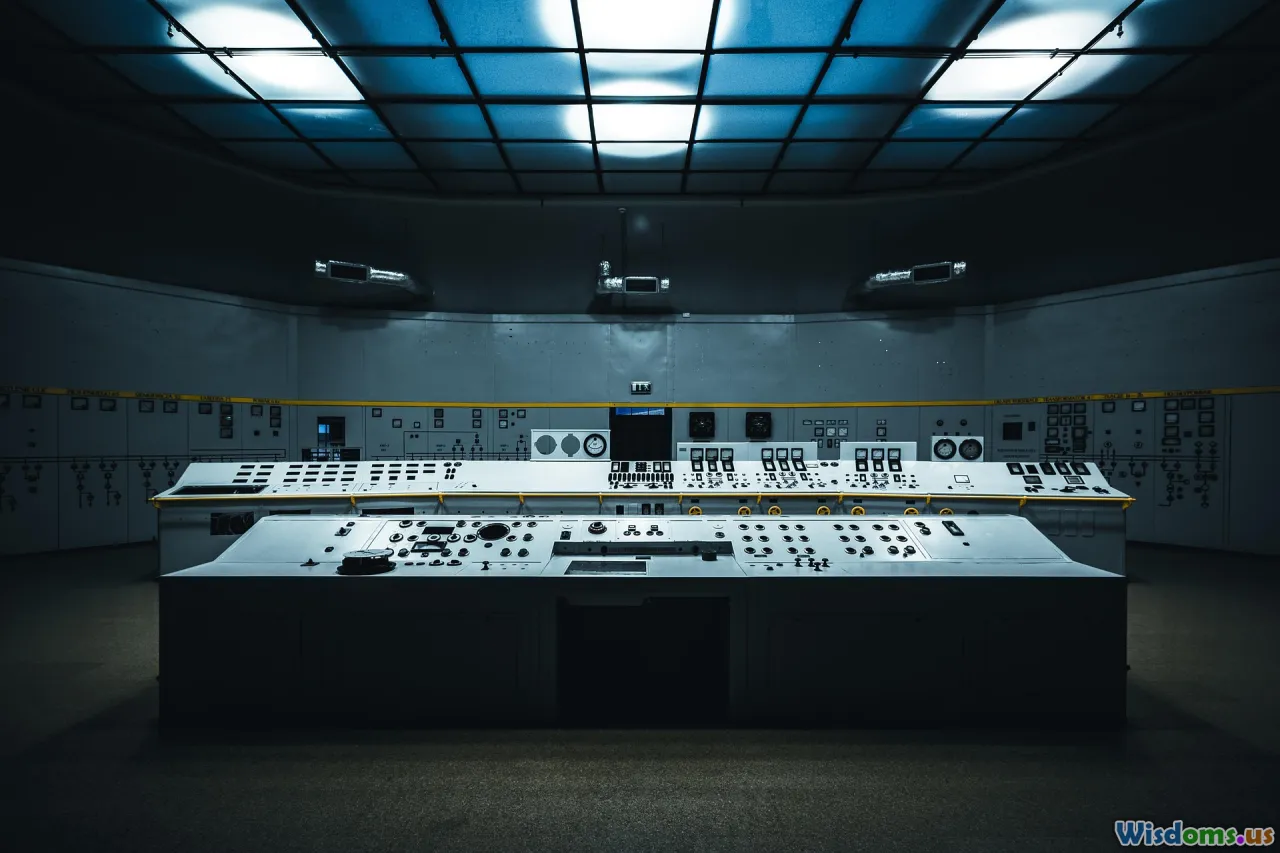
While audiences might imagine a fallen curtain or a magician losing a deck of cards, the most common failure modes backstage are technical:
- Automation interlock trips: A photo-eye senses an obstruction and halts a lift. Safety first means motion freezes mid-cue until reset.
- RF interference: A mic mutes at the reveal. In Vegas—dense with casinos, conventions, and shows—RF noise is a frequent antagonist.
- Quick-change snags: A dress panel catches on a concealed fastener. The performer misses the reveal by two bars.
- Pyro lockouts: Low haze density or airflow patterns blow sparks off mark; a licensed pyrotechnician inhibits the effect per NFPA 1126 guidelines.
- Timecode drift: A playback computer slips a frame. The lighting desk chases one tempo while automation hears another.
- Human factors: Sweaty hands miss a grip; a volunteer steps where they shouldn’t; fatigue dulls reflexes on show six of the week.
A meltdown isn’t one error; it’s a cascade. The moment the cascade starts, professionals pivot from “perform the show” to “protect the audience and reclaim the narrative.”
Case Study: The Vanish That Wouldn’t Vanish

At a midweek performance, an illusion calls for the star to appear inside a mirror cabinet that spins and then opens to reveal… nobody. A second later, the magician bursts through the audience aisle to a standing ovation—except, on this night, the spin stops halfway.
What happened, step-by-step:
- Pre-set: The automation tech verifies limit switches. A low-profile lift backstage-left is greenlit. The prop master inspects a magnetic latch on the mirror door.
- Cue: The show manager calls, “Standby Q187… Q187—GO.” Music swells; the cabinet rotates.
- Sensor fault: A proximity sensor reads open. The system reads it as a possible obstruction and halts. The rotation arrests at 40 degrees—enough to flash an angle the audience was never meant to see.
- Containment: Deck crew signals via comms: “Hold.” The stage manager kills the rotation cue and bumps a soft fill so the audience can’t read the mirror edge clearly.
- Salvage pivot: The magician abandons the planned reveal. Using patter—“Sometimes the mirror keeps my secrets too well”—they signals for the alternate track: the “aisle burst” without the full spin.
- Post-show triage: Diagnostics show a chafed cable feeding the sensor. A deck vibration had slowly worn the insulation; the short created intermittent false readings.
Takeaway: The trick didn’t fail because a prop was flimsy; it failed because a safety interlock did its job. The save worked because the team had rehearsed an “alternate track” and the performer practiced talking while thinking five steps ahead.
RF Wars in the Desert
Las Vegas is saturated RF territory. Between trade shows, hotels, and adjacent theaters, the UHF band can look like rush hour. Practical implications and fixes:
- Frequency planning: Coordinators often park systems in the 470–608 MHz range, avoiding the post-repack 600 MHz region and guard bands. Intermodulation charts and spectrum scans are updated nightly.
- Hardware choices: Systems like Shure Axient Digital or Sennheiser 6000/9000 offer spectrum scanning and fast frequency agility. Many headline shows maintain A/B handhelds on diverging groups to hot‑swap mid-sentence if necessary.
- Antenna placement: Remote paddles with proper polarization and line-of-sight beat chunky whip antennas living behind scenic flats. High-gain isn’t always better; it can pull in unwanted noise.
- Battery discipline: Smart batteries are logged by cycle; anything over a defined threshold (say, 250 cycles) is benched. An RF dropout caused by a dying cell at the reveal is a heartbreaker you can prevent.
- Redundancy protocols: A hidden boundary mic at the proscenium and a lav on the assistant can capture speech if the primary fails. Audio crossfades are rehearsed, not improvised.
If you’ve ever noticed a magician vamping with extra crowd work, consider it a tactical RF buffer while a frequency tech steps out with a fresh transmitter.
Heat, Haze, and Human Factors

The desert complicates stagecraft. Under lights, deck temperature can push above 100°F (38°C) even in an air-conditioned room. Consequences:
- Grip and glide: Perspiration changes how palmings, steals, and load transfers feel. Resin, rosin, or chalk must be dosed thoughtfully; too much leaves telltale residue under bright LEDs.
- Adhesives: Spirit gum and double-stick tapes loosen in heat. Professionals test adhesives in show conditions, not just in the shop.
- Haze density: Water-based haze affects sightlines and beam clarity. Too little and the “light architecture” supporting misdirection vanishes; too much and an audience member in Row B coughs, breaking concentration.
- Materials shift: Wood expands with humidity changes; a 1 mm swell can jam a precision sliding panel. Metal contracts in overconditioned air. High-end props incorporate expansion gaps.
- Performer stamina: Double-headers strain cognitive and physical focus. Hydration plans, cooldown breaks, and low-intensity blocking between heavy illusions guard against mental lapses.
You can write flawless cue stacks, but the human body still runs the show. Elite illusionists train like athletes because their hands, voice, and stride are as crucial as any motor.
Automation and Safety Interlocks
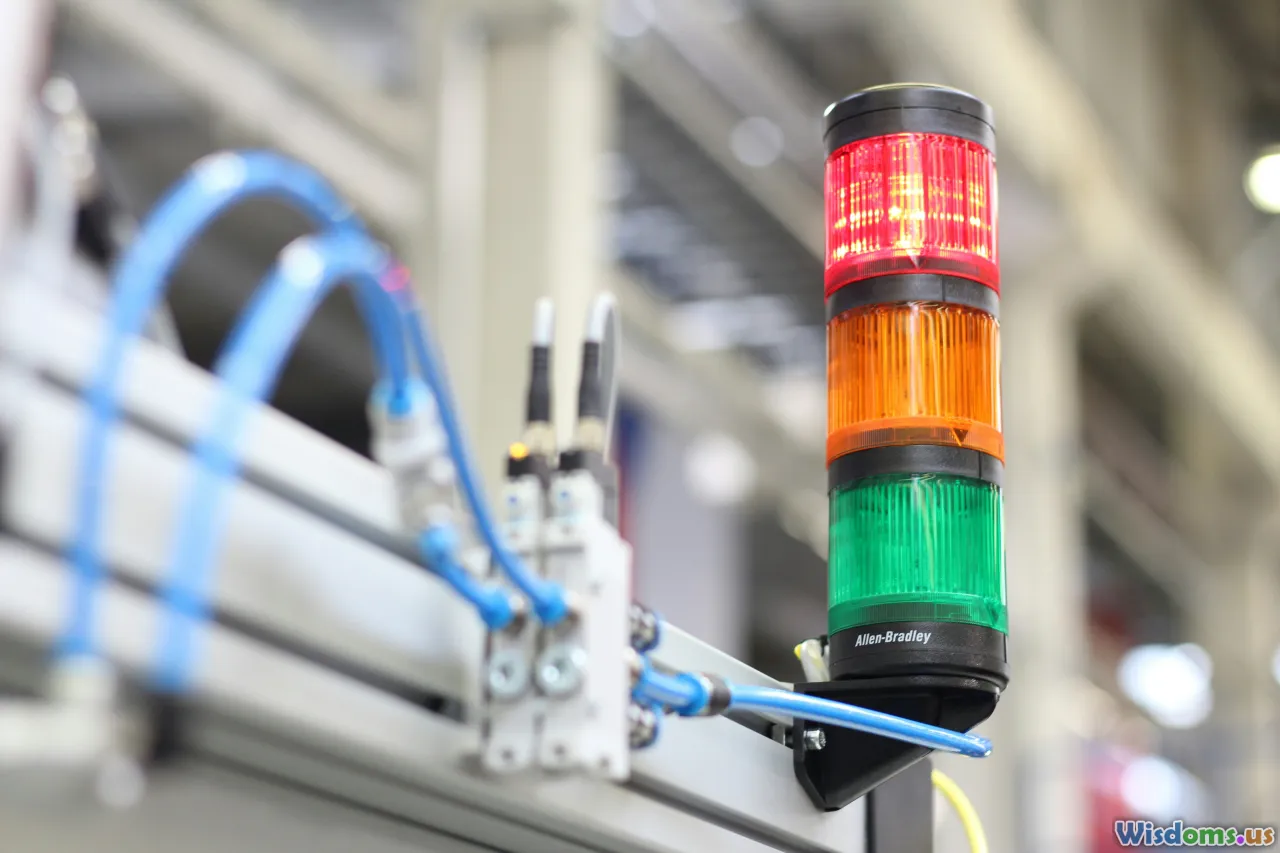
Nothing in a Vegas showroom moves unless a safety system allows it. Why shows sometimes “melt down” in full view:
- E-stops: Big red buttons halt all motion across systems. They’re wired fail-safe; once pressed, the reset cycle can take minutes. During that silence, a performer must hold the room with presence alone.
- Load sensors: Winches and hoists read live loads. A sudden spike—perhaps a stray prop catching scenery—forces a halt. Better a stop than a snapped line.
- Interlocked cues: A turntable won’t spin unless the trap knows it’s closed. When a cue fails, the decision tree is clear: stop, diagnose, or pivot to non-automated material.
- Logging and playback: Automation systems record faults to subsecond resolution. Post-show reviews examine fault codes, not finger-pointing narratives.
Pro tip for producers: Budget for shadow systems and service contracts. An extra axis of redundancy is cheaper than refunding a 1,500-seat house.
The Stage Manager’s Playbook for a Show Stop

When the room freezes, the stage manager becomes the metronome of calm. A typical flow:
- Call the hold: “Company, hold. House to half. Safety on stage.”
- Secure the space: Deck crew checks hazards. If pyro armed—disarm. If automation in fault—apply mechanical safeties.
- Communicate to audience: A prepared announcement keeps trust. Example script:
- “Ladies and gentlemen, we’re taking a brief pause to ensure your safety and the quality of the performance. Thank you for your patience—we’ll be back in just a moment.”
- Timebox the fix: If resolution isn’t found within, say, 120 seconds, pivot to Plan B segment. Past four minutes, offer concessions (drink vouchers, photo-op) to soften the wait.
- Debrief post-show: Document the chain, decisions, and outcomes. Update the playbook.
In a world where every audience member carries a camera, professionalism is the difference between a viral disaster and a “wow, they handled that like pros.”
Salvaging the Illusion: Misdirection Under Pressure

Magic lives in structure. When the structure flexes, pros have pre-built “outs”—escape hatches designed into routines:
- Alternate reveals: If a vanish stalls, pivot to a balcony entry or a sudden blackout with a spotlight sweep revealing the performer upstage.
- Volunteer management: Train front-of-house staff on volunteer wrangling. A “plant wrangler” can gently reseat a nervous participant and swap in a more confident one without spiking suspicion.
- Patter buffers: Keep modular stories ready: a 30-second anecdote or a call-and-response bit to refill the dead air.
- Music elasticity: Program underscore tracks with loopable bars before the hit. The MD or playback op can extend a vamp until the deck clears.
- Sleight fallback: If a gaffed prop breaks, switch to a sleight-based version. A classic force and top change still work when Wi-Fi doesn’t.
Remember: audiences root for you. If you signal that everything’s still inside the game, they’ll lean in.
Building Redundancy Like a Pro

Redundancy isn’t only about backups; it’s about fast, clean swaps.
- Power: UPS on show control, automation brains, and network switches. Critical nodes sit on isolated circuits with clean grounding.
- Audio: Dual playback rigs with auto-failover; redundant Dante paths or analog fallbacks. Label the big red “B” button so anyone can trigger a switchover.
- RF: A/B packs, spare antennas, and pre-labeled channels. Keep an emergency Lectro/IFB beltpack to cue the performer if comms die.
- Props: Duplicate small gaffs and consumables (flash paper, magnets, threaded needles) in lockable, QR-coded kits. Inventory after each show.
- Automation: Mirrored cue stacks on a second console, test-driven nightly at low speed. Where budget allows, parallel winches sharing load through a load-balancing block.
- Documentation: Laminated quick-cards at each station: “If X fails, do Y.” Under stress, clear steps beat tribal knowledge.
Test your backups in front of people. A redundancy you’re afraid to touch is a prop, not a system.
Pre-Show Checklists that Actually Work

A good checklist prevents 90% of meltdowns. A great one catches the weird 10% too. Build yours with:
- Critical path first: Automation safeties, rigging pins torqued to spec, interlock sensors clean, pyro inhibit toggles in known state.
- Battery map: Mics, IEMs, LED props, sensors. Replace based on a cycle count, not gut feel.
- Environmental tests: Haze level at 60% of target for the first look; thermal camera sweep on motors after warm-up; decibel check at FOH.
- Micro-inspections: Check magnets for chipping; re-seat Velcro in quick-change garments; ensure black art panels show zero sheen under a raking light.
- Dry runs: Walk illusions at half speed. Rehearse one random failure each night (e.g., “trap doesn’t open”); drill the out.
Sample torque specifics: If your motor deck uses M12 bolts, standard torque sits around 80–100 Nm—confirm with a manufacturer’s manual and apply threadlocker where vibration is expected. Details matter.
Money, Time, and Unions: The Real Constraints
Vegas runs on tight schedules. Consider the forces that shape your risk profile:
- Crew calls: With IATSE houses, minimum call lengths, meal breaks, and turnarounds are non-negotiable. Miss a meal break, pay a penalty—and fatigue creeps in faster.
- Dark days vs. maintenance: Producers debate an extra day off against a dedicated service block. The latter prevents failures that cost refunds.
- Budget allocation: Spending $15,000 on an RF redesign can save six figures in comped tickets over a season. The cheapest fix is often preventive.
- Rehearsal economics: An added tech rehearsal with all departments costs thousands. A show stop in front of 1,200 guests costs more in refunds, reviews, and reputation.
The smartest companies track “cost per avoided failure,” not just “cost per hour.” Over a residency’s lifespan, prevention outperforms apology.
When Social Media Is the Assistant You Didn’t Ask For

A show stop today is a post tomorrow. Manage the narrative:
- Set expectations: A pre-show announcement that safety is paramount earns goodwill if you need a pause later.
- Offer something: If a hold clears past three minutes, comp a drink coupon or a post-show photo-op. The gesture converts frustration into loyalty.
- Unified messaging: Train front-of-house. If anyone asks, every staffer says, “We paused to keep you safe and to deliver the best version of the show. Thanks for sticking with us.”
- Own it online: Post a short, gracious note if a meltdown made the rounds. Never blame a volunteer; never reveal method. Do acknowledge the audience and team: “They clapped us back in—and we finished strong.”
Handled well, a hiccup can humanize your brand. Handled poorly, it becomes your Google autocomplete.
Lessons from Legends Without Name-Dropping
Old-school magicians survived with fewer motors and more backups disguised as style. Lessons that still apply:
- Outs are part of the trick: Card workers always carry multiple “outs”—ways to be right no matter what the spectator names. Illusionists need the same philosophy at scale.
- Simplicity scales: A broom suspension works anywhere because it’s elegant. If your signature effect only functions on one stage in one humidity range, it’s a product demo, not a showpiece.
- Rehearse the ugly: Practice drops, mis-palm recoveries, and costume snags. The best ad‑libs are rehearsed possibilities.
- Visual clarity: Design illusions to be bulletproof against bad angles. Vegas rooms are wide and shallow; guard against edge seats seeing under your secrets.
Magic evolves, but the bones of good deception—structure, story, and safety—haven’t changed.
Toolkit: A 24-Hour Recovery Plan After a Meltdown

The show is over. Something failed. Here’s a process that respects both art and engineering:
Hour 0–1: Stabilize and document
- Lockout/tagout any suspect machines.
- Pull automation logs, RF scans, and console show files.
- Capture first-person accounts while memory is fresh. No blame, just facts.
Hour 1–6: Diagnose and replicate
- Bench test the failed component. Can you reproduce the fault in isolation?
- Review checklists: Was a step skipped or insufficient?
- Identify contributing factors (heat, humidity, operator load).
Hour 6–12: Decide and design
- Choose between immediate repair, temporary bypass, or program change.
- Draft an interim playbook: “Until part X arrives, we run Track B.”
- Communicate to ticketing and PR if the next show will modify effects.
Hour 12–24: Repair, rehearse, and reassure
- Implement the fix with a sign-off from department heads.
- Run a full-cue rehearsal. Force a failure to test the out.
- Brief FOH and cast on messaging. Reset inventory and checklists.
Bonus: Conduct a 5 Whys analysis to reach root cause. Then update SOPs, not just parts.
How-To: Design a Meltdown-Resilient Signature Illusion
If you’re developing a new closer for a residency, bake resilience into the design phase:
- Map the dependencies: List every system the effect touches—automation, lighting, haze, costumes, RF, volunteers. For each, define a low-tech fallback.
- Modular reveal points: Build two legitimate reveal locations: one onstage, one in the house. Rehearse both equally.
- Timecode tolerance: Score the music so you can drop a bar without a train wreck. Add subtle downbeats to mask timing shifts.
- Angle insurance: Use layered deception—black art plus mechanical plus psychological—so one failure doesn’t expose the method.
- Silent signaling: Develop hand signs between performer and deck crew that read from 30 feet and under show lighting. Avoid radio dependence at critical beats.
- Maintainability: Choose materials and fasteners that can be replaced with off-the-shelf parts at 11 p.m. in Las Vegas. Exotic is impressive until it breaks.
Your goal isn’t perfection; it’s graceful degradation under pressure.
Comparison: Touring Rig vs. Vegas Residency
Why meltdowns feel different on the Strip than on the road:
- Stability: A residency enjoys consistent rigging points, power, and room acoustics. Touring solves the room anew each night, raising variance risk.
- Crew continuity: Vegas keeps a core team together; touring adds more locals, each with a learning curve.
- Transport stress: Touring props face trucks, temperature swings, and fast loads—more wear, more surprises.
- Rehearsal time: Resident shows can tech during dark hours; tours often have a few hours between load-in and doors.
Paradoxically, residencies sometimes take bigger risks because the environment feels predictable. Respect the room, even when it’s your home.
Tips from the Deck: Micro-Habits That Prevent Macro-Failures

- Sharpie the stage: Mark every critical foot placement with invisible UV tape and check it with a penlight.
- Breathe checks: The performer and SM share a 4–7–8 breath before the big number to clear tunnel vision.
- Prop “click test”: Every latch and magnet gets an audible click check before half-hour.
- Cross-train: Each department shadows another monthly. An RF tech who’s watched quick changes will hand you better packs.
- Hazard bingo: Once a week, run a 10-minute “hazard hunt.” Whoever finds the most potential failures wins coffee.
Small rituals prevent big apologies.
What the Audience Never Sees—And How It Shapes What They Do
Illusions manipulate attention. So do meltdowns. Behavioral truths to exploit—ethically—when things slip:
- The primacy of story: People recall narratives over mechanics. If you tell them a coherent reason for a pause, they’ll remember the generosity, not the glitch.
- Edges of vision: Peripheral vision detects motion more than detail. If something misaligns, freeze everyone not essential to the pivot.
- Service recovery effect: In hospitality research, a well-handled failure can increase loyalty beyond a flawless service. Translate this: a slick save plus an extra moment with the star can produce raves.
- Applause as reset: Cue applause with a well-timed light bump and body language. Sound sweetens the reset and shortens the awkward.
A meltdown is a magic trick too: bending perception away from the problem and toward a new emotional truth.
When the curtain finally comes down—whether after a flawless vanish or a mid-show pivot—the memory that lingers in a Vegas room isn’t the gear. It’s the feeling: risk, daring, laughter, surprise. The professionals who thrive on the Strip know the secret behind the secrets isn’t a better mirror; it’s better preparation, kinder communication, and a performer who can look into 1,500 pairs of eyes and say, “We’ve got this,” and mean it. That’s the real illusion—and it holds even when the machinery doesn’t.
Risk Management Stage Magic Performing Arts Entertainment Industry Illusion Design Audience Psychology Magic & Illusions Legendary Magic Failures and Mishaps Stagecraft & Production Crisis Communications Las Vegas Show Production Rigging & Automation Backstage Operations Safety Protocols PR Crisis
Rate the Post
User Reviews
Other posts in Legendary Magic Failures and Mishaps





Popular Posts