Can Accessories Dramatically Change Your Entire Outfit
17 min read Explore how accessories can instantly transform outfits and redefine your personal style for any occasion. (0 Reviews)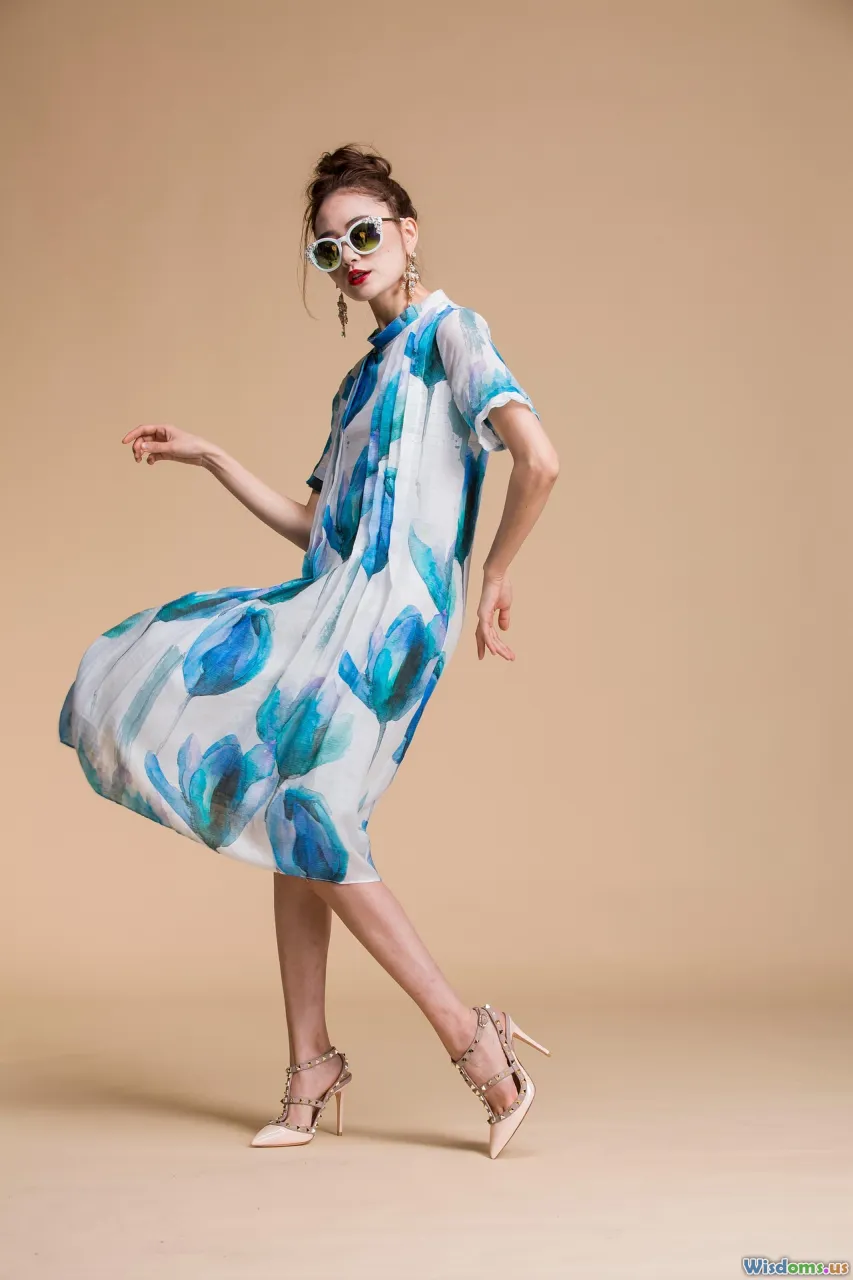
Can Accessories Dramatically Change Your Entire Outfit?
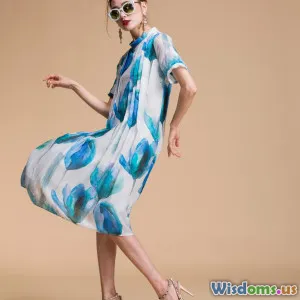
Have you ever glanced at your reflection only to feel that your outfit was missing something? Sometimes, the finishing touch isn't a new shirt or dress—it's the right accessory. Scarves, jewelry, belts, bags, and even shoes hold the power to transform how you look and feel. But just how significant is their impact? Let’s explore how accessories can take an ensemble from ordinary to extraordinary, and the art behind choosing and wearing them with intention.
Understanding the Power of Accessories

Accessories are more than mere afterthoughts—they’re active agents in the self-expression that is personal style. While clothing provides the foundation, accessories act as the punctuation marks, allowing wearers to showcase personality, mood, and creativity.
Consider the distinct difference a pair of oversized sunglasses or a patterned silk scarf can make against a plain white tee and jeans. These items can inject immediate drama or sophistication. For instance, Anna Wintour is rarely seen without her signature sunglasses, which have become as integral to her look as her iconic bob haircut. Similarly, designer Iris Apfel’s chunky jewelry pieces have elevated her personal style to legendary status.
In business settings, subtle yet well-coordinated accessories, such as cufflinks or a silk tie, exude professionalism without being ostentatious. Accessories also allow for experimentation since they can be swapped easily, letting you freshen or completely reinterpret your look with minimal investment.
How Accessories Can Elevate (or Undermine) an Outfit
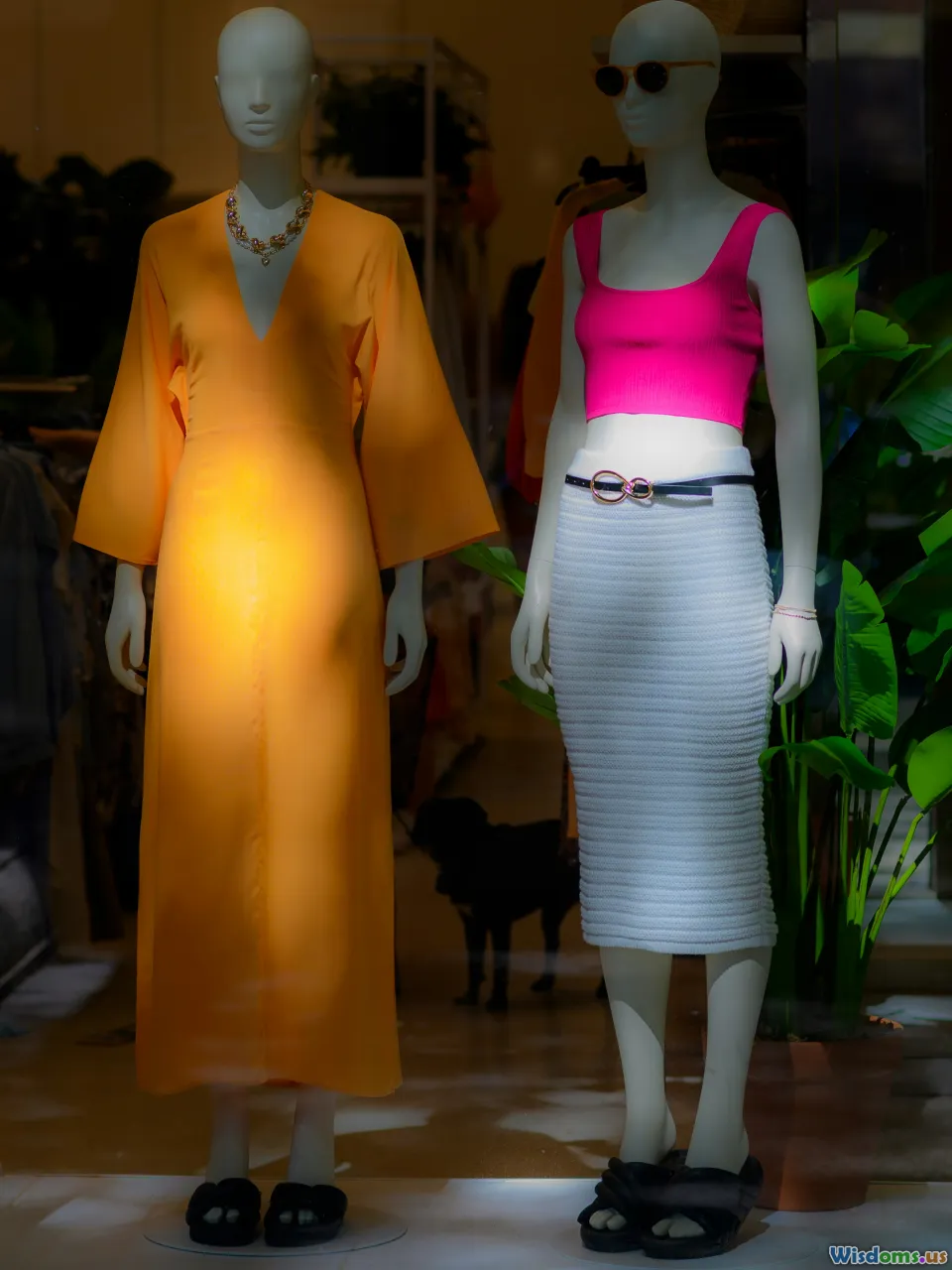
The addition or subtraction of an accessory can turn a basic outfit into something memorable—or, if done poorly, derail an otherwise strong look. Let’s break down how this works:
Elevating an Outfit:
- Statement Necklaces: Pairing a statement necklace with a simple black dress instantly adds glamor and focus. Think of Lupita Nyong'o's memorable turquoise collar at the Oscars.
- Structured Bags: An otherwise casual outfit takes on a more sophisticated edge with a structured satchel or clutch.
- Belts: A wide belt over an oversized blazer can add a waistline, creating visual interest and balance.
Potential Pitfalls:
- Over-accessorizing: Think of the saying "less is more." Layering necklaces, baubles, hats, bold shoes, and loud bags together might tip a look from stylish to chaotic, as reflected in fashion faux pas frequently spotted on red carpets.
- Mismatched Metals or Themes: For example, mixing highly polished silver jewelry with rustic wooden bangles can clash, diluting overall cohesion.
Understanding the balance and visual language of accessories develops with practice, but mindful choices always matter.
Accessories and the Psychology of Style
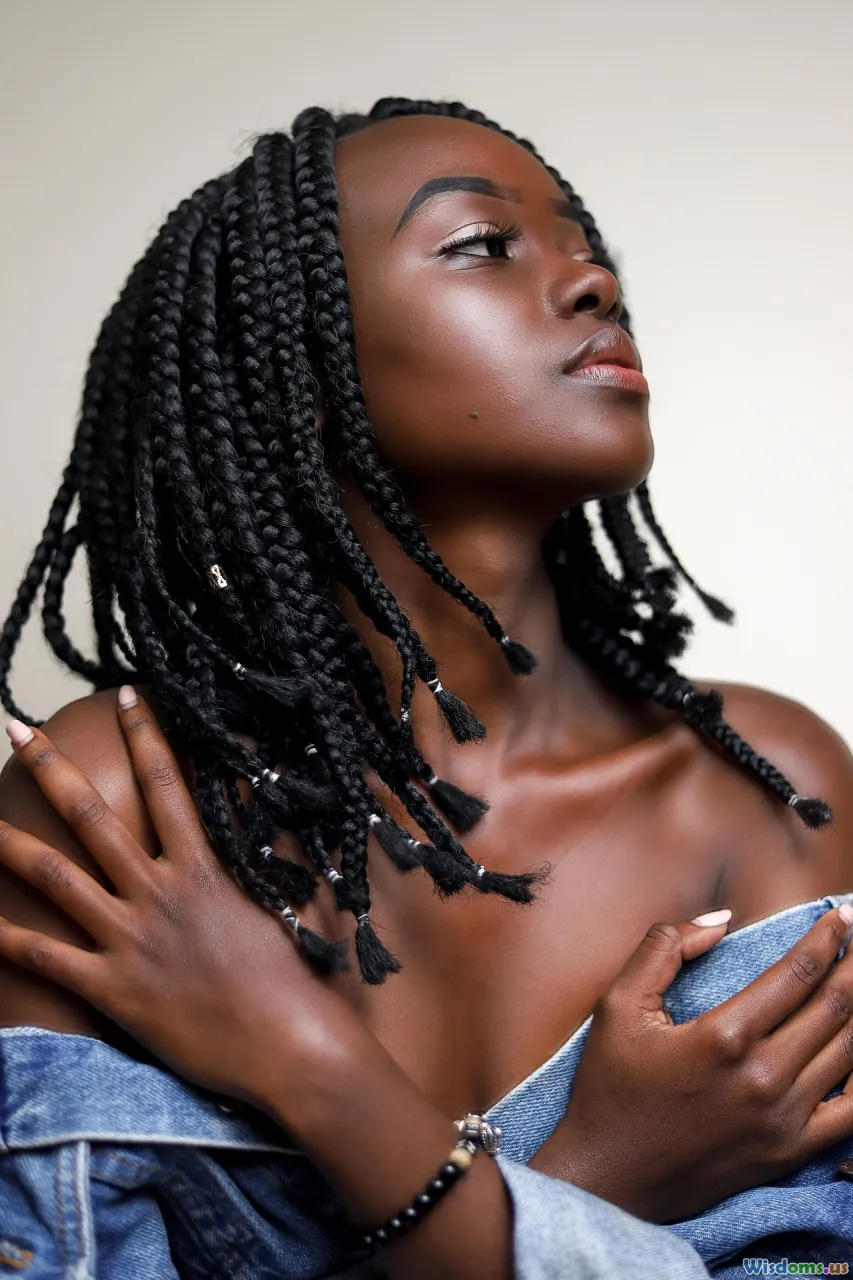
Accessories do more than decorate—they communicate. Wearing bold red earrings might signal confidence or attract attention, while minimal pearls can indicate elegance and restraint. This phenomenon is recognized in the field of fashion psychology, where studies suggest accessories influence both self-perception and how one is perceived by others.
According to Dr. Carolyn Mair, author of The Psychology of Fashion, the act of choosing a distinctive accessory can elevate mood and confidence levels through a psychological process known as "enclothed cognition." For example, a person wearing a cherished watch might feel more punctual and composed, while a flamboyant hat could evoke a sense of adventure or fun.
Accessories can also serve as conversation starters or symbols of affiliation (such as fraternity pins or charitable bracelets), subtly conveying values and interests without words. As such, accessories aren't merely decorative—they're deeply personal markers on the stage of daily life.
Shoes: The Silent Statement-Makers
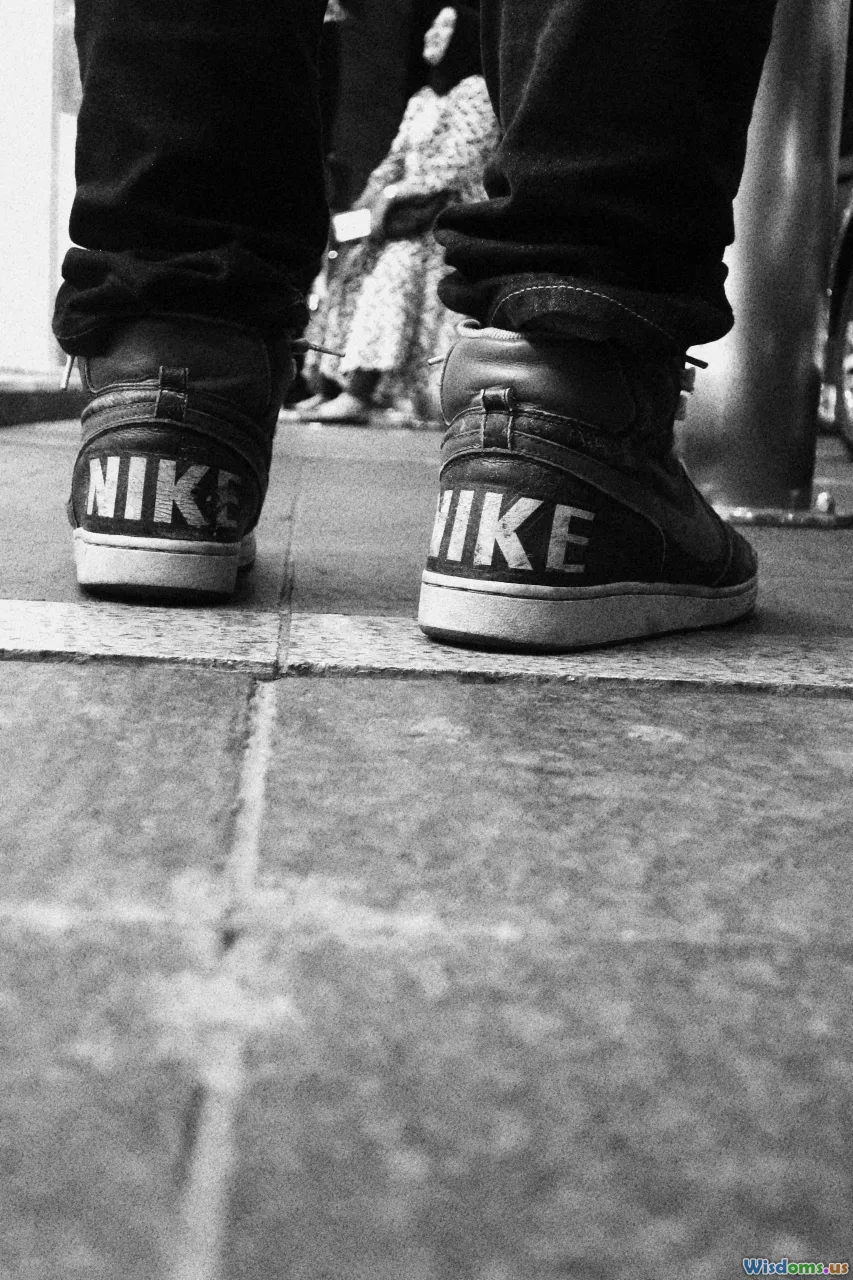
Never underestimate the message a shoe can send. From elegant pumps that elongate legs to rugged boots that add an edge, the right footwear curates an outfit's story—and changes its impact entirely.
Consider the effect of swapping white sneakers for stiletto heels with the same jeans and T-shirt. Instantly, the mood transitions from casual weekend errands to a chic, ready-for-anything vibe. Oxford-style shoes can transform a breezy summer dress into an unexpectedly androgynous, modern look. Likewise, knee-high boots can winterize short skirts, while colorful sandals lend playfulness to warm-weather ensembles.
Judith Milgrom, founder of Maje, once remarked, "Shoes are the only accessories you really need. They have the power to change not only your posture, but your attitude." Your choice of shoes anchors your outfit, literally and metaphorically.
Scarves, Hats, and Layering Magic
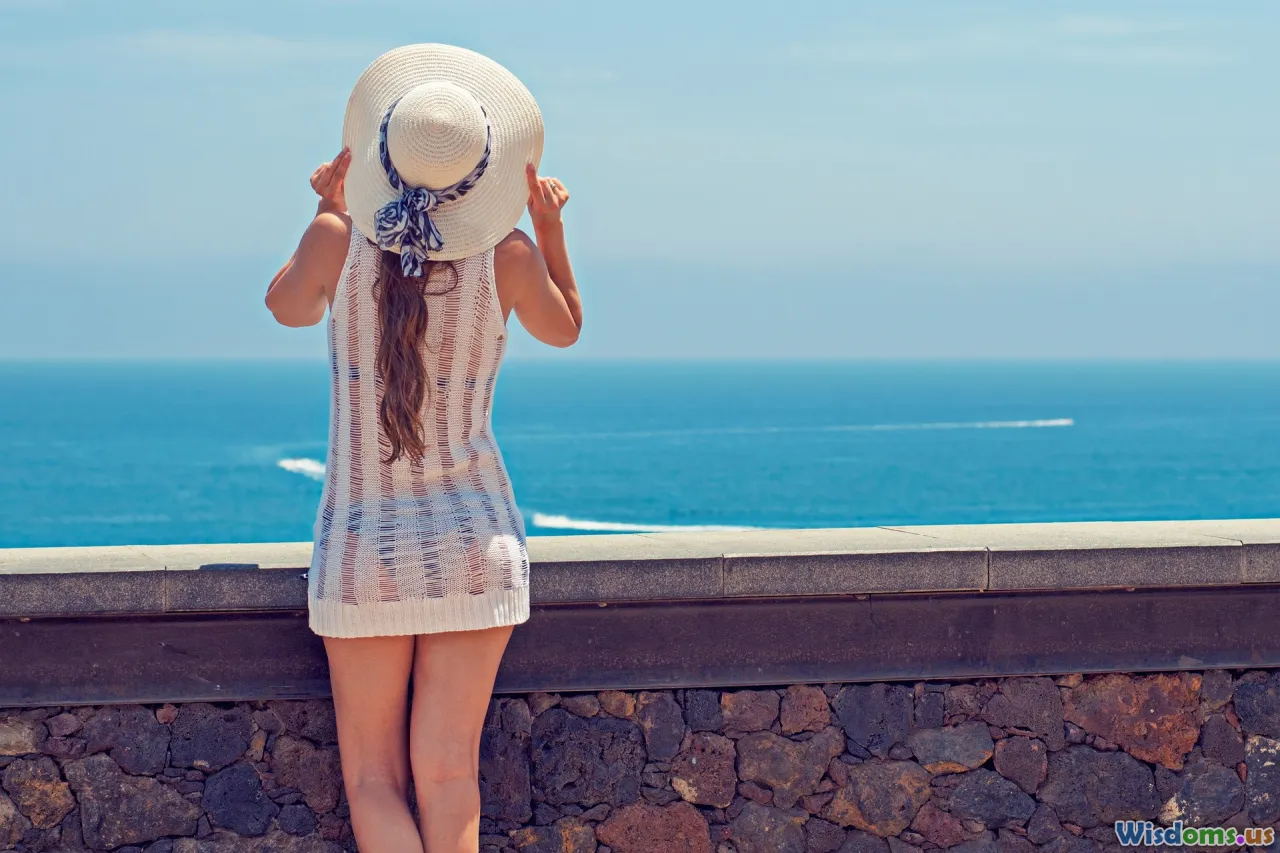
The simplest scarf or hat can redefine the tone of any ensemble. In Paris, it's not unusual to see a svelte monochrome look animated by a floral silk scarf. Scarves offer boundless versatility—tied at the neck, worn as a headband, or even knotted onto a bag handle.
Hat styles are equally transformative. A classic fedora brings urban polish, while a slouchy beanie suggests effortless cool. Wide-brimmed sun hats not only protect from UV rays but instantly channel Riviera-chic. Berets, newsboy caps, baseball hats—all project unique attitudes when thoughtfully paired.
Layering accessories—like stacking thin bracelets or layering rings—draws attention to your hands and wrists, subtly encouraging interaction (a favorite trick in the world of networking and social events). Each additional accent is a narrative decision, guiding the eye and shifting the outfit’s emotional resonance.
Jewelry: From Subtle To Statement
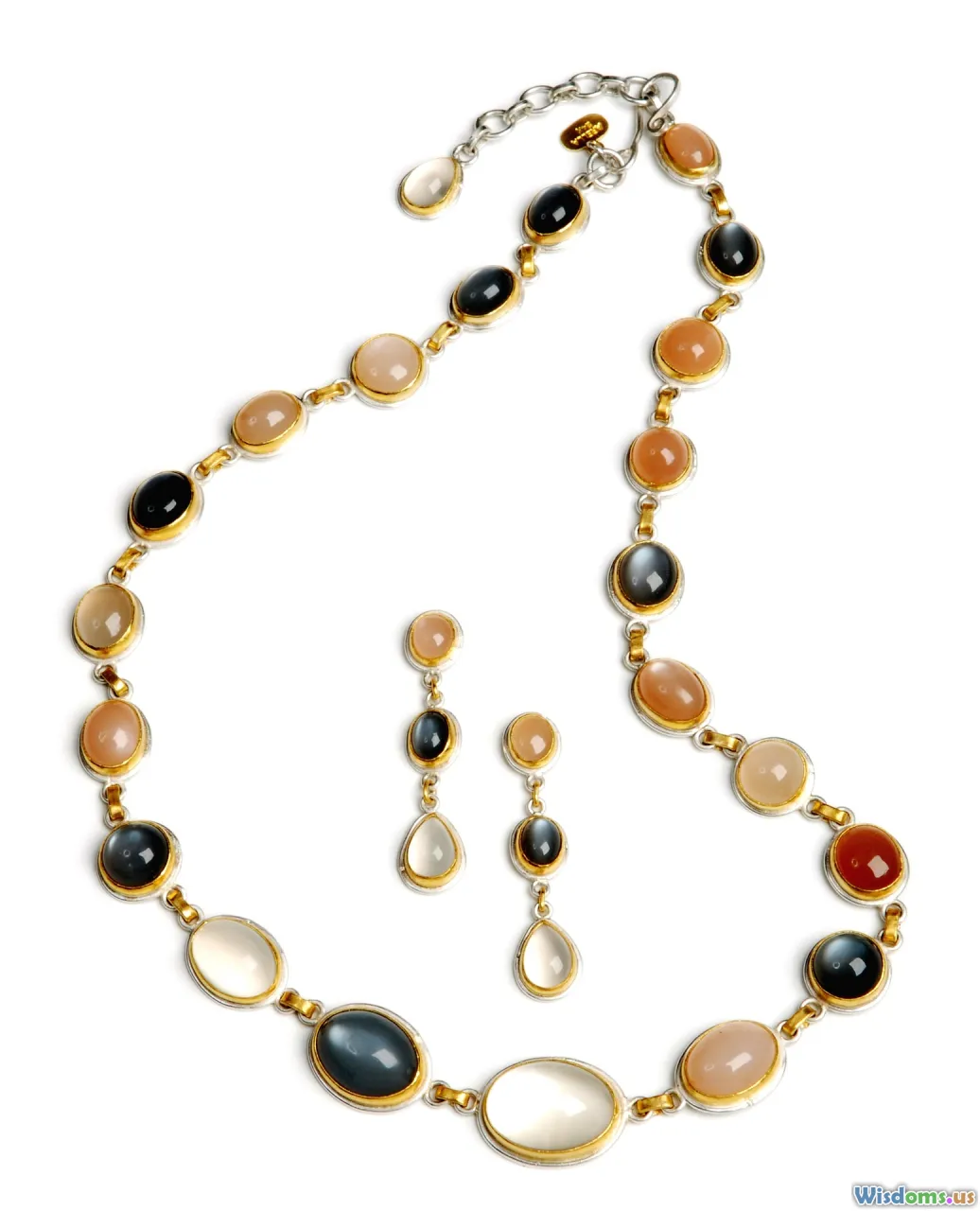
Jewelry, in particular, carries transformative potential. Minimal pieces, like delicate gold studs or a fine chain, amplify a sense of refinement. Conversely, oversized hoops, chandelier earrings, or cocktail rings create a bold personality even alongside subdued clothing. Consider how Sarah Jessica Parker in Sex and the City reinvented basic outfits with daring layers of pearls or chunky cuffs.
Layering is another trend—mixing several neckpieces of varying lengths, you can bring depth and dimension to a crew-neck sweater or plain blouse. Dangling earrings naturally frame the face, drawing attention to your smile and cheekbones.
Pro tip: Allow jewelry to compensate for wardrobe limitations. If a day’s outfit veers into uniform territory (think corporate suiting or scrubs), an unexpected brooch or personalized pendant can reclaim individuality.
Bags and Belts: Small Edits, Major Impact
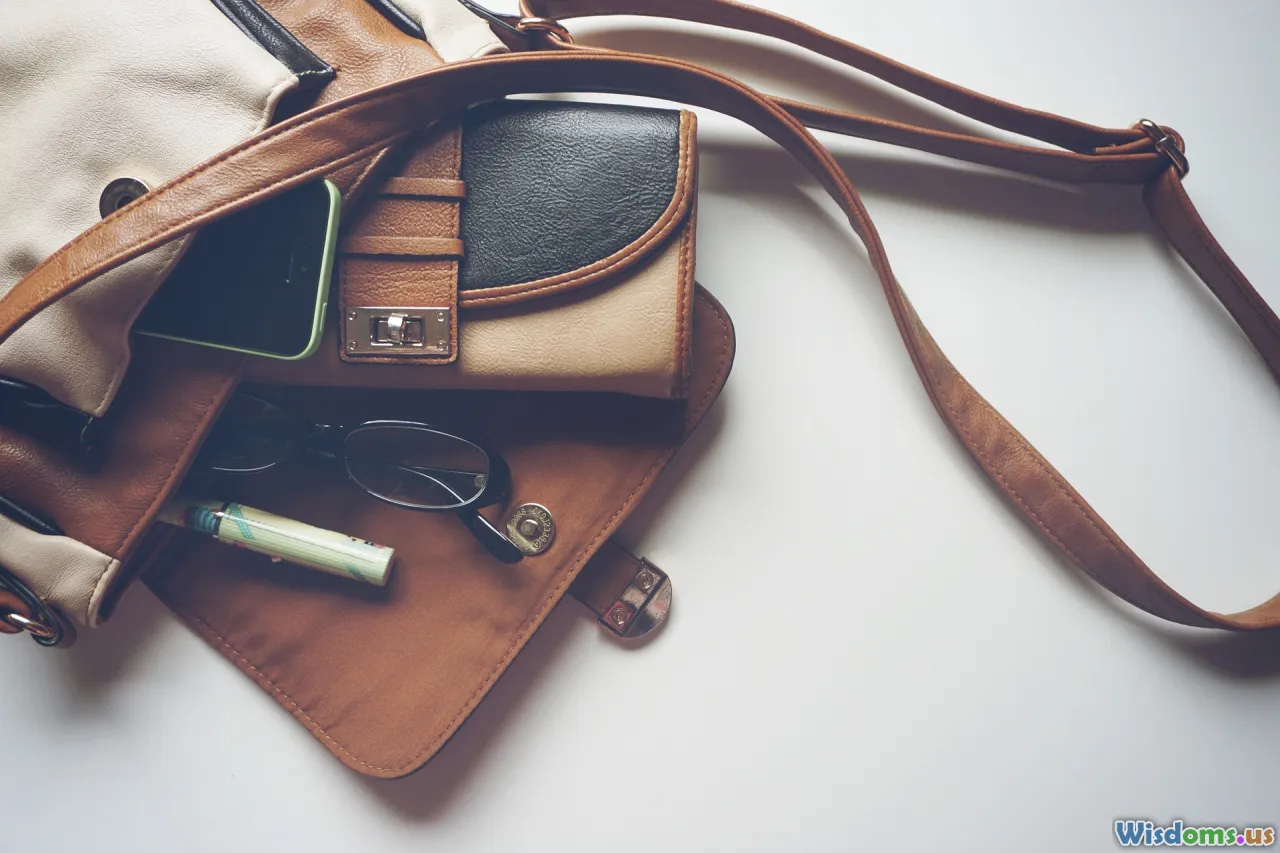
The right bag and belt can convert the primmest of ensembles into an editorial-worthy look. Crossbody bags blend hands-free convenience with urban flair, while micro-bags, though barely functional, serve as playful “eye candy”—just look at any influencer’s feed from Paris Fashion Week for inspiration.
Belts deserve special acclaim: Whether cinched over blazers, dresses, or cardigans, they create shape, break up monochrome, and add intentionality. Iconic examples include the Hermès belt—centerpiece of countless street style moments—or the classic chain belt draped over Chanel’s timeless tailoring.
Play with positioning: A obi-style belt at the waist introduces dramatic structure, while a skinny belt at the hips conjures ’90s cool. Similarly, matching bag and shoe colors can both anchor and elevate, making even a basic outfit look expertly assembled.
How-To: Revamp Your Wardrobe With Accessories
Want to test the transformative power of accessories yourself? Here are actionable steps for a wardrobe refresh:
-
Start Simple: Pick an everyday outfit—a white T-shirt and black pants, for example. Now, experiment with different combos:
- Neck scarf + flats
- Chunky statement necklace + heels
- Bright crossbody bag + bold earrings
-
Swap Out Footwear: Notice how sneakers relax the look, while heeled boots or loafers assert structure and polish.
-
Play with Proportions: Try layering long earrings with a high neck top, or stack multiple bracelets to create texture.
-
Update Seasonally: Use accessories to transition outfits. Swap pastel jewelry for rich metallic tones in autumn, or trade heavy winter scarves for silk versions in spring.
-
Personalize: Pin an antique brooch to your blazer; invest in a monogrammed purse or unique artisan jewelry. Your choices become extensions of your narrative.
Photographing each combination can help you identify what works best for your style, building confidence to take bolder accessory risks daily.
Celebrity and Runway Examples: Accessories as Signature
Many style icons solidify their image through accessories. Take a cue from these recurring themes:
- Queen Elizabeth II: Her collection of colorful hats and brooches long served as a regal signature, with each selection intentional and meaningful.
- Harry Styles: Whether fringe gloves, pearl necklaces, or retro sunglasses, Harry’s sartorial choices are heavily punctuated by inventive accessorizing, often rallying trends across genders.
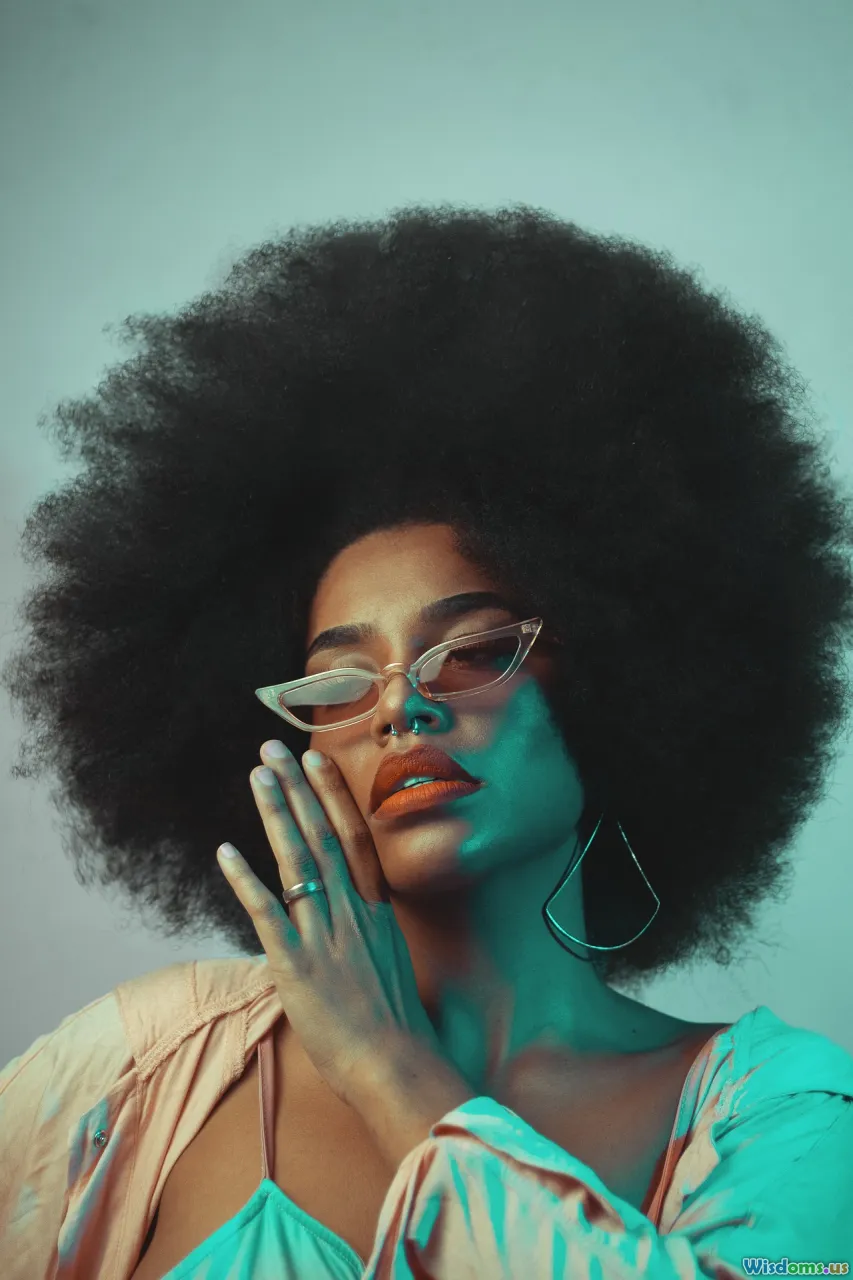
- Rihanna: From bold chokers to thigh-high boots and dramatic sunglasses, Rihanna consistently demonstrates how assertive accessorizing commands attention and dictates the conversation around an outfit.
On the runway, major designers elevate basic garments with inventory-distinctive pieces: Prada’s robust headbands, Balenciaga’s geometric sunglasses, or Moschino’s playful handbags. These accessories don’t just support looks—they define them, inviting high-street emulation.
Accessorizing for Different Occasions

Matching accessories to context is key. Here are scenario-specific guidelines:
- Office: Opt for functional yet subtle: a leather watch, silk square scarf, and simple stud earrings. Within business norms, these elements express both focus and creativity.
- Casual Weekend: Perhaps stack beaded bracelets, slip on patterned sneakers, or tote a slouchy bag. Comfort leads, but personality still shines.
- Evening or Festive Occasions: Go bolder—crystal chandelier earrings, metallic belts, or graphic clutches bring energy and attention to after-hours outfits.
- Travel: Practicality marries style: fanny packs, multifunction scarves, and stowable hats support comfort without sacrificing flair.
Every occasion offers a canvas on which accessories paint new moods—all while extending your wardrobe’s mileage.
Tips for Mastering the Art of Accessorizing
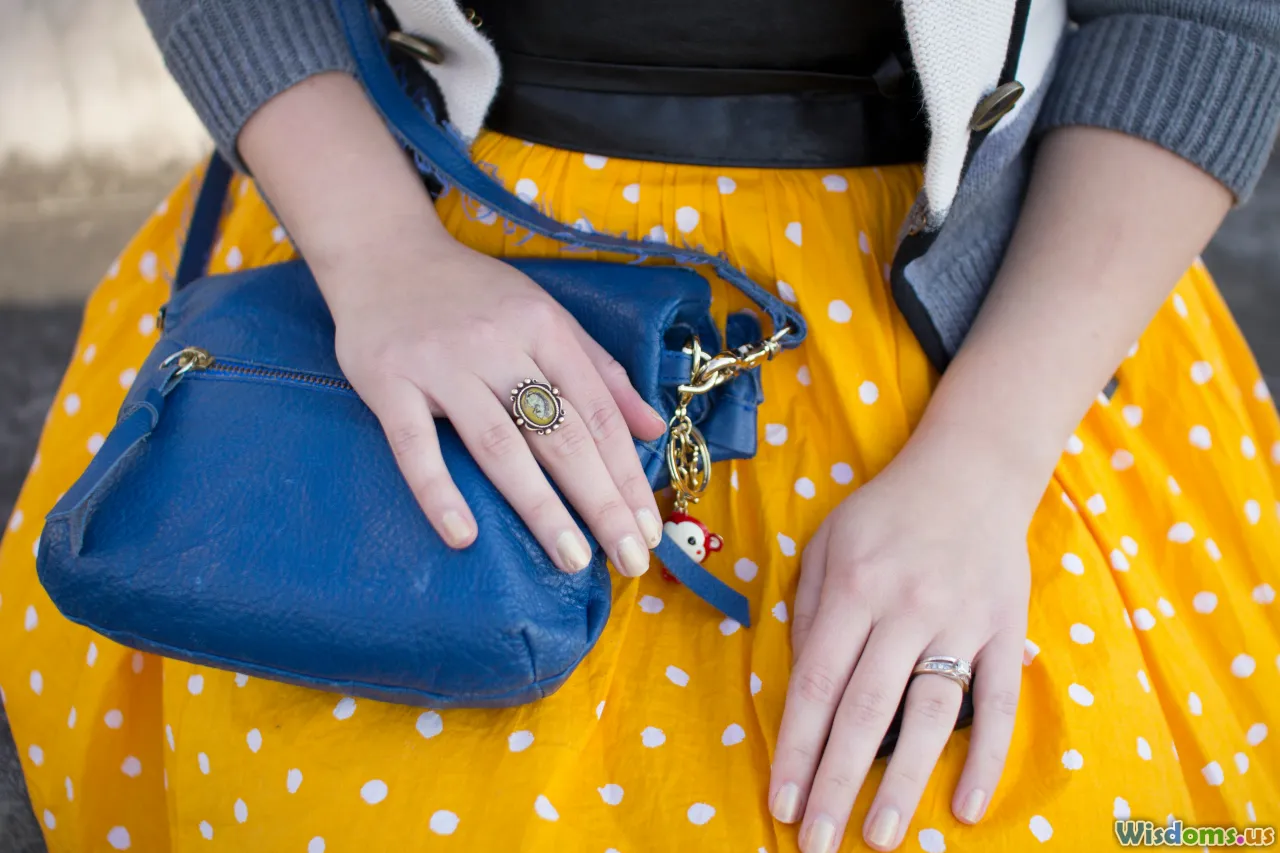
- Edit ruthlessly: Before stepping out, remove one accessory. This ensures you avoid visual clutter and allows statement pieces to stand out.
- Balance size and color: If the jewelry is large, go softer with other elements; if shoes are patterned and bold, let your bag recede.
- Learn your palette: Accessorize with tones that complement your skin, clothing, and the season.
- Experiment with vintage or sustainable options: Thrifting unique accessories is budget- and eco-friendly.
- Think about function: Sunglasses and hats not only transform looks—they add sun protection. Backpacks blend hands-free practicality with athleisure edge.
- Reflect and adapt: Capture your most successful combinations. Feedback from trusted friends or style blogs can foster growth and inspiration.
Accessorizing is a dynamic, intuitive practice that matures with eqperience. Start simply and don’t hesitate to express yourself.
Next time you’re unsure what to wear, grab a treasured accessory and see how it changes your outfit—and maybe, your day. The magic of accessories lies in their ability to adapt, elevate, and tell your story, one detail at a time.
Rate the Post
User Reviews





Popular Posts