Can Archaeology Ever Solve The Mystery Of The Phaistos Disc
25 min read An evidence-led look at the Phaistos Disc: competing theories, new analytical methods, and what archaeology can and cannot prove about its origin, script, and authenticity. (0 Reviews)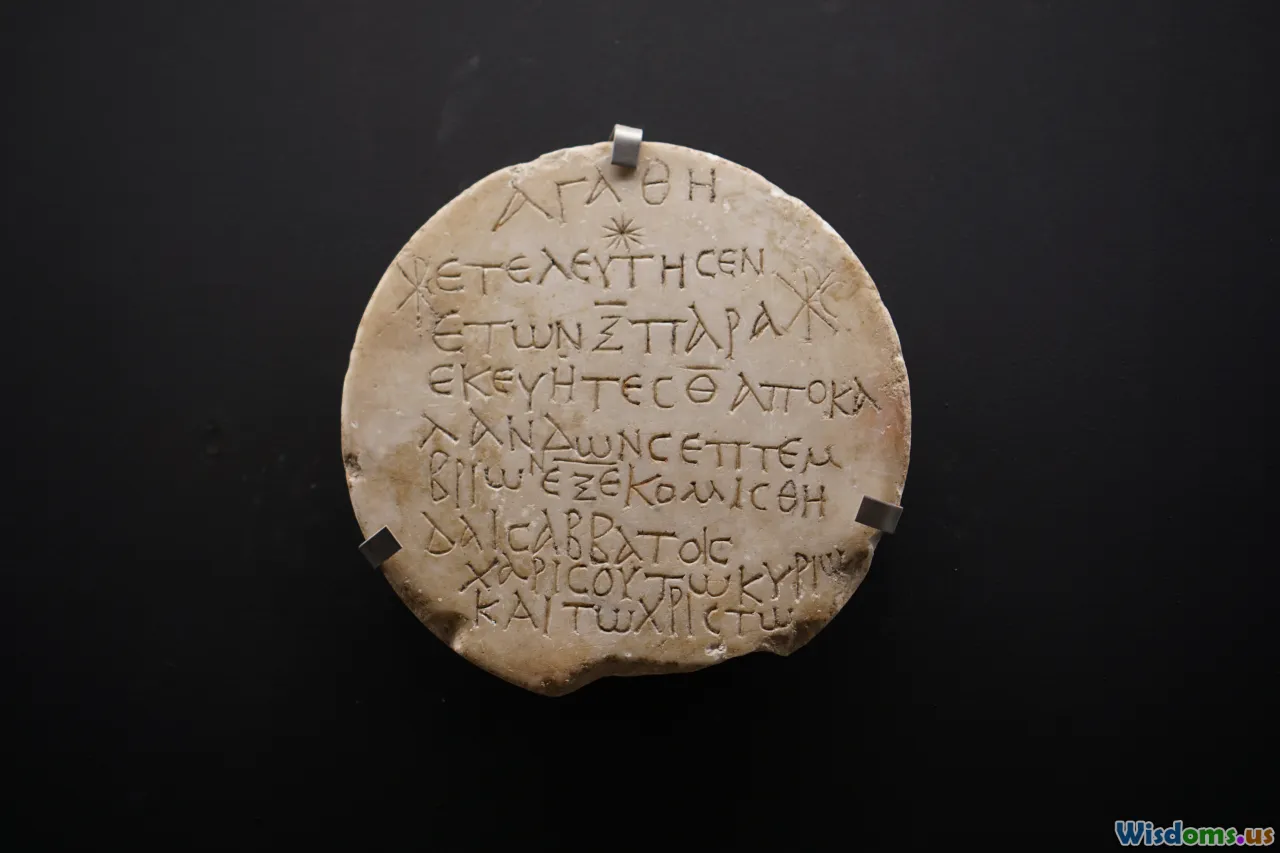
Barely fifteen centimeters across and stamped with tiny pictorial signs spiraling from rim to center, the Phaistos Disc is one of archaeology’s most confounding objects. Since its discovery in 1908 in the palace complex at Phaistos on Crete, the disc has seduced scholars and the public alike with the promise of a Bronze Age message just out of reach. Can archaeology ever solve its mystery? The short answer is yes—just not by a single dramatic eureka. The longer answer is a roadmap of methods, comparisons, and practical next steps that could transform curiosity into evidence.
The singular enigma of a stamped spiral
The Phaistos Disc is unique on several fronts:
- It’s double-sided, with about 242 individual impressions grouped into 61 clusters and drawn toward the center in a spiral.
- The sign inventory comprises roughly 45 distinct pictograms, including a plumed head, a shield-like symbol, arrows, flowers, ships, and tools.
- The impressions were made with moveable stamps while the clay was still damp, then the disc was fired—an early, singular example of a kind of “pre-typographic” technique in the Aegean.
Context matters. The disc was found by the Italian archaeologist Luigi Pernier in a small basement room within the Minoan palace complex at Phaistos, in a level broadly consistent with the Middle Minoan period (often dated to the 17th century BCE, though there is a range). In the same general context, a fragmentary Linear A tablet was recovered—a suggestive pairing. If the disc’s script had been standard in the palace bureaucracy, we might expect more examples; instead, we have only this one artifact.
That singularity fuels debate. Is the disc authentic? Most specialists accept it as genuine, citing the excavation context, the technological plausibility, and the lack of compelling evidence of forgery. A minority—most notably Jerome Eisenberg—have raised forgery concerns, pointing to the disc’s uniqueness and the absence of parallel stamps. The majority view holds, but the very fact that authenticity remains discussed emphasizes the disc’s outlier status.
What archaeology can already tell us
Even without a translation, archaeology yields facts:
- Manufacture: The impressions occur consistently across the disc, with signs showing minute repetitions indicative of the same stamp used multiple times. This points to a toolkit of 40+ stamps. The spiral was ruled or guided by incised lines before stamping—evidence of planning.
- Reading direction: Many scholars argue the text flows from the outer edge to the center, based on sign orientation and layout (e.g., signs face the direction of reading in several scripts).
- Script type: The repeated short groups—separated by vertical dividers—suggest words or phrases. Some groups share suffix-like endings, hinting at a syllabic or mixed logo-syllabic system rather than a purely alphabetic or pictographic one.
- Cultural interface: The co-occurrence with a Linear A tablet hints that literate activity was taking place nearby. However, the disc’s signs are not Linear A. If the disc’s script was Minoan, it was a different writing tradition; if it was imported, it represents contact across the Aegean or Near East.
- Use and deposition: The disc’s pristine legibility and deliberate manufacture suggest it was not a throwaway. Its deposition in a basement room—potentially a storeroom or archive space—suggests it was kept for reference, ritual, or safekeeping rather than discarded.
These points don’t translate the text, but they narrow the interpretive field. Any claimed reading must fit these observable constraints.
The decipherment playbook: why corpus matters

Every successful decipherment leans on three pillars:
-
A large corpus. Michael Ventris could crack Linear B because thousands of tablets supplied patterns. With the Phaistos Disc we have only 61 groups on one object. That’s barely enough to sketch frequencies, let alone test hypotheses.
-
A bilingual or known language anchor. The Rosetta Stone aligned Egyptian hieroglyphs with Greek; the Behistun Inscription aligned Old Persian, Elamite, and Babylonian. For Linear B, place-names and Greek-like inflectional patterns provided footholds. The Phaistos Disc offers neither.
-
External constraints. Date, context, and iconography limit plausible languages and content. A Middle Minoan object from Crete is unlikely to be written in Classical Greek or Phoenician as we know them centuries later, but connections with Anatolia or the Levant aren’t implausible, given Bronze Age maritime networks.
Given these realities, sweeping decipherment claims for the disc almost always overreach. A single artifact is too small a basis for robust statistical arguments. That does not make the disc undecipherable in principle—it means archaeology must first enlarge the evidentiary base.
Comparing the Phaistos Disc to other undeciphered scripts
- Indus script: Thousands of short inscriptions exist, but no bilingual texts and uncertain language alignment. Despite the large corpus, the lack of long texts and limited context stymie consensus readings. The disc has the opposite problem: potentially known context but a corpus of one.
- Rongorongo (Rapa Nui): A small corpus of wooden tablets with repeated signs, no bilingual, and catastrophic loss of context. Like the disc, the corpus is too small for decisive linguistics. Both show that uniqueness or rarity is the enemy of decipherment.
- Linear A: Closely related to the disc’s cultural world, with several hundred inscriptions but still not deciphered; the language remains unknown. Any bridge between the disc and Linear A would be a game-changer—if we found one.
The takeaway: when decipherment succeeds, it’s because texts accumulate, contexts multiply, and anchors emerge. Archaeology’s most realistic path forward is to convert a one-off into a family of related texts.
The authenticity debate: what evidence would settle it?
While most scholars accept the disc as genuine, archaeology and materials science could deliver higher confidence:
- Thermoluminescence (TL). A standard method for dating fired clay by measuring trapped electrons. If TL could be applied (museum policies can limit sampling), a Bronze Age firing date would weigh heavily for authenticity.
- Clay sourcing. Petrographic thin-section analysis and portable X-ray fluorescence (pXRF) can suggest the clay’s geological source. If the disc’s clay composition matches local Cretan sources used in Minoan ceramics, that supports authenticity and local manufacture.
- Microwear and microcracking. Scanning electron microscopy (SEM) can examine tool marks and microfractures. A pattern consistent with ancient wear and post-depositional processes is hard to fake convincingly.
- Residuals and contamination. Mass spectrometry of surface residues (if any) could reveal ancient organics or modern handling; neither proves nor disproves authenticity alone but can tip the scales.
None of these steps translate a single sign. But they do determine the playing field: a genuine Middle Minoan artifact with a unique writing technique demands one research path; a later or modern object demands another. The highest-value outcome is not to end the debate by opinion but to anchor it in measurable data.
A field archaeology roadmap to progress
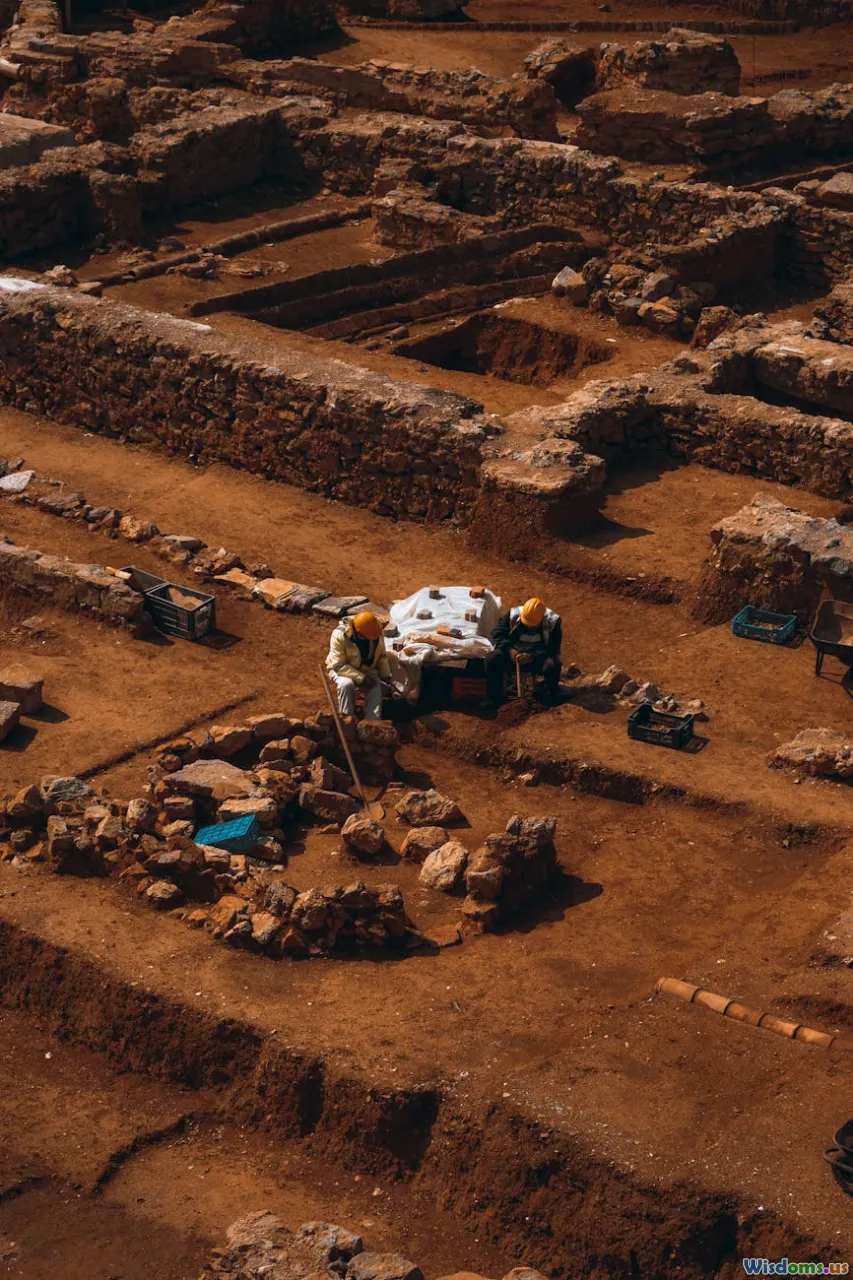
If archaeology is to “solve” the disc, fieldwork must aim to multiply contexts and texts. Practical steps:
- Targeted excavation around Phaistos, Agia Triada, and Kommos. These sites formed a network on Crete’s south coast. The disc may not be unique—only uniquely found. Controlled excavations in archives, magazines, and secondary deposits (rubble fills) may reveal fragments of related stamped tablets or clay objects.
- Revisit legacy collections. Museum storerooms hold thousands of unstudied or miscatalogued fragments. A systematic review focusing on spiral scoring lines, stamped impressions, or unusual pictograms could surface overlooked kin. Create a cataloging workflow that flags spiral incisions or repeated tool-impressions.
- Geophysical survey. Ground-penetrating radar (GPR) and magnetometry can identify buried rooms and hearths where clay tablets might have been fired incidentally during destruction events, as happened at Mycenaean and Hittite sites. Prioritize zones with evidence of burning that could have baked unfired documents.
- Wet-sieving and micromorphology. Fine-screen sediments from likely scribal areas to catch tiny clay tags or fragments that escaped notice; take micromorphology samples to reconstruct surface activity, which may reveal areas of repetitive stamping or writing.
- Cross-site comparisons. If the disc’s script was imported, likely comparison regions include the southern Aegean, western Anatolia, and the Levant. Collaborative surveys that share search criteria (spiral incisions, stamp replication) broaden the net.
These steps convert a hypothesis—“there might be more like it”—into a testable field program.
Lab science and imaging: reading what the naked eye misses
Short of new texts, better readings of the one we have still matter. Non-invasive imaging has a strong track record with hard-to-read inscriptions:
- Reflectance Transformation Imaging (RTI). By virtually re-lighting surfaces, RTI can reveal shallow or worn impressions and the exact sequence of stamp placements. This can refine sign shapes and identify overstrikes.
- Micro-CT scanning. High-resolution X-ray tomography might distinguish internal densities where stamps compressed the clay differently, potentially exposing hidden corrections or even the tool’s edge geometry.
- 3D microtopography. Laser scanning or focus-variation microscopy can quantify the depth and slope of each impression, distinguishing multiple uses of an individual stamp. This could reveal if a stamp chipped mid-process—useful for reconstructing a stamp inventory.
- Multispectral imaging. Certain wavelengths can enhance surface contrast and reveal post-firing surface treatments or faint guideline incisions.
Such methods don’t decode the text, but they generate the authoritative sign list and group boundaries a future decipherment will require. They also help test repeatability: can independent teams draw the same sign inventory from the same images? That kind of methodological rigor is essential for progress.
Hunting the missing pieces: the case for the stamps
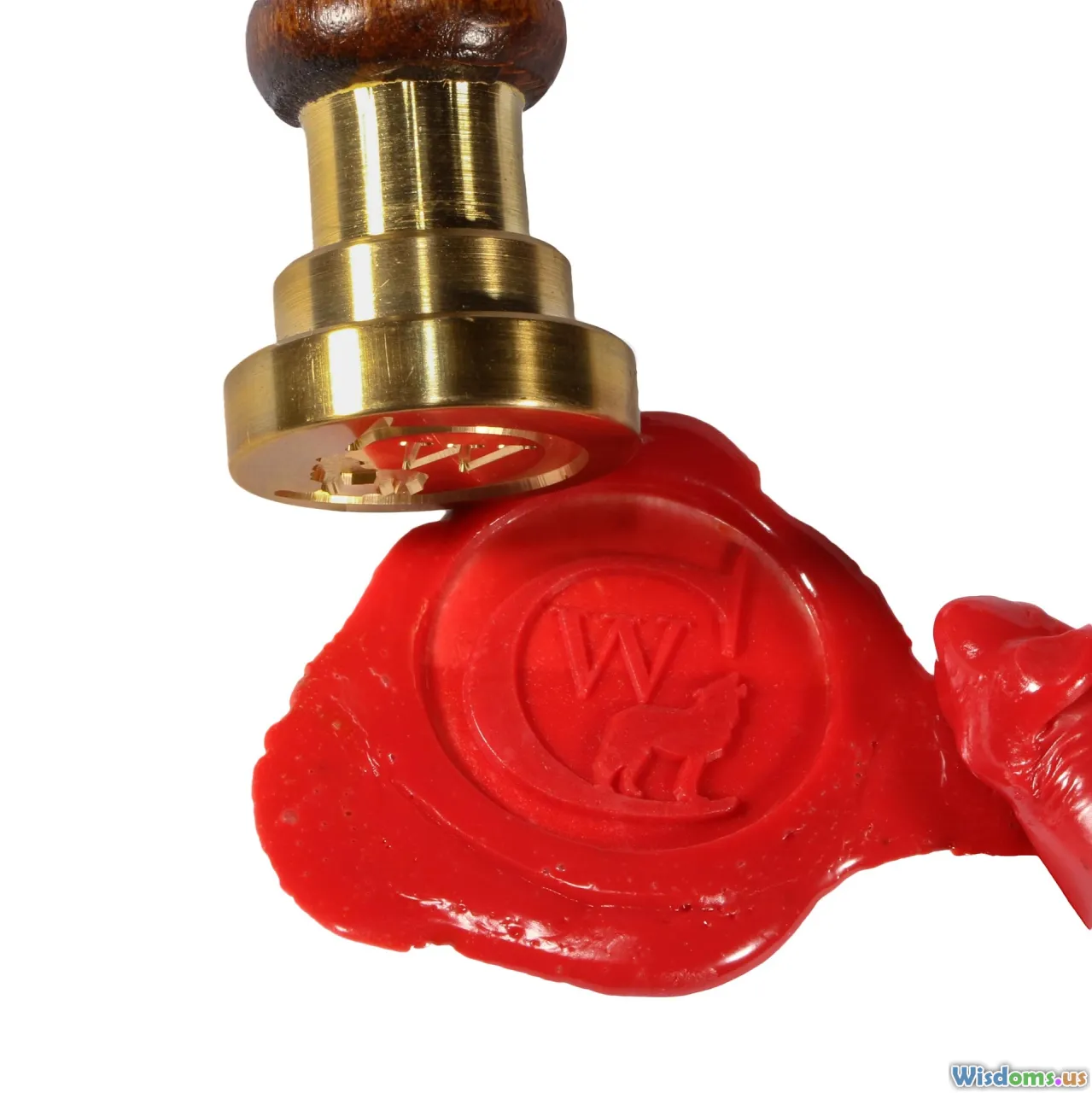
The disc implies a missing toolkit: at least 40+ small stamps used to impress each sign. Where are they?
- Materials hypothesis. Stamps could have been wood or bone—now vanished. But stamp heads could also have been bronze or stone, with organic handles. Toolkits often mix materials.
- Archaeological correlates. The Aegean world is rich in seals and sealings, but these are typically engraved with unique designs, not sets of repeatable letters. If a cache of small, standardized stamp heads turns up—especially if a subset matches disc signs—that would immediately expand the corpus.
- Practical search strategies: Review metal-detector finds from legal surveys in agricultural fields around Phaistos; screen bronze tool assemblages in museum drawers for micro-engraved faces; compare microtopography of suspected stamp faces to disc impressions via 3D shape matching.
Locating even a single stamp identical to a disc sign would not only validate manufacture technique; it could tie the disc to a workshop. A full or partial set would be a once-in-a-century breakthrough.
Digital methods and AI: helpful, but not a silver bullet
Artificial intelligence thrives on data. The disc offers almost none. Still, there are concrete, limited roles for digital tools:
- Sign segmentation and classification. Train a model to distinguish sign variants and quantify similarity, ensuring that the sign inventory is not biased by human pattern-finding. This is especially useful in borderline cases where two impressions might be variants of the same stamp.
- Predictive layout modeling. Simulate spiral writing constraints to see how line breaks and sign groupings would behave under different reading orders, testing which hypotheses best fit spatial statistics (e.g., sign distribution near the center vs. periphery).
- Cross-corpus search. Use shape descriptors to scan databases of Aegean, Anatolian, and Levantine signs for analogs—not to assert identity, but to flag plausible iconographic lineages worth human scrutiny.
The caution: AI cannot conjure meaning from scarcity. It can sharpen the inputs—cleaner signs, better frequencies, fewer human errors—so that if new texts appear, we start from the best possible dataset.
How to judge a new “decipherment” claim

With such an alluring mystery, sensational claims are inevitable. A practical checklist can separate promising work from wishful thinking:
- Corpus adequacy. Does the method acknowledge the statistical limits of 61 groups? Sweeping phonetic assignments from tiny samples are suspect.
- Internal consistency. Can the proposed values read every occurrence of each sign group consistently across both sides of the disc? Does the reading handle repeated endings or beginnings plausibly?
- External plausibility. Is the proposed language historically and geographically credible for Middle Minoan Crete? Proposals invoking Classical-era languages are weak on context.
- Predictions and falsifiability. Does the decipherment make testable predictions—e.g., if another text appears, it should spell X—with clear criteria for being wrong?
- Peer review and transparency. Are high-resolution images, sign lists, and transliteration rules available for others to test? Work that hides its data is not science.
These criteria don’t guarantee correctness, but they protect the field from narrative-driven “solutions” that erode trust.
What would count as a real breakthrough?
Archaeology can “solve” the disc in several incremental—and one spectacular—ways:
- Another text in the same script. Even a fragment with a handful of overlapping sign groups would permit cross-checking and begin to build frequency distributions.
- A bilingual or biscript text. Imagine a small tablet with disc signs paralleled line-by-line in Linear A or a well-understood Near Eastern script. That would be a Rosetta moment.
- A cache of stamps. A set of stamp heads matching the disc’s signs would confirm the writing technology and could carry workshop marks, numbers, or associations that suggest function (administrative, ritual, educational).
- Secure dating. TL or stratigraphic corroboration that anchors the disc’s firing within a tight Bronze Age window cuts off late or modern forgery hypotheses.
Any of these would shift the conversation from “what is it?” to “what does it say?”
Even without decipherment: gleaning meaning from context
While a translation is the gold standard, archaeology can infer function and meaning from context and form:
- Ritual hypothesis. The spiral layout, evocative imagery, and careful crafting suggest a ceremonial or mnemonic object. Parallel Minoan iconography with goddess figures, lilies, and shields invite—but do not prove—a ritual text. Some modern readings hypothesize a hymn or prayer; these are unverified but not inherently implausible.
- Administrative hypothesis. The presence of a Linear A tablet nearby suggests a literate administrative environment. Stamping could be a rapid way to produce standardized texts—lists, formulas, or decrees—analogous to sealings. The downside: the disc’s singularity argues against a routine bureaucratic tool.
- Educational or prestige object. As a demonstration of a novel technology—stamped writing—the disc could be a prestige piece showcasing scribal innovation, perhaps never widely adopted.
Concrete steps to strengthen any of these interpretations include residue tests for pigments (was it once inked?), microscopic study of edge wear (handled frequently or stored?), and microcontextual analysis of associated finds (ritual paraphernalia, administrative tools, domestic debris).
Practical tips for researchers and enthusiasts

- Start with the best images. Use museum-authorized high-resolution, RTI, or 3D scans. Many sign misreadings stem from low-quality reproductions.
- Use standardized sign catalogs. Adopt a neutral sign numbering system so results are comparable across studies.
- Separate description from interpretation. First, document what is visible: sign shapes, counts, groupings. Only then explore linguistic hypotheses.
- Embrace replication. Invite independent teams to reproduce your sign inventory and group boundaries. Convergence builds confidence.
- Support open data. Host images, 3D models, and code under clear licenses. The next breakthrough may come from an unexpected quarter—perhaps a materials scientist or a machine vision expert.
A measured forecast: can archaeology solve it?
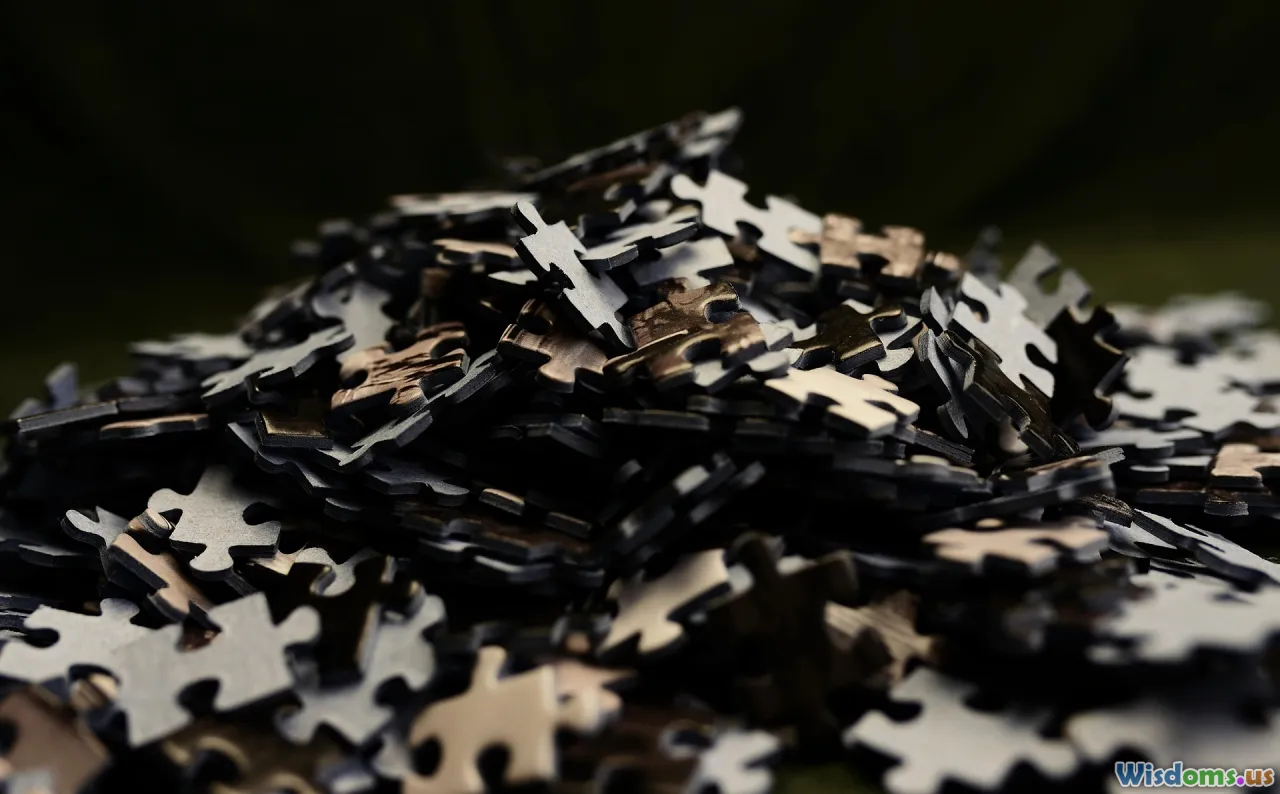
Yes, archaeology can solve the Phaistos Disc—but “solve” will arrive as a series of defensible steps rather than a single lightning bolt. The immediate, achievable wins are:
- Establish a gold-standard digital edition using RTI/3D datasets and a consensus sign inventory.
- Pursue non-invasive materials tests to tighten authenticity and dating.
- Systematically re-examine museum storerooms and excavation backlogs with a targeted eye for spiral scoring and repeated stamp impressions.
- Coordinate field surveys and excavations at Phaistos-area sites with a plan to catch small, easily-missed clay fragments.
- Develop and share digital tools for shape-matching that can flag potential stamp heads in metal assemblages.
The long game is to find more texts, or the stamps, or ideally both. In that light, the disc’s mystery is not a dead end; it’s a research program. Every method described above has solved parallel puzzles elsewhere: RTI has resurrected worn Greek ostraca; micro-CT has read sealed papyri; TL has sorted ancient from modern ceramics; systematic storeroom audits have produced “new” classics from old boxes.
If history is a guide, the decisive clues will be humble: a forgotten sherd in a drawer that preserves three familiar signs, a corroded bronze lump whose cleaned face matches the plumed head, a thin layer of burnt debris sealing an archive room with a second spiral fragment. When that happens, decipherment becomes a problem with traction.
Until then, the Phaistos Disc continues to do what great artifacts do: focus curiosity, spur interdisciplinary collaboration, and remind us that the past is not a code waiting for a single key but a conversation built one careful discovery at a time.
Rate the Post
User Reviews




Popular Posts