Comparing Yokai and Western Ghosts in Modern Culture
28 min read A clear comparison of Japanese yokai and Western ghosts, tracing folklore roots and how movies, anime, games, and holidays reshape them in today’s culture. (0 Reviews)
Screens flicker, streets fill with costumed revelers, and streaming queues overflow with spectral stories—but not all ghosts are the same. In modern culture, Japan’s yokai and the West’s ghosts are more than monsters; they’re living allegories for what worries us, what delights us, and how we negotiate the unseen. When we compare them side by side, we find a shared appetite for wonder and dread—expressed through strikingly different rules, aesthetics, and rituals that are reshaping film, games, festivals, and even merchandise.
What Yokai and Western Ghosts Really Are

If you’ve ever watched a pale figure glide down a hallway in a kimono with long hair obscuring her face, you’ve met a yurei. But yurei are only one thread in Japan’s broader fabric of yokai—supernatural beings that range from the tragic to the downright silly. Western “ghosts” typically refer to human dead who linger; yokai can include human spirits but also animal shapeshifters, household tricksters, and river-dwelling creatures.
- Yokai: An umbrella category. Think kitsune (fox spirits) who shapeshift into beguiling companions, kappa who lurk in rivers with deadly politeness, tanuki with transforming antics, and tsukumogami—household objects that gain sentience after a century. Yurei are human dead; onryo are yurei driven by vengeance.
- Western ghosts: Narrower scope. Usually the spirits of the deceased, subdivided into familiar types—“residual” hauntings (a looped echo of the past), “intelligent” hauntings (responsive spirits), poltergeists (mischief and noise), and revenants (bodies animated by a spirit’s will, originally in medieval lore). While modern usage blurs categories, Western canon tends to keep nonhuman apparitions (like demons or fairies) in separate bins.
This difference in scope matters. A yokai story might be about a shapeshifting fox teaching humility or a sentient umbrella bouncing through town, while a Western ghost story more often focuses on mortality, justice, or the afterlife. Yokai aren’t always dead; ghosts almost always are. The yokai cosmos is teeming and plural, while Western ghost narratives often orbit grief and unfinished business.
Roots and Rituals: Faith, Folklore, and the Afterlife
Yokai and Western ghosts grow out of distinct religious soils. In Japan, Shinto’s animism and Buddhism’s karmic cosmology overlap, producing a world where boundaries between the living and the spirit-filled landscape are porous.
- Shinto animism holds that kami (spirits) inhabit rivers, trees, and places. Ritual purity matters, as does respectful coexistence. This worldview makes it easier to imagine spirits not as invaders but as neighbors—sometimes prickly, sometimes protective.
- Buddhism adds moral causality and rituals for death and remembrance. Obon, a summer festival (often mid-August in many regions), welcomes ancestral spirits back home with lanterns, dances, and offerings. The mood is communal and reflective, not always fearful. Stories of onryo—wronged spirits such as Oiwa (immortalized in Yotsuya Kaidan)—warn that unchecked injustice accumulates spiritual interest.
Western ghosts, by contrast, hover at a crossroads of Christian theology, folk customs, and modern spiritualism.
- Christian teachings historically framed ghosts as souls in need of prayers (purgatory) or as deceptive spirits, depending on denomination. Medieval and early modern Europe teemed with cautionary tales: purgatorial revenants returning to request masses, apparitions delivering moral lessons.
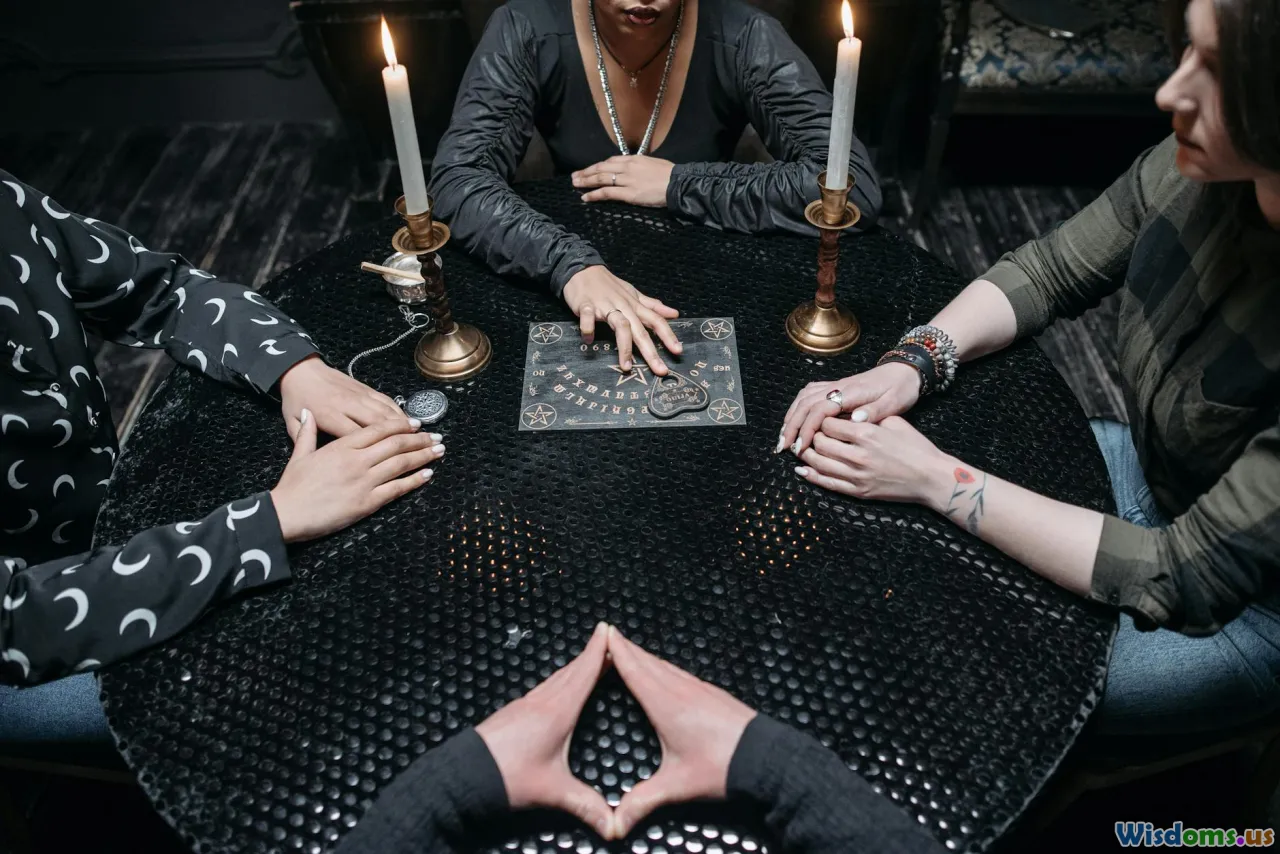
- Spiritualism exploded in the 19th century—think the Fox sisters in 1848 New York and the era’s parlor seances, automatic writing, and spirit photography. This movement reframed ghosts as communicators rather than omens, eventually influencing everything from Halloween party games to today’s ghost-hunting shows.
- Halloween’s roots reach into the Celtic festival of Samhain, a liminal night when the dead and living could mingle. Modern Halloween may be candy-first, but it still encodes an annual ritual of rehearsed fear and friendly ghosts.
The upshot: Japanese tradition emphasizes negotiated coexistence and ritual maintenance, while Western practice leans toward moral sorting (heaven, hell, purgatory) and communication attempts. Both traditions embed social ethics inside their specters: tidy up your duty to the dead, or the dead may tidy you up.
Iconography and Aesthetics: How They Look and Sound
Design language tells us what to feel before a character speaks. J-horror and folklore visual cues tend to emphasize quiet inevitability; Western ghost stories often prefer immediacy and confrontation.
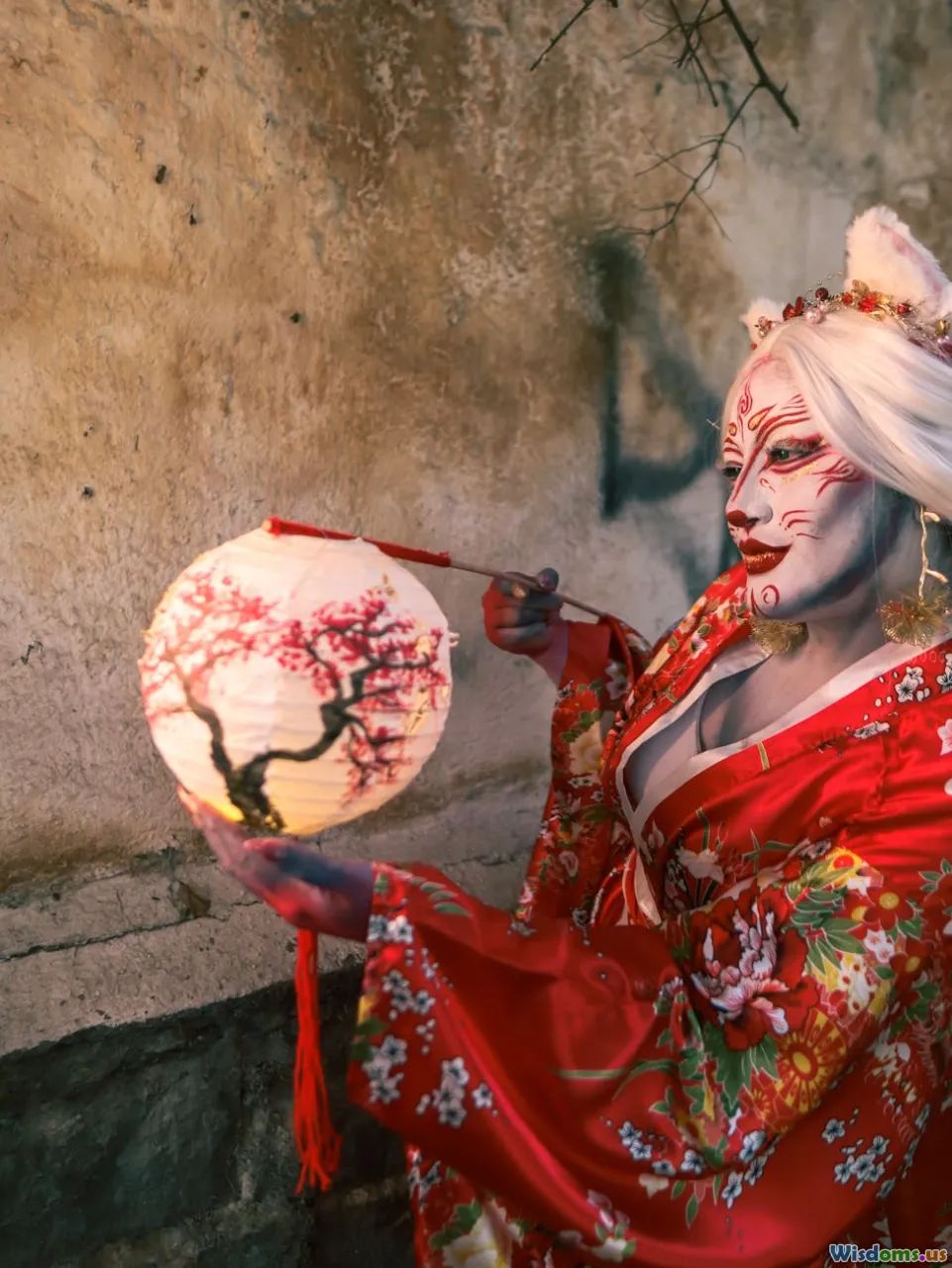
- Yurei visuals: White funerary kimono (shinishozoku), long unbound black hair, waxy pallor, and—traditionally—no visible feet. Sometimes will-o’-the-wisps called hitodama flutter nearby. These images solidified in the Edo period through woodblock prints and kabuki theater. Silence and stillness reign; a yurei might appear at a corridor’s vanishing point and simply watch.
- Yokai variety: A kappa may sport a water-filled dish atop its head, which if spilled saps its power; foxes wear human glamour with a telltale flick of a tail. Tsukumogami like the kasa-obake (one-eyed umbrella yokai) bounce comically. This playful spectrum broadens tonal possibilities beyond terror alone.
- Western ghosts: From chain-laden specters in Victorian fiction (Jacob Marley’s clanking warning in Dickens’s 1843 “A Christmas Carol”) to translucent, pale-blue CGI phantoms, Western visual grammar oscillates between penitence and prank. The “white lady” archetype haunts bridges and ballrooms; the poltergeist rattles cupboards and shatters plates.
Sound design divides the traditions just as sharply. J-horror favors barely audible breaths, distant clacks (tatami creaks, the curse’s bone-snap clicks in Ju-On), and the terrifying elasticity of silence. Western films often surge with orchestral stingers or radio-static EVP (electronic voice phenomena) in found-footage frameworks.
Cinematic blocking continues the contrast: long, off-screen dread versus sudden revelations. Hideo Nakata’s Ringu (1998) uses negative space and off-kilter televisions; The Conjuring (2013) exploits jump-scare timing and demonology. Both work, but they place fear’s agency differently—inescapable curse versus embattled household.
From Folklore to Franchise: Case Studies in Film

- Ringu (1998) and The Ring (2002): Sadako’s videotape is a tech-age curse with premodern logic—see the image, inherit the doom. The American remake added crisp exposition and emphasized detective momentum, while retaining the harrowing final reveal as Samara/Sadako crawls from the screen. Moral: a curse indifferent to innocence. Lesson for creators: modern anxiety (media saturation) fused with archaic taboo yields fresh terror.
- Ju-On: The Grudge (2002 Japanese film) and The Grudge (2004 U.S.): Director Takashi Shimizu pivots horror from places, not single characters. Step into a cursed house, and the house remembers you. Kayako’s broken-voice croak is a sonic signature that traveled globally. The U.S. version raised the tempo, clarifying timelines and emphasizing shock while preserving the inexorability.
- The Sixth Sense (1999): Probably the most culturally sticky Western ghost film of its era, it reframed ghosts as traumatized, seeking help. Its famous twist aside, the film humanized apparitions as victims of unresolved truth, not just sources of fear.
- The Conjuring universe (2013–): This franchise codified a demonology toolkit (holy relics, Latin rites, Warrens-as-protagonists) that maps fear onto battles of faith. Where J-horror’s curses rarely bargain, Conjuring ghosts can often be named, bound, and banished.
- Spirited Away (2001): Not a ghost film per se, but a yokai triumph. Bathhouse spirits mirror consumer excess and environmental decay—the stinking “river spirit” cleansed of human trash is a crisp parable. It’s a reminder that yokai tales glide easily from fright to fable.
These case studies show the narrative spine: yokai cinema frequently functions as a parable system (moral imbalance manifests as spirit problem), while Western ghost stories oscillate between mysteries to be solved and battles to be won. When remade across cultures, exposition and pacing often shift; the core metaphors persist.
Gaming the Supernatural: Mechanics Reflect Meaning

Games surface belief systems in their rules. How you defeat or befriend a spirit says everything about the culture that imagined it.
- Fatal Frame/Project Zero (since 2001): A distinctly Japanese take. You don’t swing a sword; you use a Camera Obscura to capture lingering souls. The mechanic literalizes attention and framing: look, align, understand, and then resolve. Yurei backstories are tragedies to be uncovered, not mere hit points to shave away.
- Yokai Watch (2013–): Spirits are collectible companions with punny names and petty moods. Players negotiate, befriend, and deploy yokai as allies. It’s Pokémon-adjacent, but with folklore DNA that turns the uncanny into the everyday.
- Ghostwire: Tokyo (2021): Tokyo is emptied; tangled strands (katashiro) seal spirits. Exorcism gestures and talismans fuse modernity with Onmyodo-inspired ritual. The city itself becomes a shrine-labyrinth where etiquette and energy lines matter.
- Phasmophobia (2020): A Western indie success built on ghost-hunting TV tropes—EMF readers, spirit boxes, UV flashlights. Players classify ghosts based on evidence types and risk management, mirroring a rationalist-but-spooky approach inherited from spiritualism and reality TV.
- Dead by Daylight (2016–): Its character The Spirit (Rin Yamaoka) nods to onryo imagery, while other killers lean slasher. The game demonstrates how global horror iconography now shuffles across platforms.
Compare the verbs. Japanese titles favor appease, research, coexist, and perform; Western titles favor categorize, confront, cleanse, and escape. Both can terrify—but they choreograph dread differently.
Comedy, Cuteness, and Commodification

Not every spirit is out to raise your blood pressure. Culture softens its monsters for markets and kids, which tells us how fear is metabolized.
- Japan’s “kawaii-ification” of yokai: GeGeGe no Kitaro has animated and re-animated since the 1960s, turning cemetery ghouls into lovable neighbors; Mizuki Shigeru’s influence is everywhere, including Sakaiminato’s Mizuki Shigeru Road lined with yokai statues. Yokai Watch distilled neighborhood mischief into collectible charm. The result: a spirit ecosystem that reaches toddlers and toy aisles.
- Western friendly ghosts: Casper (who first appeared in the 1930s) and the anarchic Beetlejuice (1988) spin terror into humor. Scooby-Doo pulls the mask off many “ghosts,” satirizing the supernatural into human schemes. Yet “Ghostbusters” (1984, 2016) merch proves that even with proton packs, silliness and slime sell.
Cuteness doesn’t cancel seriousness; it diffuses it. When a kappa shows up on a manhole cover, it’s a civic wink: remember the river, respect the place, enjoy the story.
Gender, Grief, and Justice

Yurei tales often center women whose agency was crushed in life but explodes in death. Oiwa, disfigured and betrayed by her husband in Yotsuya Kaidan (1825 play, adapted many times), becomes an onryo—a vengeful force whose haunting implicates a corrupt household. Okiku of Himeji Castle is thrown into a well after refusing to be a lord’s mistress; she counts plates—one missing—until someone takes responsibility. Vengeance turns into ritual: apologies, exhumations, memorial services.
Western analogues exist. The “White Lady” appears in European and Latin American folklore, mourning lost children or betrayed love, bound to bridges and moors. The Woman in Black (Susan Hill’s 1983 novel, later a 2012 film) haunts with grief’s echoing logic. The Sixth Sense foregrounded child victims, highlighting a social conscience: ghosts aren’t always villains; sometimes they point to living wrongs.
In both traditions, gendered ghosts highlight systemic failures—domestic violence, class constraints, silenced testimony. Modern creators retool these tales for accountability rather than fear alone. The scare, properly wielded, becomes a way to insist on justice.
Global Crossovers and Remakes: What Changes in Translation

When specters cross borders, they change accents. The U.S. versions of J-horror classics tightened exposition and foregrounded investigative heroes. Why?
- Market grammar: American audiences (broadly speaking) expect cause-and-effect clarity, while Japanese horror is comfortable with cosmic shrugs—curses exist, apologies come too late, and fate is a corridor you must walk. Remakes often graft in “how to stop it” beats.
- Space and architecture: Tokyo apartments and narrow stairwells breed claustrophobia differently from American suburban homes with basements and attics. Remakes relocate fear’s geometry.
- Technology’s timbre: The CRT fuzz in Ringu anchored dread to obsolete media; updates flirt with streaming, phones, and viral transmission. Each culture’s tech anxiety picks a new host.
Cross-pollination also flows the other way. Japanese media happily borrows Western gothic settings—haunted mansions and graveyards—then filters them through yokai logic. Anime and games mix cathedrals with torii gates, demons with kami. The result is a global horror language where Sadako can appear in a U.S. TV ad and a proton pack cameo slips into Japanese variety shows without anyone blinking.
Practical Guide: Writing or Filming Better Spirits

If you’re crafting a story that braids yokai and Western ghosts, build your haunt with purpose.
- Pick your metaphysics. Decide whether your spirit obeys karmic balance (yokai logic), moral sin/redemption (Christian logic), or secular pattern (psychological metaphor). Write a one-sentence rule: “If anger exceeds apology, the onryo appears,” or “When the clock stops at 3:07 a.m., the ghost can interact.”
- Design the silhouette first. Yurei have immediate readability (hair, kimono, feet). Western specters have tells (Victorian dress, chains, military uniforms). Create a distinct profile that hints at backstory before any dialogue.
- Use space strategically. J-horror thrives on thresholds—doorframes, corners, elevator doors—and long takes. Western scares explode from closets and mirrors. Map five scare beats to architecture; vary distance (long shot, mid, close-up) to control breathing.
- Sound is half the script. Build a library of textures: tatami creaks, kettle simmer, wind chimes for yokai; EMF clicks, radio static, damp basement drips for Western ghosts. Decide one unique sound signature per apparition.
- Calibrate the aftercare. In yokai frames, appeasement rituals (offerings, memorial tablets, apology letters) can resolve arcs. In Western frames, research and exorcism (names, dates, rites) provide closures. Choose the resolution toolkit early.
- Beware cliché. Long hair over the face can be powerful, but fresh context matters. What if the onryo can’t grow hair because her shame was shaved at death? What if the Western ghost hates EVP because the living misheard a crucial word, perpetuating the injustice?
- Research location-specific rites. If you set a scene in Tokyo, learn Obon dates for that ward; if in New Orleans, study second-line funerals and local haunted histories. Authenticity intensifies resonance.
- Build ethical stakes. Who benefits when the ghost is laid to rest? Who resists because the haunting protects them? Let the haunting be about the living’s choices, not just the dead’s wrath.
Travel and Festivals: Experiencing Spirits IRL
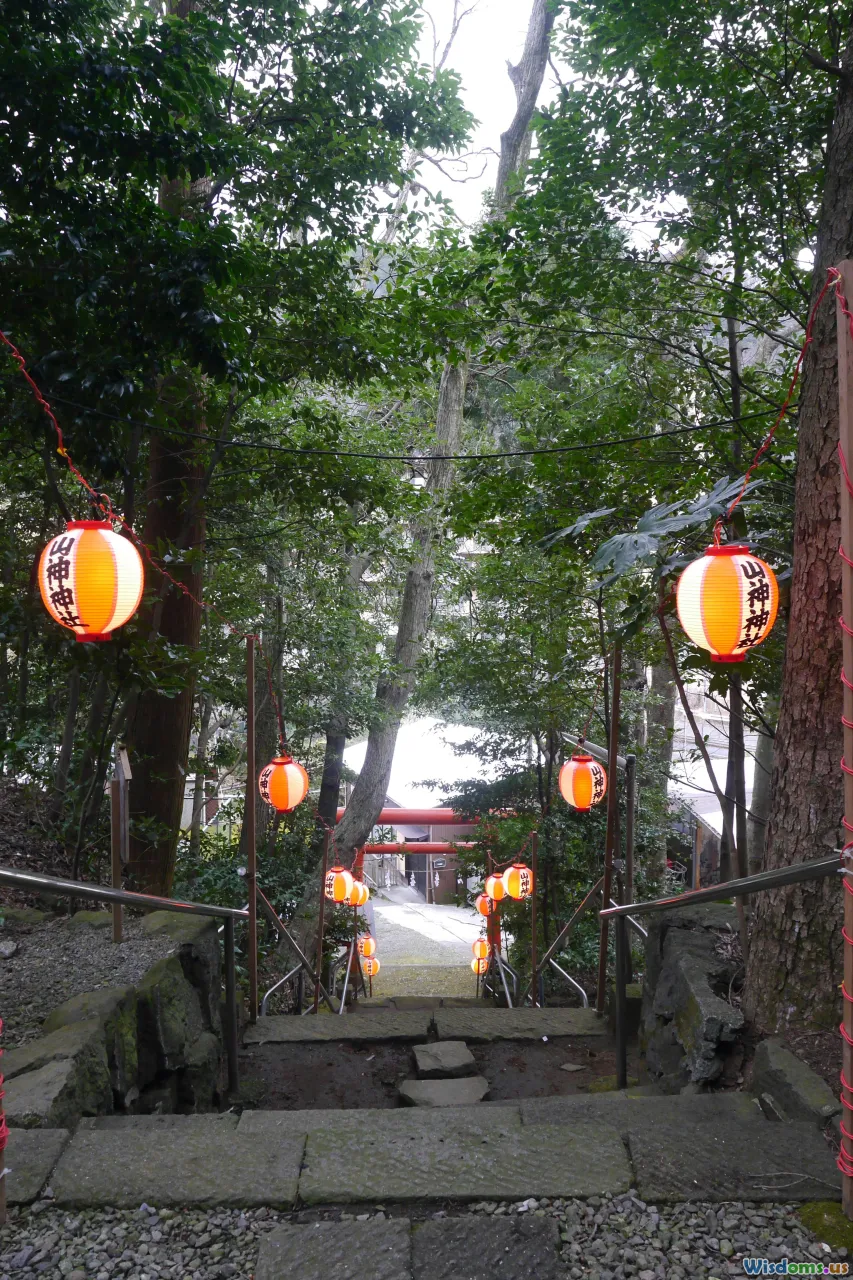
If you want to feel the cultural heartbeat behind the stories, step into spaces where communities greet their ghosts.
Japan:
- Obon festivals: Kyoto’s Gozan no Okuribi (Daimonji) lights five giant bonfires on mountains mid-August to guide spirits home. Explore respectfully; learn the meaning of lantern floating ceremonies (toro nagashi).
- Himeji Castle’s Okiku Well: A site linked to the Okiku legend; the tour contextualizes the tale with local history. Don’t toss coins—or you’ll annoy staff and spirits.
- Mizuki Shigeru Road (Sakaiminato, Tottori): A cheerful parade of yokai statues, a museum, and night illuminations. Kids adore it; adults get a quick course in 20th-century yokai renaissance.
- Tono (Iwate Prefecture): The Tono Monogatari tradition gathers folk tales of kappa and zashiki-warashi (household spirits). The local museum curates artifacts with nuance and charm.
Western world:
- Edinburgh’s underground vaults: Chilled stone, candle tours, and centuries of rumor. Guides blend plague-era history with ghost folklore; it’s theater with footnotes.
- New Orleans ghost and cemetery tours: Between above-ground tombs and Creole lore, the city’s tours mix documented tragedy with tall tales. Respect burial spaces and posted rules.
- London’s haunted walks and Highgate Cemetery: Victoriana at scale; stories of highwaymen and grief sculptures. The etiquette is strict—no rubbing monuments, no flash where prohibited.
- Salem’s Haunted Happenings (October): The town reframes witch-trial history with parades and tours. It’s more witch than ghost, but it shows how communities navigate dark pasts.
Tips for travelers:
- Support local guides and small museums; your ticket sustains preservation.
- Ask permission before photographing rituals. Assume nothing is a prop.
- Read a short local history beforehand; context turns a jump-scare into a revelation.
- Don’t trespass. Every great ghost story starts with a bad decision; don’t make it yours.
Why Scares Stick: Social Anxieties Behind the Supernatural

Fears endure because they carry our current dilemmas in antique costumes.
- Technology dread: Ringu transposed curse logic onto videotapes—a perfect symbol at the time for mass reproduction gone feral. Today’s updates creep into smartphones and viral media; what’s more contagious than a rumor with a face?
- Domestic unease: Ju-On and The Haunting of Hill House (2018 series) map terror onto the home itself, a place of supposed safety. Housing crises, family secrets, generational trauma—these anxieties leak under the door.
- Environmental guilt: Spirited Away’s polluted river spirit and countless “abandoned place” photo-feeds (haikyo/urbex) crystallize fears that we’re losing stewardship of our spaces.
- Justice delayed: Onryo stories and White Lady legends punish betrayals the courts missed. Modern true-crime fandoms echo this urge: find the missing plate, count the bones, name the lie.
Looking across cultures clarifies what’s constant: memory demands maintenance. Whether by incense or EMF reader, we compulsively check in with the past.
Side-by-Side: Quick Comparison for Creators and Fans

- Scope:
- Yokai: Broad—includes human ghosts and nonhuman spirits.
- Western ghosts: Usually human dead; nonhumans are separate categories (demons, fae).
- Moral logic:
- Yokai: Balance and reciprocity; appeasement rituals matter.
- Western: Sin, redemption, or rational inquiry; exorcism or closure.
- Aesthetics:
- Yokai/yurei: Minimalist dread, iconic silhouettes, negative space.
- Western: Varied—from gothic grandeur to jump-scare kinetics.
- Narrative engines:
- Yokai: Parable and consequence; the past bleeds into the present until acknowledged.
- Western: Mystery to solve or force to confront; naming and banishing.
- Merchandise pathways:
- Yokai: Easy cute-ification and civic adoption.
- Western: Humor pivot (Casper, Ghostbusters) or gothic brand identity.
Use this as a design grid. Mix and match consciously; don’t default to a jumble.
Tips to Avoid Cultural Flattening

- Don’t call every Japanese ghost a yokai. If it’s specifically a human dead with a backstory of grievance, it’s likely a yurei or onryo.
- Avoid exoticizing ritual. If your plot needs a rite, learn who performs it, why, and what materials matter. Incense isn’t interchangeable with sage; a butsudan is not a Halloween prop.
- Credit your sources. Lafcadio Hearn’s “Kwaidan” (1904) popularized many tales for English readers; modern scholars and local storytellers deserve shoutouts too.
- Let humor in where it belongs. Yokai invite playful tones—lean into it without trivializing.
- Cast local experts. Sensitivity readers and cultural consultants catch errors and open richer paths.
Ghosts, it turns out, are excellent listeners. They hear what a culture mutters when it thinks no one is paying attention: the pride we take in our rituals, the cracks in our families, our panic over tech, our longing for amends.
As screens keep filling and game lobbies keep pinging, yokai and Western ghosts will keep swapping masks and melodies. When you watch a white-robed figure drift past a streetlight or a pale boy whisper through static, you’re also watching the world rehearse empathy and accountability. If we learn to read the rules beneath the rattling chains—the apology owed, the boundary respected, the name remembered—our hauntings become less about doom and more about how to live alongside the past without being consumed by it.
Folklore Media Studies Yōkai Shinto urban legends Comparative Mythology Mysteries & Supernatural Supernatural Legends and Folklore Pop Culture Halloween Horror & Supernatural yurei western ghosts poltergeist J-horror Ghostbusters Yo-kai Watch Spirited Away The Conjuring Haunting of Hill House Obon
Rate the Post
User Reviews
Popular Posts