Can Sustainable Fashion Exist With Full Glam Beauty Routines
35 min read Can sustainable fashion coexist with full glam beauty? This guide reconciles runway-level looks with low-waste habits—capsule wardrobes, refillable makeup, cruelty-free brands, lifecycle math, and realistic routines. (0 Reviews)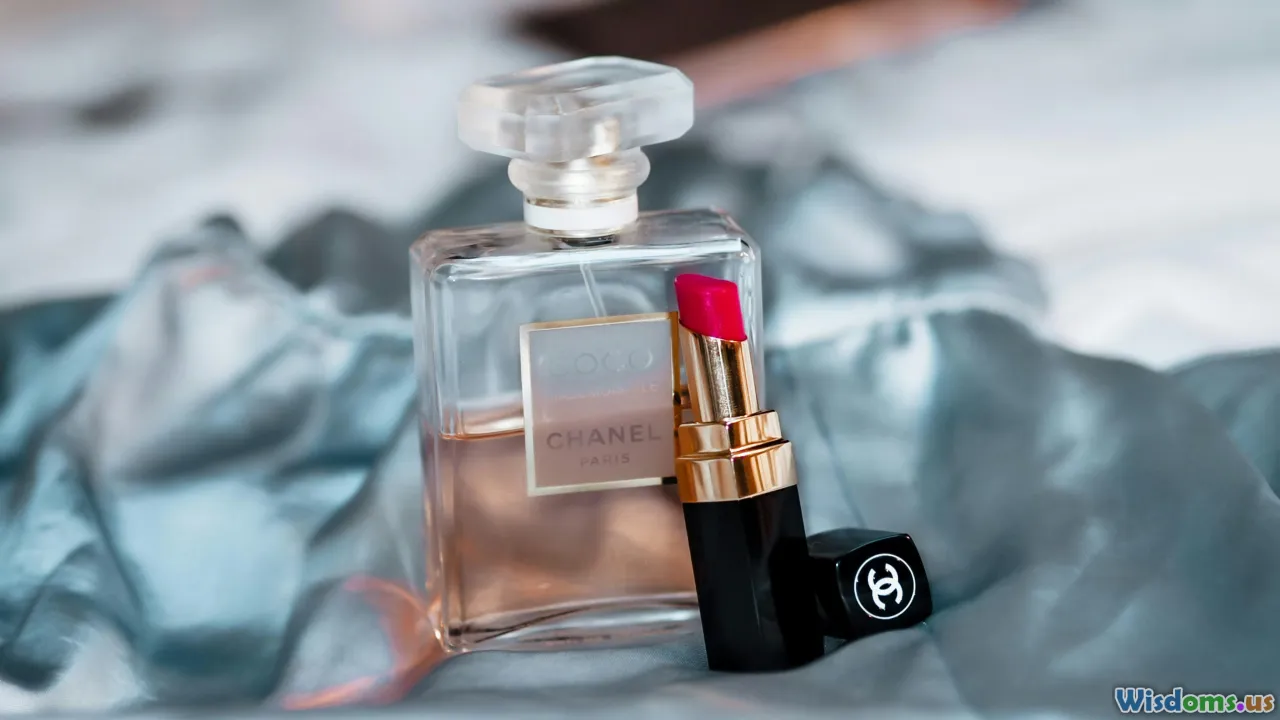
Glam and sustainability used to feel like opposites: one drenched in sequins and shine, the other all linen and low-key. But the modern fashion and beauty landscape has matured fast. Designers are investing in new materials, refillable systems are becoming genuinely luxurious, and beauty pros are rethinking the energy and waste behind the perfect look. The question is not whether sustainable fashion can exist with full glam beauty routines; it is how to plan, source, and maintain those looks so the impact fits the brilliance.
Below is a practical, detail-rich guide to wearing maximalist style with a minimized footprint, from fabrics and embellishments to hot tools, glitter, nails, and fragrance.
What full glam really means today — and where the impact hides

Full glam is more than a smoky eye and a beaded gown. It is a project: textiles and trims, makeup and removers, hot tools, laundry, shipping, and disposal. Each step has a footprint.
Key impact points and what they look like in real life:
- Materials and trims: Traditional sequins and glitter are often petroleum-based plastics that shed microplastics. Satin polyester gowns can shed microfibers during washing. Conventional silk can involve chemical-intensive processing and animal welfare questions; viscose can drive deforestation unless controlled.
- Energy use: A 1,800-watt hair dryer used for 10 minutes consumes roughly 0.3 kWh of electricity. Depending on your grid, that could be around 0.05–0.25 kg CO2 per blowout. Add flat iron or curling wand time and multiply by events over a year.
- Water and chemicals: Hair and body showers, makeup removal, and laundry add up. Lower-temp washing and air drying cut the use-phase impacts of garments, which some analyses suggest can dominate a garment’s lifetime footprint.
- Packaging and disposables: The beauty industry produces billions of packaging units yearly, and small mixed-material components (pumps, mirrors, magnets) are often not recycled curbside.
- Shipping and returns: Rush delivery by air and multiple split shipments multiply emissions. Returns can lead to items being landfilled when repackaging is not economical.
Full glam is not incompatible with sustainability. It is simply dense with decisions. The payoff: informed choices stack up fast.
The false choice between glam and green

The idea that sustainability demands minimalism is a myth. Look at the runway: opulence is thriving in recycled sequins, plant-based shimmer, and gowns cut from certified cellulosic fibers. Designers like Stella McCartney and Gabriela Hearst have shown dramatic silhouettes without defaulting to virgin synthetics. In beauty, refillable couture lipstick cases and metal-compacted powders are reimagining luxury as a long-term object, not a disposable.
Where the binary breaks:
- Opulence vs origin: You can have glow and volume without fossil-based glitz. Biobased materials are catching up to the look and feel of legacy plastics.
- Maximalist look, minimalist waste: Concentrated makeup sticks, refill pans, and solid shampoos trade bulky packaging for small formats, yet deliver performance.
- Price and value: Buying a statement piece that holds value or can be restyled for years can be more economical than churning through fast fashion.
Sustainable glam is not about shrinking your style. It is about tightening your process.
Build a glam capsule wardrobe that actually works
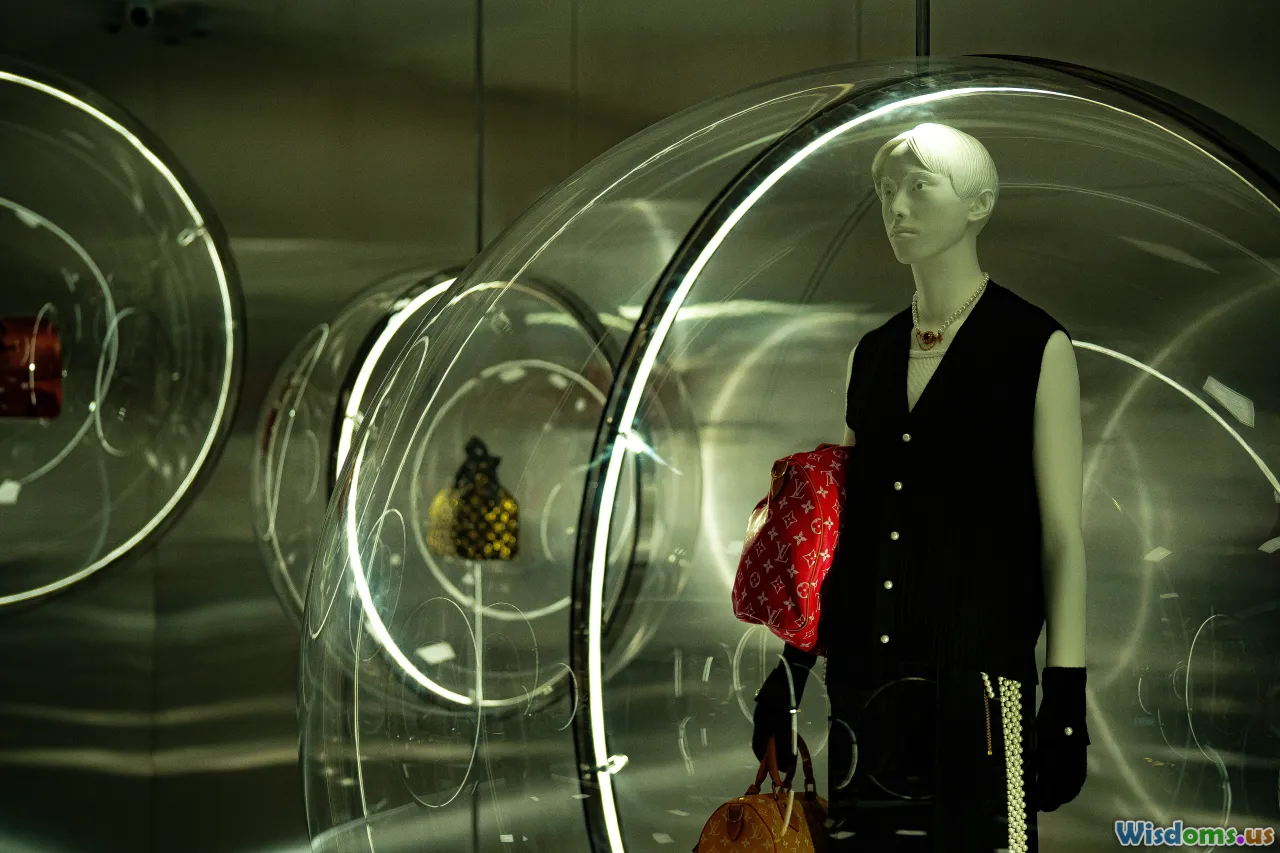
A glam capsule is not five identical black dresses. It is a curated set of high-drama pieces that re-style beautifully across occasions.
How-to blueprint:
- Choose one anchor gown and one short showpiece: Think timeless silhouettes that take different belts, jewelry, and jackets. Examples: a fluid bias-cut dress in certified silk or TENCEL lyocell; a structured mini in deadstock brocade.
- Add two modular toppers: A tuxedo jacket in RWS-certified wool or recycled satin, and a beaded or embroidered bolero using reclaimed beads. These change the vibe fast.
- Invest in convertible accessories: A chain belt that doubles as a necklace, a pair of clip-on statement earrings that attach to ear cuffs, and a shawl that can be draped as a top.
- Shoes: One metallic strappy heel and one platform pump in long-wear construction. Look for leather from LWG-audited tanneries or new alt-leathers like cactus or apple-based; resoleable designs extend lifespan.
- Jewelry: Consider renting high jewelry for rare events, or buying vintage pieces that hold resale value.
Fabric and certification cheat-sheet:
- Preferred cellulosics: TENCEL lyocell and modal (closed-loop solvents), FSC-certified viscose.
- Recycled synthetics: Recycled polyester or nylon (Econyl) for satin and sparkle, ideally dope-dyed to reduce water in coloring.
- Natural fibers: Organic cotton sateen for structure; RWS or ZQ certified wool for suiting.
- Silk alternatives: Peace silk, or blends that dilute silk with lyocell for drape and durability.
Fit matters as much as fiber. A garment that fits like a glove is reworn. Tailoring dramatically extends the life of glam pieces.
Shine, shimmer, and embellishment without the microplastics

Traditional sequins are typically PET or PVC and sewn onto fabrics that shed. Innovations to know:
- Bio-based sequins: Emerging options use cellulose or biopolymers designed to degrade under industrial composting. Studio-led projects and startups are moving these to production; designers are piloting them on runways.
- Reclaimed beading: Vintage beaded trims can be harvested from damaged garments. Skilled ateliers rebuild sparkle with materials already in circulation.
- Embroidery and smocking: Texture can replace plastic shine. Metallic threads in certified viscose blends create gleam without flaking.
- Foil alternatives: Digital metallic printing minimizes layers and can reduce solvent use compared with traditional foils.
Care tips for embellished pieces:
- Gentle wash routines: Use a mesh bag or hand wash; air dry. Washing machines accelerate bead loss and microfiber shedding.
- Repair kits: Keep spare beads, clear thread, and a beading needle. A 20-minute repair keeps a showpiece stage-ready for years.
- Storage smarts: Store flat or on padded hangers. Cover beaded zones with muslin to prevent snagging.
The glam beauty kit, re-engineered
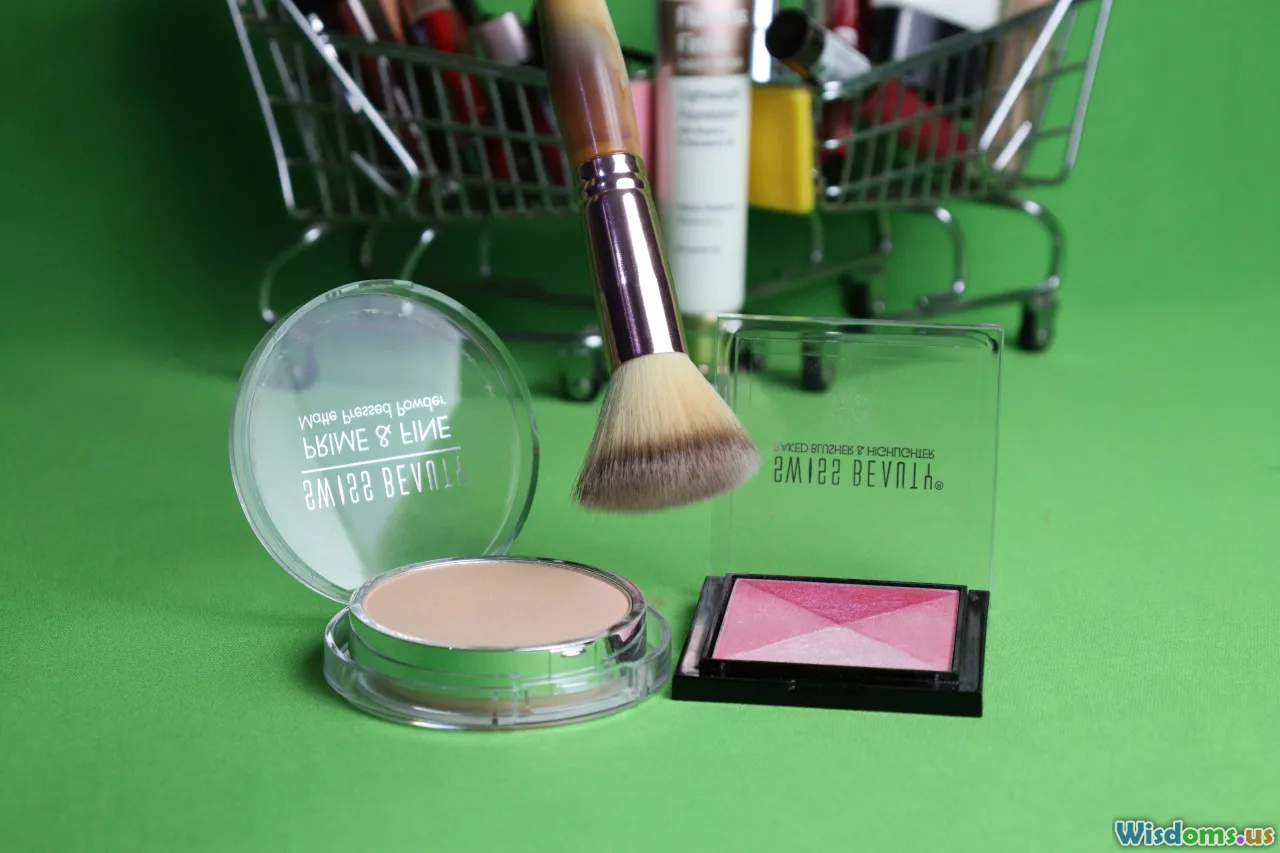
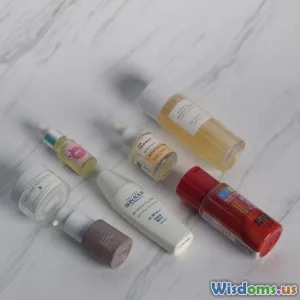
Refills have moved from eco niche to fashion-forward. You can build a full glam kit with refill-first logic.
High-impact switches:
- Refillable lipsticks and compacts: Couture houses and indie brands now offer metal cases with magnetized refills. Examples in market include Dior, Hermès, and Kjaer Weis; Fenty offers refillable bullets. Keep the case, replace only the color.
- Palette systems: Choose palettes that accept standard pan sizes. Many pro brands sell single eyeshadow pans, blush, and highlighter refills. Build your own color stories rather than buying a whole new 18-pan palette for two shades.
- Concentrates and solids: Stick foundations, cream blush, solid brush cleansers, and waterless shampoos vastly reduce packaging weight and shipping emissions while lasting longer.
- Pumps over aerosols: For setting sprays and dry shampoo, a mechanical pump avoids propellants and often comes in refillable aluminum or glass.
- Glass and metal where it makes sense: Not always better, but for long-use products like fragrance or skincare serums, durable glass with refills or return programs increases the chance of reusability.
Kit hygiene extends product life and prevents toss-outs due to spoilage:
- Decant into sanitizable palettes for cream products.
- Clean brushes weekly; use quick-drying sprays for daily sanitation if you are sharing.
- Track open dates with a label so you finish products before they expire.
Glitter, pigments, and lashes: glam decisions that matter
The devil of glam sits in the details: microplastics, adhesive, and pigment sourcing.
- Glitter: Conventional PET glitter is persistent plastic. Look for glitters made from plant-derived cellulose films designed to biodegrade in specific conditions. When you remove glitter, catch it with tape or a reusable cotton round and bin it; do not rinse down the drain.
- Mica and shimmer: Natural mica mining has documented labor abuses in some regions. Synthetic mica (fluorphlogopite) can deliver a similar sparkle and is increasingly used. Some brands support verified supply chains through industry initiatives; look for transparent sourcing notes.
- Pigments: Bold colors can rely on complex chemistries. Search for brands disclosing pigment lists and testing for heavy metals, especially in neon and metallic hues.
- False lashes: Reusable lash bands and storage cases reduce waste. Magnetic lashes eliminate single-use glue waste, but check magnet strip materials. If you prefer glue, choose a low-VOC adhesive and clean your lashes so each pair lasts 10–20 wears.
Removal matters as much as application:
- Use an oil balm remover with a reusable round; makeup wipes are landfill-bound and can clog plumbing.
- A silicone cleansing mat helps release glitter and gel liner from brushes without harsh detergents.
Hair at maximum volume, minimum footprint
Volume, shine, and structure are energy- and product-intensive by default. You can cut that down without sacrificing finish.
Heat and energy:
- Right tool, right pass: A high-efficiency dryer with intelligent heat control reduces drying time and heat damage. Rough dry to 70 percent before round brushing.
- Time your styling: Ten minutes of blow-drying is roughly 0.2–0.3 kWh on a midrange dryer. If your grid is coal-heavy, that is meaningful. Air-dry partway, then finish with a brush and low heat.
- Hot tools hierarchy: Curling iron and flat iron at moderate temps with a single pass beat cranking heat to max. Use a thermal protectant; hair holds shape better, so you restyle less often.
Product strategy:
- Aerosol alternatives: Pump hairsprays and texturizing powders avoid propellants and often come in refillable aluminum.
- Concentrates: Salon-grade serums and creams in small amounts outperform layers of cheap products. Less product equals fewer wash days.
- Scalp and wash schedule: Train hair to extend between washes. A scalp brush and targeted cleansing at the roots can buy you a day or two, saving water and heat.
Accessories:
- Pins over polymers: Use metal pins and clips to set waves instead of layers of spray.
- Silk or lyocell pillowcases and bonnets reduce friction, preserving styles overnight.
Nails and fragrance: longevity is sustainability
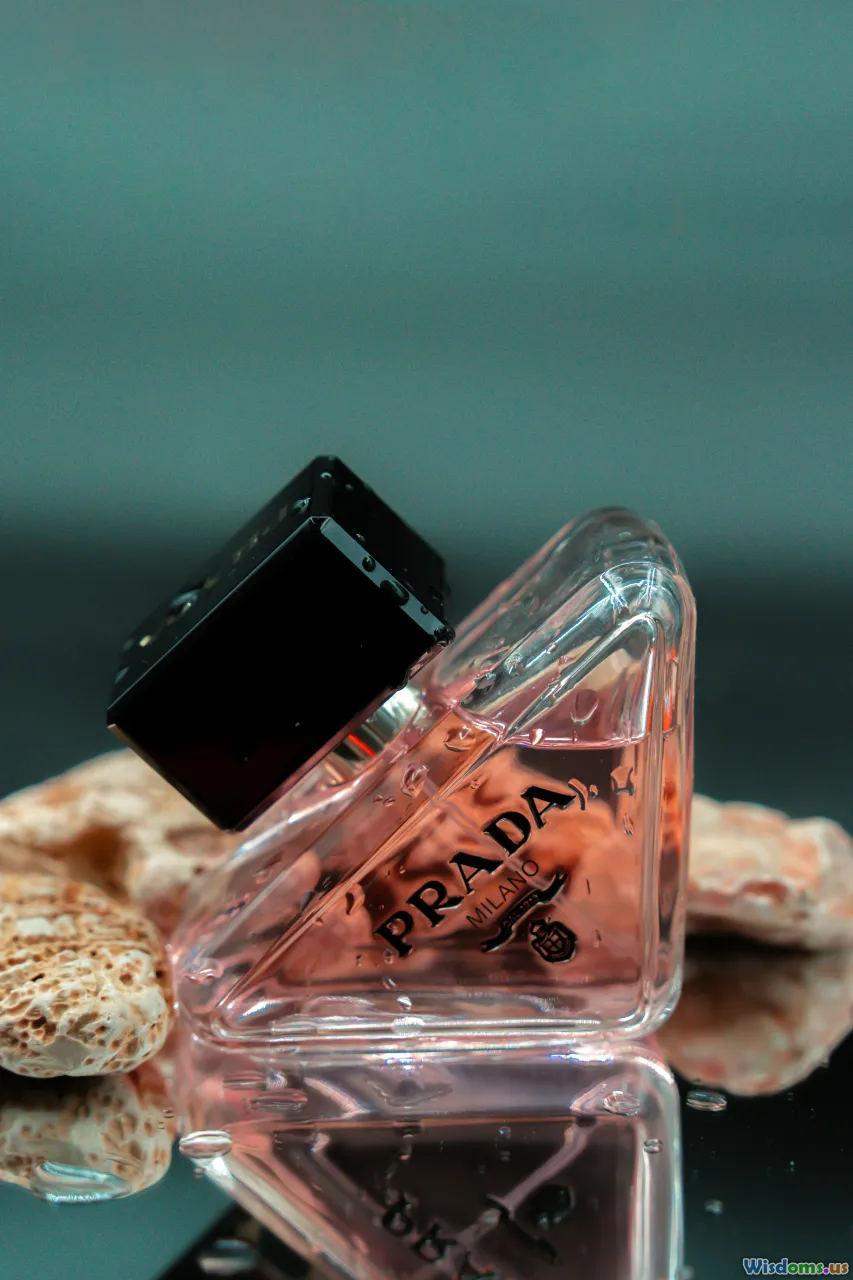
Nails and scent are the flourish that complete a glam look. Choose for wear time and end-of-life.
Nails:
- Gel vs classic: A well-applied soft gel manicure may last two to three weeks, cutting acetone and polish waste over multiple quick-change manicures. Seek salons that use LED lamps and practice safe removal to protect nail beds.
- Press-ons: High-quality reusable press-ons can be reapplied multiple times. Keep adhesive tabs instead of glue to reduce mess and extend wear.
- Water-based polish: Lower-VOC options exist for home use. They may chip sooner; use them when you can keep changes minimal.
- Tools: Glass files and metal pushers last years. Buy a good cuticle oil; it rescues manicures and reduces the impulse to restart.
Fragrance:
- Refills: Many luxury houses offer refill bottles or fountain refills at counters. A heavy glass bottle reused for years beats multiple small flacons.
- Concentration: EDP or extrait lasts longer than a body mist, so you spray less and buy less.
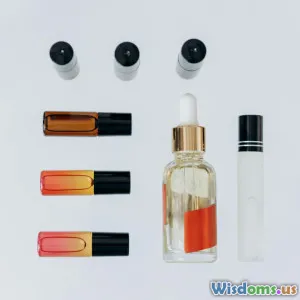
- Travel: Decant into refillable atomizers for events instead of buying miniatures.
Disposal and recycling:
- Remove pumps and rinse bottles before recycling. Pumps often contain mixed materials; check if your local program accepts them. Programs like Pact Collective or in-store take-back bins can handle tricky components.
Glam on the red carpet: pro tactics worth copying

Borrow cues from stylists who juggle image, deadlines, and ethics:
- Rewear with intent: Cate Blanchett has repeated gowns on major carpets, restyled with different jewelry and tailoring tweaks. Tiffany Haddish famously rewore a white gown multiple times. The narrative becomes confidence and craft, not scarcity.
- Ethical headlines: Billie Eilish agreed to wear a house’s gown with the condition they stop using fur; designers now announce recycled content, deadstock use, and material innovations as part of the story.
- Tailoring as transformation: A sleeve removed, a belt added, a hem lengthened — a skilled tailor turns last season into this night.
- Jewelry and clutch rentals: Red carpet sets are often borrowed. Adopt the same logic for your big nights.
Audit your glam routine in one weekend
A practical audit reveals quick wins.
Step-by-step:
- Pull everything: Lay out your top three glam outfits, shoes, accessories, and your beauty kit.
- Map frequency: Note how often you actually wear each piece and perform each beauty step. Be honest.
- Identify hub products: What products enable multiple looks? Example: a neutral palette that supports four eye looks; a bolero that tops three dresses.
- Flag high-waste zones: Wipes, minis, aerosol-only products, single-event accessories.
- Make a swap list:
- Replace two aerosol items with pumps.
- Add one refillable lip and one refillable face compact.
- Plan to rent or borrow the next statement clutch.
- Maintenance plan:
- Schedule brush cleaning.
- Set a tailor appointment for the dress you keep pulling but never wear because of fit.
Put all this into a notes app with dates: refills to buy, services to book, pieces to sell or donate.
Smarter shopping and shipping for glam
Your shopping method is part of the footprint.
- Consolidate orders: One shipment beats three. Opt into slower shipping; ground transport has a lower footprint than air.
- Choose packaging wisely: Brands offering minimal or recyclable packaging reduce downstream waste. Decline gift boxes unless you will reuse them.
- Try before buy: Virtual shade match and fabric swatch services cut returns. In-store shade matching then ordering a refill saves packaging.
- Buy resale and rent: For statement garments, resale platforms and rental services keep items circulating. For makeup, focus on new purchases for hygiene, but consider pre-loved brush handles and vintage compacts that accept new pans.
Care, laundry, and end-of-life for high-impact pieces

Most glamorous textiles are high maintenance — treat that as a feature, not a bug.
- Spot clean first: A small silk or lyocell stain lifts with a dedicated cleaner and damp cloth. Full washes are last resort.
- Cold water and low agitation: Protects fibers and reduces energy use. Air dry flat to preserve shape and beads.
- Microfiber capture: Wash synthetics in a microfiber-catching bag or with a laundry ball; dispose of captured fibers in the trash.
- Repairs: Replace loose hooks, reinforce straps, and resew beads proactively. A 15-dollar repair prevents a 200-dollar replacement.
- End-of-life decisions:
- Resell or donate designer pieces to extend life.
- Upcycle damaged gowns into skirts or tops.
- Harvest trims and beads for future projects.
Myths, traps, and greenwashing to avoid

Labels do not always mean what you think.
- Clean beauty vs safe vs sustainable: Clean often means a brand’s own no-list, not a guarantee of lower footprint. Safe is about toxicology. Sustainable is about lifecycle impacts. Look for specific claims, not vibes.
- Biodegradable claims: Biodegradable in what conditions and how fast? Home compost vs industrial vs marine are not interchangeable. Ask for clarity.
- Recyclable packaging: A mirror-lidded palette with magnets is technically recyclable in theory but rarely processed in practice. Look for programs that specifically take them back.
- Vegan equals eco? Not always. Some vegan leathers are PVC-based; seek plant or mycelium materials with credible testing.
Useful certifications and signals:
- Textiles: GOTS for organic fibers and processing, RWS for responsible wool, OEKO-TEX for restricted substances, bluesign for supply chain chemicals.
- Beauty: COSMOS or Ecocert for natural and organic cosmetics, FSC for paper boxes, Cradle to Cradle for product and packaging systems, Leaping Bunny for cruelty-free. B Corp can signal broader governance commitments.
Sustainable glam at any budget

Maximal style does not require maximal spending.
- Low spend, high impact:
- Thrift a silk scarf to wear as a top, sash, or hair accessory.
- Choose a refill pan to slot into an old compact.
- Use a salon-quality brush set; better tools make budget products sing.
- Mid-tier:
- Buy a pre-loved designer dress and tailor it.
- Invest in a refillable lipstick case and two shades.
- Add a pair of classic pumps with replaceable heel tips.
- High-end:
- Commission a made-to-measure piece in certified fabrics.
- Build a custom palette with pro refills.
- Purchase fine jewelry you can rent out or resell.
Cost-per-wear is the core metric. A 300-dollar dress worn 10 times is a better spend — and footprint — than a 60-dollar dress worn once.
A one-week sustainable glam plan

Try this schedule to test-drive glam with intention.
- Day 1: Statement eye, restrained base
- Wardrobe: Lyocell slip with tailored blazer.
- Beauty: Build an eye using refill pans. Skin prep replaces a second foundation layer; set with pressed powder refill, not loose plastic tub.
- Hair: Air-dry to 70 percent; finish with a round brush and pump spray.
- Day 2: Lip focus, reuse the base
- Wardrobe: Same slip, swapped belt and metallic earrings.
- Beauty: Refillable lipstick swap; same base products to finish them faster and avoid half-used duplicates.
- Nails: Add cuticle oil; no redo.
- Day 3: Glitter night-out, plastic-light
- Wardrobe: Reclaimed beaded bolero over black mini.
- Beauty: Cellulose-based glitter applied with balm. Removal with reusable rounds; trap fallout and bin.
- Hair: Pin curls set with minimal heat.
- Day 4: Reset and care
- Wardrobe: Tailored trousers with silk camisole.
- Beauty: Minimal makeup; clean brushes and sanitize compacts.
- Laundry: Spot clean garments; air them outdoors.
- Day 5: Bold liner, vintage accessory
- Wardrobe: Tux jacket over jeans for a high-low look.
- Beauty: Gel liner from a refillable pot; sharpeners with metal blades last longer.
- Fragrance: Refill atomizer top-up instead of buying minis.
- Day 6: Formal event
- Wardrobe: Anchor gown with borrowed jewelry.
- Beauty: Full face using curated kit; one new shade refill slotted in.
- Hair: Professional blowout powered by salon energy-efficient tools; tip your stylist for using pump products.
- Day 7: Maintenance and prep
- Wardrobe: Lounge set in organic cotton.
- Beauty: Depot any broken pans into a magnetic palette. List unused items for swap or donation. Create a shopping list for refills only.
Metrics: how to track progress without killing the vibe

If it is not measured, it is forgotten. Keep it simple.
- Empties count: Aim for finishing 80 percent of color cosmetics you own before buying a new family of shades. Celebrate empties; they are proof of less waste.
- Cost-per-wear log: A quick note of each wear reduces impulse replacements.
- Energy: Batch style sessions. Style on wash day and touch up for two events, cutting extra heat use.
- Shipping: One order per month; opt for ground and consolidated shipments.
- Waste bin audit: Once a month, check your glam waste. Wipes? Discarded minis? Replace with reusables and refills.
Real-world brand and material examples to explore

Examples, not endorsements — to illustrate what is possible:
- Fashion materials and makers:
- Designers experimenting with low-impact luxury: Stella McCartney, Gabriela Hearst, Mara Hoffman, Reformation, Collina Strada.
- Recycled and innovative materials: Econyl nylon eveningwear, TENCEL lyocell satin, deadstock brocades.
- Sequins innovation: Brands and studios piloting cellulose or biopolymer sequins and iridescent films.
- Beauty systems:
- Refillable makeup: Options from houses like Dior and Hermès; indie pioneers like Kjaer Weis; pro pan systems from MAC and Make Up For Ever.
- Low-waste hair: Pump sprays and powders; bar shampoos from solid-focused brands; salon refill stations where available.
- Glitter and shimmer: Plant-based glitter options from specialty makers; synthetic mica labeled on ingredients lists.
- Take-back programs: Pact Collective drop-offs for cosmetics packaging; in-store recycling for empties in select retailers.
Check availability in your region and prioritize transparency: ingredient lists, material content, and care instructions.
Practical comparison: better, good, best for common glam choices
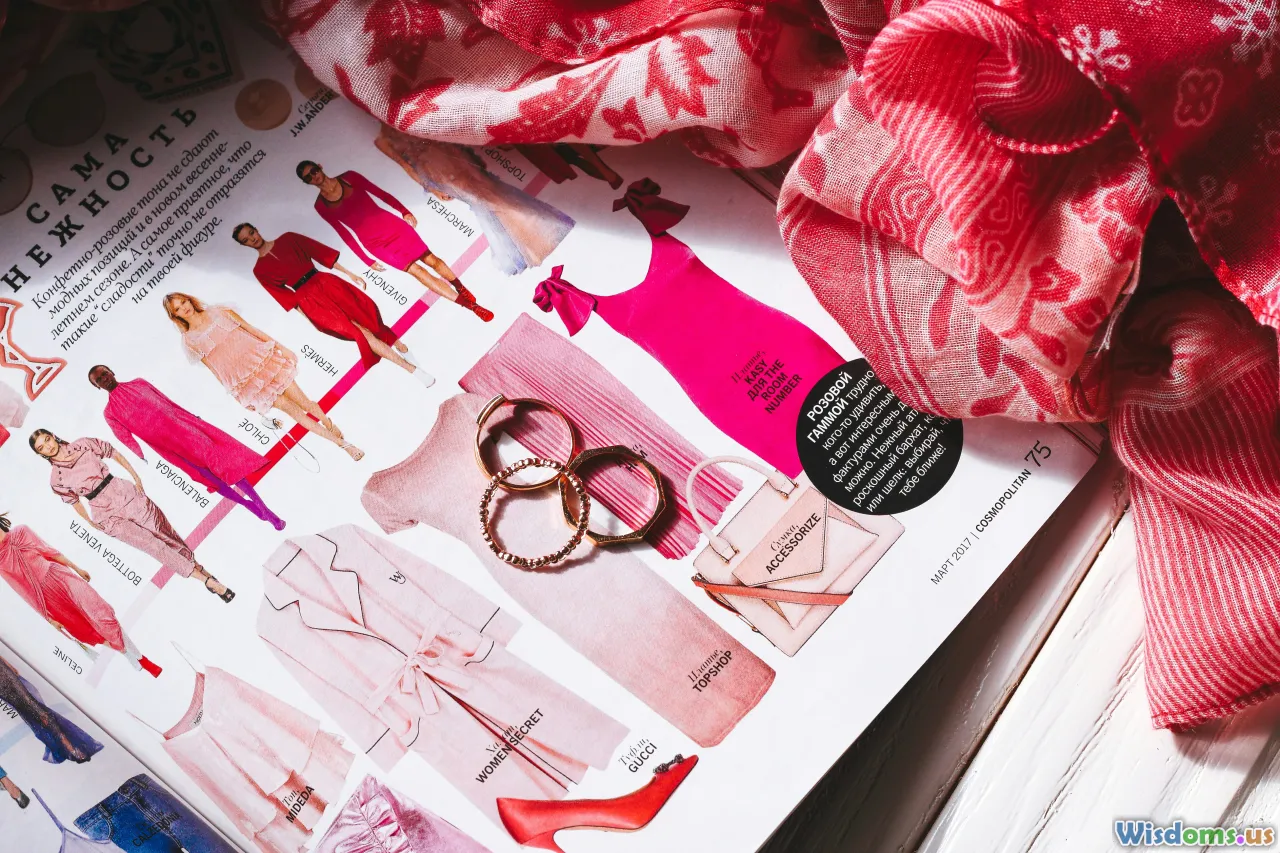
- Red lipstick:
- Better: Long-wear bullet in recyclable packaging.
- Good: Refillable bullet with aluminum case.
- Best: Refillable bullet plus bulk refill ordered with consolidated shipping.
- Eyeshadows:
- Better: Palette you will hit pan on.
- Good: Magnetic single-pan refills in a durable palette.
- Best: Pro refill system; depot old shades; replace only what you finish.
- Statement dress:
- Better: Buy from a brand disclosing materials and supply chain.
- Good: Pre-loved designer tailored to you.
- Best: Rent for one-off events; buy only your anchor piece.
- Hair hold:
- Better: Aerosol with high product efficacy so you spray less.
- Good: Pump spray with refill bottle.
- Best: Set hair with pins and light pump spray; re-style minimally.
Health, safety, and comfort — the hidden sustainability factors
Comfort is not just a nicety; it is a predictor of rewear and reuse.
- All-day wear: Choose breathable linings, stable heels, and weight-balanced earrings. If you feel great, you will rewear the outfit.
- Skin compatibility: Patch test glitters and adhesives. Irritation leads to abandoned products and medical waste.
- Ergonomics: A lighter dryer with a swivel cord saves wrists and energy because you work faster.
When to go maximal and when to go minimal
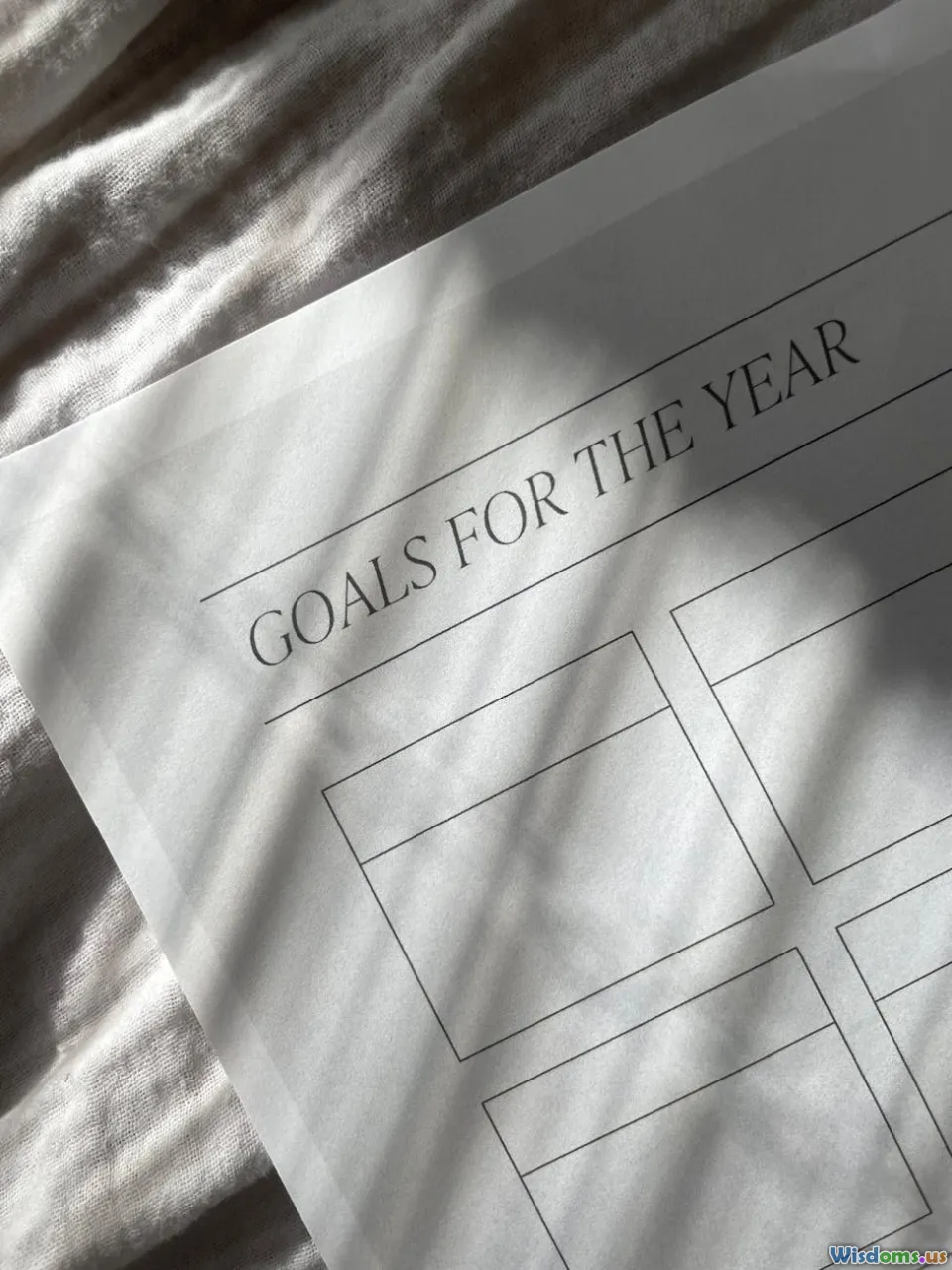
Strategic maximalism saves impact for when it counts.
- Anchor your look: If the gown is fully embellished, go for a refined makeup look you can achieve with your core kit. If the makeup is avant-garde, pick a simpler dress in a premium fabric.
- One new element rule: For each event, add at most one new item — a lipstick shade, a rented cuff, or a hair accessory — and build the rest from your wardrobe.
- Seasonal planning: Create three signature looks per season. Pre-plan accessories and beauty so you are not panic-buying before events.
Endgame: closing the loop on glam

Sustainable glam is not a sacrifice, it is a craft. In practice, it looks like a closet of fewer but louder pieces that fit impeccably, a beauty kit built around refills and pro-grade pans, and a maintenance routine that honors both your time and your things. It is calling your tailor before you call a courier, and cleaning your brushes before you add another palette. It is swapping aerosol mist for a pump, and renting a diamond cuff for the drama without the drawer clutter.
The most powerful shift is mindset. Instead of asking what can I buy to look glamorous, ask what system lets me look glamorous again and again. The system might include a trusted rental account, a list of refill shades you have hit pan on, a calendar for slow shipping, a tailor, and a repair box with spare beads. It might be as simple as a weekly brush cleaning, a mesh laundry bag, and the boldness to rewear the killer dress.
When you stack these choices, the sparkle stays and the footprint shrinks. The world does not need less glam; it needs smarter glam. Wear the sequins — just choose the right sequins, care for them, and light the room responsibly. That is sustainable fashion with a full glam routine: not either-or, but both, better.
Rate the Post
User Reviews




Popular Posts