Vitamin C Serum Myths and the Truth for Glowing Complexion
35 min read Bust vitamin C serum myths with science-backed facts, usage tips, and formulation insights to achieve a brighter, even-toned, glowing complexion. (0 Reviews)
Glowing complexions are often credited to a single 'miracle' product in social feeds, and vitamin C serums get more than their share of the spotlight. The truth is more nuanced—and more empowering. Vitamin C can absolutely brighten dull skin, even tone, and support a healthy-looking barrier, but how you choose, store, and use it matters as much as the ingredient itself. Below, we take apart the most persistent myths with practical guidance you can put to work today.
Myth #1: Vitamin C serum works the same for everyone

Different skin types and lifestyles shape how vitamin C behaves on your skin. A 21-year-old with oily, acne-prone skin and a 48-year-old with dry, photoaged skin will not experience identical results from the same formula.
What differs:
- Skin type: Oily skin generally tolerates water-based, low-viscosity formulas and may prefer lower emollients to reduce shine. Dry or mature skin benefits from vitamin C paired with humectants (glycerin) and emollients (squalane) to reduce tightness.
- Barrier condition: Compromised skin (e.g., post-irritation, after over-exfoliation) may sting with low-pH L-ascorbic acid. It often does better with gentler derivatives like magnesium ascorbyl phosphate (MAP) at a higher pH.
- Environment: Urban dwellers who contend with pollution may see more visible brightening from vitamin C formulas that include antioxidants like ferulic acid and vitamin E—these combinations help neutralize free radicals generated by UV and particulate matter.
- Skin tone and concerns: People dealing with post-inflammatory hyperpigmentation after acne, melasma, or uneven tone often need consistent daily use for 8–12 weeks, sometimes longer, and may benefit from pairing vitamin C with sunscreen and niacinamide.
Helpful example: Two friends start 15% L-ascorbic acid serums. One reports glow in 10 days; the other feels stinging and spots new flaking. The first likely has a solid barrier and tolerates low pH. The second may need to slow to every other day, sandwich under moisturizer, or switch to a derivative like sodium ascorbyl phosphate (SAP).
Takeaway: Customize type, texture, and strength to your skin condition. Vitamin C is a category—not a single experience.
Myth #2: Higher percentage means better results
More isn’t necessarily better. For L-ascorbic acid (L-AA), efficacy tends to plateau around the 15–20% range in many formulations. Higher percentages can deliver diminishing returns with more irritation.
Key details:
- For L-ascorbic acid, concentrations of 10–20% at a pH around 2.5–3.5 are commonly used for brightening and supporting collagen. Below 8–10%, many users still see benefits—especially with ferulic acid and vitamin E present—but results may be slower.
- With derivatives like THD ascorbate (tetrahexyldecyl ascorbate), SAP, or MAP, effective ranges differ. THD often shows benefits at 5–10%. MAP may be active at 5–10% but is gentler and slower.
- If higher strength simply raises irritation, you might abandon use prematurely, losing all benefit.
Real-world scenario: Someone escalates from 10% to 30% L-AA in one jump, chasing speed. They get redness and tightness, stop using it, and conclude vitamin C 'doesn’t work.' Ironically, they might have achieved better results by staying at 10–15% with daily consistency.
Practical advice:
- Start low and slow if you’re sensitive: 8–12% L-AA or a derivative.
- If your skin is seasoned (tolerant) and you want faster results, 15% L-AA with vitamin E and ferulic acid is a proven sweet spot in many people’s routines.
- When in doubt, prioritize consistency and stability over percentage.
Myth #3: All forms of vitamin C are equal
'L-ascorbic acid' is pure vitamin C and the most studied for topical skin benefits. But not every formula uses it. Many rely on derivatives that convert to ascorbic acid in the skin or function as stable antioxidants on their own.
Common forms, at a glance:
- L-ascorbic acid (L-AA): Water-soluble, potent, most evidence for brightening and supporting collagen. Unstable in water at higher pH; best stabilized by low pH (~2.5–3.5), ferulic acid, vitamin E, oxygen-limiting packaging.
- Sodium ascorbyl phosphate (SAP): Water-soluble, stable at higher pH; gentler, often recommended for acne-prone or sensitive skin; slower brightening.
- Magnesium ascorbyl phosphate (MAP): Water-soluble, favored for sensitive or dry skin; works at a more skin-friendly pH; slower but steady.
- Ascorbyl glucoside: Stable; hydrolyzes to ascorbic acid; moderate brightening. Good in layered routines.
- 3-O-ethyl ascorbic acid: Modified to enhance stability and penetration; brightening with fewer stings for many; results vary by base formula.
- Tetrahexyldecyl ascorbate (THD ascorbate): Oil-soluble; penetrates lipid environments; often well-tolerated; pairs well with dry or mature skin types; helpful in routines with occlusive moisturizers.
A practical way to choose:
- If you want the 'classic' effect and tolerate low pH: L-AA 10–20%.
- If you’re sensitive, acne-prone, or prefer higher pH: SAP or MAP at 5–10%.
- If you have dry or mature skin and like oils: THD ascorbate at 5–10% in an anhydrous or oil-rich base.
Truth: The best form is the one you’ll actually use consistently, whose texture suits your skin and whose packaging keeps it potent.
Myth #4: Vitamin C replaces sunscreen

Vitamin C is an antioxidant. Sunscreen is a UV filter. They are complementary, not interchangeable.
Facts that matter:
- Sunscreen physically or chemically absorbs/reflects UV radiation (UVA and UVB). Vitamin C can help neutralize some free radicals generated by UV exposure, but it doesn’t have an SPF rating nor does it block UV.
- Some studies show that vitamin C combined with vitamin E and ferulic acid increases the skin’s resistance to oxidative stress from UV and pollution. This means better support against environmental damage—but again, not a replacement for SPF.
- Real-world skin protection is layered: apply vitamin C in the morning, then a broad-spectrum sunscreen (SPF 30 or higher), and reapply sunscreen every 2–3 hours if you’re outdoors.
Action step: Think of vitamin C as a seatbelt and sunscreen as the airbags. You need both for safer 'driving' under daily UV exposure.
Myth #5: Vitamin C can’t be layered with niacinamide or acids
For years, internet lore warned against mixing vitamin C and niacinamide, citing old studies with outdated forms and extreme conditions (very high heat). Modern cosmetic-grade niacinamide and vitamin C coexist just fine in typical routines.
What we know now:
- Vitamin C and niacinamide can be layered—many products combine them in the same bottle. Together, they target tone, barrier function, and pore appearance.
- Layering with AHAs/BHAs: You can use acids and vitamin C, but irritation risk rises. Many people split them—vitamin C in the morning, exfoliating acids at night. Alternatively, cycle acids only 2–3 evenings per week.
- Retinoids: Can you combine? Yes, but go slow. Some advanced users tolerate vitamin C in the morning and retinoids at night with excellent outcomes. Layering both at once can be too stimulating for sensitive skin.
Pro layering tips:
- Sequence generally goes from thinnest to thickest: cleanse, water-based serums (vitamin C), moisturizer, sunscreen.
- If pilling occurs, reduce layers, allow more dry-down time (60–90 seconds between layers), and avoid heavy silicones directly on watery serums.
Myth #6: Vitamin C serums always sting or cause purging

A brief tingle can happen with low-pH L-ascorbic acid, but ongoing burning, redness, or flaking isn’t a requirement for results.
Understanding the sensations:
- Tingling for 10–30 seconds at first use may reflect low pH and a sensitized barrier. If it’s short-lived and not worsening, it can be normal. If it persists or increases, scale back.
- 'Purging' refers specifically to a faster turnover of existing microcomedones from agents that increase cell turnover (like retinoids or strong acids). Vitamin C doesn’t reliably accelerate turnover the way retinoids do, so breakouts after starting vitamin C are more often irritation or a reaction to other formula components (fragrance, essential oils) rather than true purging.
How to minimize issues:
- Patch test: Apply a pea-sized amount behind the ear or along the jawline for 3 nights before full-face use.
- Moisture sandwich: Apply a light moisturizer first if you’re sensitive, then vitamin C, then another thin moisturizer layer.
- Choose derivatives if L-ascorbic acid stings: SAP, MAP, or THD often feel gentler.
Myth #7: If it turns yellow, it’s still fine
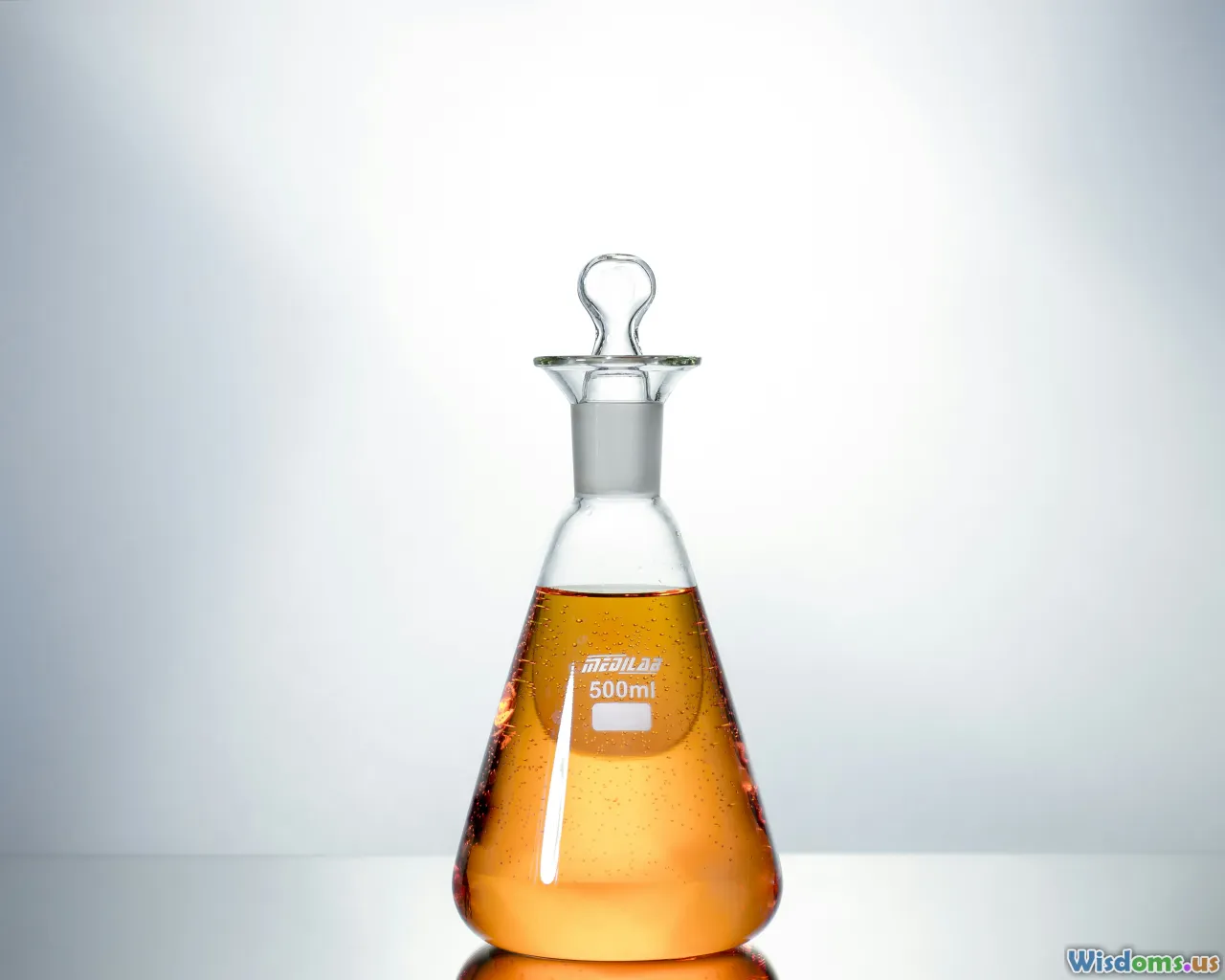
Color is a stability clue. L-ascorbic acid oxidizes from clear or very pale straw to deep yellow, orange, then brown. Oxidized vitamin C equals reduced potency and can increase irritation for some.
Key stability facts:
- L-ascorbic acid in water is prone to oxidation by light, heat, and oxygen. Stabilizers like ferulic acid and vitamin E help, and oxygen-limiting packaging extends shelf life.
- Early yellowing can be normal in some formulas that start slightly tinted due to ferulic acid. But a gradual deepening to orange-brown is a sign potency is dropping.
- Rule of thumb: If your serum is clearly darker than when you opened it or smells sharp/metallic, it’s time to replace.
Practical steps to preserve potency:
- Buy smaller bottles (15–30 mL) you can finish in 2–3 months once opened.
- Store in a cool, dark place. A skincare fridge is optional but helpful in hot climates; keep it sealed tightly.
- Prefer airless pumps or well-designed dropper bottles with minimal headspace. Don’t leave the dropper uncapped while you do your routine.
Myth #8: Natural vitamin C (like lemon juice) is better than synthetic
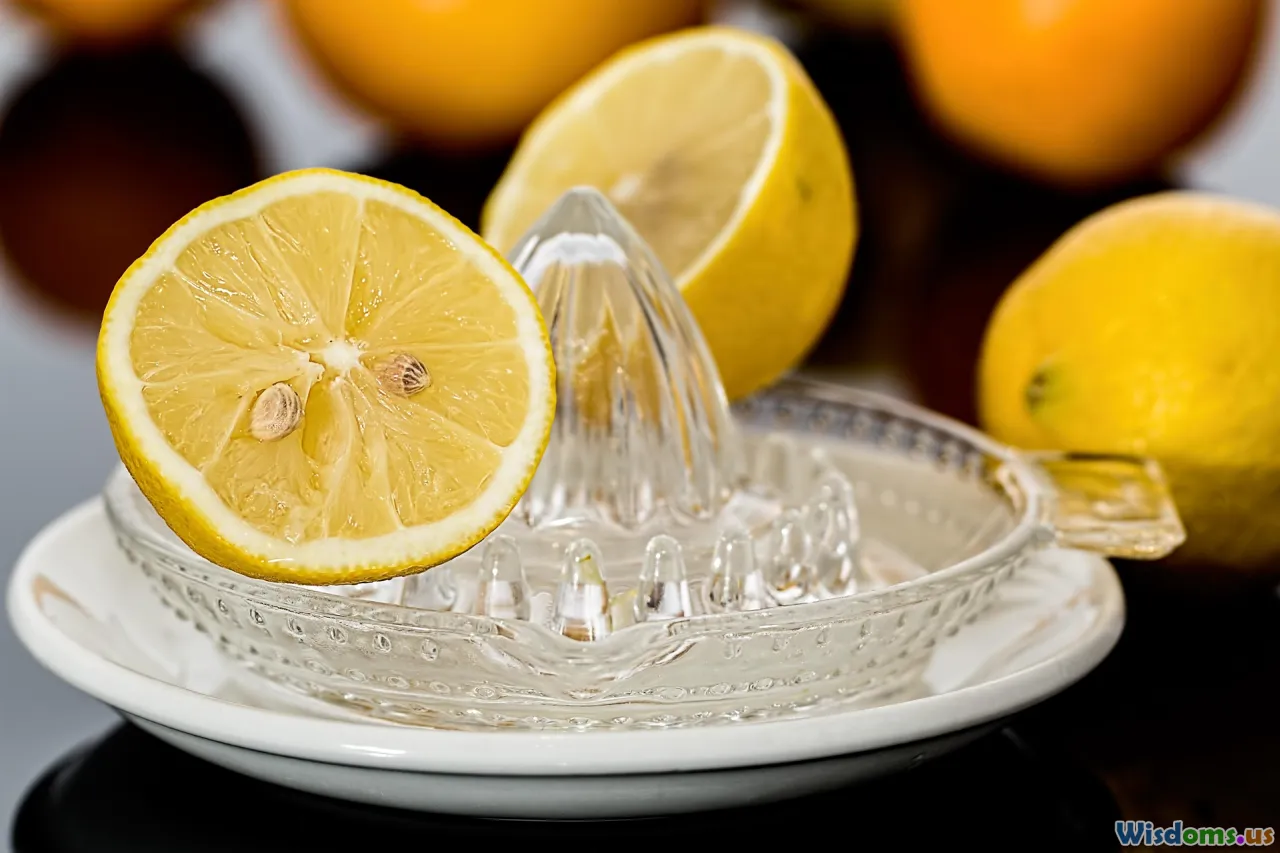
Fresh lemons contain vitamin C—but also fragrant compounds and acids that can irritate or inflame skin. 'Natural' is not automatically gentler.
Consider:
- Lemon juice has a low pH and volatile fragrant compounds that can trigger dermatitis and post-inflammatory hyperpigmentation, especially on medium to deep skin tones after sun exposure.
- Lab-made L-ascorbic acid is chemically identical to that found in nature and can be precisely formulated for pH, penetration, and stability.
- Fruit extracts in commercial skincare can be part of balanced formulas, but DIY application of fresh citrus is unpredictable and risky.
If you love botanicals:
- Look for formulas that combine vitamin C with calming plant extracts (green tea, centella) instead of applying raw fruit juices.
- Avoid highly fragrant essential oils if you’re sensitive—they add scent but no vitamin C benefits.
Myth #9: You must use vitamin C only in the morning
Morning use is popular because vitamin C helps defend against daytime environmental stressors. But night use is also valid—especially for people whose morning routines are already crowded or who prefer to pair with retinoids on alternating schedules.
What to know:
- Daytime: Apply after cleansing and before sunscreen. Many users report a brighter look and improved evenness over time.
- Nighttime: Useful for those avoiding potential daylight-triggered sensitivity or who wear heavy makeup in the day. Vitamin C can complement overnight repair, especially in gentler derivative forms.
- Split strategy: Morning L-ascorbic acid for antioxidant defense; nighttime retinoid for turnover. On nights with strong exfoliants, swap in a derivative vitamin C if desired, or rest from actives.
Bottom line: Use it when you’ll be most consistent.
Myth #10: Darker skin tones should avoid vitamin C

Vitamin C is widely used to address post-inflammatory hyperpigmentation (PIH) and dullness in melanin-rich skin. The concern isn’t vitamin C itself—it’s irritation from harsh formulas, fragrance, or over-exfoliation, which can worsen PIH.
Helpful guidance:
- Choose gentler formats like SAP, MAP, or 3-O-ethyl ascorbic acid if you’re sensitive. Use daily sunscreen to prevent pigment from rebounding.
- Start at comfortable strengths and step up slowly. Combine with barrier-supportive ingredients (niacinamide, ceramides) to minimize irritation.
- Pair with sunscreen and avoid picking at blemishes to reduce new PIH.
Example: A person with Fitzpatrick type V skin experiencing dark marks after acne uses 5% SAP daily, 4% niacinamide, and SPF 50. Over 12 weeks, spots fade gradually with lower risk of inflammatory flare-ups compared to jumping straight into 20% L-AA on a compromised barrier.
Myth #11: You can store vitamin C serum anywhere

Storage conditions significantly affect stability.
Best practices:
- Keep bottles away from direct sunlight and fluctuating bathroom heat. A bedroom drawer can be better than a steamy medicine cabinet.
- If you live in a hot climate, a skincare fridge can help extend the serum’s useful life. Bring to room temperature for 1–2 minutes before applying for better spread.
- Don’t decant into clear dropper bottles 'for aesthetics.' You’ll accelerate oxidation. If you must decant for travel, use an opaque, airtight mini pump.
Shelf-life notes:
- Unopened, many L-AA serums last 6–12 months. Once opened, aim to finish within 2–4 months.
- Derivatives are usually more stable; check the brand’s period-after-opening (PAO) symbol.
Myth #12: Price equals potency
Price reflects branding, packaging, and testing—but not automatically results.
How to evaluate value:
- Formula transparency: Does the brand disclose the vitamin C type and percentage? Do they specify pH for L-AA?
- Packaging: Airless pumps, opaque bottles, and nitrogen-flushed headspace suggest attention to stability.
- Supporting cast: Ferulic acid and vitamin E stabilize L-AA; humectants support comfort; minimal fragrance reduces irritation risk.
- Texture and usability: A $25 serum you love and finish beats a $150 serum you abandon.
Example: A mid-priced 15% L-AA with ferulic acid in an opaque pump that you use every morning delivers more real-world benefit than a luxury 25% L-AA in a clear dropper you avoid due to stinging and that oxidizes on your shelf.
Myth #13: Vitamin C thins the skin

Vitamin C doesn’t thin the skin. In fact, it supports collagen synthesis pathways and helps maintain a more resilient-looking dermis over time.
Clarifying the confusion:
- Some people conflate the transient 'tight' feel from low pH formulas with thinning. That sensation often reflects acid pH, not tissue loss.
- Over-exfoliation can thin the stratum corneum temporarily, but vitamin C is not primarily an exfoliant. If a formula also includes AHAs, be mindful of frequency.
- Several controlled studies have associated topical vitamin C use with improvements in fine lines and overall skin radiance over weeks to months—outcomes inconsistent with thinning.
Support your barrier:
- Pair vitamin C with moisturizers containing ceramides, glycerin, and cholesterol to reduce transepidermal water loss.
- If using exfoliants or retinoids concurrently, add 'rest nights' with only hydration.
Myth #14: One week to glow—instant results guaranteed

Marketing loves instant gratification, but meaningful changes in tone and fine lines typically take 6–12 weeks of consistent use.
What to expect:
- Days 1–7: Subtle luminosity from hydration and light scattering. Minimal change in spots.
- Weeks 3–6: Improved overall evenness; post-acne marks begin to look lighter at the edges if sun protection is consistent.
- Weeks 8–12: Noticeable shift in stubborn spots, especially when vitamin C is paired with daily sunscreen, niacinamide, and occasional gentle exfoliation.
- Ongoing: Results plateau without maintenance; keep using at a sustainable cadence.
Pro tip: Take a makeup-free, same-lighting photo every 3–4 weeks to track progress realistically.
How to choose and use a vitamin C serum that actually works
Step-by-step approach:
- Identify your primary goal
- Brightening and dullness: L-ascorbic acid 10–15% with ferulic acid and vitamin E.
- Sensitive or acne-prone: SAP 5–10% or MAP 5–10% at a higher pH, fragrance-free.
- Dry/mature skin: THD ascorbate 5–10% in an anhydrous/oil base with squalane.
- Check the label and packaging
- Ingredient naming: Look for the specific vitamin C type, not just 'vitamin C complex.'
- Packaging: Opaque, airless pump preferred. If dropper, ensure an amber or opaque bottle and commit to finishing it quickly.
- Add-ons: Ferulic acid and vitamin E for L-AA; humectants (glycerin) for comfort.
- Consider pH and texture
- L-AA works best at low pH (≈2.5–3.5), which can tingle. If you dislike the feel, choose a derivative with a more comfortable pH.
- Texture should match your routine: watery serums go before moisturizers; oil-based forms after light water serums and before heavier creams.
- Start slow and increase frequency
- Sensitive: Every other morning for 2 weeks, then daily if tolerated.
- Tolerant: Daily from day one. If stinging, buffer with moisturizer.
- Layer smartly
- Morning: Cleanse, vitamin C, moisturizer, broad-spectrum SPF 30–50.
- Night: Retinoid or gentle acid on alternate nights; on rest nights, use niacinamide and barrier cream.
- Commit to consistency
- Stick to one vitamin C product for at least 8–12 weeks before judging results.
- Replace when oxidized
- Monitor color and scent. Err on the side of freshness.
Troubleshooting: Common vitamin C serum problems and fixes

Problem: Pilling (little balls on skin)
- Causes: Too many layers, incompatible textures, high silicones over watery serums.
- Fix: Reduce layers; allow 60–90 seconds between steps; consider a lighter moisturizer.
Problem: Stinging or lasting redness
- Causes: Low pH, compromised barrier, fragrance/essential oils.
- Fix: Switch to SAP/MAP/THD; apply after a light moisturizer; reduce frequency.
Problem: Breakouts after starting
- Causes: Irritation, comedogenic adjuncts in formula, heavy oils if acne-prone.
- Fix: Try a lighter, water-based formula; patch test; avoid pore-clogging bases if you’re breakout-prone.
Problem: No visible change after two months
- Causes: Inconsistent use, oxidized product, insufficient SPF, wrong vitamin C type for your goal.
- Fix: Confirm daily use; ensure sunscreen reapplication outdoors; try a better-stabilized formula; consider adding niacinamide or azelaic acid for pigment.
Problem: Orange stains on fingers or clothes
- Causes: Oxidized serum or high-dye fragrances interacting; L-AA can leave slight tint if oxidized on skin.
- Fix: Wash hands after application; let serum dry fully before dressing; replace oxidized bottle.
A realistic routine example for different skin goals

Goal: Fade post-acne marks on combination skin
- Morning: Gentle gel cleanse; 10% L-ascorbic acid serum; oil-free moisturizer; SPF 50.
- Night (3x weekly): 5–10% azelaic acid or mild BHA; rest nights with 4% niacinamide serum + moisturizer.
- Expectation: Brighter overall look in 4–6 weeks; marks lighten noticeably by 8–12 weeks.
Goal: Soothe sensitive skin while brightening
- Morning: Creamy non-foaming cleanser; 5% SAP serum; ceramide-rich moisturizer; SPF 50.
- Night: No strong acids; use a peptide serum and a simple barrier cream.
- Expectation: Reduced redness and gradual evenness over 8–12 weeks with minimal irritation.
Goal: Mature, dry skin seeking radiance and fine-line support
- Morning: Hydrating cleanser; THD ascorbate 7% serum with squalane; rich moisturizer; SPF 50.
- Night: Retinaldehyde or retinol 2–4 nights per week; rest nights with niacinamide and a lipid-rich cream.
- Expectation: Plumper feel in 2–3 weeks; gradual softening of fine lines by 8–12 weeks.
The science-backed extras that boost results
- Vitamin E and ferulic acid: In L-AA formulas, 0.5–1% ferulic acid and 0.5–1% vitamin E often enhance stability and broaden antioxidant action.
- Sunscreen synergy: Daily broad-spectrum sunscreen prevents new pigmentation and preserves vitamin C’s gains.
- Gentle exfoliation: Once or twice weekly with a mild AHA or PHA can improve light reflectance by smoothing the stratum corneum. Avoid overdoing it with potent acids if you’re already using a low-pH L-AA.
- Niacinamide: Supports barrier, reduces redness, and helps even tone alongside vitamin C without fuss.
Safety notes and special situations

- Pregnancy: Topical vitamin C (including L-AA, SAP, MAP, THD) is generally considered safe in pregnancy. Beware of formulas that include other actives you may choose to avoid—always read the whole INCI list and consult your healthcare provider.
- Post-procedure: After microneedling, peels, or laser, avoid low-pH vitamin C until fully healed to prevent stinging or irritation. Ask your clinician when to reintroduce it.
- Fragrance sensitivity: Choose fragrance-free formulas if you’re reactive. Essential oils can be fragrant, too; 'natural' fragrance can still irritate.
- Eye area: Many tolerate vitamin C around the eyes, but start very sparingly and avoid the lash line. Consider derivative-based eye serums if sensitive.
Smart shopping checklist you can screenshot

- Does the label specify the vitamin C type (L-AA, SAP, MAP, THD, etc.)?
- If L-AA: Is the pH disclosed or is it known to be low (≈2.5–3.5)? Does it include vitamin E/ferulic acid?
- Packaging: Opaque, airless pump or dark, well-sealed bottle?
- Size: 15–30 mL you can finish in 2–3 months once opened.
- Fragrance-free if you’re sensitive.
- Clear instructions: Morning use under SPF, or day/night guidance.
- Brand transparency: Batch codes or stated PAO; avoidance of vague 'proprietary vitamin C complex' claims without detail.
Frequently asked nuanced questions, answered quickly
- Can vitamin C lighten dark circles? If shadows are from pigmentation, some brightening may help over months. If they’re vascular or structural (hollows), vitamin C won’t change anatomy; look to concealers, sleep, and professional guidance.
- Can I use vitamin C with copper peptides? Many people do with no obvious issue, but if you see unexpected darkening or irritation, separate them (vitamin C AM, peptides PM) and simplify the routine.
- Should I refrigerate all vitamin C? Helpful for L-AA in hot climates; not mandatory. Derivatives are more forgiving.
- Is powdered vitamin C better? Anhydrous powders of L-ascorbic acid can be very stable until mixed. Ensure you dissolve to an appropriate pH and avoid gritty textures that can irritate.
- What about body use? Vitamin C can brighten chest, hands, and shoulders. Use generous sunscreen during any body brightening routine.
Vitamin C beyond the face: neck, hands, and more

Most people stop at the jawline. Extend your vitamin C to high-exposure zones:
- Neck and chest: These areas receive sun daily and show early signs of aging. Use a gentle derivative if your neck is reactive.
- Hands: Apply a few drops before hand cream in the morning; follow with SPF.
- Scars or spots on shoulders: For PIH, vitamin C plus sunscreen can help. Avoid applying over active eczema or open wounds.
A realistic cost-per-use perspective

A 30 mL bottle typically contains around 600–900 drops depending on viscosity. If you use 4–6 drops daily, that’s roughly 100–200 applications—about 3–6 months of use. Because L-AA can oxidize, the best value is often a 15 mL size finished in 8–12 weeks. Consider these strategies:
- Buy smaller sizes for L-AA; larger sizes for stable derivatives you’ll actually finish.
- Use once daily; adding a second daily use rarely doubles results and can increase irritation.
- Track open dates with a marker on the bottle to avoid guessing.
Putting it all together: your simple, effective glow plan

- Choose your format: L-AA if you tolerate low pH and want speed, SAP/MAP/THD if you prefer comfort.
- Use it when you’ll be consistent: morning with SPF, or night if mornings are rushed.
- Keep it fresh: smart packaging, cool storage, smaller bottle.
- Support the essentials: sunscreen daily, gentle cleansing, barrier-first moisturizers.
- Adjust thoughtfully: if irritation shows up, step back, restore the barrier, and reintroduce gradually or swap forms.
Glow comes from smart habits more than a single ingredient. Vitamin C can be the backbone of a brightening routine when chosen and used wisely. Treat it like a long-term teammate—reliable, consistent, and effective—and your complexion will reflect that steady care.
Rate the Post
User Reviews







Popular Posts