
Why Rhinoplasty Remains the Most Sought After Cosmetic Surgery
28 min read Explore medical, aesthetic, and cultural reasons rhinoplasty tops global cosmetic surgery charts, with stats, techniques, recovery timelines, candidate profiles, risks, costs, and expert tips for informed decisions. (0 Reviews)
Rhinoplasty has a unique place in cosmetic surgery because it touches both form and function. A small adjustment to the nose can change how the entire face reads—how light catches the cheeks, how the jawline appears, even how confident someone feels in conversation. Add to that the possibility of better breathing, improved sleep, and fewer headaches for patients with structural issues, and it becomes clear why this operation continues to captivate people across geographies and generations.
The Numbers: Where Rhinoplasty Ranks Today

Rhinoplasty consistently ranks among the most requested cosmetic surgeries worldwide. Across major industry reports from professional societies such as ASPS (United States) and ISAPS (global), it sits firmly in the top tier of surgical procedures year after year. Several practical patterns stand out:
- Always a top facial surgery: While liposuction and breast augmentation often trade places at the top of global surgical counts, rhinoplasty remains the leading facial cosmetic procedure internationally.
- A go-to for men: Among male patients, rhinoplasty routinely ranks at or near the top of surgical procedures—often surpassing eyelid surgery and liposuction for this demographic in several markets.
- Country-specific leaders: In countries like Iran and Turkey, rhinoplasty has long been viewed as the premier aesthetic procedure, a cultural touchstone as much as a medical service.
The durability of its popularity is notable. Unlike trend-driven treatments, the demand for rhinoplasty has persisted for decades, weathering shifts in fashion, technology, and social norms. One explanation is that the nose sits at the crossroads of identity and health—people seek it for aesthetic refinement, functional improvement, or both.
Why the Nose Matters: Small Change, Big Facial Harmony

The nose anchors the midface. It influences how the eyes are perceived, how the lips look in profile, and how harmonious the facial thirds appear. Patients often remark that post-rhinoplasty photos look like they lost weight or sharpened their jawline, even though the only change was to the nose. Why?
- Proportional balance: Altering dorsal height (the bridge), tip projection, or rotation can make the chin seem stronger or the eyes more prominent.
- Light and shadow: A straighter dorsum and refined tip redefine how light falls on the face, creating crisper, more youthful contours.
- Feature hierarchy: The nose recedes slightly in visual prominence when harmonized, allowing the eyes and smile to take center stage.
Consider two common scenarios:
- The dorsal hump removal: For a patient with a strong hump, even a 2–3 mm change creates a noticeably smoother profile. The eyes appear softer, and the upper lip length looks more balanced.
- Tip refinement and rotation: Modest changes in tip width or rotation can feminize the face for some patients or maintain masculine structure for others, depending on the patient’s goals.
This outsized impact from small adjustments is a driving reason rhinoplasty remains in such high demand.
Function Meets Aesthetics: Breathing Better as a Key Driver

Cosmetic goals are only part of the story. Many patients experience functional issues: septal deviation, turbinate hypertrophy, valve collapse, or post-traumatic deformity. Rhinoplasty’s enduring popularity owes much to its ability to address beauty and breathing in a single operation.
- Septoplasty + rhinoplasty: When a deviated septum narrows airflow, straightening it can improve breathing and reduce snoring. Combining functional and cosmetic corrections in one surgery is efficient for recovery and cost.
- Valve support: The nasal valves are the narrowest part of the airway. Techniques like spreader grafts or batten grafts can widen and stabilize these regions, improving airflow.
- Turbinate management: Careful reduction (not over-resection) of enlarged turbinates may help with chronic congestion while preserving humidification and filtration.
Many practices track patient-reported outcomes with tools like the NOSE score, which measures nasal obstruction symptoms before and after surgery. Improvements in these scores are often substantial, offering objective evidence that patients feel—and function—better.
Technology That Raised Confidence

Technological advances have made both planning and execution more precise.
- 3D simulation and morphing: Digital imaging helps align expectations by showing plausible outcomes. Surgeons can demonstrate how a 2 mm bridge reduction affects the profile, or how tip rotation changes lip length perception. The key is honesty: simulations must show a range of likely results, not just the ideal.
- Ultrasonic (piezo) rhinoplasty: Piezoelectric instrumentation allows bone reshaping with less trauma to soft tissue. Patients may see less bruising and faster recovery, particularly when narrowing the nasal bones.
- Preservation rhinoplasty: Rather than aggressively reducing structures, preservation approaches maintain nasal framework and reposition tissues to achieve a smooth dorsum and stable tip, often with natural-looking results and long-term stability.
- Modern grafting materials: Using septal cartilage is preferable when available, with rib cartilage as a reliable backup in revision cases. Techniques like diced cartilage fascia (DCF) can create smooth dorsal augmentation for patients needing height rather than reduction.
These tools do not guarantee results—but they improve predictability, lower complications when used appropriately, and increase patient confidence in the process.
The “Zoom Boom” and Social Media Filters

The pandemic-era surge in video calls made people stare at their own faces for hours a day, often through wide-angle laptop cameras that distort proportions. The nose, being closest to the lens, appears larger and more prominent. Even post-pandemic, the habit of self-scrutiny stuck.
- Camera distortion reality check: A 26–28 mm focal length can enlarge nasal projection compared to a 50 mm reference. Surgeons often show patients how changing camera distance alters perceived nasal size.
- Filter influence: Filters and face-tuning apps popularized sleek bridges and refined tips. Some patients mistakenly expect filter-like perfection. Responsible surgeons counter with education and realistic outcome ranges.
- Liquid rhinoplasty as a gateway: Hyaluronic acid fillers can camouflage a small hump or lift a droopy tip temporarily, sometimes guiding patients toward or away from surgical rhinoplasty based on their tolerance for maintenance and desire for permanent change.
The social media era didn’t invent rhinoplasty demand, but it amplified aesthetic literacy and normalized conversations about surgical and non-surgical options.
Open vs. Closed vs. Preservation: What Patients Actually Choose
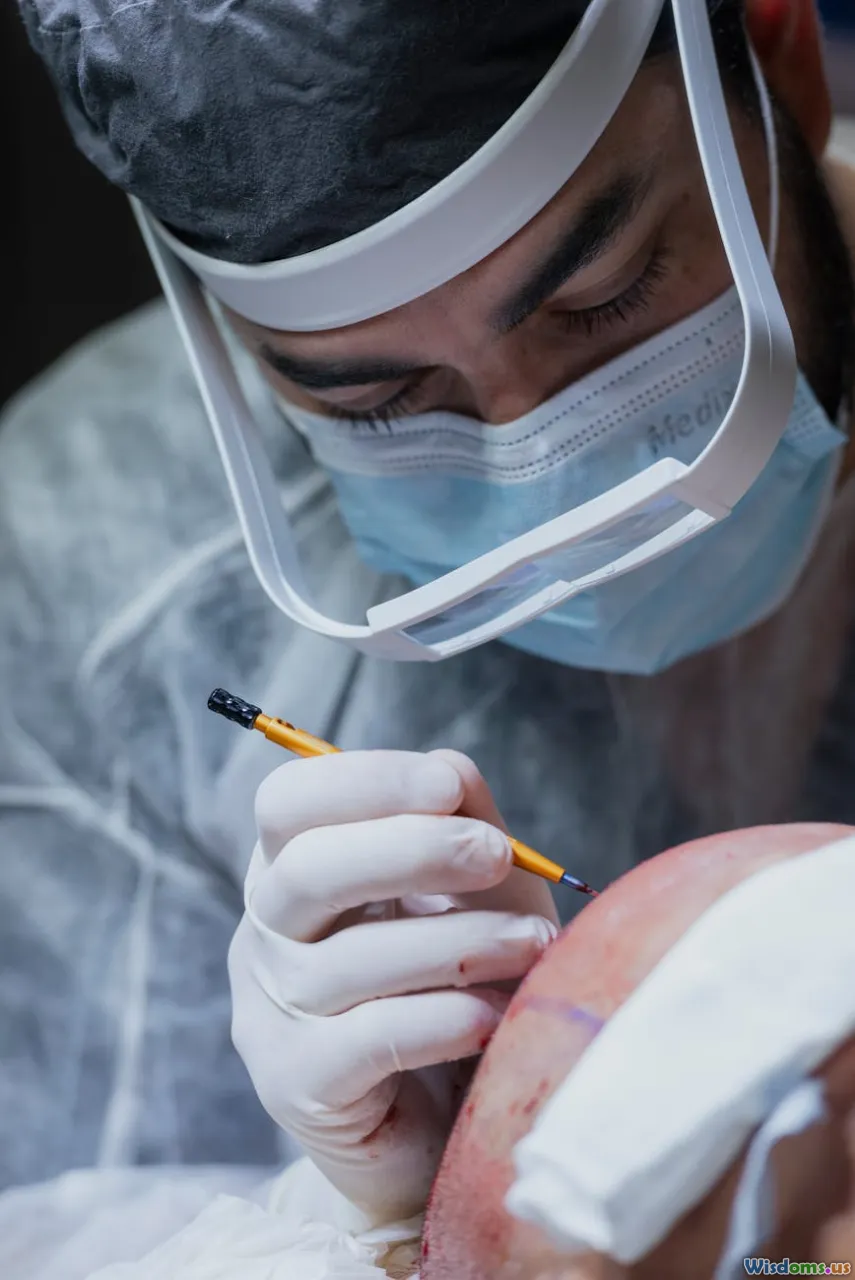
No single method reigns supreme; the best approach depends on anatomy, goals, and surgeon expertise.
- Open rhinoplasty: Uses a small incision across the columella for broad exposure. Advantages include precise tip work and efficient placement of grafts. Minor scar is typically inconspicuous. Great for complex cases, revision work, or significant tip reshaping.
- Closed (endonasal) rhinoplasty: All incisions inside the nostrils. Can reduce edema and eliminate external scarring. Effective for straightforward dorsal work or modest tip refinement in experienced hands. Often preferred for subtle changes.
- Preservation techniques: Aim to keep the dorsal roof intact, reducing the need for reconstruction. Suitable for select primary cases with specific hump characteristics and cartilage quality. Can produce exceptionally smooth profiles.
Case alignment examples:
- Hump reduction + narrow bones + stable tip: Consider closed or preservation if anatomy allows.
- Major tip projection change or revision: Open approach often offers the control needed for long-term stability.
What patients actually choose often mirrors their surgeon’s specialization. The ideal is not a dogma, but a deliberate match between patient anatomy and surgeon skill.
Primary vs. Revision Rhinoplasty: Why Skill and Planning Matter

Rhinoplasty sits among the most technically demanding aesthetic procedures. Revision rates are not trivial; published estimates often range from 5–15% depending on case complexity and definitions of “revision.” Predictable, durable results require meticulous planning:
- Structural support: Over-resection can lead to long-term collapse or pinched tips. Modern strategies emphasize cartilage preservation and strategic grafting.
- Skin thickness: Thick skin may blunt tip definition; thin skin can show irregularities. Techniques and expectations must adapt accordingly.
- Airway safeguarding: A nice-looking nose that cannot breathe is a failure. Spreader grafts, alar rim support, and careful osteotomies prevent functional compromise.
- Scar tissue realities: Revision surgery contends with scarring and limited cartilage supply. Rib cartilage, irradiated homologous grafts, or DCF may be necessary.
The continued demand for rhinoplasty, despite its complexity, reflects growing awareness: skilled surgeons can balance form and function with durable, natural-looking outcomes.
The Globalization of Nose Jobs: Medical Tourism

International travel for rhinoplasty remains robust, especially to centers in Turkey, South Korea, Mexico, and parts of Eastern Europe. Packages bundling surgery, hotel, and translators are common.
Benefits:
- Cost differentials: Even with travel, total cost may be lower than local options.
- High-volume expertise: Some hubs cultivate surgeons who perform hundreds of rhinoplasties per year, especially for specific aesthetic preferences.
Risks and trade-offs:
- Continuity of care: Swelling and scar maturation extend over months. If complications arise after you fly home, coordinating with the original surgeon may be difficult.
- Communication and expectations: Language nuance matters. Misunderstandings can lead to mismatched goals.
- Follow-up logistics: Revision policies, touch-up timelines, and emergency care plans need clarity before booking tickets.
Patients drawn to medical tourism can mitigate risk by building in longer stays, arranging local follow-up, and verifying that the surgeon’s portfolio aligns with their anatomy and goals.
Cultural and Ethnic Sensitivity: Personalized Aesthetics

Rhinoplasty is not about making every nose look the same. The most sought-after outcomes are those that preserve cultural identity while refining form and function. Ethnic rhinoplasty emphasizes respect for diversity:
- Middle Eastern and Mediterranean: Soften a dorsal hump while maintaining strong, dignified lines and a straight-to-gently-convex profile if desired.
- African descent: Tip support and definition without over-narrowing; careful management of alar base width to avoid an “overdone” look.
- East Asian: Subtle dorsal augmentation and tip projection using cartilage or DCF to achieve balanced definition without creating an unnatural bridge.
- Latin American: Wide spectrum of nasal anatomy; plans must be individualized to avoid template-based changes.
In all groups, discussions focus on proportion, function, and authenticity. The goal is a nose that fits the face—and the person.
The Economics: Cost, Value, and Financing

Costs vary widely by geography, surgeon expertise, case complexity, and facility fees. As a general orientation (not a quote):
- Primary rhinoplasty: In many major cities, fees often range from the mid-thousands to five figures.
- Revision rhinoplasty: Typically higher due to complexity and grafting needs.
- Functional components: Septoplasty or valve repair may be partially covered by insurance when medically necessary; aesthetic elements are usually self-pay.
Patients today evaluate rhinoplasty as an investment in self-presentation and comfort. Flexible financing, staged payments, and health savings accounts (for functional components) are common. “Value” comes from durable results, improved breathing when needed, and the confidence lift that affects social and professional life.
Timeline: What Recovery Actually Looks Like

Knowing the road ahead reduces anxiety and sets realistic expectations. A typical course looks like this (individual experiences vary):
Days 0–3:
- Splint on the nose; internal splints or soft packing in select cases.
- Bruising and swelling peak, especially around the eyes if osteotomies were performed.
- Sleeping with the head elevated helps; cold compresses near (not on) the nose can ease swelling.
Days 4–7:
- Discomfort decreases; many return to desk work by the end of week one.
- External splint removal around day 5–7, revealing an early preview (still swollen).
Weeks 2–4:
- Most bruising fades. You look “normal” to casual acquaintances but will see swelling, especially at the tip.
- Light exercise resumes per surgeon guidance; avoid contact activities.
Months 1–3:
- Swelling steadily recedes. Photos start looking close to your simulation, especially in the upper two-thirds.
- Tip refinement continues; numbness improves.
Months 6–12:
- Final definition emerges, particularly in the tip for thick-skinned patients.
- Scar maturation completes; sensation further normalizes.
Milestones help frame patience: 80–90% of the result may be visible at three months, but the last 10–20%—the finesse—takes time.
Realistic Expectations: A Checklist Before You Commit

Use this pre-surgery checklist to align goals with reality:
- I can point to specific features I want to change (bridge height, tip width, rotation), not just “make it perfect.”
- I understand that symmetry improves but is never absolute; small asymmetries are normal.
- I accept that healing is gradual and the tip may be swollen for months.
- I know that my skin thickness affects how much definition is possible.
- I’ve discussed breathing and functional concerns, not only appearance.
- I recognize that simulations are guides, not guarantees.
- I am prepared emotionally and financially for the recovery timeline—and the small possibility of revision.
Patients who internalize these points tend to report higher satisfaction.
How to Choose a Surgeon

Rhinoplasty outcomes correlate strongly with surgeon expertise and volume. Steps to vet your choice:
- Verify credentials: Board certification in plastic surgery or facial plastic surgery, and membership in relevant societies.
- Ask about volume: How many rhinoplasties per year? What percentage are primary vs. revision?
- Review before-and-afters: Seek cases matching your anatomy and goals. Look for consistent, natural results across lighting and angles.
- Discuss function: What is the plan to maintain or improve airflow? How are valves supported?
- Clarify anesthesia and facility: Accredited surgical centers with experienced anesthesia teams.
- Understand the revision policy: Timeframes, fees, and the process if small adjustments are needed later.
- Communication style: You should feel heard; the surgeon should explain not just what they will do but why.
A great consultation should feel like a tutorial on your anatomy and a realistic map to your goals.
Non-Surgical Rhinoplasty: When Fillers Make Sense—and When They Don’t
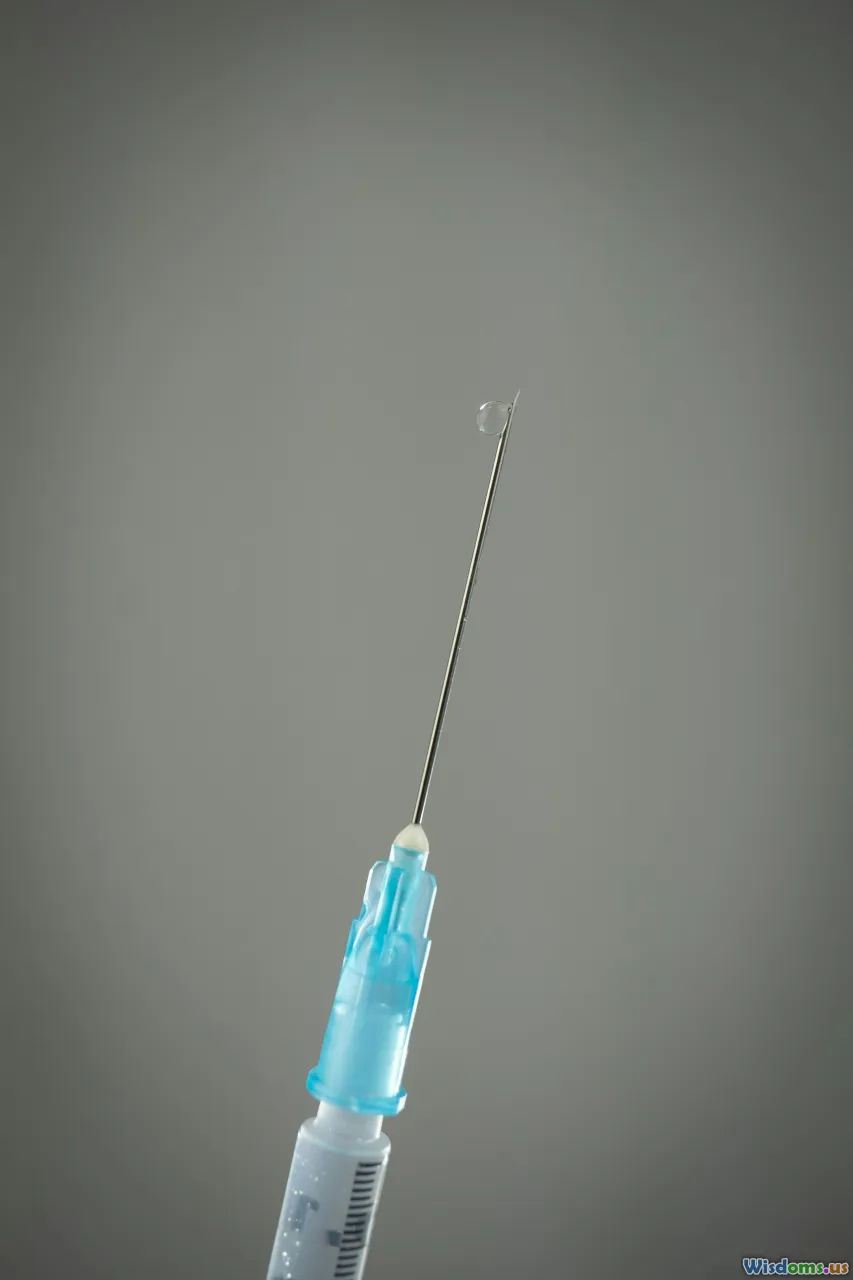
Liquid rhinoplasty uses hyaluronic acid fillers to camouflage small humps, lift the tip slightly, or create a straighter-looking bridge. Pros and cons:
Upsides:
- Immediate result with no surgical downtime.
- Reversible with hyaluronidase if hyaluronic acid is used.
- A test-drive for patients uncertain about permanent change.
Limitations and risks:
- Adds volume: It cannot make a large nose smaller; it refines contours by optical illusion.
- Temporary: Results last months to over a year, requiring maintenance.
- Vascular risk: The nose has complex blood supply; intravascular injection can cause skin injury or, in very rare cases, vision loss. This is why experienced, cautious injectors and informed consent are crucial.
When it fits: Minor dorsal irregularities, small saddles needing height, or slight tip droop. When it doesn’t: Large humps requiring reduction, significant deviations, or major functional problems—those are surgical territories.
Male Rhinoplasty and Aging Noses

Male patients often seek straighter bridges, a strong but not over-rotated tip, and functional improvement for sports or sleep. Trends:
- Subtlety over stylization: Avoiding over-narrowing preserves a masculine look.
- Post-injury repairs: Athletes and those with prior fractures may need valve support and septal straightening in addition to profile alignment.
- Aging changes: With age, the nasal tip can droop (ptosis) and the dorsum may seem more prominent as soft tissue thins. Conservative tip support and rotation can restore a rested, natural look.
Rhinoplasty’s broad appeal includes men because it pairs performance (airflow) with understated refinement.
Case Snapshots: Composite Stories That Mirror Real-Life Choices

Case A: The professional presenter
- Profile: 34-year-old woman, mild dorsal hump, wide tip, exercise-induced congestion.
- Plan: Preservation dorsal reduction, limited tip refinement, spreader grafts for valve support.
- Result: Smoother profile and crisp tip in studio lighting; improved breathing during cardio. She reports added confidence on camera and accepts that the tip took six months to settle.
Case B: The revision rescue
- Profile: 28-year-old man, prior over-resection created a scooped dorsum and narrow mid-vault with obstruction.
- Plan: Structural open revision with rib cartilage for dorsal onlay and spreader grafts; conservative alar base adjustments.
- Result: Straight, masculine dorsum; better airflow. He states the nose “disappears” in photos—exactly his goal.
Case C: Ethnic refinement, identity preserved
- Profile: 24-year-old woman of Middle Eastern descent, prominent hump, desires softer profile without erasing heritage.
- Plan: Gentle hump reduction, maintain slight convexity, minimal tip rotation; alar base unchanged.
- Result: Friends notice brighter eyes rather than a “new nose.” She continues to feel recognizably herself.
These composites illustrate why rhinoplasty remains compelling: tailored plans addressing structure, style, and function.
Future Trends: Biologics, AI, and Regenerative Grafts

Innovation continues to refine safety and predictability:
- Regenerative scaffolds: Absorbable support materials and biologic matrices may help in tip support and valve stabilization while reducing the amount of harvested cartilage.
- Diced cartilage fascia (DCF) refinements: Better containment techniques for smoother augmentation, particularly for thin skin needing height.
- AI-assisted planning: Algorithms can analyze facial proportions and generate simulation ranges, helping surgeons and patients discuss realistic goals. The key is clinical judgment—AI informs but does not dictate.
- Safer osteotomies: Broader adoption of ultrasonic instruments and low-trauma maneuvers to limit bruising and irregularities.
Expect continued emphasis on preservation, function-first design, and personalization supported by data.
Actionable Prep and Aftercare Tips

Preparation:
- Stop nicotine: Nicotine compromises blood flow and healing. Follow your surgeon’s timeline for cessation.
- Med review: Share all medications and supplements; some increase bleeding risk. Get explicit guidance on what to pause.
- Expectations talk: Bring reference photos and be ready to explain what you like and don’t like. Prioritize your top two goals.
- Plan the week: Arrange help for the first 48 hours, prep soft foods, and set up a sleeping area with extra pillows.
- Skin basics: Gentle cleansing and sun protection pre-op support better post-op skin quality.
Immediate aftercare:
- Elevate and cool: Follow instructions on head elevation and safe cooling to manage swelling.
- Don’t bump it: Avoid glasses on the bridge early on (ask about taping or alternative supports).
- Saline care: Saline sprays can keep the inside moist if advised by your surgeon.
- Zero heavy lifting: Preserve blood pressure stability to minimize bleeding risk.
Longer-term:
- Sun protection: UV can worsen swelling and discoloration. Use broad-spectrum sunscreen once approved.
- Patience with the tip: Judge the result at milestones (3, 6, 12 months), not week two.
- Follow-up: Keep appointments; early identification of small issues allows simpler fixes.
These habits don’t replace medical guidance; they make it easier to benefit from it.
What Keeps Rhinoplasty at the Top: A Synthesis

The enduring demand for rhinoplasty comes from a rare blend of attributes:
- Transformative subtlety: Millimeter-level changes can rebalance the entire face.
- Dual-purpose value: Cosmetic refinement plus the possibility of real breathing improvements.
- Personalization: Modern techniques respect identity across cultures and genders.
- Technological reassurance: 3D planning, ultrasonic tools, and preservation strategies increase comfort with the process.
- Cultural openness: Social media normalized discussion while pushing the field toward transparency and education.
If you are considering rhinoplasty, lean into information: look closely at before-and-after cases that resemble your anatomy, ask pointed questions about function, and choose a surgeon who can explain not only what they recommend but why. The best rhinoplasties don’t announce themselves—they quietly let the rest of you stand out.
Health & Wellness Beauty Cosmetic Surgery & Procedures Cosmetic Surgery Plastic Surgery Aesthetic Medicine rhinoplasty nose job septoplasty open vs closed rhinoplasty ethnic rhinoplasty revision rhinoplasty non-surgical rhinoplasty patient candidacy recovery timeline cost and financing before and after safety and risks facial harmony
Rate the Post
User Reviews
Other posts in Health & Wellness






Popular Posts