How New Indie Beauty Brands Are Changing Skincare
32 min read Explore how indie beauty brands are redefining skincare through transparent formulas, sustainable packaging, science-backed innovation, and community-led marketing, reshaping consumer expectations and the industry's future. (0 Reviews)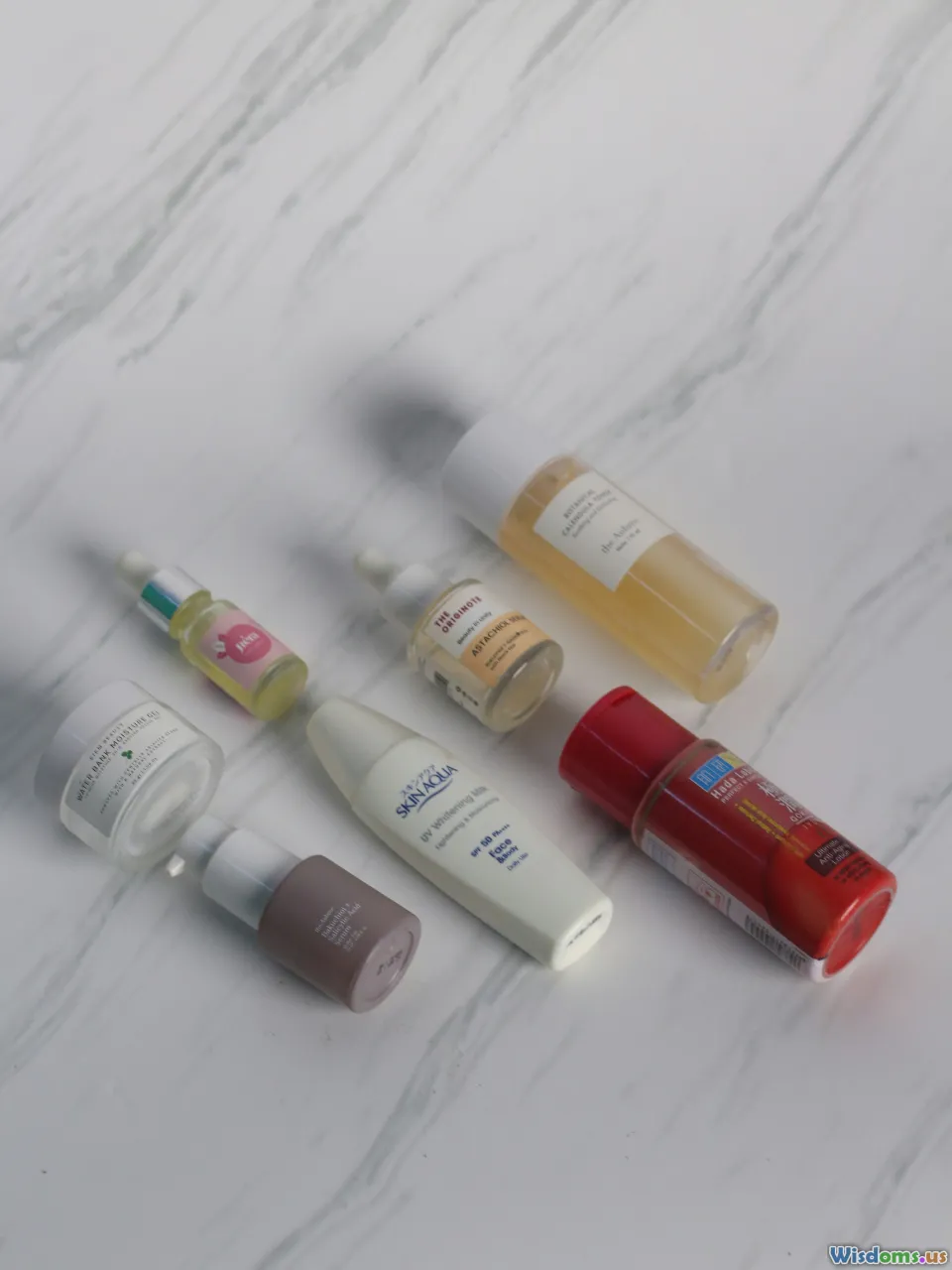
The most exciting skincare breakthroughs in 2025 aren’t coming from the legacy giants. They’re coming from small, founder-led indie brands that move fast, listen closely, and design products with a level of transparency and purpose the industry has rarely seen. From barrier-first formulas to refillable packaging, from TikTok-born communities to clinical rigor once reserved for dermatology offices, these companies are reshaping not just what we put on our faces, but how the entire category works.
Below, we map how new indie beauty brands are changing skincare—and how you can navigate, compare, and benefit from this new wave.
The Indie Moment: Why It’s Happening Now
If it feels like indie brands are everywhere, it's because the conditions are perfect. Over the last decade, four forces converged to create an indie-friendly ecosystem:
- Accessible technology: E-commerce platforms, no-code websites, and third-party logistics (3PLs) slashed the barrier to entry. A founder can set up a DTC store and ship nationally without owning a warehouse.
- Contract manufacturing and smaller MOQs: Labs now service smaller production runs (minimum order quantities), enabling testing, iterating, and re-launching products more quickly.
- Social discovery: TikTok, Instagram, and Reddit skincare communities reward transparency and speed. A clever education-forward video can build brand trust overnight.
- Retail incubators: Programs like Sephora Accelerate and Ulta Beauty's emerging brand features help promising indie lines jump into mainstream retail with mentorship and shelf space.
Together, these factors have shifted power from conglomerates toward agile teams that can spot unmet needs, test quickly, and ship what people actually want rather than what a long planning cycle predicted 18 months prior. The result: short development timelines, audience-driven R&D, and products that target precise skin concerns with clear, understandable claims.
Ingredient Transparency and Education as a Brand Philosophy
The era of vague “miracle” creams is fading. Indie brands are winning by publishing what’s inside, why it’s there, and at what levels it’s effective.
- The Ordinary popularized single-ingredient and low-ingredient-count formulas at accessible prices, making it normal to see percentage disclosures (e.g., Niacinamide 10%, Azelaic Acid 10%). Whether every skin type needs that level is another question, but the education shift is undeniable.
- The Inkey List and Geek & Gorgeous (EU) made short-form ingredient explainers standard issue, walking customers through pH ranges and compatibility (e.g., avoiding low-pH acids with sensitive skin).
- Naturium discloses percentages and often provides both “hero” actives and supporting ingredients in its education literature, giving customers the context to compare like-for-like.
What’s changed is less about any single ingredient and more about how knowledge is shared:
- Percentages with purpose: More brands explain why 2% salicylic acid is the OTC ceiling in the U.S., or why azelaic acid at 10% (cosmetic) behaves differently than 15%+ Rx options.
- pH transparency: Acid toners listing their pH help consumers anticipate potency and irritation risk. L-ascorbic acid (pure vitamin C), for example, is most stable and effective in water at a low pH—but that comes with heightened irritation risk for some.
- Compatibility callouts: Guidance like “don’t layer exfoliating acids with retinoids when starting out” has saved countless skin barriers. Indie brands put such guidance directly on product pages rather than burying it in fine print.
The upshot: customers can compare apples to apples, and indie companies win loyalty by making the data legible.
Barrier-First Skincare: How “Less, But Better” Took Over

After a boom in multi-step routines and aggressive exfoliation, indie brands led a correction: protect the barrier first, then do targeted treatments.
- BYOMA built a reputation around barrier science with its proprietary lipid complex, bright packaging, and drugstore-friendly pricing. The point wasn’t shock-and-awe actives—it was consistent moisture and barrier-supportive lipids.
- Stratia’s Liquid Gold is a cult classic for a reason: it uses ceramides, cholesterol, and fatty acids in a 3:1:1 ratio, mirroring what dermatology literature suggests is optimal for barrier repair.
- KraveBeauty’s “slow down skincare” philosophy—featuring gentle staples like Matcha Hemp Hydrating Cleanser and Great Barrier Relief—helped shape a consumer vocabulary around stopping irritation and rebuilding tolerance.
What this looks like in practice:
- Fewer daily actives, more strategic cycling: For many, vitamin C in the morning and a retinoid at night is plenty. Exfoliation moves to once or twice a week, guided by skin feedback rather than arbitrary schedules.
- Supporting ingredients matter: Panthenol, beta-glucan, squalane, and multiple forms of hyaluronic acid buffer potent treatments and improve long-term resilience.
- Textures get smarter: Lightweight gel-creams with occlusive-leaning finishes protect without suffocating acne-prone skin.
Result: fewer “mystery rashes,” better adherence to a routine, and outcomes that come from consistency rather than shock therapy.
Playful, Problem-First Design Turned Skincare Into Everyday Tools
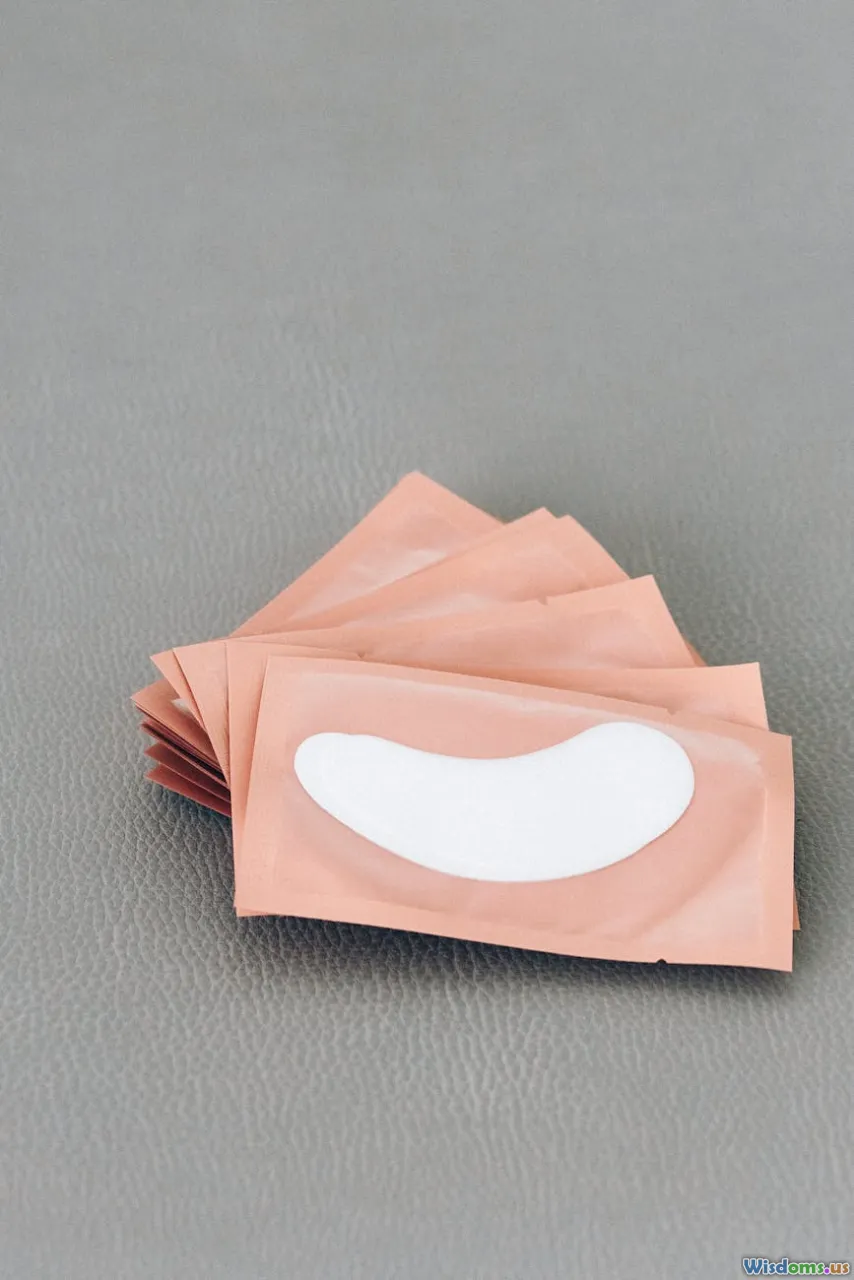
Indie brands reframed “treatment” as an approachable daily tool rather than a shame-driven fix.
- Hero Cosmetics normalized hydrocolloid acne patches (Mighty Patch) as a perfectly normal part of life. Their visibility was a feature, not a bug—embracing the patch removed the stigma.
- Starface doubled down by making pimples patches a fashion accessory that signaled “skin is skin,” not a flaw to be hidden.
- Dieux Skin launched reusable silicone eye masks that pair with any serum to improve occlusion—smart, sustainable, and honest about what they can and can’t do.
This design-led approach solves concrete problems (don’t pick at pimples, increase serum absorption time under an occlusive surface) while also shifting behavior—people are more likely to use products that feel fun and intuitive.
Clinical Rigor Without the Clinical Price Tag

The best indie players bring clinical thinking to consumer skincare:
- Topicals is a standout for ethnically inclusive, problem-first products (e.g., hyperpigmentation, eczema-prone skin). The brand shares clinical study details and measures results on diverse skin tones, a critical shift given how hyperpigmentation presents across Fitzpatrick types.
- Youth To The People, while later acquired by a major group, built its name on plant actives with measurable performance and a lab-first approach.
- Dieux Skin is famously transparent, even publishing cost breakdowns and sharing prescriber-level nuance around claims.
Key improvements in how results are communicated:
- Protocol disclosure: Credible brands state whether improvements came from a consumer perception survey or an instrument-measured clinical, the number of participants, duration, and controls.
- Claims discipline: You’ll increasingly see “visibly reduces” paired with timeframe and % of participants. It’s not perfect, but it’s better than sweeping, non-falsifiable promises.
- Before-and-after with standards: Light, angle, makeup-free rules, and time-stamped progress reduce the “photo trickery” that plagued the category.
Consumers win when they can weigh their own skin type against the study population and decide whether a product is likely to work for them.
Sustainability That Isn’t Just a Leaf on the Box
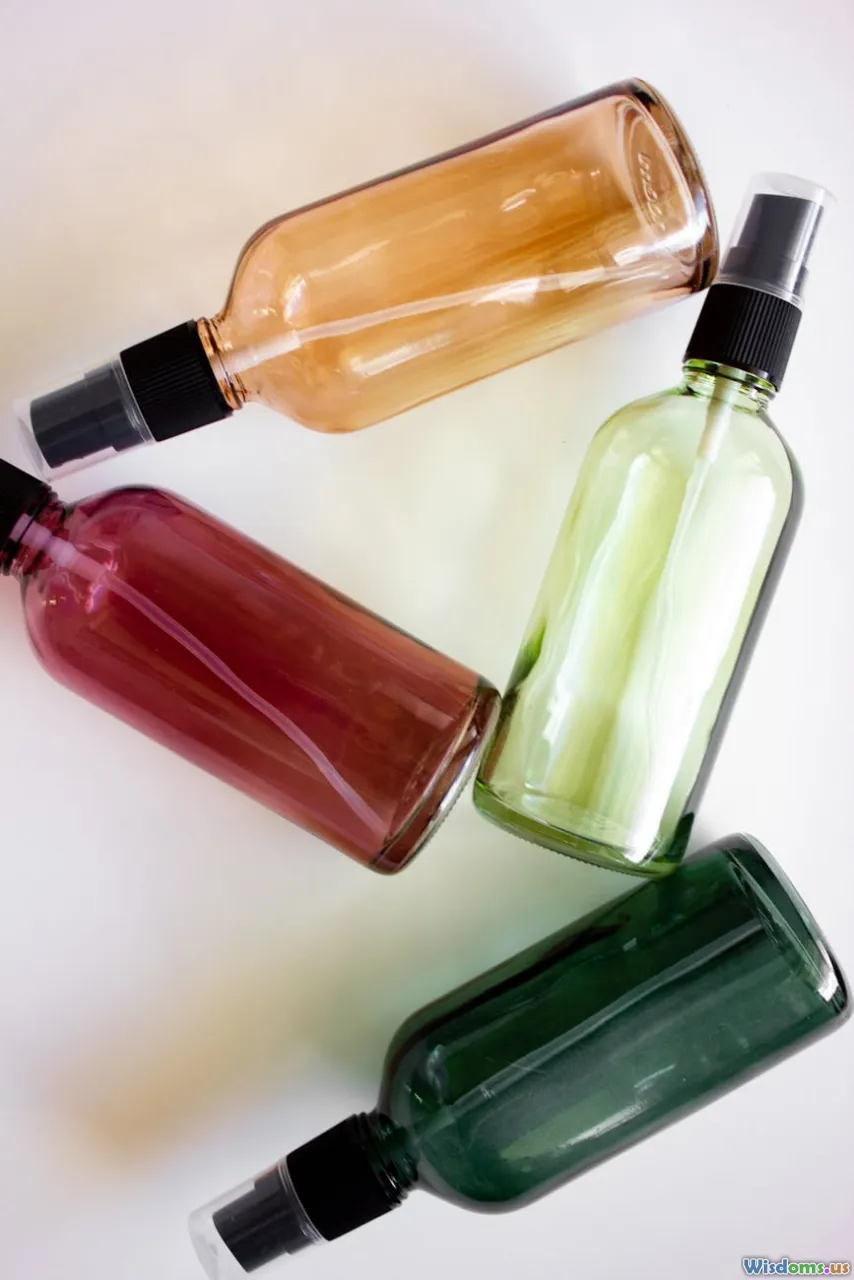
Sustainability is shifting from slogans to systems.
- UpCircle Beauty makes scrubs, oils, and soaps from upcycled ingredients like coffee grounds and fruit stones, rerouting waste streams into skincare.
- Waterless and solid formats are rising. Dew Mighty’s solid serum “jelly” concentrates active formulas in spill-proof bars that cut packaging, shipping weight, and preservatives.
- Refill systems are evolving beyond prestige. More indie brands now offer mono-material pods or easily separated components to cut contamination risk and improve recyclability.
What to look for when you want sustainability that matters:
- Material choices: Airless pumps often reduce the need for heavy preservatives and improve product longevity—but check if they’re recyclable in your municipality.
- Monomaterials and labels: Bottles and caps made from the same plastic (e.g., PP+PP) plus easy-peel labels boost actual recycling rates.
- Life-cycle thinking: Brands that publish basic life-cycle logic—why they chose glass or plastic for weight, breakage risk, and energy trade-offs—tend to make better decisions behind the scenes.
A caveat: sustainability isn’t a single decision. Look for iterative improvements and clear, specific disclosures rather than buzzwords like “eco-friendly.”
Inclusive Testing and Problem Sets That Reflect Real Skin

One profound change is whose problems are considered “core.”
- Topicals centers issues common in melanin-rich skin, like PIH (post-inflammatory hyperpigmentation), and shares results across skin tones. This was rare a few years ago.
- Tower 28 (makeup-skincare hybrid) put the National Eczema Association Seal on its SOS Daily Rescue facial spray, signaling suitability for sensitive and eczema-prone skin.
- Brands are working with dermatologists specializing in skin of color to design protocols and measurement tools that capture the full picture of efficacy.
Inclusion isn’t just a casting choice—it’s a testing choice. For consumers, this means finding products validated on people like you is finally easier than it used to be.
Community-Led R&D: From Discord to Prototype to Shelf

Indie founders treat customers as co-developers.
- Early-stage prototypes are tested with small, engaged communities. Feedback loops—via Discord servers, Instagram polls, or email waitlists—inform tweaks before launch.
- Some brands invite customers to vote on textures (gel vs. cream), scents (unscented vs. essential oil blend), or hero actives.
- Post-launch, transparent reformulations (with detailed change logs) cement trust rather than eroding it.
This approach creates products that match the felt needs of users rather than what a trend report suggests. It also means missteps get corrected faster.
Retail Is Now an Accelerator, Not the Endgame

Indie brands no longer treat retail as the final boss; it’s a growth partner.
- Distribution has flipped from DTC-only to omnichannel early. Brands like BYOMA and Naturium moved quickly into Target and Ulta, where mass-market shoppers discovered previously “niche” formulations.
- Sephora Accelerate provides mentorship, funding pathways, and validation, helping founders sharpen operations and claims.
- Specialty retailers carve out spaces for discovery. End caps and trial kits convert browsing into high-intent trial.
The cautionary note: scaling fast without operational readiness can break a brand. Successful indies manage inventory hygiene, demand forecasting, and quality control before taking the leap.
Safety and Regulatory Upgrades: MoCRA Changed the Playbook

In the U.S., the Modernization of Cosmetics Regulation Act (MoCRA, 2022) raised the bar for everyone, including indies.
What better indie brands now do as table stakes:
- Safety substantiation: Documented assessments for intended use, including irritation potential.
- Adverse event reporting: Systems to track complaints and submit serious adverse event reports.
- Facility registration and product listing: Keeping records updated with the FDA.
- Stability and compatibility: Testing formulas in packaging under heat/cold/UV stress and ensuring no leaching or reaction.
How consumers can spot seriousness:
- Brands that can answer, “Have you done stability, PET (preservative efficacy), and compatibility testing?” without dodging the question.
- Clear claims language avoiding drug claims (unless it’s an OTC monograph product, like 2% salicylic acid acne treatments or sunscreens, which are regulated as drugs in the U.S.).
Regulation is tightening. Indie brands that invest early in compliance will outlast those that take shortcuts.
Value Engineering: Making Clinical Feels Affordable
How do indie brands deliver strong formulas at lower prices?
- Hero SKU strategy: Focus on a few products and scale volume to lower cost of goods. Less cash tied up in slow-moving inventory means better pricing.
- Fewer intermediaries: DTC margins can subsidize strong ingredient loads without retail markups. Even when entering retail, negotiated terms on a few fast movers help.
- Transparent marketing spend: Content-first, founder-educator marketing replaces expensive ad campaigns.
Examples to learn from:
- The Ordinary normalized sub-$10 serums by standardizing packaging and formulas, then scaling volume.
- Maelove gained traction by offering a well-formulated vitamin C serum at a fraction of prestige pricing, relying on reviews and word-of-mouth.
- Naturium balanced price and clinical positioning, then scaled omnichannel—culminating in its acquisition by e.l.f. Beauty in 2023, underscoring how value and credibility can coexist.
For shoppers, the lesson is simple: compare the ingredient list, declared percentages, and packaging (airless, opaque) before paying prestige pricing.
Tech-Enabled Skincare: From AI Advice to Supply Chain Speed

Indie brands are pragmatic about tech—they use what shortens the distance between need and solution.
- AI skin quizzes triage consumers into beginner-friendly routines that reduce the risk of irritation.
- Community data: Brands track returns, DMs, and reviews with sentiment tools to identify recurring issues (pilling, scent, sensitivity) and adjust quickly.
- Supply chain visibility: Cloud-based inventory and demand forecasting help prevent dreaded stock-outs after a viral moment.
Practical payoff for users:
- Better personalization at first purchase (fewer misfires).
- Faster reformulations or batch corrections when an issue is spotted.
- Traceability improvements that help validate authenticity.
How to Build a Smarter Routine With Indie Brands

Here’s a simple, evidence-anchored roadmap you can adapt.
Step 1: Identify your current barrier status
- If you’re dry, sensitized, or stinging: pause exfoliants and retinoids for 1–2 weeks, switch to gentle cleanser + barrier moisturizer + sunscreen.
- If you’re resilient: proceed to targeted actives.
Step 2: Choose one morning antioxidant
- For most, vitamin C is a go-to. If L-ascorbic acid stings, try derivatives (e.g., sodium ascorbyl phosphate) or alternatives like azelaic acid in the morning for tone.
Step 3: Choose one evening retinoid (or alternative)
- If you’re new: start with retinol 0.2%–0.3% or granactive retinoid (HPR). Apply 2–3 nights/week and increase as tolerated.
- If you’re sensitive: consider retinaldehyde in a gentle base or keep retinoid use at twice weekly and buffer with moisturizer.
Step 4: Exfoliate strategically
- Salicylic acid (BHA) 0.5%–2% once weekly for oily/blackhead-prone skin.
- Lactic acid 5%–10% weekly for dryness/texture. Avoid stacking with retinoids the same night at the start.
Step 5: Lock the barrier
- Use a ceramide-cholesterol-fatty acid blend (e.g., Stratia’s Liquid Gold–style ratio) or a squalane-rich cream if you prefer lightweight occlusion.
Example minimalist routine using indie options:
- AM: Gentle cleanser (KraveBeauty or similar), antioxidant serum (choose tolerated vitamin C derivative or azelaic acid), lightweight ceramide moisturizer, broad-spectrum SPF 30–50.
- PM: Gentle cleanse, retinoid 2–3 nights/week, hydrating serum (panthenol + HA), barrier moisturizer; on non-retinoid nights, optional BHA or lactic acid as tolerated.
Tips for success:
- Patch test new products on the jawline for 3–5 days.
- Introduce one active at a time; wait 2 weeks before adding the next.
- If redness or stinging persists, step back to barrier care and reintroduce slowly.
A Practical Playbook for Indie Founders

If you’re building the next great indie brand, structure matters as much as story.
- Nail the problem statement
- Define the job-to-be-done: “Reduce PIH in deeper skin tones without irritation,” or “Create a mineral sunscreen that doesn’t leave a cast on Fitzpatrick V–VI.” If your statement is vague, your product will be too.
- Partner with the right lab early
- Ask about MOQs, lead times, and whether they can support stability, PET (preservative efficacy), and compatibility testing.
- Align on claims support. Don’t commit to a marketing line your formula can’t substantiate.
- Design for the supply chain
- Choose packaging that matches formula needs (light/oxygen sensitivity), retail demands (drop tests, leak resistance), and sustainability goals (mono-material when possible).
- Think assembly and fill—can your 3PL handle it, or will you need a specialized filler?
- Build compliance into day zero
- Prepare safety substantiation files and ingredient documentation by supplier lot.
- Set up an adverse event log and SOPs for MoCRA compliance.
- Focus the SKU lineup
- Launch with 3–5 products designed to be used together. Scale when you’ve proven repeat purchase and margin.
- Architect your margin stack
- Model COGS, freight, 3PL, channel margins, returns, and marketing. Ensure your hero SKU can fund growth.
- Community-first marketing
- Publish your change logs and testing summaries. Host live Q&As. Treat reformulation as an upgrade, not a quiet swap.
- Measure what matters
- Retention, not just acquisition. Track refill rates, routine completion, and CX tickets related to irritation or texture complaints.
What’s Next: Biotech Actives, Smarter SPFs, and Microbiome Nuance

The next three years will accelerate trends already seeded by indies:
- Biotech ingredients: Precision-fermented actives (like squalane) reduce environmental burden and improve batch consistency. Expect more peptide blends with defined sequences and purposes.
- SPF transparency: UVA protection, long a weak point in the U.S., will get more attention. Expect better UVA-PF disclosure and elegant mineral formulas tinted across a wider shade spectrum.
- Microbiome literacy: Brands will shift from “probiotic” buzzwords to pre- and post-biotic approaches and gentler preservatives that respect microbial diversity without compromising safety.
- Multifunction minimalism: Day-cream-meets-primer-meets-sunscreen hybrids that actually wear well and maintain stability.
- Return of fragrance—but smartly: Transparent allergen disclosures, skin-safe levels, and unscented options alongside scented twins.
Indies are well positioned to pilot these changes quickly and countermove when new evidence arrives.
Mini Case Studies: Indie Ideas With Big Ripples

- The Ordinary: Made the INCI list the star of the show and trained a generation to ask “what percentage?” That insistence on clarity pushed competitors to disclose more.
- Drunk Elephant: Began as a small, ingredient-avoidance philosophy brand and later sold to a major group. Love or hate its “suspicious 6” marketing, it forced a conversation about formulation choices.
- Youth To The People: Plant actives plus clinic-level textures, then a strategic acquisition—proof that indie ethos can scale without losing its lab focus.
- Hero Cosmetics: Normalized acne patches; a mainstream acquisition validated the idea that problem-first tools can win big.
- Topicals: Raised venture funding and brought rigorous, inclusive testing to center stage for hyperpigmentation and irritation conditions.
- Naturium: Balanced ingredient disclosure and price, went mass, and exited to a strategic buyer—evidence that consumer trust at scale has monetary value.
- Dieux Skin: Radical transparency on costs and claims, plus a reusable tool that actually serves a skincare purpose, not just a content moment.
- UpCircle Beauty: Built a brand on upcycling, showing sustainability can be the engine, not just a chapter in the brand story.
Each of these brands reshaped consumer expectations—on price, on data, on sustainability, or on what “effective” looks like.
A Smart Shopper’s Checklist for Indie Skincare
Before you click “add to cart,” run through this quick list:
- Ingredient clarity: Are percentages disclosed for strong actives (retinoids, acids, niacinamide 10%+)? If not, do they explain why?
- Packaging logic: Is vitamin C in opaque/airless packaging? Are retinoids in stabilized forms and appropriate containers?
- Claims discipline: Do “clinically proven” claims include participant numbers, duration, and measurement methods?
- Patch test guidance: Does the brand encourage safe use and incremental introduction?
- Compatibility notes: Are there clear tips on layering and avoiding irritation when combining actives?
- Sustainability specifics: Recyclability details, material types, refill compatibility—not just leaves and slogans.
- Authenticity and distribution: Are you buying from the brand’s site or an authorized retailer to avoid counterfeits?
- Customer service: Transparent return policies and helpful educational content are green flags.
If a brand checks most boxes, it’s likelier to be thoughtful elsewhere too.
Common Pitfalls and How Indies Help You Avoid Them

- Over-exfoliation: The indie pivot to barrier-first routines has normalized once-weekly acids instead of daily scrubs. Follow that lead.
- Ingredient stacking overload: Launching five new actives at once complicates troubleshooting. Indie education-first content encourages one-change-at-a-time testing.
- Packaging mismatches: Elegant dropper bottles can spoil light- and air-sensitive actives. Indie brands that pick airless pumps for such formulas save you money and skin stress.
- Overpromises: Watch for “erase” or “cure” language. Brands committed to clinical fidelity will say “visibly improve” and describe limitations.
How Indies Are Reshaping the Business Behind the Bottle

Most of the magic isn’t visible on your vanity. It’s in operations.
- Micro-batching: Smaller runs allow rapid iteration after customer feedback—less waste, better product fit.
- Demand-aware restocking: Instead of overproducing, indie brands tie production to waitlists and restock alerts, reducing capital risk.
- Supplier partnerships: Close relationships with packaging and ingredient suppliers enable faster substitutions when a material is out of stock, keeping products consistent.
Big picture: healthier unit economics and less waste create the breathing room needed to keep prices fair and formulas strong.
Where Legacy and Indie Converge

The line between indie and legacy is blurring:
- Acquisitions and minority stakes bring indie formulas to global distribution, while giving founders more R&D resources.
- Legacy brands adopt indie best practices—ingredient disclosures, testing diversity, transparent reformulation notes—because consumers now expect it.
- Hybrid teams form: indie agility meets big-company scale to accelerate launches that would have taken years.
As long as the core indie principles—transparency, problem-first thinking, and community feedback—remain intact, scale doesn’t have to dilute trust.
Skincare is on a new footing. Indie brands have turned ingredient labels into conversation starters, made barrier health a mainstream goal, and pushed the industry toward honest claims, inclusive testing, and lighter environmental footprints. Whether you’re hunting for your next serum or building a brand from scratch, you’re operating in a world they helped create—one where knowledge is shared, routines are kinder, and performance is measured by what your skin does over time, not what a tagline promises overnight.
That’s good news for all of us. The future of skincare is brighter, clearer, and a lot more human—because indie beauty made it that way.
Rate the Post
User Reviews




Popular Posts