Compare homemade chew toys versus store bought for safety
32 min read Clear comparison of homemade versus store-bought chew toys, focusing on safety standards, materials, choking risks, and fit for different chewers, with practical guidance, examples, and vet-backed tips. (0 Reviews)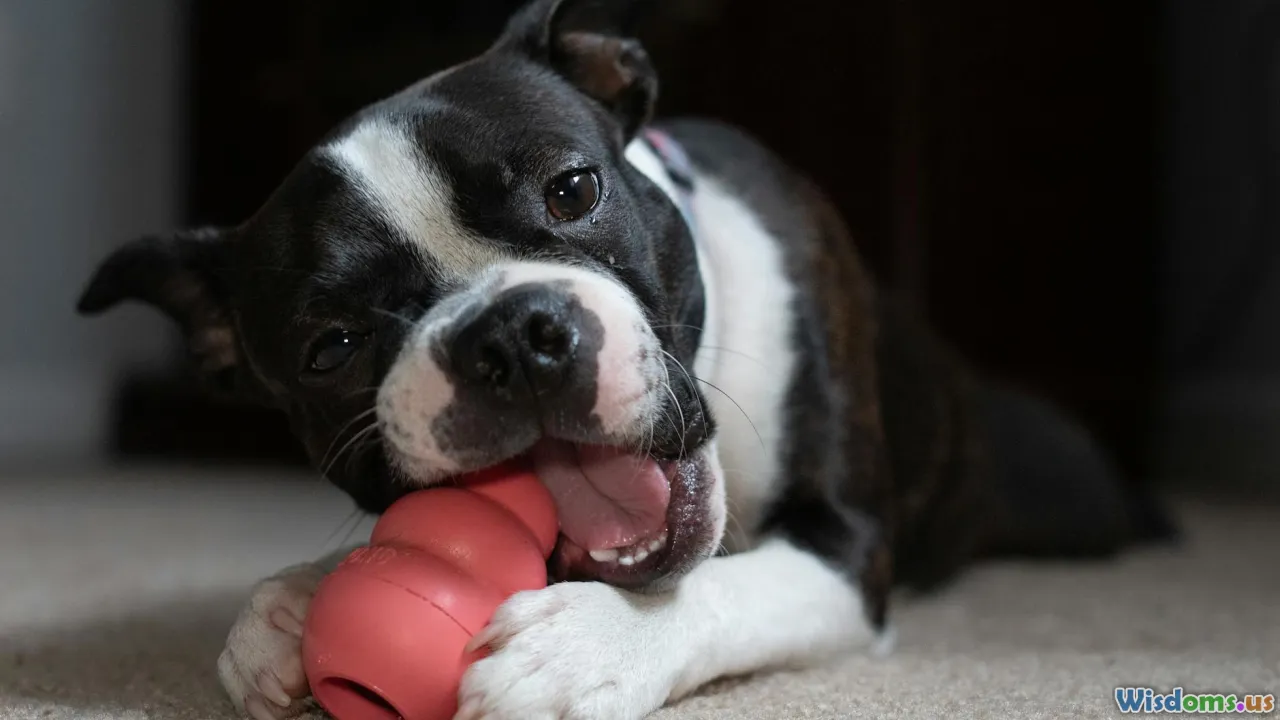
Chew Toy Safety: Should You DIY or Buy?
Every pet parent eventually faces the chew-toy dilemma: Is a homemade chew toy safer than one pulled off a store shelf? Safety is the right place to start. Chew toys go in a dog’s mouth—where sharp teeth, drool, and big emotions live—and sometimes in a cat’s, ferret’s, or rabbit’s mouth too. They’re chomped, carried, shaken, and occasionally swallowed. Whether you braid a fleece rope at home or invest in a rubber toy with a lifetime guarantee, the core question is the same: will this object protect your pet from injury and minimize health risks while still being fun?
Below is a practical, evidence-informed guide comparing homemade and store-bought chew toys for safety. It includes how to evaluate materials, shape, durability, and hygiene; what labels and claims actually mean; simple at-home tests; safe DIY projects; and how to match a toy to your dog’s size and chew style.
Why Safety Matters (More Than You Think)
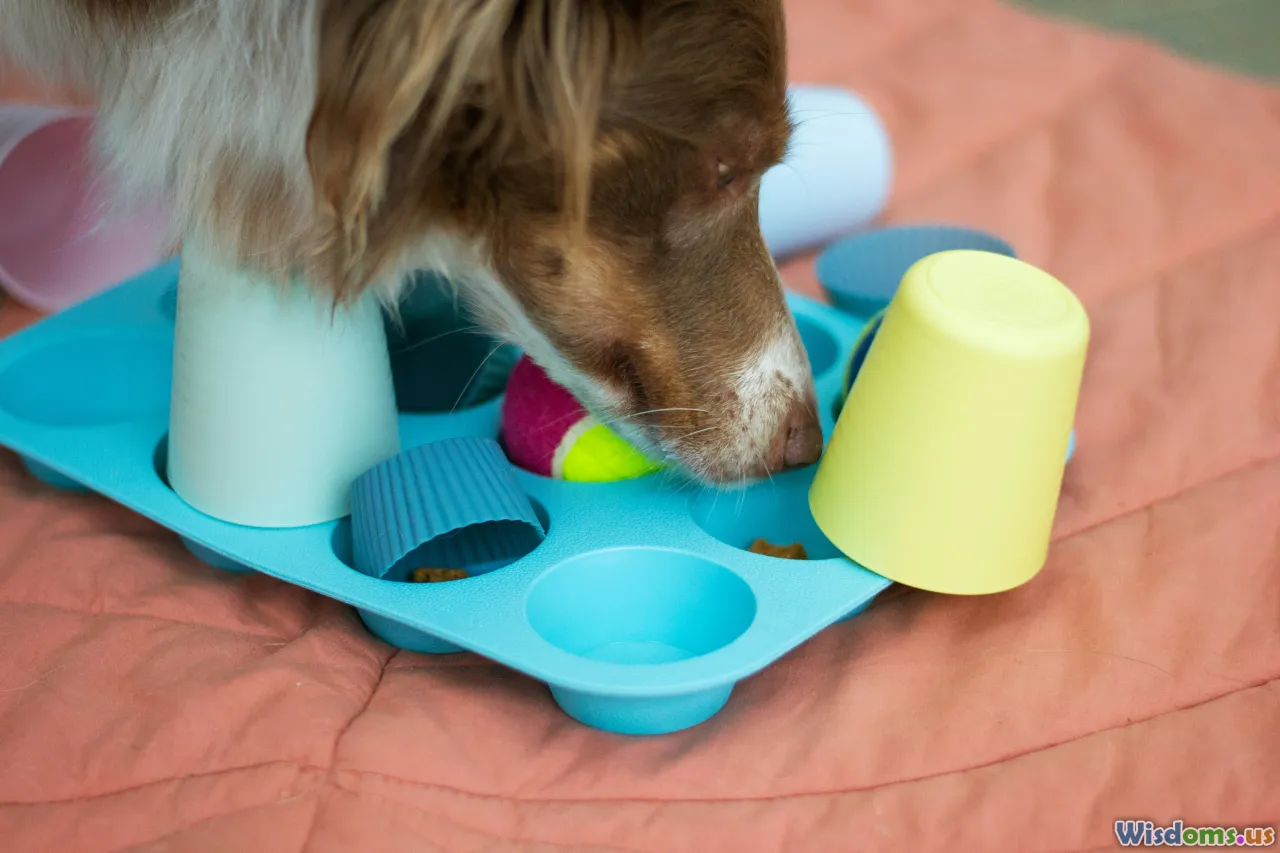
Chew toys can be great for mental stimulation, stress relief, and dental wear. But the wrong toy becomes a hazard fast. Consider the most common risks:
- Choking and obstruction: Small parts (like squeakers) and frayed threads can lodge in the throat or intestines. Emergency surgery for a GI obstruction is unfortunately common and costly.
- Fractured teeth: Overly hard chews—antlers, bones, rigid nylon—can crack molars. A fractured carnassial tooth often requires extraction.
- Toxic exposures: Some plastics may contain phthalates, BPA, or heavy metals. Colorants in textiles can bleed.
- Bacterial contamination: Toys accumulate biofilm. If you use food-based DIY chews (like frozen broth cubes), sanitation matters.
Good chew toys reduce these risks while still being satisfying to chew. That’s the safety goal, whether you DIY or buy.
What “Safe” Means: Four Risk Categories

When comparing homemade and store-bought options, break safety into four categories:
- Material safety (chemical):
- Is the material free of harmful additives? Think plasticizers in vinyl, heavy metals in pigments, formaldehyde in adhesives.
- Food-contact materials (e.g., kitchen-grade silicone) inspire more confidence for DIY.
- Mechanical safety (design and durability):
- Does the toy resist shredding into swallowable bits?
- Is its hardness appropriate for your dog’s teeth?
- Are seams, knots, and attachments robust?
- Size and shape safety:
- Is the toy large enough not to slip behind the molars and block the airway?
- Avoid ball-shaped items that are small enough to fully enter the throat.
- Hygiene and cleaning:
- Does it trap debris or moisture?
- Can you clean and dry it quickly to limit bacteria and mold?
Assess each category for both DIY and store-bought toys before you let your dog play.
Labels, Regulations, and What They Really Mean

Store-bought toys often display promises: “BPA-free,” “non-toxic,” “veterinarian approved,” or “indestructible.” Some are meaningful; many are marketing.
- Pet toy regulation varies by region and is generally lighter than children’s toy regulation. In the U.S., there’s no single comprehensive federal standard governing all pet toy materials like there is for children’s toys. Some states (e.g., California) require Proposition 65 warnings for products containing certain chemicals.
- The EU’s REACH framework restricts specific chemicals (like certain phthalates). Products made for the EU market may be subject to stricter chemical limits.
- Food-contact labels matter: “Food-grade silicone” or “medical-grade silicone” indicates closer control on additives than generic “silicone.” For plastics, “BPA-free” doesn’t guarantee freedom from all endocrine-active chemicals but is a reasonable step.
- “Veterinarian approved” isn’t a regulated claim. Look instead for practical safety features: appropriate hardness guidance, size charts, and cleaning instructions.
- VOHC (Veterinary Oral Health Council) Seal of Acceptance applies to dental chews, not typical rubber or plush toys. It indicates evidence that a product reduces plaque/tartar when used as directed.
For homemade toys, standards are what you set: if you source OEKO-TEX Standard 100 textiles (for minimal harmful substances), food-grade silicone, or natural rubber from reputable suppliers, you can arguably exceed the average unknowns of low-cost imports.
Material Comparisons: Store-Bought vs. DIY
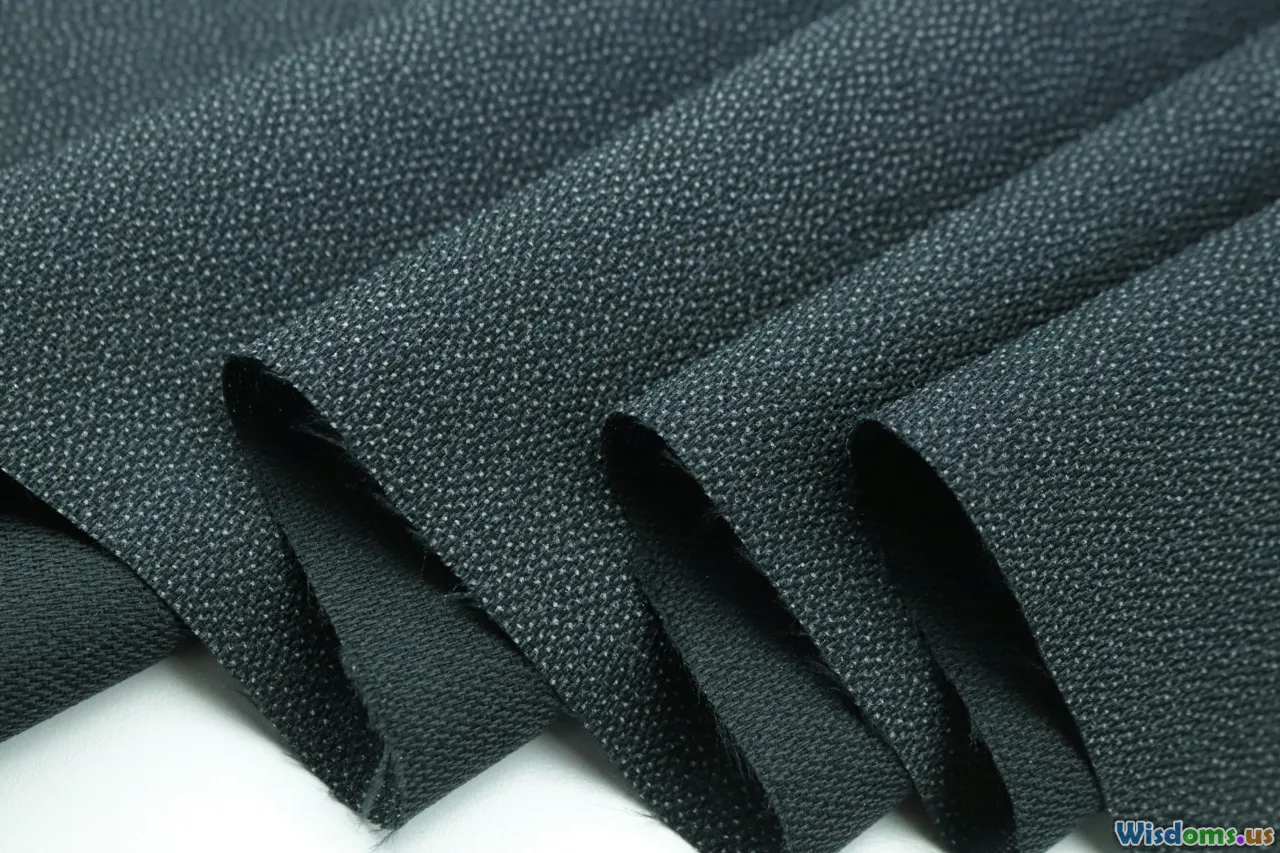
Common store-bought materials:
- Natural rubber (latex): Durable, grippy, often dishwasher safe. There is minimal risk of latex allergy in dogs, but possible for humans handling the toy.
- Thermoplastic rubber (TPR) and thermoplastic elastomers (TPE): Softer than rigid plastics, can be safer for teeth than nylon. Composition varies by brand.
- Nylon: Durable but potentially too hard for aggressive chewers. Can cause tooth fractures. Shavings can be swallowed; many pass, but sharp edges can irritate tissues.
- Plush with squeakers: High engagement; high risk if a dog seeks and swallows the squeaker. Seams are weak points.
- Tennis balls: The felt can be abrasive (especially if it traps grit) and contribute to dental wear. Not ideal for habitual chewing.
DIY-friendly materials:
- Fleece: Soft, low-fray, washable, and easy to braid into ropes and snuffle mats. Good for gentler chewers.
- Cotton jersey (old T-shirts): Upcycling works, but threads can unravel. Choose tight weaves and braid firmly.
- Food-grade silicone molds: For frozen chews (broth or water) and bakeable biscuits that double as brief chews.
- Safe woods? Many “wood” chews are extremely hard. Avoid random sticks; they splinter. “Coffee wood” chews marketed as safer are still very hard; consider them high fracture risk for heavy chewers.
- Rope (100% cotton): Can be safe if tightly braided and inspected often. Synthetic ropes can shed microplastics.
Store-bought advantage: specialized rubbers engineered for elasticity and tear resistance, plus molded shapes designed to minimize throat lodging. DIY advantage: total control over material sourcing and immediate replacement when worn.
The Hardness Rule: Protecting Teeth

Veterinary dentists offer two simple guides:
- Fingernail Test: If you can’t dent the toy with your thumbnail, it’s probably too hard and risks tooth fractures.
- Knee Test: If you’d wince at being hit on the kneecap with it, it’s too hard for your dog’s teeth.
Hard chews like antlers, bones (cooked or raw), hooves, and very hard nylon often fail these tests. Many resilient rubbers and woven textiles pass. For DIY, choose materials that compress under bite pressure—a thick fleece braid or a medium-durometer rubber.
Tip: Rotating softer chews with puzzle feeders can meet your dog’s need to chew and problem-solve without pushing hardness limits.
Mechanical Hazards: Design and Durability
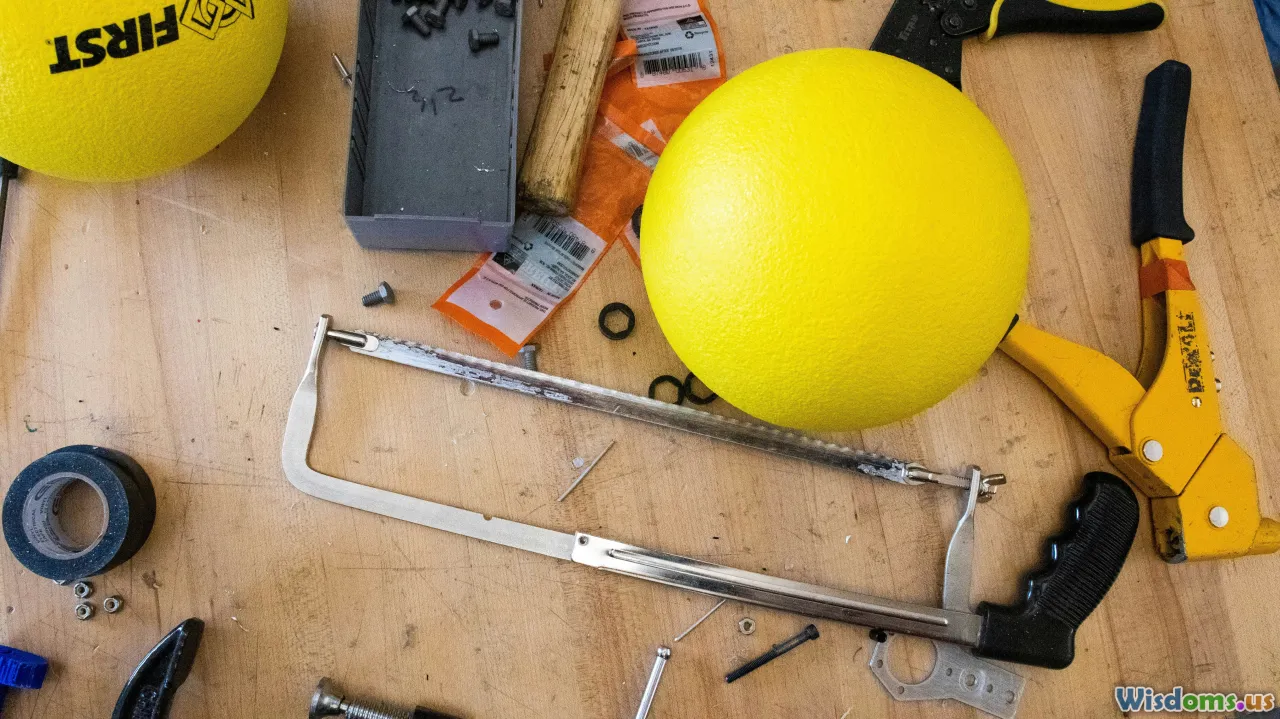
A safe chew toy resists shredding and doesn’t morph into a hazard as it wears. Do these checks on both DIY and store-bought toys:
- Tug Test: Yank firmly in multiple directions. For DIY braids, the knots should not slip. For store toys, seams shouldn’t gape.
- Tear Test: Twist and stretch. If you see small tears forming, retire the toy or reinforce it.
- Chew Simulation: Use pliers to compress a small area. If it cuts or peels easily, risk of ingestible fragments is high.
- Squeaker Security: If a plush toy has a squeaker, consider removing it or using it only under supervision. Squeakers are perfect obstruction size.
- Size Check: The toy should be larger than your dog’s back molar width. As a rule of thumb, if a ball can pass through the space at the back of the jaw when the mouth is open, it’s too small.
DIY tip: When braiding fleece, finish with a tight square knot and back it with a surgeon’s knot before trimming tails. Consider sewing through the knot with heavy-duty thread to lock it.
Chemical Safety: Minimizing Exposure

No pet toy is truly “chemical-free,” but you can minimize exposure:
- Prefer materials designed for food contact: food-grade silicone, natural rubber from reputable sources, stainless steel for puzzle components (not a chew, but part of enrichment).
- Avoid soft vinyl (PVC) unless the brand discloses phthalate-free plasticizers.
- Choose textiles labeled OEKO-TEX Standard 100 or GOTS (for cotton). For DIY, wash new fabrics first to remove finishing agents and loose dyes.
- Beware bright, cheap dyes that bleed. DIY test: soak the material in warm soapy water, then rub with a white cloth. If color transfers easily, avoid it.
- Wood finishes: If using any wooden component (not recommended for heavy chewers), ensure it’s unfinished or finished with food-safe mineral oil only. Avoid varnishes and unknown stains.
Remember: “BPA-free” doesn’t guarantee zero endocrine activity. Rotation, cleaning, and avoiding heat exposure can reduce leaching from plastics.
Hygiene and Cleaning: The Invisible Risk

Biofilm (slimy bacterial layers) forms quickly on wet chew toys. Good hygiene reduces GI upset and bad breath.
- Dishwasher-safe rubber and silicone can be sanitized on the top rack. If a manufacturer says a toy is dishwasher safe, use a hot cycle.
- Textile toys (fleece braids, rope) should be machine washed weekly on hot and dried fully. Moisture left in the core breeds mold.
- Food-based chews (frozen broth cubes, stuffed silicone molds) should be served on a washable mat; discard leftovers after 30 minutes.
- Odor Check: If a toy smells sour or musty after washing, it’s time to replace.
DIY tip: Make two identical toys so you can rotate one into the wash without interrupting your dog’s routine.
Matching Toy to Dog: Age, Size, and Chew Style

Safety depends on the player, not just the toy.
- Puppies: Teething pups need softer textures that massage gums. Freeze a damp fleece braid for a cooling chew—but supervise to prevent ingesting ice chunks.
- Power Chewers (e.g., many bully breeds, Labradors): Opt for thick, resilient rubber designed for aggressive chewers; avoid hard nylons and antlers. Inspect daily.
- Gentle Chewers and Seniors: Fleece braids, soft TPR toys, and lightly stuffed plush (supervised) may suffice.
- Small Dogs: Toys must be large enough to avoid choking yet light enough to carry. Tiny squeakers are extra risky—avoid or supervise closely.
- Cats and Small Pets: “Chew toys” for cats are often kicker toys or dental sticks. Catnip or silvervine-stuffed kickers should be tightly stitched, and strings kept short. For rabbits/rodents, consult species-specific safe woods and avoid glues.
When in doubt, size up. A toy that cannot be fully compressed behind the molars is safer.
When Homemade Shines: Safe DIY Designs (How-To)
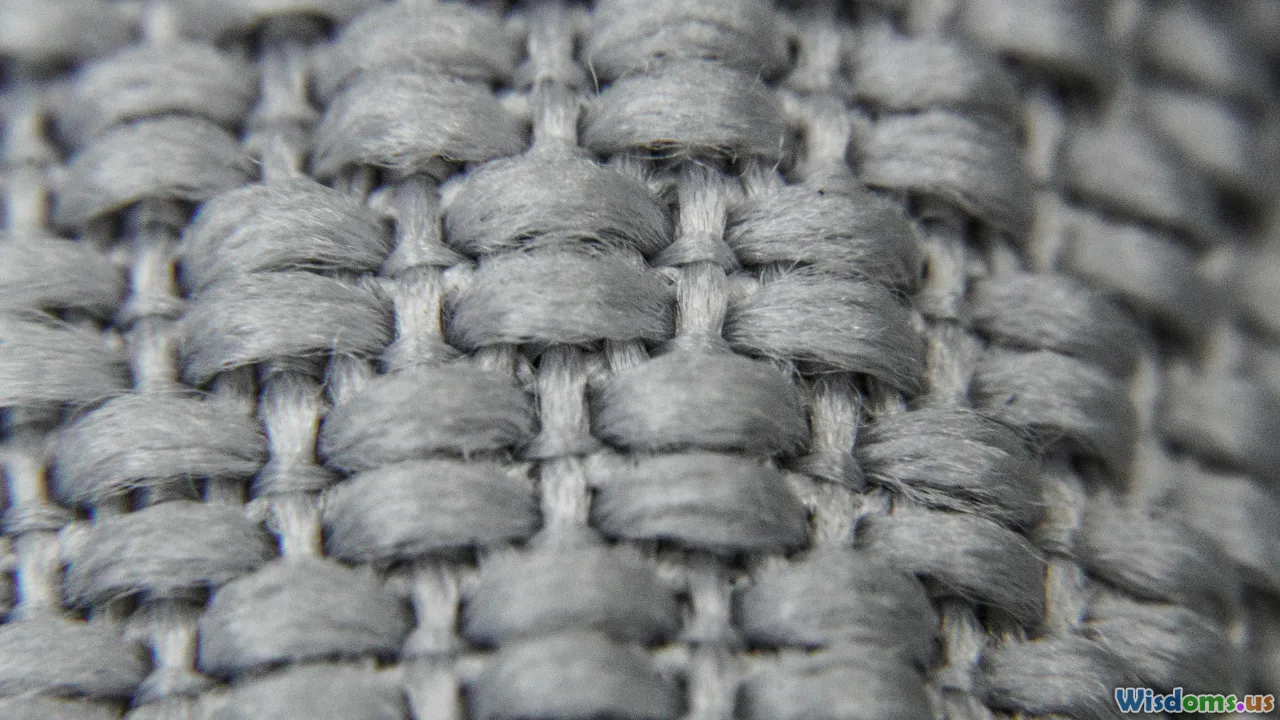
- Braided Fleece Tug
- Materials: 3 strips of anti-pill fleece, 3–4 inches wide, 30–40 inches long (adjust size to dog).
- Steps:
- Tie a tight overhand knot at one end; pull each strip to seat the knot.
- Braid with firm tension to the end.
- Finish with a square knot; add a surgeon’s knot for security. Optionally stitch through the knot with heavy-duty polyester thread.
- Safety Notes: Inspect for thinning spots and re-knot if loosened. Machine wash hot weekly.
- Fleece “Snuffle Braid”
- Materials: 12–16 shorter fleece strips, 1.5 x 12 inches.
- Steps:
- Tie strips onto a central rope or thicker fleece strand using lark’s head knots to create a shaggy braid.
- Hide a few kibble pieces in the folds for foraging.
- Safety Notes: Use kibble size that your dog can safely swallow. Avoid if your dog rips and eats fabric.
- Frozen Silicone Chew Pucks
- Materials: Food-grade silicone muffin mold; low-sodium broth or plain water.
- Steps:
- Freeze small pucks; optionally embed a short, tightly tied fleece tab as a handle.
- Serve on an easy-to-clean mat.
- Safety Notes: Supervise. Remove if the dog bites off large ice chunks or chews the silicone mold (serve the pucks outside the mold).
- Reinforced T-Shirt Rope
- Materials: Heavy cotton jersey from an adult T-shirt, cut into four 2–3-inch-wide strips.
- Steps:
- Stretch strips to curl edges.
- Tie two strips together at one end and two at the other. Braid pairs, then twist the two braids together and finish with a square knot.
- Stitch through both end knots to lock.
- Safety Notes: Not for power chewers. Retire at the first sign of thread unraveling.
Avoid popular DIY hacks like plastic bottles in socks (sharp edges), or random tennis balls in socks (abrasive felt and choking risk if the ball escapes).
Homemade Pitfalls (And How to Avoid Them)
- Unsecured Knots: Loose knots unravel quickly. Double-knot and stitch through the core.
- Inappropriate Size: A small DIY ball-shaped bundle risks obstruction. Make DIY toys longer than your dog’s jaw width and avoid balls.
- Hazardous Materials: Don’t use treated wood, unknown glues, or elastic hair ties (they snap and recoil).
- Dye Bleed: Bright upcycled fabrics may bleed. Pre-wash in hot water to test.
- Overconfidence with Food Chews: Frozen treats soften into swallowable chunks. Keep sessions short and supervised.
DIY safety bottom line: Simpler is safer. Fewer components, fewer failure points.
Store-Bought Advantages (and Caveats)
Advantages:
- Engineered Materials: Premium natural rubber and TPR blends can balance chew satisfaction and teeth safety better than many home materials.
- Shape Design: Many brands engineer shapes to prevent throat lodging (e.g., through-holes in balls, irregular shapes that don’t roll into the throat).
- Cleaning Guidance: Dishwasher-safe markings and clear care instructions aid hygiene.
- Warranty/Replacement: Some companies replace toys that fail prematurely, encouraging responsible retirement.
Caveats:
- Marketing Hype: “Indestructible” is not real. Every toy can fail; the question is how and when.
- Chemical Unknowns: Cheaper imports may lack transparency. Choose brands that publish testing or comply with stricter markets.
- Squeaker Risk: High engagement but high hazard. Use squeaker toys only under supervision and discard if seams weaken.
What to look for:
- Size charts by breed/weight and explicit hardness recommendations.
- Clear material disclosure (e.g., “100% natural rubber,” “phthalate-free TPR”).
- Avoidance of single-point failures (e.g., glued-on eyes, flimsy seams).
A Practical Decision Framework

Ask these questions before you hand over any chew toy:
- Material: Can I identify the material? Do I trust its source? For DIY, did I pre-wash or verify food-grade status?
- Hardness: Does it pass the thumbnail rule?
- Size and Shape: Is it too big to lodge behind the molars? Does it have a through-hole if spherical?
- Durability: Can I tug, twist, and compress without immediate tearing? Where will it fail—and is that failure swallowable?
- Cleaning: How will I wash and dry it? Do I have a rotation plan?
- Supervision: Will this be a supervised session toy (e.g., plush with squeaker) or a solo crate toy (e.g., durable rubber)? Choose accordingly.
DIY vs. store-bought: If you can’t confidently answer these questions with DIY materials, a reputable store-bought rubber toy may be safer. If you can source excellent textiles and build with care, a braided fleece can be safer than a cheap plastic squeaker toy.
At-Home Safety Tests You Can Do in 10 Minutes
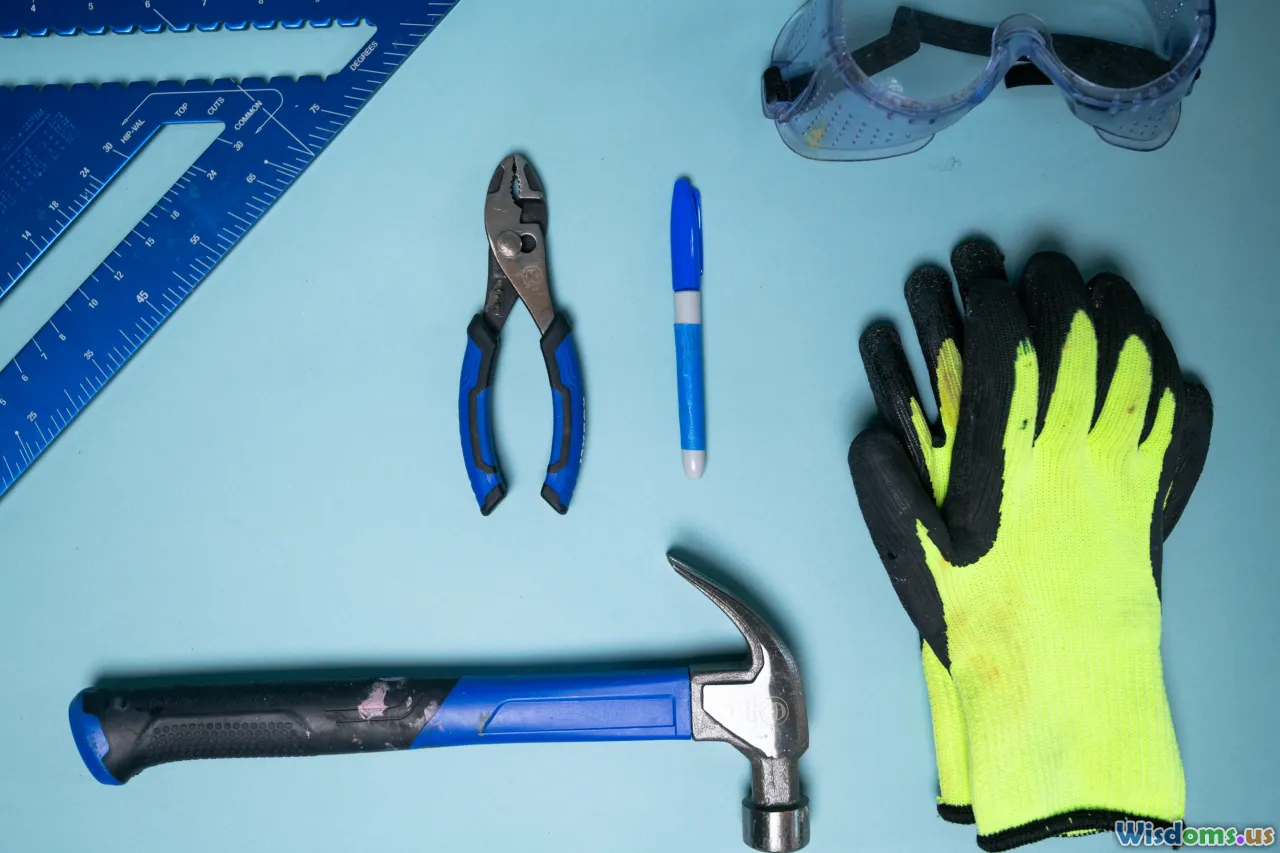
- Thumbnail dent test: Press hard—look for slight denting, not cracking.
- Pliers pinch: Gently pinch an edge or seam. If it cuts, retire the toy.
- Soak and tug: Soak in warm water for 10 minutes (simulating drool), then tug hard. Wet weakness reveals itself.
- Dye bleed: Soapy soak with white cloth rub. If color transfers easily, avoid mouth contact.
- Size test: Try (carefully) to pass the toy between the back molars of a cardboard cutout sized to your dog’s jaw width; if it fits, it’s too small.
Record results on your phone and re-test monthly. Treat toys like climbing gear: clear pass/fail rules reduce hesitation when it’s time to retire.
Maintenance Schedules and Retirement Rules

- Rubber/TPR toys: Inspect weekly. Replace if cracks deeper than 2–3 mm appear, if chunks are missing, or if the toy has thinned areas you can flex with fingertips.
- Textile braids: Inspect after each session. Retire if you can pull a single thread free or if the knot loosens repeatedly.
- Plush toys: Supervise only. Retire at the first seam opening or foam exposure.
- Frozen silicone chews: Sanitize molds after each use; replace molds that tear.
Create a rotation:
- Keep 3–5 toys in play; store the rest. Fewer toys make damage easier to spot and reduce biofilm load.
- Wash day: Rubber in dishwasher, textiles in hot machine wash, air dry thoroughly, then inspect before returning to play.
Emergencies: If Your Dog Swallows a Piece
- Choking: If your dog is struggling to breathe, perform the canine Heimlich maneuver (abdominal thrusts for medium/large dogs; back blows for small dogs) and seek emergency veterinary care immediately.
- Suspected ingestion: Call your vet. Note what was swallowed, the size of the piece, and when. Monitor for vomiting, lethargy, lack of appetite, or straining.
- Bring the remaining toy to the clinic to help the vet assess material and shape.
Prevention beats intervention. Choose sizes that can’t be swallowed and retire toys at the first sign of failure.
Cost and Environmental Impact
- DIY costs can be low, especially when upcycling textiles. But frequent replacements (due to durability limits) can negate savings.
- Quality store-bought rubber toys are pricier but can last months to years if matched to the right chew style and maintained.
- Environmental angle: Upcycling fleece or cotton is positive, but microfibers can shed in the wash. Use a microfiber-catching laundry bag. Durable rubber that lasts long can beat multiple disposables in total footprint.
- Donation or recycling: Retire safely but don’t donate compromised toys. Some rubber brands offer recycling programs—check brand policies.
Real-World Scenarios: Which Is Safer?

- Power-chewing 70-lb pit-mix: A DIY T-shirt rope frays within days; threads present obstruction risk. Safer choice: a large, dense natural rubber chew from a reputable brand, size-appropriate with a through-hole and dishwasher safe. Supervise the first sessions and inspect daily.
- 12-week-old puppy: A frozen fleece braid (dampened, then frozen) soothes gums. Supervise and remove when thawed. Avoid hard nylon or antlers; they can crack baby teeth and harm adult teeth erupting underneath.
- Senior small breed with worn teeth: Soft TPR textures or fleece braids work. Skip heavy rubber if it’s too demanding to grasp. Consider VOHC-approved dental chews sized for small dogs, supervised.
- Plush-obsessed terrier who seeks squeakers: Plush can be used only for tug supervised sessions with squeakers removed or secured in a double-stitched internal pouch. End session at first seam stress.
- Multi-dog home with resource guarding: Simpler, easy-to-hold toys reduce fights. DIY snuffle braids used in separate rooms prevent competition. Avoid high-value single-item chews that trigger conflict.
Store-Bought Red Flags to Avoid

- No size guidance and a one-size-fits-all claim.
- Overly hard “military grade nylon” with no tooth-safety notes.
- Strong chemical odor out of the package that persists after washing.
- Glued decorative parts (eyes, noses) on chew surfaces.
- Packaging that discourages inspection (“tamper-proof” seals with no returns if package opened) on non-food items.
Building a Safer DIY Toolkit
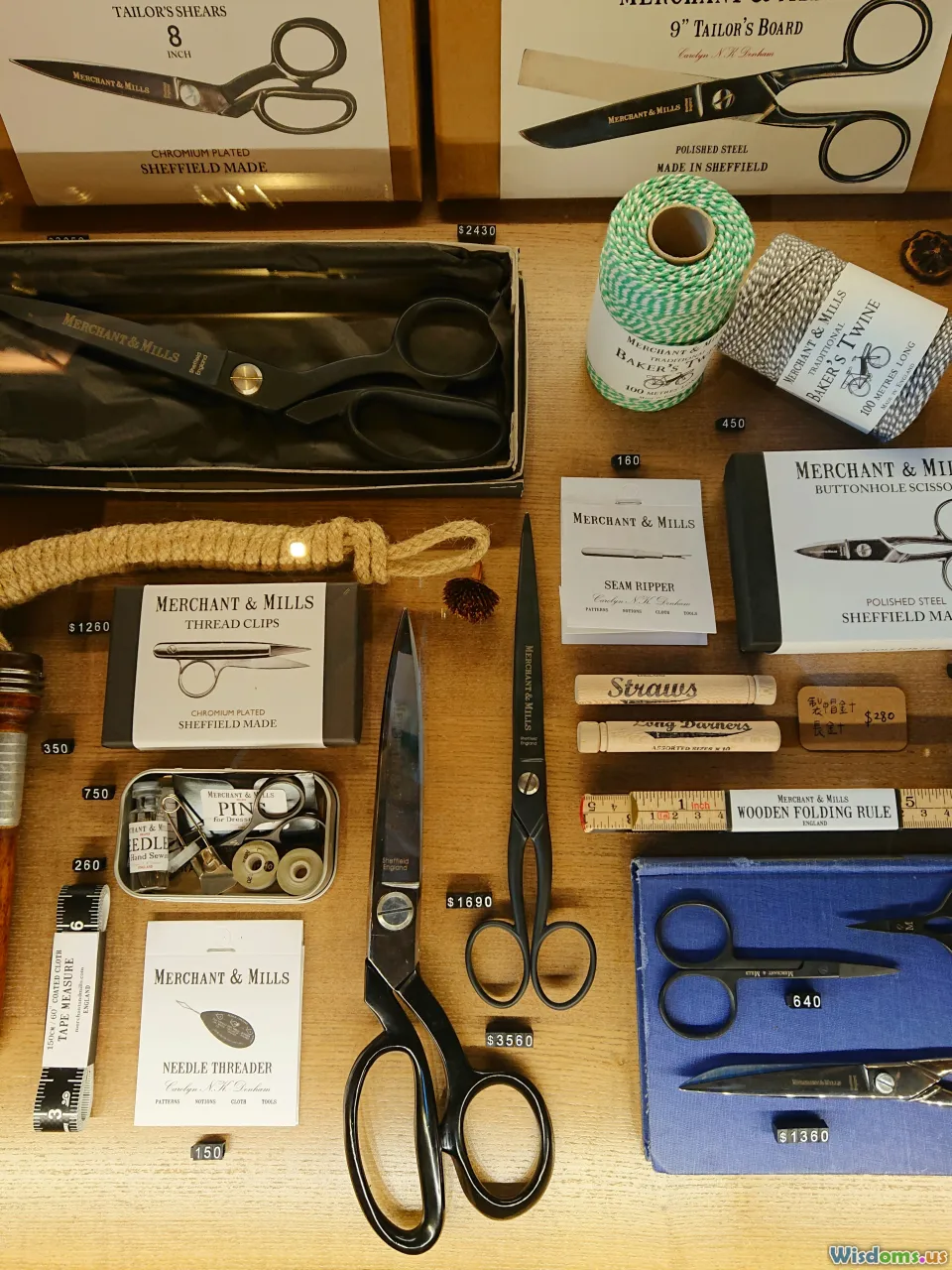
- Materials: Anti-pill fleece, OEKO-TEX cotton jersey, food-grade silicone molds, heavy-duty polyester thread.
- Tools: Ballpoint sewing needles (for knits), upholstery needle for stitching through knots, fabric scissors, fabric clips (safer than pins around pets).
- Methods: Square knots, surgeon’s knots, backstitch reinforcement through cores. Keep designs simple—braids and knots outperform complex sewn shapes for durability.
- Storage: A clean, dry bin with ventilation. Label toys with creation date using a fabric-safe marker to track age.
How to Read Your Dog’s Feedback Safely

- Chew Pattern: If your dog fixates on tearing single fibers, textiles are riskier. Switch to rubber. If they compress and gnaw without tearing chunks, softer materials can work.
- Jaw Fatigue: Excessive panting or dropping the toy quickly can mean the toy is too hard or heavy.
- Gum Health: Red, bleeding gums after play suggest abrasiveness. Swap materials and shorten sessions.
- Engagement vs. Destruction: Rotate in puzzle toys if your dog escalates to destruction after 5–10 minutes; they may need mental challenge as much as oral stimulation.
Putting It All Together: Safer Choices, Happier Chewers

Homemade chew toys can be very safe when you choose known, mouth-friendly materials (fleece, food-grade silicone), build with simple, robust methods (tight braids and reinforced knots), size them correctly, and clean them consistently. They shine for puppies, gentle chewers, and supervised play.
Store-bought chew toys excel when you select brands that disclose materials, design shapes to prevent throat lodging, and get the hardness right. Durable natural rubber and well-engineered TPR can serve power chewers safely—if you follow size guides, inspect frequently, and retire at the first sign of damage.
No toy is “set and forget.” Safety is an ongoing practice: match the toy to the dog, supervise, clean on schedule, and maintain a strict retire-and-replace policy. With that approach, both homemade and store-bought options can earn a place in your dog’s life—keeping teeth intact, stomachs happy, and playtime joyful.
Rate the Post
User Reviews
Other posts in Pet Safety


Popular Posts