Creating Fun Enrichment Activities for Guinea Pigs
28 min read Engaging, vet-safe enrichment ideas for guinea pigs, including DIY toys, foraging games, and habitat upgrades that boost exercise, mental stimulation, and bonding—on a budget with easy household materials. (0 Reviews)
Guinea pigs are curious, ground-dwelling grazers that thrive when life offers more than food, water, and a quiet corner. Thoughtful enrichment taps into their natural behaviors—grazing, exploring, socializing—and turns “cage time” into a landscape of choices. With a few simple materials and a plan, you can transform daily care into a series of adventures that keep them healthier, calmer, and more confident.
Why Enrichment Matters for Guinea Pigs
Guinea pigs are prey animals with big personalities. In the wild, their ancestors spent hours scanning for food, weaving through cover, and communicating with herd mates. Enrichment—any change to their environment or routine that stimulates these natural behaviors—helps captive pigs express that full behavioral repertoire.
A few proven benefits:
- Better mental health: Novel chew toys, varied textures, and controlled exploration reduce stress and boredom. You may see more “popcorning” (those joyful little jumps), freer movement, and curious sniffing.
- Physical fitness: Floor-time obstacle courses and foraging puzzles promote steady, low-impact movement that supports weight management and joint health.
- Social confidence: Training games and cooperative activities can reduce fear, especially in shy individuals, and strengthen bonds among bonded pairs.
- Early health detection: When you offer regular activities, you notice changes in enthusiasm, gait, or appetite faster—often the first clues that something needs veterinary attention.
A core principle: predictability plus variety. Guinea pigs feel safest when their primary layout remains familiar while small, well-considered changes keep things interesting. Balance novelty with a stable “home base.”
Safety First: Materials, Space, and Setup
Before the fun, set guardrails. Safe enrichment starts with the right habitat and materials.
- Cage size: For two guinea pigs, aim for at least 7.5 square feet, with 10.5 square feet strongly recommended (for example, a 2x4 C&C grid setup is about 10.5 sq ft). More space means more room for zones: hay, water, hideouts, and play.
- Flooring: Soft, non-slip surfaces prevent sore feet and falls. Fleece liners over absorbent pads are popular. If you use coroplast or plastic bases, add traction mats on ramps.
- Hideouts and openings: Entries should be at least 5 inches (12–13 cm) high and wide so pigs don’t feel trapped. Ensure multiple exits so no one is cornered.
- Ramps and levels: Keep ramps shallow (ideally 15–20 degrees) with side rails and grippy covering. Guinea pigs are not climbers and prefer gentle slopes. Avoid high platforms without guard rails.
- Safe woods and fibers: Good woods include apple, willow, birch, hazel, maple, and aspen. Avoid cedar, yew, walnut, redwood, and aromatic softwoods. Rope should be short-fiber sisal or untreated seagrass; watch for fraying.
- Adhesives and inks: Use non-toxic PVA/white glue sparingly and keep it inaccessible. Most brown cardboard is fine; avoid glossy, heavily-inked, or perfumed boxes.
- No essential oils or aerosol fragrances: Guinea pigs have sensitive respiratory systems. Skip scented candles near their habitat.
- Food safety: For adults, timothy, orchard, or meadow hay should be available 24/7. Pellets are typically limited to about 1/8 cup per pig daily (check your brand). Offer vitamin C-rich veggies daily—bell peppers are a favorite. Avoid iceberg lettuce and gas-prone brassicas in large amounts.
Keep a short checklist by the habitat: chew-safety, nose clearance, multiple exits, no sharp edges, non-slip footing, and breathable materials.
Habitat Layout That Encourages Exploration

Imagine the enclosure as a tiny neighborhood with destinations. Zoning encourages movement and curiosity.
- Hay hub: Place a large hay rack or a hay pile on one end. If you use a rack, ensure slats are wide enough for muzzles but not heads. Alternatively, a hay box—a low-sided box lined with fleece—lets them burrow safely.
- Water and pellet station: Put it away from the hay hub to prompt walking back and forth. A ceramic pellet dish prevents tip-overs.
- Navigation tunnels: Create a loop using 2–3 tunnels (store-bought or DIY), leaving space around them so pigs can bypass a tunnel if another pig is using it. Tunnels should be 5–6 inches in diameter.
- Multi-exit hideouts: Provide at least one shelter per pig, plus one extra. Design them with two exits to prevent bottlenecks.
- Texture corner: A fleece forest (strips of fleece hung like curtains), a soft bath mat, or a seagrass mat introduces new tactile experiences.
- Quiet zone: Reserve a dimmer corner with a covered hideout for naps. Respect this zone as a no-disturbance area.
Weekly micro-rotation: shift the hay hub left or right, swap tunnel positions, or change a hideout’s orientation. Keep the “quiet zone” and water station constant to maintain security.
Foraging and Food-Based Games
Guinea pigs are constant grazers. Turning feeding into an activity adds minutes of purposeful movement throughout the day.
Actionable ideas:
- Scatter-feeding salad bits: Instead of placing veggies in a bowl, scatter them across a clean fleece mat or into a shallow tray of hay. Chop into small pieces for safety; use bell pepper strips, romaine pieces, cilantro, or cucumber rounds. Keep sugars (carrots, fruit) minimal.
- Hay-layered surprise: Alternate layers of hay and a small sprinkle of dried forage (e.g., dried plantain, dandelion, or rose hips) in a paper lunch bag. Roll it loosely, cut 3–4 small windows, and let them deconstruct it.
- Forage tubes: Stuff a toilet-paper core with hay. To avoid neck entrapment, do not cut a circular “head hole.” Instead, slit the ends into fringe and fold them inward to slow removal without creating tight openings.
- Snuffle fleece mat: Tie fleece strips onto a sink mat or rubber grid to create a dense “grass” mat. Tuck tiny veggie bits inside. Supervise at first to ensure they don’t ingest fleece.
- Herb pathways: Place small piles of safe fresh herbs—dill, cilantro, fennel fronds, wheatgrass—along a path. Vary the order to encourage exploration.
- Vitamin C target game: For pigs used to hand-feeding vitamin C, ask for a simple nose target (touching a fingertip or a target stick) before delivering a tiny pepper slice or tablet. It adds structure to a necessary supplement.
Frequency and balance: Offer at least one foraging activity daily. Keep portions consistent with dietary needs; enrichment is not an excuse to overfeed. For adults, a bell pepper-heavy rotation helps maintain vitamin C without excess calcium or sugar.
Foods to avoid in games: onions, garlic, chives, leeks, potato, rhubarb, tomato leaves, avocado, chocolate, dairy, nuts, seeds, iceberg lettuce, and any treated or unknown outdoor plants.
DIY Toys From Everyday Items
DIY options are affordable and customizable. Choose designs you can clean or compost easily.
- Paper bag hay buffet: Place a heap of hay in an unprinted paper lunch bag. Make 6–8 small holes (finger-sized) around the bag so the aroma escapes. Fold the top once and place it in the play area. You’ll see nosing, dragging, and rhythmic ripping—excellent natural behaviors.
- Cardboard maze panels: Flatten a large box and cut doorways about 5–6 inches tall and wide. Tape panels into an L or U shape using paper tape. For a more complex maze, connect two to three corridors with T-junctions but keep multiple exits to avoid trapping.
- Seagrass cube fillers: Stuff a seagrass or wicker cube (untreated) with hay and a few herb sprigs. Leave one face loosely open to prevent frustration.
- Fleece ring toss: Twist a strip of fleece into a ring and knot it loosely; tuck a sliver of red pepper inside. Pigs nudge and flip to release the treat.
- Crunchy crinkle trail: Crumple clean packing paper into a long, low tunnel. Place veggie slivers within the folds. Replace when damp or shredded beyond recognition.
Construction and safety tips:
- Avoid staples, rubber bands, and loose string. If you use non-toxic glue, let it dry fully and position it away from chewing edges.
- Choose sturdy, non-glossy cardboard. Remove any tape and labels.
- Keep all holes and openings wide enough to prevent head or paw entrapment.
Sensory Enrichment: Sound, Scents, and Textures
Sensory variety shouldn’t overwhelm. Choose gentle options and observe your pigs’ reactions.
- Soundscapes: Soft ambient sounds (quiet nature tracks or low-volume classical music) can mask sudden household noises. Stick to predictable, calm audio. If they freeze or chatter their teeth, reduce or eliminate sound.
- Scent exploration: Offer fresh herb bundles—thyme, cilantro, dill—tied with a strip of paper or seagrass thread. Avoid essential oils and strong perfumes. Rotate herb types weekly.
- Texture lanes: Create a three-step lane: fleece forest strips, a seagrass mat, and a soft bath mat. Scatter a few hay strands to motivate crossing. Rotate mats in and out for hygiene.
- Light and shadow: Drape a breathable cloth over half a playpen to create a “shaded route.” Pigs appreciate overhead cover during exploration.
Watch for stress signs: persistent hiding, loud teeth chattering, or refusal to approach new items. Scale back and re-introduce more gradually when needed.
Social and Training Enrichment
Guinea pigs can learn simple, low-impact behaviors. Training adds mental stimulation, improves handling, and boosts confidence.
Starter plan (5–10 minutes, 3–4 times a week):
- Target training: Hold a target stick (the eraser end of a pencil wrapped in tape works) an inch from the nose. When the pig sniffs it, say a gentle marker word like “yes” and offer a tiny bell pepper slice. Repeat and gradually increase distance.
- Stationing: Place a small mat or tile; deliver a treat whenever the pig has all four feet on the mat. This helps with nail trims and weigh-ins.
- “Spin” or “follow”: Lure a short, slow circle with a treat through the air, then mark and reward. Keep circles large and relaxed—no tight turns for seniors.
Handling practice as enrichment:
- Scoop rehearsal: Train a gentle “hands under chest, support hindquarters” lift by pairing with a treat delivered just after a brief hold. Short, predictable sessions reduce stress when real handling is needed.
- Cooperative care: Pair nail trimmer sighting with rewards; reward touches to paws and gentle pressure. Break the task into micro-steps over days.
Social notes:
- Most pigs are happiest with a compatible friend. Bonding sessions should happen in neutral territory with abundant hay piles and multiple hideouts with two exits. Watch for chasing, rumble strutting, and vocalizations—these can be normal as hierarchy settles, but persistent aggression requires separation and a slower reintroduction plan.
Exercise Circuits and Floor-Time Playpens

Daily or near-daily floor time gives room to move beyond the cage.
Playpen setup:
- Space: A 4x4 foot area or larger works well. Use C&C grids, a foldable pet playpen, or a baby fence. Ensure the flooring is non-slip and easy to clean.
- Perimeter safety: Block cables, plants, and baseboard gaps. Never leave unattended near larger pets.
- Circuit blueprint: Place two tunnels, a shallow ramp to a low platform with side rails, a fleece forest, and a hay station at the far end. Add scatter-fed greens to encourage exploration.
Circuits to try:
- Gentle “S” track: Arrange tunnels and hideouts in an S-shape with hay at each end so pigs traverse back and forth.
- Peekaboo lanes: Use short barriers (books covered in a towel) to create lanes that encourage quick dashes and peeks, then safe retreats.
- Low “mountain”: A folded duvet under fleece creates a soft hill. Keep gradients gentle and test stability before use.
Timing: 30–60 minutes daily is ideal. Aim for consistency over marathons. Observe energy dips; end while they’re still engaged so tomorrow remains exciting.
Rotation Strategy: Keep It Fresh Without Overwhelming

Too much novelty can be stressful; too little gets boring. Build a rotation with predictable anchors.
Sample weekly plan:
- Mon: Snuffle mat breakfast; paper bag hay buffet in the afternoon.
- Tue: Floor-time circuit with S-track; herb pathway.
- Wed: Wicker cube hay-stuffer; target training session.
- Thu: Cardboard maze panels; quiet soundscape for 20 minutes.
- Fri: Fleece ring toss; stationing practice and weigh-in.
- Sat: Extended playpen time with low “mountain”; scatter-fed salad.
- Sun: Light day—fleece forest refresh and a short foraging tube session.
Rules of thumb:
- Swap 1–2 items daily; keep water, main hideouts, and litter areas stable.
- Re-introduce favorites regularly; novelty is not the only goal—mastery and comfort matter too.
- Record preferences to refine the schedule for each pig’s personality.
Seasonal and Themed Ideas
Adapt activities to weather and holidays without compromising safety.
Warm weather:
- Cooling tiles: Place unglazed ceramic tiles or marble slabs in the habitat for lounging. Offer a frozen water bottle wrapped in a towel nearby; never place ice directly where they lie.
- Hydration boost: Provide extra wet veggies like cucumber or butterhead lettuce in moderation. Refresh water bottles more often.
Cool weather:
- Cozy burrow boxes: Layer fleece and hay in a low, open-top box for warm nestling. Ensure airflow and regular cleaning.
- Warming pads: Use pet-safe, low-temperature heat pads under part of the habitat liner so pigs can choose warmer or cooler zones. Avoid direct skin contact with heating elements.
Themed weeks:
- “Meadow week”: Rotate orchard grass hay, tie dill bundles, and use a seagrass mat path.
- “Explorer course”: Emphasize mazes and ramp navigation, with extra scatter feeding between stations.
- “Herb sampler”: Offer a different safe herb each day for scent and taste variety.
Skip costumes and anything restrictive. Comfort and control are the themes, not decoration.
Special Considerations: Seniors, Shy Pigs, and Boars That Bicker
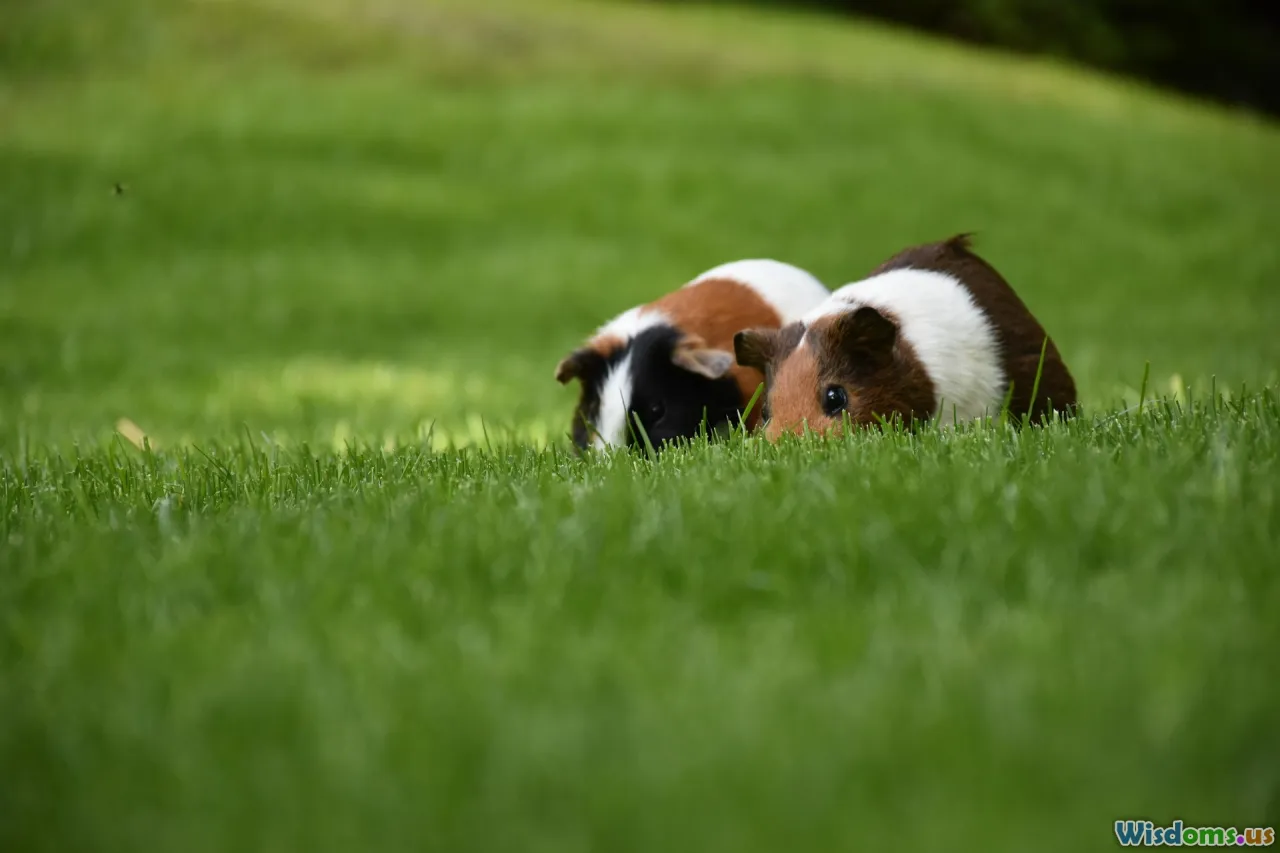
One size does not fit all. Tailor enrichment to individual needs.
Seniors (4+ years or mobility-limited):
- Lower ramps further or replace with gentle steps and textured mats.
- Prioritize flat, padded surfaces; add extra fleece layers near favorite resting spots.
- Keep training cues simple (targeting, stationing) to avoid tight turns. Shorter sessions, more rest.
Shy or recently adopted pigs:
- Start with passive enrichment—hay buffets, paper tunnels, and quiet foraging. Avoid reaching over their heads, which can feel predatory.
- Introduce your presence as part of the activity: sit nearby and read aloud softly while they explore.
- Use high-value but healthy treats (paper-thin pepper strips) to build positive associations.
Boars prone to spats:
- Provide duplicate resources and multiple exits from every hideout.
- Avoid narrow tunnels with only one entry; use wider, shorter tunnels with visibility.
- During floor time, place hay in two or three stations to reduce resource guarding. If tension rises (teeth chattering, raised hackles, escalating chasing), reset with a brief separation and a simpler setup.
Medical recovery:
- Follow your vet’s guidance. Offer gentle nose-target games and slow, easy foraging that doesn’t require climbing or tight turns.
Monitoring Well-Being: What Success Looks Like

How do you know enrichment is working? Watch for these markers:
Positive indicators:
- Behavior: popcorning, soft chirps, relaxed loafing, exploratory sniffing, and “purr-like” rumbles in content contexts.
- Movement: regular traversing between zones, smooth gait, occasional playful sprints.
- Eating: normal hay consumption (roughly a pile the size of their body daily), steady interest in foraging.
- Social: calm co-grazing, mild rumble strutting without escalation, shared hideouts with two exits.
Warning signs:
- Withdrawal: hiding most of the day after introducing new items; may indicate over-stimulation.
- Aggression: persistent teeth chattering, lunging, or nips around new high-value items. Solve by duplicating resources and simplifying the environment.
- Health changes: weight loss, fewer droppings, lethargy, labored breathing, or drooling. Seek veterinary care promptly.
Simple tracking log:
Date:
Weight (g):
Hay intake estimate (low/medium/high):
Activity offered today:
Interest level (1–5):
Notes on behavior (popcorning, chasing, vocalizations):
Health notes (poop count/consistency, breathing, coat):
Adjustments for tomorrow:
Weigh weekly on the same scale and time of day. Consistent weights and steady engagement suggest your plan is on track.
Cleaning and Hygiene Without Killing the Fun
A fresh habitat keeps enrichment appealing and safe.
- Spot clean daily: remove wet patches, replace soiled hay, and tidy scatter-fed veggies within an hour.
- Deep clean 1–2 times weekly: wash fleece liners with fragrance-free detergent and hot water; rinse thoroughly. Disinfect hard surfaces with a 1:1 white vinegar and water solution or a pet-safe disinfectant, then rinse and dry.
- Rotating spares: Keep extra tunnels and mats so you can swap a dirty item for a clean one immediately.
- Drying rack: After washing seagrass or plastic tunnels, dry completely before returning to prevent mildew.
Cleanliness supports curiosity. Pigs revisit favorite spots more often when they smell fresh hay and neutral surfaces instead of stale odors.
Budget vs. Premium: Smart Gear Choices
You can build an excellent enrichment toolkit at any budget.
Budget wins:
- Cardboard mazes and hay-stuffed paper bags cost pennies and offer high engagement.
- DIY snuffle mats made from fleece remnants.
- Repurposed ceramic tiles as cooling stations.
Worthwhile investments:
- A sturdy, spacious playpen for safe floor time.
- High-quality tunnels that won’t collapse—especially useful for heavier pigs.
- Elevated water bottle stands or drip-resistant bottles to reduce wet bedding.
How to decide: prioritize items that expand space and safety first (bigger habitat, playpen), then add a rotation of consumables (paper, seagrass) and a few durable pieces (tunnels, hideouts). If a premium item doesn’t significantly improve function, skip it.
Family-Friendly Tasks Kids Can Do Safely
Enrichment is a great family project. Assign age-appropriate, supervised tasks:
- Younger kids: scatter-feeding veggie bits, folding paper bag hay buffets, replacing water, and counting how many times each pig uses a tunnel.
- Older kids: building cardboard maze panels, measuring pellets, tracking weights on a chart, and noting behavior changes.
- Everyone: quiet observation time with a “find three new things they did today” game.
Create a simple calendar on the fridge to schedule enrichment tasks and cleaning duties. Rotate responsibilities to keep the routine sustainable.
Troubleshooting: When an Activity Flops

Not every idea will land. Use these fixes:
- Too scary: Shrink the novelty. Present only part of the item (for example, lay a tunnel on its side as an open arch) or place it beside a favorite hay pile.
- Too hard: Reduce difficulty. Cut larger holes in a paper bag, use fewer fleece strips in the snuffle mat, or place treats partially visible.
- Resource guarding: Duplicate the item and place them at opposite ends of the habitat. Offer more exits around high-value stations.
- Short attention span: Offer activities in brief bursts tied to natural interest peaks—often morning and early evening.
- Mess overload: Choose “clean” enrichers (seagrass mat, tunnels, ceramic tiles) on days when time is tight, and save paper confetti projects for weekends.
A simple reflection loop—observe, adjust, retry—will turn misses into wins quickly.
Bringing it all together: enrichment is not a box of toys; it’s a rhythm of small, intentional choices that make your guinea pigs’ world bigger, safer, and more interesting. With zones that promote movement, foraging that ignites curiosity, gentle training for confidence, and a rotation that respects their need for security, your pigs will meet you at the edge of the tunnel, whiskers forward, ready for whatever delightful puzzle comes next.
Rate the Post
User Reviews




Popular Posts