
Lessons Learned From Transforming A High Kill Shelter
35 min read Actionable lessons from converting a high-kill shelter into a humane, data-driven, community-supported organization, covering intake diversion, foster networks, medical triage, behavior programs, and sustainable funding. (0 Reviews)
Lessons Learned From Transforming a High-Kill Shelter
On a warm June morning two years ago, we printed a simple sign and taped it to the intake desk: "Every animal is a story in the middle." We didn’t have new kennels. We didn’t get a surprise grant. We just decided that if a dog or cat crossed our threshold, our job was to do more than count them—we would change the trajectory of their story.
At the time, River County Animal Services (RCAS)—a composite of several shelters I’ve worked with and advised—was the definition of a high-kill shelter. The live release rate hovered between 38–45%. Cages were stacked in hallways. Intake was first-come, first-served, which mostly meant the most distressed showed up first. Staff turnover was high. Volunteers avoided weekday shifts because the kennel noise was overwhelming. Cats routinely developed upper respiratory infections. Neonatal kittens were a seasonal crisis we never seemed to get ahead of.
Twenty-four months later, the shelter averaged a 91% live release rate, with length of stay down by 61% for dogs and 54% for cats. Disease incidence fell, donor retention rose, and—most meaningfully—staff reported feeling proud of the work again. What follows is a field-tested playbook: what worked, what didn’t, and the principles you can adapt to your own community.
Define the Starting Line: Honest Metrics and Baselines

Transformation begins with numbers you trust. Before changing policies or launching campaigns, we did an audit of our data and agreed on standard definitions.
Key steps we took:
- Clarify the metrics. We aligned on live release rate (LRR) as total live outcomes divided by total outcomes, inclusive of owner-requested euthanasia only when medically necessary—a nuance that matters for public transparency. We also tracked length of stay (LOS) for key populations (adult dogs, large dogs, kittens, adult cats), return-to-owner (RTO) rates, adoption conversion rates, and disease incidence (e.g., kennel cough, URI) per 1,000 intake.
- Clean the data. We purged duplicate microchip entries, retroactively categorized outcomes using Asilomar Accords definitions, and corrected outcome dates to eliminate phantom long stays caused by data entry errors.
- Build a visible dashboard. A wall-mounted screen refreshed hourly, showing kennels occupied versus "capacity for care," average LOS by species, and animals at risk of exceeding target LOS. Transparency changed behavior faster than any memo.
- Set realistic baselines. For example, dog RTO was 18% at intake; we set a 6-month target of 28% and a stretch target of 35%. For adult cats, we accepted that RTO was starting at 3% and would be driven primarily through microchipping and return-to-field efforts.
Useful facts and context:
- The Association of Shelter Veterinarians (ASV) capacity for care framework emphasizes meeting each animal’s daily needs rather than filling every cage. We posted these needs—space, sanitation, nutrition, medical, and behavioral—alongside our dashboard to keep decisions grounded in standards.
- UC Davis Koret Shelter Medicine Program and the Million Cat Challenge offer LOS and capacity calculators; we adapted those to local constraints like clinic hours and volunteer availability.
Insight: When staff can see the effect of yesterday’s choices on today’s bottlenecks, they adjust spontaneously—moving a dog to a foster to clear a surgery slot, or fast-tracking a cat with URI to a double-compartment space.
Capacity for Care, Not Capacity for Cages

We stopped trying to out-cage our problems. Adding kennels without service capacity (medicine, cleaning, enrichment) just spreads resources thinner.
What we changed:
- Calculated care-hours. We estimated daily care-hours available per species, accounting for staff time, volunteer coverage, and medical appointments. If we had 48 dog-care hours per day and each dog needed 1.2 hours of care (cleaning, enrichment, feeding, walks, documentation), our safe capacity was 40 dogs—regardless of empty kennels.
- Instituted a morning "flow huddle." In 12 minutes, we matched bottlenecks to interventions: eligible spay-neuter cases to surgery slots, long-stay dogs to field trips or foster, URI cats to isolation or foster, and scheduled photos/social posts for high-appeal animals with poor visibility.
- Prioritized double-compartment housing for cats. Evidence shows it cuts URI and reduces LOS by improving welfare and sanitation. We retrofitted single-compartment cages with portal doors.
- Protected a quiet ward. One room stayed below capacity for medical and behavioral decompression, even when the lobby looked full. Having that lifeboat prevented crisis euthanasia.
Example: We had 78 dogs and 64 dog-care hours/day. Reducing in-shelter dog population to 50 through foster placements and field RTOs improved daily welfare and allowed volunteers to give each dog two walks and enrichment. Within a month, kennel cough incidence fell by 40% and adoption photos improved, which further shortened LOS—a positive flywheel.
Tip: Post caretaker-to-animal ratios at the door to each ward. When a room is over ratio, it triggers specific actions: call for fosters, shift social posts, cancel non-urgent intakes, and ask field officers to prioritize RTO rather than impound.
Triage and Managed Intake That Builds Trust, Not Barriers

Managed intake isn’t about saying no; it’s about saying yes in the right way. We moved from walk-in intake to appointment-based intake with a triage protocol.
How-to:
- Script the first call. Staff used a short, trauma-informed script: "I’m glad you called. We can help. Let me ask a few questions so we can pick the best option for you and the animal." Questions focused on timeline, safety, medical status, and whether the animal could stay in place for 24–72 hours.
- Use decision trees with equity guardrails. We created exceptions for crisis situations—evictions, domestic violence, medical emergencies—so appointments never became barriers for people under duress.
- Offer tangible alternatives. We dispatched field officers with microchip scanners, supplied temporary crates and litter boxes, and arranged short-term foster. We provided bus passes or rideshare vouchers if transportation was the only barrier.
- Keep the doors open for emergencies. A posted sign outlined what "urgent" looks like (injury, bite case, imminent harm). Any staff member could designate an animal as urgent.
Results: Within three months, daily intakes smoothed from a Tuesday spike of 40 animals to a consistent 18–22 per day. That alone reduced daily chaos. More importantly, 23% of callers decided to keep or rehome with our help, and we reduced within-72-hour surrenders due to non-crisis reasons by 46%.
Common pitfall: Managed intake fails when the message sounds like "not our problem." The tone is everything. We followed up every appointment with a text summary, a resource link, and a direct number to a staff member—humanizing the process.
Front-Door Retention: Keeping Pets With Families

The least expensive, fastest live outcome is often no intake at all. We built a Pet Resource Center that lived in the lobby and online.
Components that worked:
- Pet pantry and vet vouchers. We offered same-day food, flea/tick prevention, and one-time $100–$200 vouchers for urgent veterinary needs through partner clinics. Average retention cost per case: $154. Estimated cost avoided per intake prevented (housing, care, medical): $650–$1,000.
- Housing support. Templates for "pet resumes," letters to landlords, and a list of pet-friendly housing. Staff made three-way calls to property managers to negotiate reasonable accommodations when applicable.
- Behavior helpline. A two-person behavior team fielded calls about barking, litterbox issues, and fearful dogs. We sent short videos and scheduled 20-minute virtual sessions. For severe cases, we arranged in-home assessments with partner trainers.
- Temporary foster. For people entering hospital or navigating short-term crises, we created a 30–60 day foster option with a simple agreement. About 72% of animals returned to their original families; the rest were adopted by fosters or the community with consent.
Fact: Several studies suggest behavior concerns, housing restrictions, and cost spikes are the top three drivers of surrender. Tackling each category with concrete support reduced non-medical surrenders at RCAS by 31% in the first year.
Tip: Use QR codes at the intake desk that link to a self-service form. If someone completes the form, they receive an automated text with resource options and a calendar link for a same-day call.
Back-To-Home Is The Fastest Outcome

Return-to-owner (RTO) is a speed run compared to adoption or rescue transfer. We reframed RTO as a field service, not a shelter service.
What we did:
- Field microchip scans. Officers scanned in the field and texted the last registered owner with a live map link and photo. If no chip, they posted to a geo-targeted "found pets" feed that cross-posted to neighborhood platforms.
- License canvassing with a purpose. Rather than citations, canvassers carried microchips, tags, and QR-coded collars. Upgrade on the spot for $10; free for those who asked. We saw 28% more dogs with clear ID within six months.
- Graceful fees. First-time impounds that were returned in the field carried no fees. We waived or reduced fees for proof of vaccination or microchip at the time of reclaim. This increased RTO speed and reduced negative social media sentiment.
- 24/7 drop lockers for found items. People returned found tags and microchips; staff matched them daily.
Results: Dog RTO rose from 18% to 41%. Median LOS for RTO cases dropped from 2.4 days to 0.7 days. Cat RTO nudged from 3% to 7% overall but jumped to 15% for microchipped cats after a low-cost chip blitz.
Insight: The faster you reunite, the fewer animals you house, the more bandwidth you have for truly homeless animals.
Community Cat Programs That Actually Work

Treating healthy, free-roaming cats as community members instead of shelter inventory is a game-changer.
Our approach:
- Prioritize sterilize-and-return (SNR) for healthy adult community cats brought to the shelter. Each received spay/neuter, vaccine, microchip, and ear tip before returning to origin.
- Targeted TNR by zip code. We layered GIS mapping of kitten intake hotspots with community reports to concentrate surgery slots where they mattered most.
- Neonatal pathway. We recruited bottle-baby fosters, stocked "kitten kits" with scales and milk replacer, and set up a 24-hour foster text line. Fosters booked same-day telemedicine with our vet for routine issues.
- Good neighbor kits. For complaint-based cases, we provided deterrents (motion sprinklers, citrus spray), education on keeping food stations tidy, and offered to relocate litter boxes. Conflict dropped while cats remained safely in place.
Impact: Within a year, adult cat intake fell by 22% and kitten intake by 17%. URI rates dropped due to fewer cats housed, and adoption demand could be focused on truly socialized cats and kittens.
Evidence note: Programs like the Million Cat Challenge documented similar patterns across many jurisdictions—return-to-field paired with targeted TNR reduces cat intake and shelter euthanasia, particularly in peak season.
Adoption Without Unnecessary Hoops

Open, conversation-based adoption changed everything. We moved from "prove you’re worthy" to "let’s find a fit and support you." That boosted adoptions without harming outcomes.
What we changed:
- Short application, long conversation. We dropped landlord letters, mandatory fenced yards, and blanket home checks. Instead, staff and volunteers used a structured conversation to talk about lifestyle, expectations, and support. We flagged real risks (e.g., unvaccinated pets at home) and addressed them directly.
- Marketing with heart and data. Each animal got a three-sentence bio focused on strengths, the one challenge to be aware of, and a delightful detail that made them memorable. We A/B tested headlines: "Office-ready nap champion" outperformed "Calm adult cat" by 34% click-through.
- Fee flexibility. We used fee-waived or name-your-price events strategically, especially for bonded pairs, long-stay adult dogs, and senior cats. Post-adoption support saved us money compared to long housing stays.
- Trial adoptions and foster-to-adopt. For dogs with specific needs, we normalized two-week trials with trainer support. Most "trials" stuck, and returns became learning opportunities rather than failures.
Result: Adoption conversion rate increased from 30% to 48% of qualified inquiries. Return rates held steady at 8–10%, and many returns led to same-day re-adoptions because we prepared new matches and kept stigma low.
Evidence snapshot: Research on open adoptions indicates no increase in return or problem outcomes compared with more restrictive approaches, while dramatically increasing the pool of adopters.
Transport and Shelter Partnerships

No shelter is an island. Regional transport and rescue partnerships absorb seasonal surges and help long-stay animals find homes.
Our system:
- Hub-and-spoke mapping. We identified receiving partners with adopter demand (especially for small dogs and puppies) and sent predictable loads every week. Predictability led to commitment.
- Disease control protocols. We required pre-transport vaccinations, 48-hour health checks, and clean crates. Vans were retrofitted with washable surfaces and ventilation. Drivers carried PPE and a biosecurity kit.
- Mutual aid mindset. When our partners faced distemper, we paused deliveries and sent them supplies instead of animals. That reciprocity built trust.
- Flight volunteers. For a handful of special-needs cases, volunteers moved animals via commercial flights with airline-compliant carriers and medical documentation.
What happened: Seasonal euthanasia spikes disappeared. Long-stay dogs headed to new zip codes found adopters within two weeks on average. We also received from overcrowded neighbors when we had room—partnership goes both ways.
Tip: Create a simple "animal resume" that includes behavior notes, energy level, and a 30-second video. Partners move animals faster when they can market them well the moment they arrive.
Behavior, Enrichment, and the Science of Welfare

Behavior is welfare, and welfare is behavior. A stressed animal looks "unadoptable." The same animal, decompressed, looks like someone’s future best friend.
What worked:
- Daily enrichment schedules. Every dog got a minimum of two out-of-kennel sessions: a morning walk or playgroup and an afternoon sniffari or food puzzle. Cats received double-compartment housing, high perches, hiding boxes, and daily play.
- Playgroups for most dogs. We trained staff and volunteers in Dogs Playing for Life protocols. Well-run playgroups reduced barrier frustration, helped us learn social styles, and produced stellar adoption videos.
- Fear Free handling. We stocked high-value treats, used low-stress restraint, and instituted "consent tests" for touch. Nail trims became training sessions rather than wrestling matches.
- Behavior data that travels. We standardized notes: triggers, recovery time, motivators, and successful decompression strategies. These notes moved with the animal into foster, transport, or adoption.
Outcomes: Reported "behavior concerns" fell, not because the animals changed but because we improved their environment and observation. Large-dog LOS dropped from 29 days to 17 days. Cats with prior "fractious" labels got reclassified after two days in quiet housing.
Practical tip: Give every dog a 30-minute "out" as soon as possible after intake. First impressions form fast—allowing a good one pays dividends in staff perception and marketing content.
Medicine: High-Volume, High-Quality, and Preventive
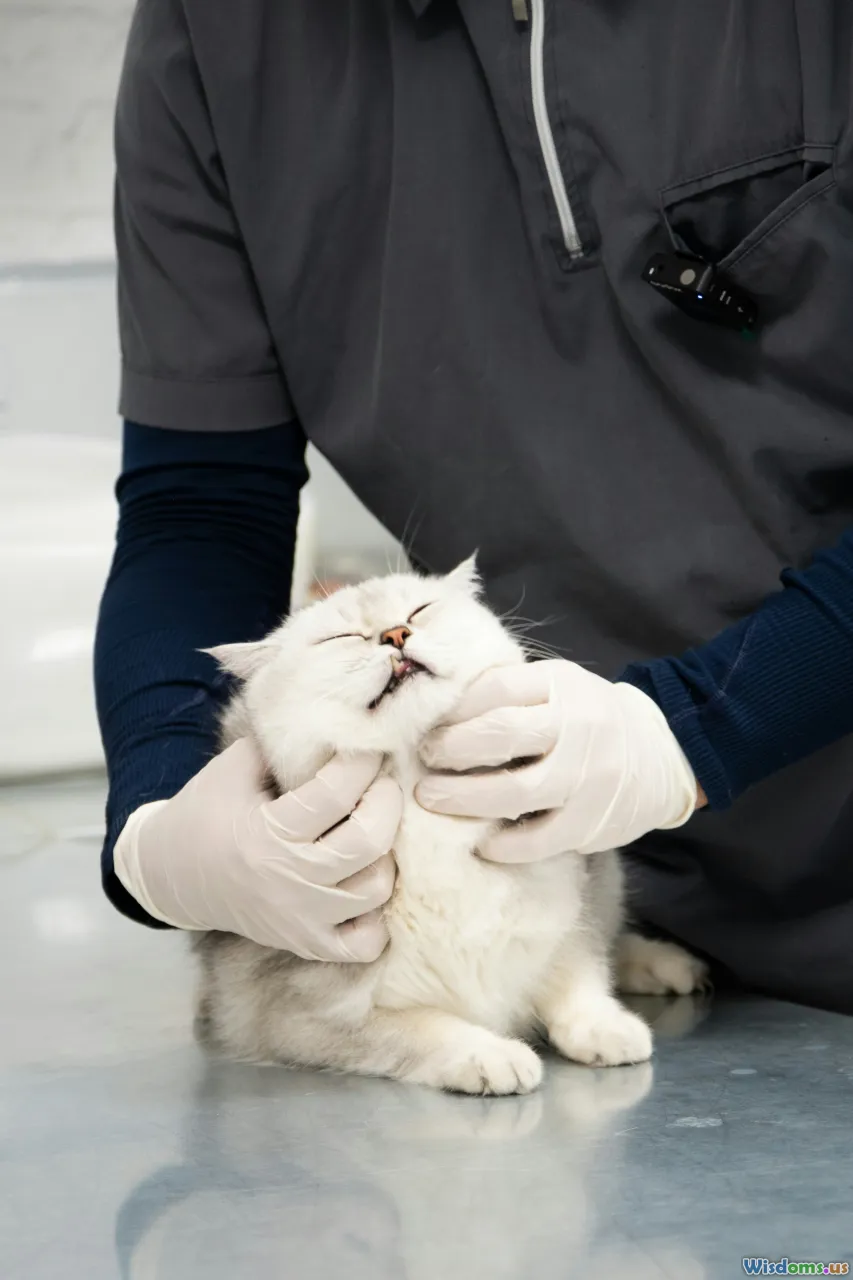
Medical excellence in a shelter is more about process than heroics.
Core practices we implemented:
- Intake protocols. Every animal received core vaccines within 30 minutes of intake. We triaged urgent conditions and used point-of-care tests judiciously. Parasite control happened on day one.
- Same-day or next-day sterilization. A predictable spay/neuter cadence stabilized adoption flow, improved behavior, and reduced returns for in-heat issues.
- Infectious disease management. Cats were housed in double-compartment cages to minimize fomite spread. We cohorted by health status, used color-coded cleaning tools, and reduced aerosolization with misting disinfectants where appropriate. Symptomatic animals moved to isolation with appropriate air flow.
- Practical ringworm program. We didn’t euthanize for ringworm. Instead, we ran a small isolation ward and foster program using terbinafine or itraconazole protocols, daily lime sulfur or diluted bleach wipes, and weekly Wood’s lamp checks. Most cases adopted from foster.
- Telemedicine and nurse appointments. Licensed techs ran vaccine clinics and minor follow-ups; the DVM focused on surgery and complex care.
Impact: URI rates in cats fell by 43% within six months. Kennel cough outbreaks declined. Staff confidence in handling medical intakes increased, reducing delays to adoption-ready status.
Volunteers and Fosters: Build a People Pipeline

People want to help; make it easy and meaningful. We rebuilt our volunteer and foster programs around flexibility and feedback.
What we did:
- On-demand fostering. We created a text list: "Reply YES to get a weekend dog or a two-week kitten assignment." Short-term commitments lowered the barrier to entry.
- Micro-volunteering. Tasks like laundry, toy washing, or data entry were chunked into 30–60 minute roles. People who could only spare an hour still felt part of the mission.
- Virtual orientation and shadow shifts. Volunteers watched a short onboarding at home and then shadowed a staffer for their first session. This reduced no-shows and improved safety.
- Retention through recognition. We tracked impact metrics (hours, walks, adoptions influenced) and celebrated milestones weekly. Volunteers saw their direct effect on outcomes.
Results: Active fosters doubled within six months. Volunteer hours increased by 38%, with weekday coverage improving the most—exactly where we were weak.
Tip: Say yes to corporate groups for half-days, but assign them projects that genuinely help—kennel deep cleans, yard repairs, enrichment toy assembly—paired with a short story about an animal they’re helping.
Technology and Data: From Whiteboard to Dashboard

Good tech removes friction. We didn’t chase shiny apps; we optimized the basics and integrated thoughtfully.
Our stack and practices:
- Shelter management software with clean data entry rules. We standardized fields, built validation checks, and created quick codes for common notes ("shy at first, warms to chicken") to keep notes consistent and searchable.
- Business intelligence tools. With lightweight BI (Tableau or Power BI), we monitored LOS, adoptions by channel, RTO by zip code, and clinic utilization. Dashboards were visible to everyone.
- Automation for communications. When a foster signed up, they got an automated SMS with pick-up times, supply checklist, and a link to a FAQ. When an animal hit LOS thresholds, automated reminders triggered new photos or marketing pushes.
- A/B testing. We tested photo styles (action vs. portrait), bio headlines, and posting times. Incremental gains stacked up: a 15% improvement in click-through here, 10% there.
Lesson: If software isn’t saving staff time within 30 days, simplify. The best tool is the one people actually use.
Communications That Change Public Narrative

Changing outcomes required changing how the community saw us—from the place of sad endings to the center of solutions.
Tactics that helped:
- Radical transparency. We posted weekly stats: intakes, outcomes, and animals at risk, in plain language. We explained euthanasia decisions and what we were doing to reduce them.
- Stories with agency. We told stories that centered people and animals solving problems together: a reunion in a parking lot, an adopter who drove across town for a shy cat, a foster who helped a puppy through parvo.
- Crisis comms checklist. During outbreaks or space crises, we responded within hours: what’s happening, what we’re doing, how the public can help today. Clear calls to action consistently outperformed general pleas.
- Multilingual materials. Flyers, forms, and posts in the top languages of our community widened our reach and signaled respect.
Result: Engagement rose, donations increased, and we saw a measurable uptick in walk-in adopters mentioning a specific post or story. More importantly, criticism became more constructive because people understood the constraints and saw our plan.
Financial Model: Dollars Follow Outcomes

Transformation requires a financial engine that rewards the right outcomes.
What we built:
- Cost per outcome analysis. We calculated average cost of adoption, transfer, RTO, SNR, and euthanasia (yes, it has a cost too). This clarified ROI: spending $150 on pet retention to avoid a $800 shelter stay was an easy call.
- Fee structure aligned with goals. Seniors free to seniors, bonded pair discounts, variable fees that reflected demand. Microchips were often free; vaccinations at reclaim triggered fee waivers.
- Grants with teeth. We pursued grants tied to measurable outcomes—kitten foster expansion, field RTO tech—so money fueled capacity rather than general overhead. Reporting requirements also kept us honest.
- Social enterprise pilots. A public low-cost vaccine and microchip clinic ran two Saturdays a month. Fees covered supplies and widened our safety net.
Insight: Budget lines that looked like "giveaways"—waived fees, vouchers—reduced costly intakes and long stays, thereby improving the bottom line.
Policy, Ordinances, and Field Operations

Policy can either force shelters into corners or create room to solve problems.
Adjustments and advocacy:
- Return-first protocols. We adopted a policy: if a dog is found within a mile of home and there’s no safety concern, officers attempt reunion in the field before impounding. This policy shift alone improved dog RTO by double digits.
- Decriminalize poverty. We replaced fines for first-time licensing or vaccination lapses with compliance vouchers and on-the-spot services.
- Bite management with nuance. We followed state law while emphasizing behavior assessment and owner education for minor incidents rather than automatic impound.
- Flexible stray holds. We kept legally mandated holds but allowed field returns to count toward the hold when the animal remained safely in place.
Outcome: Field officers reported higher job satisfaction. Community complaints decreased because the first interaction was help, not punishment.
Staff Culture: Change Management Without Burnout
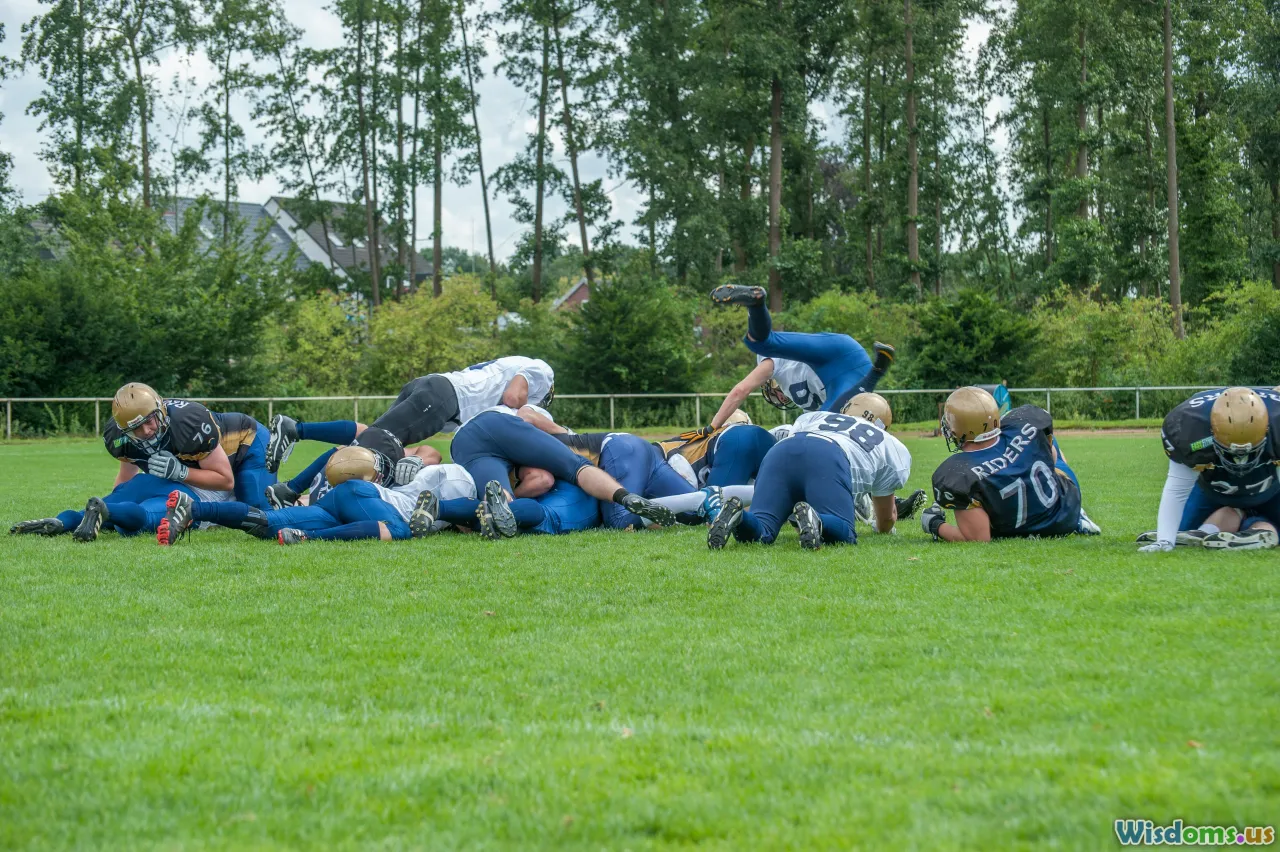
You can’t outrun culture. The best program fails if the people running it are exhausted or cynical.
Our approach:
- Clear why and small wins. We framed every change around one north star: fewer animals dying in our care. We celebrated each avoided intake, each field RTO, each foster placement as a win.
- Training investments. We provided Fear Free training stipends, de-escalation workshops, and shadow days at partner shelters. Competence reduces stress.
- Safety and structure. We upgraded PPE, improved kennel design to reduce bites, and standardized handling protocols. Psychological safety follows physical safety.
- Shift design. We staggered start times to avoid everyone hitting the morning rush at once. We built 10-minute buffers between emotionally demanding tasks.
- Compassion resilience. Peer huddles, access to counseling, and rotating "joy assignments"—like puppy cuddle duty for 15 minutes—were simple but effective.
Measure of success: Voluntary turnover fell by 29%. Sick days declined. Staff submitted more improvement ideas because they believed they’d be heard.
What We Would Do Differently

Honest reflections from the journey help others skip avoidable mistakes.
- We waited too long to fix cat housing. Double-compartment cages should have been step one for feline health. Retrofitting earlier would have saved dozens of treatment days.
- We launched managed intake without enough street-level outreach. Flyers, community meetings, and partnerships with social workers should have preceded the policy to prevent confusion and fear.
- We underinvested in copywriting. Great photos mattered, but the right words doubled adoption inquiries. Hiring a part-time copywriter paid for itself.
- We tried to do ringworm treatment in-shelter at first. Moving to a foster-based model early would have kept stress and costs down.
- We underused data on the behavior side. When we finally started coding triggers and recovery times consistently, placement for "behavior dogs" accelerated.
Quick checklist we’d recommend to any shelter starting out:
- Audit your data and agree on definitions. Post a dashboard where everyone can see it.
- Calculate capacity for care in hours, not cages.
- Introduce appointment-based intake with humane exceptions and visible alternatives.
- Make RTO a field service. Equip officers with chips, tags, and texting tools.
- Launch a community cat program with targeted TNR and neonatal fosters.
- Adopt open, conversation-based adoptions and trial placements.
- Build volunteer and foster pipelines with on-demand options.
- Standardize medical intake protocols and prioritize double-compartment housing for cats.
- Invest in communications that educate and mobilize, not just fundraise.
- Align budget with outcomes; measure cost per outcome quarterly.
The sign on our intake desk still says "Every animal is a story in the middle." The stories aren’t all tidy, but far more of them now bend toward home. A transformed shelter isn’t just quieter or cleaner—it’s a place where data, compassion, and community pull in the same direction. If you’re standing where we stood, overwhelmed by noise and numbers, start with one change that lightens today’s load. Make it visible. Celebrate it. Then add the next. Momentum, once you feel it, is its own kind of shelter.
Pets & Animals Community Engagement Animal Welfare Animal Shelter Management Shelter Management Volunteer Management Nonprofit Operations Data-Driven Impact High-Kill Shelter Transformation No-Kill Strategy Intake Diversion Targeted Spay/Neuter Foster Program Development Behavior Enrichment Medical Triage Live Release Rate Community Partnerships Return-to-Field Data Dashboards
Rate the Post
User Reviews






Popular Posts