Simple Ways Anyone Can Support Wildlife Preservation
13 min read Discover easy, actionable steps anyone can take to help protect wildlife and support global conservation efforts in daily life. (0 Reviews)
Simple Ways Anyone Can Support Wildlife Preservation
Every day, individuals make decisions that ripple across nature, with profound implications for the planet's wildlife. As ecosystems face threats from habitat destruction, pollution, and climate change, it can feel overwhelming to imagine how one person can make a real difference. The good news? Small, conscious choices—when multiplied—create huge collective impacts. Whether you live in the heart of a city or rural countryside, these simple, actionable steps empower anyone to actively participate in protecting our planet's precious biodiversity.
Become an Advocate for Local Wildlife

Before we look to far-off savannas or rainforests, consider the wildlife right outside your doorstep. Every region, from sprawling suburbs to dense urban centers, is home to various wild species that benefit from community support and awareness.
Action Steps:
- Learn about native species: Identify the birds, mammals, insects, and plants native to your area. Guides like iNaturalist or local wildlife organizations often offer free resources.
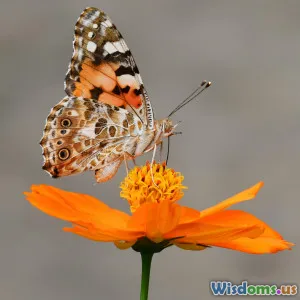
- Create wildlife-friendly spaces: Even a small backyard or balcony can provide essential resources. Planting native flowers, installing bird baths, and leaving a quiet patch of unmowed grass can attract bees, butterflies, and other species. Apartment dwellers can plant herbs or flowers in pots for pollinators.
- Reduce pesticide and herbicide use: These chemicals harm insects such as bees and butterflies, which are vital pollinators. Adopt organic gardening methods and encourage your community to do the same.
Example: In the UK, ordinary residents participating in the annual RSPB Garden Birdwatch collectively provide invaluable data that guides conservation priorities and helps track populations of native birds like the house sparrow and the European robin.
Support and Volunteer with Conservation Organizations
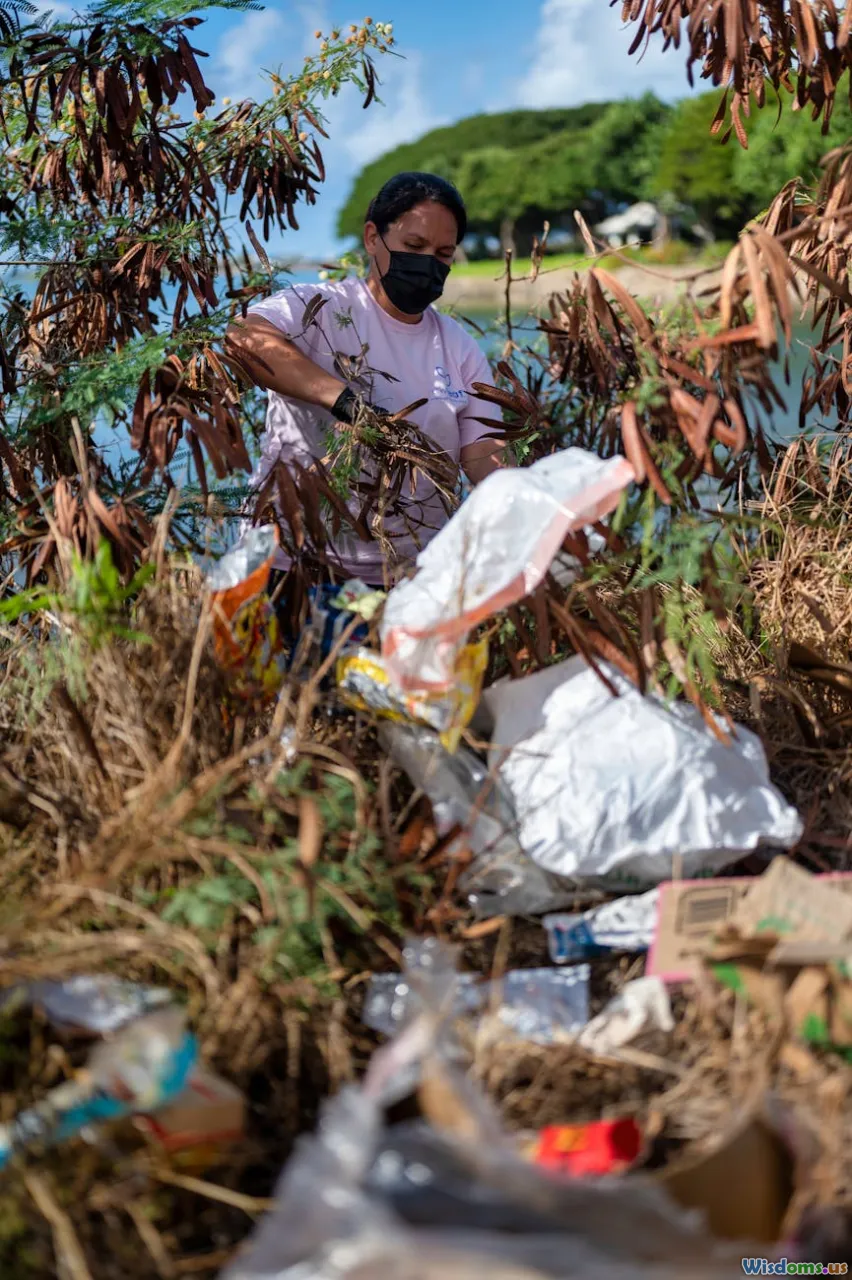
Many nonprofits and local organizations are on the frontlines of wildlife protection, relying on community support to expand their reach and effectiveness.
How to Get Involved:
- Donate funds wisely: Even small, regular donations help groups like the World Wildlife Fund, The Wildlife Conservation Society, and smaller local trusts fund anti-poaching patrols, habitat restoration, and wildlife education.
- Volunteering: Offer your skills or time—even remote opportunities abound. Help with educational outreach, social media, trail maintenance, or wildlife rehabilitation.
- Participate in community science: Programs such as Christmas Bird Count (Audubon Society, North America) or the Great Backyard Bird Count enlist volunteers to collect data essential for research and action.
Fact: In 2023, volunteers for the Citizen Science Butterfly Counts in India recorded the presence of over 400 butterfly species, contributing data that informs efforts to protect fragile grassland habitats.
Make Sustainable Consumer Choices

Consumer demand drives many industries that impact wildlife—think palm oil in snack bars destroying rainforests, or seafood harvested via unsustainable practices depleting marine life populations.
Simple, Effective Actions:
- Choose certified products: Look for FSC (Forest Stewardship Council) certified paper and wood, Rainforest Alliance–certified coffee, or MSC (Marine Stewardship Council)–certified seafood. These organizations uphold wildlife-friendly production standards.
- Reduce single-use plastic: Plastics end up in waterways, threatening aquatic species. Switch to reusable bags, bottles, and containers. For example, refusing plastic straws and using cotton tote bags greatly cuts your plastic footprint.
- Be mindful of palm oil: Opt for products using certified sustainable palm oil (RSPO label), or products that exclude palm oil entirely. Rainforests and the endangered orangutans of Borneo particularly benefit from reduced unsustainable demand.
Insight: If every American replaced just one regular paper towel roll with one made from recycled fiber, it would save 544,000 trees per year.
Reduce Ecological Footprint at Home

Home choices—from the energy that powers appliances to how we manage yard waste—shape our long-term impact on wildlife. Slight shifts build significant results closer to home.
Practical Tips:
- Compost organic waste: Instead of sending food scraps to the landfill (where they generate methane), composting returns nutrients to the earth and improves soil for native plants.
- Use energy wisely: Switch to LED lightbulbs, unplug devices when not in use, and consider installing renewable energy sources like solar panels. Reducing fossil fuel use cuts air pollution—a threat to both human and wildlife health.
- Opt for green landscaping: Lawns, though common, offer little habitat or nutrition for wildlife. Replace portions with native trees like oak or shrubs that provide berries for birds. Install a rain garden to filter toxins from runoff before they reach creeks or rivers.
Example: Residents in Seattle’s "RainWise" program use native landscaping to absorb rainwater, reducing stormwater runoff by 12 million gallons annually—relieving local rivers from flood damage and protecting salmon spawning grounds.
Support Ethical Ecotourism
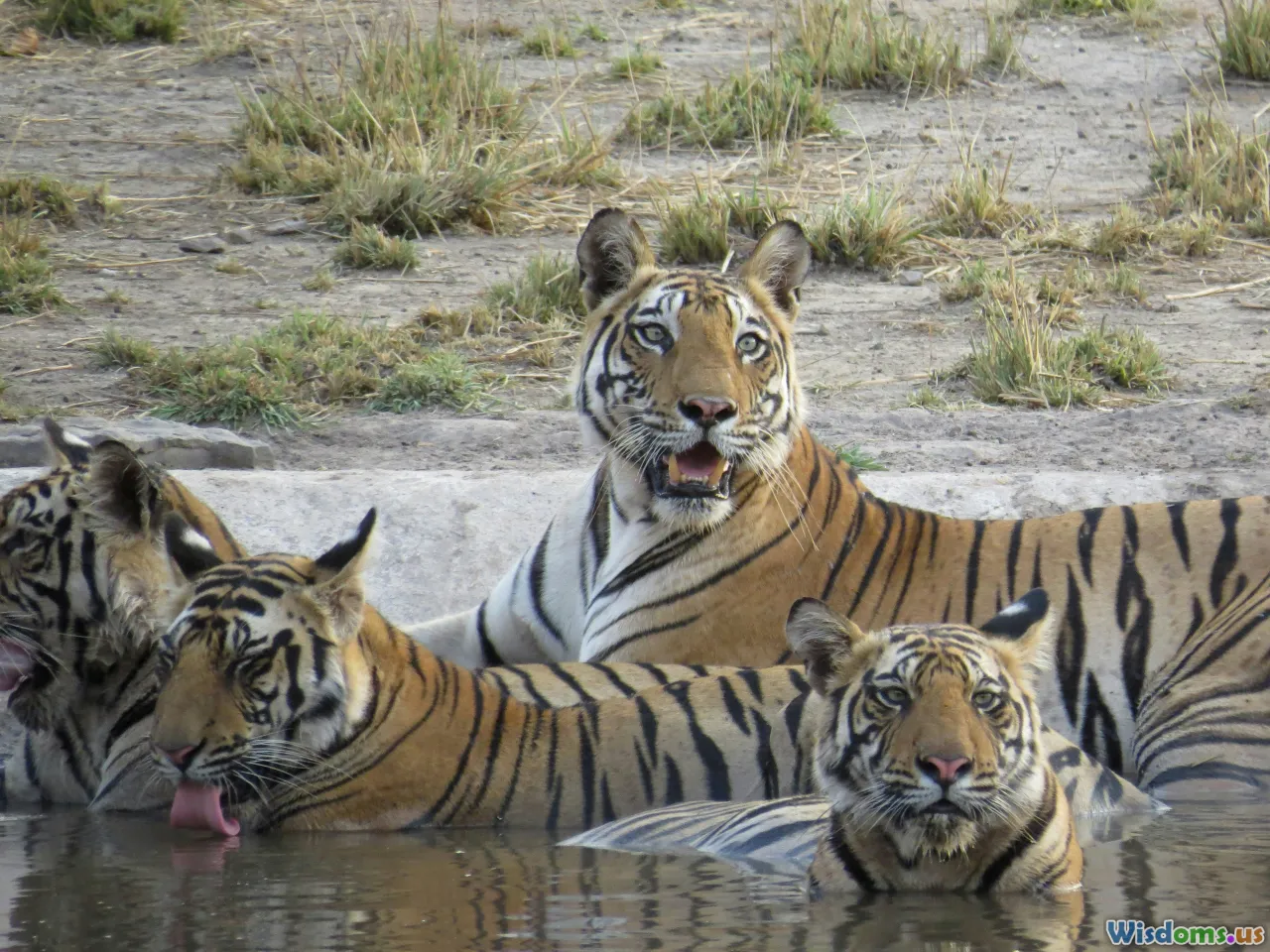
Travel shapes economies and landscapes, especially in biodiversity hotspots. Done responsibly, tourism can fund protection, but it can just as easily destroy delicate habitats if unmanaged.
What You Should Do:
- Book with conservation-minded operators: Choose companies certified by the Global Sustainable Tourism Council or those involved in conservation, such as employing local guides or investing in habitat restoration.
- Respect wildlife boundaries: Resist the urge for close-up selfies with animals—many wildlife injuries stem from forced interactions. Stick to posted trails and observe animals from a respectful distance.
- Support local conservation communities: Spend travel dollars in places that invest proceeds in wildlife, such as Botswana’s Okavango Delta, where national park tourism directly funds anti-poaching rangers and local schools.
According to the UN World Tourism Organization, eco-certified tourism businesses see higher returns on investments, and communities involved in responsible wildlife tourism report stronger public support for conservation initiatives.
Reduce Light and Noise Pollution

Urban and suburban environments increasingly intrude on habitats, often unintentionally. Artificial light disrupts migration and breeding of nocturnal wildlife, while constant noise interferes with animal communication.
How to Make a Difference:
- Choose wildlife-friendly lighting: Install motion-activated lights outside your home, use shielded fixtures, and opt for warm-colored bulbs, which attract fewer insects and reduce disorientation for migrating birds.
- Embrace quiet zones: Advocate for city parks or green spaces to have designated ‘quiet hours’, allowing nesting and sensitive species relief from human noise. Limit loud garden machinery in peak breeding or nesting seasons.
Fact: Switching outdoor bulbs to yellow LEDs can reduce bird deaths attributable to light pollution by up to 60% during migration seasons, according to research published in the journal Science (2021).
Educate Yourself and Others

Empowerment starts with knowledge. By learning—and sharing—accurate information, you can inspire others to adopt wildlife-friendly behaviors and counter common myths that harm conservation efforts.
Powerful Actions:
- Attend local talks and workshops: Organizations often host free or donation-based events involving naturalists or scientists who can offer practical advice.
- Share your experiences: Use social media to document your backyard wildlife sightings or sustainable shopping finds. Personal stories are more persuasive than statistics alone.
- Encourage youth involvement: Join or support nature clubs, scout troops, or library reading programs focused on wildlife.
Example: After citizen educators in Costa Rica began teaching local children about jaguar habitats, poaching rates fell in protected parks by more than 40% within five years.
Vote and Advocate for Pro-Wildlife Policies

Individual action matters, but for lasting change, collective advocacy drives policy shifts that benefit wildlife on a larger scale.
Take Political Action:
- Stay informed: Sign up for updates from wildlife groups to learn about proposed laws or development projects affecting habitats. For example, The Nature Conservancy’s action alerts allow you to send comments directly to representatives.
- Vote: Support candidates and initiatives that champion environmental protection. In the European Union, voters supporting the "Green Deal" helped pass stronger biodiversity targets for 2030.
- Engage with local planning: Attend city council or zoning meetings. Local ordinances, such as banning harmful pesticides or requiring wildlife corridors in new developments, have direct, tangible benefits.
- Sign petitions or participate in demonstrations: Amplifying your voice in numbers increases visibility for vital conservation issues.
After public campaigns convinced over 1.3 million people to sign a petition for bee preservation, the European Union banned several neonicotinoid pesticides linked to pollinator declines in 2018.
Think Globally, Act Locally

Wildlife knows no borders. While some challenges require international cooperation, globally endangered species depend just as much on people taking simple, meaningful action in their daily lives.
Every choice, no matter how minor it seems, sets an example and builds momentum. Whether you switch to reusable bags, plant a tree, join a cleanup, or inspire a child’s curiosity, your actions harmonize into a worldwide chorus for wildlife. Simple steps, repeated across millions of hands, nurture wildness for generations to come—and remind us all of our ability to coexist and thrive alongside nature’s incredible diversity.
Rate the Post
User Reviews






Popular Posts