Comparing Reincarnation Beliefs in Hinduism and Buddhism
14 min read Explore how Hinduism and Buddhism interpret reincarnation, their unique beliefs, and key differences shaping philosophical and spiritual perspectives. (0 Reviews)
Comparing Reincarnation Beliefs in Hinduism and Buddhism
Reincarnation has fascinated believers and scholars for ages, hinting at answers to humanity’s deepest questions: What happens after we die? Is there more to existence than this life? Among the world's great religions, Hinduism and Buddhism share a belief in reincarnation—yet, their perspectives differ substantially. By dissecting these nuanced differences and remarkable similarities, we gain insight into the distinctive philosophies that have shaped billions of lives and spiritual traditions over millennia.
Roots and Core Concepts
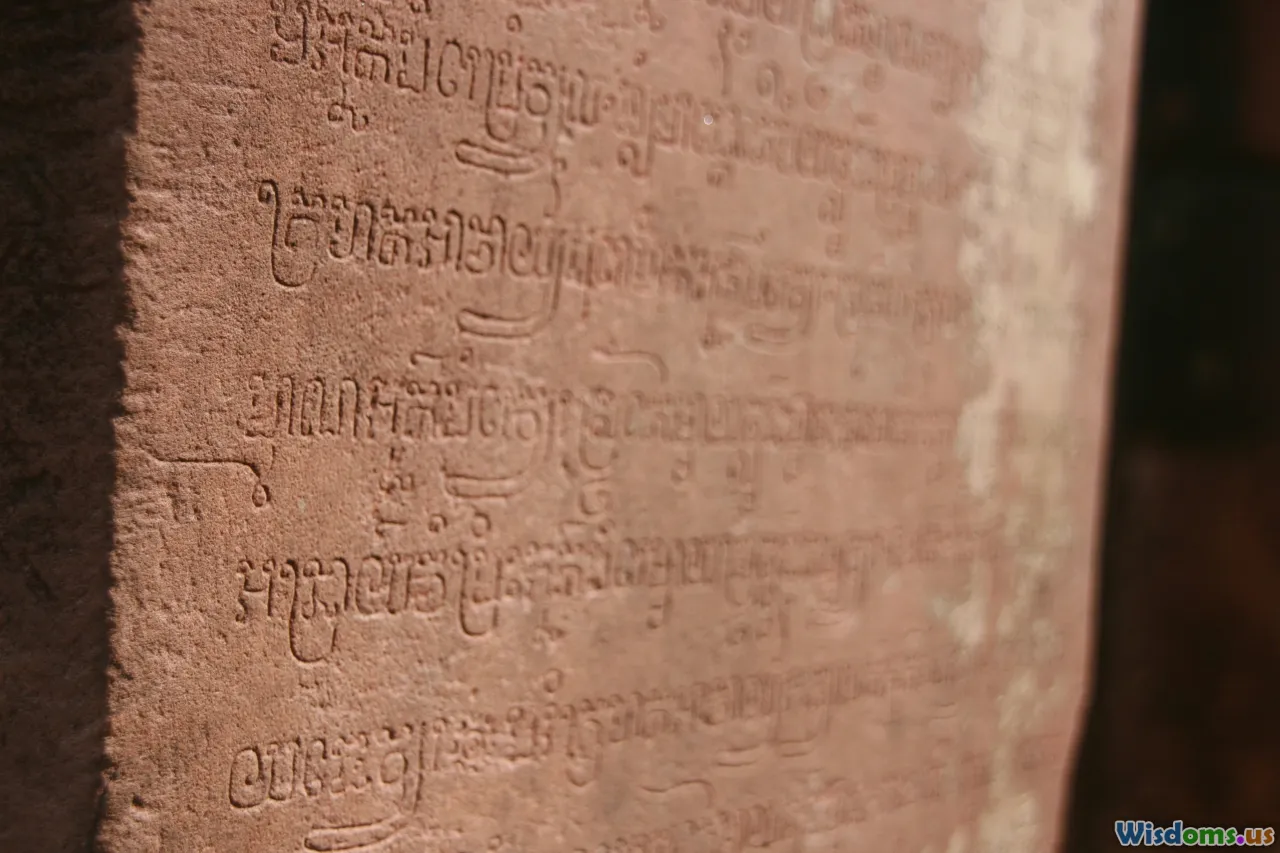
Understanding reincarnation in Hinduism and Buddhism begins with their origins. Hinduism, an ancient faith without a single founder, integrates reincarnation (samsara) as a cornerstone of cosmic justice and spiritual progress. Its earliest expressions appear in the Vedas—India's ancient scriptures—dating as far back as 1500 BCE. In these texts, the atman (self or soul) is seen as eternal, cyclically passing from one body to another in response to karma—the law of moral cause and effect.
Buddhism, founded by Siddhartha Gautama (the Buddha) around the 5th century BCE, emerged from the same cultural magma that shaped Hinduism. However, Buddhism revolutionizes the concept through anata (anatman, or non-self)—denying an eternal, unchanging essence that migrates between lives. Instead, the cycle of rebirth is driven by craving and ignorance, resolved through ethical living, wisdom, and meditation that culminate in nirvana: liberation from all cycles.
While both traditions adopt and adapt the doctrine of repeated rebirth, their roots plant markedly different philosophical seeds. Hindu reincarnation reflects a cycle aiming for reunification with the divine, while Buddhist reincarnation is a psychological process to be ultimately transcended.
The Cycle of Samsara: Comparing the Journey

The idea of samsara—that beings undergo cyclical birth, death, and rebirth—appears central in both faiths, but each gives the journey a distinct texture and destination.
In Hindu thought, samsara is both inevitable and undesirable because it binds the soul (atman) in a web of temporal pleasures and pains. The Bhagavad Gita, one of Hinduism's foundational texts, compares this process to "changing old clothes for new ones, imperishable amidst perishable forms." Hindus aspire to moksha—the liberation of the soul from samsara—through self-realization, devotion, right action, or knowledge, depending on one’s philosophical school. Pathways include yoga, meditation, spiritual study, and acts of righteousness (dharma).
Buddhism too sees samsara as unsatisfactory, characterized by dukkha (suffering). However, Buddhists do not posit an immutable soul. Instead, what reincarnates is a stream of consciousness conditioned by karma—a chain of cause and effect—rather than a substantive entity. The famous Tibetan Wheel of Life (bhavachakra) visually portrays this journey, depicting beings traversing hells, animal realms, and human lifespans, each fate shaped by their past actions and mental habits. The ultimate aim is to break free through ethical conduct, meditation, and the realization of selflessness.
Karma: The Engine of Reincarnation

At the core of reincarnation in both Hinduism and Buddhism is karma—the principle that all intentional actions send ripples through time and experience, influencing future incarnations. Still, interpretations diverge.
Hindu karma is largely moralistic: actions congruent with dharma (universal law) weave favorable outcomes and higher rebirths, while violations lead to suffering and lower existences. Karma is precise and ethically calibrated, and texts expound on various kinds—prarabdha (already begun), sanchita (accumulated), and agami (future-producing) karma.
Buddhist karma, in contrast, underscores intention. It is not simply the action itself but the quality of the mind behind it that determines karmic weight. As Buddha taught in the Dhammapada, “Mind precedes all mental states,” meaning a deed done with ill intent has far greater negative impact than one done unwittingly.
Though both traditions encourage ethical behavior to improve one's next existence, Buddhism’s analysis of karma is less metaphysical and more psychological, focusing on overcoming ignorance and craving—the key engines of continued rebirth.
The Fate of the Soul: Atman and Anatman
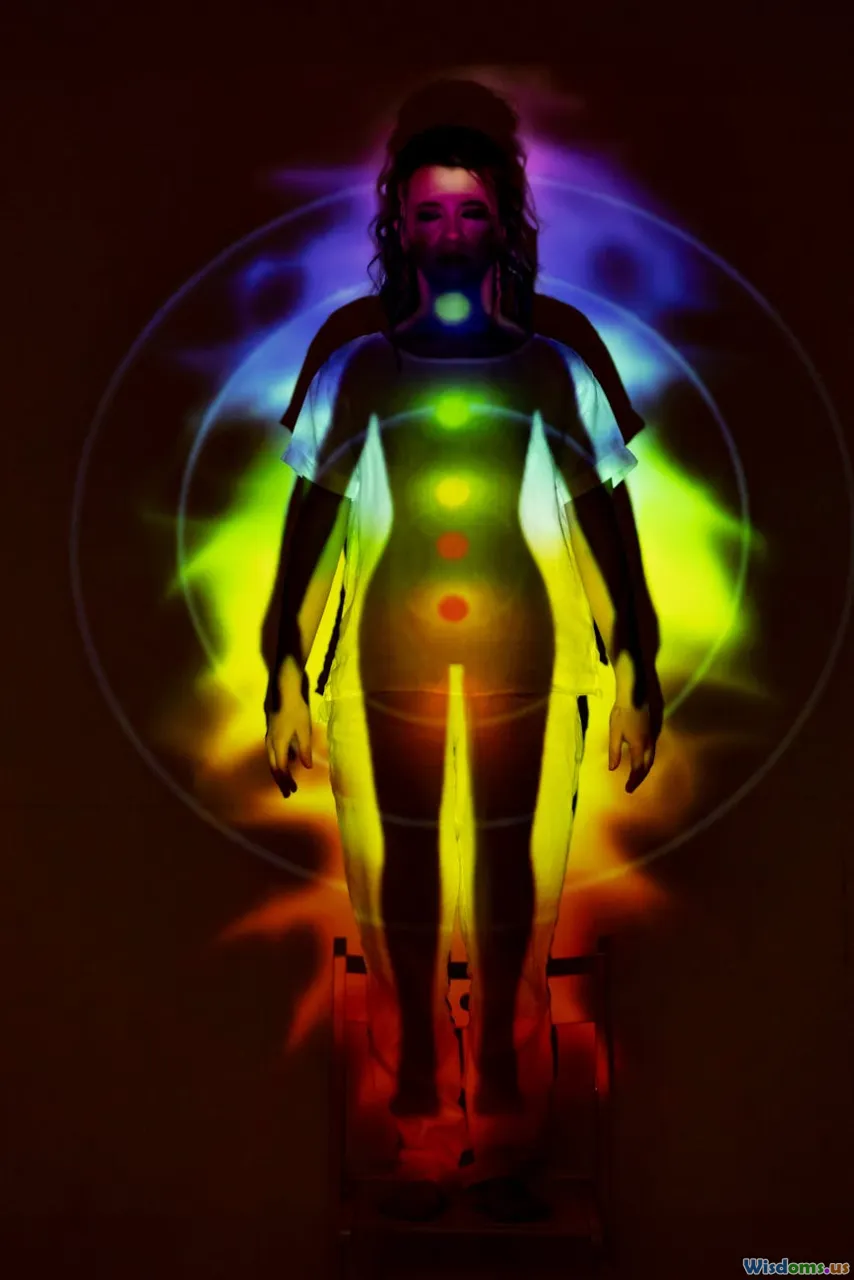
One of the quintessential differences lies in what, if anything, is reborn.
In Hinduism, the atman is the immortal, unchanging core of individual identity. Not only is it eternal, but it is also ultimately indistinguishable from Brahman—the universal spiritual reality. Hindu scriptures, from the Upanishads to the Bhagavad Gita, reaffirm the idea of the soul as a “spectator” moving through one life to the next until liberated.
Buddhism, by contrast, ardently rejects any permanent self (anatman). What migrates at death is a complex assembly: consciousness flows onward, bundled with habitual forces and karmic seed-potentials, forming a new configuration at rebirth. Buddha famously illustrated this with the analogy of a flame lighting another candle: continuity without fixed substance.
This divergence leads to differences in practice. Hindu seekers cultivate knowledge of the true self, while Buddhists meditate on the insubstantiality of all phenomena—a core strategy for escaping samsara.
Escaping the Cycle: Paths to Liberation
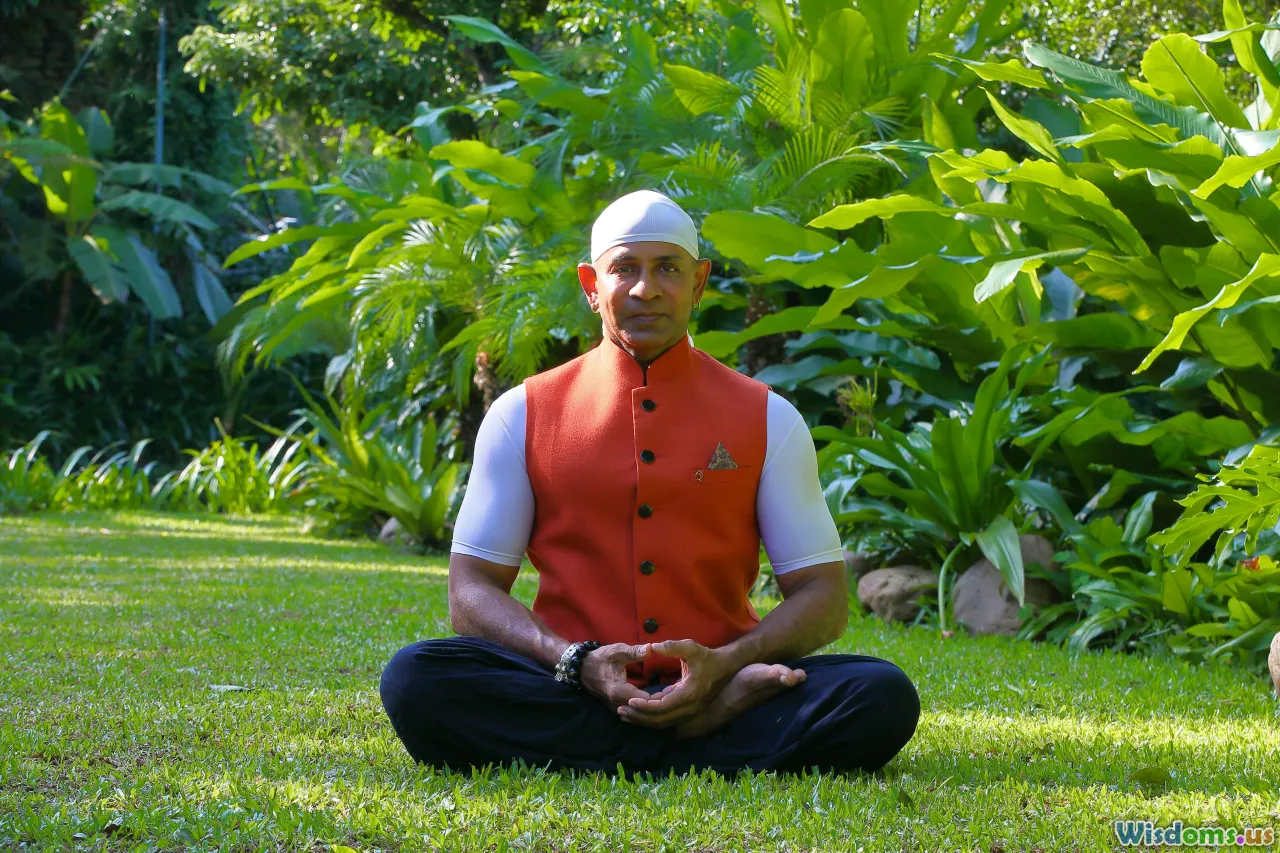
What does it take to break free from the endless cycles of rebirth?
In Hinduism, four major paths to moksha are described:
- Bhakti yoga (devotion)
- Jnana yoga (knowledge)
- Karma yoga (selfless action)
- Raja yoga (meditation)
A person can follow one or blend several of these—but every path seeks union with the divine, dissolution of individual barriers, and realization of spiritual unity.
In Buddhism, the Noble Eightfold Path serves as the way out of samsara. This prescribes right view, intention, speech, action, livelihood, effort, mindfulness, and concentration. Buddhist liberation—nirvana—involves the extinction of greed, hatred, and delusion, ending the momentum that propels rebirth.
Famously, the Buddha compared himself to a physician showing people how to cure life’s suffering—offering a practical, experiential pathway rather than metaphysical ascent.
Metaphysical Implications and Social Impact

Hindu and Buddhist reincarnation ideologies have radiated far beyond the confines of temple and text. In ancient and modern India, reincarnation and karma have influenced social structures and ethics, most notably the caste system. In Hindu society, one's birth was traditionally seen as a consequence of past actions, affecting status and life opportunities, though many reformers today contest this interpretation.
Meanwhile, Buddhism’s flexible take on rebirth—especially in East Asian societies—yielded traditions of ancestor veneration, compassionate action (karuna), and the transformative ideal of the bodhisattva: beings who delay their enlightenment to aid others. Because Buddhism denies a permanent self, compassion has a uniquely wide embrace: in Theravada, focus remains on individual escape, while Mahayana traditions stress universal liberation.
The social repercussions of these beliefs offer a powerful illustration of how metaphysical ideas shape lives and cultures—guiding everything from ethical decisions to political movements.
Rituals, Death, and Rebirth Stories
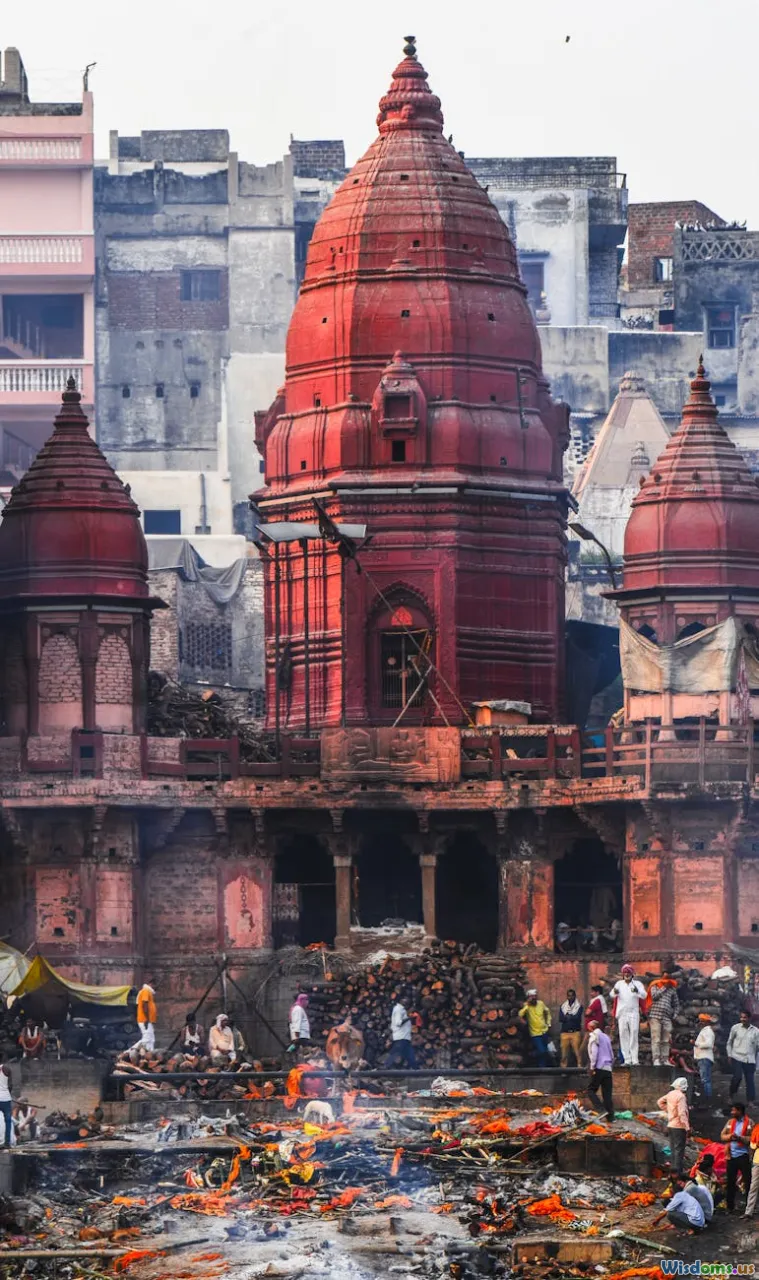
Reincarnation directly informs the daily and ritual lives of Hindus and Buddhists.
Hindu death rituals—such as cremation on the Ganges—symbolize dissolving bodily ties and aiding the atman’s journey to its next destination. The Garuda Purana outlines precise rites believed to influence a soul’s passage through the bardo (intermediate state). Stories of remembered past lives, like those attributed to Shankara or even lay individuals claiming memories of previous births, make regular appearances in Hindu lore.
Buddhist funeral customs—especially in Tibetan culture—feature readings from the "Bardo Thodol" (Tibetan Book of the Dead), guiding the deceased’s awareness through transitional states and fostering an optimal rebirth. Accounts of "tulkus" (reincarnated lamas), such as the 14 successive Dalai Lamas, showcase a unique monastic reincarnation system where spiritual leaders make conscious choices about their rebirths for the benefit of others.
Such traditions anchor beliefs in everyday experience, reaffirming the cyclical lens with which adherents interpret the rhythms of life and death.
Modern Adaptations and Scientific Curiosity

In the 20th and 21st centuries, reincarnation has gained new life (so to speak) far beyond its South Asian origins. In India, urban Hindus and Buddhists continue to interpret reincarnation flexibly, often mingling scientific outlooks with traditional belief.
In the West, figures such as psychiatrist Ian Stevenson conducted cross-cultural research on children claiming to recall past lives. While fiercely debated in scientific circles, his documentation of birthmarks and memories offers provocative data for physical and psychological continuity between lives.
Alternative therapies—from hypnotherapy for "past-life regression" to works in modern psychology—map the borderlands between traditional faith, personal narrative, and empirical inquiry.
Contemplating Reincarnation Today: Insights and Reflections

Ultimately, to compare reincarnation in Hinduism and Buddhism is to consider how we conceive of identity, purpose, and the fabric of reality itself. Both traditions invite adherents to transcend narrow self-concerns: for Hindus, to realize oneness with the divine; for Buddhists, to deconstruct clinging to false selfhood and achieve ultimate freedom.
These philosophies have fueled sweeping humanitarian efforts, literary masterpieces, and spiritual innovation. Above all, they remind us of humanity’s perennial quest: answering what it means to live, die, and perhaps begin again.
Rate the Post
User Reviews



Popular Posts