Secrets Behind the Power of the Eight Immortals
18 min read Uncover the mystical origins, symbolism, and influence of the Eight Immortals in Chinese mythology and culture. (0 Reviews)
Secrets Behind the Power of the Eight Immortals
Chinese mythology is alive with vivid characters, legendary sagas, and esoteric wisdom. Among its dazzling cast, the Eight Immortals (Bāxiān, 八仙) stand out as vibrant figureheads—each immortal representing a unique path to transcendence. Revered for centuries for their distinctive personalities and mystical capabilities, the Eight Immortals possess powers both emblematic and instructive. This article uncovers the secrets behind their mystical force, and what makes their ancient legends so enduring and powerful today.
The Ancient Roots of the Eight Immortals
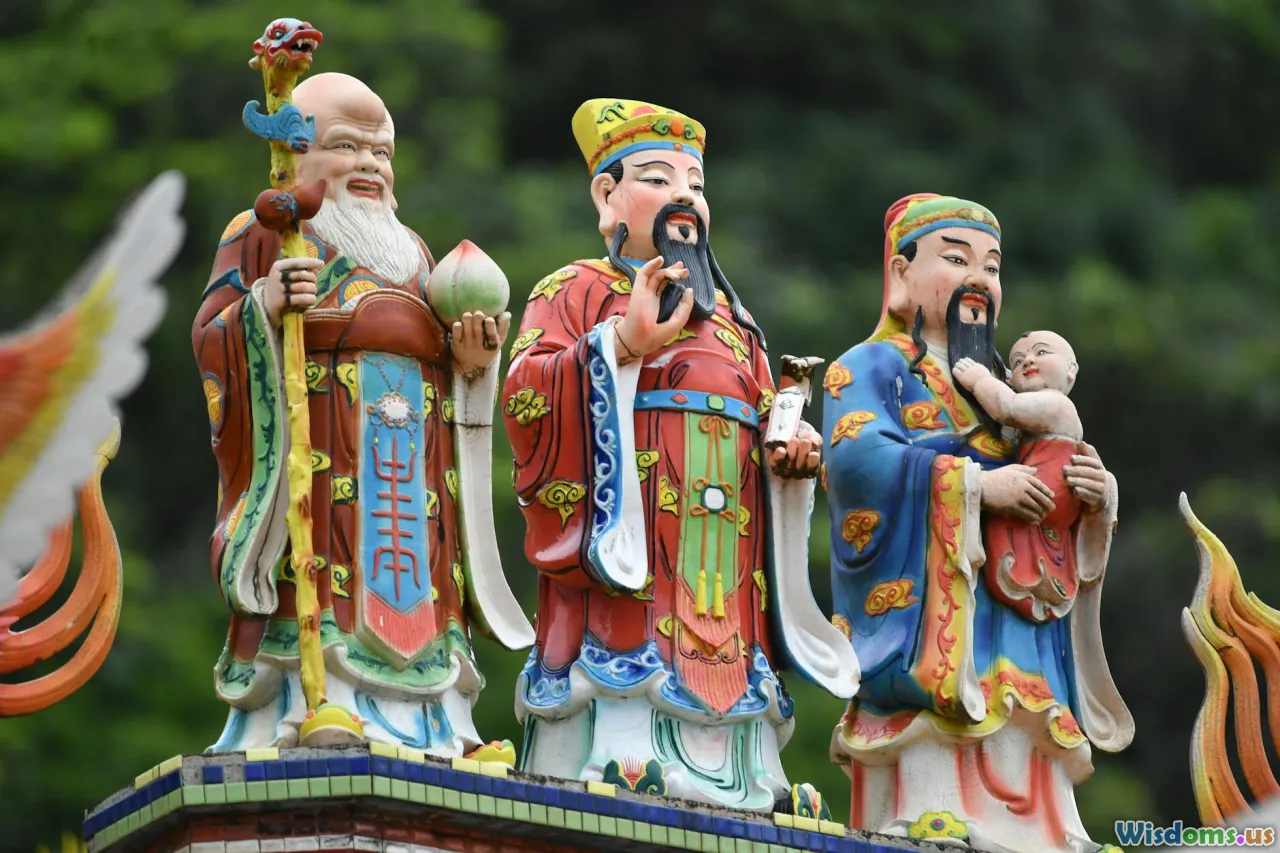
The Eight Immortals originate from Taoist tradition, each based on figures said to have lived in different periods. Long before they cemented their group identity—especially during the Ming and Qing dynasties—the legends sprouted in separate tales. They embody a cross-section of society: male and female, young and old, rich and poor. By encompassing all walks of life, the Immortals provide a multi-faceted model of virtues, transcendence, and strength.
Historically, their first group appearance is found in the Yuan dynasty's folk literature, particularly in the drama “The Immortal’s Visit to the Court.” Over time, their cult grew, outlets multiplied—from drama to paintings and sculptures—enthusiasm only increasing under the influence of Taoism, folk art, and imperial patronage. Their origin stories not only supplied spiritual guidance but also provided commentary on overcoming worldly hardship.
Symbols of Power: Decoding the Eight Immortals’ Sacred Artifacts
Each Immortal is associated with an emblematic item—a vessel, instrument, or tool—that both represents and channels their power. These icons are more than mere props; they encapsulate lesson-laden symbolism. Understanding these artifacts provides an insight into Taoist values and the allegories of inner spiritual work.
- Zhongli Quan’s Fan: A feathered fan credited with reviving the dead and transforming stones into gold. This echoes themes of renewal, resurrection, and alchemy—the transmutation of the mundane into precious wisdom.
- He Xiangu’s Lotus Flower: Symbolic of purity and spiritual transcendence, the lotus promises health and harmony to those in her presence. The flower sprouting from mud (earthly struggle) and blooming above water mirrors Taoist teachings about rising above suffering.
- Lu Dongbin’s Sword: His blade, finely concealed in a scabbard, banishes evil and cuts through ignorance. Legends say the sword enabled Lu to vanquish demons and test his own resolve, underlining the lifelong journey toward self-control and enlightenment.
- Zhang Guolao’s Bamboo Drum (or Fish Drum): This quirky Immortal rides a donkey backward and wields a bamboo tube, which beats a drum when struck with iron rods. An alchemical symbol, the drum evokes awakening, rhythm in life, and the ability to commune with spirit realms.
- Lan Caihe’s Flower Basket: Both a musical prodigy and an icon of gender fluidity, Lan carries a basket of flowers or fruits symbolizing bounty, spontaneity, and joyful detachment from conventions. The ephemeral blossom outlasts mortal worries through cheerful acceptance of change.
- Li Tieguai’s Iron Crutch and Gourd: After rising from his body during meditation, Li’s injured and misshapen mortal form teaches compassion for the sick and poor. His gourd emits medicine and elixirs, embodying healing, endurance, and the bridging of spirit and body.
- Han Xiangzi’s Flute: Nephew to the Confucian statesman Han Yu, Han Xiangzi’s bamboo flute creates music with supernatural effects—summoning rain, enchanting animals, and transporting listeners. The flute stands for transformation, joy, and the arts as a pathway to harmony with nature.
- Cao Guojiu’s Jade Tablets (or Castanets): A formal courtier costumed in imperial robe, Cao’s jade tablets grant purity and moral authority. Moral rectitude and intervention on behalf of the downtrodden are his legacies.
For example, in folklore, using their artifacts together, the Eight Immortals can cross the sea (“ u201CThe Eight Immortals Crossing the Sea ”), a legendary display of overcoming insurmountable odds by pooling diverse strengths. So, each emblem not only denotes an Immortal’s personal strengths, but also tells us something about their role within a collective community.
The Power of Diversity: Immortals as Universal Role Models
Unlike other legendary groups commonly found in global myth—like Greece’s Olympians—the Eight Immortals represent all social strata, rendering their lessons accessible to every follower. There is an innate democratizing message: enlightenment and transcendence are not bound by status, gender, or age.
- Gender and Transformation: Among the immortals, He Xiangu stands out as the only woman, with Lan Caihe bearing ambiguous gender traits in many stories. Their reminders of balance and the fluidity of human identity dovetail with the Taoist concept of Yin and Yang, which teaches that completeness is born from harmony between opposites.
- Transcending Physical Form: Despite Li Tieguai's physical impediment, his power is among the most awe-inspiring, signifying Taoism’s acceptance of physical difference and its focus on the cultivation of the soul. This depiction resonates strongly with issues around disability rights and body image, even in modern discussions.
- Social Mobility and Offering Redemption: Many of the Immortals were ordinary folk—scholars, peasants, or even beggars—who achieved spiritual realization. Their transformation into immortals delivers a key message across centuries: nobility can sprout from any soil.
A concrete example is found in He Xiangu’s tale. As a poor peasant girl, she sought harmony in troubled times, dedicating herself to helping her family. The immortals provided guidance, and understanding her compassion, Heaven granted her powers. She then wandered the world, healing and inspiring others.
The Eight Immortals, in their plurality, argue that alignment with Dao—the way—can be nurtured anywhere and by anyone.
Taoist Alchemy and Immortality: Inner Secrets and Practice
The Eight Immortals are inseparably linked to Taoist alchemy—both the pursuit of actual longevity and mystical enlightenment. Beyond outward acts, Taoist texts hint at the “inner elixir” (Nèi Dān, 內丹), a metaphor for personal transformation achieved through meditation, breath work, and ethical discipline.
Each Immortal's myth correlates to sepctrum of internal or external alchemies:
- Lu Dongbin, for instance, is the supposed author of core alchemical classics such as "The Transmission of the Dao" and “Secret of the Golden Flower.” These texts detail meditative practices—such as observing breath and refining inner energy (Qi), which reputedly open spiritual vision and extend life.
- Li Tieguai’s story literally features the separation of soul from body, underscoring techniques like astral projection (shén yóu). His iron crutch becomes a physical representation of mastering spirit over flesh.
How can one embody this in practice? Taoist imagery encourages three key approaches for personal transformation:
- Cultivate Inner Stillness: Routinely practice quiet meditation, visualizing the Immortals and their artifacts, helping draw out comparable virtues.
- Seek Balance in All Areas: Emulate the Immortals’ open-mindedness; balance work, rest, and play.
- Align Actions with Compassion: Most narratives end with the Immortals helping suffering people; Taoist power lies in benevolence as much as mastery.
Crossing the Seas: A Legendary Tale of Adaptability

Perhaps the most famous exploit, “The Eight Immortals Crossing the Sea” (八仙过海), encapsulates their collaborative might and adaptability. When confronted by impassable waters during their journey to the East, rather than calling on standard magical transport, each Immortal uses their individual artifact to traverse the ocean. This unique display celebrates ingenuity, courage, and trust in one’s own path.
This story has become a Chinese idiom: “Each of the Eight Immortals reveals their miracles (各显神通)” —often used to describe a team whose members contribute their particular talents.
In analyzing the deeper layer:
- Individual Strength, Collective Achievement: The tale teaches that pooling distinctive skills yields solutions to even the most overwhelming problems. Each artifact is uniquely unsuited to the challenge (using a flute or crutch for floating, for instance), but it is faith in self and creative use of resources that brings success.
- Adaptability in Change: The Eight Immortals’ improvisation mirrors the Taoist ideal of wúwéiwú (effortless action, or being in tune with natural flow). Resisting fixed scripts, adapting calmly to shifting circumstances lay at the heart of the Dao.
In business and social life alike, this parable remains ever fresh: bring your full skillset, trust in the collective, and let tradition be a toolkit—not a shackle.
Divine Encounters: Eight Immortals in Chinese Art and Architecture
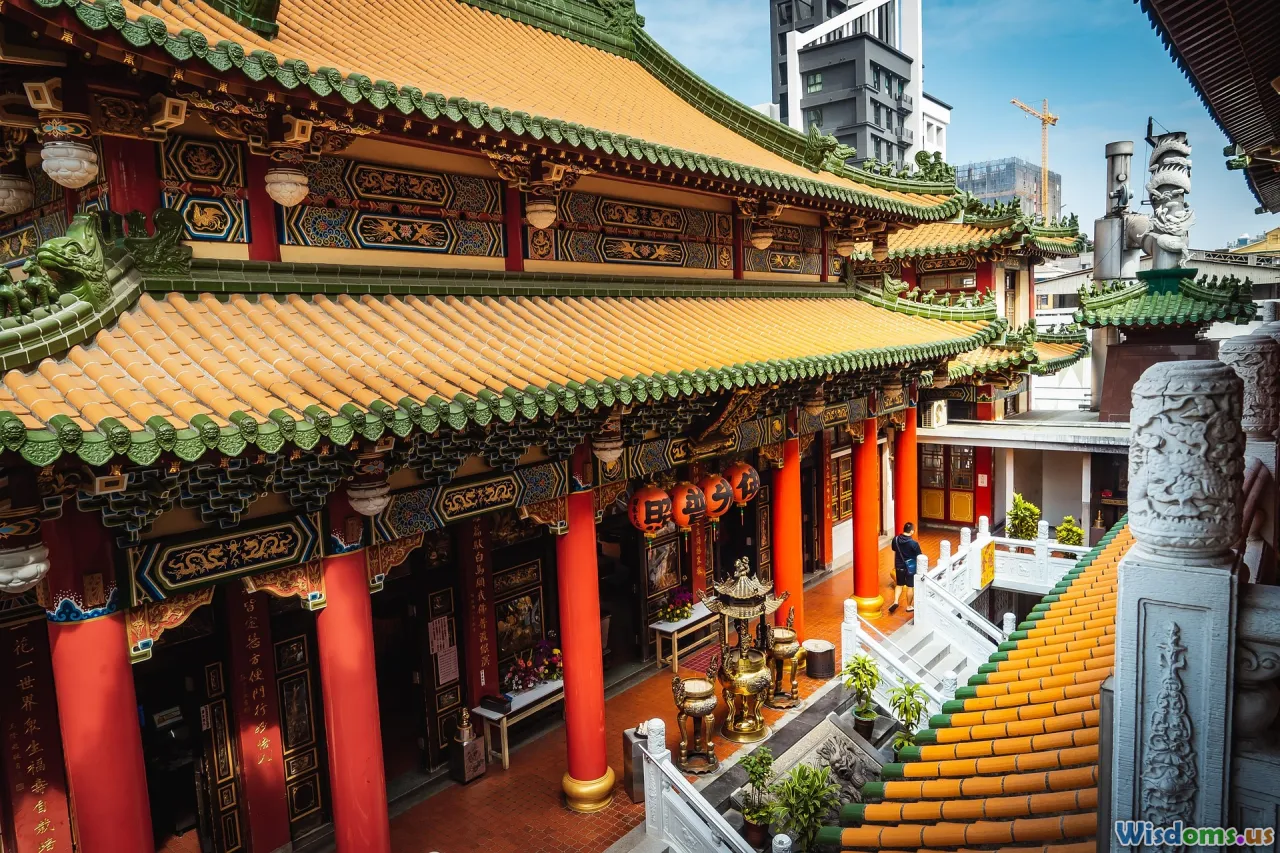
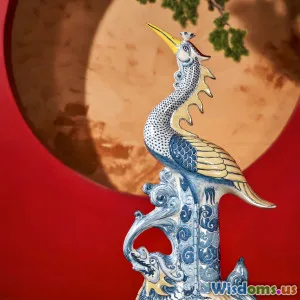
The cultural influence of the Eight Immortals reaches far beyond myth, shaping art, decor, and social ritual across centuries. Visual representations pulse throughout East Asian art forms, appearing in paintings, carvings, opera, and porcelain.
For example, temples dedicated to the Eight Immortals can be visited today in Xi’an (The Ba Xian An), recognized for intricate murals that reveal episodes from the tales. Traditional Chinese rooftops often feature a row of small figurines, symbolizing both protection and collective vigilance; in imperial palaces, the Eight Immortals sometimes appear as porcelain decoration for their reputed power to guard against evil and disaster.
In folk performances, the Eight Immortals’ exploits form the centerpiece in Platonic shadow plays, especially during festive parades, such as those seen in the Dragon Boat Festival.—with actors embodying the individual Immortals, highlighting their quirks and signature virtues.
Impressively, modern artists and pop culture continue to reference them: movies like “The Eight Immortals in the Heavenly Kingdom,” comic adaptations, and digital games translate timeless legends for new audiences.
Lessons in Leadership: What Modern Teams Can Learn from the Immortals

Move beyond their mythic status and you’ll discover a living handbook on team dynamics, resilience, and creative leadership. At the core of every “Eight Immortals” narrative lies a deep appreciation for diversity—of skills, thinking, and background—that unlocks unexpected power.
Key takeaways for leaders and organizations:
- Embrace Divergent Strengths: The Eight Immortals’ victories depend on individual differences. Encourage team members to wield their own “artifact”—unique talents unused if everyone follows the same path.
- Application: Encourage periodic skill swaps or presentations; let supposedly ‘eccentric’ abilities shine.
- Champion Adaptability: The Immortals improvise to cross seas, a metaphor for dealing with uncertainty in business. Model “response, not reaction”—look for creative uses of existing assets during change.
- Application: Host rapid brainstorming sessions in a crisis and allow unorthodox suggestions to surface without censure.
- Lead with Compassion and Integrity: Immortality, in the Taoist sense, is as much about benevolence as invulnerability. The Immortals often intervene for the suffering. Modern teams thrive when they prioritize collective wellbeing.
- Application: Institutionalize volunteer days, encourage peer support groups, cultivate a culture of inclusion and kindness.
- Recognize Process Over Perfection: Many of the Eight underwent trials before gaining status; errors and growth were essential steps. Great teams allow room for learning and mistakes.
- Application: Normalize retrospectives after failure, recognize effort alongside results.
By studying the Immortals, organizations can unleash the potential hidden in the collective—a lesson appreciated as keenly in the boardroom as in ancient tales.
Invoking the Power of the Eight Immortals in Daily Life

While the Eight Immortals belong to another era, their legends are brimming with actionable wisdom for contemporary seekers. Here are practical ways to draw upon their secrets:
1. Craft Your Own Artifact
Identify your signature strength—problem-solving, creativity, empathy, or any talent—and treat it as your personal ‘magic artifact.’ Make a habit of refining and using it, not just for yourself but for your community.
2. Seek Out Diverse Wisdom
Form friendships or teams with people from different backgrounds, perspectives, or levels of experience. Value divergent voices; often, the solution you seek will appear from an unexpected contributor.
3. Embody Agility
Regularly put yourself in new situations to practice adaptability. Whether solo or in a team, reinvent approaches as the Eight Immortals did when crossing the sea.
4. Prioritize Wellbeing—Yours and Others’
Echo Li Tieguai’s compassion by prioritizing physical and mental health, both for yourself and for those around you. Simple acts—sharing resources, checking in—cultivate the immortal spark within.
5. Meditate on the Stories
Set aside a few minutes a week to meditate or reflect on the Immortals’ legendary exploits. Inquire: “How would each resolve my current challenge?” Over time, these reflections cultivate resourcefulness and wisdom.
Let the vibrant stories of the Eight Immortals illuminate your path as signposts to greater resilience, joy, and connection. Now as in ages past, the power of these legendary figures lies not only in their magic but in their embodiment of the possibilities alive within us all.
Rate the Post
User Reviews


Popular Posts