Five Surprising Facts About Tuatha Dé Danann
14 min read Discover five fascinating, lesser-known facts about the legendary Tuatha Dé Danann of Irish mythology and their lasting influence on folklore and culture. (0 Reviews)
Five Surprising Facts About Tuatha Dé Danann
The Tuatha Dé Danann are among the most captivating beings in Celtic mythology, shrouded in layers of legend, magic, and mystery. Often called the "Tribe of the Gods," they inhabit a liminal space between divinity and humanity—masters of craft, art, and war, yet deeply entwined with Ireland’s ancient landscape. Popular culture often renders them as simple faeries or mystical ancients, but their stories are richer and more complex than many might assume. Let's unravel five lesser-known truths about the Tuatha Dé Danann that challenge and enrich our understanding of these mysterious figures.
More Than Gods: The Tuatha Dé Danann as the Original Magicians
It’s common to label the Tuatha Dé Danann as gods, yet the medieval Irish texts provide a far more nuanced portrayal. They possessed god-like traits, but they were especially renowned for their magical skills—skills that surpassed any mortal capacities.
Their Magical Reputation: The Lebor Gabála Érenn (Book of Invasions), a primary source for Irish myth, details how the Tuatha Dé Danann arrived in Ireland "through the air and through the sea." Rather than traveling by conventional means, they shrouded their arrival in a mystical cloud, camouflaging themselves until their armies were ready. This is not mere metaphor: for early Irish writers and listeners, such magic confirmed their "otherworldly qualifications."
Mastery of Druidic Arts: The Danann kings and queens were not mere rulers but supreme druids, healing the sick, manipulating the weather, and casting potent enchantments. The Dagda, a principal figure, wielded a magic staff capable of raising the dead or killing instantly. His club epitomized the double-edged nature of their magic—life and death in a single gesture. Meanwhile, Dian Cecht, their healer, restored heroes from mortal wounds by placing them in a mystical cauldron, foreshadowing the later Arthurian Grail legends.
The Four Treasures: Upon reaching Ireland, the Tuatha Dé Danann brought with them four magical treasures from their original cities:
- The Stone of Fál (Lia Fáil), which cried out under the true king.
- The Sword of Light (Claíomh Solais), which never missed its mark.
- The Spear of Lugh, which assured victory on the battlefield.
- The Cauldron of Dagda, which was said to never run empty.
These items symbolize mastery over sovereignty, war, fate, and abundance—revered qualities among the magical elite of Celtic lore.
Shrouded Origins: Who Were the Tuatha Dé Danann Really?
The legend—inscribed in the Lebor Gabála Érenn and corroborated by subsequent poetic retellings—asserts that the Tuatha Dé Danann came "from the islands in the north of the world." Suggestions about their origins have fueled debates among scholars, storytellers, and folklorists for centuries.
Mythical Geography and Politically Motivated Storytelling: Medieval Irish monks chronicling history had to balance pagan folklore with emerging Christian beliefs. Thus, they sometimes portrayed the Tuatha as ancestors who originated overseas, loaded with esoteric wisdom and hidden knowledge. Their four fabled cities—Falias, Gorias, Murias, and Findias—hint at a mystical geography that may analogize the four directions of the compass or otherworldly realities.
Parallels in Other Mythologies: The theory that the Tuatha Dé Danann represent the mythologizing of early tribal invaders to Ireland has gained traction. Their stories echo other Indo-European myth cycles, where a creative, magical people conquer and civilize a primeval land. For example, Norse texts describe the Aesir gods coming from a distant place to face off against giants; similarly, the Greeks’ Olympians opposed the Titans.
Possible Real-Life Inspirations: Some folklorists see them as recreated memories of ancient wise people—perhaps migrants expert in metallurgical or agricultural technologies so far ahead of the local Bronze Age population that they seemed magical. In this light, their "magical cloud" becomes a metaphor for a misty dawn arrival by sea, poetically retold over centuries. Thus, the Tuatha embody both mythic archetype and fragments of Ireland’s dimly remembered prehistory.
A Matriarchal Edge: The Power of Danu and the Divine Women
While the name Tuatha Dé Danann means "the people of the goddess Danu," popular retellings too often overlook the folk’s matriarchal roots. Far from a patriarchal tribe, this group elevated a number of powerful women who played vital political and magical roles.
Danu: The Elusive All-Mother: The goddess Danu largely appears through allusion; she seldom acts directly in tales, yet her influence persists. As the tribe’s eponymous matron, she serves as a primordial mother figure—comparable to Gaia in Greek mythology or the Norse Jörð. In some interpretations, Danu is the personification of flowing water, rivers, or even the land itself. This underscores how the Tuatha derived protective power from feminine aspects of creation and abundance. In the poetry and place-names of Ireland (like the River Danube, possibly "Danu’s River"), one can still trace her legacy.
Morrígan: The Shapeshifting War Prophetess: Morrígan, another essential member and sometimes considered a triple goddess (alongside Badb and Macha), adeptly spanned roles from battle prophet to fertility goddess. Her shape-changing and prophecy—appearing as a raven on battlefields or an old woman foreshadowing doom—granted her an agency in warfare unparalleled by contemporary mythic women elsewhere.
Brigid: The Culture-Bearer: Brigid, daughter of the Dagda, encapsulated healing, poetry, and blacksmithing—domains crucial to early Irish society. She straddled the divide between the old pagan world and Christianity, ultimately being canonized as Saint Brigid, a seamless blend that shows her enduring influence.
Equality and Influence: The central role of women among the Tuatha Dé Danann contests the later, more male-centric medieval tales. Their legends demonstrate that spiritual and societal leadership was not confined by gender for the mythical ancestors of Ireland.
The Surprising Fate of the Tuatha Dé Danann: Europe’s Hidden Faeries?

Unlike the gods of Mount Olympus or Asgard, the Tuatha Dé Danann’s story does not end in simple triumph or decline. After centuries ruling Ireland, they were eventually defeated by the Milesians, a mythic invader associated with the ancestors of the modern Irish. Yet this was not the end, but a transformation.
Descent into the Sidhe: According to tradition, the Milesian bard Amergin reached a compromise with the defeated Tuatha. The Milesians would take the surface world of Earth, while the Danaans would be entitled to the Otherworld—an underground domain called the Sidhe (pronounced "Shee").
Birth of the Faeries: Over succeeding centuries, as Celtic paganism mingled with Christianity and regional folklore, the Tuatha Dé Danann transformed into the Aes Sídhe—literally "people of the hills"—commonly misunderstood as mere elfin faeries. In this way, today’s beliefs in fairies and the Fairy Mounds (sites like Newgrange or the Hill of Tara) are direct folkloric descendants of ancient Tuatha legend.
Site-Specific Syncretism: Numerous Irish placenames—such as Brí Léith (now Ardagh Hill, the reputed home of the Sidhe king, Midir) or Knocknarea (associated with Queen Medb, herself sometimes linked to the Tuatha)—are directly tied to the folk’s lasting legacy across the land. Modern archaeological excavations at Newgrange and other passage tombs have even found evidence of ritual activity spanning from prehistory to the Christian era, attesting to the Sidhe’s ongoing importance in popular religious imagination.
A Living Tradition: Contemporary festivals like the annual Puck Fair echo this Otherworldly inheritance. Participants and locals, knowingly or otherwise, pay homage to the Tuatha and their kin with ritual rites, seasonal myths, and storytelling. Thus, their migration from sovereignty gods to shadowy sidhe encapsulates Europe’s enduring fascination with the boundaries between visible and invisible worlds.
Treasures, Trials, and the Birth of Modern Fantasy
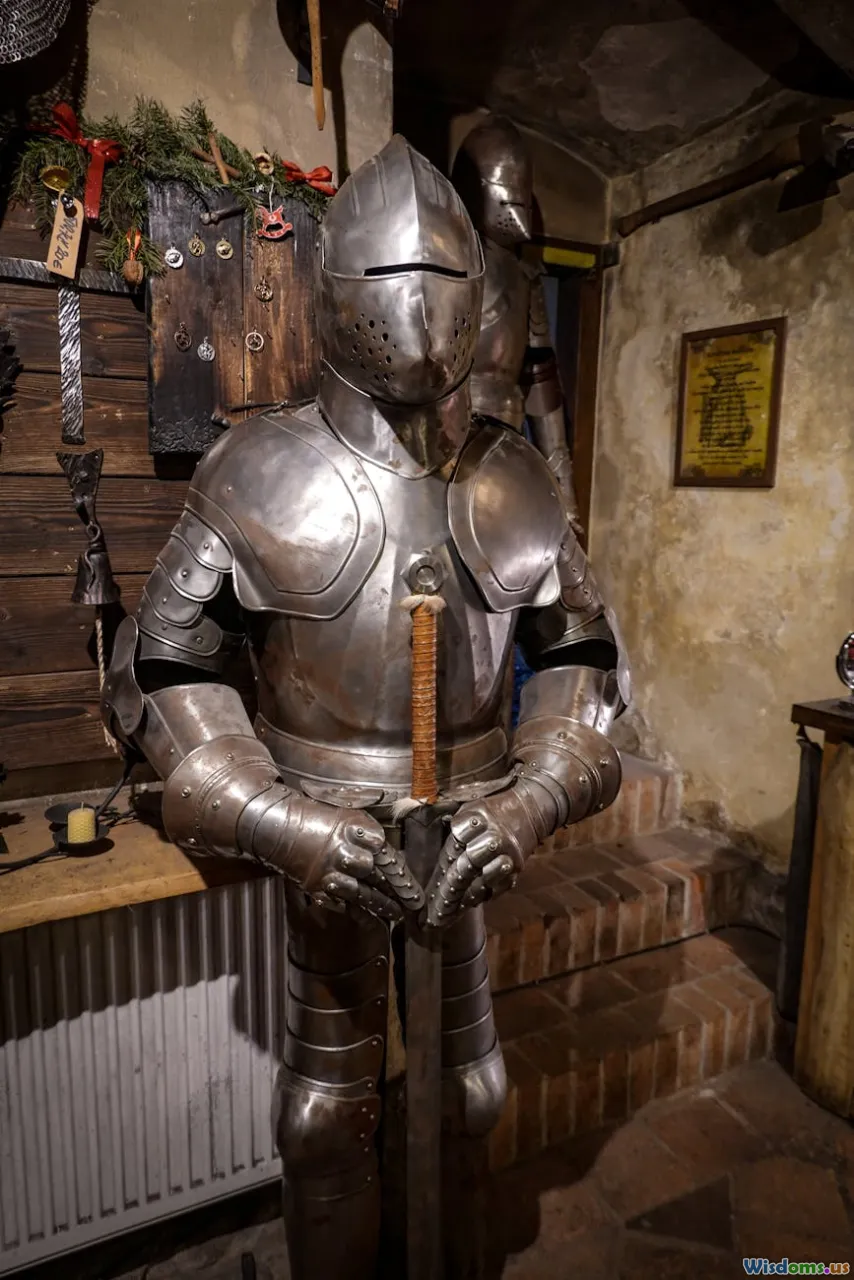
Much of what European readers love in modern fantasy—the quests for magical objects, immortal wisdom, and exotic battles—draws directly from Tuatha Dé Danann tradition.
Thematic Resonance in Literature and Pop Culture: J.R.R. Tolkien cited Irish myth as a foundational template for his fictional races and storied artifacts. The Four Treasures, particularly the cauldron and sword, likely influenced his image of the One Ring or the Silmarils, while the motif of hidden peoples underground surfaced in his Elves.
C.S. Lewis’s Narnia sagas, the questing in The Mabinogion, and an entire subgenre of modern fantasy (from Terry Pratchett to Neil Gaiman) employ whimsical and powerful Otherworld folk inspired, in part, by the Tuatha. More recently, popular television and films such as Netflix’s Fate: The Winx Saga and American Gods make overt nods to the ancient Irish gods’ mystical legacies.
Legacy of the Quest for Knowledge and Power: Central to most Danann stories is the notion that wisdom, sovereignty, and power are prizes earned only through ordeal: the arduous "Tests for Kingship," the gathering of treasures, the prophecies of wise women. This narrative thrust—requiring both physical valor and spiritual astuteness—reverberates through centuries of Celtic storytelling and global storytelling at large.
In Modern Ireland: Commemorations, reinterpretations, and continued scholarship keep the Tuatha Dé Danann alive. Storytelling festivals, contemporary poetry, and even legal disputes about building roads over fairy forts (still undertaken with care and respect!) all owe a debt to the belief in hidden wonders and dangers beneath Irish soil.
The Tuatha Dé Danann remain more than quaint curiosities of Ireland’s mythic past. Their stories pulse in the earth, wind, and imagination of Northern Europe—bridging the fantastic and the human, the lost and the hopeful. Surprise awaits not just those who delve into dusty manuscripts, but anyone willing to look just beyond the boundary of the known, where the air still shimmers with legends older than memory, and magic may yet drift upon the hills.
Rate the Post
User Reviews
Other posts in Celtic Mythology
Popular Posts