
Does Minimalism Really Save Money Surprising Answers
15 min read Explore whether a minimalist lifestyle genuinely saves you money, backed by real-life examples and financial insights. (0 Reviews)
Does Minimalism Really Save Money? Surprising Answers
Minimalism has swept across social media and home design shows as the secret to clarity, happiness, and—perhaps most enticingly—saving money. From stories of people downsizing to tiny homes to viral challenges like #100Things, the narrative seems to be: fewer possessions, fuller wallet. But behind airy apartments and monochrome wardrobes, is there truth to the promise that minimalism can help you build real financial security?
This exploration digs into whether minimalism genuinely delivers monetary benefits—and reveals surprising truths you probably haven't heard before.
Reframing Consumption: Less Versus Enough

Minimalism, in its modern form, is about intentional living—wicking away clutter not just from our homes, but from our buying patterns. But does decluttering lead to less spending… or simply to spending differently?
The Temptation of the "Minimalist Upgrade"
While minimalism preaches owning less, it's common for new minimalists to declutter aggressively—only to replace everyday items with upgraded, high-end "forever pieces." For example:
- Swapping a $30 utensil set for a $250 artisanal version marketed as timeless.
- Trading a bulk set of notebooks for a single designer one.
- Ditching department store basics in favor of pricier, sustainable clothing brands.
Consider Lily, who sold her mass-market dining set, then invested $1600 into a minimalist table from a boutique. "It's meant to last forever," Lily says. The catch? At this rate, she probably won’t see net financial gains for a decade or more.
Consumption Transforms, Not Necessarily Shrinks
A 2021 Cornell University study found that individuals new to minimalism reduced their overall purchases by around 15%. However, they spent an average of 28% more per item within the first year, driven by the desire for items that were higher quality and "just right" for their pared-down lives.
Insight: Minimalism changes how you spend before it changes how much you spend. It's not uncommon to see initial spikes in spending on new furnishings, tech, or wardrobes.
The Hidden Savings: Reduced Impulse Spending

One proven benefit of embracing minimalism is reining in impulse spending—when practiced with discipline.
Why Decluttering Curbs Shopping Sprees
A tidy, intentional living space makes us more aware of existing possessions. Minimalists often track, inventory, or even "audit" their stuff. As a result:
- Shoppers are likelier to ask themselves tough questions before a purchase: Do I truly need this?
- Previously lost or forgotten items resurface, lowering the need to re-buy.
- Spaces feel less crowded, making additional purchases less appealing.
Case Study: Digital Minimalism and Subscriptions
John, a freelance developer, analyzed his digital life as part of a minimalism challenge. He realized he was subscribed to 17 online services (music platforms, streaming apps, niche SaaS tools), totaling over $120 per month. By canceling unused subscriptions, he saved over $1,000 a year.
Fact: Over 50% of Americans forget to cancel unused subscriptions, costing an average of $348 per year (RocketHQ, 2023). Minimalism's intentional review process helps recapture this money.
Quality Over Quantity: The Paradox of Value

Minimalism champions buying fewer, higher-quality items that last. The conventional wisdom: investments in durability pay off in the long run.
Spending More Now to Save Later?
This isn't always a slam dunk. For frequently replaced items (clothing, cookware), investing in durable options can save money:
- A $200 cast iron skillet that lasts decades vs. buying a $30 nonstick pan every 2 years.
- High-quality leather shoes resolable for decades instead of $40 fashion sneakers every season.
However, not every “investment” justifies its upfront expense.
- Ultra-premium "minimalist essentials" (like $80 water bottles or $120 phone cases) may never recoup their cost.
- Aiming only for top-shelf brands risks falling into status-driven consumption—minimalism in appearance more than substance.
Mental Framework: Consider Total Cost of Ownership (TCO). Will this purchase tend to cost less over per-year-of-use, or merely fulfill an aesthetic ideal?
Insight: Real savings come not from brands or price tags, but from buying exactly what you need, finding the point of diminishing returns, and sticking to it. Minimalism provides the mental clarity for this calculus.
Minimalism and Housing: Big Decision, Big Results?

Minimalism is often linked with downsizing. The (tiny) home movement—living with less than 400 square feet—pushed this narrative front and center. But does shrinking your living space automatically bulk up your savings?
Savings from Downsizing
- Rent/Mortgage: According to Zillow, moving from a three-bedroom house to a modest two-bedroom apartment can save $400–1,200 in rent or mortgage payments per month in urban U.S. markets—translating to $4,800–$14,400 annually.
- Utilities: Smaller spaces mean less cost to heat, cool, and maintain. Research from the National Association of Home Builders found average monthly energy costs drop by 35% when moving from 2,400 to 750 square feet.
The Surprising Costs of Going Tiny
Yet, radical downsizing isn’t always budget-friendly:
- Custom Construction: Tiny homes often require bespoke solutions, which can add up—$60,000+ initial build for a move-in ready model not including land costs.
- Urban Premiums: Minimalist apartments in trendy city centers may cost more per square foot than larger places in less-desirable neighborhoods.
- Invisible Expenses: The cost of storage units, transition fees, and upgrades may offset gains for the first several years.
Analysis: Savvy minimalism focuses on right-sizing—choosing spaces that fit your true needs and life goals, not just chasing the smallest option for its own sake.
Minimalism and the "Luxe Life Lite" Trap
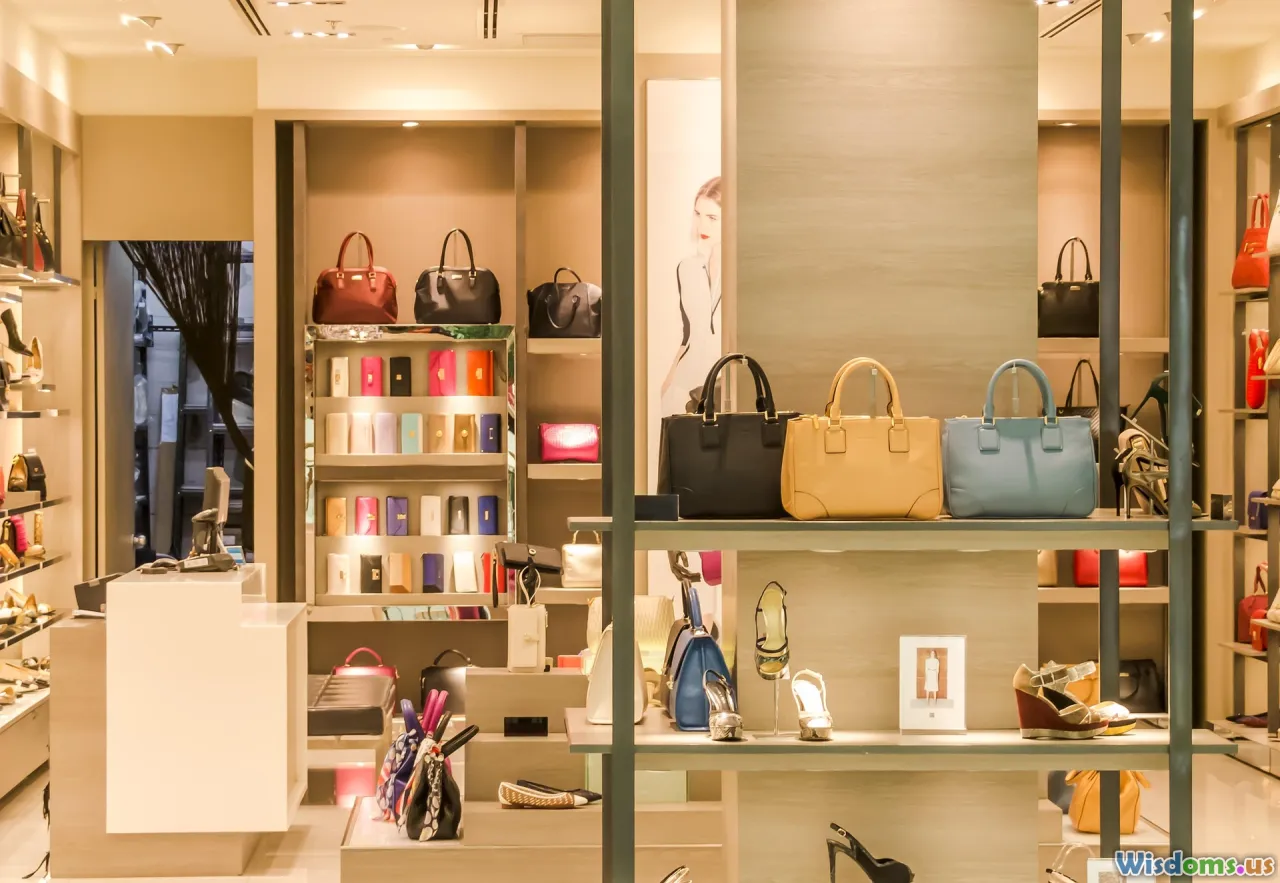
There's a seductive pitfall trend-chasing minimalists fall into: substituting quantity for prestige. Think capsule wardrobes featuring only designer brands, or sparse apartments filled with mid-century icons.
How Lifestyle Marketing Sells Simplicity
Marketers have caught on to the minimalist look, turning the aesthetic into a status symbol. As a result, the simple life can become surprisingly expensive:
- Instagram's minimalist influencers model $400 sweaters, $2,000 chairs, and luxury skincare—presented as essential "decluttered" choices.
- Retailers like Muji, Everlane, and The Citizenry tap into the clean, neutral vibe—at upscale prices.
Case in Point: The $500 Capsule Wardrobe
A typical "10-item wardrobe" post may focus on designer pieces for the sake of simplicity and durability. But for the average consumer, buying a full set of high-end basics upfront presents steep upfront costs with questionable ROI if needs shift or taste changes.
Advice: Minimalism doesn't demand luxury. True savings arise when personal style trumps what’s trending, and when purchases are paced, not rushed by a desire to "be minimal." Shop secondhand, exchange with friends, and learn the joy of truly using things up before replacing them.
Time, Stress, and Mental Clarity: The Financial Side Effects
Minimalism offers more than direct dollar savings. By reducing clutter, people often experience less stress and more time—assets with real financial repercussions.
Time Freed is Money Earned
- Americans spend an average of 2.7 hours per week searching for misplaced items (Pixie, 2017), costing an estimated $2.7 billion annually in replacement purchases alone.
- Less clutter means fewer cleaning hours. If your time commands a decent hourly wage, this is a nontrivial perk.
Cognitive Burnout Reduces Costly Mistakes
Decision fatigue peaks when surrounded by excess. Psychologists at Princeton University found that visual clutter reduces focus and increases stress—leading to impulsive purchases or costly financial mistakes.
- Decluttering creates space for better budgeting, proactive planning, and considered financial decisions.
Insight: While these aren’t direct savings you can deposit in your account, the ripple effects on career, productivity, and calm can culminate in a richer life—literally and figuratively.
How Minimalism Can Backfire Financially (If You’re Not Careful)

1. The Constant Purge-and-Replace Cycle
Getting hooked on decluttering can paradoxically perpetuate spending: donate one jacket, buy another the next week. Over several years, this cycle can increase total outlay versus keeping functional possessions longer.
2. Getting Rid of Useful Things Too Soon
Selling or donating items thoughtlessly may force you to replace them later at greater expense—especially with less-frequent but essential items (like that toolbox, tent, or winter boots).
3. Mistaking Minimalism for Self-Deprivation
Cutting costs by denying small pleasures can trigger financial blowback: deprivation leads to binge spending. Moderation and happiness—core minimalist values—are smarter guides.
Tip: Build the habit of mindful acquisition, not just relentless decluttering. Your bank account and your sanity will thank you.
Building a Realistic, Personal Minimalist Budget
If you want minimalism to work for your wallet, strategic planning is key. Here’s how to blend the best principles of minimalist living with proven personal finance tactics:
Simple Steps to Lasting Minimalist Savings
- Inventory First, Declutter Slowly: Make a full list (clothes, tools, gadgets), and work through it room by room. The goal isn’t how fast you purge, but how much clarity you build.
- Track Spending “By Item Owned”: For every big purchase, track cost per use (e.g., per wear for clothing, per meal for appliances). This helps highlight keepers from low-value buys.
- Implement a One-In, One-Out Rule: With each new item, another must leave. This forces more deliberate purchases.
- Delay ‘Upgrade’ Purchases for 30 Days: Pause before buying new versions of purged items. Needs often pass, saving money by default.
- Research Secondhand, Repair, and Rent: Give yourself options. A truly minimalist budget focuses on function, regardless of where an item comes from.
Fact: The average "minimalism convert" can save between 10–30% in discretionary spending after the first adjustment period, according to a 2019 survey by The Minimalists blog.
Beyond the Hype: The Balanced Minimalist Wallet

Minimalism isn’t a magic bullet or a spiritual fast-track to savings. But practiced with mindfulness—free from the trap of status-laden simplicity—it can help most people spend and waste less, find joy in what persists, and even reclaim time for experiences that matter most.
Much like any transformative philosophy, success comes from adapting the core principles to your unique circumstances. Add intention, not austerity. To save money through minimalism means keeping your eye on value—not just vacancy—one meaningful choice at a time.
Rate the Post
User Reviews
Other posts in Personal Finance







Popular Posts