Five Common Mistakes in Amateur Mineral Collecting
13 min read Discover five frequent mistakes new mineral collectors make and learn how to avoid them for a more rewarding, ethical, and successful hobby. (0 Reviews)
Five Common Mistakes in Amateur Mineral Collecting
The lure of discovering a stunning quartz crystal or the vibrant glint of azurite draws thousands to the world of mineral collecting each year. Whether sparked by childlike curiosity or a passionate desire for scientific knowledge, amateur mineral collecting offers endless fascination. Yet, too often, budding hobbyists repeat critical mistakes that turn promising adventures into missed opportunities or, worse, disappointment. From misidentifying specimens to ignoring ethical practices, let’s explore the five most common pitfalls and how you can avoid them, ensuring your mineral-collecting journey brings both wonder and wisdom.
Overlooking Proper Research and Preparation

There’s little substitute for knowledge in the field. Venturing out with only a vague understanding of the area or minerals will likely leave you empty-handed or result in accidental damage to stones and environments alike.
Critical Role of Preparation
A successful mineral collecting trip demands more than just a hammer and some sturdy boots. Before you set out, invest time in research:
- Consult geological maps and satellite images to understand the region’s mineral composition.
- Read field guides specific to the locality and familiarize yourself with common minerals and their identifying features. Publications like "Rocks and Minerals" by Frederick H. Pough or online databases such as mindat.org and the United States Geological Survey (USGS) offer invaluable information.
Real Example: The Lost Ammonite Fossil
In Wyoming’s Green River Formation, one collector spent a weekend searching for ammonite fossils, having heard the region was rich with them. However, without proper study, they scoured mudstone when: ammonites are far more prevalent in limestone strata a few meters away. The entire effort was in vain.
Actionable Advice
- Start with digital reconnaissance—Google Earth can reveal promising outcrops and terrain profiles.
- Connect with local clubs or experienced collectors; firsthand accounts are invaluable.
- Prepare your equipment—different minerals require different tools. A chisel perfect for quartz may make little impact on granite.
In short, knowledge is your most critical tool. Investing time before heading into the field dramatically increases your chances of both success and safety.
Failing to Practice Responsible and Ethical Collecting
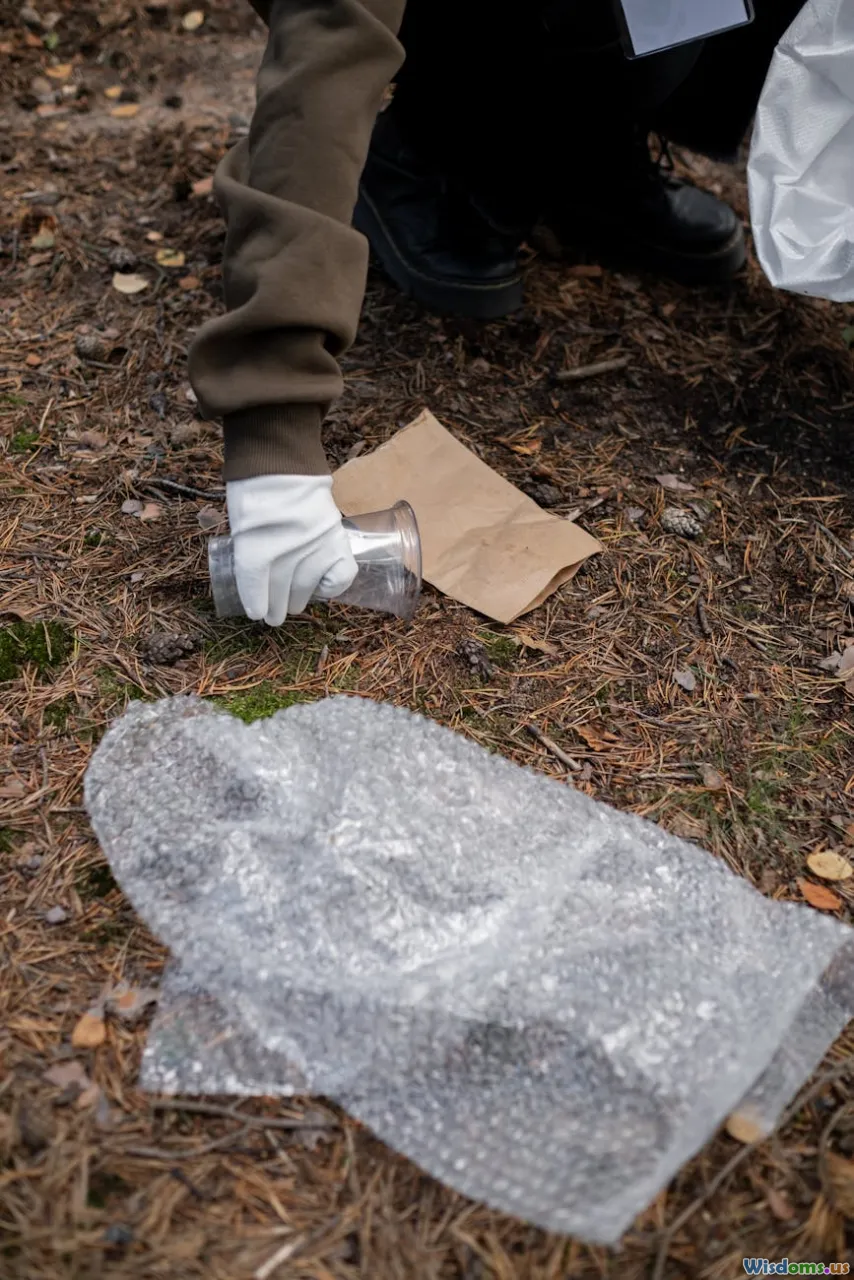
Mineral collecting is materially intertwined with nature’s well-being. Unfortunately, disregard for the environment or regulations leads not only to legal issues but also threatens the hobby's very existence.
Navigating Laws and Permissions
One of the cardinal mistakes is collecting on protected land. In the United States, extracting rocks or minerals from National Parks or State Parks is strictly prohibited by federal and state laws. Even on private land, trespassing without permission can have serious consequences, including hefty fines.
Tip: Always check land status
- Use tools like the Bureau of Land Management’s land records or consult park rangers or local authorities before collecting.
- Seek written or verbal consent from private landowners.
Preservation Is Paramount
Another issue is “overcollecting”—removing excessive material and damaging the site for future enthusiasts. In Maidenhead, UK, a famous calcite-filled geode cave was virtually emptied by collectors within ten years; now, there is little left for scientific study or enjoyment.
Action Steps
- Collect moderately: Take only a small selection, no matter how abundant the find.
- Backfill all holes and leave landscapes as undisturbed as possible.
- Document locations with GPS or notes but avoid sharing sensitive locations online without considering environmental impact.
Responsible collecting isn’t just about following rules; it’s about fostering a sustainable and respectful relationship with Earth’s geology for generations to come.
Improper Specimen Cleaning and Handling
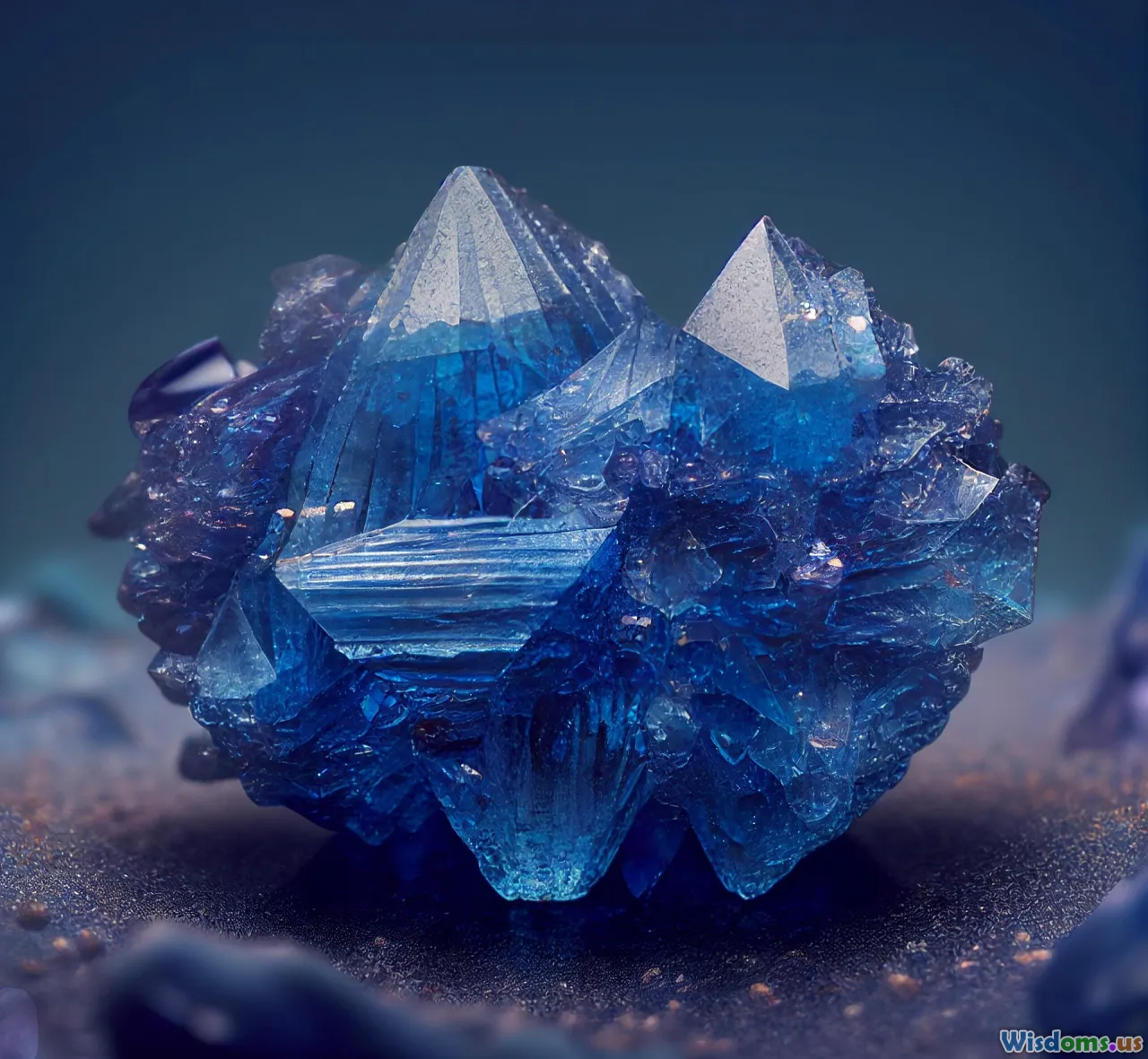
You’ve found a phenomenal mineral, vibrant in color, edges razor-sharp from where nature split it from its matrix. But improper handling and well-meaning yet misguided cleaning attempts often turn treasures into mere pebbles.
Understanding Mineral Fragility
Not all minerals are created equal. Some, like tourmaline and quartz, can withstand rough cleaning, while others such as gypsum, calcite, or talc, can be irreparably scratched, dissolved, or etched by commonplace chemicals and brushes.
Example: The Vinegar Disaster
A collector in Arizona attempted to clean copper minerals using common vinegar, assuming the mild acid would only dissolve surface dirt. Instead, the specimen’s unique green malachite crust was eaten away, leaving a dull, pitted rock.
Golden Rules for Specimen Care
- Gentle First: Start with the least invasive method, such as rinsing with distilled water and a soft toothbrush.
- Be Material-Specific: Learn what cleaning agents are safe for each mineral (e.g., oxalic acid is effective for quartz but disastrous for calcite).
- Avoid Household Chemicals: Substances like bleach, vinegar, and window cleaners can do untold damage.
Proper Storage and Handling
Never store minerals directly on hard surfaces. Cushion them with bubble wrap, tissue, or foam. Silica gel packets help control humidity, essential to preserving both metallic specimens and water-soluble minerals (think halite or gypsum).
Clean, store, and label every find with care—take pride in preserving your discoveries as time capsules, not just curiosities.
Misidentifying Specimens
The thrill of uncovering a perplexing rock fades quickly if it’s misidentified and misrepresented. In the world of minerals, small differences make big differences—confusing pyrite with gold is a cliché, but errors extend far beyond ‘fool’s gold’ versus ‘the real deal.’
Challenges of Field Identification
Minerals can look dramatically different depending on location, surrounding rock, or surface coatings. Hematite, for example, occurs as glistening metallic masses, earthy red powder, or cryptic black shards. Variations in color due to trace inclusions are common: blue celestite may be indistinguishable from barite, even under magnification.
Example: "Amethyst" that Wasn't
At a famous Brazilian site, many labeled their pale purple crystals as amethyst. Later laboratory analysis found several were actually irradiated quartz that mimicked amethyst’s hue, a difference highly significant in both value and geological interest.
Tools and Techniques for Correct Identification
- Hand Lens or Loupe: A 10x magnification hand lens is essential for fieldwork. It reveals crystal habit, internal frills, and mineral inclusions invisible to the naked eye.
- Streak Plates & Hardness Testing: Carry pieces of unglazed porcelain for streak testing (color of powdered mineral) and simple hardness tools to check Mohs scale.
- Reference Material: Invest in a pocket-sized field guide specific to your region. Annotate it with site notes and photographs.
When uncertain, don’t guess. Label samples as ‘tentative’ identifications and consult experienced collectors, geologists, or specialist forums online. Over time, you’ll build both a collection—and a foundation—in mineralogy’s subtle details.
Neglecting Record-Keeping and Specimen Documentation
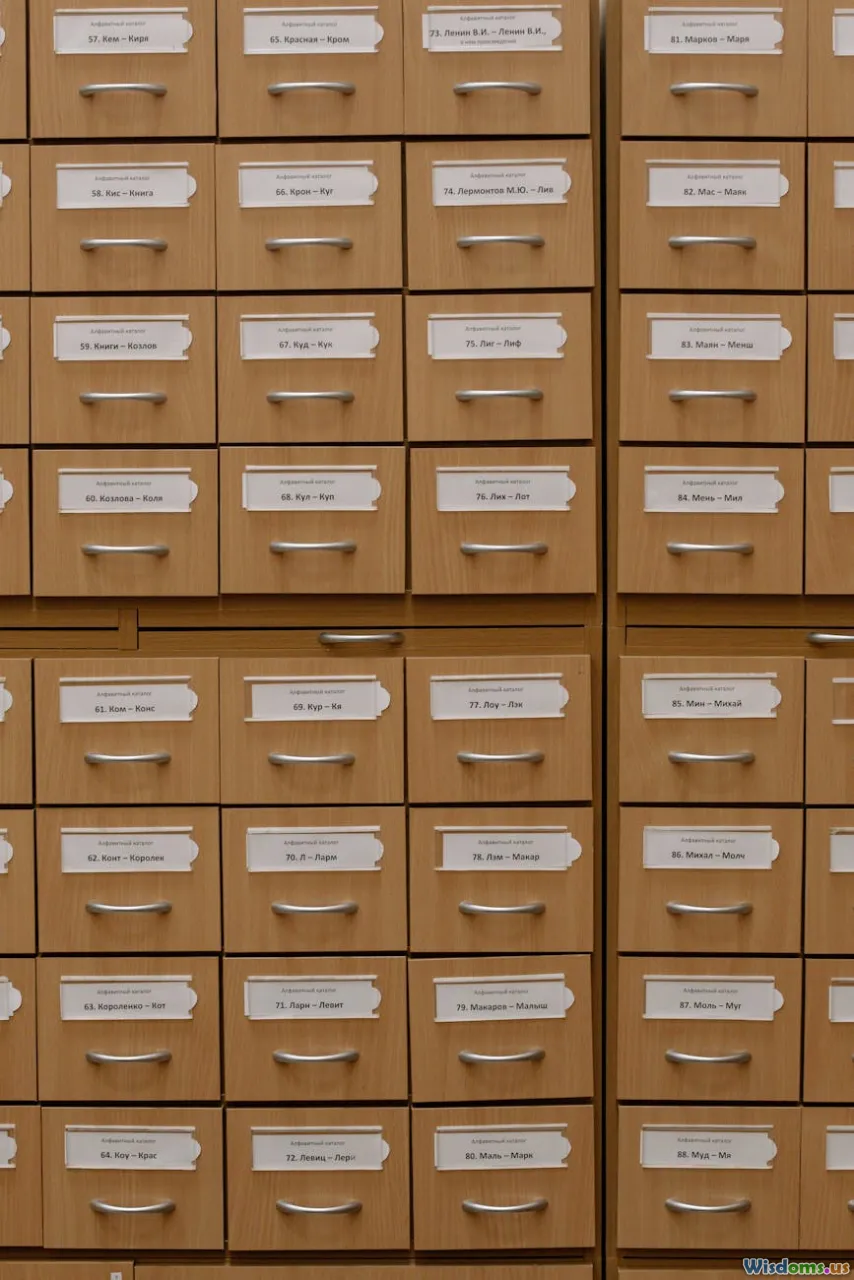
One of the less glamorous aspects of mineral collecting seems tedious in the excitement of a new find. Yet, proper documentation transforms a pile of pretty rocks into a scientifically valuable collection—and prevents confusion or loss.
Why Record-Keeping Matters
A mineral’s value, scientifically and monetarily, is tied to its provenance. Without precise notes, even spectacular pieces lose most of their importance. "Garnet from California" is vague; "Grossular garnet, Happy Jack mine, San Benito Co., CA, July 2021 – found at 35.8025°N, 120.9932°W" is an irreplaceable geological record.
Example: The Case of the Lost Location
A collector donated dozens of gorgeous wulfenite crystals to a museum but had no records. Without context, curators had no way to assess rarity or match the finds to regional geology, drastically reducing their scholarly and display value.
Tips for Flawless Specimen Cataloging
- Logbooks: Maintain a waterproof field notebook with columns for specimen number, collection date, precise location (GPS coordinates recommended), brief description, and any photographic references.
- Label Everything: Each specimen gets a unique number, corresponding to information in your master catalog and field notebook.
- Photograph in situ: Images of the specimen before extraction offer invaluable context for display, research, and storytelling.
- Database Management: Transition to digital record-keeping when your collection grows; spreadsheet templates or specialized software like Mindat’s Database make data retrieval simple.
Over time, this system turns your collection into a structured and meaningful treasure trove—a legacy useful to you and any future collectors who may inherit your archives.
Turning Mistakes into Mastery
The path to becoming a skilled mineral collector is paved with lessons, sometimes from stumbles and errors. By arming yourself with knowledge, prioritizing responsible practices, learning the subtleties of mineral care, committing to accurate identification, and keeping meticulous records, you multiply the rewards of your efforts.
Remember: every glittering stone is part of Earth's great story. Collecting minerals, when approached thoughtfully, offers far more than fossils for a shelf—it offers awe, discovery, and respect for our planet’s mineral wonders. May your next expedition yield not just specimens, but stories.
Rate the Post
User Reviews






Popular Posts