How to Track Ocean Currents with DIY Drifters
18 min read Learn how to build and use DIY drifters to track ocean currents and contribute to citizen science initiatives. (0 Reviews)
How to Track Ocean Currents with DIY Drifters
Beneath the ocean's surface, unseen river-like currents transport heat, nutrients, and marine life across the planet. Scientists have leveraged technology for decades to observe this dynamic motion, but modern tools make oceanographic discovery accessible to curious individuals as well. By building and deploying "DIY drifters," citizen scientists, students, and enthusiasts can embark on a hands-on journey to uncover the mysteries of ocean currents—while contributing valuable data to global research initiatives.
Understanding Ocean Currents and Why They Matter
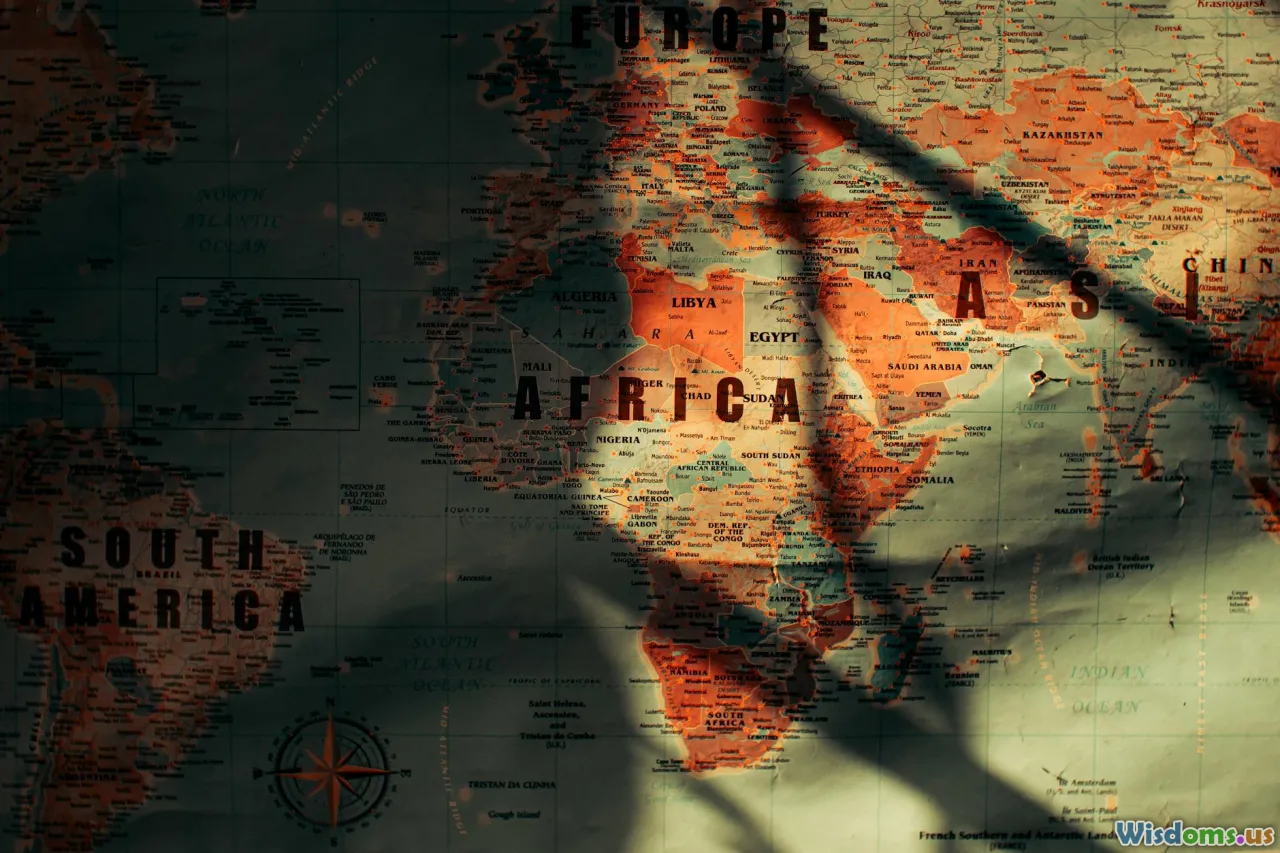
Ocean currents are the lifeblood of Earth's marine environment. These large-scale, persistent flows in the ocean are driven by wind, Earth's rotation, varying water densities, and temperature differences. Some, like the Gulf Stream, transport warm water thousands of miles, influencing climate from North America to Northern Europe. Others, such as upwelling currents near coastlines, fertilize productive fisheries.
The study of ocean currents is vital for:
- Climate prediction: Currents redistribute heat and play a crucial role in phenomena like El Niño/La Niña.
- Marine navigation: Understanding currents ensures safe shipping and effective route planning for vessels.
- Pollution tracking: Predicting currents helps in modeling the spread of pollutants—and sometimes, tracking lost cargo or debris.
- Ecosystem health: Currents affect migrations of fish, turtles, and marine mammals.
Traditional oceanography has relied on expensive, sophisticated instruments deployed from research vessels. But recent years have seen an explosion in grassroots science projects that make current-tracking possible for classrooms and communities.
The Basics of Ocean Drifters
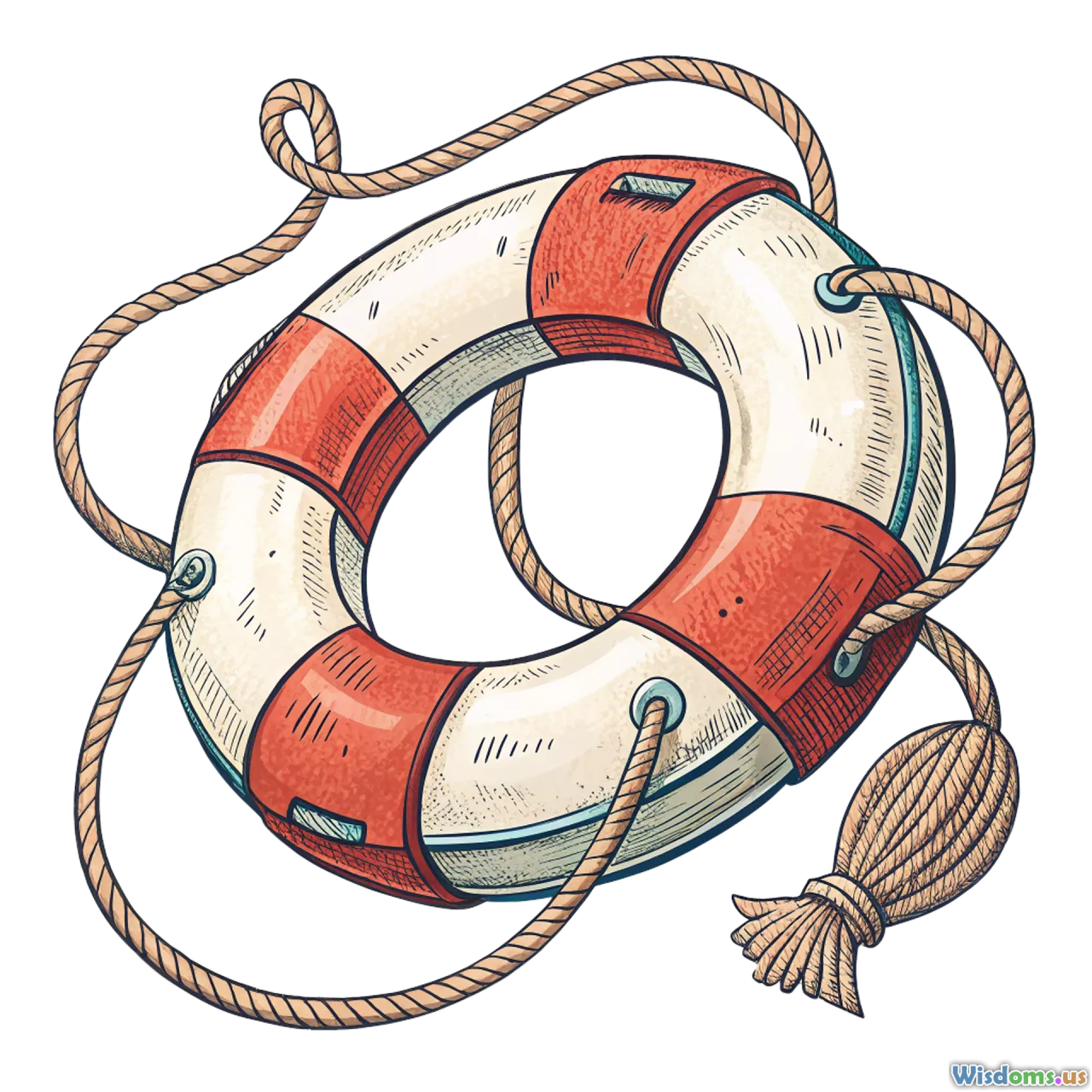
In essence, a drifter is a floating device designed to trace the path of ocean currents at the water's surface. Drifters are equipped with GPS or satellite tracking devices and are often built to minimize wind influence so that their movement reflects the water flow more than atmospheric conditions.
Commercial oceanographic drifters—used by research organizations like NOAA—can cost thousands of dollars per unit and come with advanced telemetry. By contrast, a DIY drifter can be assembled for a fraction of the cost, offering an educational, hands-on gateway into oceanography.
Key principles of an effective drifter:
- Buoyancy: Stays afloat while keeping enough of its surface underwater.
- Drogue: A submerged "sea anchor" that ensures the device tracks water movement, not just wind.
- Tracking: Transmits or records location data for later retrieval and analysis.
Examples in Action
The Davis drifter, a widely used model, employs a cross-shaped drogue suspended below a floating buoy. Schools and marine programs worldwide have deployed simplified versions using off-the-shelf GPS trackers, open-source electronics like Arduino, and upcycled plastic.
Materials and Tools: Start Your Drifter on a Budget
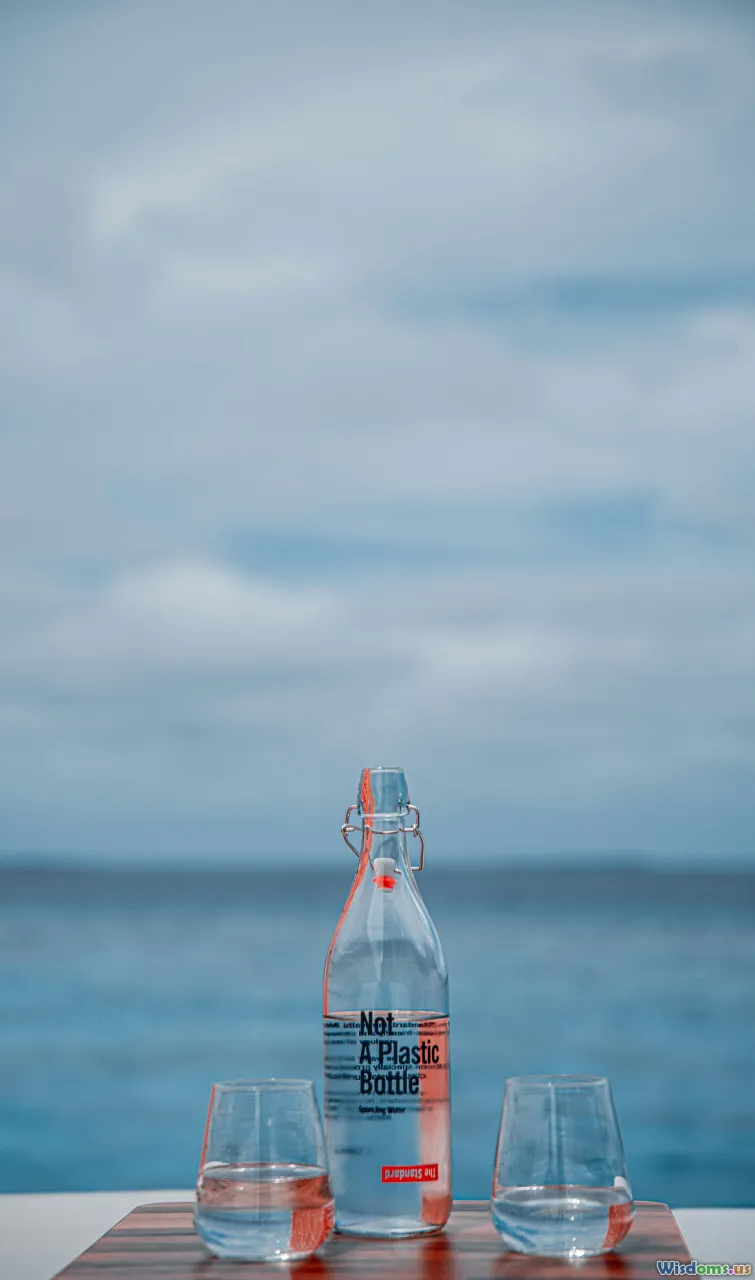
Building a DIY ocean drifter doesn't require a lab or expensive materials—it rewards creativity and resourcefulness. Here’s an essential materials list with notes on budget- and environment-friendly options:
Core Components
-
Buoyant Float: Use a repurposed plastic bottle, sturdy pool noodle, or kayak float—a 2-liter soda bottle works especially well for many projects.
-
Subsurface Drogue (Sea Anchor): Simple DIY drogues can be crafted from plastic sheeting, burlap, or stiff cloth stretched over a lightweight frame (PVC, bamboo, or wire coat hangers). Suspend the drogue 1–1.5 meters below the surface with fishing line or twine.
-
Tracking Device:
- Cellular GPS tracker: Compact units like the Invoxia Cellular GPS or Trackimo work where mobile coverage exists offshore.
- SPOT Trace satellite tracker: For more remote deployments, satellite-based devices work beyond cellular range—but at higher cost.
- Custom Arduino + GPS logger: Electronics hobbyists can build an affordable, record-only GPS logger using Arduino/Nano boards and microSD storage.
-
Enclosure: Waterproof your tracker in a dry bag, plastic food container, or specially designed electronics box. Epoxy or marine sealant can further protect the electronics from saltwater intrusion.
-
Packaging and Release: Add clear labels: “Educational Drifter—Please Do Not Remove.
Example Cost Breakdown
- Plastic float: Free or under $5
- DIY drogue (cloth, PVC): $10–15
- Basic GPS logger: $30–50 (cellular or DIY)
- Sealed housing: $5–10
- Miscellaneous: $10 for twine, tape, labels, etc.
Real-World Example
A group of Colorado high school students successfully deployed a GPS-tagged plastic bottle drifter in the Gulf of Mexico—total material cost: $65. Their drifter survived a week at sea, reporting positions via the Trackimo app.
Step-by-Step: How to Build and Deploy Your Ocean Drifter

Here’s a practical, field-tested process to construct and launch your own ocean drifter, compiled from leading citizen science initiatives and educational workshops:
1. Assembly
A. Prepare the Float Clean the plastic bottle thoroughly. Attach a small flag (for easy spotting) and label your float with a clear description (e.g., “Science Project Drifter—Not Litter”).
B. Construct the Drogue
- Cut four pieces of strong wire or thin PVC pipe (~1 meter each). Form a cross, securing at the center with duct tape or zip ties.
- Drape your cloth or plastic sheeting over the frame, securing tightly.
- Attach 1–2 meters of rope or fishing line from the float to the drogue, ensuring the drogue hangs subsurface.
C. Prepare Tracking Electronics
- Encapsulate the GPS device in sealed, double-bagged plastic or gasketed container. Test for waterproof integrity in a bucket.
- Power up and test the device's signal before deployment.
D. Final Assembly Tie all elements together: float, drogue, electronics enclosure, and any contact information label.
2. Choosing a Launch Site
Not every body of water is suitable for a DIY ocean drifter. Safety is paramount:
- Coastlines and bays: Seek out low-traffic beaches with minimal hazards.
- Estuaries and river mouths: These locales reveal fascinating "start-to-sea" current paths.
- Harbors: Only with permission and in compliance with local navigation laws.
3. Deployment
Check weather and tide data before choosing a release date. Calm days minimize wave interference. Document the drop time, GPS start position, and any local observations (winds, waves, temperature).
4. Tracking and Data Retrieval
- For live GPS units, data arrives on your app or map in real-time. Satellite drifters ping a web page.
- For record-only loggers, arrange periodic retrieval if possible (e.g., from nearby marinas or fishermen—offer a small reward). Post-launch social media announcements can encourage recovery by Good Samaritans.
5. Data Analysis & Sharing
Import your recorded track into tools like Google Earth or NOAA’s OceanViewer. Compare observed drifter paths to satellite-derived ocean current maps (such as from the OSCAR Project). Document findings and share them—open science initiatives, like the Global Drifter Program, actively welcome contributions from citizen scientists.
Real-World Impact: Citizen Science Success Stories

DIY drifter projects aren’t just DIY fun. They impact global science and education:
The Clean Currents Challenge (UK)
A 2021 initiative by the Marine Conservation Society and schools across England saw over 100 drifters launched into the North Sea. Students tracked current speeds, collected plastic debris, and relayed their tracks to NOAA oceanographer Dr. Jessica Rickard, helping calibrate existing current models. Dozens of bottle drifters were found in Denmark and Norway weeks later, with finders contacting students through project QR codes.
The Drift Bottle Project (China to California)
In 2018, a California school found a plastic bottle on the beach, affixed with a Mandarin label and simple GPS tag. Analysis showed the bottle had likely traveled thousands of kilometers across the Pacific, borne by the North Pacific Gyre—visual proof of trans-oceanic currents.
The Gulf Stream Adventure (Florida)
In 2019, a Boy Scout troop in Florida built low-budget, soda-bottle drifters as part of their oceanography merit badge. Their GPS logs precisely followed the western edge of the Gulf Stream current for more than two weeks, reinforcing ocean current theory with lived experience.
Tips for Safe and Responsible Drifter Projects
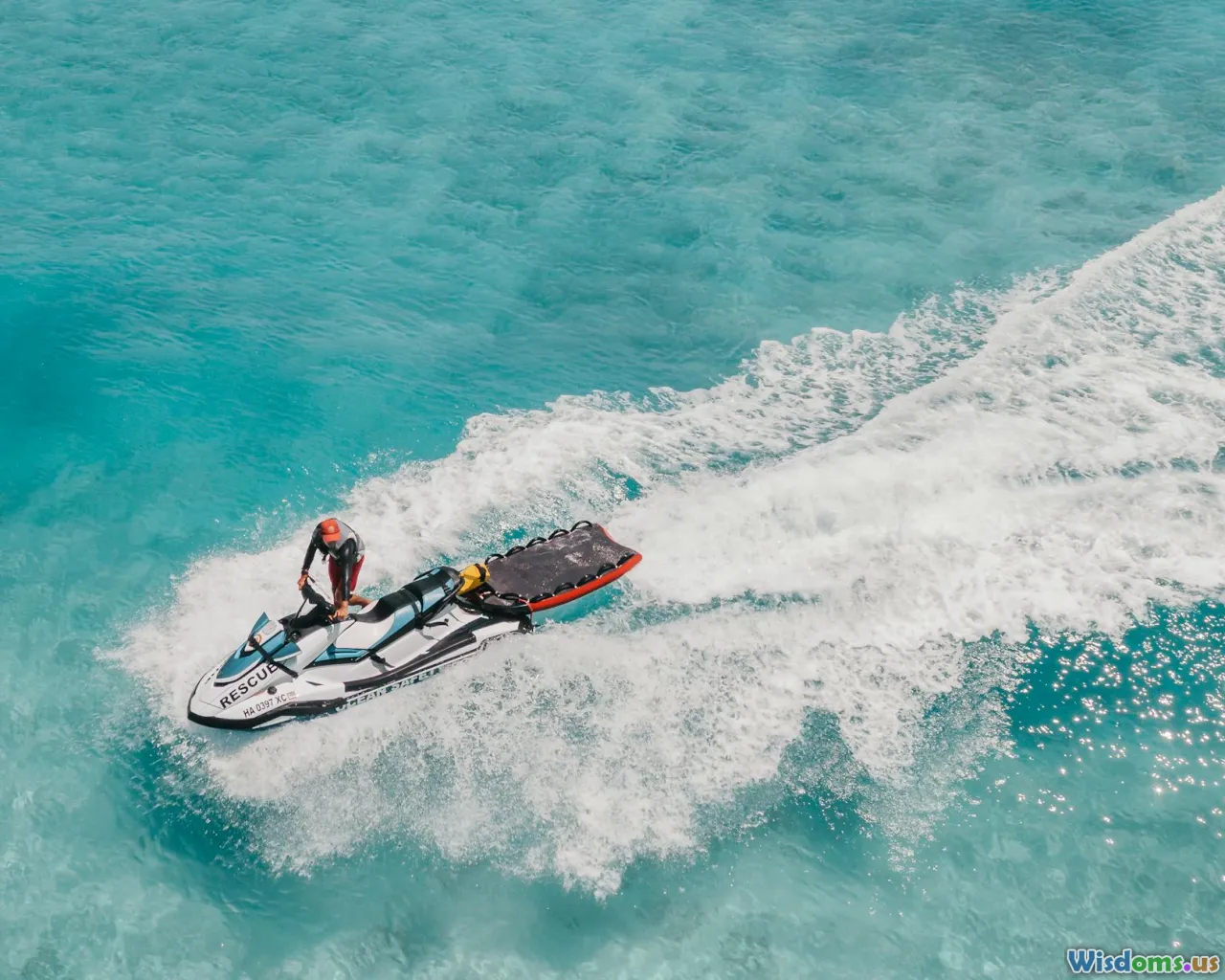
While drifter science is exhilarating, it must be conducted responsibly:
1. Avoid Navigation Hazards
- Use brightly colored elements and flags for visiblity.
- Never launch near shipping lanes or busy harbors.
2. Minimize Environmental Impact
- Retrieve drifters when possible (post notices, offer rewards).
- Use biodegradable or upcycled materials. Avoid fishing nets or plastics prone to fragmentation.
3. Legal and Safety Compliance
- Consult local maritime authorities to confirm you’re not violating navigation or littering laws.
- Do not include hazardous substances or batteries prone to leaking.
4. Record All Procedures
- Keep detailed notes and logs for transparency and repeatability.
Pro tip: Many school projects now include a “Eco-Friendly Drifter Pledge”—committing to design, build, and retrieve drifters sustainably, with classroom presentations as part of the follow-up.
Data: Making the Most of Your Observations
A drifter’s journey can be visualized and analyzed in myriad ways with modern mapping technology. Approaches include:
- Importing GPS tracks to Google Earth: Overlay with ocean current layers for comparison.
- Using ArcGIS Online: Enables sophisticated mapping and annotation for those with access.
- Comparing with satellite-derived maps: NASA and NOAA provide up-to-date surface current data, downloadable for overlay.
- Citizen science portals: Upload tracks to platforms like the Marine Debris Tracker App or iNaturalist for community analysis.
Partial or incomplete data retains value: even short-lived drifter deployments capture real-world nuances (eddies, wind influence, tidal reversals) often missed in global models.
Measuring and Sharing Results
Analyze and discuss questions such as:
- How fast did our drifter travel, on average?
- Did it follow expected current paths or take detours? Why?
- How does the drifter data compare to predictions/forecasts?
- Was recovery possible? What were the biggest risks?
Results can foster classroom presentations, science fair posters, or even articles for local environmental orgs. Some citizen drifter makers connect with professional oceanographers for additional analysis—a great way to deepen engagement.
Beyond the Basics: Advanced Drifter Features
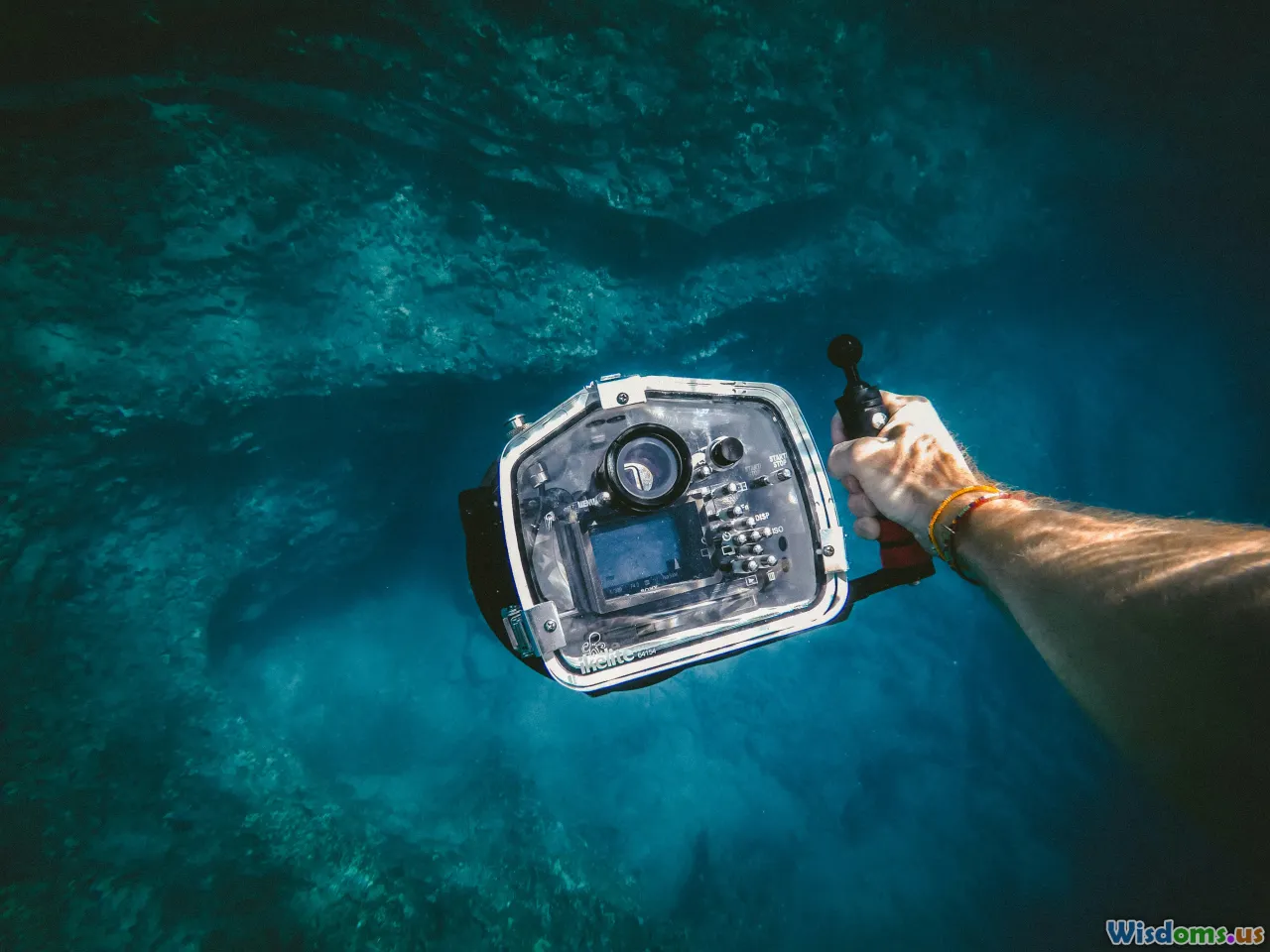
For makers keen to add sophistication to their drifters—or for advanced marine science clubs—here are enhancements that push the envelope:
1. Environmental Sensing
Add sensors for water temperature, salinity, or light. Arduino or Raspberry Pi boards can log:
- Temperature: Use waterproof DS18B20 sensors.
- Salinity: Conductivity probes provide simple metrics.
- Light: LDR sensors estimate sunlight at the surface.
Data can be logged or (with a GSM module) transmitted in real-time.
2. Improved Drogue Design
Some tinkerers create collapsible drogues for deeper water layers—good for comparing surface vs. subsurface currents.
3. Enhanced GPS Tracking
Solar-powered trackers extend battery life. Advanced marine GPS loggers can utilize Iridium or Argos satellites (if budget allows) for polar or bluewater expeditions.
4. Collaborative Mapping
Coordinate multiple drifters with unique ID codes. Shared drop dates and publicized retrieval offers have led to remarkable school partnerships—even international connections between classes separated by oceans.
Engaging the Next Generation of Ocean Scientists

Nothing beats the thrill of launching a home-built device into the sea and watching as it sends location pings from afar. More than a hands-on STEM exercise, building and tracking your own ocean drifter lets you walk in the footsteps of oceanographers—revealing the interconnectedness underlying our oceans’ flow, climate, and ecology.
Thousands of educators have successfully used drifter programs to spark curiosity and teamwork among students—demonstrating science in the wild, fostering understanding of stewardship, and even generating data that international scientists value.
Whether your goal is launching a one-off bottle in a local bay or organizing a multi-school drifter fleet spanning continents, the barriers to entry have never been lower. With a curious mind, a handful of recycled materials, and a taste for adventure, anyone can decode the secret rhythms of the ocean—one GPS ping at a time.
Ready to get started? Dive deeper:
By observing, building, and sharing, you’ll not only track where the ocean goes—you’ll join a thriving community shaping the future of citizen oceanography.
Rate the Post
User Reviews





Popular Posts