Five Minute Meditation Routines Backed By Scientific Research
16 min read Discover quick, scientifically-backed five-minute meditation routines for stress relief and focus. (0 Reviews)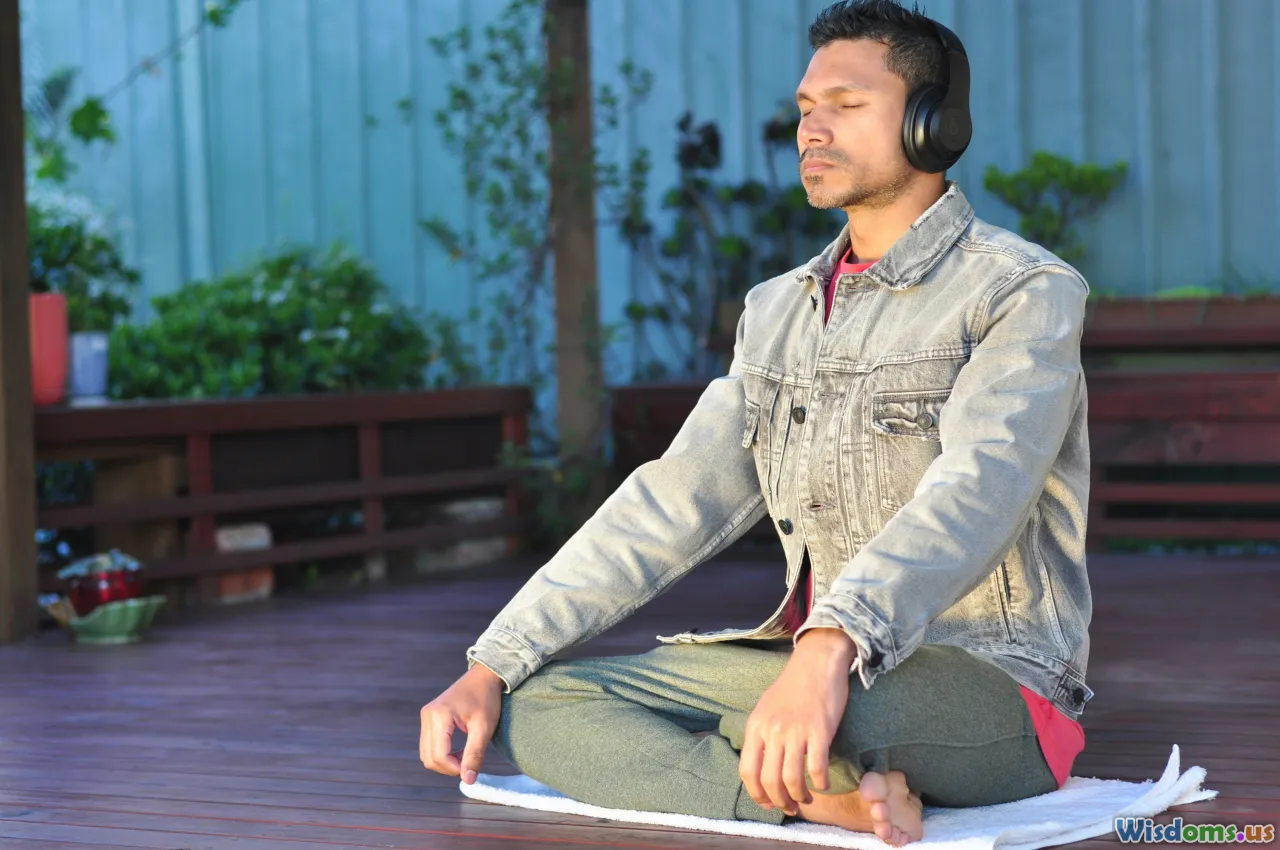
Five Minute Meditation Routines Backed By Scientific Research
Modern life rarely slows down, yet the promise of five blissful, focused minutes can do wonders for our wellbeing. Meditation, once seen as esoteric, now claims a central spot in mainstream wellness—thanks in no small part to rigorous scientific studies validating its potential. Even just a few minutes per day can yield tangible improvements in mood, cognition, and stress levels. This article dives into concise, research-backed meditation routines anyone can weave into their busy day, exploring approaches, effects, and implementation tips along the way.
The Power of Brief Meditation

You don’t need to spend hours in silence to benefit from meditation. Recent research underscores that short meditative sessions—sometimes as brief as five minutes—can spark meaningful changes in brain activity and psychological well-being.
A 2019 study led by psychologist Dr. Malgorzata Skwara at the University of Surrey showed that participants experienced significant reductions in stress and negative mood after just a five-minute light meditation. Another investigation published in “Mindfulness” (2017) involving more than 340 participants found similar benefits; after a single, brief session, participants reported higher levels of calm and focus than those who merely relaxed or checked their phones.
How does such a tiny time investment make an impact?
- Meditation can rapidly modulate the amygdala, the brain’s fear and emotion center, helping regulate stress responses.
- Even minimal practice influences regions related to attention and self-control, leading to improved mood and enhanced executive functioning.
Example: Try this 5-minute morning meditation: Set a timer, sit comfortably, and focus solely on your breathing. Each time your attention wanders, gently refocus on the inhale and exhale. Within days, you may notice more clarity and resilience as daily pressures arise.
One-Minute Breathing Anchors: The Building Blocks
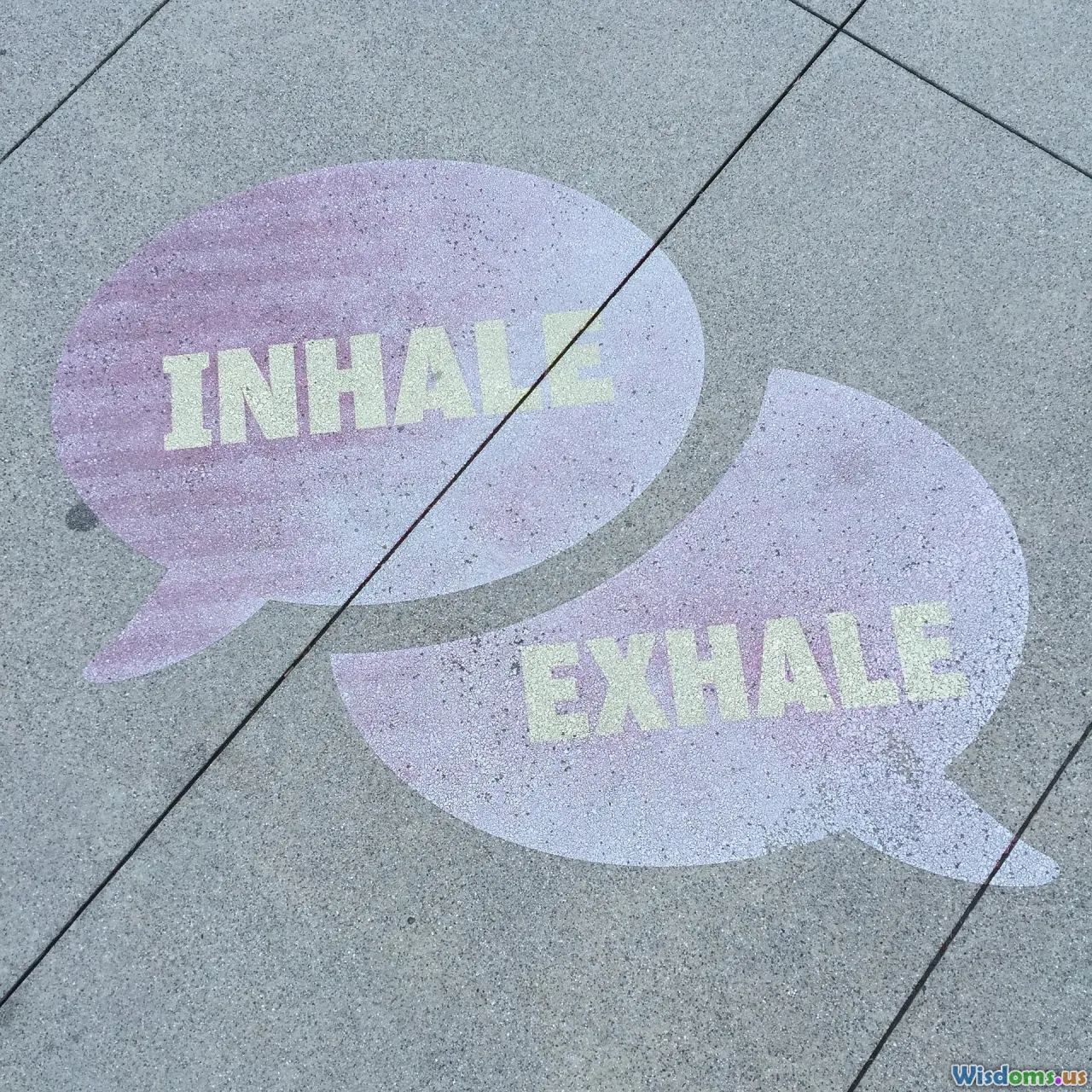
Each meditation routine begins with one fundamental act: noticing the breath. Harvard Medical School researchers confirm that focusing on breath is the fastest route into a meditative state, activating the parasympathetic nervous system (PNS) and initiating what’s called the "relaxation response."
How-To Quick Breathing Meditation:
- Sit somewhere comfortable: a chair, the floor, or even at your desk.
- Set your phone or watch timer for five minutes.
- Rest your attention on the sensation of breathing—feel the coolness as air enters and the warmth as it leaves.
- When thoughts intrude (and they will!), gently note them and return your focus to your breath.
People who practice breathwork for just five minutes per day report reduced anxiety and lower blood pressure, according to a 2020 study in the journal "Science Advances." Over time, breath-focused meditation strengthens neural pathways related to self-regulation—making daily frustrations easier to handle.
Pro tip: If five minutes feels long, split your session into five one-minute breathing "anchors" dispersed throughout the day.
Guided Visualization: Harnessing the Imagination

Guided visualization is a form of meditation where you mentally explore calming scenes or positive scenarios. Neuroscience reveals that visualizing peaceful imagery can trigger many of the same physiological responses as real-life experiences—lowering cortisol, reducing muscle tension, and boosting mood.
Researchers from Stanford University provided volunteers with a five-minute recorded visualization, walking them through a serene woodland setting. Afterward, participants demonstrated increased positive emotions and reduced anxiety biomarkers compared to those who sat quietly or browsed social media.
How-To: Five-Minute Visualization
- Find a quiet space and shut your eyes.
- Picture a peaceful location—a forest, beach, mountain, or meandering river.
- Inhale slowly as you imagine the details: the scent of earth, the sound of birds, the feeling of sunlight warming your face.
- Allow thoughts to arise without clinging, gently returning to your chosen scene for the remainder of the five minutes.
Real-world application: Many athletes, including Olympic gold medalist Sir Mo Farah, use brief visualizations before races to sharpen focus and reduce pre-event nerves. You can use the same approach at work, before a performance review, or prior to a challenging conversation.
Body Scan Techniques: Quick Reset for the Nervous System
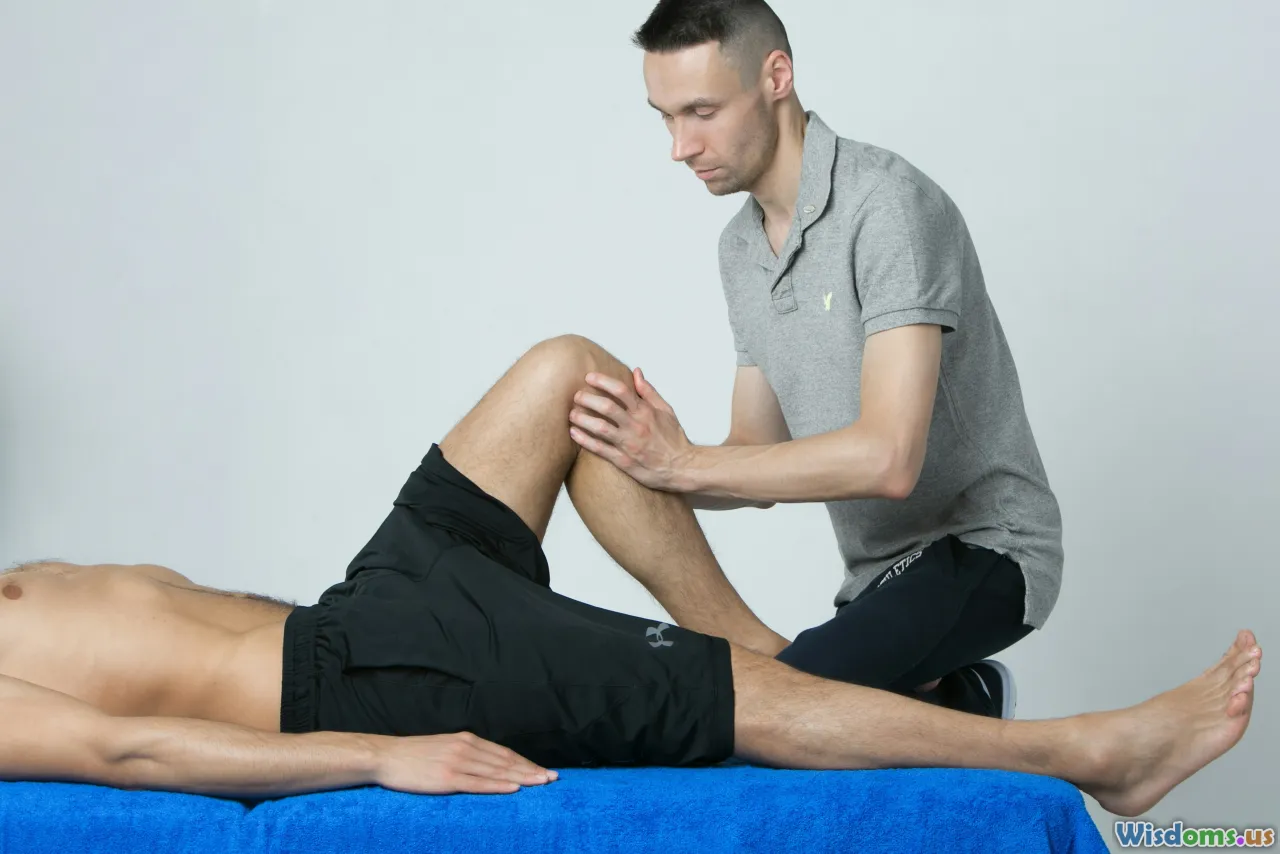
Body scan meditation is a practical strategy used by therapists and physicians to quickly calm the nervous system and bring attention into the present. Several clinical studies have reported that brief body scans—mercifully only a few minutes long—can significantly support pain management, improve emotional reactivity, and enhance quality of sleep.
Core routine:
- Sit or lie down in a comfortable position.
- Beginning at the crown of your head, slowly bring awareness into your forehead, jaw, neck, shoulders, and progress downward.
- Notice tension or discomfort; breathe into each area, inviting relaxation.
- Don’t rush—aim to spend a few deep breaths per "zone."
A 2016 investigation at the University of North Carolina compared body scan meditation with standard relaxation techniques. People practicing even short body scans saw sharper reductions in physical pain and distress than those who listened to music or sat in silence.
Actionable tip: Use a body scan before bed to reduce restlessness or after a stressful work call for a fast nervous-system recalibration.
Loving-Kindness (Metta): Fast Track to Positive Emotion

Loving-kindness (also known as "metta") is a practice rooted in Buddhist tradition but strongly supported by modern clinical studies. This routine involves directing goodwill and compassionate wishes toward oneself and others.
In a landmark experiment published in "Psychological Science," researchers found that a single seven-minute loving-kindness meditation could measurably boost positive emotion, empathy, and interpersonal connection. Further, MRI scans showed increased activation in reward and empathy centers of the brain.
Sample Script (condensed for five minutes):
- Sit comfortably and bring to mind someone for whom you feel affection (a friend, relative, pet, or even yourself).
- Silently repeat phrases such as:
- "May you be safe. May you be happy. May you be healthy. May you live with ease."
- After a few repetitions, shift your well-wishes first to a neutral acquaintance, then to a wider circle—even including people you might struggle with.
Practical note: Many therapists suggest quick daily metta meditation as an adjunct therapy for depression and social anxiety, given its ability to shift focus from self-critique to self-compassion and openness.
Micro-Mindfulness Strategies: Meditate On-the-Go

Meditation isn’t confined to meditation cushions or dedicated spaces. Science champions everyday micro-moments of mindfulness as equally effective at reducing stress and fostering clarity.
Key evidence:
- A 2020 study in "Nature Human Behaviour" revealed that people who paused for brief, intentional moments—while walking, making coffee, or washing hands—cultivated lasting increases in focus and overall contentment.
Try these on-the-go five-minute meditations:
- Mindful Walking: As you walk, focus on the sensation of each foot touching the ground, the swing of your legs, and the air on your skin. Let external sights and sounds flow by without judgment.
- Mindful Sipping: When drinking coffee or tea, slow down to notice the warmth, aroma, and flavors. Each sip becomes an anchor point for present-moment awareness.
- Mindful Handwashing: Turn routine into ritual—notice the temperature of the water, foamy texture of the soap, mindful motion of lathering and rinsing.
Insider tip: Micro-mindfulness fits perfectly into corporate wellness programs or busy caregiving schedules, since these moments align with everyday tasks rather than requiring an escape from life’s busyness.
Scientific Tips for Making Five Minutes Count

There’s an art and a science to making short meditations stick—and maximizing their benefits. The following advice is rooted in extensive psychological and neuroscientific research:
1. Choose Consistency Over Perfection
Studies from the University of Wisconsin show that short, regular meditation—even just five minutes per day—beats sporadic, marathon sessions when it comes to rewiring the brain for calmness and focus.
Action: Set a regular schedule and link your routine to an everyday habit (like after brushing your teeth or turning off your morning alarm) for better adherence.
2. Leverage Technology Thoughtfully
Apps like Headspace, Calm, and Insight Timer offer a variety of scientifically developed five-minute meditations, including body scans, visualizations, and mindfulness routines. Data from a 2019 meta-analysis found that guided app meditations deliver near-equal benefits to in-person programs, especially for beginners.
Example: Use app reminders or scheduled notifications to cue your practice. Remember, silence and breathing are always available—no need to over-complicate if that feels best.
3. Track Growth and Reflect
Keeping a quick log or journal entry after meditation fosters accountability. In "Emotion" (2021), participants who briefly recorded their post-meditation mood were more likely to maintain their practice and report positive outcomes.
How to: After each five-minute session, jot down a word or two describing your feeling—e.g., "relaxed," "clearer," or "recharged."
4. Address Discomfort with Curiosity
“Failure” in meditation—wandering thoughts, restlessness, or feeling nothing special—is completely normal. Neuroscientific models suggest that each moment you notice a distraction and return attention to your focus (breath, body, etc.), you strengthen critical prefrontal circuitry for attention and emotional control.
Perspective shift: Instead of frustration, see every distraction as a “rep” for your attention muscle.
Five-Minute Meditations for Special Situations

Research demonstrates meditation’s adaptability for different lifestyles and daily challenges. Here’s how to apply these five-minute meditations in real-life contexts:
At Work (For Focus and Calm)
Use a quiet moment pre-meeting or during lunch for a brief breath meditation. Micro-breaks like these have been shown to buffer against burnout and promote sharper decision-making, according to Stanford’s Center for Compassion and Altruism Research and Education.
For Parents and Caregivers
Try a five-minute loving-kindness meditation either with your child (using simple, affectionate phrases) or alone during nap time. Studies show parents who ally with such micro-meditations are better able to manage stress and connect heartfully with their children.
During Commute or Travel
If you ride public transit, pop in headphones and follow a brief guided meditation. If driving, practicing mindful breathing (with eyes open, of course!) can help center you and cushion against road rage or commuter fatigue.
In the Classroom or Study Room
Brief visualization or breathwork can set a calm, attentive tone. Educational psychologists have found that students who adopt regular short meditative breaks show better test performance, emotional regulation, and peer interaction.
The Science of Five-Minute Changes: Why They Matter

Let’s drive home what makes five-minute meditation so uniquely powerful from a scientific viewpoint:
- Speed of Impact: The relaxation response can emerge within 60 seconds, lowering heart rate and stress hormones. Regular five-minute routines serve as a “reset button” for the nervous system during chaotic days.
- Neuroplasticity: Even minimal, consistent practice boosts brain connectivity. Dr. Judson Brewer’s lab at Brown University reported structural and functional brain changes after a month of near-daily short meditative practices.
- Accessibility: Five minutes is brief enough to minimize resistance—no need to rearrange your life, making sustainable long-term commitment far more likely.
Short-form meditation levels the wellness playing field: office workers, parents, students, caregivers, and skeptics alike can—through practice—reap real rewards, supported by data not dogma.
In a world overflowing with distractions, moments of intentional pause become revolutionary acts. As the science reveals, you don’t need hours of silence to nurture a more resilient, happier brain—just five mindful minutes can open a door to transformative change.
Rate the Post
User Reviews








Popular Posts