Fostering Trust with Teens Through Everyday Conversations
32 min read Practical strategies to build trust with teens using everyday conversations—active listening, open-ended questions, and consistent empathy—plus scripts and routines for car rides, meals, and digital chats. (0 Reviews)
Trust with teenagers is not built in grand declarations. It is stitched together in small, unremarkable moments: a question asked without an agenda, a walk where silence is allowed to breathe, a text that says I noticed rather than Why did you. When those moments repeat often enough, they become a bridge teens can rely on when life gets complicated. The good news is that these moments are available to you every day, no matter how busy you are.
Why trust with teens grows in small, steady moments

Trust is not a switch you flip; it is a pattern your teen learns to expect. Developmental science helps explain why. During adolescence, the brain regions that guide planning, impulse control, and risk evaluation continue maturing well into the mid-20s. Meanwhile, reward systems are highly responsive. This mismatch means teens are motivated by novelty, peers, and immediate payoff, even as their ability to forecast consequences is still tuning up.
In that context, consistency matters more than speeches. Everyday interactions give your teen thousands of data points about you: Do you overreact? Do you remember what they said yesterday? Are you curious without prying? Studies on protective factors for youth, such as work from the Search Institute on developmental assets, repeatedly highlight the power of caring relationships and high, clear expectations. Not one-and-done talks, but repeated, reliable engagement.
Think of trust as a bank account. Each moment of nonjudgment, each time you follow through on a promise, and each low-stakes check-in makes a deposit. Withdrawals happen too: sarcasm, broken promises, ignored feelings. The goal is not perfection. It is staying net positive over time so that, when a crisis hits, there is enough in the account to withstand a tough week.
The anatomy of an everyday trust-building conversation

A useful conversation has parts you can practice. Try this simple structure the next time you have 10 quiet minutes.
- Setting: Choose a low-pressure space. Side-by-side works well (car rides, walks, cooking together). Reduce distractions.
- Opening: Start with something concrete you noticed. Keep it specific and low-stakes.
- Listening: Use short prompts and silence to let your teen expand.
- Reflection: Paraphrase what you heard; label the feeling if you can.
- Validation: Acknowledge the reality of their experience without endorsing every choice.
- Collaborate: Ask if they want help brainstorming or just a sounding board.
- Close: End with appreciation and a small, clear next step (or no next step at all if they only needed to vent).
Micro-script you can adapt:
- Opening: 'I noticed you came home quiet after practice. Want company while you grab a snack?'
- Listening: 'Mmm.' 'Got it.' (Then wait a full 7 seconds before adding more.)
- Reflection: 'Sounds like the coach changed the lineup and that stung after you put in extra reps.'
- Validation: 'Anyone in your spot would feel deflated.'
- Collaborate: 'Do you want to unpack what happened or just decompress right now?'
- Close: 'Thanks for trusting me with that. If you want to run drills later or just chill with a show, I am in.'
This structure keeps you from jumping straight into advice-giving, which is the fastest way to close a teen down.
Set the stage: environments that invite honesty

Where and how you talk matters. Many teens find face-to-face eye contact intense, especially during vulnerable topics. Harness side-by-side time:
- Car rides: The road gives a natural horizon to stare at, and the conversation can flow without pressure. Keep the radio low. Let silences sit.
- Parallel activities: Folding laundry, prepping dinner, shooting hoops, walking the dog. Hands busy, guard down.
- Snack diplomacy: Hunger can be a hidden saboteur. Offer a snack. The body calms; the mind follows.
- Digital détente: Put your phone away, screen-down. Model the attention you want.
You can also set norms ahead of time. Try: 'If there is something hard to say, you can text me first and write just the topic. I promise a calm response within an hour.' Or: 'If I get heated, I will call a timeout and we will resume after a walk. That is not avoidance; it is respect for the conversation.' Ritualizing safety reduces guesswork and lowers the stakes.
Ask better questions

Questions open doors or trigger alarms. Swap interrogations for invitations.
- Use specific, open prompts: Instead of 'How was school?', try 'What was one moment today that was unexpectedly funny?' or 'What part of your day dragged the most?'
- Try high/low/ugh: 'What was a high, a low, and an ugh today?' This format invites a fuller picture without prying into off-limits territory.
- Scaling questions: 'On a scale of 1 to 10, how much did that lab partner situation bug you?' Then ask, 'What would move it one notch down?'
- Choice-based openings: 'Want to talk about friends, school, or nothing right now?' Giving an out often increases the chance they pick something.
Questions to avoid or reframe:
- Why did you do that? shifts the teen into defense. Try 'What made sense to you in the moment?' or 'Walk me through what happened from your point of view.'
- Are you sure? sounds like you do not trust their take. Try 'What parts feel solid, and what parts still feel fuzzy?'
- Do you know how serious this is? escalates fear. Try 'Help me understand the stakes as you see them. Then I will share what I am seeing.'
Collect 10 go-to prompts on an index card in the glove compartment or kitchen drawer. When you are tired, you will still have good questions at hand.
Listen like a pro: micro-skills that matter

Listening is a physical skill set you can build. Here are micro-skills that change the conversation.
- Minimal encouragers: Short sounds and words that show you are with them without hijacking the story. 'Mmm.' 'Yeah.' 'I see.' Nod. Keep your body open.
- Reflect and label: Paraphrase content and, when possible, name the feeling. 'So you put in the work and still got benched, and you are feeling brushed off.' If you name the wrong feeling, your teen will correct you, which is still engagement.
- Tolerate silence: Research on classroom wait-time by Mary Budd Rowe found that when adults pause for just a few seconds after asking a question, the quality and length of responses improve. Aim for a 5–7 second pause after your teen finishes a thought before you jump in.
- 80/20 rule: In sensitive talks, aim to listen 80% of the time and talk 20%.
- Ask permission before offering advice: 'Want ideas or just to be heard?' Respect the answer.
These small behaviors signal psychological safety: I will not be rushed; I will not be graded while I speak; I am still worthy of warmth when I am messy.
Validate without endorsing

Validation is not agreement. It is recognition. You can communicate that your teen's feelings are real and understandable while still upholding rules.
Examples:
- Curfew conflict: 'It makes sense that leaving at 10 feels early when your friends can stay longer. I get wanting more time. Our curfew stays at 10 this month. Let's revisit at the end of the quarter after we see how mornings go.'
- Social drama: 'Getting excluded hurts. If I were in your shoes, I would be replaying that scene too. Want to talk through what options you have for lunch tomorrow, or do you want a break from the topic?'
- Academic disappointment: 'You studied hard and the grade still stings. That is a rotten feeling. We can look at what the teacher's comments suggest, but for tonight, a reset and a show might help.'
Notice the pattern: you reflect the feeling, you restate the boundary if needed, and you offer support or space.
Share selectively: authenticity over oversharing

Teens appreciate authenticity, not monologues. A useful guideline is the 3E rule: Empathy, Example, Extract.
- Empathy: Start with their experience first. 'I get why that rumor spread would feel awful.'
- Example: Offer a brief, relevant story from your life, tightly edited. 'When I was 16, a friend posted a joke about me that got out of hand. I wanted to delete everyone for a week.' Keep it to two or three sentences.
- Extract: Pull out a principle, not a prescription. 'What helped was choosing one person I trusted to gut-check my next move. Who is that for you right now?'
Avoid hijacking the conversation with a long retrospective or using your story to minimize theirs. They need a compass, not a spotlight shift.
Repairing after missteps

You will get it wrong sometimes. You will snap, overreact, or forget. What you do next is where trust either erodes or strengthens. The concept of rupture and repair, widely used in relationship science, applies at home too.
A simple repair framework:
- Name the impact without excuses: 'I raised my voice and that shut you down. That is on me.'
- Share the value: 'I care more about being a safe person to talk to than being right in the moment.'
- State a concrete change: 'Next time I feel my volume rising, I will call a timeout and take a walk before we continue.'
- Invite feedback: 'Is there something that would help you feel safer picking this up later?'
- Follow through: Do what you said, consistently.
Repairs do not have to be dramatic. A brief note under their door, a text acknowledgment, or circling back the next morning maintains the thread. Timeliness matters: the sooner you own your part, the less scar tissue forms.
When conversations turn to safety

Some topics need more structure: substances, driving, online behavior, relationships, mental health. You can be clear and collaborative without scaring them silent.
- Name your non-negotiables: For example, no unapproved passengers for the first six months of driving; never get in a car with a driver who has been drinking; nude photos do not get sent, requested, or stored. Explain the why in plain terms.
- Build if/when plans: 'If you find yourself at a party with alcohol, text me the word pineapple. I will pick you up, no lecture that night. We will talk the next day.' Having a code word lowers the barrier to asking for help.
- Use graduated privileges: Tie expanded freedoms to demonstrated responsibility. For driving, this aligns with graduated licensing models, which have been linked with meaningful reductions in teen crash rates in many regions.
- Teach risk mapping: Practice SODAS (Situation, Options, Disadvantages, Advantages, Solution). Run real scenarios, not hypotheticals too far from their world.
- Keep doors open to professionals: Normalize therapy and counseling. 'If talking to me is weird about this, I can help you find someone you like. That is strength, not failure.'
When a safety boundary is crossed, address the behavior while preserving the relationship. 'You took the car without permission. That breaks trust. Driving privileges are paused for two weeks. Let us use that time to rebuild: you text your schedule daily; we review plans together on Sundays.' Then return privileges incrementally as trust is rebuilt.
Cultural and neurodiversity considerations

Communication styles differ across families and cultures. Some communities emphasize respect signaled by formality and restraint; others prize direct expression. Name your family's values openly and invite your teen to share what helps them feel most heard.
For neurodivergent teens, especially those with autism or ADHD, adjust the environment and the pace:
- Sensory load: Dim harsh lights, reduce background noise. Offer a fidget or allow movement while talking.
- Language: Use concrete language and avoid idioms if they confuse your teen. Offer processing time; silence might mean they are thinking, not resisting.
- Visual supports: Write key points or options on a card. Use calendars and checklists for collaborative planning.
- Predictability: Schedule recurring check-ins at defined times so conversations are not always reactive.
Remember, differences are not deficits. Tailoring your approach signals respect for who your teen is, which is foundational to trust.
The power of rituals and micro-routines
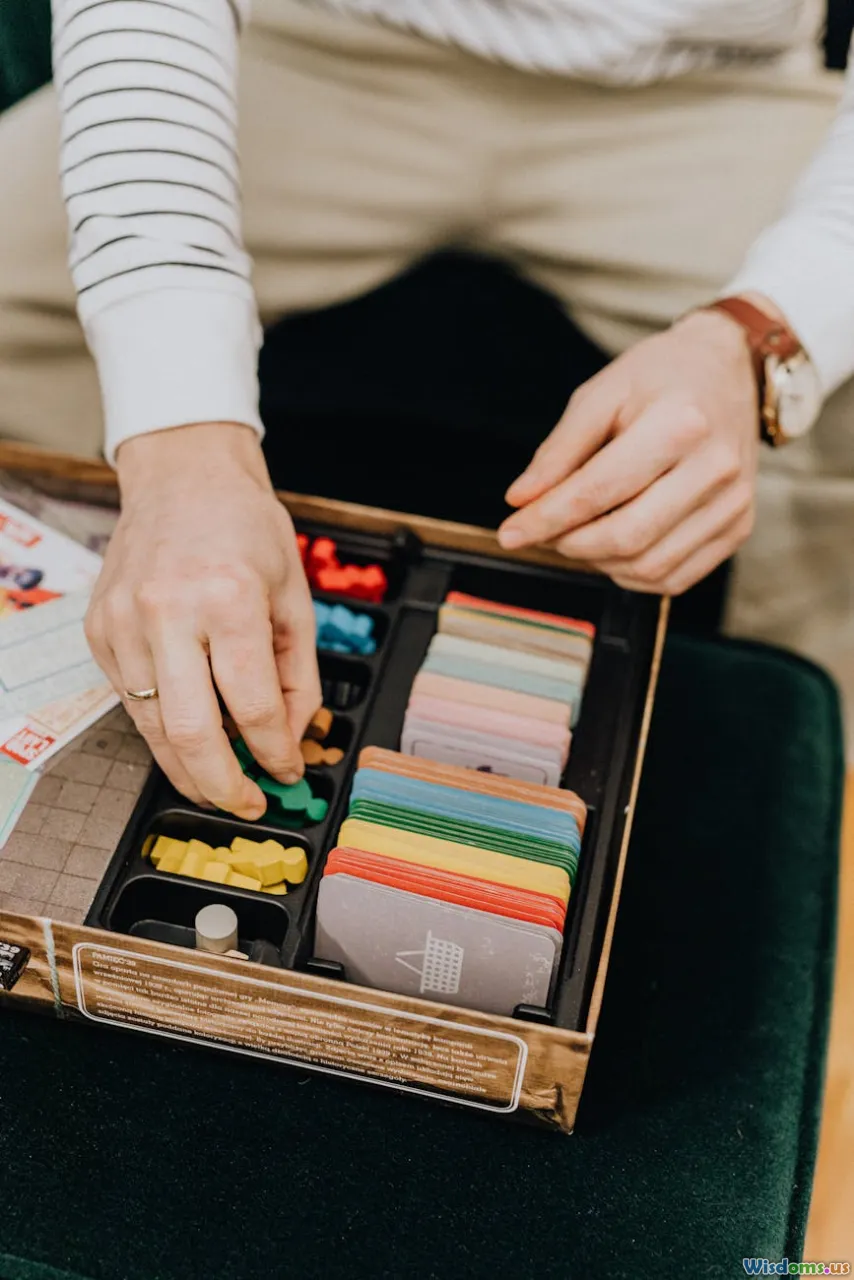
Rituals create a reliable runway for talk. Research has linked regular family meals with a range of positive outcomes, from better nutrition to lower reported risk behaviors. It is not the casserole; it is the repeated contact with a predictable script.
Try these micro-routines:
- 10-minute nightly check-in: Phones away, snack optional. Share one win, one worry, and one appreciation. Keep it brief and consistent.
- Weekly walk-and-talk: Same time each week, rain or shine. Let your teen pick the route or playlist.
- Post-event decompressions: After games, performances, or tests, adopt a no-postmortem rule for the first 30 minutes. Ask, 'Do you want feedback, celebration, or space?'
- Media debrief: Watch the first episode of any show your teen likes. Use it as a springboard for values talk, not a trap.
Rituals work because they reduce friction. You do not need to invent the opportunity each time; it arrives on schedule.
Texting, voice notes, and digital bridges

Not every conversation needs to be face-to-face. Smart use of digital tools can widen the channel.
- The triad text: Acknowledge, appreciate, invite. 'Saw you stay late to help younger players. Proud of your leadership. Door is open if you want to vent about the lineup.'
- Voice notes: Tone carries warmth that text cannot. Send a 30-second note after a rough day: 'Thinking of you. No need to reply now. I am around if you want to talk later.'
- Memes and micro-bids: A shared meme can be a low-stakes bid for connection. Track what lands with your teen and mirror their style occasionally.
- Asynchronous check-ins: If schedules clash, set a time window. 'Between 3–5, send me a 1–10 on energy and stress. I will do the same.' Keep it transactional to reduce pressure.
- Boundaries still apply: Do not weaponize texts for lectures. Sensitive or complex topics deserve the nuance of a live voice when possible.
Digital bridges extend your presence. They should complement, not replace, the deeper conversations the two of you build in person.
Conversation starters by scenario

Having a few ready-made prompts reduces the chance you default to the dreaded How was school.
After school or practice:
- 'What moment today made you smile without meaning to?'
- 'What was more tiring today: people or tasks?'
- 'If your day had a soundtrack, what would the top track be?'
When a friendship feels shaky:
- 'What is the headline you would write for the situation?'
- 'What part do you control here, and what is outside your control?'
- 'Which class or activity would be the safest place to coast for a day while this settles?'
When grades slip:
- 'What is the bottleneck: time, clarity, motivation, or something else?'
- 'Whose feedback would be most useful this week? Teacher, tutor, classmate, me?'
- 'If we trimmed two non-essentials this week, what would you pick?'
When a first job starts:
- 'What surprised you most about working with adults?'
- 'What is one script you might use when a customer is rude? Want to practice it?'
- 'How does your energy feel after a shift compared with after school?'
After a sports disappointment:
- 'What did you do today that future-you will be glad you practiced?'
- 'If you could redo one decision, which would it be, and what would you try instead?'
- 'Do you want coach-style feedback from me or just a fan in the stands?'
On identity and values:
- 'Whose opinion feels heavy to you lately, and whose feels energizing?'
- 'What is a belief you are testing this year? What might change it?'
- 'What adult do you know who lives in a way you respect? What do they do differently?'
On romantic questions:
- 'What does respect look like in a relationship at your school? What does it not look like?'
- 'If a friend asked how to set a boundary, what script would you offer them?'
- 'What is one non-negotiable for you and one nice-to-have?'
Measuring progress without turning love into a dashboard

You cannot quantify a relationship into neat charts, but you can watch for indicators that trust is thickening.
Positive signs:
- Spontaneous sharing increases: They mention small details unprompted.
- Earlier disclosures: Problems surface when they are small, not after they explode.
- Repair happens faster: Fights still happen, but cooling-off and reconnection speed up.
- Invitations multiply: They ask you to watch practice, meet a friend, or join a drive.
- Humor returns: Jokes edge back after tense moments, a sign of safety.
Try a trust ledger journal for yourself:
- Weekly prompt: What built trust this week? What nicked it? What will I try differently next week?
- Ratio check: Aim for at least a 5:1 balance of positive interactions to corrective ones, a ratio noted in relationship research as associated with stability. Use it as a compass, not a cudgel.
- Memory cues: Jot down their current anchors (teacher they like, friend they rely on, song on repeat). Referencing these later shows you are tracking their world.
Do not measure by how tidy their room is or how perfectly rules are followed. Measure by how confidently they bring you the messy parts.
Common pitfalls to avoid

Good intentions can backfire if the delivery misses. Watch out for these habits.
- Interrogation mode: Rapid-fire questions feel like a pop quiz. Slow down. Ask one good question and let it breathe.
- Moralizing and lectures: Teens tune out to sermons. Switch to stories and questions about values in action.
- Catastrophizing: Turning a C on a quiz into a doomed future spikes anxiety. Ground the moment. 'It is one data point. What is the next small step?'
- At-leasting: 'At least it is not as bad as...' minimizes pain. Replace with 'That sounds rough. I am with you.'
- Multitasking: Half attention is worse than postponing. If you cannot engage now, say so and set a time you will.
- Absolute language: 'You always... You never...' invites debate. Shift to specifics: 'Yesterday when you borrowed the car and did not text a return time, I felt anxious.'
When you notice a pitfall midstream, name it and pivot. 'I am lecturing. Let me back up. What do you need from me right now?'
Quick templates you can adapt tonight

Use these fill-in-the-blank scripts to reduce friction when you are tired or emotions run high.
- Noticing without judgment: 'I noticed ____. Want to talk about it, want company while you do something else, or want space?'
- Validating plus boundary: 'It makes sense that you feel ____. The boundary is ____. We can revisit it on ____ if ____. '
- Advice permission: 'Do you want ideas or a listener right now? If ideas, how many?'
- Repair: 'I did ____. That likely made you feel ____. My plan next time is ____. Is there something I missed?'
- Appreciation: 'Thanks for ____. It showed ____. I noticed, and it mattered to me.'
- Safety code: 'If you text ____, I will pick you up no questions that night. We will talk the next day.'
- Scaling and next step: 'From 1–10, where is this for you? What would make it a half-step lighter?'
Keep a note on your phone or a card in the kitchen with the versions that fit your family's voice.
Putting it all together in real life

Picture a week where trust is built in the cracks:
- Monday: Car ride home from practice. You keep the radio low. 'Any highs or lows today?' Your teen shrugs, then mentions that a teammate made a snide comment. You reflect the sting, ask if they want ideas or just to be heard. They choose heard. Deposit made.
- Wednesday: You text the triad after a tough exam: 'Saw you put in study hours. I am proud of that effort. Door is open if you want to unpack the test later.' No reply needed; still a deposit.
- Friday: Curfew negotiation. You validate their wish to stay later, hold the boundary, and set a review date tied to responsibilities. Not a withdrawal, because the boundary lands inside a relationship that feels fair.
- Sunday: Weekly walk-and-talk. You ask a scaling question about their stress and choose one small change together for the upcoming week. You end with appreciation. Deposit again.
None of these moments goes viral. Together they make your presence predictable. That predictability is what teens lean on when the stakes rise.
Trust is not magic. It is the practical result of showing up with curiosity, calm, and care, especially when it would be easier to worry or fix. Your teen does not need a perfect parent. They need a steady one. Every everyday conversation is a chance to become that person, one small moment at a time.
Parenting Child Psychology Family Life Family Relationships Active Listening family rituals Trust Building Digital Communication Raising Teenagers Psychological Safety Adolescent Development Teen Communication Open-Ended Questions Motivational Interviewing Autonomy Support Conversation Starters
Rate the Post
User Reviews
Other posts in Family Relationships








Popular Posts