Secrets Working Parents Use To Fight WorkRelated Stress
26 min read Practical strategies working parents use to reduce work-related stress, protect mental health, and stay productive—backed by examples, scripts, and science. (0 Reviews)
The calendar says it’s 9:03 a.m., but your brain is still wiping oatmeal from a lunchbox while your inbox piles up like laundry. Working parents don’t have "work-life balance" so much as a high-wire act. The ones who seem unusually calm aren’t superhuman. They’ve just learned to run a tighter playbook—small, sustainable habits that shrink stress at its source.
Below are field-tested strategies, pulled from what high-performing working parents actually do. Mix and match. You don’t need perfection—you need a system that survives sick days, surprise meetings, and toddler theatrics.
Redefine "Done" With Outcome-Based Work

If your to-do list expands faster than your day, it’s not a time problem—it’s a definition problem. Many working parents neutralize stress by shifting from "hours and activity" to "outcomes and impact."
How to do it:
- Pick three outcomes for the week. Outcomes sound like: "Close Q1 report," "Ship proposal draft," "Confirm childcare for spring break." If it can’t be checked off, it’s not an outcome.
- Block time for the hardest outcome first. Protect a 60–90 minute block during your peak energy window (often mid-morning) for deep work. That’s your non-negotiable.
- Tie visibility to outcomes. End the week with a short note to your manager: "This week I completed X, Y, and Z; next week I’m focusing on A." It preempts anxiety about face time and shows progress.
Real-world example: A product manager with two kids shares a Friday "Wins + Roadblocks" email with bullet points. It takes five minutes, replaces scattered status pings, and reduces the stress of second-guessing how she’s perceived when she logs off for daycare pickup.
Why it works: Research consistently shows that perceived control, not total workload, is a bigger driver of stress. Framing your week around clear, controllable outcomes—and broadcasting them—restores that control.
Plan to Energy, Not Just Time

Classic calendars treat every hour as equal. Parents know better. The secret is scheduling the right task for your current energy state.
Try this approach:
- Map your personal energy curve for a week. Note when you feel sharp, steady, or sluggish.
- Align tasks accordingly:
- Peak (60–120 minutes): Deep work—analysis, writing, creative thinking.
- Steady (30–60 minutes): Meetings, collaboration, responding to emails that require thought.
- Slump (10–20 minutes): Admin, approvals, grooming a backlog, returning packages, folding laundry on a call.
- Preload low-energy lists. Keep a running "slump list" of 3–5-minute tasks to knock out during inevitable interruptions.
Example: An HR lead schedules policy drafting from 9:30–11 a.m., holds 1:1s in mid-afternoon, and keeps a Slack-only "triage" slot for the 3 p.m. crash when the school text thread awakens. She ends the day calmer because the work matched her brain fuel.
Build a Micro-Recovery Toolkit You Actually Use

Waiting for a vacation is like waiting for rain during a drought. Parents rely on micro-recoveries—30 seconds to five minutes—that interrupt the stress cascade.
Evidence-backed options:
- 60–120 seconds of physiological sighs: Two short inhales through the nose, one long exhale through the mouth; repeat 3–5 times. Shown to quickly reduce physiological arousal.
- 90-second reset rule: When a stressful event hits (a terse email, daycare call), label it, breathe slowly, and wait 90 seconds. The initial chemical surge often dissipates by then.
- Visual microbreaks: Every 20 minutes, look 20 feet away for 20 seconds. Reduces eye strain and helps reset attention.
- Five-minute outside: Natural light regulates circadian rhythm; even brief exposure improves mood and focus.
Keep tools at arm’s reach: Noise-canceling earbuds for a two-song reset, a short doorway stretch, a 90-second "walk to water" rule before replying to conflict-laden messages. Small interruptions of stress are often more protective than occasional big ones.
Boundary Scripts That Actually Work With Managers

Stress spikes when boundaries are fuzzy. Scripts reduce the friction of asking for what you need.
Use templates like:
- For predictable availability: "I’m heads-down 9:30–11 on the Q1 analysis; text me for urgent issues. I’ll respond to all other messages by 12." This anticipates needs without sounding defensive.
- For after-hours messages: "Got this—reviewing first thing at 9. If you need same-day action, please mark urgent and I’ll triage from 8–8:30 tonight."
- For scope creep: "Happy to help. To fit this in by Friday, I’ll pause X. Which should take priority?"
- For school emergencies (proactive): "On days I’m lead parent for pickups, I’m offline 4:45–6:15. I’ll post a summary by 6:30 and be available again 7:30–8:30 as needed."
These scripts lower anxiety because they shift "Will they be upset?" to clear expectations and businesslike options. Managers usually prefer predictability over constant availability.
The Family Ops Stack: Automate the Repetitive, Share the Load

Your family is an operations unit. Treat it like one—with lightweight tools that cut decision fatigue.
Practical stack ideas:
- Shared calendar with distinct colors for work, kids, and personal events. Use alerts that hit both adults for high-stakes items (vaccines, travel days, bill due dates).
- Task board (Trello/Notion/Asana) with three lists: This Week, Next Week, Parking Lot. Keep recurring cards for groceries, birthday gifts, and permission slips.
- Grocery automation: A repeating weekly order plus a shared list for add-ons. Bonus: a "company menu" of 10 fallback dinners. Keep ingredients stocked for at least 3.
- Document vault: A cloud folder with medical forms, school IDs, travel docs, and insurance cards. In an emergency, you won’t dig through drawers.
Example: Two working parents set a Sunday 20-minute "Ops Huddle": calendar sync, quick money check, meal forecast, and a "what’s one thing that will make your week easier?" Commitment is light; payoff is big.
Decision Offloading: Checklists, Defaults, and the Magic of "Good-Enough"

Kids generate micro-decisions by the dozen. Offload them.
- Default meals: Assign themes (Monday pasta, Tuesday tacos, Wednesday stir-fry). Rotate 2–3 variations. Decision avoided, variety preserved.
- Outfit bins: Pre-pack school outfits in labeled bins on Sunday. Morning arguments vanish.
- Launchpad: A basket by the door with shoes, masks, water bottles, IDs. Everything travels together.
- Household SOPs: 5-step checklists for "leaving the house," "bedtime," or "guest babysitter basics". Tape them inside a closet door.
Why it works: Reducing options frees up attention for your highest-impact tasks. Cognitive load theory isn’t abstract—it’s the difference between snappish mornings and calm exits.
Turn Commutes and Transitions Into Decompression Routines

Transitions create identity whiplash. Smart parents script the buffer.
Options:
- Playlist ritual: One song on the way to daycare pickup that signals "work mode off." Kids quickly recognize the beat—and the calmer parent who arrives.
- Transition walk: A 7-minute loop after shutting the laptop. No phone. Notice 5 things you can see, 4 you can hear, 3 you can feel. Arrive present.
- Commute learning vs. quiet: Alternate days. Podcasts fill the brain; silence drains stress. Choose intentionally.
Real world: A sales director takes a "parking-lot minute"—two deep breaths before unbuckling. He arrives warmer and more patient by design, not luck.
Sleep, Food, and Movement—Made Parent-Proof

You’ve heard the basics. The trick is how to make them fit parent constraints.
- Sleep: Protect your first sleep cycle. If bedtime drifts late, set a "screen curfew" 60 minutes before bed twice a week. Keep the room cool and dark; a cheap paper calendar next to the bed for braindumps stops midnight rumination.
- Movement: Use 15-minute anchors: 10 squats, 10 push-ups (or wall push-ups), 30-second plank; repeat 3 rounds. Or stroller walks with hill repeats. Consistency beats intensity.
- Nutrition: Stock "stress-stable" snacks—Greek yogurt, nuts, cheese sticks, pre-cut veggies, hummus. Pack two of tomorrow’s snacks during tonight’s cleanup.
- Hydration: Fill a water bottle and leave it on the coffee machine overnight. Drink while it brews. Decision removed.
Evidence snapshot: Regular moderate activity lowers anxiety and improves sleep quality. Even bite-sized bouts help. Think "most days, in any dose."
Social Support and Backup Care Without the Guilt

Independent doesn’t mean solo. Parents who cope best curate a "bench."
Build your network:
- Buddy families: Trade Saturday mornings once a month. Two hours of solo time for each set of parents.
- Teen helpers: Train one or two local teens for short-notice evenings. Keep cash on hand and a written "house guide."
- Grandparent scripts: Be specific—"Could you cover pickup on Wednesdays this month?" rather than "Help when you can."
- Employer perks: Many benefits include backup care days or discounted nanny networks—often buried in HR portals.
Case study: One couple had two numbers posted on the fridge: a sitter and a neighbor. When a kid spiked a fever at noon, they activated Plan B without meltdown. Stress lives in uncertainty; plans kill uncertainty.
Money Stress: Create a Buffer and Automate the Boring

Financial pressure amplifies everyday tension. You don’t have to overhaul everything—just engineer predictability.
- Automate bills and savings: Pay yourself first via direct deposit splits to savings and a dedicated “childcare/education” bucket. Out of sight, less fight.
- Smooth lumpy expenses: Use a sinking fund for irregular costs like camps, birthdays, and car repairs. Contribute monthly; avoid panic when they hit.
- Decide your “enoughs”: Define a few non-negotiables (e.g., cleaner twice a month, prepared meals on swim nights). Cut elsewhere without shame.
- Keep a $500–$1,000 emergency cushion. Even a small buffer lowers cortisol because it shrinks the immediate threat landscape.
Pro tip: If partners share finances, hold a 15-minute money check-in twice a month. Agenda: what’s coming up, any surprises, and one money win.
Make Visibility Effortless: Manage Up Without Working More

Parents often worry that flexibility looks like underperformance. Solve that with lightweight visibility.
- Weekly one-pager: Goals, wins, risks. Share before your 1:1.
- Async updates: Post a quick Loom video walking through dashboards or mockups. Leaders skim faster, you skip another meeting.
- Hours transparency: Publish your typical availability block. Consistency beats 24/7 presence.
- Guard your "golden blocks": Put recurring focus holds on your calendar with clear labels like "Client analysis: do not schedule."
Result: You’ll spend less time performatively online and more time on compounding work. Your stress drops because you control the narrative.
The Sick-Day Playbook: When Chaos Calls at 10:17 a.m.
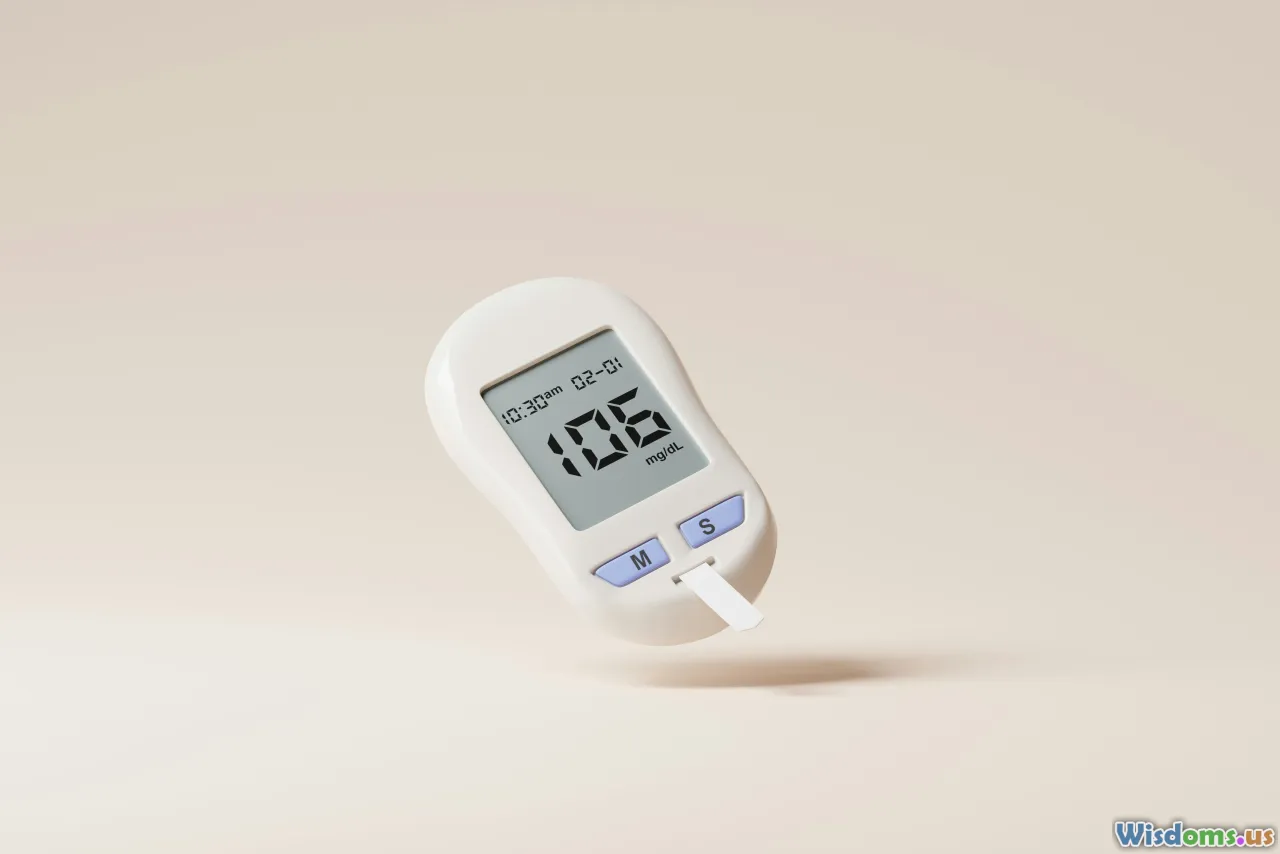
There will be fever days. Pre-plan the first 30 minutes.
- Communication cascade: Message manager with a prewritten template: "Kid is home sick. I’ll be offline 11–1 for care and move the 2 p.m. to tomorrow. Today I can deliver X by 5; Y shifts to Thursday."
- Triage work: Move any hard deadlines, then pick one achievable focus item for nap time.
- Sick-day kit: Thermometer, meds, rehydration drinks, a "quiet box" with coloring, audiobooks, and a favorite blanket. Decisions pre-made.
- Co-parent split: If possible, alternate 90-minute blocks of coverage to protect both calendars.
Your goal isn’t heroics; it’s damage control without self-criticism. Measured expectations are the fastest stress reliever there is.
Cognitive Tools: Drop the Guilt, Keep the Standards

The loudest stressor is often in your head. Steal from therapy’s greatest hits.
- Name the story: "If I leave at 4:45, my boss will think I’m not committed." Ask: what evidence supports this, and what evidence contradicts it? Replace with: "I communicated clearly and hit my outcomes."
- Set the "good-enough" bar: Define minimum viable standards for emails, meals, and meetings. Reserve A+ for a few signature projects or celebrations.
- Self-compassion scripts: When you snap at a kid or miss a deadline, try: "This is a hard season. I’m learning. What’s one small repair I can make now?" Then do it—apologize, reset, move on.
- Wins journal: Three quick wins nightly ("read one book with Maya," "finished slide 7"). It rewires attention toward progress.
Tiny shifts in your internal dialogue pay disproportionate dividends in calm.
Teach Your Kids to Help—Because It’s Good for Them Too

Children can contribute earlier than we think, and it reduces stress while building their competence.
Age-appropriate ideas:
- Ages 2–4: Put toys in a basket, carry napkins to the table, match socks. Celebrate effort, not perfection.
- Ages 5–7: Pack their backpack with a checklist, wipe the table, feed pets, pair shoes on the launchpad.
- Ages 8–12: Make simple breakfasts, fold laundry, start a dishwasher, manage a chore chart with small allowances.
Turn chores into rituals, not punishments. Saturday "family reset" with a 20-minute tidy and music helps everyone see themselves as part of a team.
Rethink Work When Work Is the Problem

Sometimes stress isn’t fixable with tactics—it’s structural. When the job design itself clashes with parenting reality, consider thoughtful redesign.
Options to explore:
- Redefine success metrics with your manager. Propose a trial: "For 60 days, let’s measure on weekly deliverables and customer NPS while I shift two mornings to deep work from home."
- Compress or flex your schedule. Four 9-hour days with one shorter day can unlock an afternoon for appointments without burning PTO.
- Swap late meetings for early focus time. If your team spans time zones, offer asynchronous updates and one consolidated overlap window.
- Seek roles with fewer interrupts. Customer support to enablement, individual contributor to project-based roles, or internal mobility to calmer teams.
If none of it moves, it’s valid to explore a change. A sustainable job is a parenting tool.
Weekend Reset Rituals That Actually Refresh

Weekends shouldn’t feel like a second shift. A light framework prevents Sunday scaries.
- Friday closeout: 10-minute list of what’s done and what’s next. Park it. Your brain stops rehearsing.
- One anchor plan: Choose a single meaningful activity (park picnic, movie night) and keep the rest open.
- Two-hour power window: Early Saturday or Sunday, both adults knock out life admin: laundry fold, bills, school forms. Then stop.
- Sunday preview: 15-minute calendar glance, prep backpacks, stage the launchpad. Future-you says thanks.
Lowering ambiguity creates the mental space that feels like real rest.
Notification Hygiene: Make Your Phone Boring (Sometimes)

Phones multiply stress by hijacking attention. Make them behave.
- Focus modes: Create a "Work Deep" mode (only manager, partner, daycare can reach you) and a "Family" mode (no Slack, no email, emergency calls only).
- Home screen diet: Move addictive apps to the second screen; keep tools on the first—calendar, maps, notes, camera.
- Batch checks: Email at set times. If you must monitor, turn off badges and use VIP filters.
- Remove one app entirely for a week. Notice how fast your nervous system calms.
What you don’t see can’t spike your cortisol.
Meetings: Fewer, Shorter, Smarter

Meetings can devour nap times and school pickups. Reclaim them.
- 25-minute defaults: Book 25/50 minutes, not 30/60. Build microbreaks in by design.
- Agenda or it doesn’t happen: Decline or request an agenda. Propose async when better.
- Decision logs: Replace status calls with a shared doc listing decisions, owners, and deadlines.
- Protect no-meeting bands: Even two per week helps—Tuesday mornings, Thursday afternoons.
You’ll free hours you can reinvest in deep work—or simply breathing.
Use Commits, Not Willpower: Identity-Based Habits

Parents don’t need more motivation. They need frictionless commitments.
- Tie habits to anchors: "After I drop off, I walk 10 minutes before opening email." It’s specific and stackable.
- Lower the bar: "Any exercise counts" makes you likelier to keep going.
- Co-worker buddy: Exchange a 30-second daily check-in. Social proof beats solo resolve.
- Visual cues: Keep running shoes by the door, vitamins next to the mugs, a book on the pillow.
Systems carry you through rough weeks far better than inspiration does.
When You’re the Only Parent On Duty

Single parents and solo-duty stretches require extra margin.
- Over-prepare the night before: Clothes, lunches, backpacks, your bag, your coffee setup.
- Cluster errands: One weekly stop that covers pharmacy, groceries, and returns.
- Ask for micro-help: A neighbor who can watch the door while you run the trash; a friend who grabs milk when they’re out.
- Be ruthless with obligations: This is a season for "no, thanks" or "I can help by donating."
You’re not choosing between being a good worker and a good parent. You’re designing a week that makes both more likely.
Tiny Joys as Strategic Fuel

Stress shrinks when delight expands—even in small doses.
- Daily 60 seconds: A silly video with your kid, a sunbeam on the floor, the first sip of coffee. Name it out loud: "This is nice."
- Weekly treat: A pastry on Friday post-drop-off, a solo bookstore stroll, a favorite show without multitasking.
- Seasonal memory: Mark the calendar for one small adventure each season—a new trail, a holiday light drive.
We’re wired to remember hassles more than happiness. Practicing tiny joys is a competitive advantage against stress.
Putting it all together doesn’t mean doing it all at once. Pick two small moves with the biggest leverage for your family—maybe a Sunday Ops Huddle and a 90-second post-meeting reset. Measure the feeling: fewer frantic mornings, fewer defensive emails, more evenings where you’re actually present.
Working parenthood can feel like a long run carrying a backpack. You can’t drop the pack, but you can repack it, pad the straps, and learn when to walk instead of sprint. The calm you admire in others isn’t magic—it’s maintenance. Start yours today, one small system at a time.
Rate the Post
User Reviews









Popular Posts