From Traders to Kings the Persian Empire’s Unlikely Rise
31 min read How Persian traders became imperial rulers—Cyrus to Darius—by leveraging coinage, roads, and satrapies to fuse markets and monarchy across Anatolia, Mesopotamia, Egypt, and the Indus. (0 Reviews)
From Traders to Kings: The Persian Empire’s Unlikely Rise
Caravans do not usually become kingdoms. Yet the Achaemenid Persians, whose earliest fortunes were tied to the humblest of regional trades—pack animals moving textiles, metals, and grain along dusty roads—built one of antiquity’s largest empires within a century. How did a cluster of clans in a marginal corner of the Iranian plateau transform into rulers from the Indus Valley to the Aegean? Their ascent was not merely a string of battles; it was a feat of logistics, incentives, storytelling, and network engineering. In short, they ruled like merchants who happened to win wars.
This is the story of that rise—grounded in evidence from inscriptions in rock and clay, the testimony of rivals, and the material remains of roads, canals, and palaces. Along the way, we’ll pull out practical insights: how to scale systems, how to maintain trust across distance, and how to turn diversity into productive order.
Origins in the Marketplaces of the Iranian Plateau

Persia began as a peripheral land of herders, farmers, and small-scale traders. The Achaemenid clan, later known for kings like Cyrus and Darius, emerged from the region of Parsa (Persis), near modern Fars in southwestern Iran. Before kingship, they navigated a landscape of neighbors: Elamite cities like Susa, the older Median polity to the north, and a patchwork of tribal groups who knew that survival depended on mobility, exchange, and alliances.
Some of the earliest hints of Persian economic life come from the way their homeland sat at the crossroads between the Zagros Mountains and lowland Elam. This meant access to:
- Herding corridors and transhumance routes bringing wool, hides, and horses.
- Upland metals and stone, notably copper and semi-precious stones moving southwest.
- Established lowland administrative centers (Elamite Susa) where record-keeping, rationing, and contract culture were routine.
In other words, the Persians’ earliest advantages were not palaces or armies but networks and know-how: how to move goods, tally obligations, and keep peace with varied neighbors. That habit of turning friction into reciprocity would scale dramatically under Cyrus the Great.
The Network Advantage: Trade Routes as a Political Weapon
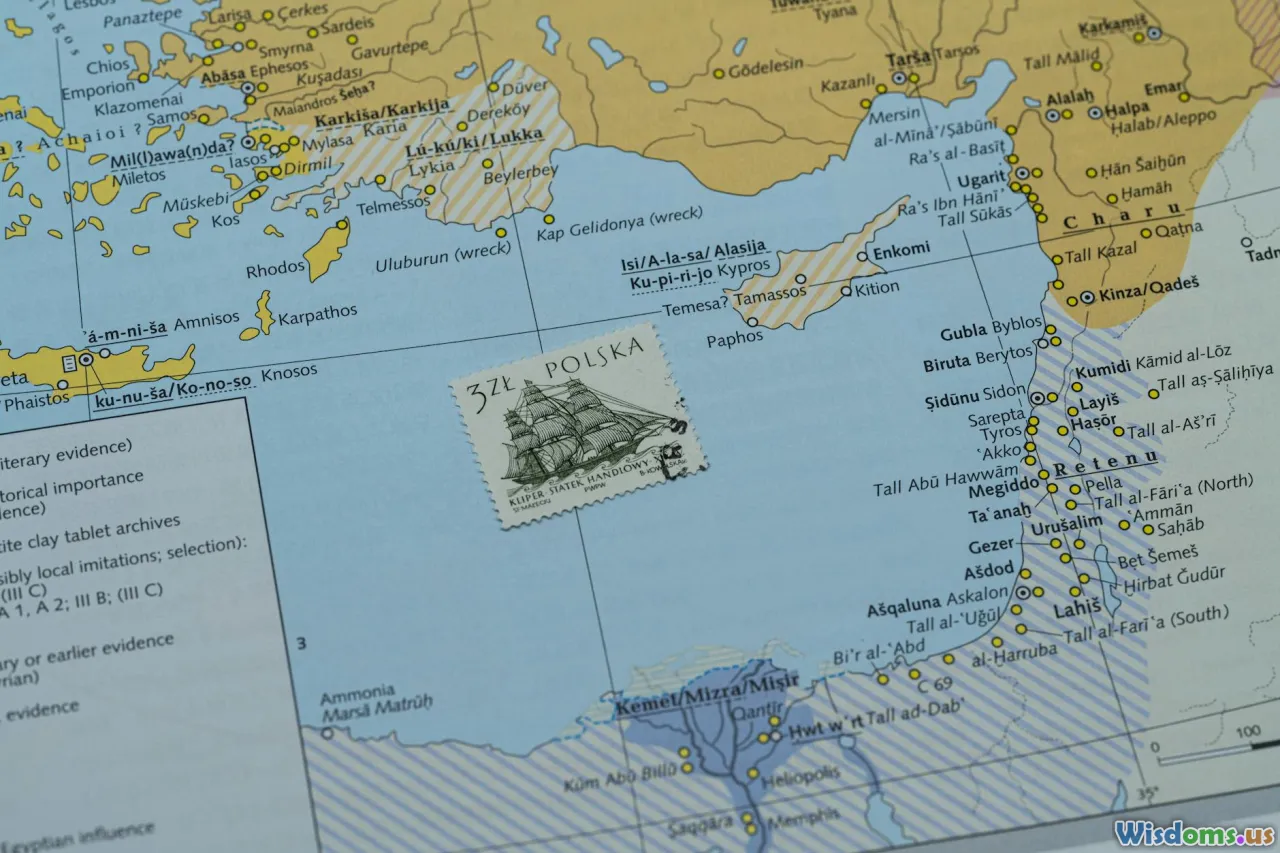
Empires are often imagined as walls and spears. But the Achaemenid edge was connective tissue: roads, relay stations, sea lanes, and standard procedures that allowed grain from Egypt to pay soldiers in Bactria or cedar beams from Lebanon to frame halls in Persepolis.
Before Cyrus conquered the Medes (circa 550 BCE) and Lydia (546 BCE), traders had already stitched together the Iranian plateau with Anatolia, Mesopotamia, and the Levant. Persian elites learned to think in routes:
- East-west lines moving tin and textiles toward Anatolia; silver and crafts returning east.
- North-south corridors sending horses and carpets to Mesopotamian markets; wheat and luxury goods heading upcountry.
- Maritime circuits linking the Persian Gulf to Oman and the Indus delta for timber, dates, and aromatics.
When the Persians seized power, they did not erase these paths—they upgraded them. Darius I (r. 522–486 BCE) formalized the Royal Road from Susa to Sardis, a spine of roughly 2,700 kilometers with relay stations where fresh horses and provisions awaited state couriers. That infrastructure was commerce-friendly, but it also had a political edge: orders could now outrun unrest.
How to use networks as power multipliers (then and now):
- Map the real flows. Don’t just note borders; identify where grain, money, and messages actually move.
- Secure anchor points. Fortify hubs (like Susa and Sardis) rather than every mile of the road.
- Standardize interfaces. Shared weights, measures, and documentation shrink distrust across cultures.
- Reward throughput. Make it pay for local actors to move imperial goods quickly and honestly.
Cyrus the Great’s Playbook: Conquest by Contract

Cyrus II did fight—against the Medes, Croesus of Lydia, and Babylon. But he shattered expectations by making terms with local elites, reaffirming cults, and integrating existing bureaucracies. A trader’s instinct animated his diplomacy: minimize transaction costs of regime change.
Concrete examples:
- Lydia (546 BCE): Rather than dismantle the region’s famed wealth machine, Cyrus kept the minting tradition alive. Lydian electrum coins, later refined into the bimetallic standard of gold darics and silver sigloi under Darius, remained a vital interface with western markets.
- Babylon (539 BCE): Instead of leveling temples, he honored Marduk and presented himself as the legitimate restorer of order. The Cyrus Cylinder, an inscription in Akkadian cuneiform, portrays him returning displaced communities to their homelands and repairing sanctuaries. This messaging soothed a trading capital where temple complexes doubled as banks.
- Eastern frontiers: In places like Parthia and Bactria, Cyrus relied on local nobility to continue collecting taxes and provisioning troops, while imperial auditors and couriers linked them to the center.
Cyrus’s “contracts” were not democratic; they were pragmatic. But they mattered because the empire he built was too large to rule purely by force. Every temple he left standing, every elite he co-opted, reduced the cost of maintaining the system tomorrow.
A replicable method for low-friction expansion:
- Keep the accountants. Administrators and scribes ensure continuity of revenue.
- Sanctify your rule locally. Use familiar rituals, languages, and legal forms.
- Deliver early wins. Repair walls, ensure grain shipments, and pay troops on time.
- Publicize clemency. Make defection less costly than resistance.
From Ledger to Law: Administrative Innovations That Felt Familiar to Merchants
Darius I was a builder of institutions: satrapies (provincial jurisdictions), inspectors known as the “King’s Eyes,” and a multi-lingual bureaucracy. The empire’s records—like the Persepolis Fortification Tablets (mostly in Elamite, dating around 509–494 BCE)—read like a company’s logistics sheets, detailing rations, travel permits, and allocations of grain, wine, oil, and livestock.
Key innovations with a merchant’s logic:
- Satrapies with audits: Governors (satraps) had wide latitude but were subject to inspections and could be rotated or removed. This echoes the separation of local operations from central accounting.
- Documented movements: Travelers on state business carried sealed tablets to draw rations, reducing theft and uncertainty. Think of it as authenticated expense accounts.
- Shared working languages: While Old Persian inscriptions glorified kings, the bureaucracy often used Elamite and Imperial Aramaic—languages of trade and diplomacy—so contracts and orders could travel across cultures without mistranslation.
- Standard weights and measures: Ensured that a mina of silver or a measure of barley in Sardis matched one in Susa, which kept tribute predictable and tax-farming less extractive.
The result was a scalable system where the center did not micromanage production, only its reliable registration and transfer. That’s how a king at Persepolis could order cedar from Phoenicia, artisans from Lydia, and gold from Bactria—and have them arrive in sequence without hourly oversight.
Money Talks: Darics, Tribute, and Incentives That Held a Continent Together

Under Darius, the empire adopted a gold coin (the daric) and a silver coin (the siglos), likely building on Lydian minting prowess. Coins did not replace all payments—barley rations and in-kind tribute remained vital—but they added a fast, trustable medium for long-distance transactions, especially soldier pay and elite transfers.
Herodotus preserves approximate tribute assessments from different satrapies. Whether or not his sums are precise, the core idea is clear: each region had quotas often payable in local strengths (silver, horses, grain, precious woods) with standardized valuations. Incentives were layered into this design:
- Predictable dues reduce revolt. When local elites know the ask, they can plan harvests, trade, and tax-farms, and they’re less likely to gamble on rebellion.
- Coin pay creates mobile loyalty. Soldiers and craftsmen prefer pay they can spend anywhere. Darics circulated far beyond Persia’s borders, advertising stability.
- Mixed in-kind and cash flows reduce shocks. A bad harvest in one region can be offset by metallic payments elsewhere.
Actionable insight: If you manage a multi-region enterprise, align rewards with transport realities. Cash for speed-sensitive tasks, in-kind where storage is cheap and spoilage is low. Set expectations and update them transparently.
Roads, Couriers, and the Edge of Speed

Fast communication was the empire’s nervous system. The Royal Road, with its stations a day’s ride apart, let dispatches cross Anatolia to Susa in days rather than weeks. Herodotus famously marveled that Persia’s couriers were undeterred by snow, rain, heat, or night; they were the best a Bronze-and-Iron-Age state could field.
Why speed mattered beyond drama:
- Crisis containment: Rebellions often hinge on early momentum. A fast order to reinforce or reconcile can reverse a narrative.
- Price stability: If a satrap knows grain prices in Egypt today, he can decide whether to pay troops in barley or coin tomorrow, saving costs.
- Inspection cadence: Rapid visits by the King’s Eyes kept satraps honest—when the auditor can appear anytime, cheating is riskier.
Comparison to modern logistics:
- Royal Road: A highly secured backbone comparable to a proprietary fiber network, linking major data centers.
- Caravan routes: Think regional carriers and content delivery networks—less uniform, but vital for redundancy.
- Couriers and seals: The ancient analog of multi-factor authentication, minimizing forgery and tampering.
Soft Power That Traveled: Religion, Law, and Legitimation
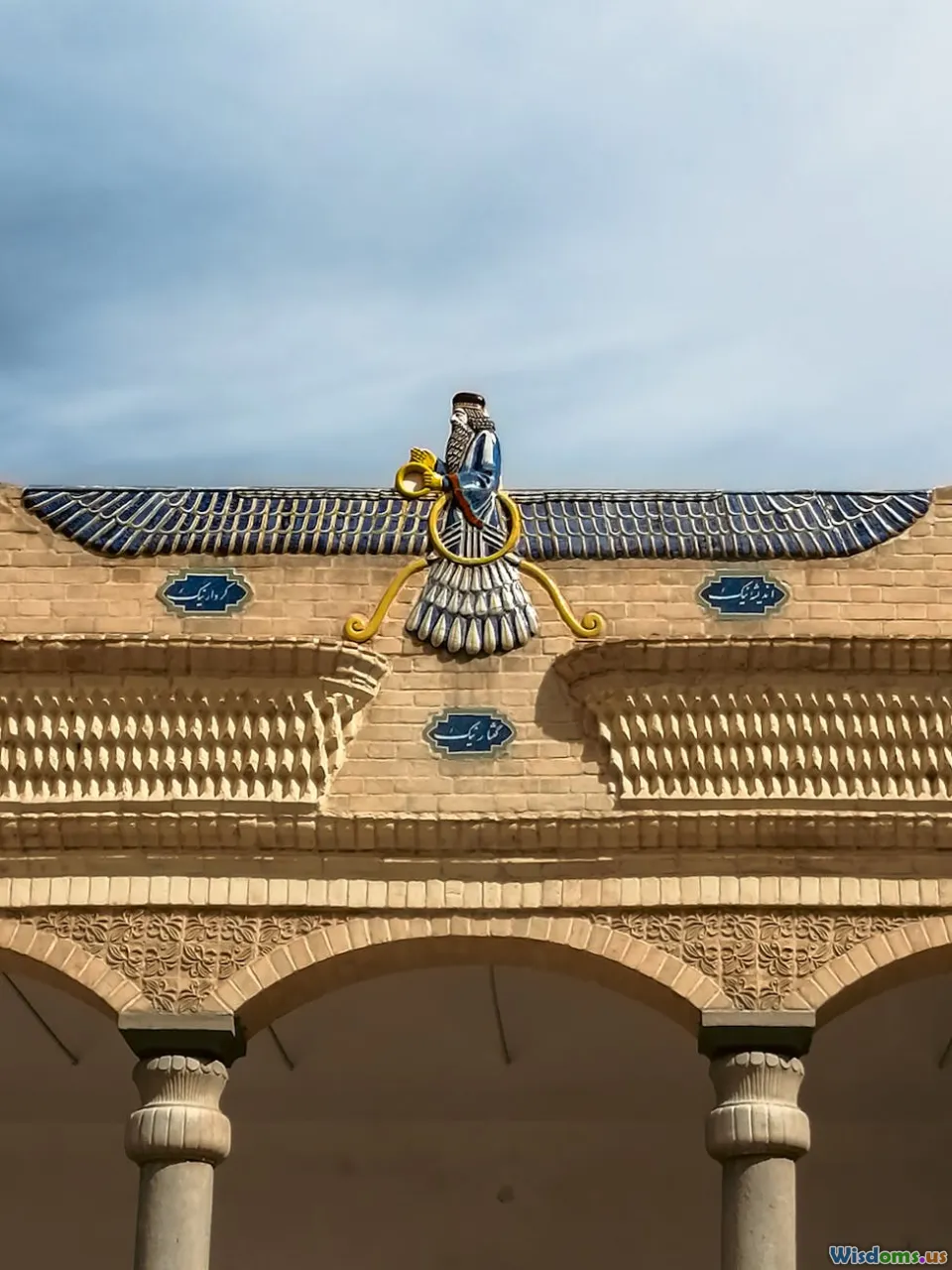
The empire’s ideology was neither uniform nor overbearing. Royal inscriptions credit Ahura Mazda, reflecting Zoroastrian-inflected ethics—truth-telling, order (asha) over chaos (druj), and the king as protector of justice. Yet the state generally honored local cults.
Concrete gestures built legitimacy:
- Temple patronage in Babylon, Egypt, and beyond signaled respect for local gods. In Egypt, Persian kings even styled themselves as pharaohs and funded temple works.
- Amnesties and returns of exiled peoples, prominently publicized, framed the empire as a restorer rather than a destroyer.
- Legal harmonization: Darius is associated with efforts to compile or confirm law codes region by region, not by erasing local law but by clarifying it under imperial oversight.
How to earn durable legitimacy when you’re the outsider:
- Speak the local sacred language. Use inscriptions, festivals, and titles that resonate with existing hierarchies.
- Share credit. Attribute prosperity to local gods and elites, not just to the center.
- Make law feel like clarity, not conquest. Codify and publicize procedures so people know where to stand.
Risk Management: Autonomy, Oversight, and the Cost of Rebellion

The Persian model balanced local autonomy with periodic scrutiny. Satraps collected taxes and maintained troops, while royal appointees, military commanders, and auditors overlapped their authority. That redundancy prevented local independence from becoming secession—most of the time.
Case study: The Ionian Revolt (499–494 BCE).
- Root cause: Greek cities under Persian rule resented local tyrants and tribute demands, but also saw chances in Mediterranean trade politics.
- Persian response: A combination of naval and land operations crushed the revolt, culminating in the destruction of Miletus. Yet afterward, Persia experimented with different governance arrangements in the region, showing adaptability.
Practical lesson: Autonomy reduces administrative overhead and buys goodwill, but it must be backstopped by fast intelligence and credible force. Make rebellion economically irrational by maintaining open trade, reasonable dues, and swift redress of grievances—then publicize the fate of those who gamble anyway.
From Expansion to Overreach: Where the Trade Mindset Met Its Limits

Persia’s reach into mainland Greece revealed constraints of its model. Xerxes’ invasion in 480 BCE mobilized staggering resources—bridges of boats across the Hellespont, supply depots marching with the army—but logistics strained at the edges.
Key friction points:
- Maritime asymmetry: Persian strength on land met Greek naval specialization in confined waters. At Salamis, Greek triremes exploited local knowledge and tighter coordination.
- Distance tax: The further from satrapal hubs, the more expensive it was to maintain disciplined supply. Hungry soldiers are liabilities.
- Political will: Maintaining hegemony across the Aegean demanded constant interventions in Greek city rivalries, escalating costs without proportionate gains.
Lessons for any scaling enterprise:
- Not every market is worth the marginal cost of control. Run break-even scenarios including security, logistics, and political capital.
- Respect local edge cases. A single strait or pass (Salamis, Thermopylae) can nullify bulk advantages.
- Don’t confuse capacity with resilience. You can move a million rations, once. Can you do it quarterly without destroying goodwill?
Infrastructure as Strategy: Qanats, Canals, and Food Security

Empires eat, literally. Beyond roads and mints, the Persians invested in water engineering that stabilized yields across arid zones. The qanat—gently sloped underground channels tapping aquifers—expanded reliable irrigation without the evaporation losses of surface canals. While qanats predate the Achaemenids, imperial policy encouraged their spread and maintenance across Iran and beyond.
Other projects included canal works in Egypt and attempts to link the Nile to the Red Sea along ancient routes, facilitating both irrigation and shipping. The combined effect:
- Stabilized ration systems: With more predictable grain, the state could budget barley rations for laborers and travelers more accurately.
- Satrapal resilience: Regions with good waterworks could sustain garrisons and workshops, reducing the need for emergency imports.
- Attracting settlers: Productive land ties populations to place, discouraging revolt and filling tax rolls.
Operational tip: If your “empire” is a company, invest in the dull backbone: data reliability, power redundancy, preventive maintenance. It rarely makes headlines, but it prevents crises from metastasizing.
People Behind the Ledgers: Women, Households, and Work at Scale

The Persepolis Fortification Tablets open a window onto everyday empire. They list rations issued to workers—men and women—moving between sites. One elite woman, Irdabama, appears as a manager of substantial estates and labor forces, receiving and issuing commodities. These records show:
- Women receiving travel rations and supervising teams, not only in domestic roles.
- Long-distance coordination: couriers bearing sealed orders empower agents to draw supplies far from their home base.
- Household-economic fusion: The palace, temple, and workshop ecosystems overlap, with rations as wages in a mixed cash-and-kind economy.
Takeaway: Large systems depend on countless semi-autonomous managers, many of whom are invisible in grand narratives. Empowered intermediaries are not a threat; they are the circulatory system. Set rules, audit kindly but firmly, and let them work.
A Culture of Seals: Trust Technologies Before Notaries and Passwords

Cylinder and stamp seals—tiny carved stones rolled or pressed into wet clay—were the empire’s signature-verification method. A sealed tablet traveling with a caravan united three controls: identity (whose seal), integrity (clay unbroken), and intent (formulaic text). The system was robust enough that thousands of sealed tablets survive, often double-sealed to add a witness or counterparty.
Actionable insight for modern trust design:
- Layer verification: Combine something you have (seal), something you know (formula), and something hard to tamper with (clay).
- Log the chain: Archive copies or summaries at depots so a destroyed original doesn’t destroy the record.
- Keep it routine: The more common the authentication ritual, the less room for fraud at the edges.
Diversity as a Feature: Ethnic and Linguistic Pluralism at Work
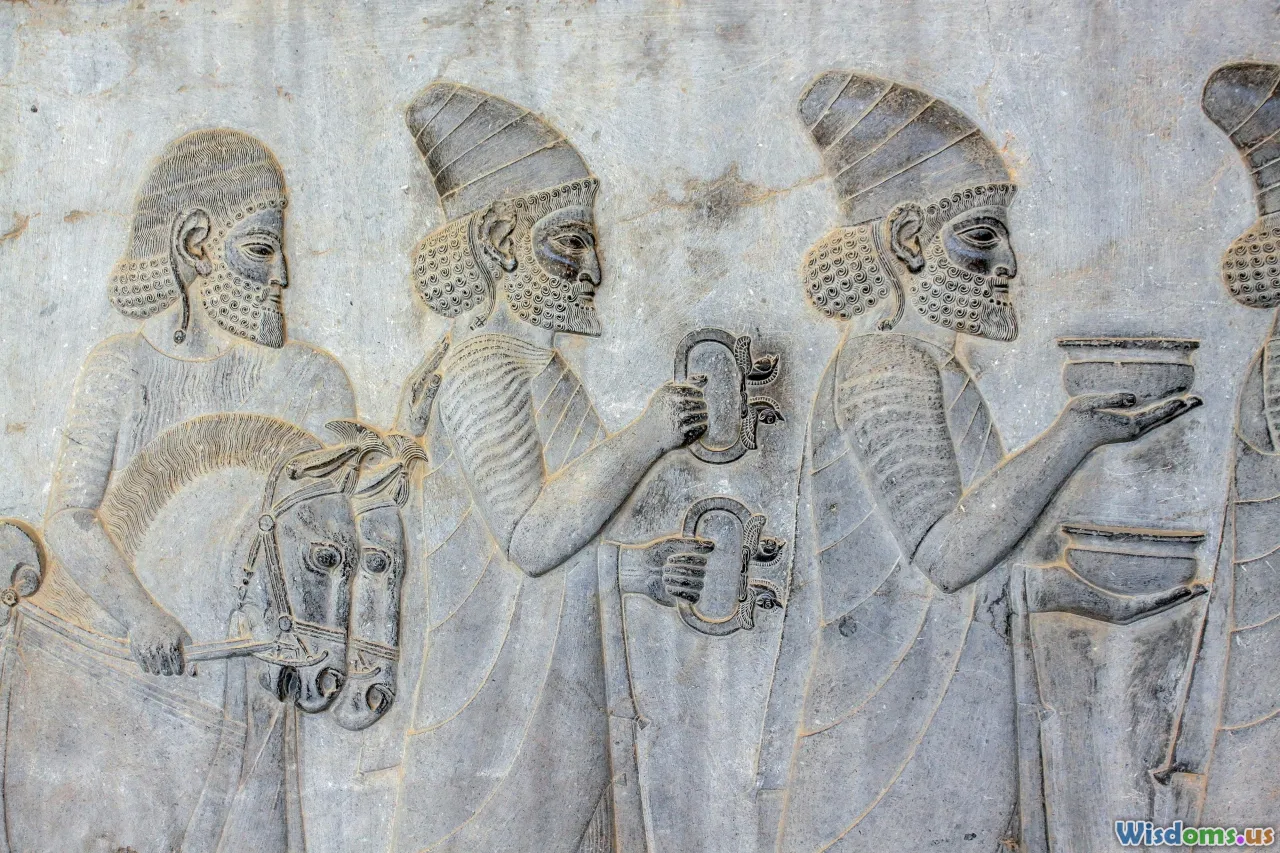
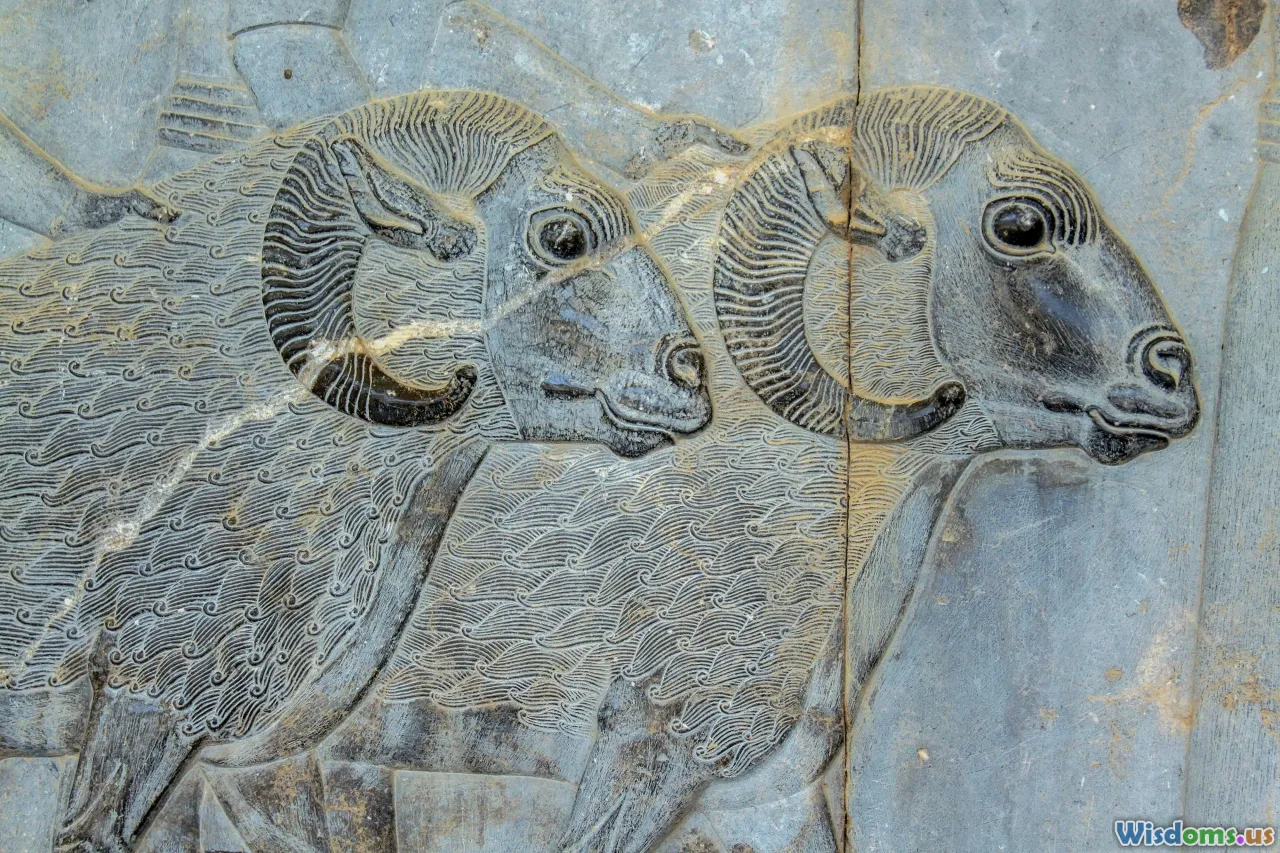
The reliefs at Persepolis’s Apadana depict tribute bearers from across the empire—Medes, Elamites, Egyptians, Lydians, Indians—bringing textiles, vessels, animals, and metals. It’s imperial art, but it mirrors a management truth: the Achaemenids governed through recognized identities rather than melting them down.
Functional benefits of pluralism when structured well:
- Comparative advantage: Egyptians farmed the Nile better than anyone; Phoenicians sailed; Lydians minted; Bactrians supplied fine horses. The empire’s job was coordination, not homogenization.
- Redundancy through variety: Crop failures or trade disruptions seldom hit all regions equally. Plural supply chains buffer shocks.
- Recruitment leverage: Elites could serve in imperial roles without renouncing local status, broadening the talent pool.
Management tips for diverse teams:
- Give shared procedures, not identical tools. Standardize outcomes and interfaces; let methods vary.
- Celebrate representation in visible spaces. Court rituals and inscriptions are not fluff; they are coherence mechanisms.
- Translate everything important. The Achaemenids’ use of Aramaic as a chancery language made the empire legible to itself.
Comparing Models: Persia, Assyria, Athens, and Rome

A quick comparative analysis clarifies what made Persia distinctive.
- Assyria (predecessor): Projected power through deportations, terror, and garrisons. Efficient at extracting tribute short-term, but hated. Persia inherited some Assyrian administrative habits but dialed down coercion, betting on buy-in and speed.
- Athens (contemporary rival): A naval empire relying on allied coercion via the Delian League. Democratic at home, extractive abroad. Relied on superior seamanship and silver from Laurion but struggled to administer inland empires.
- Rome (successor in the west): Built an empire of law and citizenship integration, with road networks and colonies binding the core and provinces. Rome ultimately absorbed parts of Achaemenid legacy via Hellenistic intermediaries but pursued deeper cultural uniformity.
Persia’s core differentiator was managerial pluralism riding on infrastructure. Where Assyria coerced, Persia cooperated-and-audited. Where Athens rowed, Persia rode. Where Rome turned subjects into Romans (gradually), Persia permitted layered identities so long as tribute, troops, and order flowed.
What Modern Leaders Can Learn from the Achaemenid Playbook

The Persian Empire’s unlikely rise offers actionable advice beyond the classroom.
- Scale networks before you scale orders. Invest in roads (or APIs), depots (or data centers), and authentication (or encryption). Velocity reduces fire-fighting.
- Pay in the currency of trust. Mix cash equivalents for mobility with in-kind support where communities value staples. Transparent quotas beat improvised demands.
- Decentralize, then audit. Empower satraps (regional managers) with latitude, but surprise them with inspectors. Overlapping authorities deter capture.
- Embrace multilingualism. Translate policies, support local procedures, and maintain a lingua franca to glue the whole.
- Legitimize locally. Co-brand success with regional institutions—temples then, universities or chambers of commerce now.
- Fight a few big battles, win many small contracts. Avoid overreach in hostile terrain that yields low returns. Seek agreements that make tomorrow cheaper than today.
Case Files in Clay and Stone: Evidence You Can Touch
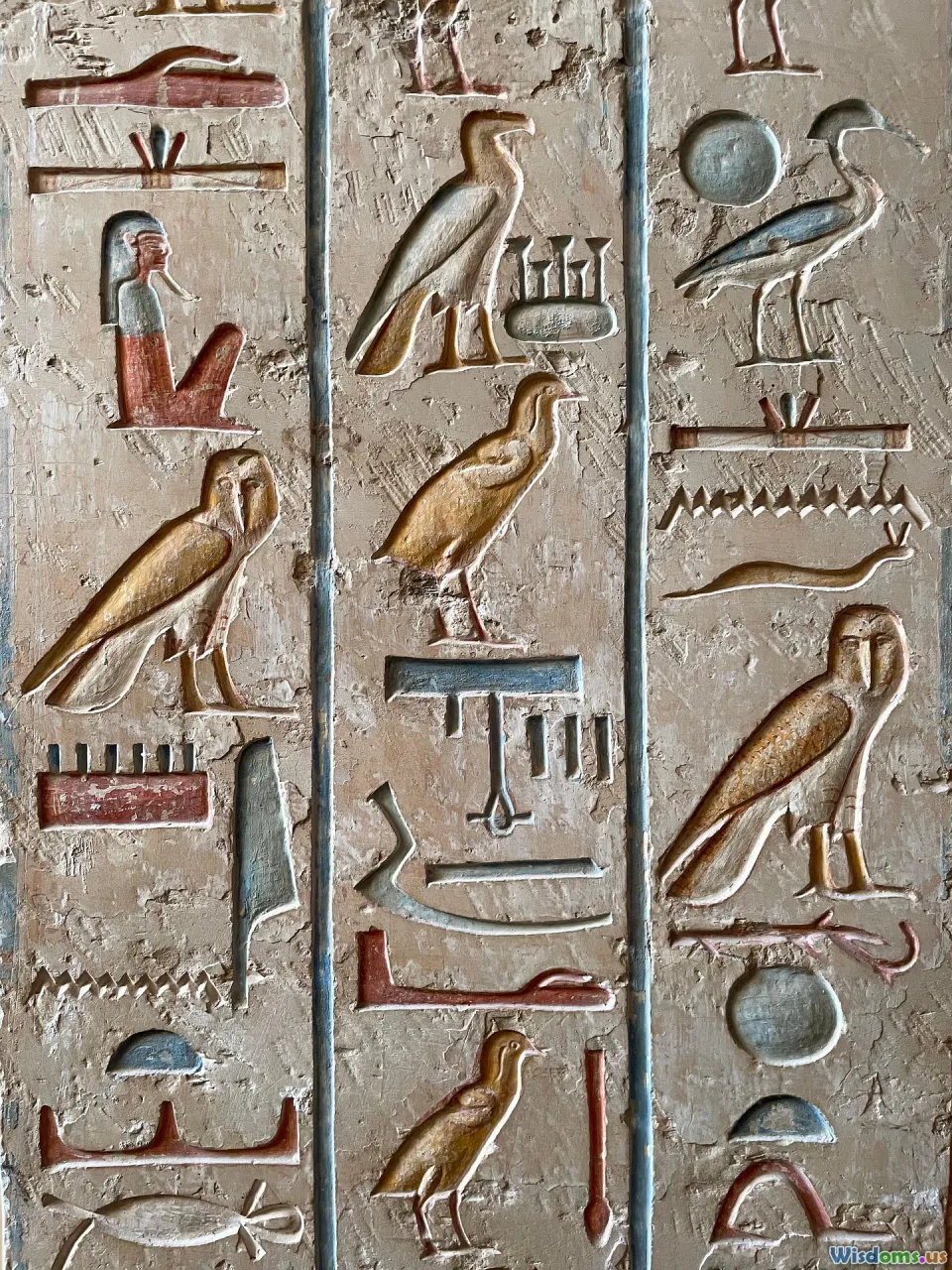
We know the Persian rise not from legend alone but from material records.
- Behistun Inscription (c. 520 BCE): A trilingual rock relief by Darius I narrating his seizure of the throne and suppression of revolts. It serves as a Rosetta Stone for Old Persian and a manifesto of imperial order.
- Persepolis Fortification and Treasury Tablets: Tens of thousands of documents recording rations, personnel movements, and supply logistics in Elamite and other languages. They reveal the processes that powered grandeur.
- The Cyrus Cylinder: A Babylonian inscription presenting Cyrus as a restorer. Though sometimes overstated in modern commentary, it captures the self-portrait of tolerance crucial to early rule.
- Archaeological roads and waystations: Remains of pavements, milestones, and relay posts track the skeleton of communication that sustains everything else.
For leaders and scholars alike, these records remind us to privilege systems over slogans. Grand architecture is a surface effect; ledgers are the bloodstream.
The Human Tempo of Empire: Festivals, Paydays, and Deadlines

Empires move on calendars. Evidence suggests that festivals like spring gatherings—later echoed in traditions such as Nowruz—doubled as fiscal and administrative hinge points. Tribute deliveries, mass audiences with the king, and public pageantry synchronized widely dispersed actors.
Practical parallels:
- Use ritual to coordinate. Quarterly business reviews or product launches are modern equivalents of tribute audiences—moments to align metrics, celebrate contributors, and surface risks.
- Tie pay cycles to milestones. Workers at Persepolis received rations pegged to work seasons; today, bonus windows encourage bursts of delivery.
- Publish the road map. When everyone sees the next station on the Royal Road, the journey accelerates.
Why This Rise Was Unlikely—and Why It Worked Anyway

On paper, a peripheral people should not have outcompeted ancient superpowers. The Persians lacked the colossal urban core of Babylon, the naval tradition of Phoenicia, or the iron grip of Assyria. Yet they scaled faster and held broader territories by exploiting underappreciated assets:
- Trade literacy: They knew how to reconcile ledgers across distances, which scales better than brute force alone.
- Institutional humility: They kept what worked—local elites, cults, and scribes—while layering their own authority sparingly but effectively.
- Speed and standards: Roads, seals, and measures lowered the cost of trust, making metropolis and frontier part of one conversation.
The result was a political economy that could pivot: conquer when necessary, contract whenever possible. For nearly two centuries, this hybrid let them out-organize rivals even when they didn’t outfight them.
Empire, like enterprise, is ultimately a coordination problem. The Persians solved it by thinking like merchants first and monarchs second—by caring how a jar of barley, a line of script, and a relay horse met at the right station at the right time. Their story suggests that durable power grows not only from the point of a spear, but from the point of a stylus pressed into clay, sealing agreements that make tomorrow’s journey just a little bit easier than today’s.
Rate the Post
User Reviews






Popular Posts