
How Active Listening Transforms Family Dinners Forever
16 min read Explore how active listening can deepen family connections and make dinner conversations more meaningful, leading to lasting transformation in family dynamics. (0 Reviews)
How Active Listening Transforms Family Dinners Forever
The clatter of cutlery, the tempting aroma from the kitchen, laughter—or sometimes awkward silence—echoes around the dinner table every night in homes across the world. Despite everyone sitting together, distractions often mar the conversation: phones, television, work stress, or simply the rush to finish and move on. But what if, during these mealtimes, family members practiced true active listening? How could a simple shift in conversational skill fundamentally reshape the family dinner experience and create lasting positive change?
In this article, we’ll explore the essence of active listening and how incorporating it into family dinners nurtures connection, empathy, and understanding. You’ll find actionable tips, real-life insights, and answers to why this seemingly small adjustment packs such a transformative punch.
The Roots and Power of Active Listening
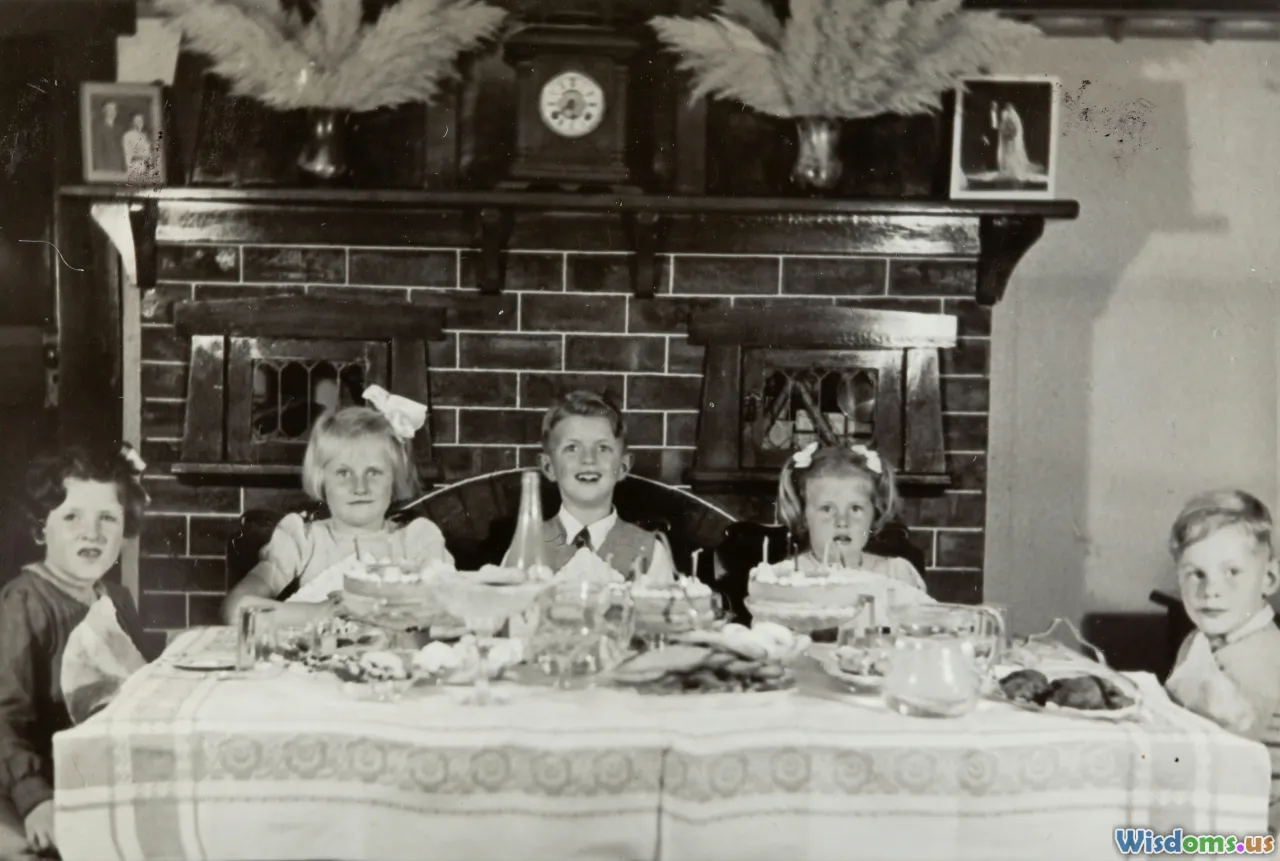
Active listening is far more than hearing words—it's a conscious effort to understand, reflect, and respond with empathy. Developed as a communication tool in counseling and conflict resolution, active listening shifts focus from "waiting to speak" to "seeking to understand." Examples vary, but it often means maintaining eye contact, nodding or offering verbal acknowledgments, and paraphrasing what someone has said to ensure clarity.
A 2016 study from Michael Purdy & colleagues found that while people consider themselves good listeners, they recall only about 25–50% of what they hear. At a family dinner, this deficit can widen gaps, escalate misunderstandings, or foster disconnection. Conversely, when people feel genuinely heard, trust builds, and even tough topics become easier to navigate.
A simple but telling example is a story from the Framingham Heart Study. Families who ate together while engaging in eye-contact-driven, open discussions saw children with less anxiety and fewer behavioral problems. The key differentiator? Not just eating together, but truly listening to each member as they spoke.
Dinners That Build Connection: The Difference Active Listening Makes

When parents and children alike practice active listening, dinner ceases to be a rote tradition and instead becomes a tool for building relationships. Genuine attention tells each person, "you matter."
Consider the difference: Imagine a father hurriedly asks, "How was school?" while nibbling his salad and checking his phone. Compare this to when he puts down his device, looks his child in the eye, and says, "Tell me about your day—what was the best part?" His body language and follow-up questions show interest. This moment encourages his child to share feelings rather than just recite events.
Recent research from the Family Dinner Project indicates that kids consistently exposed to meaningful dinner conversation—rooted in attentive listening—perform better academically, display greater self-esteem, and have stronger mental health outcomes. It's not the food, but the focus, that makes the difference.
Cultivating Empathy and Understanding Through Mealtime

At the family table, active listening is instrumental in teaching and modeling empathy. When one sibling recounts a tough time at school or a personal worry, others learn to listen without immediately solving the problem or judging. This means allowing the speaker space to vent or process feelings, responding with phrases like, “That sounds really tough, what do you need right now?” rather than advice or criticism.
For example, Sonia—a mother of three—found that, once she began echoing back her children's emotions (“It sounds like art class was overwhelming for you today”), her children were more willing to open up, not just about successes, but their failures and fears. This built resilience and cohesion within the family.
A Harvard Health study (2019) asserts that families who consistently practiced active listening showed increased emotional intelligence and problem-solving skills among children, preparing them for stronger relationships outside the family as well.
The Invisible Barriers: Why Families Struggle to Listen

Despite the clear benefits, active listening is surprisingly absent from many dinner tables. Why?
First, modern distractions: Devices are ubiquitous, and background noise—like news, TV, or siblings' chatter—can fragment attention. Second, old habits die hard. People may feel uncomfortable with silence, rush to speak, or focus on rebutting rather than engaging.
A Gallup poll (2022) notes that, even during designated family time, 70% of families battle at least one phone-related interruption. Another major hurdle is the generational gap in communication styles—older family members may see certain topics as taboo, while younger ones want emotional validation.
Recognizing these hidden obstacles is the first key step to re-engineering more attentive, fulfilling conversations at dinner.
How to Introduce Active Listening at the Table

Starting active listening rituals doesn’t require dramatic change—just conscious intent. Here’s a practical, step-by-step strategy for fostering active listening at mealtimes:
- Eliminate Distractions: Institute a ‘no phones at the table’ rule. Consider gentle instrumental music as a backdrop if silence feels awkward at first.
- Ask Open-Ended Questions: Encourage everyone to avoid yes/no queries. Try: “What is something that surprised you today?”
- Reflect and Clarify: Paraphrase or summarize: “So what I hear you saying is....”
- Nonverbal Cues Matter: Make and maintain eye contact, nod, or touch hands in acknowledgment.
- Rotate the Spotlight: Ensure everyone has equal airtime. Create rituals, such as a nightly “Rose and Thorn,” where each shares a highlight and lowlight.
- Read the Emotional Temperature: If someone is stressed or not ready to talk, honor that—active listening is as much about silence and space as speaking.
Gradually, these habits solidify the table as a "safe space" for meaningful sharing.
Reluctant Participants: Engaging Less Outgoing Family Members

Not every family member is eager to share openly, especially older teens or introverted children. Active listening is even more vital here: it helps them feel safe and unjudged, making the prospect of opening up less intimidating.
Real-life example: In the Chen family, 15-year-old Daniel barely spoke at meals, especially after moving to a new school. His parents realized grilling him didn't work. So, they shifted tactics:
- Initially invited Daniel to just listen.
- Occasionally reflected on everyone else’s day, subtly inviting his opinion: “I wonder what Daniel thinks about that?”
- Responded non-judgmentally when he finally chose to share.
Within a few months, Daniel voluntarily wove into conversations.
The tip: For reserved participants, don’t pressure or single them out. Instead, model respect and inclusive curiosity. Allow them to contribute at their pace, and validate even brief, tentative remarks.
Navigating Conflict: Active Listening as a De-Escalation Tool

Tempers can fray at family meals—especially when discussing grades, chores, or politics. Rather than collapsing into argument or disengaging entirely, active listening offers a structured path through conflict.
A proven approach is the “Speaker–Listener Technique” used by marriage therapists: one person shares their perspective, uninterrupted, while the other listens and repeats back what they heard before offering their view. This slows the pace, reducing misunderstandings and emotional flare-ups.
David, a father of two, describes handling disagreements about chores: Instead of immediately correcting his son’s complaints, he says, “Let’s make sure I understand. You feel your chores aren’t fair because of your after-school activities?” When his son feels understood, solutions become collaborative instead of confrontational.
Studies in the Journal of Family Psychology have shown that families who resolve dinner-table disputes with active listening report stronger bonds and reduced resentment over time.
Sweetening the Science: Why the Human Brain Thrives on Being Heard

Humans are wired for connection: multiple neuroscientific studies pin satisfaction and even physical well-being to relational security—and a sense of being seen and heard is pivotal in this equation.
When we experience attentive listening, the brain releases oxytocin (the “bonding hormone”) and dopamine (responsible for pleasure and reward). The cycle encourages us to seek out and replicate the same validating environment. Children who feel heard tend to develop stronger self-worth and resilience.
Neurobiologist Dr. Daniel Siegel refers to this as the “felt sense of love”—less about what is said, and more about how families tune into one another. Over time, these micro-interactions carve neural pathways of trust and mutual support, producing resilient, adaptive individuals.
Beyond Dinner: Lasting Impacts on Family Culture

Dinners are often the stage, but active listening echoes far beyond. When families cultivate these habits at the table, they’re more likely to:
- Tackle crises (illness, loss, moves) as united front.
- Foster multi-generational understanding, passing empathy and respect between elders and children.
- Celebrate triumphs collectively, building shared memories.
The Sethi family, whose elderly grandfather lives with them, began using active listening during meals following his stroke. Eventually, even young children spoke slowly and clearly, taking time for grandpa to follow. The deep patience and closeness fostered by active listening seeped into all aspects of home life, from school problems to bedtime stories.
Many therapists argue that when families regularly engage in active listening, children internalize it as a lifelong social skill, equipping them for healthy friendships, effective teamwork, and resilient romantic partnerships in adulthood.
Tips for Staying Consistent: Making Active Listening Second Nature

- Set Mealtime Rituals: Agree on two or three simple ground rules together; post them in the kitchen as a reminder.
- Check-In Circles: Once weekly, allow each member to share something on their mind, uninterrupted.
- Celebrate Progress: Reflect monthly—"What did we learn about each other this week?"
- Invite Guests: Occasionally include relatives or friends—demonstrate active listening beyond the nuclear family.
- Handle Lapses Gracefully: When the system slips, address it gently (e.g., "Let's remember what we agreed about listening").
Pro Tip
Make active listening fun—challenge kids to summarize someone else's story, or play “telephone” to illustrate how messages change when we don’t listen well.
Embracing Small Moments, Fostering Big Change

An attentive dinner table isn’t built overnight. It grows from the seeds of curiosity, patience, and small daily efforts to hear—not just respond to—those you love. Along the way, bonds tighten, conflicts become manageable, and every mealtime becomes a cherished opportunity.
In a world saturated with notifications and noise, choosing mindful communication—starting with a single family dinner—can generate remarkable ripples of understanding and unity for years to come. Isn’t it time we made listening an ingredient in every meal?
Rate the Post
User Reviews










Popular Posts