
How Single Parents Build Strong Family Foundations
14 min read Discover proven strategies for single parents to create supportive, resilient family environments for their children’s growth. (0 Reviews)
How Single Parents Build Strong Family Foundations
Raising a family is challenging under any circumstances, but single parents often take on the tasks of two caregivers, navigating daily life and future plans with resilience and heart. While single parenting may look and feel different, it consistently produces children who are secure, resourceful, and deeply loved. How do single parents lay down strong roots and keep their households thriving? Let’s explore the practical strategies, inspiring stories, and powerful mindsets that shape these remarkable foundations.
Building Trust and Open Communication

Trust functions as the cornerstone for any healthy family, and for single-parent households, it is vital. Kids often contend with a swirl of emotions—loyalty binds, confusion, or a sense of missing out on a traditional structure. Open, honest communication provides reassurance and clarity.
Establishing Conversation Rituals Single parents who build strong foundations routinely check in with their children. For example, Jennifer, a single mother of two in Seattle, makes a nightly tradition out of dinner table “highs and lows,” where each person shares a win and a struggle from their day. Over time, these moments fostered empathy and predictability, making it safe for her children to admit mistakes or worries.
Age-Appropriate Honesty Experts recommend giving clear, honest answers to children’s questions. For instance, when six-year-old Mason asked why his dad wasn’t coming to the park, his mother explained—without criticism—about schedules and commitments. As children mature, more nuanced discussions about feelings, family changes, and boundaries help them process reality without fear or shame.
Encouraging Vulnerability It’s also powerful when parents model their emotions. Admitting when you feel tired or sad, and seeking help when needed, shows kids it’s normal to have ups and downs, while teaching them emotional vocabulary and coping skills.
Creating Consistent Routines and Boundaries
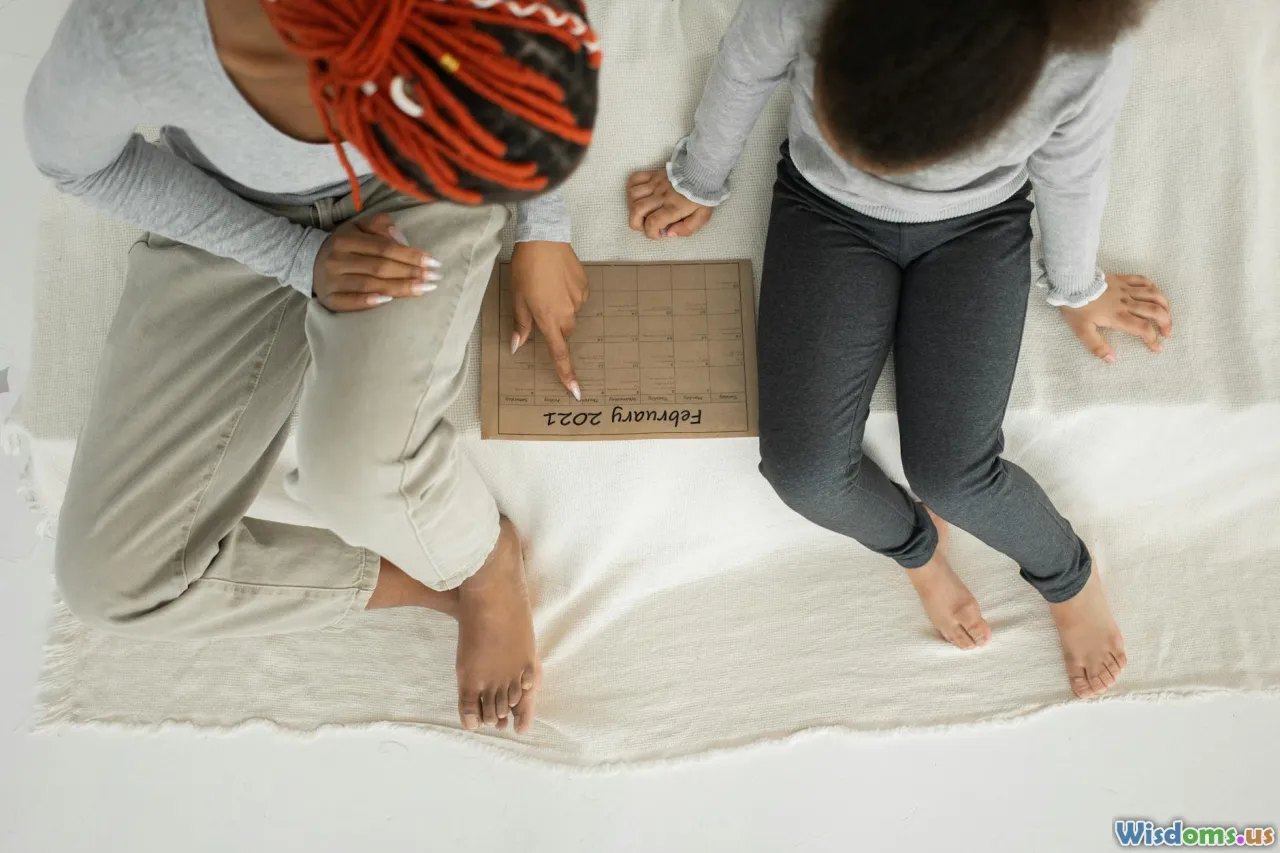
Routine creates stability, especially in settings where one adult fulfills most roles. Consistent expectations around meals, bedtime, and chores offer predictability—something children crave if other elements in their lives feel uncertain.
The Power of Predictability A recent study from the University of Illinois found that children in single-parent homes with established routines reported lower anxiety and performed better academically. Consistency doesn’t mean rigidity—it simply provides a reliable anchor. For example, 14-year-old Ellie knows that Friday evenings are always pizza-and-movie night, even if the day was exhausting for her father.
Defining and Holding Boundaries It is especially important to set clear rules and expectations, even if you want to overcompensate for an absent co-parent. Single parents sometimes struggle with feeling guilty or trying to be a “best friend,” but children respect gentle consistency. For example, enforcing electronics-free dinners or orderly bedtimes, even after a tough day, signals love and structure.
Leveraging Community and Support Networks

No one should parent in isolation. A single parent’s foundation becomes much stronger with layers of accessible support: extended family, friends, neighbors, schools, and community groups.
Tapping into Formal Support Michael, a single dad from Atlanta, joined a local parent association that hosts potlucks and weekend outings. This organization isn’t just about socialization—it provides advice on everything from child care swaps to homework hacks, reducing stress and modeling collaboration for children.
Reframing Asking for Help Culturally, some parents fear that seeking help signals inadequacy. However, children benefit from seeing their caregivers define, reach for, and lean on constructive help. Accepting a neighbor’s offer to babysit or joining a support group—online or in-person—demonstrates healthy interdependence.
Building Diverse Role Models Without two parents present, children gain from regular interactions with caring adults outside their immediate family—relatives, coaches, teachers, or trusted community members. These relationships foster broader perspectives and life skills. For example, Maria schedules monthly Sunday dinners with her uncle, giving her daughter extra support and a new point of view.
Financial Management and Planning Skills

Single parents shoulder all financial obligations, often navigating competing needs on a single income. Laying a strong foundation requires strategic management, creative solutions, and sometimes tough compromises.
Budgeting as a Family Activity Teaching kids about finances builds transparency and respect. If finances are tight, explaining basic concepts (using a visual chart or a family money jar) shows how everyone can contribute through small efforts—turning off lights, planning inexpensive outings, or preparing meals together at home.
Seeking Resources Many community organizations and online portals (like Single Parent Alliance & Resource Center or local YMCAs) offer scholarships, food programs, or budget counseling, helping lighten the load without stigma. For example, after losing her job, Rina accessed child care subsidies, letting her pursue new training while supporting her two children.
Modeling Resourcefulness Creative problem-solving often shines brightest in single-parent homes. From swapping clothes with neighbors to crowd-sourcing vacation tips, showing kids how to “make it work” builds both gratitude and life-long money management skills.
Promoting Independence and Responsibility
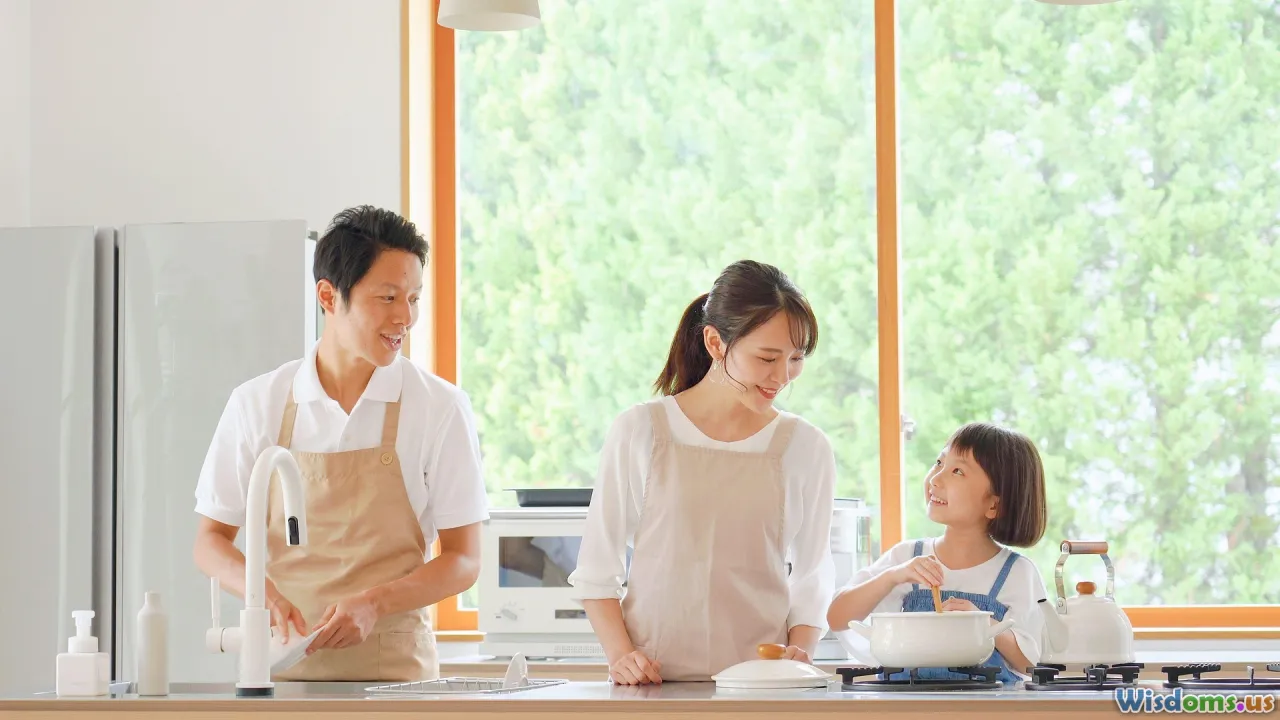
Children in single-parent households often take on extra responsibilities—helping to prepare meals, manage routines, and look out for siblings. While this can feel daunting, it’s also an incredible training ground for independence and interdependence.
Age-Appropriate Contribution Five-year-olds watering plants or teens preparing dinner bring value. Alex, a single parent and teacher, gives her children weekly tasks—one child sweeps the kitchen, another walks the dog—not as punishment but to reinforce teamwork. Over time, her children became proactive and proud contributors to home life.
Celebrate Initiative Offer praise when kids attempt new skills—even if it doesn’t go perfectly. Recognize effort so they grow more self-sufficient, seeing themselves as reliable and competent family members.
Decision-Making Power Where safe and appropriate, inviting children into family decisions (which extracurricular to join, what to have for dinner) increases their sense of agency, a noted protective factor in building confidence and resilience.
Nurturing Emotional and Mental Health

Single-family homes can feel pressure-filled, with adults juggling heavy emotional loads. But a home focused on emotional well-being often shields children from the stresses that come with change, loss, or transition.
Normalize Big Emotions Single parents who acknowledge sadness, love, frustration, or anger out loud make it safe for children to do the same. Rather than encouraging a “keep it together” mentality, saying things like “It’s okay to feel upset about our changes” validates experience and encourages problem-solving.
Accessing Professional Support If a child shows prolonged sadness or withdrawal, seeking the help of a school counselor or therapist models hope, strength, and self-care. Telehealth and online counseling have made this support increasingly accessible.
Mindfulness and Coping Tools Practical strategies such as deep breathing, gratitude journaling, or daily walks create outlets for stress. DeShawn, a single father, established a bedtime meditation ritual for his son, helping them both wind down and manage the day’s challenges together.
Celebrating Wins, Traditions, and Unique Stories

Every family—regardless of structure—builds its legacy through rituals, holidays, and personal lore. Forging special traditions strengthens connection, pride, and joy.
Inventing Unique Traditions Some single-parent families reclaim or repurpose old family traditions; others create brand new ones. For example, Taylor and her children invented "Pancake Parade," a monthly breakfast starring crazy toppings, new recipes, and table games. This ritual brings lightness and anticipation, distinct to their shared story.
Acknowledging Milestones Together Whether it’s the first day of school, a spelling bee, or overcoming a tough week, mark key moments with a shared treat, trophy, or family cheer. Children in single-parent homes benefit deeply from celebrating every victory, reinforcing that family is both anchor and launch pad.
Owning Their Family Narrative Help children proudly articulate their family story—with all its twists, triumphs, and individuality. Reading books about diverse households, exchanging stories with friends, or keeping a “family wall” of photos underscores pride and belonging.
Embracing Flexibility and Adaptability

Circumstances in single-parent homes may constantly shift—work schedules, housing, unplanned emergencies, or parenting partnerships. Flexibility isn’t just a necessity; it becomes a hidden superpower.
Building a Growth Mindset Encourage kids to view challenges as opportunities to learn. When plans unravel, discuss alternative solutions and the positive side of facing something new. For example, when a camping trip was cancelled due to weather, Laila and her children built a blanket fort at home and watched storm clouds together.
Planning for the Unexpected Single parents often keep “Plan B” backup lists—contacts for emergency pickups, extra keys at a trusted neighbor’s home, or a standing agreement with a friend to exchange favors.
Practicing Self-Compassion When things don’t go as planned (late pickups, missed school flyers, or burnt dinners), modeling forgiveness towards yourself—and asking children to forgive imperfections, too—demonstrates both humility and resilience.
Families led by single parents not only survive but often thrive by rewriting the rules, prioritizing what truly matters, and showing their children every day that love, communication, and creativity can build unshakeable foundations. If you’re a single parent, remember that every small act of care—each reassuring word, nightly routine, and honest conversation—plants the seeds of security and strength for your family’s unique legacy.
Rate the Post
User Reviews
Other posts in Single Parenting





Popular Posts