ISROs Recent Mars Success A StepbyStep Timeline
14 min read Explore ISRO's recent Mars mission achievements with a clear, step-by-step timeline of key milestones and breakthroughs. (0 Reviews)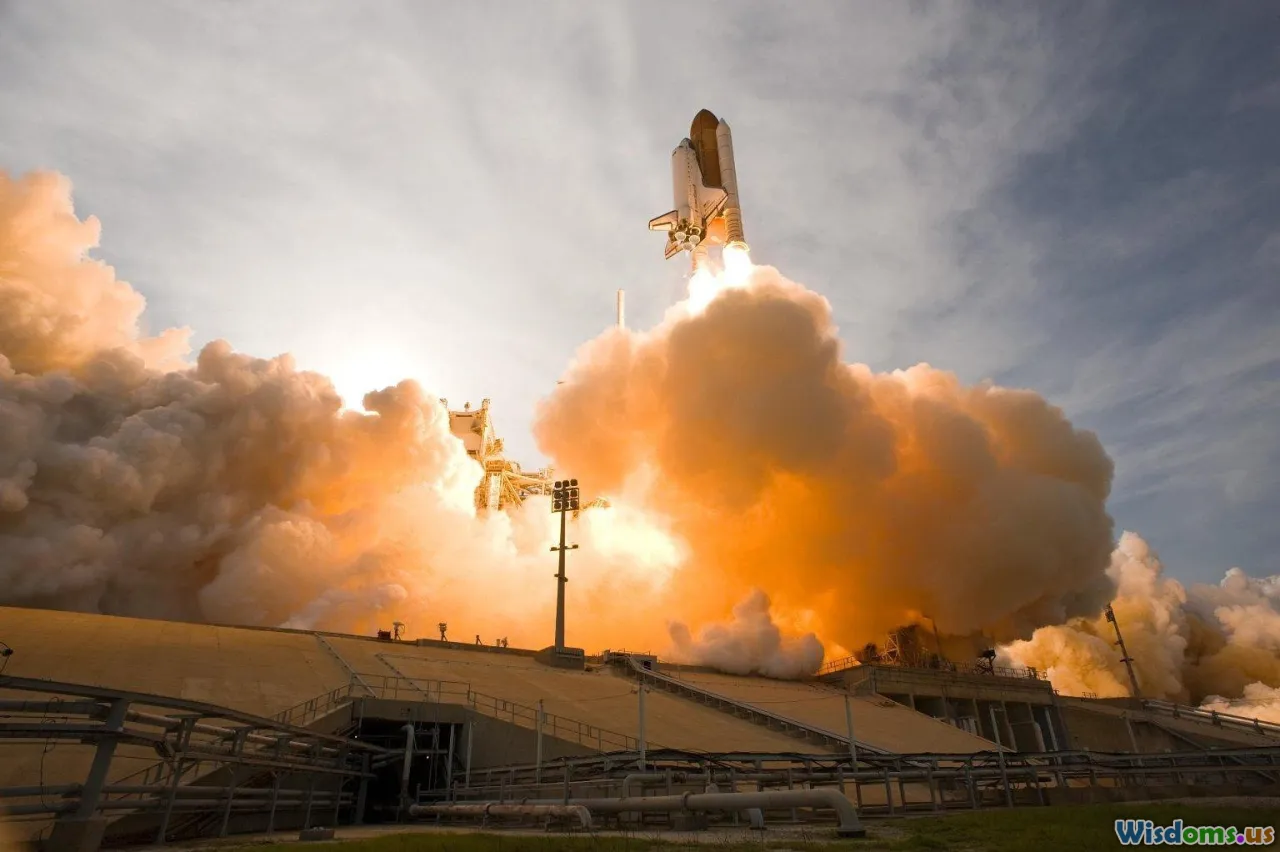
ISRO’s Recent Mars Success: A Step-by-Step Timeline
India’s space achievements continue to inspire the world, breaking technical and financial barriers once seen as insurmountable. Among these milestones, the Indian Space Research Organisation’s (ISRO) remarkable success in Martian exploration stands as a testament to the nation’s ingenuity. Here, we delve into a comprehensive, step-by-step timeline chronicling how ISRO charted a historic course to Mars, solidifying its seat at the table of elite planetary explorers.
The Spark That Ignited the Mars Mission
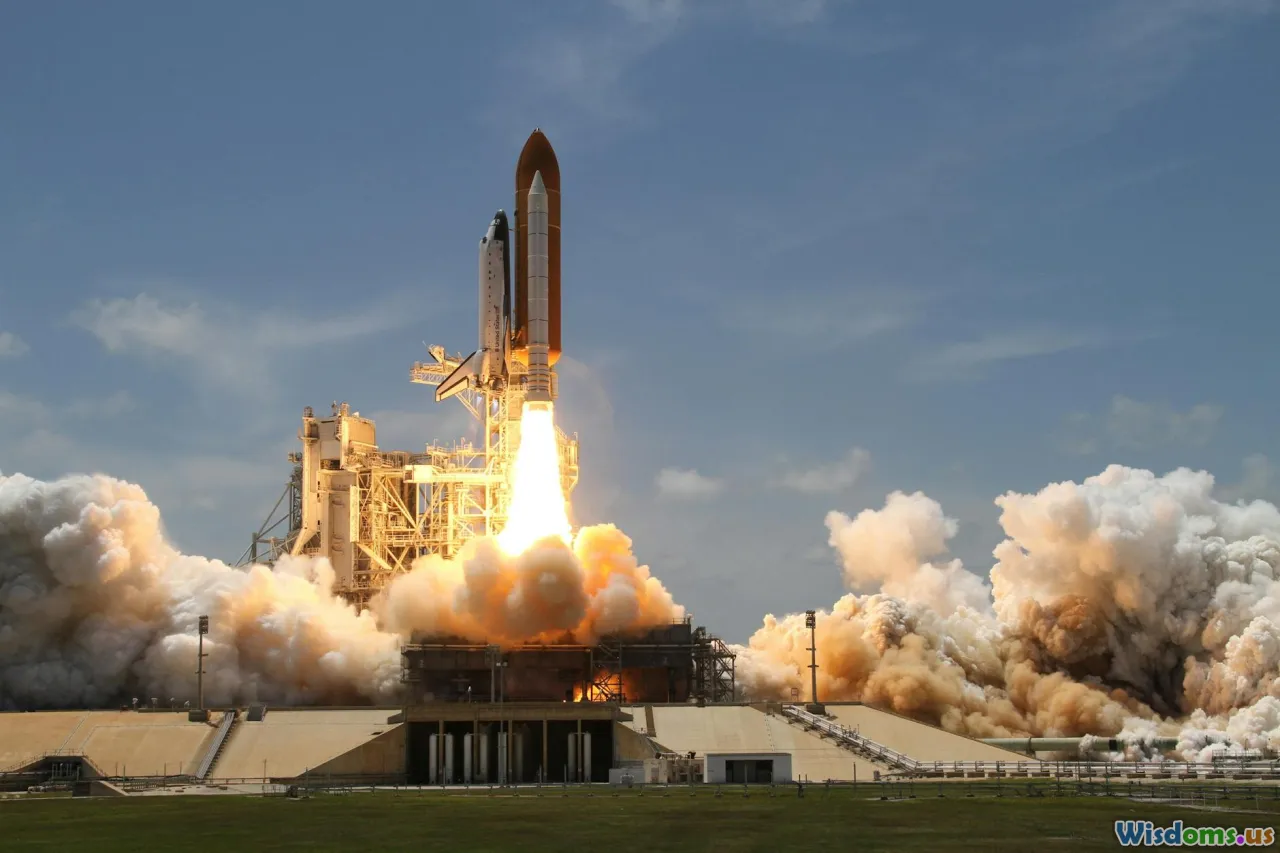
ISRO’s aspirations for Mars exploration were a natural evolution from its earlier lunar mission, Chandrayaan-1. The Moon mission’s success instilled technical confidence, but Mars was a far more daunting prospect—both in cost and complexity.
By early 2012, strategic meetings at ISRO’s headquarters in Bengaluru concluded that Mars was not only achievable but also necessary. The science community pushed for answering unresolved questions about Martian atmosphere, surface chemistry, and, most provocatively, the presence of methane—a potential biomarker. Centrally, the idea of the Mars Orbiter Mission (MOM), unofficially known as ‘Mangalyaan,’ was born. This step marked not just an expansion from the Moon, but a leap toward interplanetary exploration at an unprecedented budget—just $74 million, a fraction of what previous Martian missions cost.
Meticulous Mission Planning: Dreaming Under Constraints
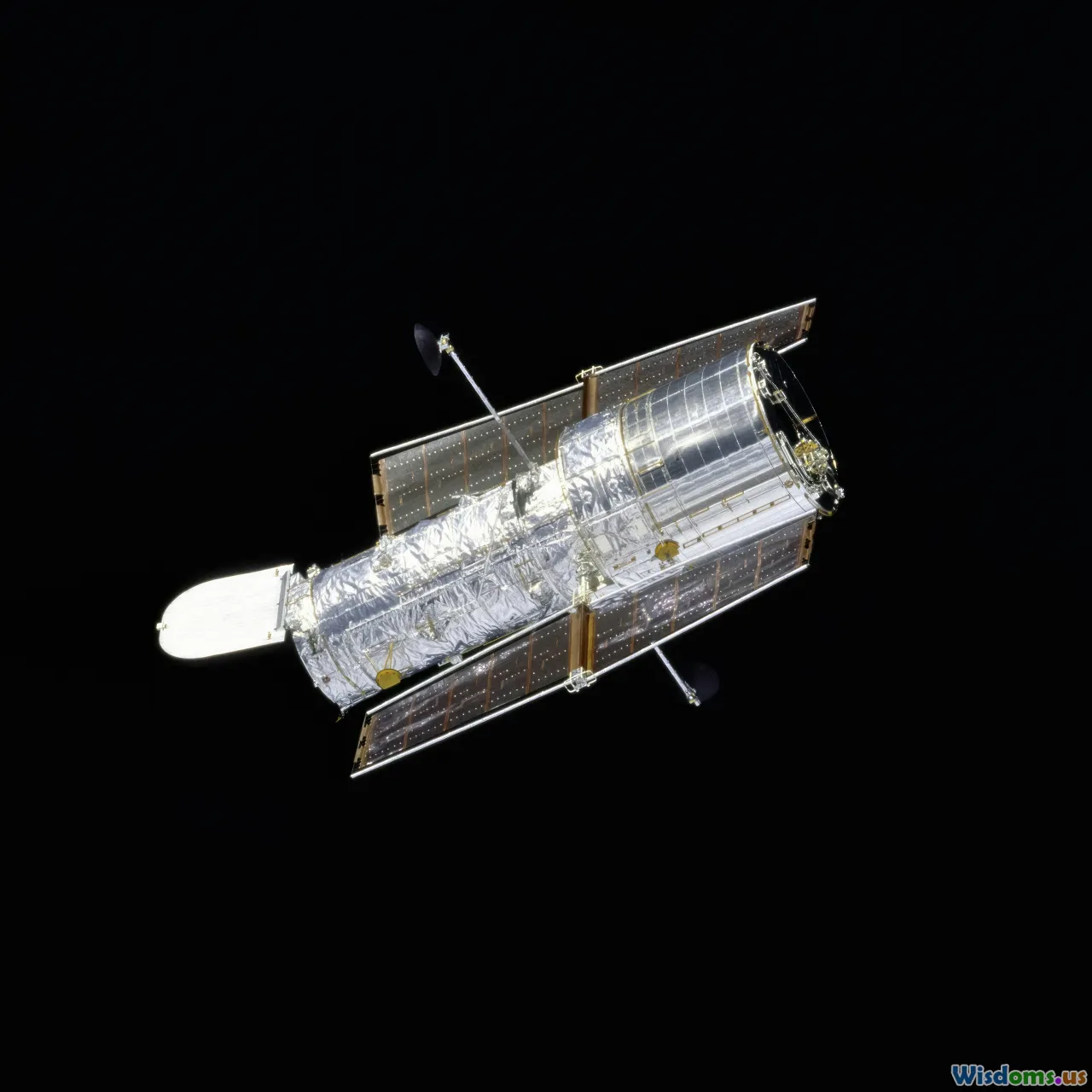
Translating the vision of Martian outreach into tangible blueprints required creative problem-solving. ISRO faced several unique limitations:
- Weight restrictions: With no indigenous launch vehicle capable of directly sending payloads to Mars, the mission had to be incredibly lightweight.
- Limited deep-space experience: Navigation, communication, and autonomy were all new challenges.
- Time pressure: The optimal Mars launch window occurs roughly every 26 months, compelling the team to design, test, and build the spacecraft in just 15 months—a record in global space exploration.
ISRO engineers responded with three guiding principles:
- Modularity: Reusing tested Chandrayaan-1 subsystems where possible.
- Design to cost: Reducing complexity even if it meant higher risk—like using the less-powerful PSLV-XL rocket instead of waiting for the yet-untested GSLV.
- Minimal redundancy: Wherever reliability allowed, duplicate components were avoided to save weight and cost.
A compact, 15 kg science payload was developed, comprising five distinct instruments to study surface, atmosphere, and Mars’ elusive methane.
The Race to Readiness: Building ‘Mangalyaan’
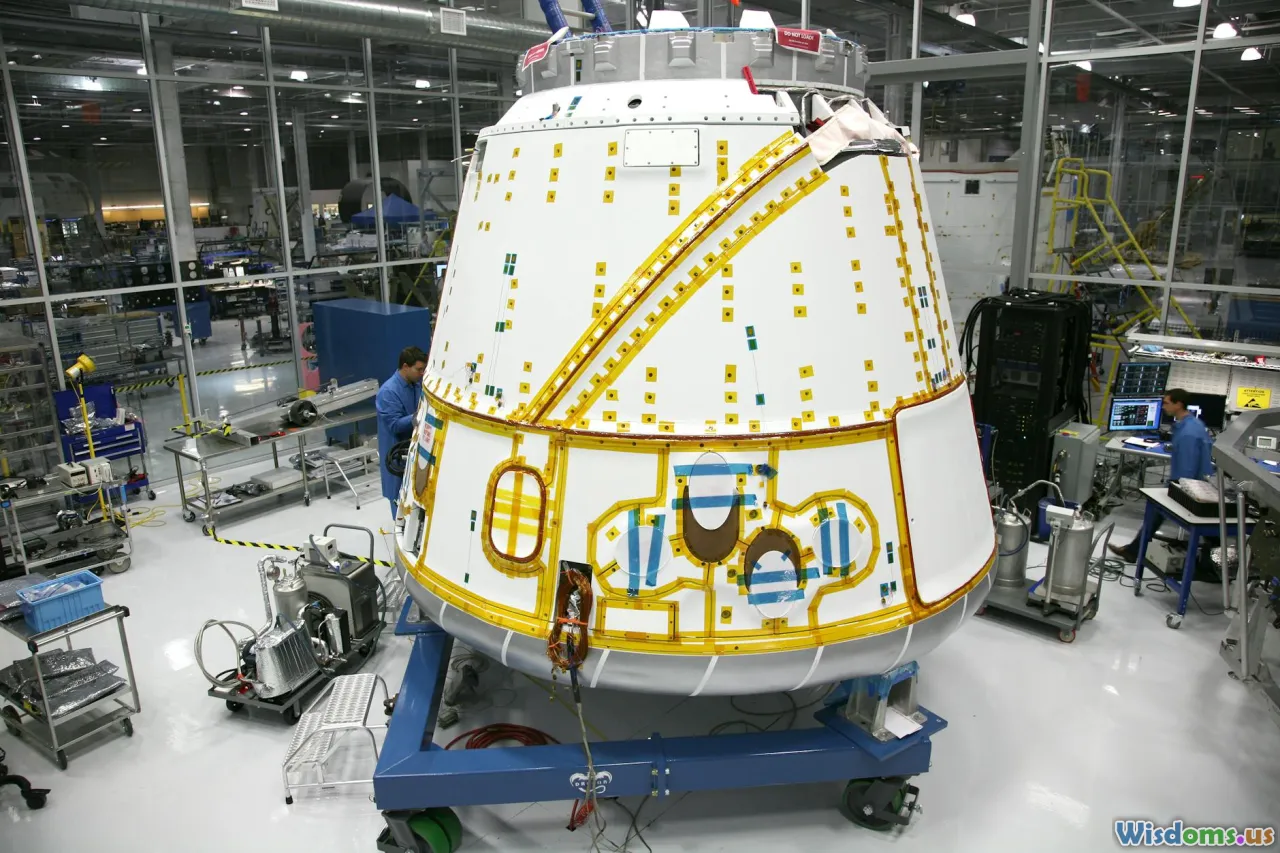
Between March 2012 and September 2013, around-the-clock efforts at ISRO centers turned designs into reality. Some highlights:
- Propulsion innovation: A bespoke Liquid Apogee Motor was adapted to power multiple burns for Earth orbit raising and Mars orbit insertion—a single engine, never designed for such dual use, became a linchpin.
- Compact hermetically-sealed body: Engineers tightly packed electronics, batteries, fuel tanks, and science payload into a cubic platform just 1.5 meters across—smaller than most Mars spacecraft.
- Testing challenges: ISRO rapidly established interplanetary simulation protocols. Mock-ups ran through hundreds of cycles of thermal, vacuum, and vibration endurance.
For ISRO, these 18 months represented a balancing act: traditional caution on one hand, and innovation under necessity on the other. Each engineering review involved rapid but robust decision-making—sometimes bypassing bureaucracy in favor of a “fail-fast, fix-fast” approach.
The Launch: A Precision Liftoff
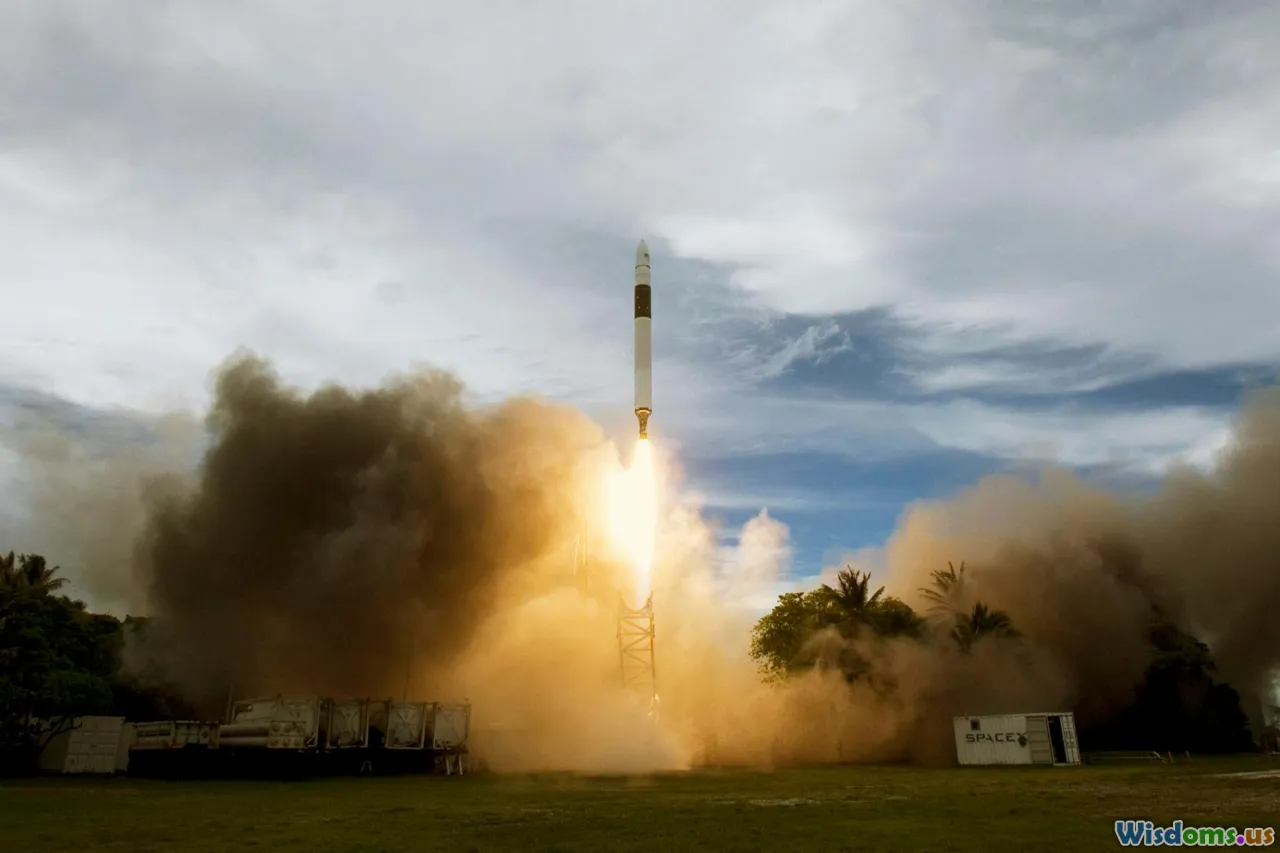
On November 5, 2013, as millions tuned in across India, PSLV-C25 roared from the Satish Dhawan Space Centre. Unlike heavier American or Russian launchers, PSLV's modest power dictated that spacecraft would be first placed in an elliptical orbit around Earth—requiring a series of six rigorous engine burns (translunar insertion maneuvers) to build up speed and trajectory for interplanetary escape.
One particular challenge was the engine restart reliability needed for those burns, especially as previous PSLV stages weren’t designed for mid-mission reignition. Real-time telemetry and the team’s intimate subsystem knowledge ensured every burn adjusted accurately for the next. Within a month, Mangalyaan escaped Earth's gravity, responding perfectly to commands—a technical marvel applauded by veterans at NASA and ESA.
Interplanetary Cruise: Battling the Unknown
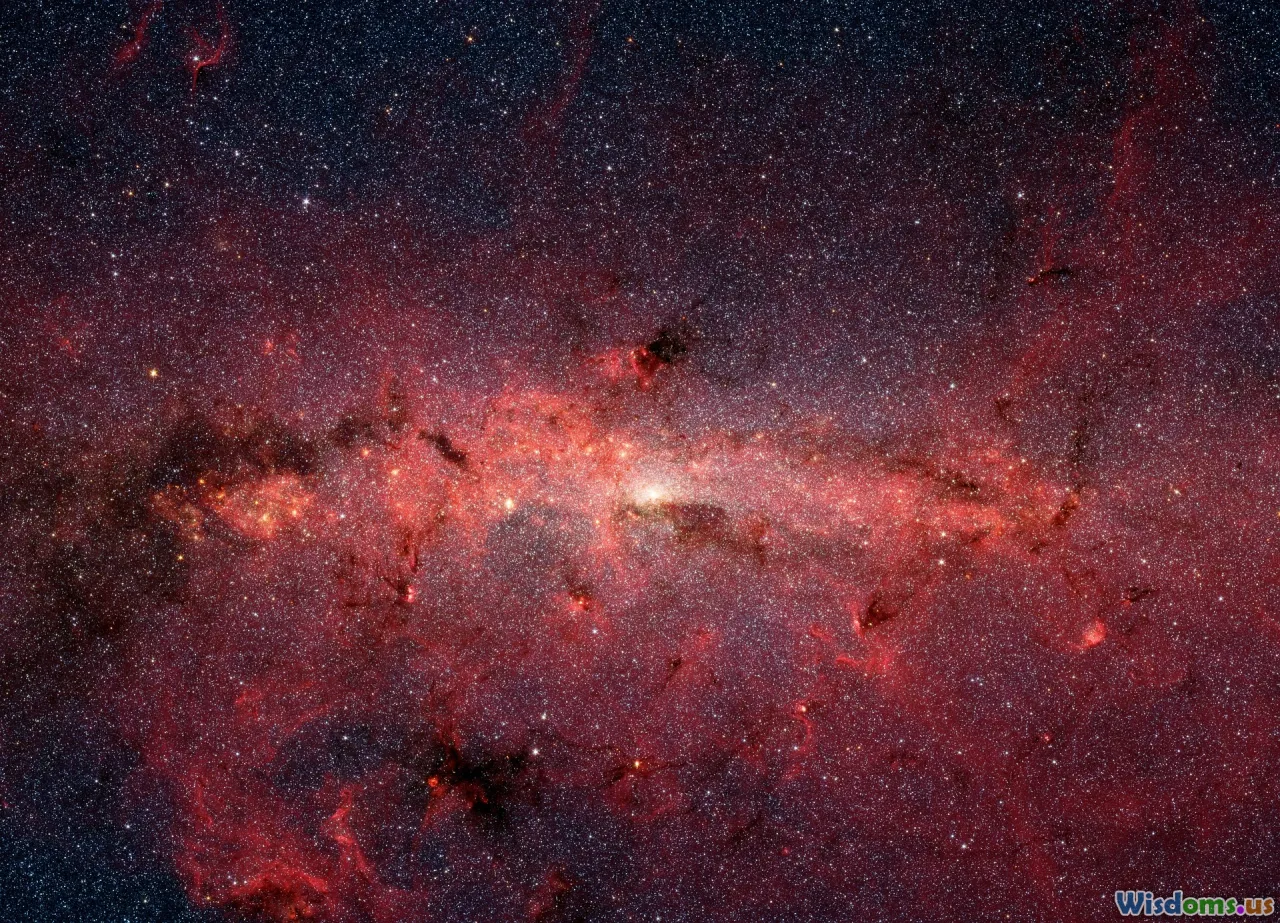
Soon after trans-Mars injection, Mangalyaan began a 300-day cruise—about 650 million km across the solar system. Unlike geo-stationary satellites, deep-space probes face high-latency communications, thermal extremes, and radiation storms. Key anecdotes from this phase:
- Solar array adaptations: Engineers reoriented panels often to maximize power as solar exposure varied sharply throughout the trajectory.
- Fault detection routines: Onboard computers learned to autonomously resolve routine glitches, including solar sensor jitters and processor resets.
- Mid-course corrections: A careful thrust maneuver performed in December 2013 addressed minor ‘trajectory errors,’ keeping Mangalyaan locked on course.
ISRO shared weekly status bulletins, providing unprecedented mission transparency—instilling national pride and fostering STEM interest that would inspire a generation of Indian students.
Nailing Mars Orbit Insertion: Moment of Truth
Orbit insertion is a make-or-break maneuver. On September 24, 2014, as Mangalyaan closed within 500 km of Mars, her single main engine was commanded to fire—slowing down the craft just enough to be captured by Martian gravity and settle into an elliptical orbit. Several real-world perils loomed:
- ISRO had only a single shot. If the engine failed to ignite after 10 months dormant, the mission would be lost forever.
- A hasty, imprecise burn would sling the probe off into deep space, or crash it into Mars’ surface.
In the annals of space history, few moments matched the tension: and when all seven engines responded, ISRO scientists erupted in collective joy—their maneuver had succeeded flawlessly on the first try. At 07:41 IST, India became the first Asian nation to reach Martian orbit, and the first in the world to do so on its maiden attempt.
Scientific Success: A Flood of Martian Data
From orbit, Mangalyaan began years of scientific operations using its suite of instruments. Highlights of discoveries and contributions include:
- Methane assessment: The Methane Sensor for Mars (MSM) conducted thousands of passes, finding only upper limits for methane in the southern hemisphere. While initial null results ruled out large sources, the ongoing search helped calibrate global methane maps alongside NASA’s Curiosity rover.
- Full-disk Mars imaging: India's Mars Colour Camera delivered unprecedented full-globe images during every three-day orbit. The surface features—Olympus Mons' caldera, Valles Marineris' chasms, polar cap changes—dazzled scientists and the public investment alike.
- Exosphere profiling: MOM’s Mass Spectrometer offered new insights into Mars’ tenuous upper atmosphere, important for long-term human exploration.
Additionally, the probe outlasted its expected lifespan significantly, continuing to return data and helping ISRO fine-tune deep-space protocols.
Global Impact and Recognition

ISRO’s Mars success earned celebration far beyond India's borders. The cost-effectiveness—at just $0.10 per Indian citizen—sparked widespread discussion about frugal innovation in emerging space programs. Notably:
- NASA collaboration: MOM worked in tandem with NASA’s MAVEN orbiter, exchanging cross-calibration data sets and operating period schedules to maximize observation value.
- Global soft power: India’s achievement inspired announcements of Martian programs from other developing nations, including UAE and China, fueling a new era of ‘democratized space exploration.’
- Public engagement: International science media, including Nature, Science, and The New York Times, featured MOM, with the now-iconic turquoise-and-red images of Mars beaming out to the world.
The profound sense of pride and aspiration spurred enrollment in Indian science and engineering programs—creating lasting societal dividends far beyond Mars itself.
Lessons and Innovations: How ISRO Redefined Mars Exploration
ISRO’s Martian journey highlighted valuable frameworks for high-stakes projects across sectors. The key learnings include:
-
Embrace Constraints: Rather than lament tight resources, ISRO’s design-to-cost strategy forced breakthrough thinking, such as reconfiguring existing hardware for radical new roles.
-
Rapid Prototyping, Fast Failure: Aggressive timelines kept teams nimble and solutions practical. Decision-makers prioritized functional momentum, reducing bureaucratic drag.
-
Global Partnerships: By openly publishing mission data and coordinating observations, ISRO multiplied its scientific returns while establishing international credibility.
-
Focus on Communication: Compelling engagement through weekly public briefings, social media, and even school visits amplified MOM’s impact, embedding its legacy into India’s scientific fabric.
This combination of ‘jugaad’ (resourceful improvisation) and rigor is now cited as a blueprint for space programs globally, particularly among countries entering interplanetary exploration for the first time.
What’s Next: Toward Mars 2.0 and Beyond
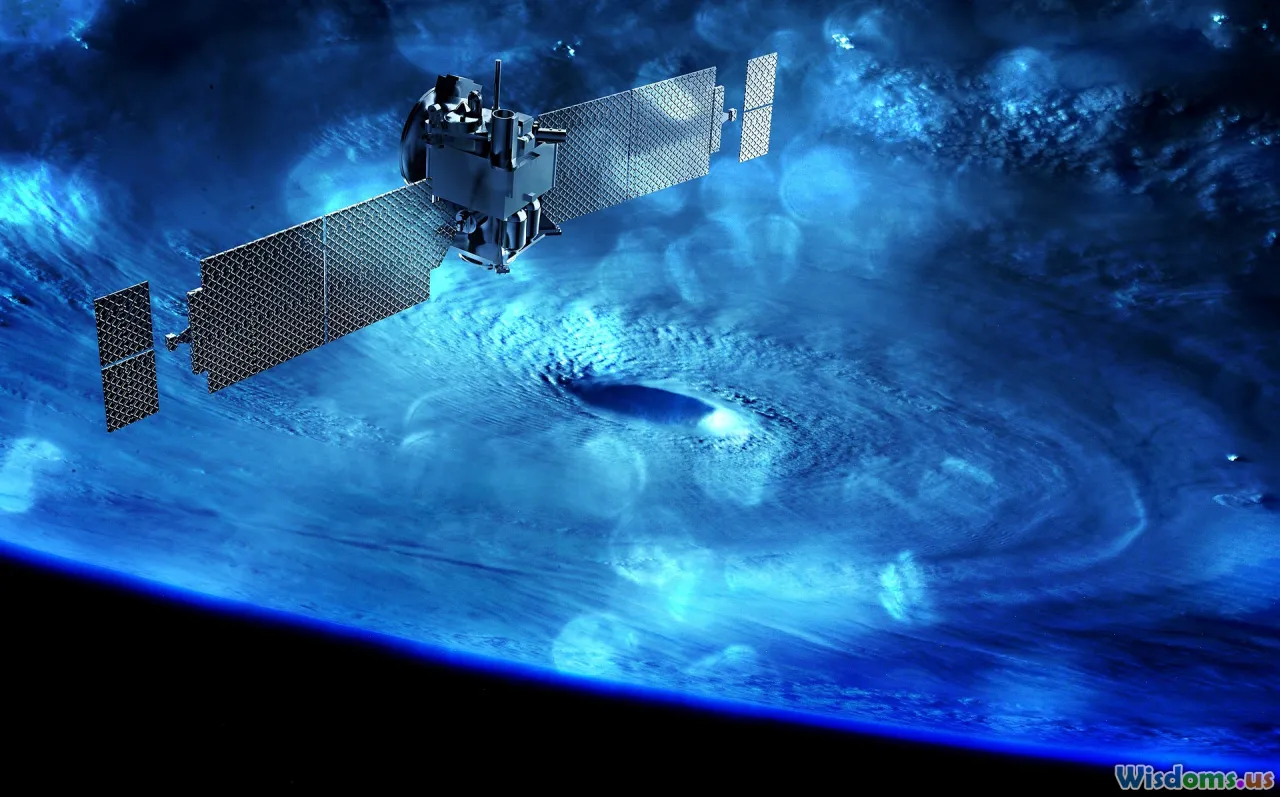
Nourished by MOM's success, ISRO has ambitious plans for deeper Martian engagement. The proposed Mars Orbiter Mission-2 (MOM-2) aims to orbit with a much heavier spacecraft, delivering landers and possibly rovers. In addition to more advanced instruments, the agency aspires to:
- Pioneer in-situ surface chemistry analysis.
- Deploy seismic sensors for Martian quakes.
- Test innovations like insitu resource utilization, critical for future human Mars bases.
India’s private sector and academic bests have joined the “Mars Club,” collaborating in both payload development and mission analysis. Partnerships with ESA and JAXA are rumored—strengthening ISRO’s standing as a global Mars player for 2030 and beyond.
--
ISRO’s journey to Mars was about more than planetary exploration—it was a story of creative problem-solving, teamwork, and the audacious spirit of possibility. By successfully scripting a frugal, first-attempt interplanetary adventure, India has not only unlocked the Red Planet’s secrets, but also set a standard for pragmatic innovation the world over.
Rate the Post
User Reviews
Other posts in Space Exploration






Popular Posts