Roscosmos Spacecraft Design Innovations Few Know About
9 min read Explore Roscosmos' lesser-known spacecraft design innovations revolutionizing space exploration and engineering. (0 Reviews)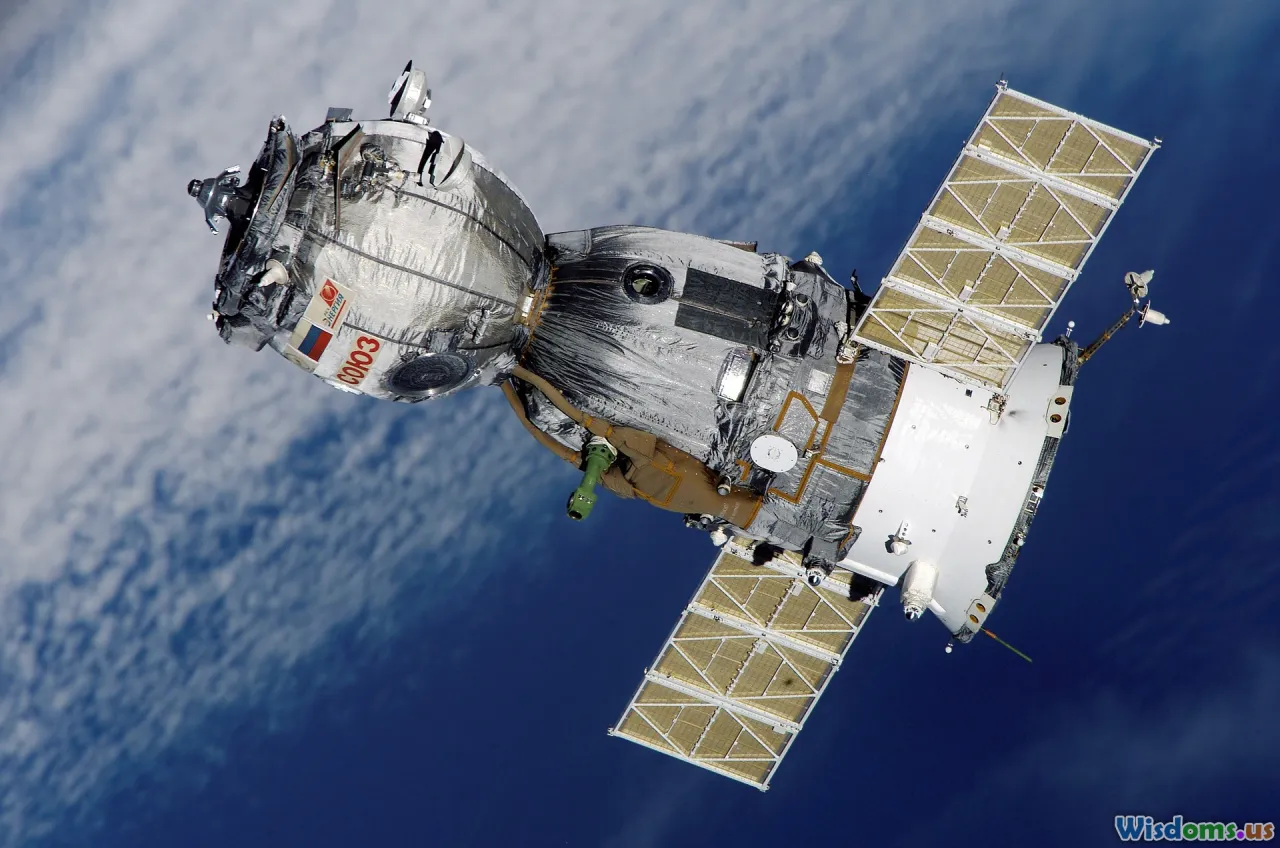
Roscosmos Spacecraft Design Innovations Few Know About
Spacecraft design is often synonymous with the avant-garde feats achieved by global giants like NASA and SpaceX. Yet, Roscosmos—the Russian state corporation responsible for space flights and spacecraft—has quietly revolutionized multiple facets of spacecraft engineering. Many innovations pioneered or refined by Roscosmos remain largely underappreciated outside specialist circles despite their tremendous impact. This article unveils a detailed exploration of some of these ingenious spacecraft design advances that few know about but which continue to propel Russia’s space capabilities forward.
Introduction: Why Roscosmos’ Design Approach Matters
Roscosmos, inheriting decades of Soviet aerospace mastery combined with modern engineering, has continually adapted spacecraft designs to balance reliability, affordability, and innovation. While Russia’s historic achievements like the Soyuz spacecraft and the Mir space station are pillars of space exploration history, the subtle and newer innovations embedded within these legacy and contemporary programs merit deeper attention.
This article takes you beyond the headlines—like crewed flight and space records—to reveal how Roscosmos integrates: novel materials, modular design paradigms, automation systems, and adaptability that collectively enhance mission success and expand future possibilities.
Pioneering Use of Composite Materials and Thermal Protection Techniques
Historically, Soviet and Russian spacecraft utilized metallic alloys that, while durable, imposed weight penalties. Recently, Roscosmos engineers have engaged cutting-edge composite materials and harboring unique approaches to thermal protection.
Lightweight Composite Structures
To improve payload efficiency, the Russian aerospace sector increasingly incorporates carbon-fiber-reinforced polymers (CFRP) and titanium-aluminum alloys. These composites reduce weight significantly compared to traditional high-strength aluminum. For example, the new-generation Orel (previously Federation) spacecraft employs advanced composites in its airframe, reducing mass without compromising structural integrity.
The benefits extend beyond fuel savings—they allow more scientific equipment or life-support resources onboard, enhancing mission robustness.
Innovative Thermal Shielding
Thermal regulation is vital as spacecraft endure severe temperature shifts entering and exiting atmospheres. Roscosmos has developed multilayer thermal blankets with embedded micro-mesh structures that better reflect infrared radiation yet retain materials’ flexibility. These designs, integrated in Progress-MS cargo spacecraft, improve protection during orbital operations and reentry.
Modular Architectural Design: Flexibility Through Standardization
One of Roscosmos’ key spacecraft design philosophies is modularity—breaking the craft into standardized, interchangeable segments. This philosophy appears prominently in designs such as the modular Soyuz MS spacecraft and prospective lunar lander concepts.
Standardized Interface Systems
Instead of crafting unique connectors or systems for every mission, Roscosmos uses universal docking and power interfaces across spacecraft variants. This reduces manufacturing complexity while enabling rapid assembly and repair. For instance, the Soyuz MS utilizes a uniform manual docking system that astronauts can operate efficiently during space station visits.
Interchangeable Mission Modules
Roscosmos has swung towards mission-specific modules that attach to a common core. Cargo, crew, or scientific modules can be swapped according to mission needs without redesigning the complete vehicle. This adaptability was demonstrated in the Progress spacecraft series, which serves cargo resupply with tabbed containers tailored for various payloads.
Breaking spacecraft into modular components also aids mission scalability and makes updating technology less disruptive, a significant advantage in cost and time savings.
Autonomous Systems and Advanced Navigation Innovations
While automation is a worldwide trend in spacecraft, Roscosmos has integrated uniquely tailored autonomous systems to suit the operational demands of their missions, especially uncrewed cargo resupply and rendezvous operations.
Autonomous Rendezvous and Docking (AR&D) Technology
First unveiled during Progress missions, Roscosmos’ AR&D systems have grown increasingly sophisticated. Utilizing radar, laser rangefinding, and computer vision, these systems allow spacecraft to perform approach and docking maneuvers with Russian space stations (e.g., ISS) largely independently, minimizing human error and maximizing precision.
The Soyuz and Progress MS upgrades have been highlighted in Roscosmos press releases due to their ability to complete docking even under partial system failures, showcasing stark reliability advancements.
AI Integration for Fault Detection
Emerging research within Roscosmos aims to implement onboard artificial intelligence capable of real-time anomaly detection. By continuously monitoring subsystem health and predicting possible failures before they occur, crew safety and mission warranties can increase dramatically.
The Russian space agency’s collaboration with domestic AI startups underscores a forward-looking trajectory where spacecraft might self-correct or autonomously seek help during emergencies.
Enhanced Crew Safety Through Ergonomic and Redundant Systems
Roscosmos’ legacy and innovation do not neglect astronaut welfare. Despite operating often with tighter budgets than counterparts, Russian spacecraft integrate comprehensive safety measures.
Enhanced Life Support System Redundancies
The Soyuz MS and Orel capsules incorporate multiple safety redundancies in life-support—air filtration, carbon dioxide scrubbing, oxygen supply, and thermal control systems.
Importantly, Roscosmos engineers design systems to function under partial subsystem failures, statistically proven across dozens of missions, reducing rescue operation needs.
Ergonomics Optimized for Extended Missions
Unlike the early Soviet crews exposed to cramped interiors, recent spacecraft have improved interior layouts to reduce crew fatigue and maximize operational capacity. Adjustable seating tailored for diverse body types and easily accessible control panels augment crew comfort, a change described by cosmonauts as transformational for endurance.
Environmental Sustainability in Spacecraft Operations
Environmental concerns extend even beyond Earth in contemporary aerospace engineering. Roscosmos has embraced sustainability, especially in managing spacecraft lifecycle impacts.
Refuelable Upper Stages and Orbital Assets
To mitigate expensive and environmentally damaging debris, Russia plans to employ refuelable components on future spacecraft and orbital modules, enabling longer usage and fewer launches. This approach aligns with the recent additions to the Progress advancement, where fuel transfers support station orbit corrections, optimizing mission recycling.
Use of Eco-Friendly Propellants
Roscosmos explores transitions from toxic hypergolic fuels traditionally used in Russian spacecraft to less environmentally hazardous propellants. This strategy aims to minimize ground handling risks and reduce contamination in launch or disposal phases.
Conclusion: The Quiet Vanguard of Spacecraft Innovation
Roscosmos remains a powerhouse quietly advancing functional spacecraft design that balances tradition with innovation. From pioneering composites and modular architectures to autonomous operations and crew safety enhancements, these innovations reaffirm Russia’s vital role in the evolving interstellar arena.
Understanding these lesser-known design achievements equips us to fully appreciate the nuanced and pragmatic approaches driving current and future missions. For enthusiasts, engineers, and futurists alike, Roscosmos’ hidden innovations serve as a powerful testament to resourceful engineering that might otherwise escape the spotlight.
Aspiring space advocates and practitioners can draw inspiration and lessons from Roscosmos’ strategies, signaling collaborative potential and innovative pathways beyond front-page space race narratives.
With ambitious projects like the Orel manned spacecraft and lunar mission cooperation plans, Roscosmos’ blend of resilient design and progressive innovation promises to shape the coming decades of human space exploration.
“Innovation is often found not where one expects a revolution, but where practical evolution meets necessity.” — Engineering ethos evident in Roscosmos spacecraft design.
Rate the Post
User Reviews
Other posts in Space Missions & Space Agencies




Popular Posts