Rainforest Nights Sleeping Dry When Everything Is Soaked
29 min read Pro strategies, gear, and setups to stay dry overnight in soaked tropical rainforests—covering site selection, tarp geometry, hammock systems, moisture control, and bug barriers for safe, comfortable sleep. (0 Reviews)
The first time you try to sleep in a rainforest during a hard, all-night deluge, it feels like pitching camp inside a car wash. The rain isn’t a single element—it’s a system. Water falls from above, sheets across leaves and branches, drips at a delay, mists sideways on wind gusts, condenses on cold surfaces, wicks along ropes, and rises as ground fog. You can be five meters under a thick canopy and still get soaked by midnight. And yet people sleep dry here, night after night. The secret isn’t one magical piece of gear; it’s a collection of small, disciplined choices that together create a dry microclimate in a wet world.
Below is a field-tested approach to sleeping dry in the rainforest when everything is soaked—built around site selection, shelter geometry, moisture management, and nightly routines that keep your sleep system sacredly dry.
Understand the Rainforest Moisture Problem

Rainforests are defined not just by rain volume but by humidity. In many equatorial and temperate rainforests, overnight relative humidity hovers between 85–100%. In the Amazon’s wet season, for example, you can get multiple storms a day and nightly leaf-drip for hours afterward; Borneo commonly sees 2,500–5,000 mm of annual rainfall, and even on “dry” nights, fog and dew settle like a second rain. Temperate rainforests such as Washington’s Hoh Valley receive more than 3,500 mm (140 inches) a year and breed persistent mist.
Why this matters: at high humidity, your sweat and breath don’t evaporate well. Warm, moist air touching a cooler surface reaches its dew point and condenses inside tents, on sleeping bags, and against tarps. The more you “seal” your shelter for rain protection, the more you trap your own moisture. If your insulation gets wet from either direction—outside rain or inside condensation—your heat loss skyrockets. Even at 18–22°C (mid-60s to low-70s °F), prolonged wet skin and wind can move you toward mild hypothermia.
The fix is a mindset: fight liquid water aggressively; manage water vapor intelligently; and build redundant systems because one failure (a blown stake, a leaking seam, a frayed guyline) can soak your entire night.
Choosing the Right Campsite When Everything Drips

Even when it’s all wet, micro-choices matter.
- Elevation and contour: Favor slight rises and well-drained benches over stream-adjacent flats. A hammock lets you camp above ground, but you still want to avoid drainage lines that become overnight rivulets. If you’re on the ground, even a 10–20 cm rise makes a big difference when runoff picks up.
- Overhead canopy: Broad-leaved trees create long-lasting leaf-drip; conifer canopies in temperate rainforests catch mist but sometimes channel heavier drips at trunk lines. Place your shelter under healthy, interlaced canopy but not directly under the largest drip lines or dead branches (widowmakers). After a storm stops, leaf-drip can persist for hours—notice where it concentrates.
- Wind and fog: Ridges ventilate better, reducing condensation, but are more exposed to sideways rain. Near streams, fog pools at night and skyrockets condensation. If possible, choose a slightly elevated shelf 30–50 meters from moving water.
- Ground composition: Spongey humus will hold water; dense leaf litter over mineral soil drains better. Avoid depressions—no “bathtubs.”
Example field choice: On a Bornean ridge, skip the scenic knoll with a direct wind fetch. Instead, pick a back-shoulder saddle with mature trees for anchor points, modest airflow, and minimal deadfall risk.
Shelter Systems That Actually Work in the Wet
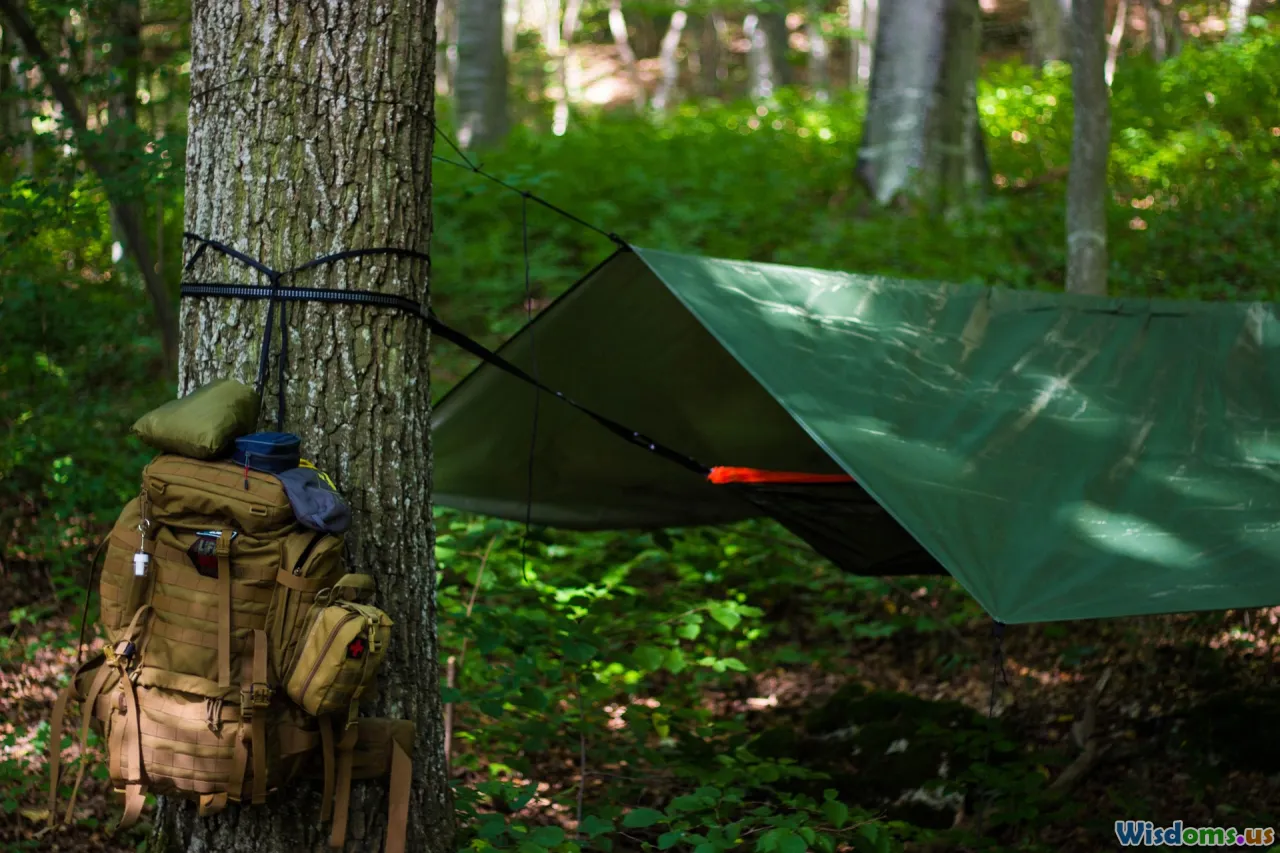
- Hammock + tarp + underquilt: The rainforest classic. You escape the saturated ground, improve airflow, and can site almost anywhere with two healthy trees. Cons: learning curve, underquilt protection from windblown rain, and the need for a net to stop insects.
- Tent (double-wall): Excellent spray protection and bug defense; inner tent prevents mist from wet fly. Cons: ground saturation, splashback, and limited ventilation drive condensation; you must nail site drainage and groundsheeting.
- Tarp + bivy: Ultralight and adaptable. A water-resistant, breathable bivy under a well-pitched tarp can be bomber. Cons: poor if the tarp is too small or pitched high; breathability is challenged near 100% humidity.
- “Jungle hooch” variants: Lean-to tarps with a steep back wall, front awning, and side beaks manage sideways rain well; couple with a raised cot or hammock for best results.
If you’re starting from zero in the rainforest, a hammock system with a large hex or winter-style tarp, integrated bug net, and an underquilt protector is the most forgiving combination.
Tarp Geometry: Pitches That Beat Sideways Rain
Sideways rain defeats pretty pictures. Geometry matters:
- Storm A-frame with beaks/doors: Run a catenary-cut tarp low (ridgeline ~120–140 cm above ground), stake sides close, and close tapered ends with “doors” or overlapping panels. Aim the ridgeline slightly off the prevailing wind to prevent direct gusts through the opening.
- Hex/“winter palace” pitch: Large hex tarps with panel pulls let you create internal volume without opening side gaps. Add detachable doors for squalls.
- Flying-V (for hammocks): One corner high for entry, opposite corner low and tight toward wind. This manages sheeted rain while allowing a small vestibule.
- Diamond pitch: Fast, but vulnerable to crosswind. Works in lighter rain with good site orientation.
- Beaks and side skirts: Clip-on beaks or even improvised ponchos at the ends narrow the wind tunnel and catch leaf-drip.
Splashback is real: in heavy rain, droplets rebound off leaves and the ground in a cone. Keep your sleep area at least 30–50 cm inboard of the tarp edge. If you can see daylight through your side gap in a storm, it’s probably too high.
Mastering Ridgelines, Knots, and Tree Protection

A perfectly shaped tarp with leaky knotwork still funnels water onto you. Focus on three things: secure tension, bark-friendly anchors, and engineered drip breaks.
- Ridgeline: A continuous ridgeline of 1.75 mm UHMWPE (Dyneema) with tree huggers/straps (at least 2.5–3.8 cm wide to protect bark) distributes load and simplifies centering. Use a trucker’s hitch or hardware (LineLocs, Dutch Flyz) for quick, reliable tension.
- Attachment: Soft shackle or carabiner to tree strap, then the line. Adjust with prusik loops on the ridgeline to slide and position tarp ends precisely.
- Drip lines: Water wicks along any line. Install deliberate drip points by tying a short, absorbent cord (cotton shoelace works) or placing a small overhand knot 10–15 cm before the tarp connection. For hammocks, add drip lines on suspension just outside the tarp footprint; a well-placed half hitch around the suspension can redirect rivers of water.
- Knots that shine in the wet: Becket hitch for hammock to strap (simple, unties under load), marlinspike hitch for toggles, klemheist/prusik on slick Dyneema with a higher-friction cord, and a trucker’s hitch variation that you can release with gloves.
Pro tip: Bring a short strip of microfiber cloth or a triangle of chamois. Tie or clip it as a drip sock on the lowest point of a line—then wring it periodically in long storms.
The Ground Game: If You Must Sleep on the Forest Floor
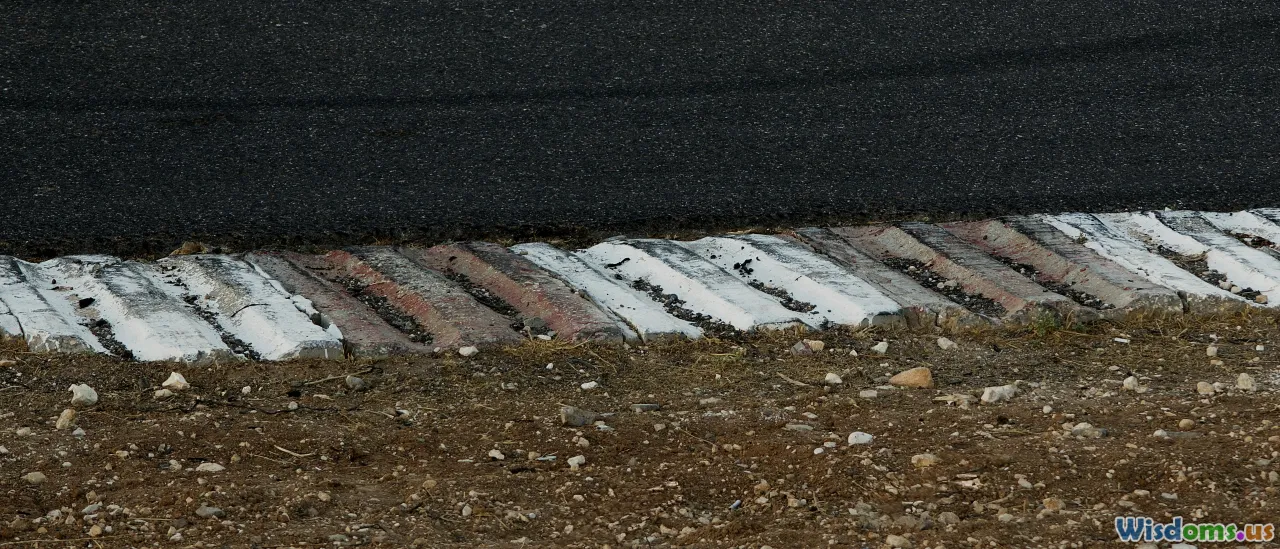
When trees are scarce or you’re with a tent, fight water on three fronts: under, around, and above.
- Under: Use a groundsheet that’s tough and sized slightly smaller than your tent floor to avoid channeling water underneath. Polycro is light; Tyvek is tough and grippy. In sustained rain, a bathtub-style footprint with upturned edges (lowest seam taped or clipped) keeps surface flow out.
- Around: If you see active rivulets, you chose the wrong spot—move rather than trench. In true emergencies, micro-sculpt the site by gently damming pebbles and leaf litter to redirect pinch points, then disperse and restore in the morning. Leave No Trace means avoiding any lasting alteration.
- Above: Pitch the fly low and tight, extend vestibules to prevent splashback, and add side skirts from your poncho or spare groundsheet if wind shifts.
- Thermal break: Closed-cell foam pads (R 2–3+) keep you warm even when everything’s humid. Inflatable pads can feel clammy; a thin CCF topper reduces that and protects from punctures on rooty ground.
Field fix: If the floor is seeping, put your empty pack liner or spare trash compactor bag under your torso area, then your pad on top. It’s a crude, effective second bathtub.
Managing Condensation From the Inside Out

Condensation is not a “maybe”—it’s a guarantee. Your goal is to control where it forms.
- Vent consistently: Crack doors opposite the wind, lift one leeward hem a hand’s width, and avoid sealing all edges unless rain is blasting. Warm, moist exhalations should have a path out.
- Don’t breathe into your bag: Exhaled air is near 100% RH and warm; channel it outside the quilt or through a light, breathable face covering.
- Vapor barrier tricks: In relentless humidity, consider vapor barrier liner (VBL) socks to keep foot sweat out of your bag. For multi-night trips, a thin VBL shirt can preserve down loft, but only if you understand heat management to avoid clamminess. Start the VBL once you’re already warm, not when you’re chilled.
- DWR and fabric choice: Durable water repellent on shells helps shed mist but won’t stop driven rain. Breathable/water-resistant bivy tops can manage drips and spindrift under a tarp, but they need venting.
- Morning moisture management: Shake your quilt or bag vigorously under the tarp, then give it minutes of indirect light or breeze if possible. Even a small solar break at lunch is worth exploiting.
Physical note: At 100% humidity and a slightly cooler tarp wall, condensation is inevitable; aim to keep it off your insulation by spacing, inner mesh in tents, and mindful touch points.
Your Sleep System: Insulation That Still Works Wet
- Down vs synthetic: Modern hydrophobic down resists wetting but still loses loft when saturated. Continuous-filament synthetics like Climashield APEX (e.g., 100–167 g/m² for tropical nights, 200–267 g/m² for cooler elevations) retain more warmth when damp and dry quicker. For rainforest trips, many seasoned travelers choose synthetic quilts.
- Underquilt protector: A lightweight nylon shell slung outside your underquilt blocks wind-driven spray and keeps mud and mist off, preserving loft.
- Pads with hammocks: A wide CCF pad can work in a hammock if you don’t have an underquilt, but expect fiddle factor. For tents, aim for an R-value 2–3+ in warm rainforests; go higher if you’re at altitude.
- Sleepwear: Thin wool or synthetic base layers manage moisture better than cotton and keep oils and sweat off your quilt. Grid fleece (like 100–150 gsm) adds warmth with high breathability.
- Wet-core solution: If you misjudge and your quilt gets damp, put it in a dry bag with a chemical hand warmer for 30–60 minutes before bed to pre-warm and kickstart drying—then protect with strict condensation control.
Clothing Strategy: Dry is a Process, Not a State
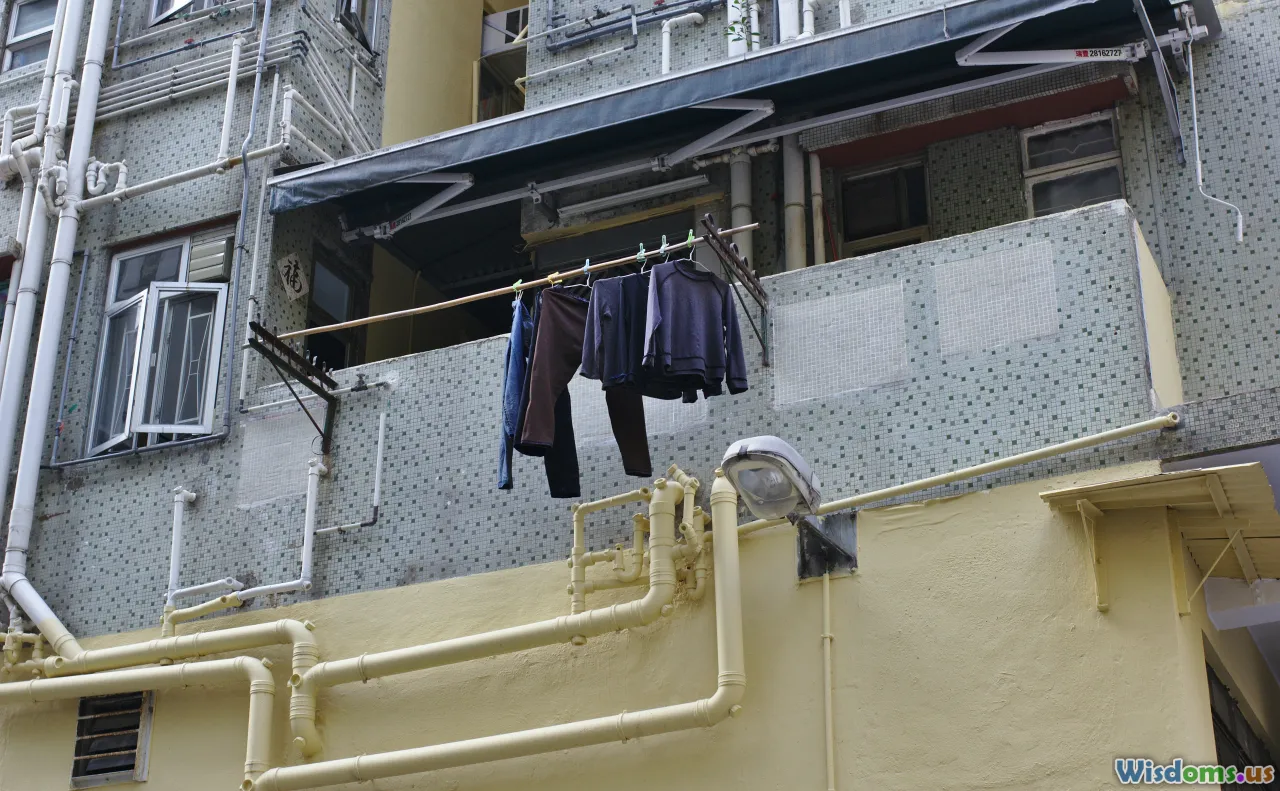
Adopt the “wet set/dry set” rule:
- Wet set: The clothes you hike in. They will get wet and stay wet. Choose quick-dry synthetics or wool; avoid cotton. Ventilate with pit zips and open cuffs to reduce sweat load under rain gear.
- Dry set: A sealed set for sleeping only—lightweight base top and bottom, dry socks, possibly a thin beanie. It never leaves the dry bag until you’re under shelter, and it never leaves the shelter.
Additional tactics:
- Socks: Keep vapor barrier or plastic bags for extreme nights—dry liner sock, then VBL bag, then wet hiking sock outside as a “shell” if necessary.
- Rain gear: In hot, wet conditions, a poncho tarp over a vented windshirt can outperform a non-breathable jacket. If you rely on a jacket, prioritize venting and accept being damp from sweat rather than soaked by rain.
- On-camp drying: Wring vigorously, then roll clothes in a pack towel and twist to pull more water. Hang under the tarp where drips can’t hit, using a thin line and clothespins. Expect “not dry”—aim for “less wet.”
Fire, Stoves, and Steam: Heat Without Soaking Yourself
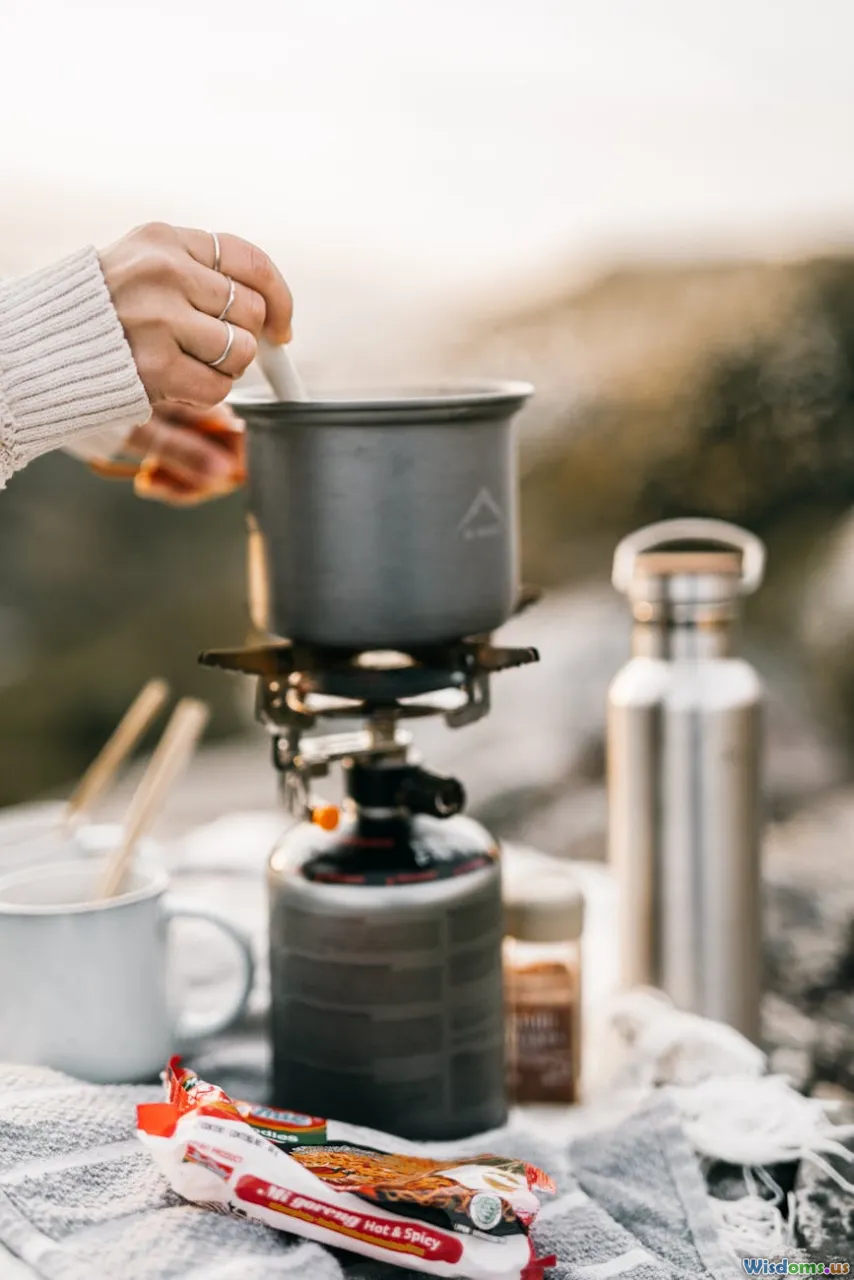
- Fire reality check: In many rainforests, open fires are prohibited or impractical. When allowed and done responsibly, look for dead standing wood, split to reach dry heartwood, build a compact fire with abundant kindling, and use a reflector. Smoke helps with insects, but large fires add steam and can saturate hanging clothes.
- Stoves: In persistent rain, remote canister and liquid-fuel stoves are reliable. Alcohol stoves struggle with long boils in damp air. Wood gasifiers can work with split, very dry wood but produce lots of steam—cook away from your sleep area.
- Hot water bottle: Fill a hard-sided bottle with near-boiling water, slip into a sock, and place at your footbox to dry and warm your quilt’s microclimate. Ensure lid integrity; a leak ruins your night.
- Vent while cooking: Never cook fully sealed under a tarp or tent. Carbon monoxide can accumulate rapidly; keep cross-ventilation and keep flames clear of fabric. Even with ventilation, expect added humidity—cook early, and let the shelter off-gas before sleeping.
Lighting and Night Discipline in the Jungle

- Light management: Warm color temperatures (2700–3500K) and low-intensity modes attract fewer insects than high-output cool white beams. Red light modes are even less attractive to bugs and preserve night vision.
- Entry protocol: Establish a “wet porch” zone at the tarp edge. Strip off wet shell, wring it, and bag it before crossing into the sleeping area. Keep the bug net zipped except for swift entries.
- Gear staging: Use your pack liner as a floor bucket for wet gear. Keep the dry bag with your sleep system sealed until your body is inside the net and on the pad/hammock.
- Hand routine: Dry your hands thoroughly before handling the quilt—oils and moisture wet insulation over time.
Keeping Gear Dry: Bags, Liners, and the 3-Layer Rule
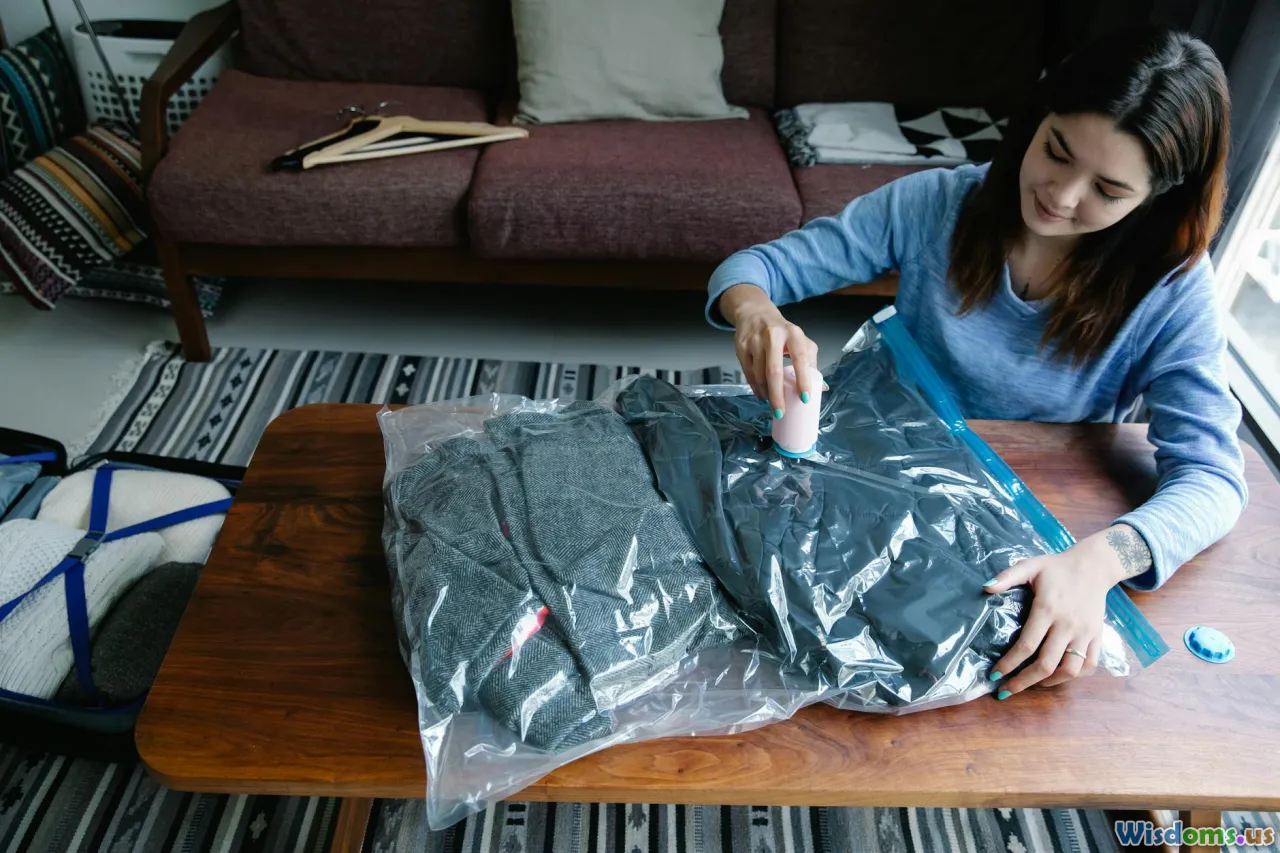
Think of dryness as redundancy, not a single barrier.
- Layer 1: Pack liner. A 2–3 mil trash compactor bag or purpose-made liner (nylofume, heavy-duty) inside the backpack protects against rain that sneaks past zippers and seams.
- Layer 2: Dry bags/pods. Use roll-top dry sacks for sleep system and clothes. Double-bag critical insulation in high-risk conditions (e.g., a lightweight inner bag plus a tougher outer).
- Layer 3: Item packaging. Keep spare socks in a zip-top bag; electronics in a small hard case or dry pouch. Food in odor-resistant bags to reduce animal curiosity.
Other tips:
- Pack covers are not enough alone but help shed sheet rain. Use in combination with a liner.
- Sacrificial towel or bandana near the pack opening to catch drips during rummaging.
- Daily audit: Before breaking camp, repack insulation into its inner dry bag, then into the liner. Wet shells ride outside or in the pack’s front mesh, never in with insulation.
Insect, Leech, and Critter Considerations at Night

- Bugs: Treat nets and clothing with permethrin (follow label). Picaridin or DEET on exposed skin. Ensure the hammock or tent netting has no gaps; tape or clip any suspect points.
- Leeches: In some Asian and Australasian rainforests, leech socks and tucked pant cuffs prevent wake-up surprises. Salt or a quick fingernail flick removes them; don’t tear.
- Ants and rodents: Avoid ant highways (lines on trunks, visible mounds). Hang food; rodents love salty straps—rinse sweat-salted webbing when possible and store off the ground.
Real-World Scenarios: Amazon, Borneo, Olympic Peninsula

- Amazon flood season: You pitch hammocks above flood-stained trunks and expect one or two violent squalls nightly. A large hex tarp with doors, drip lines on both suspension points, and an underquilt protector is non-negotiable. Campsite is a raised bank with strong trees but set back from the river’s fog basin. Sleeping clothes live in a double dry bag until inside the net.
- Borneo ridge trekking: Afternoon storms, then all-night leaf-drip. Favor saddles out of direct wind. Use a storm A-frame with beaks. Expect constant mist—prioritize venting to reduce internal condensation. VBL socks keep foot sweat out of insulation. Insects demand meticulous net discipline.
- Olympic Peninsula coastal rainforest: Cooler nights and massive spruce/hemlock canopy. Double-wall tents shine if you nail drainage and splashback control. Bring a higher R-value pad (R 3–4) and accept that “dry” is relative. Warm white headlamp modes reduce moth swarms; keep entry/exit fast in the drizzle.
Quick Field Checklist Before Lights Out
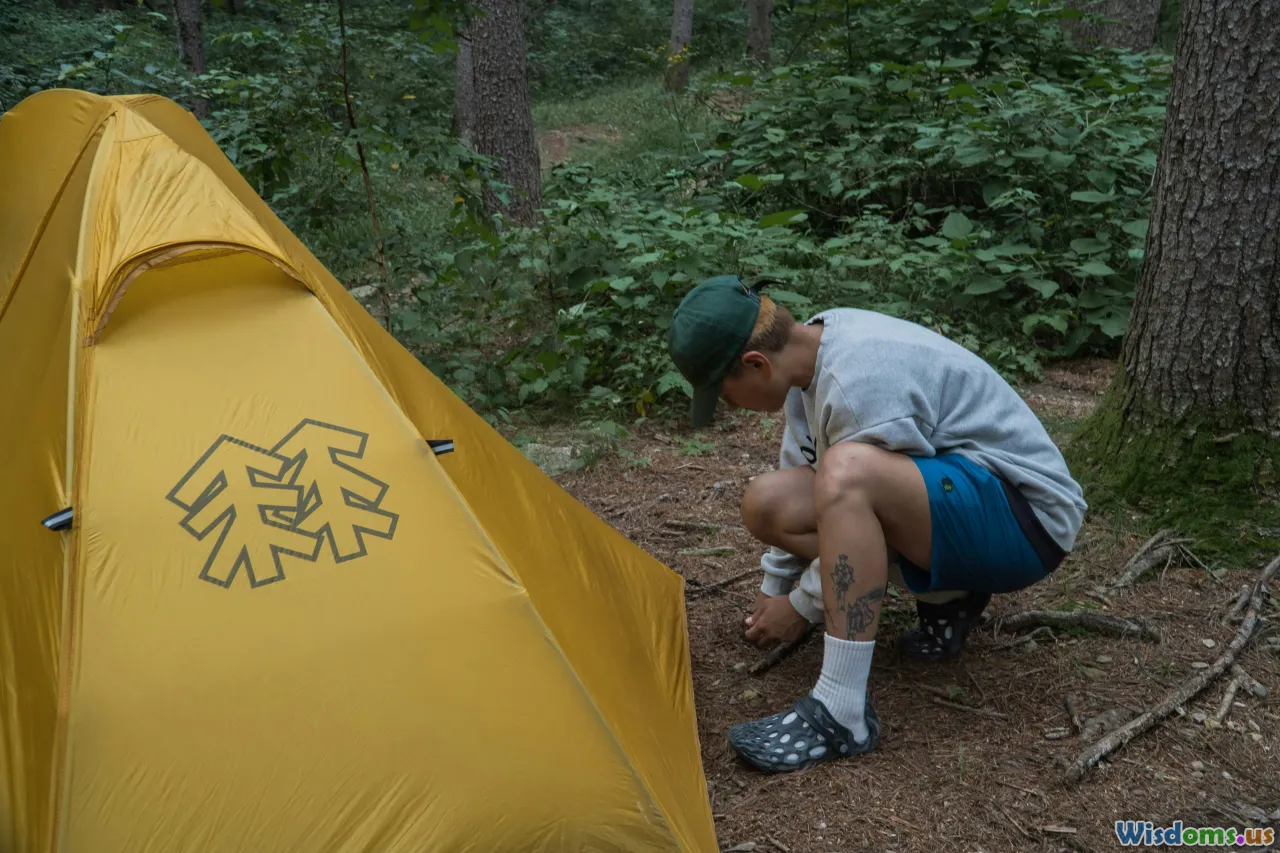
- Re-orient tarp 10–15 degrees if wind shifted; close beaks/doors.
- Re-tension ridgeline and guylines; add or adjust drip lines.
- Verify groundsheet edges are inside tent perimeter; no leaf dams are forming.
- Stage a wet porch zone: shells off, wrung, bagged before entering sleep area.
- Hands and face dry; put on sealed dry set (base layers + socks).
- Hot water bottle made and leak-checked if needed.
- Lights set to low/warm mode; bug net zipped the instant you step in.
- Sleep insulation stays in dry bag until you are physically ready to get under it.
- Backup plan staged: spare cord, two extra stakes, small patch kit, and a micro towel within reach.
Ethics and Impact: Dry Nights Without Damaging a Wet Forest
- Tree protection: Always use wide straps; never screw or nail into trees. Avoid fragile bark species.
- Site choice: Resist trenching and cutting branches. If you must move a deadfall for safety, return it or disperse it naturally.
- Fire: Abide by local regulations. Use established fire sites if present. Keep fires small, fully extinguish, and leave no scar.
- Cultural respect: Many rainforests are homelands. Follow local guidance, seek permission for camping, and support community-led conservation.
Training at Home: Practice Wet Systems Before You Go
- Pitch in a storm: Don’t wait for the trip to discover how your tarp handles sideways rain. Practice low, tight storm pitches and door configurations.
- Knot fluency: Tie a trucker’s hitch and becket hitch with your eyes closed and fingers numb. Practice with wet cord.
- Drip-line test: Run a garden hose on your ridgeline and suspension. Adjust until zero water reaches inside your “sleep zone.”
- DWR refresh: Wash and re-proof shells before the trip. Test in the shower—if water stops beading, re-treat.
- Dry bag audit: Fill with tissue paper and hose down your packed bag. If the tissue is dry, you pass; if not, find the leak now.
When you accept that rainforest nights aren’t about defeating water but about sculpting where it goes, everything changes. You stop chasing perfect dryness and start building a warm, controlled pocket of comfort amid the rain’s many forms. The gear matters, but the rituals matter more: set a smart site, pitch tight geometry, install deliberate drip points, separate wet and dry worlds, and practice until it’s muscle memory. Then, when the sky opens and the leaves drum and water finds every path it can, you’ll slip into your small, ordered space, hear the forest working around you, and fall asleep dry—even when everything else is soaked.
Survival Skills Outdoor Survival Survival in the Jungle Camping & Backpacking Tropical Travel Bushcraft Skills rainforest camping hammock camping tarp pitch site selection stormproofing condensation control dry bag systems groundsheet ridgeline setup bug nets leech prevention vapor barrier drip lines camp hygiene wet season
Rate the Post
User Reviews
Other posts in Survival in the Jungle





Popular Posts