The Truth About Battery Recycling in Modern Automobiles
26 min read Unpacks how modern car batteries are collected, processed, and reused, separating facts from myths, with clear examples of lithium-ion and lead-acid recycling, regulations, costs, and environmental impacts. (0 Reviews)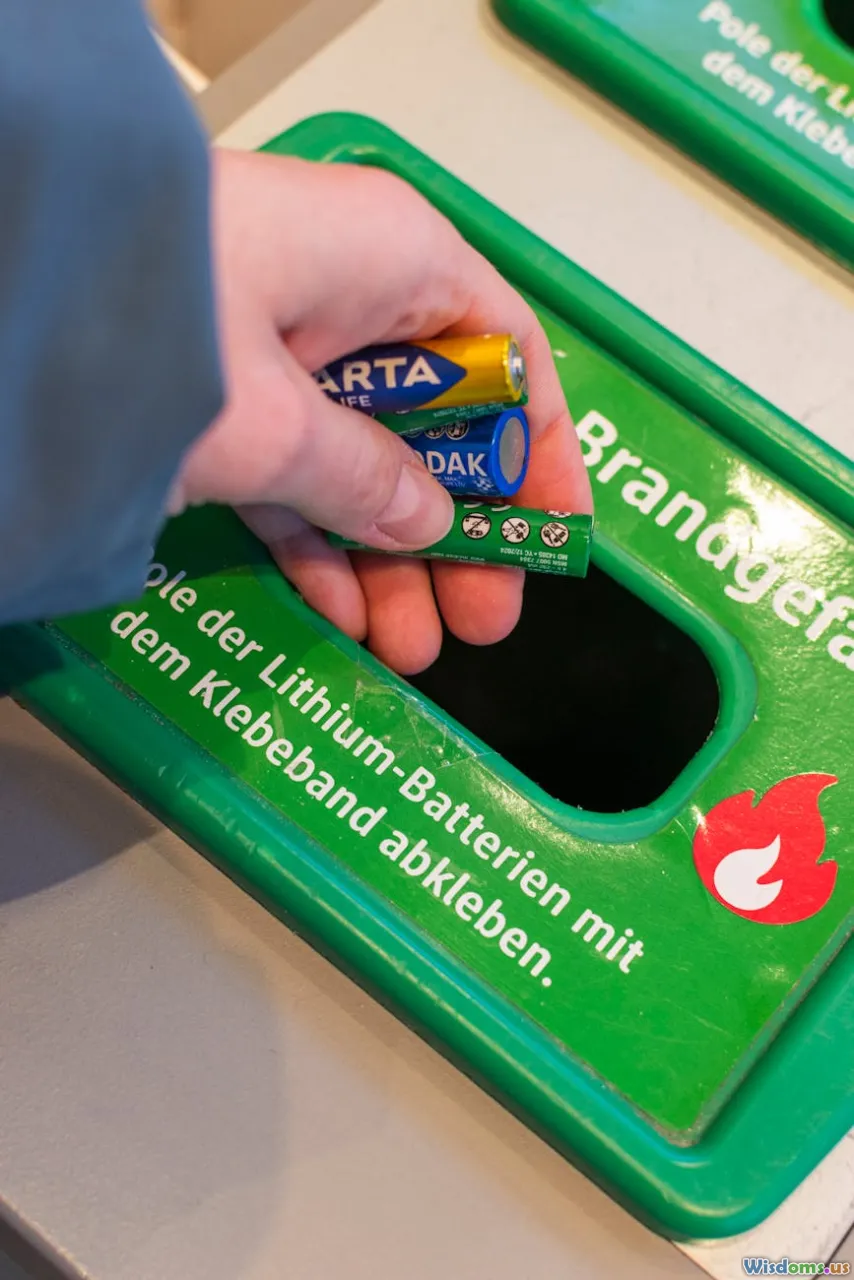
The internet is full of hot takes about electric vehicles, cobalt mines, and batteries “piling up in landfills.” The truth is more nuanced—and more encouraging. Modern automobiles use several kinds of batteries, each with different recycling realities. Lead‑acid starter batteries already flow through a mature, closed‑loop system. Lithium‑ion traction batteries are newer, bigger, and more complex, but a rapidly scaling ecosystem is learning to reclaim their materials efficiently and responsibly. If you’re wondering what actually happens to car batteries at the end of their road life—and how that affects costs, climate, and safety—this guide separates signal from noise with examples, practical steps, and a clear-eyed look at what comes next.
What “modern automobile” batteries actually are
“Car battery” used to mean the 12‑volt lead‑acid unit under the hood. Today it may mean any of the following:
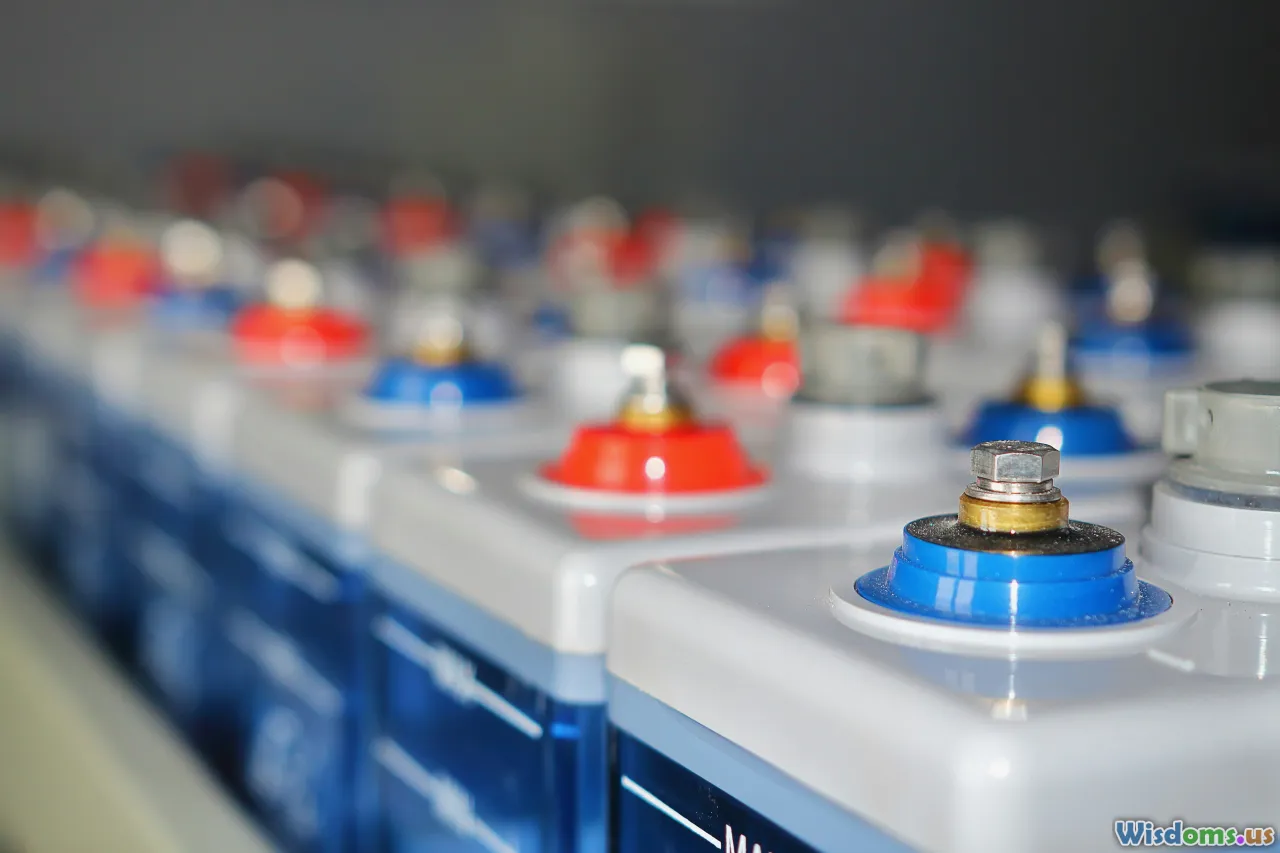
- A 12‑volt lead‑acid starter battery in internal combustion engine (ICE) cars and many hybrids/EVs
- A 48‑volt lithium-ion or lead‑acid pack in mild hybrids
- A high‑voltage traction battery in hybrids (often nickel‑metal hydride, or NiMH) or in battery electric vehicles (BEVs, typically lithium‑ion)
The chemistry matters because it dictates how—and how well—we can recycle the pack.
- Lead‑acid: Old-school but incredibly circular. The case, lead plates, and electrolyte can be almost entirely reprocessed into new batteries.
- NiMH: Used extensively in early Toyota hybrids. Nickel and rare earths (like lanthanum) are recoverable via high-temperature and chemical processes.
- Lithium‑ion: In EVs and many modern hybrids. Common cathodes include NMC (nickel-manganese-cobalt), NCA (nickel-cobalt-aluminum), and LFP (lithium iron phosphate). Anodes are typically graphite (sometimes silicon-enhanced). Current collectors are copper (anode side) and aluminum (cathode side), all recyclable.
Concrete example: a 75 kWh BEV pack may weigh 350–500 kg and contain meaningful quantities of copper, aluminum, graphite, lithium, nickel, and (depending on chemistry) cobalt and manganese. While lithium’s mass share is modest, its recovery matters for supply security. For cobalt- and nickel-rich chemistries, the metal value is a major recycling driver today. LFP has less immediate metal value but is gaining in recycling innovation, especially to recapture lithium and phosphorus for new cathode material.
The state of recycling today: what gets recycled and what doesn’t
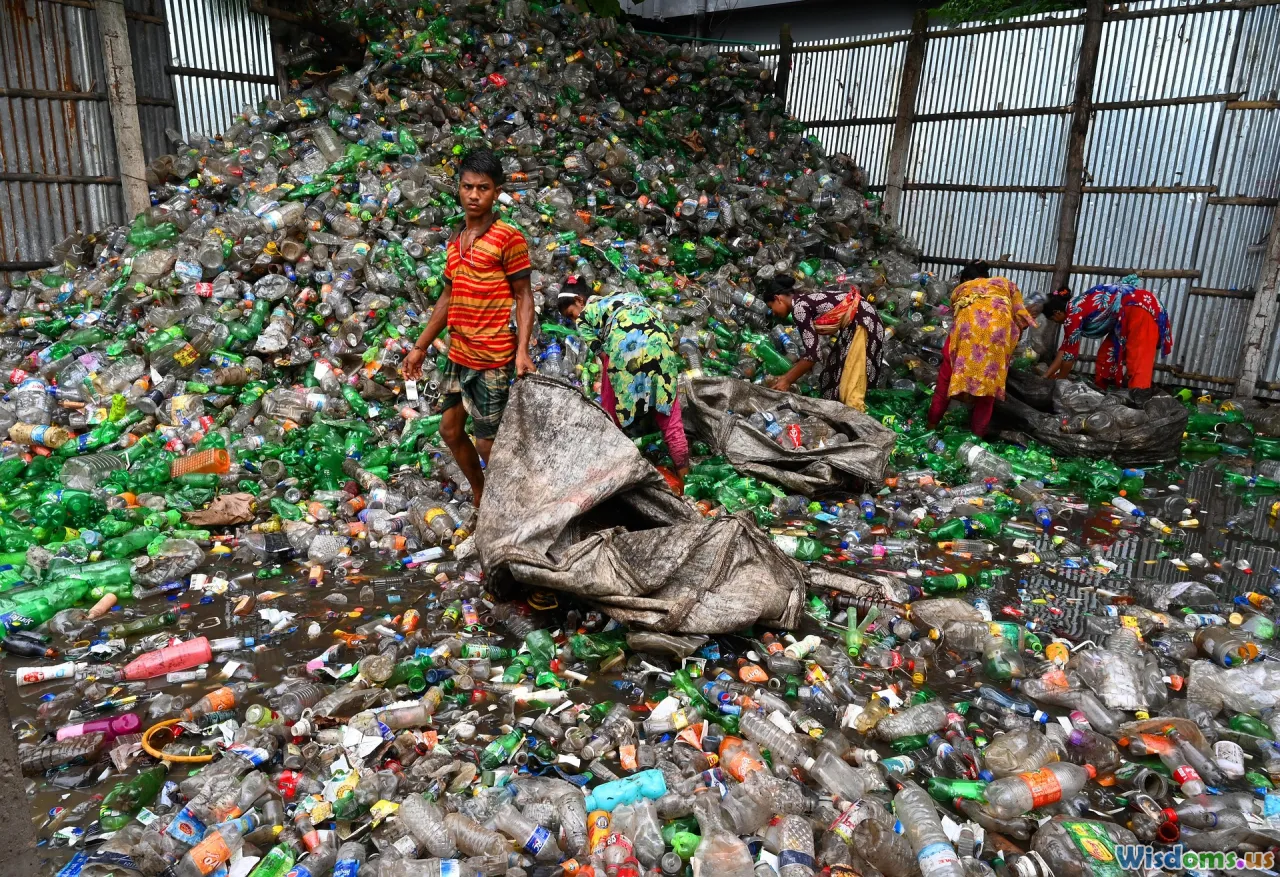
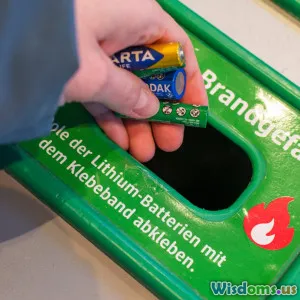
- Lead‑acid automotive batteries: In the United States, around 99% of used lead‑acid car batteries are recycled via a well-established collection and smelting network. Many retailers add a “core charge” you get back when returning the old unit—an incentive that keeps these batteries out of landfills.
- NiMH hybrid packs: Automakers and dealers typically collect these through take‑back programs. Nickel is valuable, and existing metallurgical processes can recover a large share of it along with rare earths.
- Lithium‑ion EV batteries: We’re in rapid scale‑up. Material recovery rates for nickel, cobalt, and copper often exceed 90% in modern hydrometallurgical flowsheets, and lithium recovery is commonly 80–95% depending on process maturity. While not yet universal, capacity is growing quickly as more EVs hit mid-life and as factories generate manufacturing scrap.
Two truths are often overlooked:
- Most of the Li‑ion that recyclers handle today is not from end‑of‑life cars—it’s manufacturing scrap from battery factories. This “clean” feedstock is easier and more economical to process, helping build capacity ahead of the coming wave of retired vehicles.
- EV packs rarely go straight to shredders. If a pack retains strong capacity but the car is totaled in a crash, resellers, refurbishers, or second‑life energy projects may use it before ultimate material recovery.
Policy is shifting gears too. The European Union’s 2023 Battery Regulation sets ambitious collection, recovery, and recycled‑content expectations, and introduces a digital “battery passport.” China requires automakers to maintain take‑back networks and track batteries through licensed recyclers. In North America, federal grants and private investment are expanding reprocessing plants, and many automakers commit to responsible end‑of‑life management.
How EV battery recycling actually works (step-by-step)
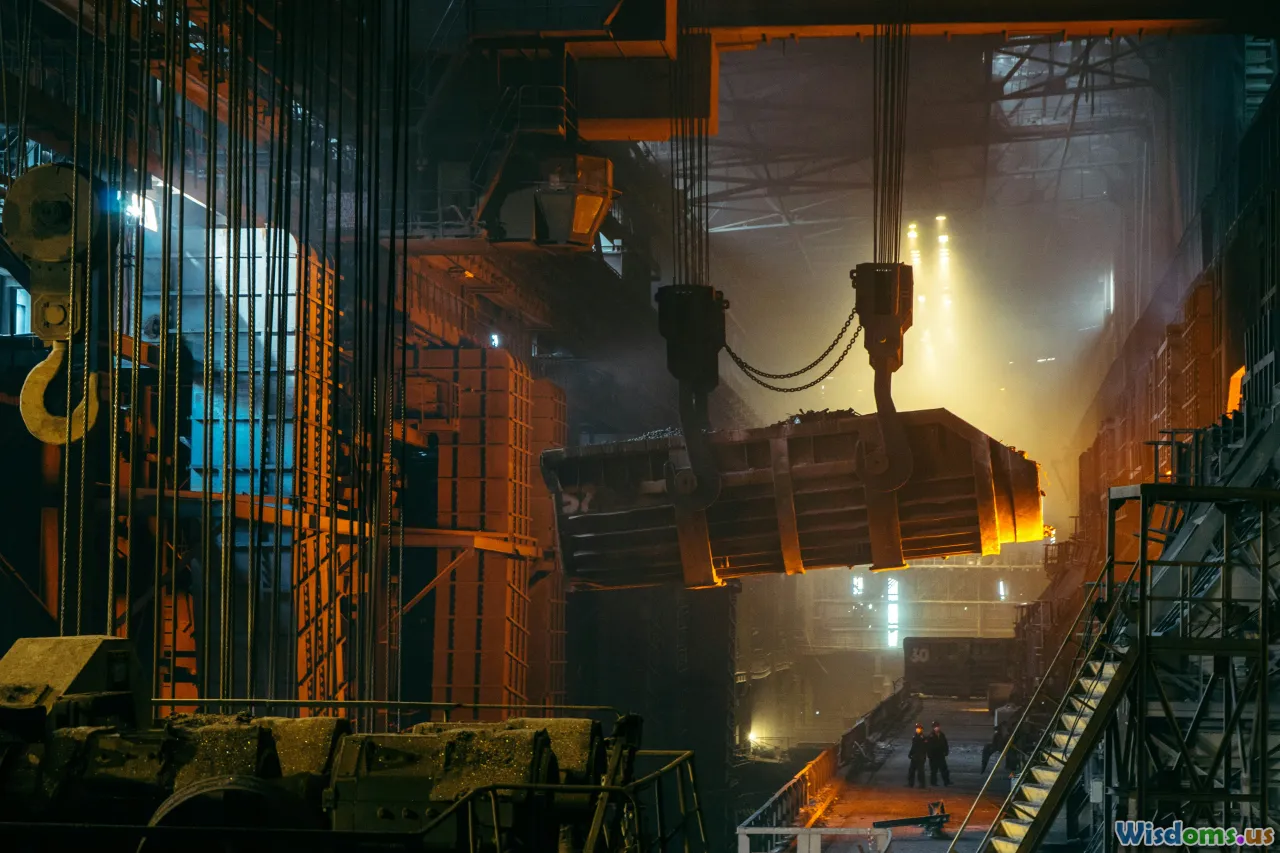
A simplified flow helps demystify the process.
- Intake, verification, and safe discharge
- Packs arrive at a certified facility. Documentation, chemistry identification, and state‑of‑health checks determine handling.
- If needed, they’re safely discharged and de‑energized. Technicians follow strict protocols to prevent thermal events.
- Disassembly
- Housing, cooling plates, and pack electronics are removed.
- Modules are separated; sometimes good modules are tested for reuse.
- Size reduction and black‑mass production
- Shredding or crushing happens in an inert or controlled atmosphere to minimize fire risk.
- The shredded output is separated into streams: ferrous and non‑ferrous metals (steel, aluminum, copper), plastics, and “black mass”—a powder rich in cathode and anode materials (lithium, nickel, cobalt, manganese, graphite).
- Material recovery
- Pyrometallurgy (smelting): High‑temperature furnaces produce metal alloys that can be refined to nickel, cobalt, copper. Lithium typically reports to slag and may require further processing. Smelting is robust and chemistry‑agnostic but energy‑intensive.
- Hydrometallurgy (leaching): Black mass is leached in aqueous solutions, then metals are separated via solvent extraction and precipitation. This can deliver high recovery and purity for Li, Ni, Co, Mn with lower temperatures.
- Direct recycling (cathode relithiation): Rather than breaking down to elements, the goal is to restore spent cathode particles to like‑new performance. Promising for NMC/NCA, still scaling.
- Refining and precursor synthesis
- Recovered metals are turned into battery‑grade salts (e.g., lithium carbonate/hydroxide, nickel and cobalt sulfates) or cathode precursors (pCAM), which cell makers can use to manufacture new cathode active material (CAM).
- Closing the loop
- Copper and aluminum re‑enter metals markets; plastics may be downcycled or reused; purified graphite recovery is improving and may supplement new anode supply.
Real‑world examples: Some European plants pair pyrometallurgy with downstream hydrometallurgy to maximize yields and purity. North American firms use modular “spoke and hub” models—local spokes shred and densify, centralized hubs refine black mass into battery‑grade materials. Innovations like water‑based shredding and fire‑suppressive electrolytes are further reducing incident risk.
Myths vs. realities you should know
-
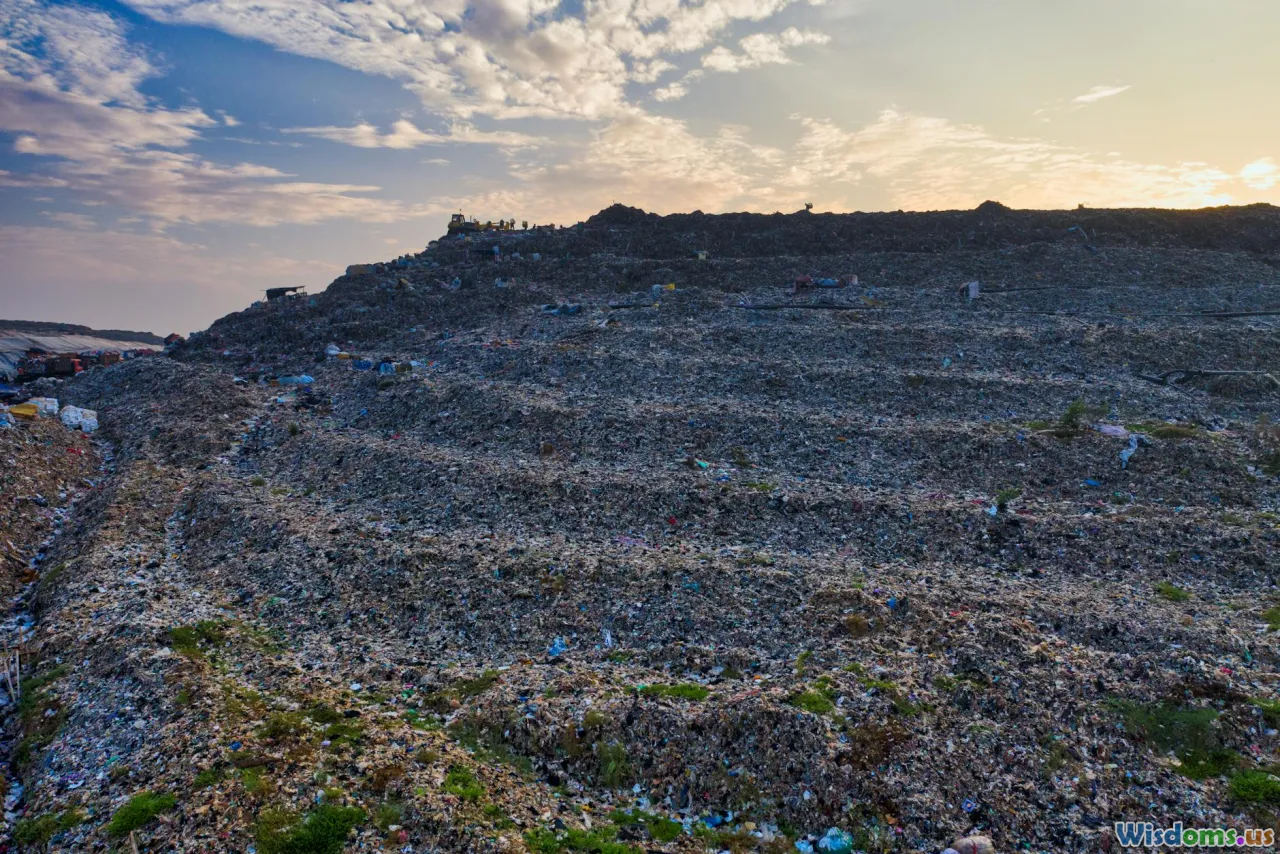
Myth: “EV batteries end up in landfills.” Reality: Landfilling high‑value packs makes little economic sense, and regulations increasingly prohibit it. Between automaker take‑back, insurance salvage, and the scrap value of metals, EV packs are tracked and recovered.
-
Myth: “Batteries only last a few years; recycling must handle constant replacements.” Reality: Field data show many EVs retain 70–90% of capacity after 150,000–200,000 miles. Warranties often run 8 years/100,000 miles or more. Recycling volumes will rise—but not because packs fail immediately; rather because the EV fleet is growing.
-
Myth: “Recycling is a net environmental negative.” Reality: Compared with mining, recycling usually saves energy and water and lowers greenhouse gas emissions per unit of metal recovered. As facilities switch to cleaner electricity and improve lithium yields, the footprint shrinks further.
-
Myth: “LFP batteries can’t be recycled profitably.” Reality: LFP lacks cobalt and nickel, reducing short‑term metal value. But recovering lithium and phosphorus for new LFP cathode, alongside copper and aluminum, is becoming viable, especially when scaled and co‑located with manufacturing scrap streams.
Second life before end of life
Not every retired EV pack is truly “end‑of‑life.” Before material recycling, many find second lives in stationary storage.
- Commercial pilots and deployments: Stadiums, warehouses, and microgrids have paired second‑life modules with solar to shave peak demand or provide backup. A well‑managed battery with 70–80% remaining capacity can still deliver valuable service where weight and space are less constrained than in a car.
- Insurance write‑offs: If a car is totaled but the battery is healthy, certified refurbishers can harvest modules for stationary racks. Traceability, testing, and warranty terms matter to ensure safety and bankability.
- Data matters: State‑of‑health analytics, thermal history, and cell balancing records are crucial. A standardized “battery passport” with usage history simplifies second‑life assignment and later recycling.
Second life doesn’t last forever; modules eventually head to recyclers. But every extra utilization cycle extracts more value from the initial mining and manufacturing footprint and slows the flow to shredders, letting the recycling industry scale predictably.
Safety, logistics, and the law
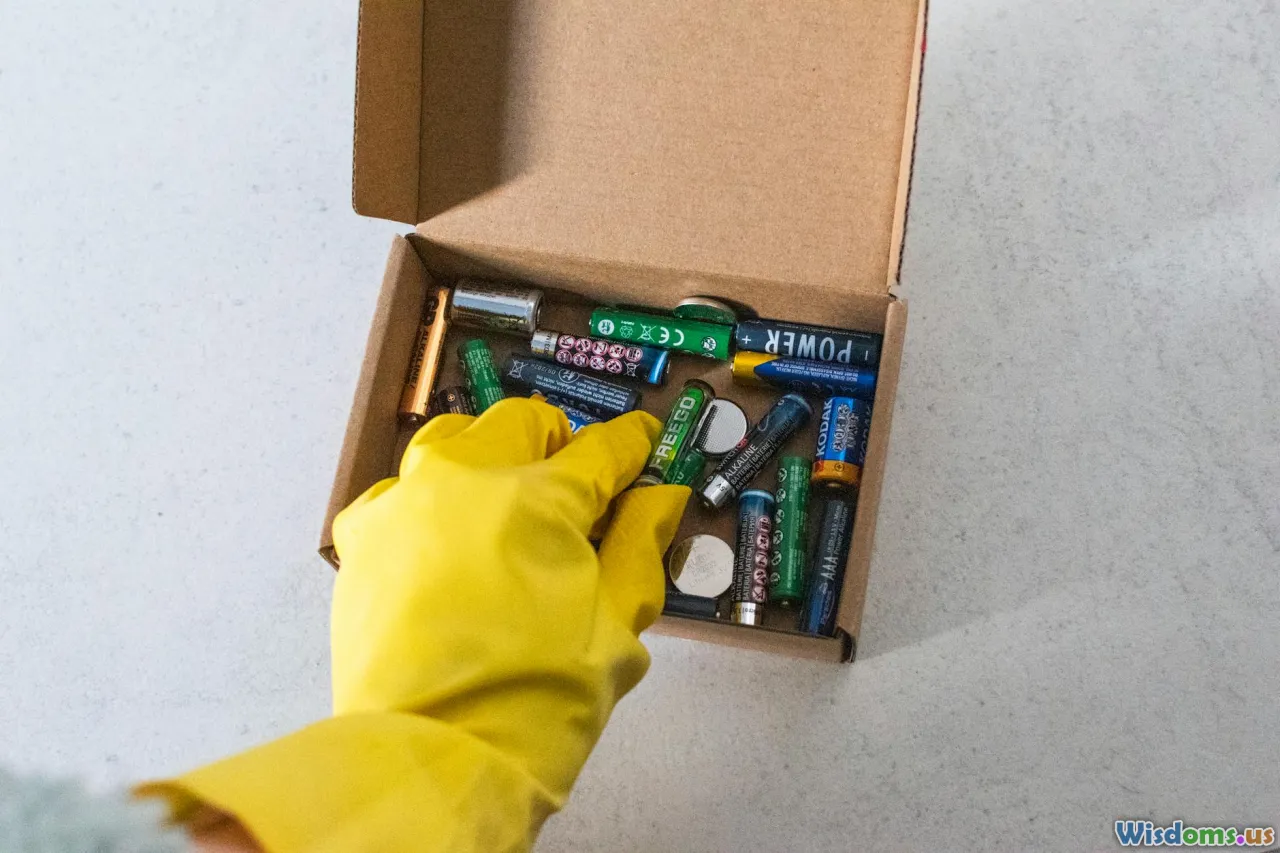
Moving and processing high‑energy batteries is specialized work.
- Transport rules: Lithium‑ion batteries are regulated as dangerous goods. Shippers must use approved packaging, labels, and documentation. Suspect or damaged batteries require even stricter protocols, often including fire‑resistant containers and dedicated carriers.
- Storage: Facilities maintain temperature control, separation distances, and fire detection/suppression. Inert storage media, sand, or Class D extinguishing agents are common preparedness measures.
- Worker training: High‑voltage PPE, lock‑out/tag‑out procedures, and emergency response plans are standard. Many recyclers incorporate remote disassembly and robotics to reduce human exposure.
- Legal obligations: Automakers increasingly face extended producer responsibility, committing to take back or ensure proper treatment of EV packs. In several regions, it’s unlawful to discard vehicle batteries in municipal waste streams.
Tip for owners: Never attempt to open or repair a high‑voltage pack yourself. If your vehicle is in a collision, inform the tow operator and insurer about the battery type. Ask your dealer for the official recycling or take‑back channel.
Economics: when recycling pays—and when it doesn’t

Recycling economics hinge on three factors: feedstock, process, and commodity prices.
- Feedstock quality and chemistry:
- High‑nickel chemistries (NMC/NCA) contain more valuable metals, supporting better gate fees or even positive net value.
- LFP contains less metal value but can still make sense when co‑processed with manufacturing scrap, when logistics are optimized, or where policy incentivizes lithium recovery.
- Process choice:
- Pyrometallurgy handles mixed streams well and can be simpler to run but may lose lithium without extra steps.
- Hydrometallurgy offers high recovery of Li, Ni, Co, Mn with lower operating temperatures, but demands careful chemical management and yields high‑purity salts.
- Direct recycling can shortcut energy and chemical use if incoming material is uniform and well‑labeled; it’s sensitive to chemistry mix and still commercializing.
- Commodity prices and policy:
- Nickel and cobalt price swings can turn a marginal operation profitable or vice versa.
- Policy levers—recycled‑content requirements, recovery targets, and grants—improve bankability. Subsidized capital for facilities and standardized collection reduce costs.
Today, a large share of recycler throughput is manufacturing scrap because it’s predictable and centralized—ideal for scaling plants and perfecting chemistry recovery. As EV fleets age, end‑of‑life packs will become the dominant feedstock. Efficient pack logistics and smart pre‑processing will be as important as metallurgical prowess.
Lead‑acid, NiMH, and Li‑ion: a recyclability comparison
-
Lead‑acid (12V)
- Maturity: Decades of closed‑loop infrastructure; around 99% recycling in many markets.
- Process: Mechanical separation and smelting; plastic cases become new cases, lead becomes new plates, electrolyte is reused or neutralized.
- Consumer tip: Always return your old battery to the retailer or service shop and claim your core refund.
-
NiMH (hybrids)
- Maturity: Well‑established for hybrid packs like early Prius generations.
- Process: High‑temperature and chemical treatment to recover nickel and rare earths.
- Insight: Because NiMH packs are smaller and centralized via dealership networks, collection logistics are relatively straightforward.
-
Lithium‑ion (EVs and modern hybrids)
- Maturity: Rapidly growing; heterogeneous chemistries and formats (pouch, prismatic, cylindrical) add complexity.
- Process: Shredding to black mass plus hydro/pyro or direct recycling; high yields for Ni, Co, Cu; improving lithium and graphite recovery.
- Nuance: LFP’s economics improve with scale, co‑processing, and policies valuing lithium recovery and landfill diversion.
Design choices that make tomorrow’s packs easier to recycle
Design for recycling is moving from slide decks into engineering drawings. What helps:
- Accessible fasteners instead of adhesive‑heavy assemblies enable faster, safer disassembly.
- Clear, durable labeling of chemistry and module IDs reduces sorting errors and aligns with battery passports.
- Modular architectures that allow module‑level removal and testing support second‑life and targeted repairs.
- Reduced material diversity—fewer plastic grades, standardized sealants—simplifies separation.
- Cell‑to‑pack innovations can still be made serviceable by designing cut lines and standardized interfaces.
Manufacturers are also integrating end‑of‑life feedback loops. For example, if recyclers report difficulty removing coolant plates or encountering mixed alloys, product teams can redesign for cleaner teardown. Competitive advantage is shifting toward companies that can document low cradle‑to‑grave footprints and high recyclability rates.
Global policy snapshots shaping recycling

-
European Union
- Comprehensive battery regulation introduces collection and recovery targets, recycled‑content thresholds for certain materials, and a digital battery passport starting in 2027 for EV and industrial batteries.
- Procurement in many EU countries increasingly favors products with verified recycled content and traceability.
-
China
- Automakers must establish take‑back networks and ensure licensed treatment. Digital tracking links each pack to its recovery path, and major recyclers operate at scale alongside domestic cell makers.
-
North America
- Federal funding has catalyzed new recycling and materials plants. Automakers run or contract take‑back programs, and states are exploring extended producer responsibility for traction batteries. Retail “core charges” keep lead‑acid flowing in a closed loop.
-
Rest of world
- Countries with fast EV adoption (e.g., Norway) have high per‑capita return volumes, pushing early standardization. Emerging markets often focus first on lead‑acid stewardship and are beginning to draft Li‑ion guidelines modeled on EU/China frameworks.
Policy trendline: traceability, minimum recovery rates, and recycled‑content requirements are converging globally. Companies that can certify the origin and processing of every gram of metal will win supply contracts and public trust.
Practical guidance for drivers and fleets

For personal vehicles
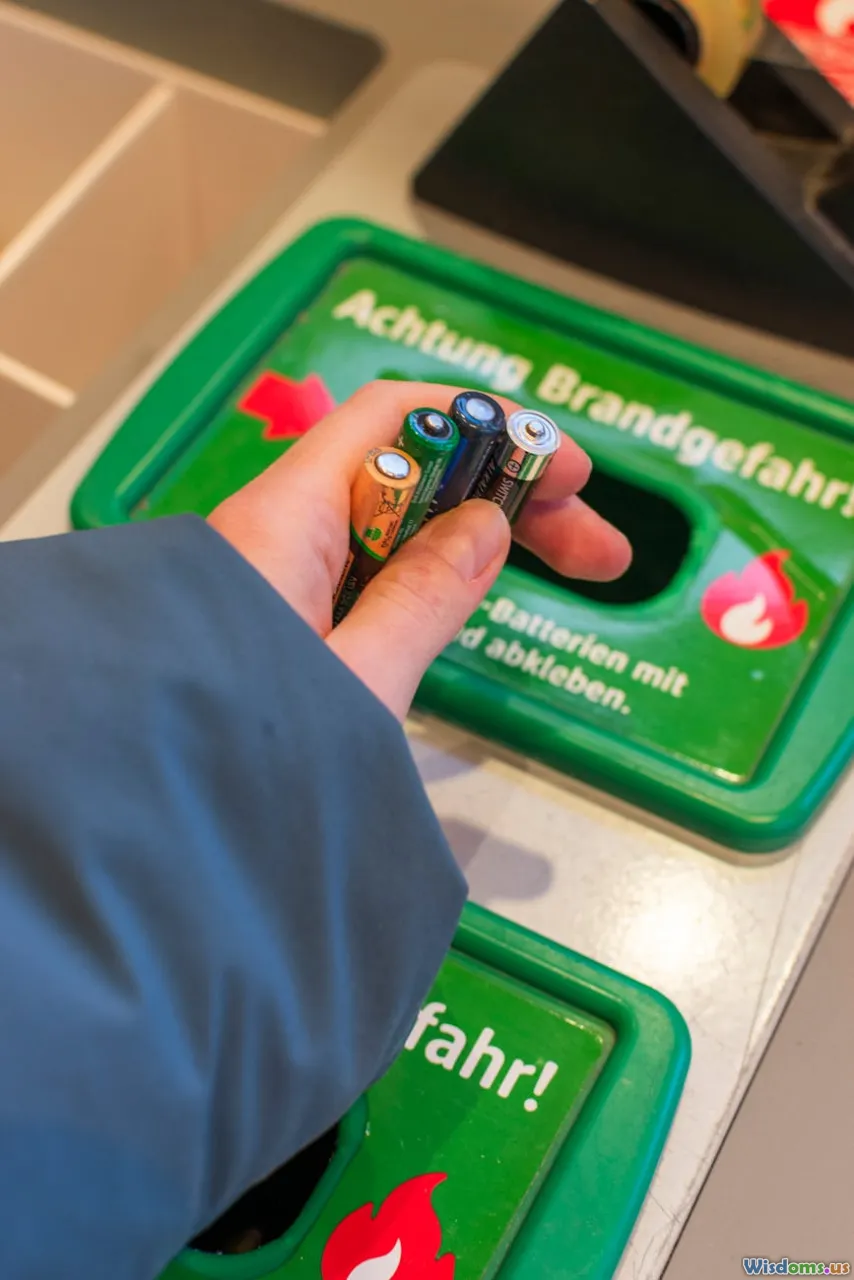
- 12‑volt batteries: Never throw them in household trash. Bring the old battery when buying a new one and claim your core refund.
- EV or hybrid packs: If your vehicle needs a pack replacement, insist the dealer or certified shop document the take‑back path. Ask where modules go—reuse, refurbish, or material recycling—and get it in writing.
- After a collision: Inform first responders and your insurer that you drive a hybrid/EV. Salvage yards follow different procedures for high‑voltage systems.
- Storage and shipping: Do not store a damaged or swollen battery at home. For transport, partially charged (often 20–50%) is safer than full. Leave it to pros; they have the right containers and paperwork.
For fleets and dealers
- Build a battery inventory: Record serial numbers, chemistries, state of health, and removal dates. This streamlines warranty claims, second‑life placement, and compliant recycling.
- Pre‑qualify vendors: Audit recyclers for certifications, insurance, and environmental performance. Understand their recovery yields and which chemistries they optimize for.
- Optimize logistics: Consolidate shipments, use regional spokes for pre‑processing, and choose packaging that can be reused to lower costs.
- Plan for second life: Partner with energy developers who can absorb modules meeting your SOH and safety criteria. Establish thresholds and testing protocols up front.
What to do right now if you have an old battery
- Identify the type: 12V lead‑acid vs. high‑voltage traction.
- Contact the right channel: Auto parts store for 12V; dealer or automaker hotline for traction packs.
- Get a receipt: Ensure the chain of custody is documented.
- Ask questions: Which facility? What’s the recovery method? Can you get confirmation of recycling or reuse?
What to watch in the next 5 years
- Battery passports at scale: Digital records tied to each pack will document composition, manufacturing footprint, repairs, and end‑of‑life outcomes. This makes sorting easier and unlocks premium pricing for verified low‑carbon materials.
- Direct recycling breakthroughs: Expect more pilots where used cathodes are rejuvenated directly into new active material, skipping multiple energy‑ and chemical‑intensive steps. This could be especially impactful for NMC/NCA chemistries.
- LFP specialization: Purpose‑built LFP flowsheets recovering lithium and phosphorus efficiently will mature, making economics more robust even without cobalt/nickel.
- Robotics and AI in pre‑processing: Image recognition to identify pack variants, automated fastener removal, and safe depowering will cut labor, reduce incidents, and increase throughput.
- Localized circularity: Automakers will co‑locate recycling next to cell manufacturing to shorten loops—scrap out in the morning, battery‑grade salts back by week’s end. This reduces import reliance and logistical risk.
- Smarter product design: Expect standardized fasteners, fewer adhesives, and module‑level diagnostics baked into packs. The best designs will score highly on recyclability audits and carry lower extended producer liability.
A realistic perspective
- Volume ramp: Analysts project that by the end of this decade, more than a million EV packs per year could reach retirement, representing well over 100 GWh of capacity. Add manufacturing scrap and warranty returns, and recyclers will have steady feedstock.
- Quality ramp: As second‑life markets mature, higher‑quality modules will be diverted for reuse, while the remainder heads to material recovery. Both streams can be profitable if logistics are right.
- Environmental win: Each percentage point of improved lithium recovery and each megawatt-hour of cleaner electricity at recycling facilities translates into tangible climate benefits compared to mining alone.
The bottom line is straightforward: Modern automobile batteries are not a looming waste disaster but a resource stream that industry and policy are learning to harvest efficiently. Lead‑acid already runs in a near‑perfect loop. NiMH is steady and proven. Lithium‑ion is maturing fast, with technology, regulation, and market forces aligning to turn yesterday’s pack into tomorrow’s materials. As a driver, fleet operator, or policymaker, you can pull the right levers now—return every 12‑volt core, use official take‑back channels for traction packs, and ask for proof of responsible recovery. The more we close the loop, the more affordable, secure, and sustainable the next generation of mobility becomes.
Sustainability Electric Vehicles Automotive Technology Automobiles Battery Recycling Circular Economy Automobile Industry Trends automotive supply chain EV batteries Recycling & Waste Management Lithium-Ion Lead-Acid Batteries Hydrometallurgy Direct Recycling Second-Life Batteries Extended Producer Responsibility
Rate the Post
User Reviews







Popular Posts