What You Need to Know About Smart Home Organization Tools
18 min read Explore the essentials of smart home organization tools, their benefits, top options, and integration tips for a streamlined, connected living space. (0 Reviews)
What You Need to Know About Smart Home Organization Tools
Step into any modern home, and you’ll likely encounter more devices than ever before––from smartphone-controlled thermostats to voice-activated lighting. But as our homes get smarter, so can the ways we manage, arrange, and even tidy them. Smart home organization tools have ushered in a new era, helping homeowners conquer clutter, coordinate daily routines, and synchronize devices. Let’s explore what sets these tools apart, how they work, and how you can harness them to transform your living space into a harmonious, efficient sanctuary.
The Evolution of Home Organization

For decades, home organization was all about labels, storage containers, and chore charts stuck to refrigerator doors. The rise of minimalism and decluttering philosophies, like Marie Kondo’s method, shifted focus to intentional living. These trends set the stage for today’s digital innovations.
Now, home organization has gone high-tech. Connected gadgets—such as smart shelves that track inventory, intelligent closet systems, and even Bluetooth label makers—allow you to combine physical tidiness with digital ease. One of the most notable milestones was the integration of assistants like Amazon Alexa and Google Assistant, which can set shopping reminders, schedule cleaning, or even help you locate a missing item within your home.
Actual homes demonstrate these advances: for example, a 2023 National Association of Home Builders survey found that 48% of homeowners with smart tech felt more organized than those without. As these numbers grow, so too does the selection of smart tools designed to combat chaos.
Key Categories of Smart Home Organization Tools

Smart home organization spans an impressive array of categories. Understanding these helps you zero in on solutions that suit your household’s needs:
Smart Storage Solutions
Consider high-tech closet systems such as the ThreadRobe, which stores, sorts, and steams clothes at your command. Items can be accessed via a smartphone app and are even suggested to you based on weather integration. For pantries and laundry rooms, Shelves.ai offers RFID-enhanced smart shelves; each item’s movement is tracked, so replenishing groceries or toiletries becomes effortless.
Device and Digital Hub Management
Many people own a growing number of chargers, controllers, and hubs. Smart charging stations, like the Anker 757 Power Station, declutter power cords and provide reports on your devices’ battery health via Bluetooth. Unified control systems—such as Samsung SmartThings and Apple HomeKit—condense rule-setting, monitoring, and alerts to a single dashboard, greatly reducing the mess of remotes and apps.
Intelligent Labeling and Inventory
Bluetooth- and QR-enabled label makers (like the Brother P-touch Cube) sync with apps to identify bin contents, set expiration reminders, and even relay data to household members. In kitchens, products like Smarter FridgeCam track inventory levels, spot expiring items, and suggest recipes, limiting waste and excess shopping.
Automated Cleaning and Maintenance Scheduling
Robotic vacuums, such as Roomba, not only handle cleaning but also create floor plan maps and alert you if a space repeatedly accumulates clutter. Smart chore lists (for example, via the Tody app) integrate with voice assistants, sending reminders and progress updates family-wide.
Understanding these categories helps homeowners craft a suite of tools for specific needs—whether it’s conquering the laundry pile or coordinating everything from groceries to lightbulbs.
How Smart Organization Enhances Your Living Space

Adopting smart organizational tools isn’t just about novelty; it’s a strategic move to elevate everyday living. Here’s how technology actively reshapes home management:
- Reduced Stress: Clutter is consistently linked to higher stress. An Australian psychological study in 2021 revealed participants using digital inventory tools experienced a 28% decrease in anxiety over lost items.
- Time Savings: Automated reminders and scheduling save hours otherwise spent coordinating chores and inventories. For instance, instead of manually sorting supplies, the AisleFinder app alerts you to low stock and arranges grocery lists according to supermarket layouts.
- Money-Minded: Waste is minimized by keeping track of perishables, subscriptions, and cleaning cycles. Some users of inventory-tracking smart containers have cut grocery bills by 15% or more.
- Sustainability: Smart thermostats and lighting controls integrated with digital routines ensure you’re never heating an empty room or leaving lights on, greatly improving energy efficiency.
Ultimately, the main appeal is synergy—the way devices and digital apps work together to reduce redundant tasks and make sustained organization achievable for busy households.
Choosing the Right Tools for Your Home
Investing in smart organization tools calls for a tailored approach. Before purchasing, consider the following steps to ensure your investment pays dividends:
1. Assess Your Current Organization Pain Points
Identify the frustrations common in your day. Is it forgotten chores, overbought pantry items, tangled cords, or messy closets? A better understanding will guide what tools will genuinely improve your life.
2. Prioritize Compatibility & Ecosystem Integration
Many smart devices communicate best within specific platforms. If much of your home uses Google products, for example, sticking with Google Assistant-compatible tools may eliminate tech hiccups. For Apple fans, HomeKit-supporting solutions offer seamless integration. Samsung SmartThings is growing in popularity for multi-brand coordination.
3. Look for Scalable Solutions
Start with areas like the kitchen or living room, using tools that can easily grow with your needs. The Smart Shelf Hub or a digital labeling printer, for example, could later be expanded from pantry to garage or attic.
4. Consider Privacy and Data Security
Some smart organization tools collect data about your habits and home usage. Choose reputable brands with clear data policies and secure connectivity. Reading privacy notices or checking community reviews pays off.
5. User Experience: Easy to Learn and Use
Even the best gadgets aren’t helpful if you dread using them. Look for debut videos, tutorials, or customer support ratings. For instance, iRobot’s Roomba series enjoys high marks for simple setup, whereas obscure brands may have steeper learning curves.
Pro Tip: Try Before You Commit
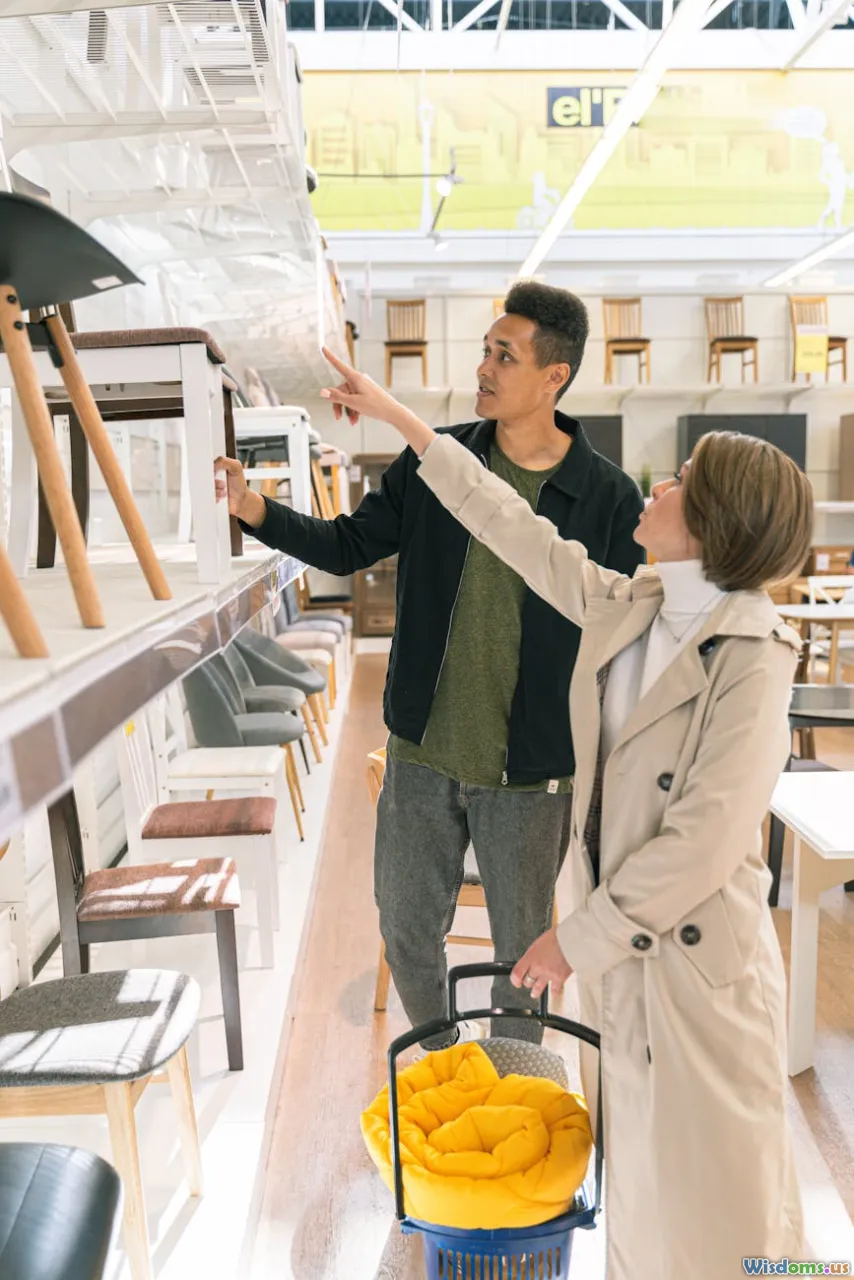
Visit stores with hands-on displays or borrow from tech-friendly friends. Experimentation can prevent mismatched purchases and unnecessary expense.
Top Smart Organization Devices and Apps to Know in 2024
Navigating the expanding landscape of organization tech can be daunting. Here’s a curated list of standout products and services making waves this year:
- Samsung SmartThings Station: A powerful hub bringing automation, reminders, inventory management, and smart alerts under one roof.
- Amazon Echo Show 15: Not just for entertainment—features family calendars, shared shopping lists, sticky notes, and even appliance controls from a 15.6-inch wall display.
- Smarter FridgeCam: An in-fridge camera and app suite that monitors food, sends alerts for expiring items, and compiles shopping lists, minimizing both food waste and overbuying.
- iRobot Roomba j7+: Learns cleaning patterns and even notifies owners about clutter hotspots requiring human attention. Advanced mapping identifies areas that often need a tidy-up.
- TidyBoard Smart Cutting Board: Sensors detect food weight while the integrated app updates your pantry inventory with every slice of celery.
- Brother P-touch Cube Label Maker: Wireless printing of QR and NFC labels lets anyone scan bins for contents, freshness dates, or user notes.
- Tody: App software bringing gamified cleaning routines to everyone in the family, customizing task distribution and syncing with reminders and notifications.
- AisleFinder: Grocery management platform learns your preferences, adapts to your route through the store, and even translates item lists into aisle-by-aisle shopping efficiency.
Experimenting with these tools gives clarity as to which solve real pains in your unique setting and which might just be impressive tech demos.
Integrating Smart Organization Into Daily Life: Best Practices

Smart organization pays the greatest dividends when embedded in everyday habits. Here are actionable tips for creating routines that stick:
- Set Automated Reminders That Fit Real Schedules: Don’t just accept default suggestions. Adjust reminders for chores or supply runs according to your natural workflow and calendar, whether weekly, biweekly, or monthly.
- Share and Delegate With Family: Make organizing fun and collaborative. Tody’s gamified chores can turn tidying into a game. Shared kitchen tablets or voice assistants provide instant access to family calendars, lists, and inventory.
- Leverage Scenes and Routines: Use your device ecosystem to chain together tasks. For example, a “Goodnight” routine might shut off all lights, adjust the thermostat, activate the security system, and send a next-day task list to your phone—all with one voice command.
- Audit and Adjust Regularly: Every few months, review which systems or apps have improved life. Are certain automations going off at the wrong times? Could a closet inventory be further automated? Adapt as your needs change.
- Preserve Some Analog Systems: Not every part of your home needs a smart upgrade. Some routines or spaces are better off with traditional labels or simple baskets, especially for children’s areas or rarely used storage.
By mixing digital solutions with thoughtful, people-oriented routines, you’re set up for long-term organization without stress.
Smart Home Organization for Special Needs and Flexible Households

One of the quiet revolutions of smart tools is their accessibility for people with disabilities, young children, or multi-generational households.
- For accessibility: Voice controls and large-screen display units allow people with limited vision or mobility to operate household routines independently. Shared digital task lists enable caregivers to support independence while providing oversight.
- For families sharing spaces: Zone-based smart sensors ensure that chores and organization tasks are location-specific (e.g., “clean up the playroom” notifications sent only to certain users, or inventory tracked room by room).
- For children’s organization: Visual schedules displayed on tablets or through color-coded smart tags teach effective tidying skills and self-management in younger family members.
An inspiring real-world example: The Samsung SmartThings kit was deployed in a UK assisted living center, helping elderly residents locate lost objects, schedule medication reminders, and coordinate weekly chores without complex hardware.
Avoiding Common Pitfalls: Practical Advice for Success

Even the best tech can frustrate users if not introduced thoughtfully. Here’s how to sidestep issues and ensure your smart system enhances daily living:
- Don’t Over-Automate: Avoid assigning every single task to a device—some chores, like sorting seasonal clothes, need a human touch.
- Keep Hardware Updated: Regularly update device firmware to bolster security and unlock improved features.
- Eliminate Old Accounts and Apps: Periodically review which services are still in use; too many connected apps can lead to data sprawl and confusion.
- Test Settings for False Alerts or Over-Reminding: A poorly-paced notification becomes background noise and may be ignored. Adjust sensitivity and frequency based on real family needs.
- Factor in Long-Term Costs: Subscription models are common for advanced features; compare recurring costs to see if you truly need premium tiers or if basic versions suffice.
Most importantly, treat technology as an aid, not a replacement for attentive living. Flexibility is key: don’t be afraid to reconfigure your system to suit changing circumstances or evolving preferences.
What’s Next? The Future of Smart Home Organization

The coming years promise even richer experiences. Look for next-generation AI that adapts to your habits, predicts when you’ll need to reorder supplies, and even personalizes home scenes according to mood or weather. Robotics is likely to play a larger role, with tools not just managing tasks but also performing more complex organization, from folding laundry to rearranging kitchen supplies.
The integration of augmented reality (AR) may soon allow you to visualize organized storage solutions before implementing them physically. Imagine using smart glasses to preview how shelves, bins, or appliance layouts will fit your exact needs!
Privacy-first design, sustainability, and seamless interoperability between brands will shape the future, as more people demand both advanced features and ethical data usage.
Transforming your home with smart organizational tools is about more than tidiness. These innovations grant you time, mental clarity, and an empowered approach to managing your space––creating a dynamic home that grows and evolves with you. The smartest homes are not only organized, but also tailored to support the lifestyles of their inhabitants, truly turning tech into a trustworthy partner for daily life.
Rate the Post
User Reviews
Other posts in Home Organization






Popular Posts