Why Retro Sounds Dominate Recent Indie Releases
30 min read Explore how nostalgia, analog textures, and algorithm-driven discovery pushed retro sounds to the forefront of indie music, with examples, gear trends, and marketing tactics shaping today's releases. (0 Reviews)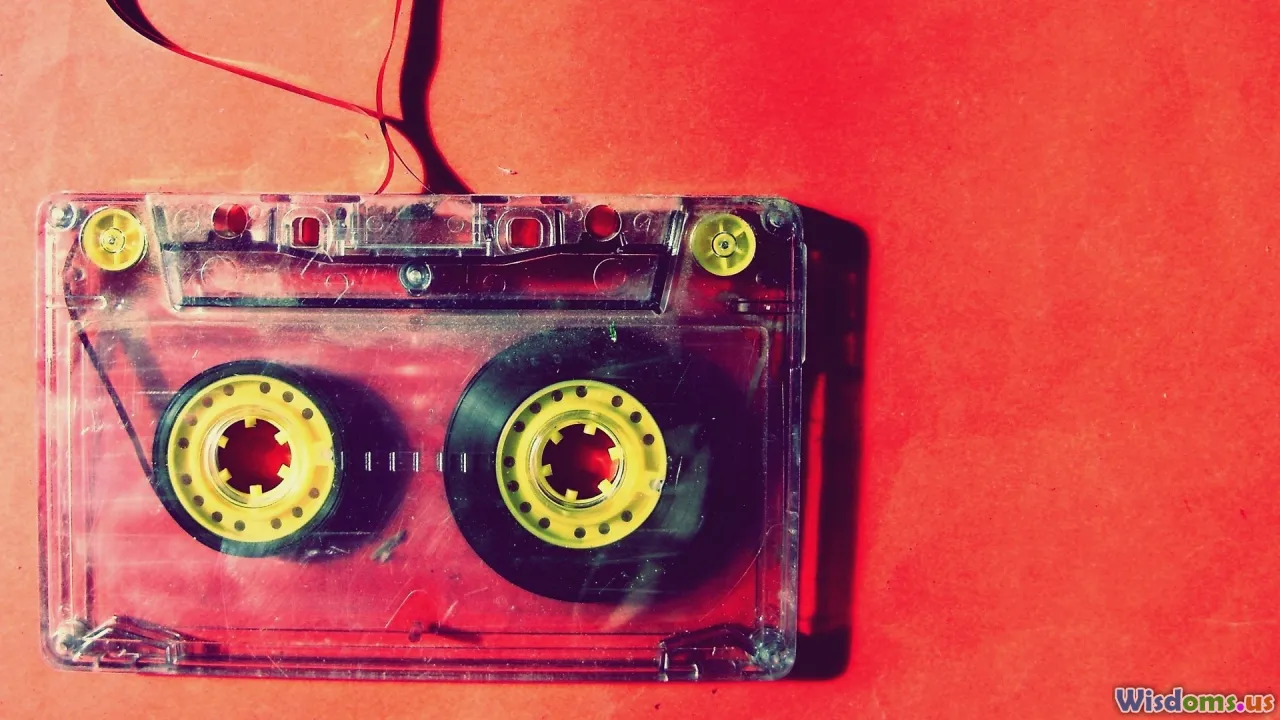
Retro is back, but it isn’t just a vibe; it’s a language. Flip through recent indie releases and you’ll hear it immediately: glassy Juno choruses, cassette-softened snares, woozy tape warbles, and basslines that could have been tracked in 1983 or 1991. This isn’t coincidence or empty nostalgia. It’s a convergence of psychology, economics, culture, and technology that makes yesterday’s tools unusually effective for today’s independent artists. Understanding why retro sounds dominate—and how to use them with intention—can make your next project feel both familiar and fresh.
The Sound of Memory: Why Listeners Lean Retro
Music is memory’s shortcut. Retro timbres function like sensory flashcards: a gated snare can conjure 80s optimism; a seasick chorus pedal can place listeners in a 90s bedroom; a Mellotron flute immediately whispers 70s film grain. Psychologists often describe nostalgia as a coping response and a social glue; familiar sounds reduce cognitive load and heighten comfort, especially in uncertain times. In other words: retro tone is emotionally efficient.
Culturally, popular aesthetics cycle roughly every 20–30 years. That timeline maps neatly onto who’s making and listening to indie music right now. Artists in their 20s and 30s absorbed 80s and 90s textures through older siblings, parents’ car stereos, or the internet’s endless archive. Meanwhile, Gen Z listeners experience those sounds not as throwbacks but as new frontiers, paradoxically exotic because they predate social media. The “Stranger Things effect” didn’t invent synth nostalgia, but it normalized it. Films like Drive and games like Hotline Miami did similar work earlier, turning saturated pads and dry drum machines into shorthand for cool.
Importantly, nostalgia isn’t monolithic. Indie records blend eras as needed: shoegaze guitars with new jack swing grooves; Italo-disco arpeggios beneath indie-folk vocals; city pop chord color splashed onto modern bedroom pop. The past provides a palette, not a prison.
Economics of Tone: Vintage Tools Got Cheap and Ubiquitous

For most of recording history, “vintage” meant expensive. That barrier has collapsed. Indie producers can now recreate historically pricey setups inside a laptop for a fraction of the cost:
- Synths: Emulations of the Juno-60, Prophet-5, DX7, and JX series are widely available. Free options like Dexed (DX7) and TAL-Chorus-LX deliver signature tones without opening your wallet. Paid collections from Arturia, TAL, Cherry Audio, and others offer convincing models with modern conveniences like preset browsing and automation.
- Tape and vinyl color: RC-20 Retro Color, ChowTapeModel (free), iZotope Vinyl (free), and various “wow and flutter” plugins add believable oxide and mechanical quirks. You can dial in subtle crust or full-on chewed cassette.
- Drums: Quality LinnDrum, TR-707/808/909, and Simmons sample packs live on Splice and in boutique shops. Convolution reverbs can approximate classic live rooms and gated plate chambers.
The studio itself is cheaper: a decent interface, a serviceable mic, and a couple of pedals mirror signal paths from past decades, while DAWs lower the technical burden. The result is a wide, democratized retro vocabulary accessible to anyone with a laptop. That economic shift is a big part of why these sounds saturate indie releases—they’re not just stylish, they’re practical.
Algorithms and Playlists Favor Recognizable Timbres

Discovery matters. Platforms sort by genre signals, and retro timbres can act like metadata. A chorus-heavy arpeggio and Linn-style snare nudge a track toward synthwave or 80s playlists; fuzzy DI bass and tambourine rides can land you in “retro soul” or “yacht-adjacent” editorial slots; smeared guitars and washy verbs flag dream pop and shoegaze curators.
- Platform tags: Using style descriptors like “city pop,” “darkwave,” or “Italo” in submissions helps editors and algorithms place your song. The sounds themselves reinforce the tag: a DX7 EP screams city pop; dry, rigid drum machines and minor-key synth stabs lean darkwave.
- Short-form video: TikTok and Reels compress musical identity to a few seconds. A gated snare with shimmered pads reads instantly as 80s. That fast recognition increases shareability.
- Long-tail radio: YouTube’s algorithm famously resurfaced Japanese city pop in the 2010s; Mariya Takeuchi’s “Plastic Love” reemerged as a global favorite thanks to recommendation loops. Retro textures feed the same loop today—songs with recognizable timbres enter successful radio chains more easily.
In a world where context is half the battle, retro sonics make you legible at a glance (or a waveform).
Scenes That Came Back: Shoegaze, City Pop, Italo, Darkwave

Different retro micro-scenes bloom for different reasons. A few dominant currents driving indie output now:
- Shoegaze and dream pop: Bands like Alvvays and DIIV pull from My Bloody Valentine and Slowdive, but with cleaner low end and modern vocals. The guitar palette—stereo chorus, reverse reverb, fuzz into spring—is classic, yet arrangements are leaner. Beach House popularized the synth-laden, organ-esque dream aesthetic that still influences bedroom producers.
- City pop and AOR smoothness: Japanese Breakfast’s sophisticated chord changes and glossy textures hint at 80s city pop without direct pastiche. You’ll hear DX7-esque EPs, fretless-style bass slides, and sparkling percussion. The reissue ecosystem and internet fandom around Tatsuro Yamashita, Taeko Ohnuki, and Mariya Takeuchi normalized these palettes for indie creators worldwide.
- Italo disco and synthwave: Chromatics and Desire (via the Italians Do It Better label) crystalized a romantic, nocturnal synth minimalism that indie electronic acts continue to mine. Newer artists orbiting synthwave—Gunship, Timecop1983—cross-pollinate with indie songcraft, blending narrative lyrics with retro arps.
- Post-punk and darkwave: Boy Harsher and Drab Majesty show how minimal drum machines, baritone vocals, and chorus bass can feel urgent, not dated. Indie acts lift those building blocks while softening the edges for broader audiences.
These scenes thrive because they’re modular. You can borrow a rhythm language from Italo and a guitar language from shoegaze, then sing in the diaristic indie style of today—without tonal whiplash.
How to Sound 1983 (or 1991) Without Time Travel

Here’s a practical framework for indie artists who want retro textures without cosplay.
- Choose your era anchors
- 70s color: tape saturation, live drums with roomy overheads, Wurlitzer/Clav, lush plate reverbs, mono-compatible bass.
- 80s color: Linn/707 snares with gated plates, Juno/Prophet pads, chorus on everything (tastefully), bright guitars with rack verbs, slapped or chorus bass.
- 90s color: grunge/alt dirt, boom-bap breakbeats, shoegaze smears (reverse reverb, fuzz), trip-hop vinyl crackle and filtered breaks.
Pick two or three anchors and commit. Mixing too many can diffuse your identity.
- Drum design
- 80s: Start with LinnDrum or 707 samples. Tighten the kick with a short decay. Send snare and toms to a gated plate reverb—set the gate to clamp right after the transient bloom. Add a tiny slapback (60–120 ms) on the snare for width without mud.
- 90s shoegaze: Blend a roomy acoustic kit with a sampled snare for consistency. Splash a spring or plate on the snare, but keep the tail dark. Parallel compress the drum bus aggressively (10–12 dB gain reduction) and mix it in just enough to glue.
- Trip-hop inspired: Low-pass a break (around 10–12 kHz), layer a subby kick underneath, and add subtle vinyl crackle or tape hiss to taste.
- Bass approach
- 80s synth bass: Simple waveforms (saw or pulse), filter around 80–120 Hz, light chorus post-filter to widen without shifting the fundamental. Keep it mono under 120 Hz for translation.
- 70s/80s electric: DI a P-bass, compress with a slow attack/medium release, and add a touch of chorus or short plate. If chasing fretless vibes, boost around 800 Hz for “mwah.”
- 90s: Overdrive a DI for grit; roll off sub-40 Hz; emphasize 100–150 Hz for punch.
- Keys and pads
- Juno/Prophet pads: Two-osc saws slightly detuned, slow attack and release, filter modestly open, and the quintessential stereo chorus. Layer with a subtle noise pad for air.
- DX7 EP tones: Start with an FM electric piano patch, soften the attack, add chorus and subtle plate. Keep the highs silky, not brittle.
- Mellotron/strings: Use tape-style string samples; avoid bright EQ. Let them sit midrange and glue them with plate reverb.
- Guitars that signal era without overwhelm
- 80s clean: Bridge + middle pickup on a Strat-style guitar; compressor first, subtle drive, chorus, short room verb. Pan double-tracks hard left/right.
- Shoegaze: Fuzz or distortion into spring or reverse reverb; stack with chorus for smearing. Use volume pedal swells or automate to create “breathing” textures.
- Vocals
- Plate + slap: Combine a bright plate (0.8–1.6 s) with a 90–130 ms slap delay. Roll off low end on both. This yields space without modern top-heavy shimmer.
- Understated doubles: A quiet double track, panned 30–40% off-center, evokes 80s/90s studio habits without the hyper-polish of modern pop.
- Mix and headroom
- Avoid ultra-bright, super-scooped curves. Let midrange tell the story. High-pass where appropriate, tuck sibilance with gentle de-essing, and allow 2–3 dB more dynamic range than the current pop norm. Retro shines when transients breathe.
- Mastering mindset
- Preserve transients; avoid slamming a limiter. If pressing vinyl or cassette, test with LP/cassette emulation and adjust low-end mono compatibility.
The Vinyl and Cassette Effect on Indie Aesthetics
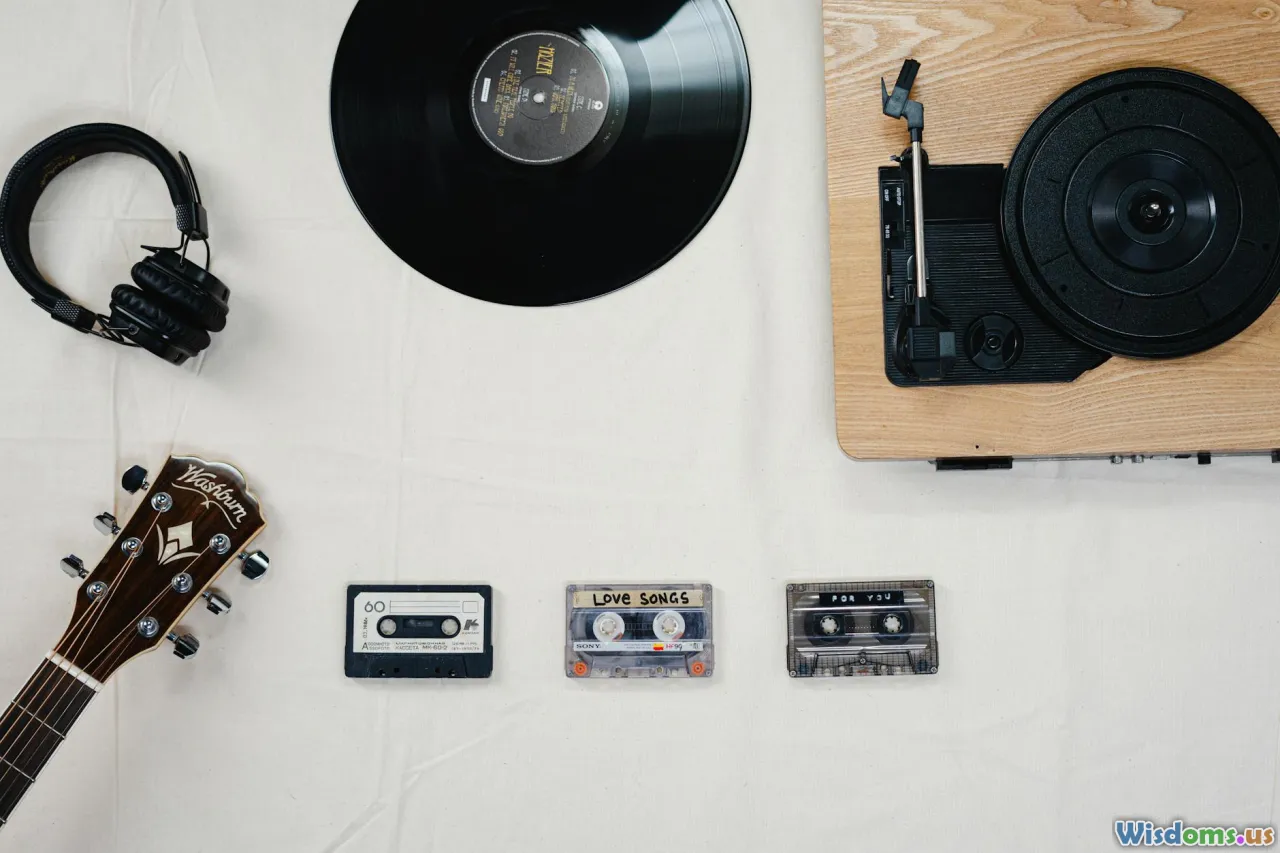
Format is more than delivery; it’s a design brief. Indie artists embraced vinyl and cassettes not only as merch margin but as sonic north stars.
- Proof of demand: The RIAA reported that in 2022, vinyl outsold CDs in US units for the first time since the 1980s, a trajectory that continued into 2023. Cassettes, though niche, have steadily reappeared as limited editions. This appetite encourages artists to mix and master with retro media in mind.
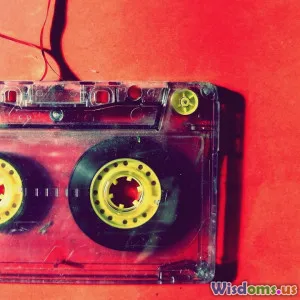
- How it shapes sound: Vinyl likes mono low end and careful sibilance management. That pushes arrangements toward midrange clarity—right where retro instruments excel. Cassettes soften transients and smear highs, flattering chorus-drenched guitars and DX pianos.
- Packaging synergy: Gatefold art, obi strips (a nod to Japanese pressings), and risograph inserts make tactile extensions of retro aesthetics. Even if you distribute digitally, designing with a physical object in mind nudges you toward an intentional palette.
Actionable tip: If you’re considering a cassette run, master a -2 dB quieter version with a touch more midrange and slightly reduced stereo width under 120 Hz. Your tape will thank you.
Live Shows: Retro Sounds That Travel Well
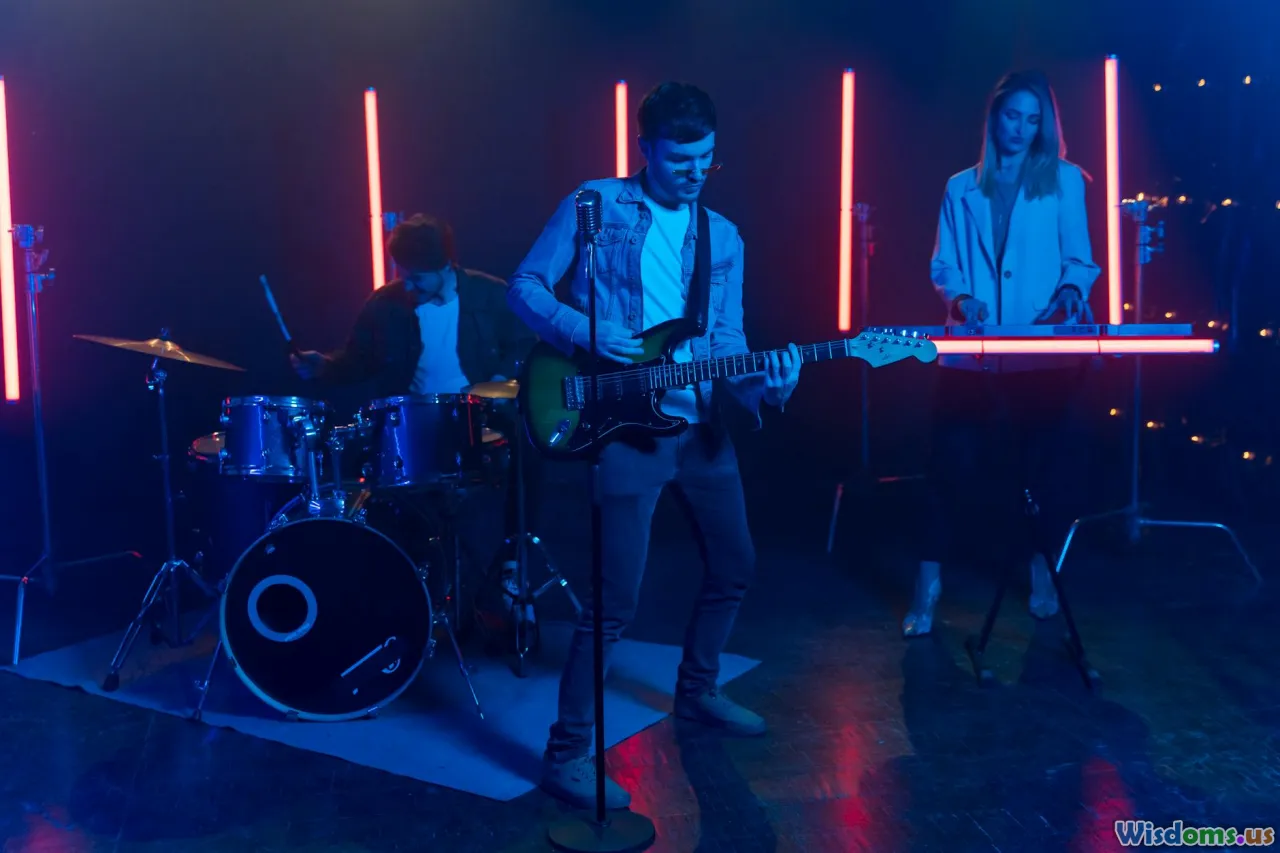
Indie touring is logistics. Retro rigs are reliable and compact:
- Compact analog: A small polysynth (Korg Minilogue-style), a digital FM box, and a modest drum machine cover 70s–90s territory. They boot fast, recall patches, and survive baggage handlers better than vintage originals.
- Pedal-era guitars: A chorus, a tasteful drive, a reverb, and a looper can replicate studio pads on stage without a laptop.
- Hybrid sets: Many indie artists run stems for gated snares and pad beds while performing vocals, guitars, and bass live. This balances authenticity and sonic density.
- Visual language: CRT textures, VHS overlays, and neon gradients reinforce retro sonics. A couple of DMX pars plus a hazer and a cheap projector can transform a room into 1987 on a ramen budget.
Pro move: Program scene changes that match arrangement markers (pre-chorus = cool cyan; chorus = warm magenta). The audience experiences your harmonic shifts as color, deepening the retro spell.
Retro vs. Modern Pop Gloss: What Indie Chooses—and Why
Contemporary mainstream pop often emphasizes hyper-clarity, high-loudness masters, and low-noise floors. Indie’s retro lean, by contrast, signals intimacy and authorship.
- Arrangement density: Retro-influenced indie tends to leave air—fewer layers, more room for midrange instruments. Instead of overstuffed stacks, you hear character elements (a chorus bass, a gated snare) carry identity.
- Dynamics: Embracing tape-ish compression and looser transients creates a human contour that stands apart from brickwalled radio fare.
- Imperfection as brand: Wow/flutter, noise, and pedal hiss read as real. In the indie economy, “real” is valuable, especially when paired with contemporary lyrical candor.
This is not anti-modern. Many successful records hybridize: retro timbres in the verse, modern low-end punch in the chorus; vintage verbs but contemporary stereo imaging; a Juno pad under a trap-adjacent hi-hat grid. The result feels classic yet current.
Case Snapshots: Indie Records Using Retro Right
- Alvvays – Blue Rev: Shoegaze textures meet melodic indie pop. The guitars lean into chorus and fuzz, while the drum programming occasionally nods to 80s tightness. Crucially, vocals stay intelligible, a modern twist on classic haze.
- Japanese Breakfast – Jubilee: Lush arrangements flirt with city pop sophistication—brassy synths, carefully voiced chords—without sacrificing contemporary hooks. Retro elements serve songcraft, not the other way around.
- Men I Trust – Oncle Jazz: Laid-back, 70s/80s-inflected DI bass and clean guitars, with airy keys and gentle tape-like softness. The restraint is the point; small choices (chorus depth, drum brightness) carry a big aesthetic load.
- M83 – Hurry Up, We’re Dreaming: Although more cinematic and from an earlier wave, it remains a primer on 80s nostalgia—stacks of analog-style pads, gated reverbs, and big melodic arcs translated into indie sensibility.
- Boy Harsher – Careful: Minimalist darkwave with rigid drum machines and stoic vocals. It’s a masterclass in using limited, era-true tools to create modern urgency.
- Unknown Mortal Orchestra – Multi-Love: Saturated, tape-forward textures and psych-soul arrangements show how retro production can frame deeply personal songwriting.
- Khruangbin – The Universe Smiles Upon You: Retro Thai and 70s funk inspirations are rendered with restrained arrangements and vintage-toned guitars, offering a globalized take on the retro palette that many indie acts now emulate.
What these records share: commitment. Each picks a handful of retro markers and doubles down, avoiding scattershot reference points.
Avoiding Pastiche: Make Yesterday Serve Today

Retro can drift into cosplay if you confuse tools for intent. Keep it alive with these strategies:
- Update the low end: Classic records often lack sub below 50 Hz. Give your kick or synth bass a modern foundation while keeping the midrange vintage.
- Modern lyric lens: Pair 80s textures with current narratives—digital life, climate anxiety, queer joy, economic precarity. The contrast is compelling.
- Hybrid rhythms: Marry a Linn-style snare with syncopated, contemporary hi-hat programming. Or drop a halftime chorus under a straight 80s verse.
- Harmonic twists: Use retro timbres but modern chordal moves—add9 shapes, modal interchange beyond the usual 80s palette, or metric modulations.
- Selective degradation: Instead of drenching every track in noise and wow, degrade one or two elements to anchor the illusion. The rest can stay hi-fi for translation.
Litmus test: If a listener stripped your mix to solo vocals and keys, would the song still feel like you? If yes, the retro wrapping is additive, not a crutch.
A Practical Blueprint: From Blank Session to Retro-Confident Single

Here’s a step-by-step process you can run in a weekend sprint and refine over a month.
Day 1: Define the palette
- Reference board: 3–5 tracks max. Choose for texture, not melody. Note specific ingredients: “DX7 EP with chorus,” “gated plate on snare,” “Juno pad, slow attack,” “chorus DI bass.”
- Era anchors: Pick two era markers (e.g., 80s drums + city pop keys) and one modern element (e.g., subby kick).
- Drum kit: Load Linn/707 or a favorite break. Build a snare verb send with a gate.
Day 2: Harmonic foundation
- Write a four-chord loop using extended chords (maj7, min9) if leaning city pop; or stick to triads for a dead-simple 80s drive.
- Program a pad (Juno-style) and a bass (mono under 120 Hz). Add a simple hook with a DX7 bell or clean guitar.
Day 3: Vocal and lyric sprint
- Draft lyrics rooted in a present-tense scene. Track a scratch vocal with plate + slap. Double only select phrases.
- Record a quiet double and a whisper harmony on the chorus—pan 30–40% for width.
Day 4–5: Arrangement and texture
- Add one analog-flavored lead (saw lead with light glide). Sprinkle ear-candy: tape-stop into chorus, reverse reverb into pre-chorus, VHS noise floor in intro.
- Guitar day: Track chorus+reverb clean parts left/right; a fuzzed “wash” part center during choruses.
Day 6: Mix choices
- Carve space: High-pass pads at 120 Hz, duck pad sidechain to vocals 1–2 dB, compress bass lightly.
- Glue: Parallel compress drums and pad bus. Add a bus tape emulator at low intensity. Tilt EQ the mix -0.5 dB at 10 kHz if too modern-bright.
Day 7: Master check
- Two masters: a digital streaming master and a slightly quieter “physical” master for vinyl/cassette pre-checks.
- Reference on a Bluetooth speaker and car stereo. If the retro identity disappears on small speakers, push midrange hooks.
Release prep
- Visuals: Use a limited color palette—one accent neon, one pastel, one neutral. Design a square that would look at home as a 12-inch sleeve.
- Metadata: Tag style hints (“synthwave,” “city pop,” “dream pop”) and note instruments in your pitch to editors. Mention your limited cassette or vinyl run if planned.
Global Cross-Pollination: Retro Beyond the West

Retro’s dominance in indie isn’t only a Western phenomenon. The internet dissolved borders, letting micro-scenes inform each other:
- City pop revival: Beyond “Plastic Love,” playlists introduced listeners to deep cuts that reshaped indie chord choices. Artists outside Japan now borrow those voicings and rhythmic feels, often marrying them to English lyrics and modern drums.
- Latin boogie and Brazilian funk influences: 70s/80s Latin synth boogie and MPB textures are permeating indie sets—percussion patterns, Rhodes voicings, and silky guitars—blending seamlessly with 80s pads.
- Eastern European coldwave: Minimal, stark synth palettes from 80s underground scenes surface in current indie darkwave, feeding a lean, utilitarian aesthetic with big mood-to-gear ratio.
Actionable insight: Regional retro palettes bring fresh colors without sacrificing familiarity. Curate a “world retro” reference list and borrow two rhythmic or harmonic ideas per track.
The Business Upside: Retro as a Marketing Multiplier
- Differentiated merch: Cassettes, mini-posters, and retro tees sell memories as much as music. The margins often outpace streaming revenue—vital for indie budgets.
- Sync potential: Film, TV, and games seek era-evocative songs that avoid expensive masters from the originals. A well-produced retro indie track can land placements because it’s both familiar and new.
- Fan identity: Retro aesthetics foster communities—Discord servers and subreddits for dream pop, synthwave, or city pop. Tapping those nodes accelerates discovery.
Tactic: Build a “sound DNA” doc for your project (three core instruments, two signature FX chains, one color scheme). Then pitch specifically: “For 80s coming-of-age scenes” or “Neon noir game menus.” Make it easy for music supervisors and editors to understand where you fit.
Troubleshooting: Why Your Retro Track Still Sounds Modern in the Wrong Ways

- Too bright, too clean: If your high end sparkles like a contemporary pop single, roll off gently above 12 kHz on pads and reverbs. Favor plate over hall; shave cymbals.
- Low end fighting the vibe: If the sub is clubby, raise the kick’s pitch slightly and tame sub energy with a high-pass around 25–30 Hz. Tilt more energy to 80–120 Hz.
- Reverb soup: Gated verbs can blur if the gate is too late. Shorten decay, advance the gate, and keep early reflections modest.
- Chorus overload: If everything swims, nothing moves. Keep chorus deepest on pads and bass; go lighter on vocals and guitars.
- Fake tape feel: Overusing wow/flutter turns music seasick. Use one global tape plugin subtly and sprinkle micro-variations (slight channel delay, random LFO) elsewhere.
Signal-chain example for instant 80s chorus hook:
- DI guitar → compressor (2–3 dB GR) → mild drive (transparent) → chorus (Rate ~0.6 Hz, Depth medium) → short plate (0.9 s) → amp sim (clean, bright) → high-pass at 80 Hz.
Another for DX-style keys:
- FM EP patch → chorus (stereo) → slap delay (wet -15 dB) → dark plate (roll off above 8–10 kHz) → gentle tape saturator → sidechain duck 1–2 dB to vocal.
In an era drowning in novelty, retro’s endurance within indie is less about looking back than building continuity. The timbres that defined earlier decades have become common nouns in the musical language—reliable ways to say comfort, rebellion, romance, or night. Indie artists use those nouns with new verbs and subjects, telling present-tense stories in a familiar accent. If you choose your anchors carefully and make the past serve your songwriting, your next single won’t just sound retro; it will feel inevitable.
Rate the Post
User Reviews





Popular Posts