Why Soprano Roles Demand More Than Just A Strong Voice
27 min read Discover why soprano roles demand acting, languages, stamina, and musicianship—not just volume—with examples from Mozart to Verdi and practical insights for singers, coaches, and casting teams. (0 Reviews)
A radiant high C can stop a room, but it’s only the tip of the soprano iceberg. Behind that thrilling moment lies months—often years—of training in language, style, stamina, stagecraft, and psychology. Opera is a team sport performed without amplification in large halls against a live orchestra, all while the singer must be a persuasive storyteller. That’s why the roles written for sopranos demand far more than a strong voice: they ask for a full-spectrum artist.
Consider how different soprano parts can be in what they require. Violetta in Verdi’s La Traviata must be a sparkling coloratura in Act I, a poised lyric voice in Act II, and a fragile yet intense dramatic presence in Act III. Mozart’s Queen of the Night demands pinpoint agility and fearless top Fs, while Puccini’s Tosca requires tonal sheen over a dense orchestra and the ability to convey a character’s moral collapse in real time. Each role is a unique puzzle that extends beyond pure vocal strength.
Below is a practical tour of the non-negotiables—skills and mindsets—that turn a good soprano into a role-ready artist.
Beyond decibels: clarity and orchestral physics
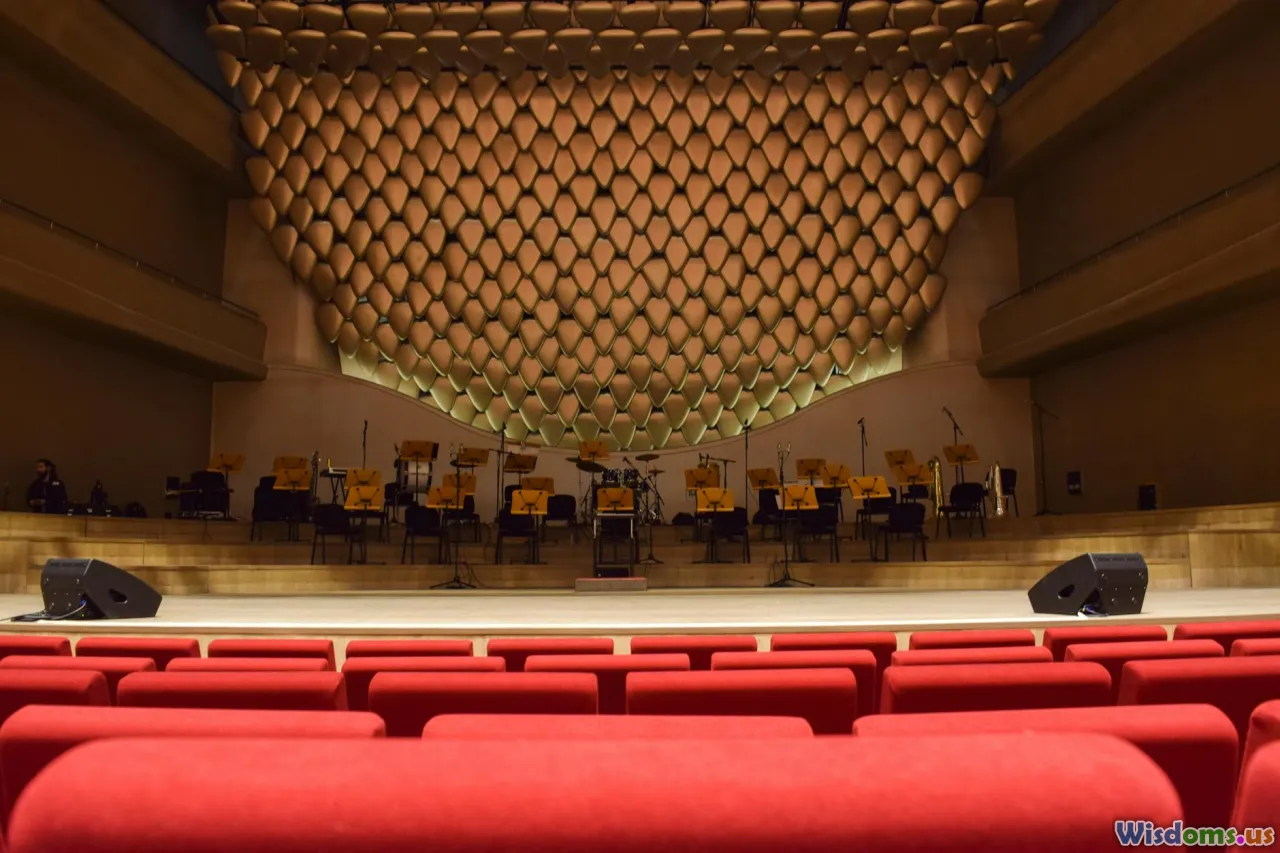
A soprano does not simply sing louder; she sings smarter. Opera houses are designed to carry unamplified voices, and orchestras produce sound energy across a broad frequency range. The soprano’s advantage is a spectral window often called the singer’s formant cluster, a concentration of energy roughly around 2.5–3.5 kHz. Research spearheaded by acoustician Johan Sundberg showed that when singers align their vocal tract resonances (formants) with harmonics of the sung pitch, they create a bright, carrying tone that can be heard through an orchestra without shouting.
That acoustic reality creates practical demands beyond vocal power:
- Vowel tuning: At high pitches, vowels must be subtly modified to keep the formant alignment that carries. An [a] may narrow toward [ɐ] or [ɔ]-like shaping; an [e] may shade toward [ɪ] depending on the note and language.
- Passaggio strategy: The upper and lower passaggi (register transition zones) require carefully mapped approaches—lighter mechanism engagement, adjusted vocal tract shapes, and anticipatory breath planning.
- Orchestral awareness: A Verdi fortissimo brass chord is not the same environment as a Mozart string texture. Sopranos learn where orchestration thins (woodwind filigree) or thickens (full brass, low strings) and adjust vibrato amplitude and onset timing accordingly.
Practical example: In Puccini, sustained high phrases over tutti forces benefit from a steadier vibrato and compact vowels; in Handel, agility passages over continuo favor a slimmer, buoyant tone with quick release on ornaments.
Tessitura, not just range
Range tells you how high you can touch; tessitura tells you where you will live. A piece can include a single high C and still sit low most of the time—or hover near the top for pages on end. Roles are cast by tessitura because that is what determines muscular endurance and color palette.
- Queen of the Night (Die Zauberflöte): Famous for top Fs, but the arias are short, with high-lying fireworks. The role’s overall stage time is modest compared with larger Mozart heroines.
- Countess (Le nozze di Figaro): Rarely soars to the stratosphere, but sustains long legato lines in the upper middle. Requires poise, evenness, and breath control more than extreme range.
- Strauss’s Ariadne or Wagner’s Elisabeth: Demand the ability to sustain high-lying lines over dense orchestration, not just occasional peaks.
A singer who can flash an E6 in the studio might still struggle in a role whose tessitura requires living near B5 for extended stretches. Knowing your tessitura tolerance is a career saver.
How to assess your fit:
- Map the role: Circle every bar above A5; note the longest continuous stretch above F5.
- Time-on-task: Record rehearsal read-throughs and log when fatigue alters timbre or pitch.
- Dynamic truth test: Can you sing the written pianissimi at height, not just the forti?
Styles change the rules
Style is not a costume; it’s a technique set. A Handel aria asks for different muscles and musical rhetoric than a Puccini scena or a Strauss monologue.
- Baroque and Classical: Clear articulation, agility, and historically informed ornamentation. In Handel or early Mozart, appoggiaturas and cadential trills are not garnish but grammar. Recitativo secco demands quick speech-rhythm on supported tone, riding the continuo’s harmonic cues.
- Bel canto (Rossini, Donizetti, Bellini): The art of legato, messa di voce, and ornamental variation. A Rossini cabaletta needs buoyant staccati and filigree turns; a Bellini cantilena lives on seamless breath arcs.
- Verismo (Puccini, Mascagni): Speech-inflected lines, intense dynamic shading, and text-forward phrasing. Portamento can be expressive but must be controlled; consonants bite without derailing legato.
- Wagner and Strauss: Long-line architecture and orchestral intelligence. You need a tone that carries without forcing, plus stamina to surf long paragraphs. Vibrato consistency and harmonic awareness are crucial.
Actionable practice: Keep a style journal. For each aria, list three non-negotiable stylistic features (e.g., in Donizetti: clean appoggiaturas, tasteful cadenzas, true piano above the stave). Revisit the list before rehearsals to recalibrate technique.
Language is part of the instrument

Sopranos often sing in Italian, German, French, Czech, Russian, and English. Each language modifies the instrument differently. If vowels are the resonant fuel, consonants are the steering wheel.
- Italian: Open purity and consistent vowel length. Master the contrast between closed e and open e, and between closed o and open o; misuse can change resonance and intonation.
- German: Crisp consonants and clear umlaut shaping. The ich-Laut [ç] and ach-Laut [x] must be distinct yet never grind the folds. Final obstruents devoice—timing this with legato is an art.
- French: Nasal vowels require a balanced soft palate position to keep tone focused. Liaison rules affect rhythm and articulation; misplaced liaison can break musical phrasing.
- Slavic languages: Palatalized consonants (especially in Russian) can brighten adjacent vowels. Learn to place them without fronting the tone excessively.
Tools and tips:
- IPA drills: Transcribe and speak text in International Phonetic Alphabet, then sing on a neutral vowel before layering in consonants.
- Over-articulation rehearsal: Practice with 15 percent more consonant energy than performance; it builds clarity without jaw tension.
- Text trajectory: Mark what each sentence wants—the verb of each line drives intention and breath.
Case in point: In Mozart recitative, a misplaced German stress can undercut the joke. In Debussy, smudged French nasalization dulls the coloristic transparency the composer wrote into the orchestration.
Acting under pressure: storytelling with breath

A soprano’s face and breath are camera and microphone in a 2,000-seat hall. Real acting choices translate into musical phrasing. Breath is not just fuel; it is punctuation and emotion.
- Breath-as-subtext: In Violetta’s Act I, the tiny hesitation before a top note can signal vulnerability; in Act III, the fragility of breath itself becomes part of the character’s dying arc.
- Silent beats: Mark where you choose to look, listen, or react. These beats structure the audience’s attention and prevent generalized emoting.
- Emotional specificity: Anger, fear, and resolve have different muscular footprints. Practice singing while walking, kneeling, or turning to learn how posture shifts change breath strategy.
Exercise: Speak the text like a monologue. Place breath marks where storytelling demands them, then test if those marks also fit the musical line. Where they don’t, craft a compromise that preserves both clarity and legato.
Movement: stairs, corsets, and a 3-pound wig
Opera staging isn’t cardio-friendly. You might be asked to sing a pianissimo high note after walking up a rake in a corset while carrying a prop candelabra.
- Footwear reality: Rehearse early in performance shoes. Heels shift pelvic alignment and therefore breath management.
- Costumes: Corsets change rib expansion; practice expanding into the back and low flanks. Heavy wigs alter neck posture; balance the head without collapsing the laryngeal area.
- Choreography: Salome’s Dance of the Seven Veils is one extreme, but even gentle blocking can fatigue stabilizing muscles. Cross-train with Pilates or Alexander Technique to keep movement efficient.
Practical drill: Sing through your toughest passage while climbing stairs at a gentle pace. If the phrase falls apart, your breath plan needs an athletic upgrade.
Stamina and pacing: the long game

Soprano roles are marathons with sprints inside. A typical production schedule includes weeks of staging rehearsals (often 4–6 hours per day), sitzproben with orchestra, dress rehearsals, and a run of performances. Add travel, coaching, and study, and it’s clear why smart pacing is survival.
- Macro pacing: Across a season, alternate heavier repertoire with lighter projects. Avoid back-to-back roles that live high and loud.
- Micro pacing: Within a performance, identify recovery moments. In Tosca, you might plan micro-rests during orchestral interludes; in Strauss, mark measures where you float rather than press.
- Hydration and environment: Vocal folds rely on surface hydration and systemic hydration. Dry air, travel, and adrenaline all dehydrate. Use a room humidifier on the road and schedule sips strategically.
Fact: Orchestral peaks can exceed 90 dB in the pit; pushing to “compete” leads to swelling and fatigue. The solution is acoustic efficiency, not volume wars.
Score study: the soprano as musicologist
Knowing your line is baseline; knowing the score is power. Full-score fluency helps you anticipate tempo shifts, breathe smartly, and cue colleagues confidently.
- Harmonic literacy: Identify cadences and modulations that govern phrase length. If the orchestra delays resolution, plan a longer exhale.
- Cadenza crafting: In bel canto, write cadenzas that reflect the harmonic grammar of the moment. A virtuosic flourish that ignores the dominant-tonic pull feels unmoored.
- Recitative savvy: In secco recit, the continuo follows your rhetoric—but only if your harmonic sense is secure. In accompagnato, respect the conductor’s cue points and string tremolo timing.
- Editions matter: Compare urtext and critical editions; mark any ossias or traditional cuts. Some houses expect traditional ornamentation in da capo repeats; others prefer clean text.
Action step: Create a cue map. For each entrance, note who sets it up (clarinet figure, oboe trill, cellos pizzicato) and what you must hear to enter with authority.
Collaboration with the pit and the podium
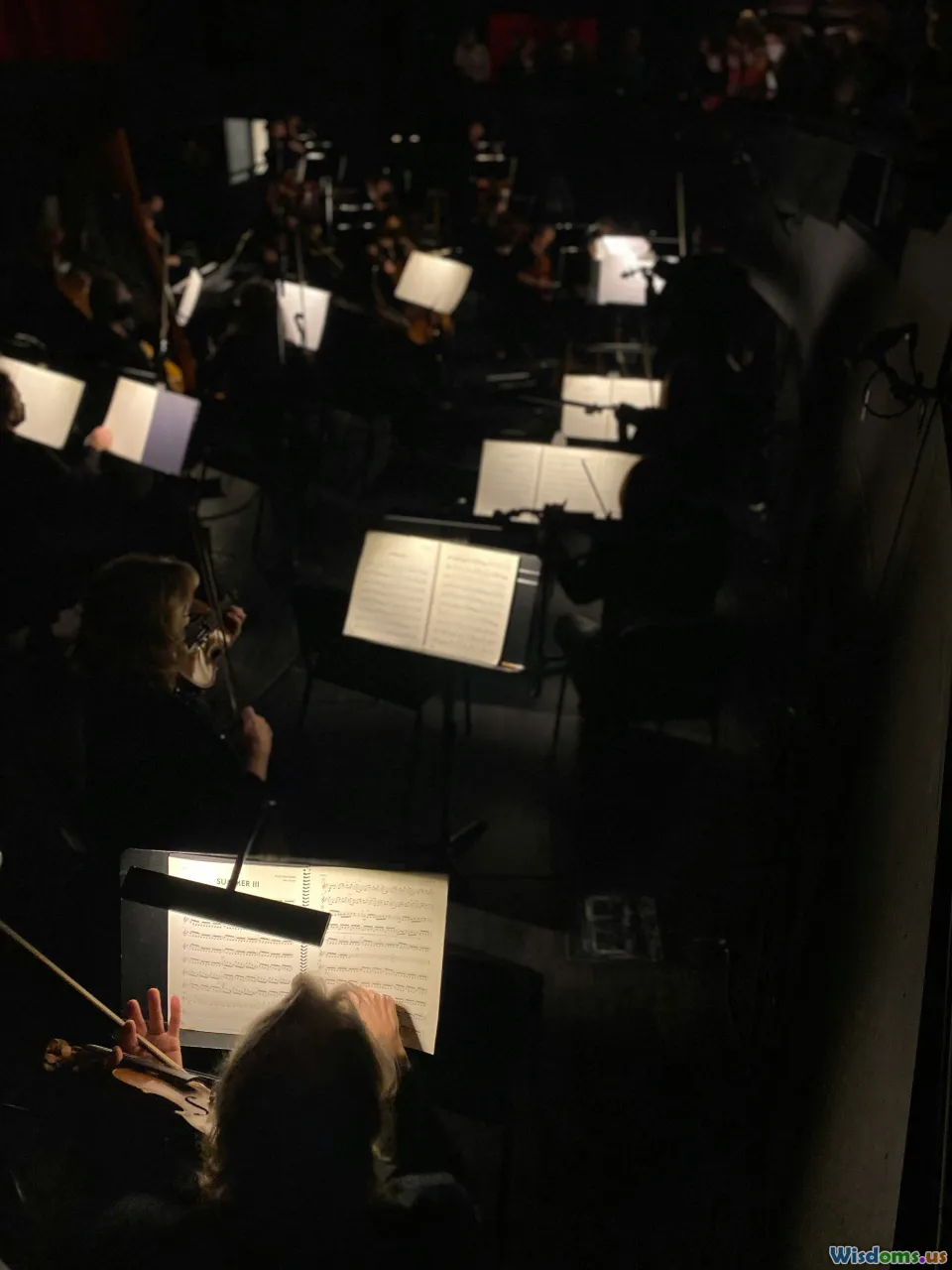
Great sopranos are great collaborators. A conductor shapes architecture; you supply color and intent. Negotiation is part of artistry.
- Tempo negotiation: Arrive with two workable tempi: the one that flatters your voice and a slightly faster or slower option that still functions. Flexibility earns trust.
- Rubato etiquette: Signal rubati with breath and body, not just willpower. A clear preparatory inhale and a shared eye line prevent train wrecks.
- Offstage/onstage sync: Offstage lines (e.g., Aida’s offstage soprano in Act II) require monitor awareness and precise counting. Practice with a click to internalize long fermatas.
Pit tip: In big houses, you may not see the conductor clearly. Learn to listen down into the texture—bass lines and timpani often tell you more about beat placement than violins do.
Audition and role preparation: a practical plan

Landing a role begins long before the first rehearsal. Here’s a 12-week blueprint for a new part:
- Weeks 1–2: Text first. Translate every line, mark scansion, and speak it daily. Record yourself speaking and adjust pacing for meaning.
- Weeks 3–4: Note-learning in small cells. Work backward from difficult measures. Practice at 70–80 percent tempo to build accuracy.
- Weeks 5–6: Style overlay. Add ornaments or appoggiaturas where appropriate; check with a coach for period authenticity.
- Weeks 7–8: Memory lock. Sing with eyes away from the score for at least half of your practice time. Test random spot-checks.
- Weeks 9–10: Stamina builds. Do half-runs, then full runs with minimal stops. Add light movement to approximate staging.
- Weeks 11–12: Performance polish. Rehearse in shoes, experiment with micro-acting choices, and schedule at least one run in a dry acoustic to test projection.
Audition packet tips:
- Curate contrast: Include an aria that shows agility, one that shows sustained legato, and one in a different language. If possible, select pieces adjacent to the role’s style.
- First 20 seconds: The opening phrase should sit in your best resonance. Orchestral introductions in arias are long; for auditions, select cuts that showcase you quickly.
- Pianist partnership: Send readable cuts ahead and mark fermatas and rubati. A collaborative pianist is your first colleague of the day.
Health and resilience: the athlete mindset

Sopranos are vocal athletes. Training includes technique, recovery, and mental resilience.
- Semi-occluded vocal tract (SOVT) work: Straw phonation, lip trills, and voiced fricatives help reset efficient fold closure with low collision forces. Use them before and after heavy days.
- Sleep discipline: Growth and tissue repair peak during sleep. Aim for consistent hours, especially during tech week, when rehearsal hours intensify.
- Reflux management: Late meals and certain foods can irritate. Keep a buffer before sleep, hydrate, and consider physician-guided strategies if symptoms persist.
- Strength and balance: Pilates, yoga, or light resistance training improve postural support and reduce injury risk during staging.
- Mental game: Performance nerves can be channeled. Use breath-counting, visualization, or brief journaling pre-show. Post-performance, debrief wins and micro-adjustments rather than ruminating on a single missed note.
Reality check: Cancellations happen—to protect the voice for the long term. Communicate early, follow company protocols, and prioritize recovery over bravado.
Choosing the right roles: fach, age, and house size

The German fach system classifies voices by tessitura, color, and weight. It’s a guide, not a cage—but ignoring it can be costly.
- Light lyric and coloratura: Zerbinetta, Gilda, Susanna—roles with agility and sparkle in small-to-medium houses.
- Full lyric: Mimi, Pamina, Micaëla—longer legato lines, moderate orchestration, heart-forward storytelling.
- Spinto: Tosca, Aida, Desdemona—require a bit more steel and size to sail over thicker textures.
- Dramatic: Turandot, Brünnhilde, Isolde—formidable orchestras, long acts, unrelenting tessitura.
Age and venue matter. A young singer who can produce a loud A for a minute in a studio may still be miscast as Tosca in a 3,000-seat house with a deep pit. Starting with lighter repertoire in appropriately sized venues builds technique and credibility.
Case study in sequencing: Violetta often suits a young lyric coloratura moving into fuller lyric roles. Tosca typically comes later, once the middle voice and top have equal radiance under pressure.
Case studies: three famous sopranos, three different toolkits
-
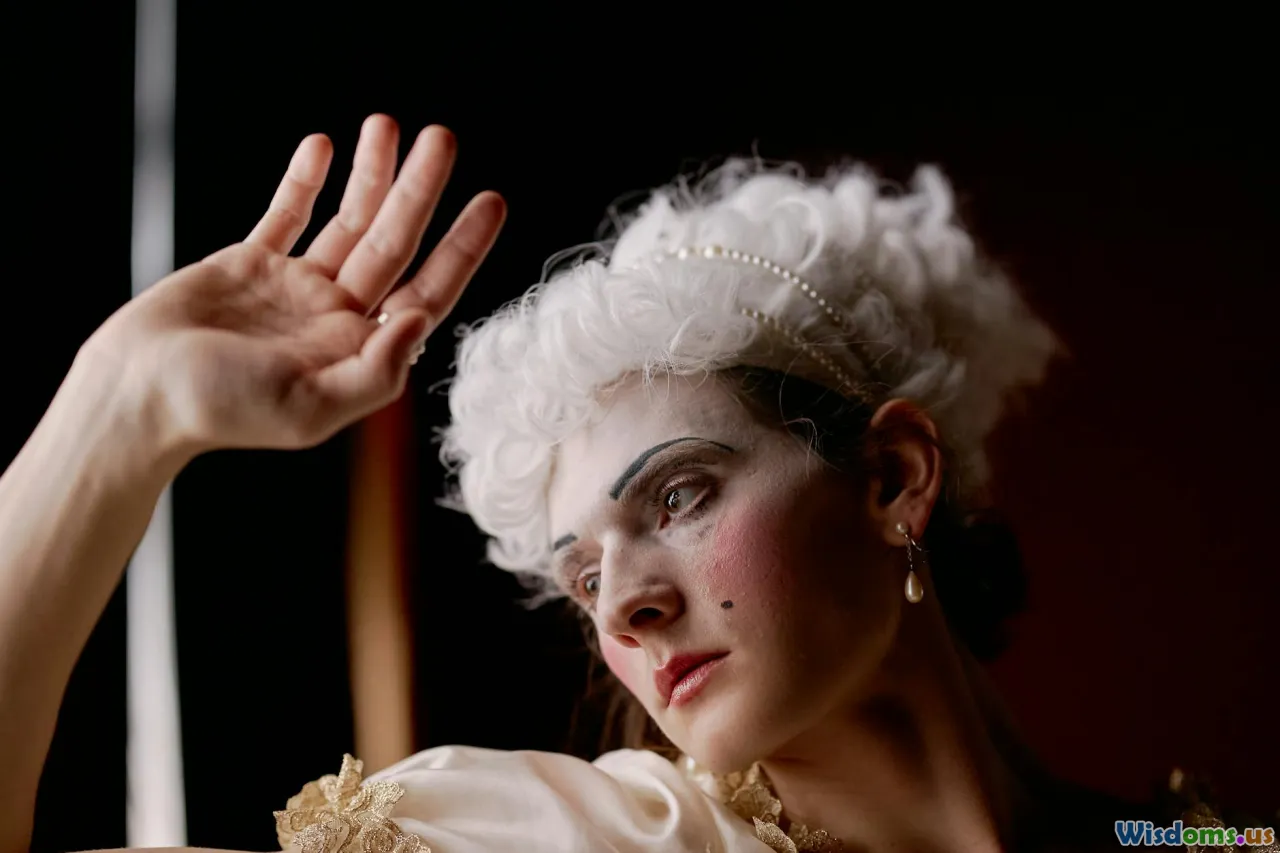
Queen of the Night (Mozart): The technical brief includes laser-focused staccati, impeccable intonation at F6, and crystalline German diction. Beyond voice: the character must exude authority and menace in limited stage time. The soprano needs instant dramatic presence, stellar memory for tricky intervals, and nerves of steel to deliver two arias that arrive like athletic vaults.
-
Violetta (Verdi, La Traviata): Act I demands glittering coloratura and a believable party persona; Act II calls for intimate legato and moral conviction; Act III descends into fragile pianissimi and truthful physical acting to suggest illness. Beyond voice: fluid stylistic code-switching, breath economy for long Verdian phrases, and acting that tracks a rapid psychological arc.
-
Zerbinetta (Strauss, Ariadne auf Naxos): A 13-minute showpiece full of acrobatics sits on a chamber-like orchestra that can still obscure the voice. Beyond voice: pristine German, comic timing, and the aerobic fitness to look playful while executing relentless coloratura. The soprano must also collaborate tightly with the conductor to pace the aria’s internal architecture.
Add one verismo heavyweight for contrast: Tosca must deliver a life-or-death aria, shape scenes of jealousy and courage, and ride Puccini’s orchestral waves. Beyond voice: fight choreography, prop handling (the iconic candlesticks and dagger), and split-second cueing with offstage chorus.
Technology, tradition, and the modern soprano

Today’s sopranos balance historical practice with new tools.
- Acoustic vs. amplified: In opera houses, microphones are rare; in concerts and media, you may use them. Mic technique differs: closer vowels, drier vibrato, and meticulous sibilant control.
- Remote coaching: Video sessions help with language and style but can skew perception of resonance. Always test decisions in a live room.
- Digital scores: Tablets simplify page turns but demand reliable backup. Markings should remain legible and exportable; keep a paper copy for rehearsals where tech is discouraged.
- Audience outreach: Clips on social platforms build brand and inform casting, but select repertoire that flatters you acoustically and stylistically. Short-form media rewards clarity over sheer decibel display.
Tips for emerging sopranos: actionable checklist

- Build a personalized warm-up: 10–15 minutes of SOVT, gentle sirens through passaggi, then one agility and one legato exercise.
- Keep a role ledger: For each role, track tessitura metrics, stamina notes, and post-run observations. Revisit before accepting similar repertoire.
- Schedule language rotations: One day per week per language group. Maintain muscle memory for diction even when not in that repertoire.
- Practice in context: Once notes are learned, sing while lightly moving. Add one prop as soon as possible.
- Negotiate tempi early: Bring a tempo range to coachings; record metronome markings that feel viable under stress.
- Protect recovery windows: After run-throughs, do five minutes of gentle straw phonation and neck mobility; hydrate and cool down the nervous system with a short walk.
- Learn to say no: Passing on a dazzling but misfit role now may earn years of better casting later.
- Budget for coaching: Plan funds for language, style, and staging sessions; they are part of the instrument.
When audiences leap to their feet after a blazing finale, they’re applauding much more than a high note. They’re responding to precision diction that shaped meaning, to breath that carried intention, to movement that made music visible, and to a collaboration that aligned dozens of artists in a single story. That is why soprano roles demand more than just a strong voice: they ask for an architect, an athlete, a linguist, and a fearless storyteller—often all in the space of one aria. And that is what makes them, and the artists who bring them to life, unforgettable.
Rate the Post
User Reviews





Popular Posts