Advice for Building Resilience During Uncertain Times
31 min read Actionable strategies to build resilience during uncertain times, blending psychology, routines, and community support to reduce stress, adapt to change, and rebound stronger. (0 Reviews)
When the ground shifts under your feet, it is tempting to freeze or to sprint without a map. Resilience offers a third path: moving forward with steadiness, flexibility, and purpose even when the path is unclear. It is not about ignoring fear or pretending the chaos is fine. Resilience is about practices that keep your energy, judgment, and relationships intact when events refuse to cooperate with your plans. The following guide collects tools you can apply immediately, examples from real-world challenges, and strategies you can return to as conditions change.
What Resilience Really Means (and What It Doesn’t)

Resilience is the capacity to absorb shocks, adapt, and continue with clarity. It is not a demand to be unbreakable, a license for overwork, or a personality trait you either have or do not. Think of it as a set of repeatable behaviors and supportive environments you can build deliberately.
Consider three levels:
- Personal: sleep, focus, emotional regulation, and useful self-talk.
- Interpersonal: healthy boundaries, high-quality relationships, and mutual support.
- Structural: routines, buffers, and policies that reduce fragility.
A resilient approach does not deny difficulty. It incorporates recovery and redesign. When a marketing launch tanks or a travel ban cancels a critical meeting, resilience looks like a calm debrief, a premortem for the revised plan, and a small set of moves that keep momentum. Contrast this with brittle responses: hiding the data, blaming others, or clinging to a plan made for yesterday’s conditions. If you take only one idea from this section, let it be this: resilience is learnable and trackable. You can practice it like a skill and measure it like a project, which means it can keep improving even when conditions stay rough.
The Science You Can Use: Stress, Uncertainty, and Your Brain

Uncertainty triggers the brain’s prediction system. When outcomes are unclear, your brain flags a mismatch between what it expects and what is happening. That mismatch is stressful by design; it mobilizes energy to scan for threats and options. In short bursts, this response can sharpen attention and speed up reaction time. Chronic activation, however, is costly: long-standing elevations in stress hormones can sap memory, fragment sleep, and lower immunity.
A few practical facts:
- Naming emotions reduces their intensity. Briefly labeling what you feel (for example, anxious, frustrated, restless) recruits language areas and can dampen limbic reactivity. A simple sentence — I am noticing anxiety — can create just enough distance to choose a wiser next step.
- Attention is sticky. The brain’s negativity bias prioritizes potential threats over neutral or positive information. Balance that bias with deliberate positive inputs: a short gratitude note, a walk in sunlight, or a task you know you can finish in five minutes to re-establish a sense of agency.
- Sleep is non-negotiable for judgment. Even one night of insufficient sleep reduces cognitive flexibility — exactly what you need when plans change. Protecting sleep is an upstream resilience investment.
Think of your nervous system as a dial, not a switch. Your goal is not to eliminate stress, but to adjust arousal to the level that suits the moment: calm enough to think, energized enough to act.
Build a Daily Resilience Baseline: Sleep, Movement, Fuel

A resilient life has a physical foundation. When life is unstable, the basics matter more, not less.
Sleep:
- Aim for 7–9 hours per night, which major sleep foundations recommend for most adults.
- Keep wake time consistent across weekdays and weekends; your body clocks anchor more to wake times than bedtimes.
- Get morning light exposure for 5–15 minutes to strengthen circadian rhythms. Dim lights and screens an hour before bed.
- Time caffeine wisely: avoid it within 8–10 hours of bedtime, as it can delay the ability to fall and stay asleep.
Movement:
- Target at least 150 minutes of moderate activity per week or 75 minutes of vigorous effort, plus strength work on two days. This level, in line with public health guidance, improves mood and builds metabolic and musculoskeletal reserves.
- In high-stress weeks, focus on consistency over intensity. Ten-minute movement snacks — brisk walks, bodyweight circuits, or mobility flows — can be enough to maintain energy and keep stress from pooling.
Fuel:
- Build meals around protein, colorful plants, fiber, and healthy fats to stabilize blood sugar and mood. Erratic spikes and crashes make uncertainty feel worse.
- If appetite drops when anxious, use simple, predictable meals and hydration reminders. If appetite surges, create friction between you and impulse foods — keep fruit and nuts reachable, and less supportive snacks out of sight.
The baseline is not glamorous, but it is leverage. In chaotic periods, strong basics multiply the impact of every other strategy you use.
Fast-Acting Tools for When Anxiety Spikes

When anxiety surges, your thinking narrows and catastrophizing blooms. Use rapid reset techniques to downshift your system.
- Double inhale, long exhale (physiological sigh). Take one normal inhale, a second short top-up inhale, then exhale slowly and completely through the mouth. Repeat 2–3 times. This pattern can reduce tension by engaging the parasympathetic system.
- Box breathing. Inhale 4 seconds, hold 4, exhale 4, hold 4. Repeat for two minutes. This even rhythm steadying your breath is a reliable way to steady your thoughts.
- Grounding 5-4-3-2-1. Name five things you can see, four you can feel, three you can hear, two you can smell, one you can taste. This brings your attention out of spirals and into the room you are in.
- Name it to tame it. State aloud: I feel pressure about the deadline and uncertainty about the budget. That is understandable. Now I will do a five-minute scoping pass. Emotional accuracy plus a tiny action breaks the freeze.
- Urge surfing. When an unhelpful impulse arises — doomscrolling, snapping at a teammate, abandoning a project — set a timer for ten minutes and ride the urge like a wave. Most urges peak and subside if you do not feed them.
Use these tools as soon as you notice tightening in your chest, racing thoughts, or a flood of what-ifs. The earlier you intervene, the less force you need.
Think Better Under Fog: Decision-Making Frameworks

Uncertainty punishes indecision and overconfidence. Practical frameworks help you avoid both.
- OODA loop. Observe, Orient, Decide, Act. After acting, loop back to observe what changed. This keeps you updating rather than defending old choices.
- Reversible vs. irreversible decisions. If a choice is easy to unwind, decide quickly and test. If it is hard to reverse, slow down, gather more signal, or run a small pilot first.
- Premortem. Before launching a plan, imagine it failed spectacularly. List reasons. Use that list to improve your design or set tripwires.
- 10/10/10 rule. How will you feel about this decision 10 minutes from now, 10 months from now, 10 years from now? This counters tunnel vision.
- Scenario planning. Sketch plausible best, base, and worst cases. Identify moves that win in all three. Prioritize those low-regret actions.
Write decisions in a brief journal: context, options, your choice, what would change your mind. Review monthly. Over time you will calibrate to uncertainty more accurately — fewer knee-jerk moves, faster course corrections.
Design Routines That Flex Instead of Break

Rigid routines shatter under stress; flexible routines bend and rebound. Build anchors with elastic edges.
- Minimum viable habit. Define the smallest version of a behavior that still counts. When energy is low, read one page, do five push-ups, write two sentences. Momentum beats intensity.
- When-then plans. If I finish my lunch, then I will take a 10-minute walk. If the 2 p.m. meeting ends early, then I will process three emails. These preloaded cues bypass decision fatigue.
- Timeboxing with overflow. Reserve a short overflow block daily for what spills. Uncertainty often causes slips; an overflow slot pays down the mess.
- Weekly reset. Sunday evening or Monday morning, preview your calendar, define your top two outcomes for the week, and set buffers around them. A 20-minute reset reduces firefighting later.
Your routines should serve you, not the other way around. If a routine causes more friction than freedom, shrink it or shift it. The goal is reliability under pressure, not perfection under ideal conditions.
Craft an Information Diet That Calms, Not Inflames

Information fuels judgment, but it can also flood it. Unchecked, notifications and hot takes amplify threat signals and shorten your attention span.
- Set news windows. Two intentional check-ins per day, then close the tabs. Batch updates prevent constant reactivation.
- Prioritize primary sources and evidence summaries over commentary. Skim headlines, then verify key items before reacting.
- Design your home screen for intention. Move social apps off the first screen, keep reading and note apps front and center, and disable nonessential alerts.
- Apply a share-or-store rule. If information is immediately useful, store it in a notes app with a tag and next action. If not, let it go.
- Track your mood. If an account or source consistently spikes anxiety without adding clarity, mute or unfollow it for a week and reassess.
In volatile times, attention is a scarce asset. Protect it the way you would protect a limited budget.
Money Resilience for Uncertain Times

Financial buffers convert shocks into annoyances. Build them deliberately.
- Emergency fund. Aim for 3–6 months of essential expenses; if your income is variable or you have dependents, target 6–12 months. Park the fund in a highly liquid account and automate contributions every paycheck, even if small.
- Tiered reserves. Keep one month in your checking account, two to three months in high-yield savings, and longer cushions in conservative, low-volatility vehicles you can access within a few days.
- Budget to zero. Give every dollar a job: essentials, saving, investing, and fun. During uncertainty, pre-commit a portion to replenishing buffers.
- Reduce fragility. Pay down high-interest debt with a ladder or snowball method. Review insurance coverage — health, renters or homeowners, disability — and correct gaps.
- Diversify income. Develop at least one modest side stream: tutoring, consulting, digital products, or seasonal work. Small streams reduce pressure on the main river.
You do not need perfect finances to be resilient. You need trajectories that move you away from fragility. Celebrate each notch: one week of expenses saved, then two, then a month.
Career and Skill Agility

Shifting markets reward people who learn quickly and signal value clearly.
- Build T-shaped capability. Go deep in one area and broad enough across adjacent skills to collaborate and pivot. For example, a data analyst might add storytelling, basic design, and domain insight.
- Choose low-regret skills. Communication, basic statistics, spreadsheets, prompt engineering for AI tools, and project management travel well across roles.
- Learn with the 70-20-10 model. Seventy percent from stretch projects, 20 percent from mentors and peers, 10 percent from courses. If you cannot get a stretch project at work, simulate one with a portfolio piece.
- Keep a visible portfolio. Short case studies, quantified outcomes, and artifacts on a simple site or profile. Make it easy for others to see how you solve problems.
- Network by generosity. Share resources, introductions, and notes. In uncertain times, people remember who helped them think more clearly.
Every quarter, ask: what skill would most reduce my risk or increase my options? Commit to a small, time-boxed learning sprint of 20–30 minutes per day for four weeks.
Keep Relationships Strong When Pressure Rises

Stress can isolate you exactly when you need others most. Protect your connections actively.
- Map your circles. List your inner circle (3–5 people), support circle (10–15), and community (colleagues, neighbors, groups). Intentional outreach prevents accidental drift.
- Practice active constructive responding. When someone shares good news, respond with energy and curiosity: That is great — what part are you proudest of? This style strengthens bonds more reliably than advice-giving or downplaying.
- Use the 5-to-1 ratio as a north star. In close relationships, aim for many more positive interactions than negative ones over time: appreciation notes, quick check-ins, small favors.
- Schedule social micro-moments. A two-minute voice note, a shared article, a coffee walk. Quality beats length when time is tight.
- Set boundaries kindly. I cannot commit to that this week. I can help by reviewing a draft next Tuesday. Clear no’s allow cleaner yes’s.
Acts of support go both ways. Helping others is a proven boost for wellbeing and can restore a sense of agency when events feel uncontrollable.
Find Anchor Points: Values, Meaning, and Rituals

Uncertainty loosens your grip on what matters. Values and rituals tighten it again.
- Clarify values. Write down the three qualities you want to embody this quarter — for example, steadiness, learning, kindness. Use them to resolve conflicts: if two options seem equal, choose the one that better expresses your values.
- Set identity cues. A sticky note on your monitor, a lock-screen statement, or a bracelet can nudge you back to the person you chose to be when pressure rises.
- Practice micro-rituals. Begin the day by making your bed and confirming your top outcome. End it by jotting two lines: one thing you moved forward, one thing you will try differently tomorrow. Tiny rituals anchor big days.
- Meaningful goals. Frame goals as contributions, not just achievements: build a process that helps teammates work sanely, mentor a junior colleague, improve client clarity. Contribution goals hold steady when vanity goals crash.
When circumstances strip away certainty, you still control how you show up. Rituals and values convert that control into felt agency.
Growth After Setbacks: Reframing and Learning Loops

Post-traumatic growth does not mean suffering is good, or that silver linings are mandatory. It means humans can find new strengths, priorities, and connections after hardship — often by engaging with what happened instead of fleeing it.
- Run a brief after-action review. What did we expect? What happened? What went well? What will we change next time? Keep it blameless and specific.
- Keep a failure log. Once a week, note a small failure, what you learned, and your next experiment. This normalizes iteration.
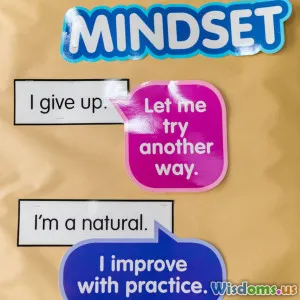
- Reframe self-talk. Instead of I am bad at uncertainty, try I am practicing faster feedback in foggy conditions. Language shapes choices.
- Separate pain from problem. Acknowledge the pain fully, then identify the solvable piece. For example, you cannot control a market downturn, but you can control outreach cadence, learning sprints, and spending.
Your aim is not to never fall. It is to shorten the time between stumble and useful step.
Build Team Resilience if You Lead Others

Leaders turn individual steadiness into collective strength. Create conditions where people can adapt together.
- Psychological safety. Reward thoughtful risk and candor. Open meetings by asking what we might be missing. Close them by asking what concerns we need to surface.
- Clarity and cadence. In uncertain times, increase the frequency of short check-ins and reduce the number of priorities. Choose weekly themes and daily standups with a focus on obstacles.
- Redundancy and cross-training. Do not let mission-critical knowledge live with one person. Map key processes and train backups.
- Tripwires and thresholds. Define in advance the metrics that trigger plan B: burn rate levels, supply delays, or customer churn percentages. Tripwires prevent slow-motion drift.
- After-action reviews. Normalize humble learning. Publish a two-paragraph debrief after major actions, focusing on decisions, outcomes, and next experiments.
Teams with shared language and simple rituals outpace teams with heroic individuals. You are not building a castle; you are building a tent that can be pitched and moved quickly.
A 20-Minute Weekly Resilience Tune-Up

Set a timer for 20 minutes and run this checklist each week. It is light enough to sustain, strong enough to steer.
- Scan the horizon (4 minutes). List known uncertainties for the week: supply issues, childcare variability, client feedback. Note one mitigation for each.
- Pick two outcomes (3 minutes). Define the two most important results you want by week’s end. Write the first next step for each in your calendar.
- Buffer your calendar (3 minutes). Add one overflow block and one recovery block. Protect them.
- Money minute (2 minutes). Check balances, confirm an automated transfer to savings, and pay the next bill early if it reduces stress.
- Connection commitments (3 minutes). Choose three quick touchpoints: a thank-you email, a coffee invite, a progress update for a stakeholder.
- Skill sprint (3 minutes). Book four 20-minute blocks for one learning goal.
- Closing question (2 minutes). If this week goes sideways, what is one move that will still make it a win?
Save the checklist as a template, and reuse it. Consistency beats intensity.
Stories from the Field: Three Mini Case Studies

-
Maria, small business owner. During a regional disruption, Maria’s catering orders evaporated. She sketched best, base, and worst cases. The worst-case indicated a six-month runway if she cut fixed costs. She negotiated a temporary lease reduction, pivoted to boxed meals for frontline staff, and activated a friend network for delivery. A visible weekly update on her site maintained customer trust. Revenue never matched pre-disruption levels, but the business survived and later expanded into corporate subscriptions.
-
Devon, mid-career analyst. Devon froze when projects kept changing scope. He adopted a decision journal and began running premortems on new assignments. He also created when-then plans for attention management: if scope changes by more than 20 percent, then I schedule a 15-minute reset with stakeholders. Within two months, feedback improved; his manager specifically praised his ability to reduce churn.
-
Lila, teacher and parent. Lila pressed through evenings grading papers, only to burn out. She reworked routines: minimum viable habit for grading (ten papers per night), a micro-ritual with her kids (two songs and a rose-thorn-bud reflection), and a Sunday 20-minute weekly tune-up. Sleep stabilized; she reported fewer arguments and felt more present in class.
These stories share a pattern: small, specific moves anchored by clear values and simple frameworks.
Myths and Traps to Avoid

- Myth: Resilience means toughing it out. Reality: It means recovering, adjusting, and accepting help when needed.
- Myth: Positivity fixes uncertainty. Reality: Useful optimism pairs with clear eyes and contingency planning.
- Myth: Productivity equals resilience. Reality: Output without recovery or direction accelerates burnout.
- Myth: Backup plans signal a lack of confidence. Reality: They lower anxiety and speed execution.
- Myth: Resilience is solo. Reality: Relationship quality is a major buffer; isolation is a risk factor.
Watch for over-coping too: excessive news monitoring, endless scenario spinning, or comfort behaviors that become compulsions. The fix is to shorten feedback loops and return to basics.
Simple Metrics: How to Know You’re Getting Stronger
Track a handful of indicators weekly. Keep it simple, visible, and honest.
- Energy score (1–10). Subjective, morning check-in. Trends matter more than single days.
- Sleep hours and regularity. Aim for 7–9 hours and consistent wake times at least five days per week.
- Focus blocks completed. Count 25–50 minute sessions you protected from distraction.
- Social touches. Number of meaningful connections you initiated or deepened.
- Savings runway. Months of essential expenses covered; celebrate each increment.
- Skill sprint minutes. Time invested in your chosen learning goal.
- Decision journal checks. How often did you review and refine your assumptions?
Use a single page or a small spreadsheet. If a metric dips for two weeks, respond with one concrete, time-bound experiment rather than guilt.
Resources to Keep Handy

- Apps and tools: a simple timer for focus blocks, a note app for decision journals and premortems, a habit tracker for minimum viable habits, and a reliable calendar for timeboxing.
- Practices worth bookmarking: breathing protocols (box breathing, double inhale with long exhale), 5-4-3-2-1 grounding, after-action reviews, and the weekly tune-up checklist above.
- Books and ideas to explore: work on psychological safety and team learning, decision-making under uncertainty, and cognitive tools for reframing. Choose one, apply one idea for a month, and skip the rest for now.
- People: a short list of mentors, peers, or communities you can consult for perspective. Keep their contact info handy and your ask specific.
Most resilience breakthroughs come from returning to simple practices, consistently, under real-world constraints. Choose a few tools that fit your life and use them until they are second nature.
Resilience is not a finish line. It is a way of moving through choppy water that helps you waste less energy, make better calls, and stay connected to what matters. Pick one technique from this guide to try today — a two-minute breathing reset, a decision journal entry, or a quick check-in with someone in your support circle — and then add one more next week. Momentum is your ally, and small wins compound even when the future stays uncertain.
Rate the Post
User Reviews
Other posts in Mental Health






Popular Posts