Comparing Dumbbell And Bodyweight Home Routines
34 min read Compare dumbbell and bodyweight routines for home training, with pros, cons, sample plans, and guidance by goals, equipment, and fitness levels. (0 Reviews)
Comparing Dumbbell And Bodyweight Home Routines
Standing in your living room with a small patch of floor, you face a simple but pivotal decision: pick up a pair of dumbbells or drop into a set of push-ups. Both paths can build a strong, capable body at home. Both can fit into busy schedules and small spaces. And both can be progressed far beyond the “beginner” label with smart programming. The key is knowing what each method does best, how to solve its limitations, and how to design a plan that actually makes you stronger, leaner, and more resilient week after week.
Below, you’ll find a practical, no-nonsense comparison of home dumbbell and bodyweight routines, grounded in training principles, biomechanics, and real-world constraints like time, space, and budget. Use it to choose your lane—or to mix the two into a hybrid that suits your goals.
How Dumbbell And Bodyweight Training Differ

The biggest difference isn’t about which is “harder.” It’s about how each method creates resistance and how easily you can manipulate that resistance.
- Dumbbells provide external load. You increase difficulty by adding weight, changing the movement pattern, altering tempo, or shifting unilateral/bilateral emphasis. This external loading makes it straightforward to target specific rep ranges for strength (1–5), hypertrophy (6–12), or endurance (12–20+), assuming you have sufficient weight.
- Bodyweight provides load through your mass and leverage. You progress primarily by changing the angle (e.g., incline/decline push-ups), leverage (pike push-ups toward handstand push-ups), range of motion, tempo, and unilateral focus (pistol squats, single-leg bridges). The absence of adjustable external load is both a limitation and a creative challenge.
A practical rule: dumbbells make it easier to pursue linear progression (add a little weight, hit the same reps), while bodyweight encourages nonlinear progression (modifying leverage, reps, and tempo). Both can take you far if you respect their design logic.
Equipment And Space Requirements
- Dumbbell setups range from a single pair of fixed dumbbells to adjustable dumbbells (common ranges: 5–52.5 lb or 10–90 lb). Adjustable models save space but may require short setup time between exercises.
- Bodyweight setups require no equipment for large portions of the body, but a doorway pull-up bar and a set of resistance bands dramatically expand pulling options and progressions.
- Space: 6–8 feet of clear floor is plenty for most movements in either modality. If you’re doing loaded overhead presses or handstand work, ensure sufficient ceiling clearance.
- Noise: Floor-friendly mats are useful for both to dampen sound and protect joints.
If you’re on a tight budget, start with bodyweight plus a $30–$50 doorway pull-up bar and a $20 pack of bands. If you’re ready to invest, adjustable dumbbells plus a folding bench unlock a near-complete gym experience at home.
What You Can Train: Movement Patterns And Muscles

Think in movement patterns rather than body parts. This keeps your training balanced and comprehensive.
- Push (horizontal and vertical):
- Dumbbells: Flat or incline dumbbell press, floor press, overhead press, Arnold press.
- Bodyweight: Push-ups, decline push-ups, dips (chair or rings), pike push-ups, handstand push-ups (advanced).
- Pull (horizontal and vertical):
- Dumbbells: Rows (one-arm, chest-supported), rear-delt flyes, pullovers.
- Bodyweight: Pull-ups/chin-ups (door bar), inverted rows (under a sturdy table or suspension straps), towel rows on a door.
- Squat/knee-dominant:
- Dumbbells: Goblet squat, split squat, Bulgarian split squat, front-loaded squat variations.
- Bodyweight: Air squat, tempo squat, shrimp squat, pistol squat, step-ups (onto a sturdy chair).
- Hinge/hip-dominant:
- Dumbbells: Romanian deadlift, single-leg RDL, hip thrusts.
- Bodyweight: Hip bridges, single-leg hip thrusts, Nordic curl regressions with a partner or anchored feet.
- Core/anti-movement:
- Dumbbells: Weighted dead bug, suitcase carry (if space allows), plank with drag-through.
- Bodyweight: Hollow body hold, side plank, mountain climbers, hanging knee raises.
Both paths can hit the full spectrum; the main difference is that vertical pulling is easier with equipment (dumbbells for rows, pull-up bar for bodyweight). If you lack a pull-up bar, anchor bands in a door to perform banded lat pulldowns or rows.
Progressive Overload Mechanics

Progressive overload means gradually increasing the challenge so your body continues adapting. How you do that differs by tool.
- Dumbbells:
- Add 2.5–5 lb per step when possible.
- Keep reps in a target zone (e.g., 6–10 for hypertrophy). When you hit the top of the range for all sets at a given weight, increase the weight and reset reps to the lower end.
- Manipulate tempo (3-second eccentric), range of motion (deficit push-up with DB handles), or rest (90 seconds down to 60) when weight jumps are too large.
- Bodyweight:
- Change leverage/angle: incline push-ups to flat to decline to ring push-ups; squats to split squats to shrimp squats to pistols.
- Add range of motion: hands on blocks for deep push-ups, heels elevated for quad-dominant squats.
- Increase time under tension: slow eccentrics (3–5 seconds down), paused reps at the hardest point, 1.5 reps.
- Load with household items: water jugs, backpacks with books, resistance bands.
Example progression for push-ups (target: 8–12 reps per set):
- Week 1–2: Incline push-up (hands on bench) 3x10, 2–3 reps in reserve (RIR).
- Week 3–4: Standard push-up 4x8–10, 1–2 RIR.
- Week 5–6: Decline push-up 4x8–10, 1 RIR.
- Week 7–8: Feet-elevated ring push-up 4x6–8, near-failure on last set.
If you own a weight vest or can load a backpack safely, you can return to earlier variations with added load and new stimulus.
Strength, Hypertrophy, And Endurance: What To Expect

-
Strength (max force): Dumbbells win for straightforward, measurable strength gains because you can add load in small increments. However, bodyweight can build impressive relative strength via advanced progressions (one-arm push-up, pistol squat, handstand push-up). If your goal is to increase a 1-rep max on barbell lifts, dumbbells transfer better; if your goal is control and strength-to-weight ratio, bodyweight excels.
-
Hypertrophy (muscle size): Both can build muscle effectively when you train close enough to failure with adequate volume (approximately 10–20 challenging sets per major muscle group per week, depending on experience and recovery). Research consistently shows a broad rep range can drive growth, provided sets are taken within 0–3 reps of failure. That means high-rep bodyweight sets and moderate-rep dumbbell sets can both work—if they’re hard.
-
Endurance/conditioning: Bodyweight circuits allow high-density work with short rests, ramping heart rate while training muscular endurance. Dumbbell complexes can do the same, but logistics (changing weights, moving equipment) may slow pace unless you plan carefully.
-
Joint stress: Dumbbells allow a more neutral grip and free movement of the wrists and shoulders compared to a fixed bar, often making presses and rows joint-friendly. Bodyweight movements, done with good alignment and gradual progressions, are also joint-friendly; many are closed-chain (hands or feet fixed), which can be easier on joints for some lifters. Problems arise from poor control or jumping too fast to difficult variations.
-
Practical rep ranges:
- Strength: 1–5 reps (dumbbells better suited) or heavy bodyweight progressions like weighted dips/pull-ups.
- Hypertrophy: 6–12 reps (classical) or 12–30 reps (bodyweight) so long as you train near failure.
- Muscular endurance: 15–40+ reps or timed sets (20–60 seconds).
Time Efficiency And Programming Simplicity

If you need 20–30-minute sessions, both methods can work with smart structure.
- Bodyweight favors minimal setup: a quick warm-up and you’re moving. Circuits like push-ups, squats, and inverted rows require seconds to transition.
- Dumbbells are efficient if you keep exercises in the same load zone (e.g., pair 40-lb goblet squats with 40-lb Romanian deadlifts). Supersets and giant sets reduce rest and improve density.
- Time-savvy formats:
- EMOM (Every Minute On the Minute): Pick a movement and rep target that takes ~20–30 seconds, rest the remainder. Great for push-ups, rows, goblet squats.
- AMRAPs (As Many Rounds As Possible): 10–15 minutes of 3–4 moves; track rounds for progress.
- Density blocks: 10 minutes to accumulate quality reps (e.g., as many perfect pull-ups as possible). Try to beat your total each week.
Joint Stress And Injury Considerations
- Shoulders: Dumbbell pressing with a neutral grip reduces shoulder stress. For bodyweight, prioritize scapular control: think “push the floor away” in push-ups to protract at the top and maintain shoulder health.
- Wrists: Bodyweight push-ups on flat hands can bother wrists; use push-up handles or dumbbell handles to keep wrists neutral. Strengthening forearms and including wrist mobility drills helps.
- Knees: Deep knee flexion under control is safe for most people. For bodyweight, master step-downs and split squats before pistols. For dumbbells, avoid collapsing knees and control the eccentric on squats.
- Lower back: Learn a hip hinge. Dumbbell RDLs are excellent for teaching this. In bodyweight training, the reverse hyper on a bench or hip bridge variations can strengthen posterior chain without heavy spinal loading.
Golden rule: Pain is information. Pain that persists or sharpens with repetition is not “good soreness.” Regress the movement, reduce range of motion, or consult a professional.
Fat Loss And Conditioning

You lose fat with a caloric deficit. Training helps preserve muscle, elevates daily energy expenditure, and improves insulin sensitivity.
- Bodyweight advantage: Easy to build high-rep, short-rest circuits to raise heart rate. Burpees, fast step-ups, mountain climbers, squat jumps (if joints tolerate), alternating with push-ups or rows.
- Dumbbell advantage: Complexes and loaded carries create huge conditioning benefits. Example complex with one pair: 6 reps each of RDL, bent-over row, hang clean, push press, front squat without putting the weight down.
- Interval structure examples:
- 30/30 intervals for 12–20 minutes: 30 seconds of hard work, 30 seconds rest. Rotate between a lower, upper, and total-body move.
- High–low pairing: One high-heart-rate drill (squat thrusts) with one strength-focused move (slow negative push-ups). This blends conditioning with muscular stimulus.
Sample 8-Week Plans: Dumbbell Vs Bodyweight

Below are two practical 3-days-per-week templates. Add an optional 4th day as recovery circuits or zone-2 cardio (brisk walk, cycling).
General notes:
- Warm-up: 5–8 minutes of joint rotations, light cardio, and 1–2 ramp-up sets of the first movement.
- Rest: 60–120 seconds between hard sets; 90 seconds is a good default for hypertrophy.
- Progression: Keep 1–2 reps in reserve on most sets the first two weeks, moving to 0–1 RIR by weeks 3–4. Deload in Week 5 (reduce volume by ~30%), then push again.
Dumbbell Plan (8 weeks)
- Day A (Push/Lower Emphasis)
- Goblet Squat 4x8–10
- DB Floor Press 4x8–12
- DB Romanian Deadlift 3x10–12
- Half-Kneeling Single-Arm Overhead Press 3x8–10 each
- Plank with DB Drag-Through 3x10 each side
- Day B (Pull/Unilateral Emphasis)
- One-Arm DB Row 4x8–12 each
- Bulgarian Split Squat 3x8–10 each
- DB Hip Thrust or Glute Bridge 3x10–12
- DB Rear-Delt Fly 2–3x12–15
- Farmer Carry (if space), or Suitcase Carry 4x30–45 seconds
- Day C (Total Body + Conditioning)
- DB Clean to Push Press 4x6–8
- Deficit Push-Up on DB Handles 3xAMRAP (stop 1 rep before form breaks)
- DB Pendlay Row or Chest-Supported Row 3x8–10
- DB Walking Lunges 2–3x10 each
- 8–12-minute DB Complex (light): 5 RDL + 5 Row + 5 Front Squat + 5 Push Press, rest 60–90 seconds between rounds.
Progression pointers:
- When all sets hit the top rep target with solid form, increase weight by the smallest available jump. If jumps are large (e.g., 5 lb per hand), pre-fatigue with a slower tempo before moving up.
- Week 5 deload: cut two sets from big lifts and reduce load by ~10–15%.
Bodyweight Plan (8 weeks)
- Day A (Push/Anterior)
- Elevated Push-Up (hands on a bench) to Standard to Decline: 4x8–12 depending on level
- Pike Push-Up 3x6–10 (or Handstand Hold 4x20–30s for beginners)
- Ring or Chair Dips 3x6–10 (scale with band assistance or feet on floor)
- Hollow Body Hold 3x20–40s
- Day B (Pull/Posterior)
- Pull-Up or Chin-Up 4xAMRAP leaving 1–2 in reserve (use bands if needed)
- Inverted Row (under table or straps) 4x8–12
- Hip Thrust (single-leg as you progress) 3x10–15
- Reverse Snow Angels or Prone Y-T-W 2–3x10–12
- Day C (Lower/Total)
- Split Squat 4x8–12 each (progress to Bulgarian or shrimp squat)
- Hamstring Slider Leg Curl (towels under heels on smooth floor) 3x8–12
- Tempo Air Squat 3x15–20 (3s down, 1s pause)
- Side Plank 3x20–40s each and Mountain Climbers 3x30–45s
Progression pointers:
- For push-ups: reduce incline by one step every 1–2 weeks or add a backpack with books.
- For pull-ups: add a slow 3-second eccentric or pause at top when you hit 8+ reps.
- For legs: move from bilateral to unilateral; progress range of motion before adding momentum.
- Week 5 deload: cut one set from each movement and reduce tempos/holds.
Exercise Library: Swaps Between Modalities
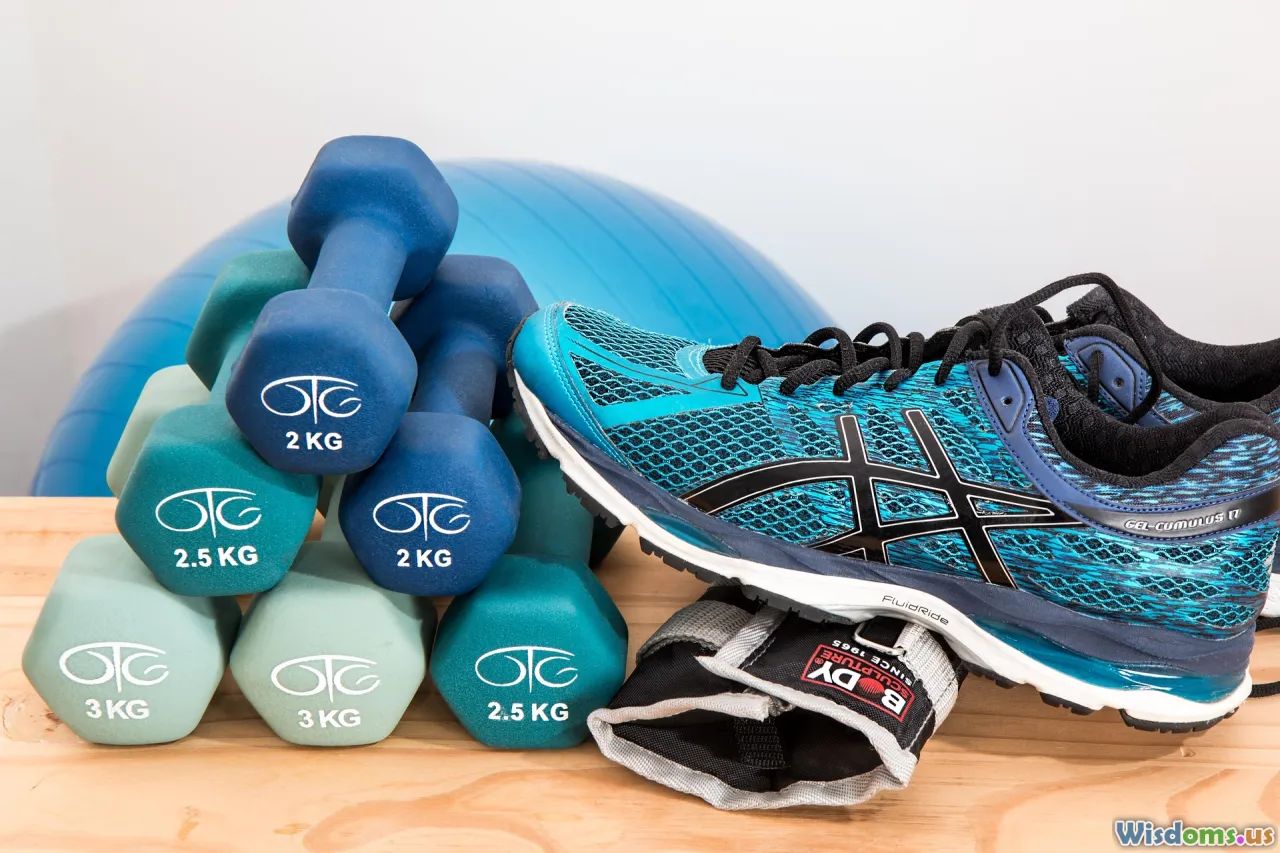
If you lack equipment or want variety, use these one-to-one swaps.
- Pressing
- DB Floor Press ↔ Push-Up Variations (use rings or handles to change range)
- DB Overhead Press ↔ Pike Push-Up or Handstand Push-Up Progressions
- Pulling
- One-Arm DB Row ↔ Inverted Row (change foot elevation to scale)
- DB Pullover ↔ Straight-Arm Band Pulldown or Prone Superman Holds
- DB Rear-Delt Fly ↔ Reverse Snow Angels / Face Pull with Band
- Squat/Knee-Dominant
- Goblet Squat ↔ Tempo Air Squat or Heel-Elevated Squat
- Bulgarian Split Squat (DB) ↔ Bodyweight Bulgarian with Longer Pauses
- Hinge/Hip-Dominant
- DB RDL ↔ Single-Leg Hip Hinge to Wall Touch (progress to air RDL)
- DB Hip Thrust ↔ Single-Leg Hip Thrust or B-Stance Bridge
- Core/Carrying
- Suitcase Carry ↔ Single-Arm Front Rack Carry with Water Jug or Offset Plank Holds
Small-Home Setups On A Budget
- Bare-minimum kit for bodyweight:
- Doorway pull-up bar
- Light/medium resistance bands
- Two sturdy chairs or a low table for inverted rows/dips
- Yoga mat or carpet square
- Bare-minimum kit for dumbbells:
- One adjustable pair (go heavier if lower-body strength is a priority)
- A flat bench is nice-to-have; substitute the floor or a firm ottoman if needed
- DIY tips:
- Water jugs as makeshift dumbbells; a backpack packed with books for loaded push-ups or split squats
- Towels on a smooth floor = sliders for hamstring curls and core work
If you can only buy one item, choose the pull-up bar. Vertical pulling is the hardest to replicate without equipment and pays big dividends for the upper back and posture.
Technique Cues That Matter
A few cues go a long way.
- Push-Up:
- Hands slightly wider than shoulders, fingers spread.
- Screw palms into the floor to engage lats (elbows at ~45 degrees).
- Full lockout with shoulder protraction: “push the floor away.”
- Dumbbell Row:
- Hinge at hips; back is long and neutral.
- Lead with elbow toward hip; pause briefly at top.
- Don’t shrug; keep ribs down.
- Squat (Goblet or Air):
- Inhale to brace; knees track over second toe.
- Sit between the hips, not back behind you only.
- Keep the goblet close to chest; it acts as a counterbalance.
- Romanian Deadlift (DB):
- Soft knees; push hips back until hamstrings are taut.
- Dumbbells skim your thighs; neutral spine throughout.
- Keep the neck in line; avoid looking up excessively.
- Pull-Up:
- Start from a dead hang; “pull your chest to the bar.”
- Think “elbows into back pockets.”
- Control the eccentric for 2–3 seconds.
Measuring Progress Without A Barbell

Track with simple, repeatable tests every 4–6 weeks.
- Strength/endurance benchmarks:
- Push-Ups: Max perfect reps in one set (cap at 40 for quality; retest to see improvement).
- Pull-Ups/Chin-Ups: Max strict reps; or accumulate 20 total reps in as few sets as possible.
- Goblet Squat: Max reps with a fixed weight in 60 seconds.
- Inverted Rows: Max strict reps at a fixed body angle.
- Single-Leg Bridge Hold: Max time each leg.
- Density tests:
- 10-minute density block: total reps of a movement (e.g., rows). The goal is to beat your previous number by 1–3%.
- Tempo tests:
- 3-second down push-ups for max quality reps. This exposes control and strength endurance.
Use RIR (reps in reserve) notes in a training log. If a set is 10 reps with 2 RIR this week and next week you hit 12 reps with the same RIR, you’ve progressed, even without adding weight.
Common Mistakes And Fixes

- Doing too many variations too soon: Master a few key moves and build volume. Novelty is not the same as progress.
- Training to failure on every set: Save that for the last set of an exercise or for the final week of a block. Accumulated fatigue can stall progress.
- Ignoring pulling volume: Push-ups are easy to overdo; make sure rows and pull-ups are equally represented to balance shoulders.
- Skipping unilateral work: Single-leg and single-arm training reveals and fixes imbalances. Don’t neglect it.
- Rushing progressions: Earn pistols and handstand push-ups by building quality reps in regressions first. Likewise, don’t jump dumbbell loads so high that form breaks.
- Forgetting recovery: Sleep, hydration, and protein (about 0.7–1.0 g per pound of goal body weight per day for most active adults) matter as much as the program.
Hybrid Routines: Getting The Best Of Both
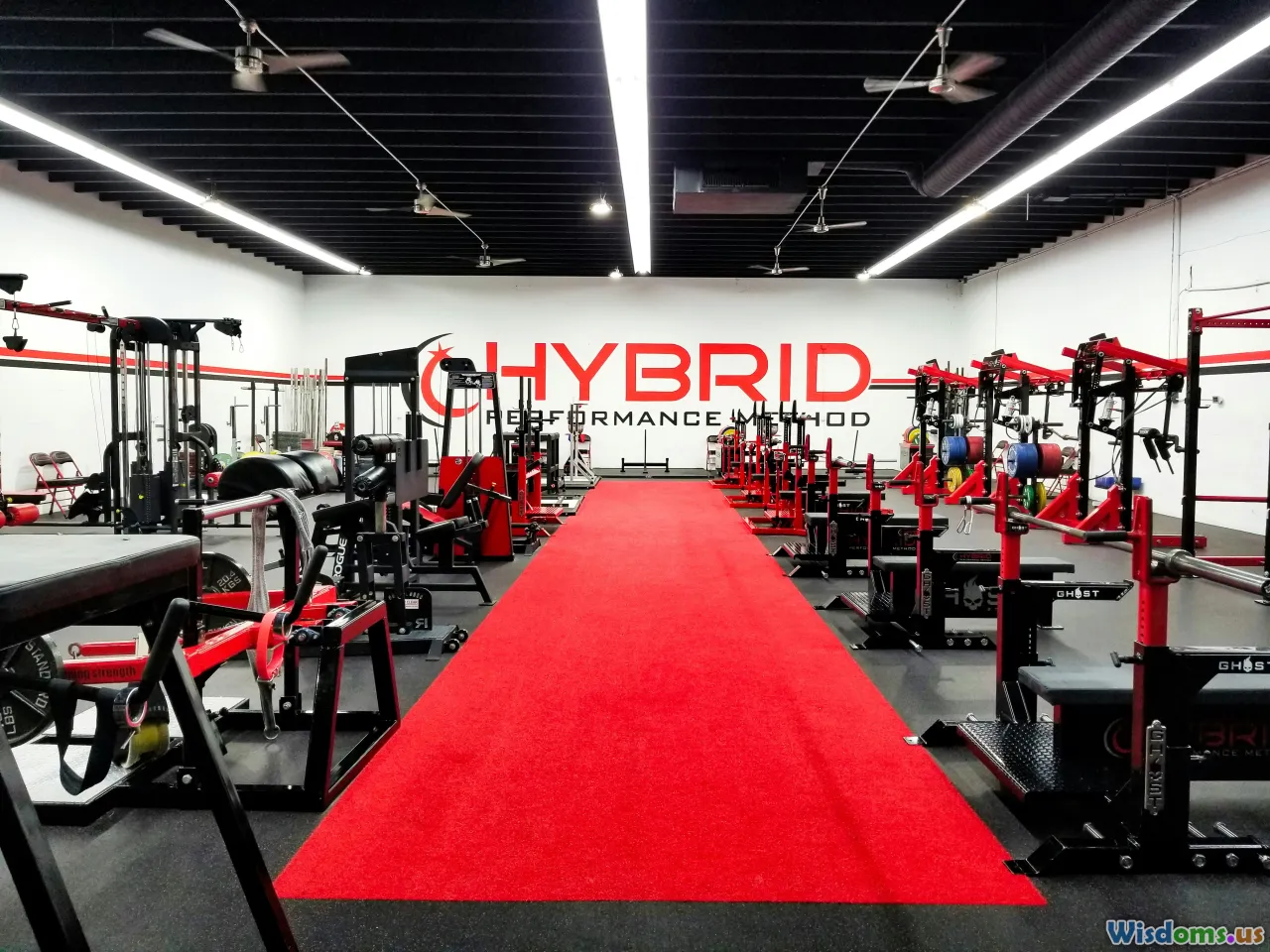
You don’t have to choose. Combining the two makes programming powerful and flexible.
- Principle: Use dumbbells for movements where external load solves a bottleneck (hinge strength, loaded squats, heavy rows), and bodyweight for movements where leverage-based progressions shine (push-ups, dips, handstands, core).
- Sample hybrid week (3 days):
- Day 1: Dumbbell lower + bodyweight push
- DB Goblet Squat 4x8–10
- DB RDL 3x8–10
- Decline Push-Up 4xAMRAP leaving 1 rep in reserve
- Ring Row 3x10–12
- Hollow Hold 3x30s
- Day 2: Bodyweight lower + dumbbell pull
- Bulgarian Split Squat (BW or light DB) 4x8–12
- Hamstring Slider Curl 3x10–12
- One-Arm DB Row 4x8–12 each
- DB Rear-Delt Fly 2–3x12–15
- Side Plank 3x30–45s each
- Day 3: Conditioning blend
- 12-minute DB complex (light to moderate)
- EMOM 10: 5–7 pull-ups or 8–12 inverted rows on odd minutes; 10–15 push-ups on even minutes
- Day 1: Dumbbell lower + bodyweight push
This setup leverages the convenience of bodyweight and the loading precision of dumbbells, minimizing equipment friction while maximizing stimulus.
Special Populations And Goal-Specific Tweaks

- Beginners:
- Start with higher RIR (2–3) and focus on consistent reps week to week. Use slow eccentrics to build control.
- Choose stable variations: incline push-ups, goblet squats with light weight, supported split squats holding a door frame.
- Older adults or those returning from layoffs:
- Prioritize joint-friendly ranges and tempo control.
- Add balance training: single-leg stands, slow step-downs, suitcase carries.
- Keep total weekly volume moderate (8–12 hard sets per muscle group) and emphasize frequency (3–4 shorter sessions).
- Athletes or performance-driven:
- Add power work early in sessions after warm-up: jump squats (low volume), med ball throws (or banded punches), DB push press with crisp technique.
- Use unilateral heavy rows and loaded split squats to bulletproof hips and knees.
- Travelers or ultra-minimal setups:
- Pack a light band. It turns hotels into pull-friendly environments.
- Use EMOMs with push-ups, squats, and band rows for efficient 15–25-minute sessions.
Frequently Asked Questions

-
Which builds muscle faster at home: dumbbells or bodyweight?
- If you have sufficiently heavy dumbbells and can add load in small jumps, dumbbells provide a more linear path. But if you train bodyweight movements close to failure with smart progressions (especially for pushing and single-leg work), hypertrophy differences narrow. The bottleneck is usually vertical pulling load and heavy hinging—solved with a pull-up bar, bands, and creative leg work.
-
Can I get strong legs without heavy weights?
- Yes, via unilateral training, deep ranges, and tempo. Pistol squats, Bulgarian split squats with long pauses, and hamstring sliders are brutally effective. If you can add a backpack or vest, even better.
-
How close to failure should I train?
- Most sets: stop 1–2 reps shy of technical failure. Push closer (0–1 RIR) on the last set of an exercise or in the final week of a block. For skill-heavy moves (handstands, pistols), prioritize quality over grind.
-
How much volume is enough?
- A starting point: 10–14 hard sets per major muscle group per week for intermediates, 6–10 for beginners. Adjust based on recovery and progress.
-
Do I need a bench?
- Helpful for dumbbell presses and supported rows, but you can floor press and chest-support on a stack of pillows or a folded ottoman in a pinch. For bodyweight, chairs and a sturdy table cover many needs.
Putting It All Together: Choosing Your Path

If you love the simplicity of dropping into sets with zero setup, bodyweight will reward you—especially if you add a pull-up bar and bands. If you enjoy tangible, incremental load jumps and want a more traditional strength arc, dumbbells will feel satisfying and effective. Many lifters ultimately blend both: dumbbells for heavy rows, hinges, and goblet squats; bodyweight for push-ups, dips, core, and skill work.
A final, practical decision checklist:
- Choose primarily dumbbells if:
- You own adjustable dumbbells heavy enough to challenge legs and back.
- You like tracking weight PRs and linear progression.
- You prefer conventional rep ranges and predictable jumps.
- Choose primarily bodyweight if:
- You prioritize convenience, minimal gear, and joint-friendly closed-chain movements.
- You enjoy skill progressions (handstands, pistols) and longer time-under-tension sets.
- You travel frequently or share small spaces.
- Choose a hybrid if:
- You want the best of both with minimal gaps: heavy rows/hinges from dumbbells plus bodyweight push/pull/core.
Whichever path you take, consistency beats perfection. Build a routine you can repeat for months, not days. Keep a simple log, aim to improve one variable each week—an extra rep, a better pause, a slower eccentric, a slightly heavier dumbbell, a harder progression—and your body will follow. The difference between a decent home routine and a transformative one is rarely equipment—it’s the quiet, compounding effect of focused practice.
Now, pick your first movement, set a timer, and get to work. Your strongest home workout habit starts today.
Rate the Post
User Reviews
Other posts in Strength Training




Popular Posts