From Couch to HIIT Success A Personal Transformation Story
16 min read Discover one individual's journey from a sedentary lifestyle to HIIT success and the steps taken to transform physically and mentally. (0 Reviews)
From Couch to HIIT Success: A Personal Transformation Story
Settling into the soft embrace of the living room couch can be comfortingly familiar, but for many, it’s also the launchpad for a profound transformation. High-Intensity Interval Training, or HIIT, has emerged as one of the most effective ways to break free from a sedentary lifestyle—often more accessible and rewarding than you might expect. This is the story of how one everyday individual made the shift from passive observer of fitness trends to an active participant, and the real-life complications, revelations, and victories along the way.
The Wake-Up Call That Ignited Change

For months, my life followed a familiar pattern: work, dinner, then hours of television. The initial comfort this brought slowly shifted into concern over my lethargy and increasing health complaints—a stiff back, sluggish mornings, creeping weight gain. A doctor’s appointment revealed rising blood pressure and borderline cholesterol levels. Reality struck hard: if nothing changed, my well-being would only deteriorate further.
But, like for many, the daunting world of fitness culture felt intimidating. Social media feeds featured sculpted athletes and impossible stunts. Personal trainers were out of budget, and traditional gyms ignited old memories of failed resolutions.
What started the shift? A simple online video on HIIT, promising big results in small time chunks. The concept was clear and research-backed: short bursts of high output, followed by rest, repeated in cycles for efficiency and impact. No expensive gear or gym membership required—just effort, a small corner in the living room, and an open mind.
Digging Into HIIT: Science and Simplicity

High-Intensity Interval Training stands apart for its time efficiency and proven metabolic advantages. HIIT sessions, often just 15–30 minutes, alternate intense movements with brief recovery. Studies—like the seminal 2012 paper in the Journal of Obesity—showed that HIIT can increase insulin sensitivity, burn fat, enhance cardiovascular health, and even boost mood markers more effectively than long, steady-state cardio.
For a beginner, this was enticing: minimal time, no equipment, and science on its side. Initial routines were straightforward:
- 20 seconds of command (jumping jacks, burpees, squat jumps)
- 10 seconds of rest
- Repeat for 7–12 rounds per exercise
Can anyone do HIIT? Virtually yes, although modifications for pacing, low impact, or medical concerns are always wise. As I watched tutorial videos, I realized the brilliance of its simplicity: sink into the rhythm, each set a challenge, but always over before monotony crept in.
The Home Setup: Creating a Micro Gym
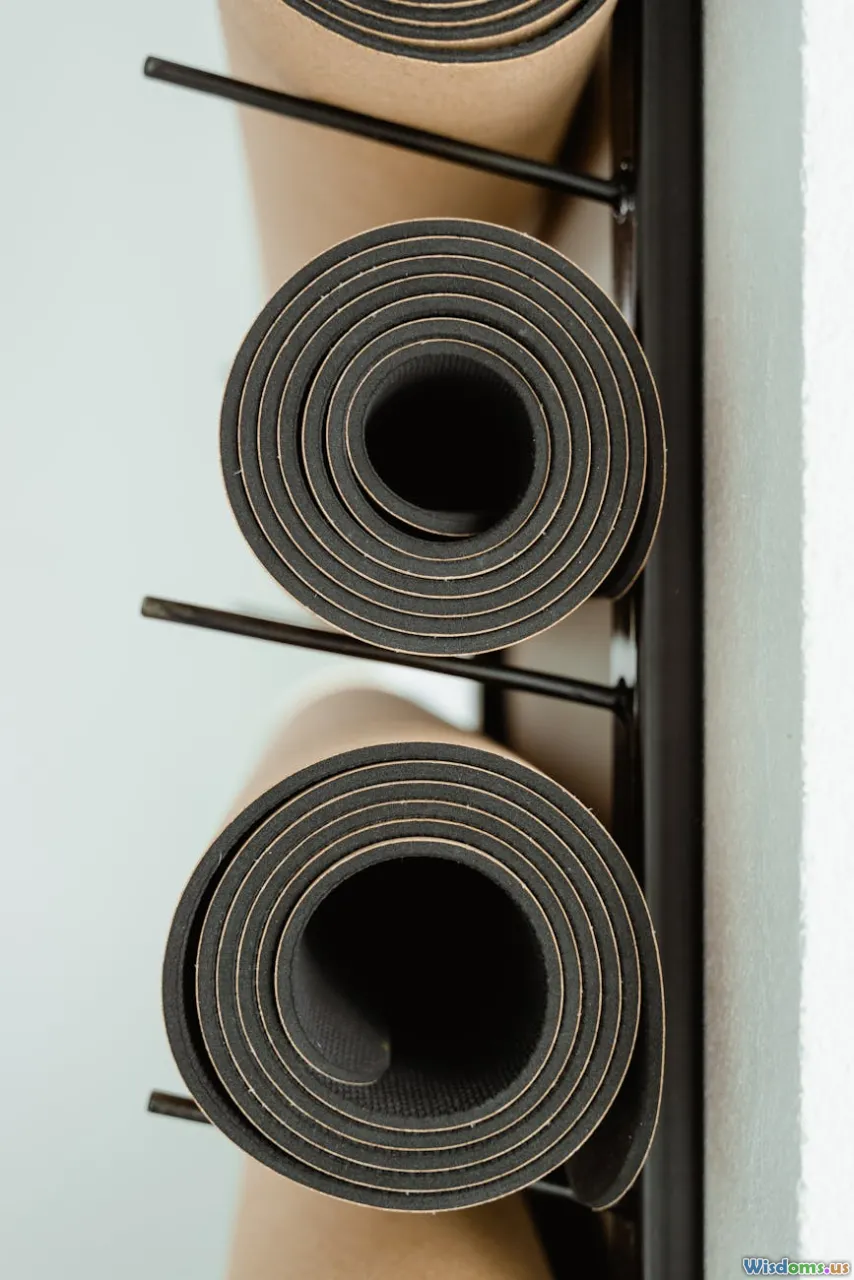
Without access to a fitness studio, my living room became base camp. The setup was embarrassingly simple:
- One yoga mat
- A refillable water bottle
- Bluetooth speaker for playlists
- Bodyweight conditioning apps (seven-minute workouts, beginner HIIT guides)
Instead of investing in kettlebells and resistance tubes, I focused on mastering form and gradually increasing intensity. HIIT’s versatility meant routines adapted to any space—mountain climbers in a hallway, star jumps by the coffee table, planks wherever there was a flat surface.
A core tip: track progress, not perfection. I kept a notebook (later switching to a mobile app), jotting down dates, workout completion, feelings (exhausted, elated, accomplished). Visible progress—and patterns of consistency—fueled my motivation far better than any dramatic before-and-after comparison ever could.
Psyching Up: Overcoming Self-Doubt and Starting Small

One hidden obstacle pledges to sabotage every fitness journey: your own mind. Early on, soreness, awkwardness, and self-doubt hit hard. Was progress so slow because of genetics, or lack of willpower?
Instead of judging myself by impossible standards, I did these:
- Set micro-goals: Complete today’s scheduled session, not chase perfection
- Celebrate small wins: Survive an extra circuit; shave two seconds off a round
- Join social accountability groups: Online HIIT communities cheered minor milestones
Consistent with studies from the American Psychological Association, self-compassion and tracking mini accomplishments are powerful motivators. Rather than berate myself for missing a session, I planned when to try again.
Early Challenges: Sticking With the Program

Within the first two weeks, my body protested more than once. HIIT exposes physical limitations fast: pounding heart, gasping lungs, heavy legs. Skipping sessions was tempting, especially on high-stress days.
To combat this, I practiced “habit stacking”: linking HIIT to an existing routine, like morning coffee or shutting down the work laptop. This created an almost Pavlovian trigger: finish task, change, hit the mat, start playlist.
Nutrition became another front. Early workouts fueled by last night’s pizza sometimes left me nauseated. Gradually, I learned tracked hydration and simple, pre-HIIT snacks made a difference—banana with a smear of peanut butter, or Greek yogurt stabilized energy levels.
Building Confidence: Visible Progress and Mood Shifts

Something profound happened after those first 30 days: I started to experience real, visible change. Jeans fit looser. Energy lasted throughout the day. Most surprising, stubborn afternoon brain fog—a corporate warrior’s nemesis—dissipated.
Family and friends took notice. When my own internal dialogue shifted from negativity (“I am too old for this”) to pride (“I am showing up for myself”), momentum snowballed. Weeks of work transformed into:
- Two clothing sizes down after three months
- Resting heart rate decreased from 76 to 62 BPM
- Sleep tracker revealed longer, more restorative rest
And the numbers weren’t the best part. It was smiling more, responding to stress with patience, and feeling grounded—both mentally and physically.
Turning Setbacks Into Setups: Learning From Mistakes

Progress is not linear. An ankle twinge during a careless lunge forced rest and physical therapy. Illness, work deadlines, and an unexpected move tested my commitment. Rather than seeing these as confirmation I “couldn’t stick with anything,” I reframed every blip as a learning opportunity.
Questions that led to course correction:
- Why did this injury happen? (Improper form, too much too soon)
- How can I avoid missing sessions during travel? (Mobile apps, pack resistance bands)
- What’s the difference between discipline and obsessive self-punishment? (Flex days are part of long-term planning)
Celebrating my own resilience taught me that real fitness isn’t about uninterrupted streaks, but about coming back—again and again, smarter and more forgiving each time.
HIIT vs. Traditional Cardio: The Results Are In

Comparing HIIT to the monotonous treadmill jogs or elliptical sessions I’d tried and abandoned before, the difference was night and day: HIIT was never boring. More to the point, scientific literature—from the American Council on Exercise to The Lancet—suggests that while both approaches improve cardiovascular fitness, HIIT yields greater improvements in shorter periods, particularly for those with limited time or a low fitness baseline.
For example, a meta-analysis published in 2020 found that overweight and sedentary adults experienced larger declines in body fat and greater increases in oxygen capacity after 12 weeks of HIIT compared to moderate-intensity continuous training. HIIT even appeared to have more pronounced effects on visceral fat—the stubborn kind around the abdomen and organs.
An unexpected bonus came in my newfound enjoyment of variety—switching up HIIT circuits, trying new moves, even outdoor intervals when weather allowed.
Effective HIIT Routines for Complete Beginners
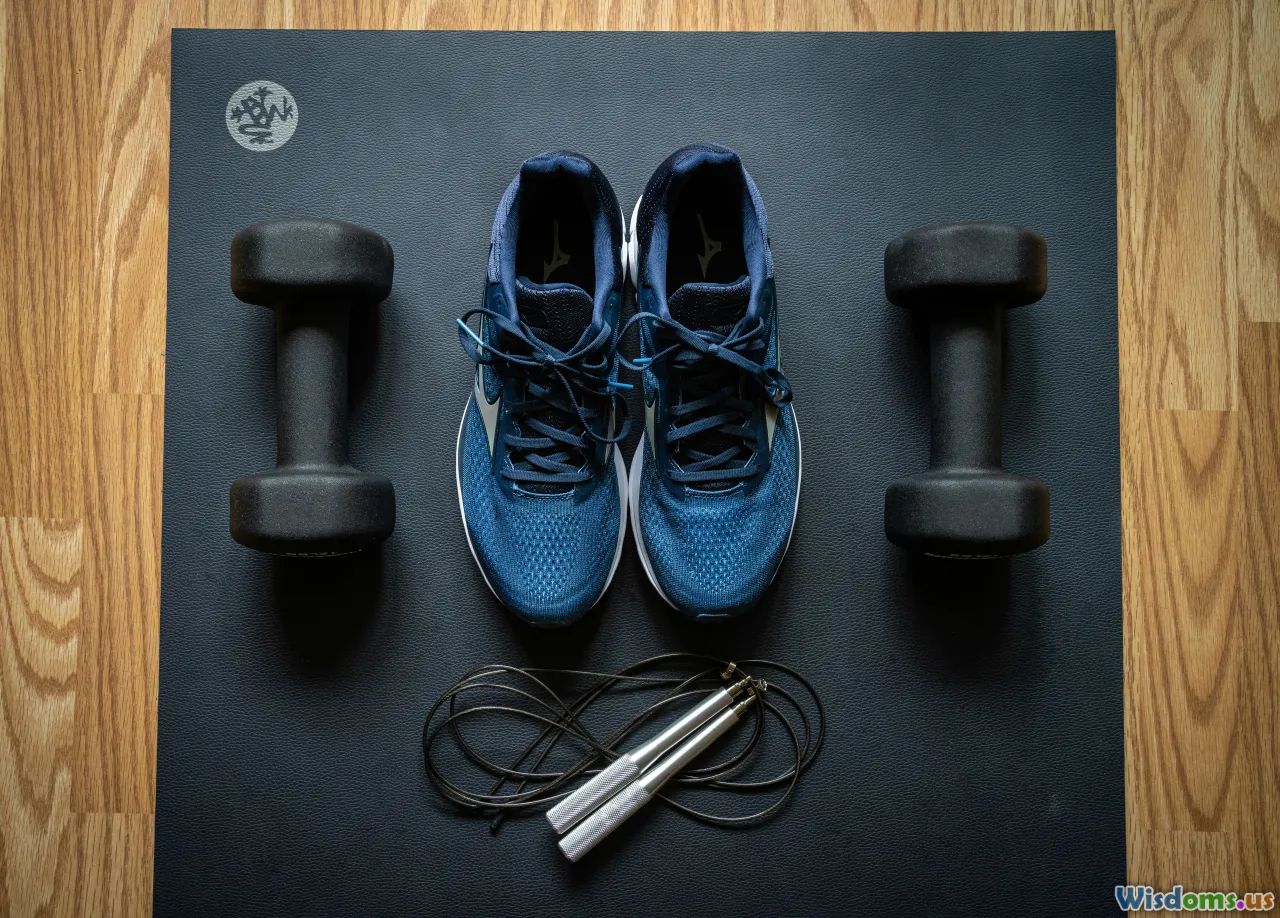
If you’re inspired but unsure where to start, here are evidence-based, beginner-friendly HIIT routines inspired by my journey:
Routine A: Total Body HIIT (20 minutes)
- 20 seconds jumping jacks
- 10 seconds rest
- 20 seconds squats (bodyweight or chair-assisted)
- 10 seconds rest
- 20 seconds knee push-ups
- 10 seconds rest
- 20 seconds mountain climbers (slow pace for form)
- 10 seconds rest
- Repeat entire set 4 times
Routine B: No-Impact HIIT (joint-friendly, 18 minutes)
- 30 seconds march in place, pumping arms
- 15 seconds rest
- 30 seconds seated knee lifts
- 15 seconds rest
- 30 seconds wall push-ups
- 15 seconds rest
- 30 seconds standing side leg raises
- 15 seconds rest
- Repeat 3 times
Remember: always warm up for five minutes with dynamic stretching, and finish with a cooldown to bring heart rate down. Adjust intervals and moves as needed—listen to your body as you push your limits.
The Role of Community and Technology in Sustaining Change

While HIIT can be intensely personal, I learned that community and tools made consistency far easier. I found:
- Social media hashtags like #HIITBeginner and #CouchToFit bursting with ordinary people sharing authentic progress
- Free mobile apps (Nike Training Club, 7 Minute Workout, Fitbod) to guide routines and celebrate streaks
- YouTube channels led by relatable, diverse trainers—making the journey accessible and visible for all ages, sizes, and backgrounds
Arranging occasional "workout challenges" with friends, family, or coworkers—often by video chat—added a playful layer of accountability. Even on lazy Sundays, seeing notifications from workout buddies got me moving.
Mindfulness and Joy: Beyond Numbers and Fat Loss
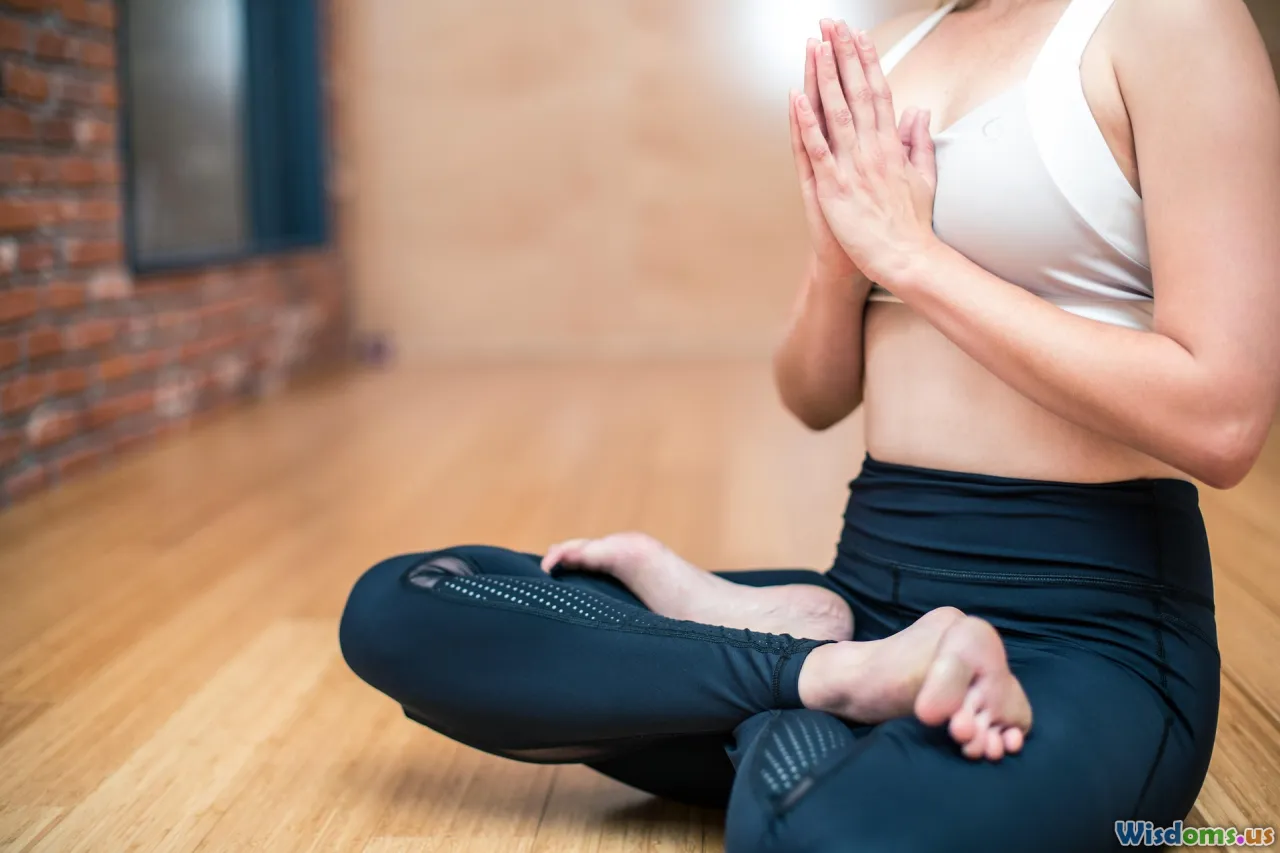
While HIIT’s physical effects were compelling, the emotional and psychological rewards offered enduring satisfaction. Over time, I noticed:
- Reduced stress spikes, even during work deadlines
- Sharper mental clarity and creativity throughout the day
- Ability to sleep more soundly
- Pride in carving out time for self-investment
Integrating short mindfulness exercises (simple breathing, gratitude journaling post-workout) made these benefits even richer. The daily discipline of showing up extended into patience with tough projects or difficult conversations—a hidden victory that no before-and-after photo can reveal.
Sustainability: Ensuring HIIT Success for the Long Haul
Flash-in-the-pan bursts of fitness determination rarely last. What sustains real change is embedding movement into everyday life. After eight transformative months, I’ve:
- Scheduled HIIT or light stretching as non-negotiable calendar appointments
- Blended new interests (walking, hiking) with interval conditioning
- Upskilled to tougher HIIT progressions, but always return to the basics when time or energy are low
- Shared the journey openly, inviting others to join so that movement becomes a contagious lifestyle
Maintaining fitness isn’t about reaching an imagined “finish line.” It’s about empowering yourself daily, whatever life throws your way.
Transformation isn’t found in overnight miracles or complicated systems. It’s a journey of persistence, adaptability, and compassion—qualities we all hold, waiting to be awakened. From my own story of moving from couch-locked fatigue to HIIT success, I’ve learned the first step is never the hardest. The magic lies in every small choice that follows. If a regular person like me could transform a living room into a playground of possibilities and rediscover not just health but happiness, then perhaps your path starts with standing up, pressing play, and trusting what happens next.
Rate the Post
User Reviews
Other posts in HIIT (High-Intensity Interval Training)




Popular Posts