
What Happens If You Overdo HIIT Every Day
31 min read What daily HIIT overtraining does to your body, from fatigue and plateaus to hormone shifts and injury risk—plus evidence-based recovery tactics to train smarter without burning out. (0 Reviews)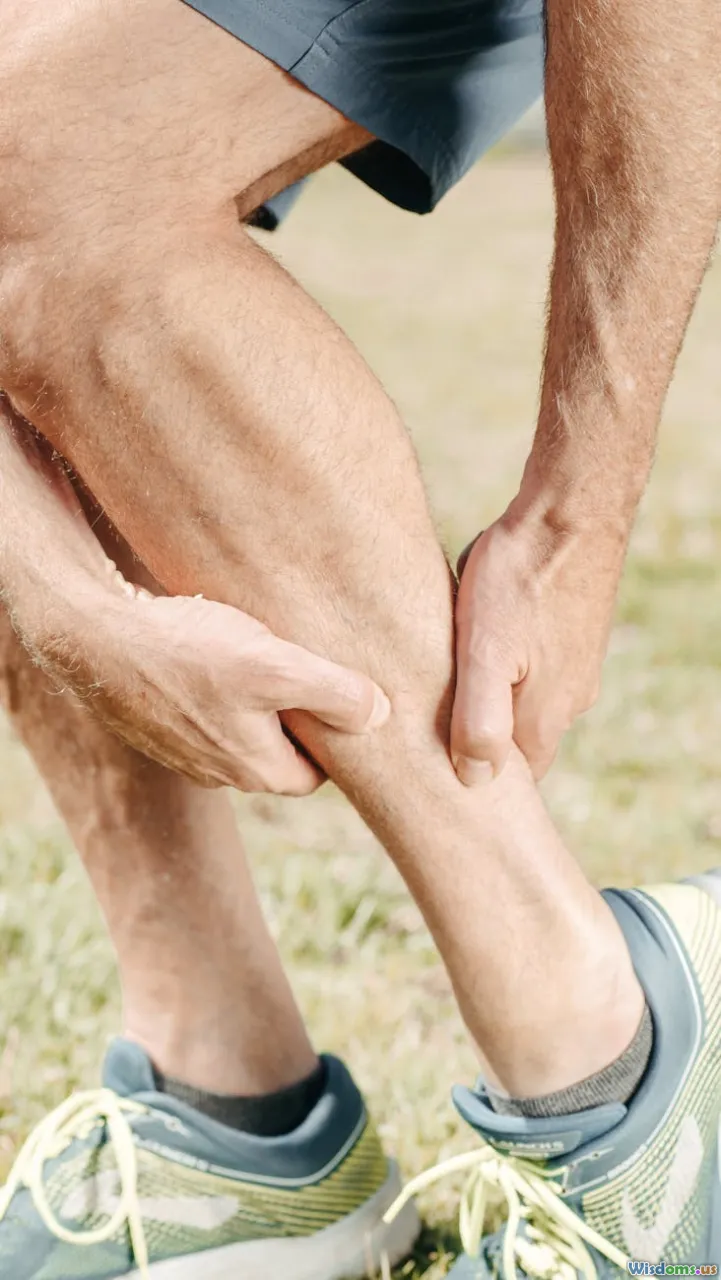
High-intensity interval training (HIIT) is the espresso shot of fitness: small, potent, and convenient. When used well, it builds cardiovascular capacity, improves insulin sensitivity, and burns calories quickly. But take enough espresso shots back-to-back and even a caffeine lover knows there is a point where the jitters replace the buzz. Overdoing HIIT every day pushes your stress response, joints, and nervous system beyond what they can reliably recover from. The result is not superhuman conditioning but stalled progress, mounting fatigue, and a higher risk of injury.
This article unpacks what actually happens inside your body when you stack daily HIIT sessions, how to recognize early warning signs, and how to structure training that keeps HIIT as a powerful tool rather than a daily drain. You will get practical frameworks, examples, and a reset plan you can start this week.
What counts as overdoing HIIT?

HIIT is not just working hard. It is intentionally cycling very hard efforts with recovery periods. Classic sessions include 30 seconds on, 30 seconds off repeated 10 to 20 times, or 4 minutes hard with 2 minutes easy repeated 4 to 6 times. Overdoing HIIT means performing these high-stress intervals so frequently that your recovery lag accumulates. A few markers of doing too much include:
- Frequency: More than 3 true HIIT sessions per week for most recreational athletes, especially when they are bunched on consecutive days.
- Intensity: Treating every workout as a redline effort (session RPE 8 to 10 out of 10), with minimal truly easy days.
- Volume of hard minutes: Cramming 20 to 40 minutes of near-VO2max work multiple times per week. Many studies show strong adaptations with as little as 12 to 24 minutes of hard work per session, 2 to 3 times per week.
- Insufficient recovery: Sleeping under 7 hours, inconsistent fueling, high life stress, or doing heavy strength and hard cardio on the same day without spacing.
An example of overdoing it: Monday Tabata class (8 x 20 seconds on, 10 seconds off) plus sprints, Tuesday CrossFit WOD with thrusters and rowing sprints, Wednesday Peloton HIIT ride, Thursday bootcamp intervals, Friday track repeats, weekend two metcon circuits. That is six to seven high-intensity exposures in a week. You might feel unstoppable for a few days, then find workouts inexplicably harder, motivation dipping, and niggles appearing around the knees or Achilles.
Why HIIT works—and why daily HIIT backfires

HIIT is a stressor that triggers beneficial adaptations when followed by adequate recovery. Here is the physiology in plain terms:
- Energy systems: HIIT taxes anaerobic glycolysis and the upper end of aerobic metabolism. You produce lactate quickly, which your body learns to shuttle and oxidize more efficiently.
- Cardiovascular: Repeated high-intensity bouts increase stroke volume (the heart pumps more blood per beat) and improve VO2max. Interval durations of 2 to 5 minutes are especially potent for this.
- Muscular: HIIT signals mitochondrial biogenesis—your muscles build more power plants—via pathways like PGC-1alpha. It also strengthens fast-twitch fibers and improves neuromuscular recruitment.
- Hormonal and neural: HIIT spikes catecholamines (adrenaline, noradrenaline) and cortisol, mobilizing fuel and sharpening focus.
But these same pathways have finite recovery budgets. When every day is HIIT day:
- Sympathetic overdrive: Your fight-or-flight system stays chronically elevated, thinning sleep quality, reducing heart rate variability (HRV), and flattening mood.
- Competing signals: Muscles crave time to repair microdamage and remodel mitochondria. Tendons and connective tissues adapt more slowly than muscle. Hammering them daily breeds tendinopathy risk.
- Diminishing returns: Studies often show that 2 to 3 HIIT sessions per week yield robust improvements in VO2max and performance. Adding a fourth or fifth yields marginal gains at best and higher fatigue.
Think of HIIT as a strong medicine. The right dose yields remarkable benefits; the wrong dose produces side effects without more benefit. The concept of mitohormesis—where small doses of stress improve resilience and large doses impair it—applies here.
Short-term warning signs you are overdoing it

You do not need blood tests to detect early trouble. A few days to a couple of weeks of excessive HIIT can bring recognizable signals.
- Performance drop despite trying hard: Intervals that felt manageable now feel like gasping; you cannot hit previous paces or wattages.
- Elevated morning resting heart rate: 5 to 10 beats per minute above your personal baseline for several mornings.
- Reduced HRV: If you track HRV (e.g., RMSSD), you may see a downward trend and more red days.
- Sleep disruption: Trouble falling asleep after evening HIIT due to residual adrenaline; waking at 3 am; unrestful sleep.
- Mood and motivation changes: Irritability, reduced enthusiasm to train, brain fog.
- Persistent muscle soreness: DOMS that lingers more than 72 hours, or soreness migrating joint-to-joint.
- Appetite changes: Either suppressed appetite (common after intense efforts) leading to under-fueling, or intense cravings for quick carbs.
- Niggles: Hot spots in the Achilles, patellar tendon, or IT band; shin tenderness after sprint sessions.
These are signs of functional overreaching—your training stress temporarily exceeds your recovery. If you course-correct early, you can rebound stronger in a week or two. Power through it, and you risk nonfunctional overreaching that lasts weeks.
The longer-term consequences of daily HIIT

Do high-intensity intervals every day for months, and the risks expand beyond feeling flat in a single workout.
- Performance plateaus or regresses: Without polarized training—mostly easy work with a sprinkle of hard—you cannot build an aerobic base. You become great at suffering and poor at sustaining speed, so race times stagnate.
- Increased injury risk: Tendons remodel slowly. Repeated plyometrics, sprints, and heavy eccentrics without spacing can lead to Achilles tendinopathy, patellar tendinopathy, plantar fasciitis, and hamstring strains. Shinsplints and stress reactions may follow in runners.
- Menstrual disturbances and low energy availability (LEA): For women, low energy intake plus high training load can cause cycle irregularities. Relative Energy Deficiency in Sport (RED-S) affects bone health, metabolism, and mood. Men can experience reduced libido, lower testosterone, and persistent fatigue under LEA.
- Immune system dips: High chronic stress can slightly elevate infection risk; many athletes notice more frequent colds during heavy interval blocks.
- Sleep and stress spirals: One poor night of sleep reduces motor learning and power output; add daily HIIT and the spiral continues.
- Elevated injury severity when it happens: Tissues under chronic stress fail more dramatically. A small niggle during a well-rested period might be a rest day; under chronic fatigue, it becomes a tear.
These outcomes are not guaranteed. Many people can handle blocks of frequent intensity if they have years of training, high fitness, excellent recovery habits, and careful programming. But for most recreational athletes, daily HIIT is akin to pushing a car near redline every commute: it works—until it does not.
The tendon and bone timeline most people ignore

It is easy to judge readiness by how your muscles feel. Muscles recover the fastest. Tendons, ligaments, and bones are slower:
- Muscle protein synthesis spikes within hours and normalizes over 24 to 72 hours.
- Tendon collagen turnover occurs over weeks; remodeling to strengthen the tendon can take months.
- Bone adapts to impact with peaks and troughs in remodeling; too-frequent high-impact sessions interrupt this balance and can lead to stress injuries.
Daily sprints, jump squats, burpees, and bounding do not just fatigue muscles—they repeatedly load connective tissues that are still remodeling from the last session. This is why alternating high-impact days with low-impact cardio, mobility, or strength work is not just optional; it is a long-term injury prevention strategy.
Who is most at risk from daily HIIT?

- Beginners returning to exercise: The desire to get fit fast meets tissues not yet conditioned for repeated impact and intensity.
- Masters athletes (40+): Recovery capacity and collagen turnover slow slightly with age; wisdom beats willpower here.
- Highly stressed professionals or parents: Poor sleep and inconsistent meals create an energy mismatch.
- Postpartum and perimenopausal women: Pelvic floor considerations, hormonal shifts, and bone health warrant a measured ramp.
- People with a history of tendon pain or stress fractures: Your body has already signaled a weak link.
None of this means HIIT is off-limits. It means your dose, spacing, and support system matter more.
How often should you do HIIT?

Broadly, 2 to 3 HIIT sessions per week is enough for most goals, especially if you are also doing strength training. That might mean:
- General fitness and health: 2 HIIT sessions per week, separated by at least 48 hours, plus 2 to 3 easy cardio sessions and 2 strength sessions.
- Fat loss phase: 2 to 3 HIIT sessions per week, not on consecutive days; keep strength training; prioritize steps and zone 2 cardio on other days.
- Endurance performance: 2 high-intensity sessions per week with the rest as easy volume (the 80/20 or polarized approach).
- Team sport athletes: 2 sessions per week in season, aligned with practice intensity and games.
Why not daily? Intervals tap into the same stressed systems; recovery takes time. Doing more is not better when it blunts adaptation and risks injury.
Smarter programming: periodize the stress
Think in cycles:
- Microcycle (1 week): Anchor 2 hard days (HIIT or threshold). Fill the rest with easy cardio, strength, mobility.
- Mesocycle (3 to 5 weeks): Progress intensity or volume for 2 to 3 weeks, then deload for 1 week with reduced intensity.
- Macrocycle (12+ weeks): Focus on phases—base, build, peak—so you are not doing the same HIIT forever.
Sample weekly templates
Beginner general fitness:
- Mon: Strength full-body (moderate)
- Tue: HIIT cardio (e.g., 10 x 1 min hard, 1 min easy)
- Wed: Easy zone 2 cardio 30 to 45 min + mobility
- Thu: Strength full-body (moderate)
- Fri: Rest or easy walk
- Sat: HIIT mixed modal (e.g., 6 rounds 30 sec hard bike + 30 sec easy)
- Sun: Easy hike or cycle 45 to 60 min
Endurance-leaning recreational runner:
- Mon: Easy run 45 min + strides
- Tue: VO2max intervals (5 x 3 min hard, 2 min jog)
- Wed: Strength lower focus + mobility
- Thu: Easy run 45 to 60 min
- Fri: Rest or cross-train light
- Sat: Tempo run (20 min comfortably hard) or hill repeats
- Sun: Long easy run 60 to 90 min
Cross-training fat loss phase:
- Mon: Strength total body + finisher (short, not all-out)
- Tue: HIIT (bike or row) 12 to 20 min of hard work
- Wed: Walk 60 min + core
- Thu: Strength total body
- Fri: Easy zone 2 + mobility
- Sat: HIIT circuit 10 to 15 min hard segments
- Sun: Rest
Note the pattern: hard days are spaced, and easy days are truly easy.
Monitoring tools that keep HIIT honest
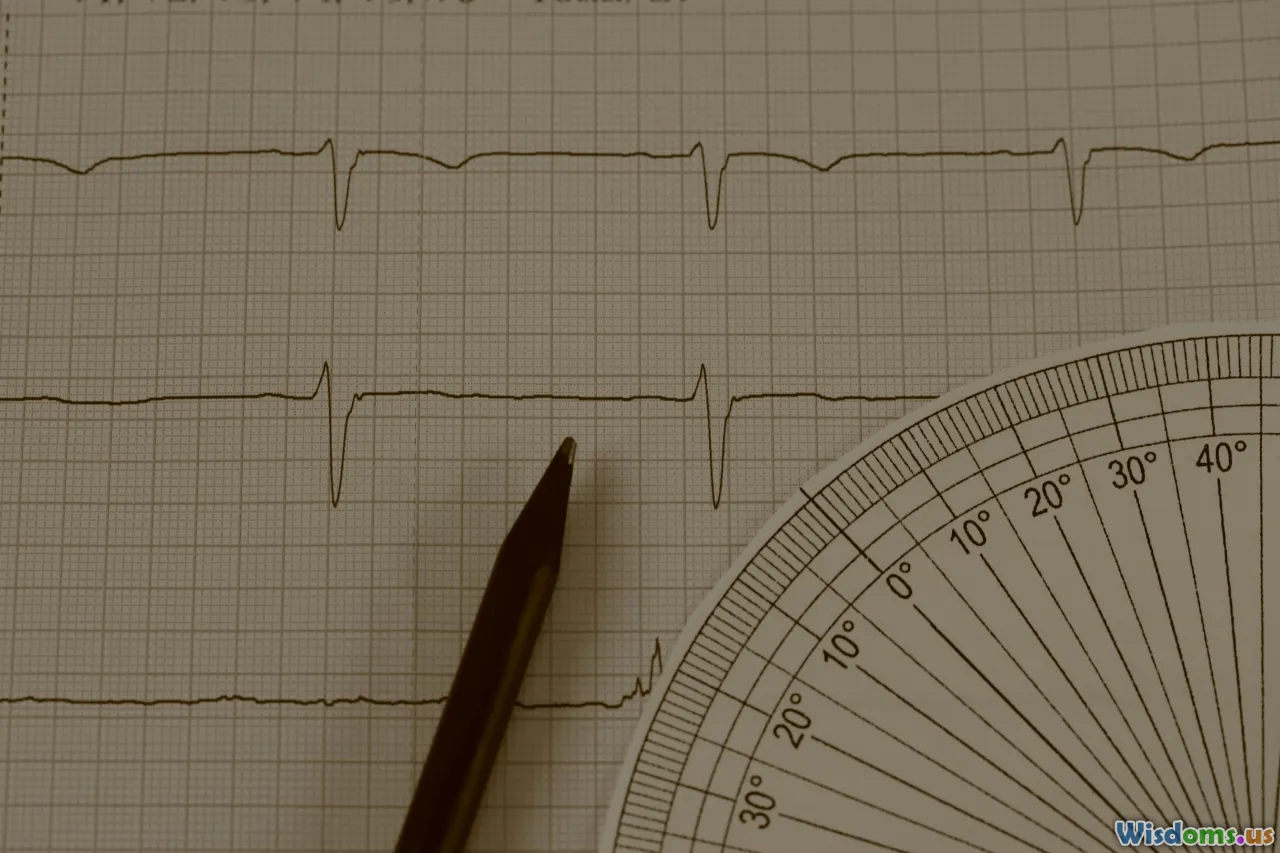
You cannot manage what you do not measure. Use simple tools:
- Session RPE: After each workout, rate how hard it felt (0 to 10). Multiply by duration (minutes) for a training-load number you can track weekly. If the sum jumps by more than 20 percent week-over-week repeatedly, expect issues.
- Morning pulse: Measure resting heart rate upon waking, 3 to 4 times per week. A sustained uptick signals stress.
- HRV: Apps and wearables can track HRV trends. Look for multi-day dips, not single-day blips.
- Sleep: Aim for 7 to 9 hours, with a pre-bed wind-down. Chronic under-7-hour nights and daily HIIT is a collision course.
- Mood and motivation: Keep a brief training journal. Note energy, soreness, motivation, and stress. Patterns emerge fast.
- Orthostatic test: Resting supine 2 minutes, then stand and measure pulse for 1 minute. Exaggerated jump can reflect autonomic stress.
- For women: Track cycles. If cycles shorten, lengthen, or pause without other cause, reduce intensity and check fueling.
Fueling and recovery: the hidden HIIT multiplier
Recovery starts in the kitchen and the bedroom, not in the gym.
- Energy availability: Ensure enough calories to cover daily living plus training. As a rough check, people often feel cold, lethargic, and plateau in performance when chronically under-fueled.
- Carbohydrates: They are your HIIT fuel. As a rule of thumb, include a carbohydrate-rich meal 2 to 3 hours before HIIT or a small snack 30 to 60 minutes prior. Post-workout, combine carbs and protein.
- Protein: Target 1.6 to 2.2 g per kg of bodyweight per day. Distribute 20 to 40 g doses across meals for muscle repair.
- Hydration and electrolytes: Intense sessions raise sweat losses, especially indoors. Hydrate before and after; include electrolytes if sessions exceed 45 to 60 minutes or if sweat rate is high.
- Caffeine timing: Helpful pre-HIIT, but late-evening doses can wreck sleep. If you must do evening HIIT, limit caffeine after mid-afternoon.
- Alcohol: Post-workout alcohol impairs protein synthesis and sleep. Save it for rest days.
- Omega-3s and micronutrients: Not magic, but adequate intake supports normal inflammation resolution and general health. Prioritize a varied diet with fruits, vegetables, and quality fats.
Remember, appetite is often suppressed after maximal efforts. Plan meals so you do not unintentionally under-fuel.
When to pull back: deloads, rest days, and the return-to-HIIT ramp

If warning signs stack up, step back before your body forces the issue.
- Light deload: 5 to 7 days with no HIIT. Keep moving with easy zone 1 to 2 cardio, mobility, and technique work. Cut strength loads by 20 to 40 percent and keep reps easy.
- Watch basics: Sleep 8 hours, dial in fueling, reduce life stress where you can. Walk after meals. Breathe.
- Return protocol: Start with 1 HIIT session the following week. If you feel strong and markers (RHR, HRV, mood) are normal, add a second HIIT a few days later. Resist the urge to make up lost time.
A practical reintroduction plan after a deload might look like:
- Week 1: 1 HIIT session (6 x 2 min hard, 2 min easy) + 3 easy cardio days + 2 strength days.
- Week 2: 2 HIIT sessions (1 short, 1 moderate) + 3 easy cardio days + 2 strength days.
- Week 3: 2 HIIT sessions + a progression of volume or intensity on only one of them.
Note your response. If you bounce back quickly, great. If not, extend the deload approach another week.
Common myths about HIIT frequency, busted

- Myth: Daily HIIT is the fastest way to lose fat. Reality: Calorie deficit drives fat loss. Daily HIIT often makes you hungrier, sleep worse, and move less the rest of the day, wiping out the calorie burn advantage. Two or three quality HIIT sessions plus lots of easy movement is more sustainable.
- Myth: If a little HIIT helps VO2max, more must help more. Reality: Beyond 2 to 3 sessions per week, gains flatten and fatigue climbs. Your aerobic base still needs easy volume.
- Myth: Short workouts cannot cause overtraining. Reality: Intensity, not just duration, taxes recovery. Even 10 minutes of all-out repeated daily is a net stress overload for many.
- Myth: Pain equals progress. Reality: Productive discomfort is not joint pain, pinching, or deep ache that lingers. Distinguish muscle burn from tissue warning signs.
- Myth: HIIT replaces strength training. Reality: Intervals do not build maximal strength or robust connective tissue the same way. Keep lifting.
Frequently asked scenarios

- Can I sprint on the treadmill every day for 10 minutes? You can, but over weeks it is likely to spike Achilles and hamstring risk. Better: 2 sprint days, 2 to 3 easy cardio days, and strength work on separate or carefully paired days.
- I love Peloton HIIT rides—can I stack them daily? Rotate intensities. Choose 2 true HIIT rides per week, 1 to 2 tempo or moderate rides, and the rest low-intensity. Use heart rate or power zones to enforce easy days.
- CrossFit class every day is my social outlet. How do I avoid overdoing HIIT? Pick classes by stimulus. Choose 2 to 3 days where the metcon is truly high-intensity. On other days, focus on strength or skill WODs and keep conditioning at conversational pace. Communicate your week plan to coaches.
- I only have 20 minutes. Is daily HIIT my only option? No. You can do zone 2 micro-sessions (20 minutes at easy pace), mobility, or technique drills. Not every short workout has to be maximal.
- What about beginner bootcamps that run daily? Attend 3 to 4 days per week. Ask coaches to scale impact and intensity on successive days, or cross-train with cycling or rowing to reduce joint strain.
A realistic 4-week reset plan if you have been overdoing it

Use this if you have been in a daily-HIIT loop and feel stale.
Week 1: Off the gas, not off the wagon
- Replace HIIT with zone 2 cardio 30 to 45 minutes, 3 times.
- Strength train twice, leaving 2 reps in reserve on each set; no circuits.
- Daily 10 minutes mobility and easy core.
- Sleep goal: 8 hours. Nutrition: prioritized carbs around workouts, protein at each meal.
- Measures: Record morning pulse, mood, and sleep quality.
Week 2: Reintroduce a single HIIT touch
- Add 1 HIIT session midweek: 8 x 1 minute at hard but sustainable pace, 1 minute easy.
- Keep 2 other days as zone 2 cardio and 2 days strength.
- If you feel great by the weekend, include a short tempo (15 to 20 minutes comfortably hard) or hills.
Week 3: Two quality intensities
- Session A: 5 x 3 minutes hard, 2 minutes easy.
- Session B: 10 x 30 seconds very hard, 60 seconds easy.
- Maintain 2 to 3 easy cardio days and 2 strength days.
- Fine-tune volume; if you feel heavy, trim one interval from each session.
Week 4: Consolidate and test
- Repeat Week 3, but aim for small improvements in pace, power, or perceived ease.
- Optional: A low-key test like a 12-minute run for distance or a 20-minute power test, but only if you have slept well and feel fresh.
At the end, compare Week 1 notes to Week 4. Most people see lower resting heart rate, improved HRV, and better mood alongside stronger interval performances.
Tools and tactics to make HIIT sustainable
- Use a plan: Even a simple weekly template reduces impulsive stacking of hard sessions.
- Enforce easy days with heart rate or talk test: If you can speak in sentences, you are in the right zone.
- Cap hard minutes: In most sessions, keep total hard-interval time to 12 to 24 minutes.
- Warm up properly: 8 to 12 minutes including progressive efforts and movement prep. Cold starts on sprints invite strains.
- Rotate modalities: If you sprint on Tuesday, consider cycling or rowing for Thursday intervals to spare tissues.
- Strength is your friend: Two weekly lifting sessions build resilience in tendons and joints. Emphasize posterior chain, single-leg stability, and calf complex.
- Respect sleep: The best performance enhancer you are likely underusing.
- Socialize without smashing: Join classes for community, but scale intensity and communicate your weekly targets.
What a well-structured HIIT week feels like

You finish hard days spent but not shattered. Easy days feel like you are holding back—and that is the point. You sleep through the night more often than not. Your appetite is steady and meals taste good, not like chores. Soreness is background noise, not the headline. Your paces or wattages trend up modestly every few weeks, not down.
Consider two runners as a comparison:
- Runner A does HIIT five days per week and feels tough. By week 4, 1k repeats are slower despite more effort. Knees ache. Sleep is fragmented.
- Runner B does HIIT twice per week, sprinkles in strides, and logs three easy runs. By week 4, 1k repeats are faster at the same perceived effort. Knees feel fine. Weekend long runs feel smoother.
Both are working hard. Only one is adapting.
Bringing it all together

HIIT is a sharp tool. Used with intent—two to three times per week, surrounded by easy movement, strength work, and robust recovery—it chisels fitness efficiently. Use it daily and it becomes a blunt instrument that dents performance, sleep, and joints.
The most successful recreational athletes treat intensity like a spice, not a staple. They log lots of easy minutes, protect sleep, fuel for the work required, and journal simple metrics so they can nudge training up or down before problems snowball. If you love the feeling of going hard, good news: you can keep it in your week. Just make it the exclamation points in your training sentences, not every word.
The next decision is yours. Open your calendar, cap your HIIT to a sustainable dose, and plan your easy days with the same enthusiasm. Your future self—stronger, fresher, and injury-free—will thank you.
Rate the Post
User Reviews
Other posts in Health & Wellness





Popular Posts