Five Surprising Muscle Groups Targeted By Bodyweight Squats
30 min read Discover five lesser-known muscle groups activated by bodyweight squats, with science-backed insights, form cues, and examples to boost strength, stability, and mobility in every rep. (0 Reviews)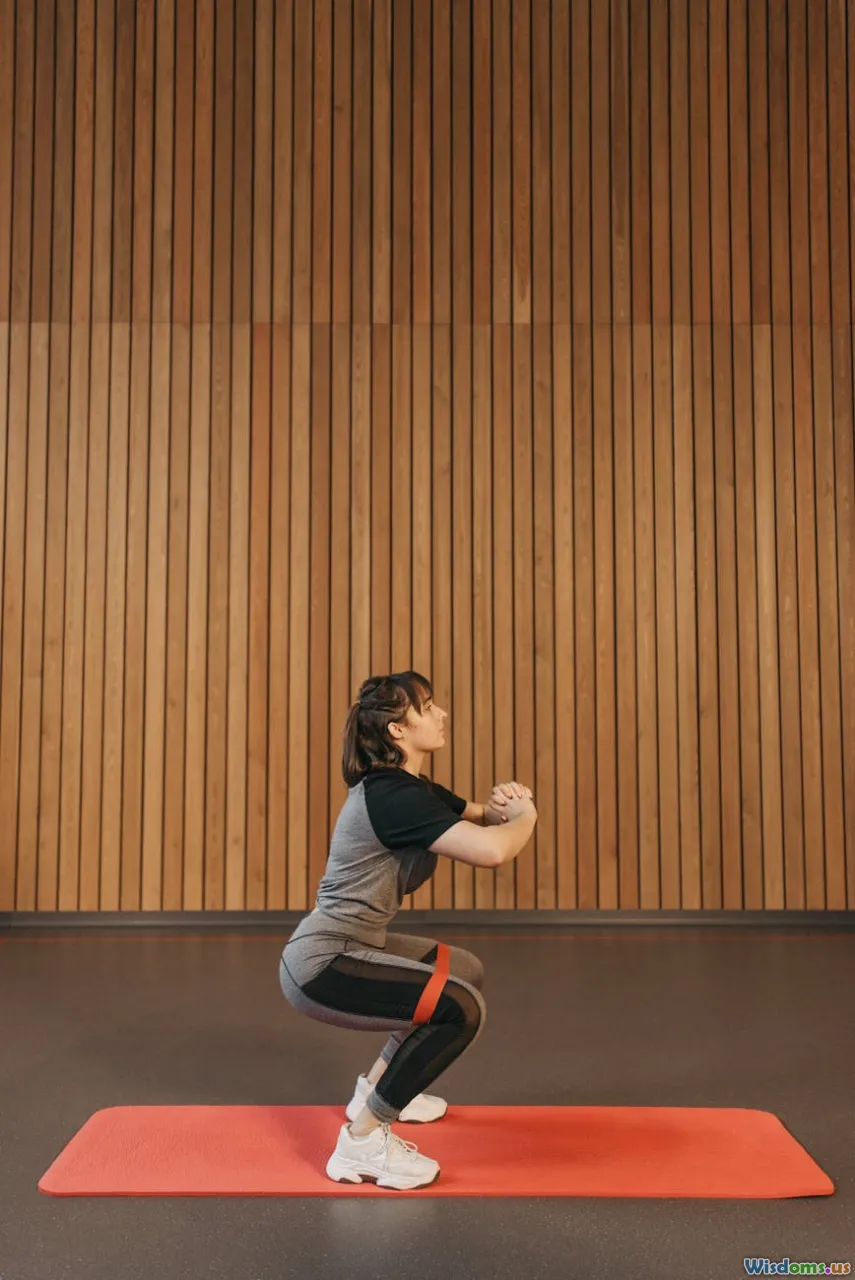
Five Surprising Muscle Groups Targeted By Bodyweight Squats
Most people squat to build stronger quads and glutes. That part is true—but it is only half the story. A simple bodyweight squat quietly trains several overlooked muscles that stabilize joints, shape movement quality, and determine how powerful, pain-free, and athletic your squat will feel. When you learn to recruit these less-obvious contributors, your reps get smoother, your knees feel better, and your lower body strength goes up without adding a single plate.
Below, you will discover five surprising muscle groups your bodyweight squat is already targeting—along with practical ways to feel them, train them, and use them to upgrade your performance.
Adductor magnus: the hidden hip extensor
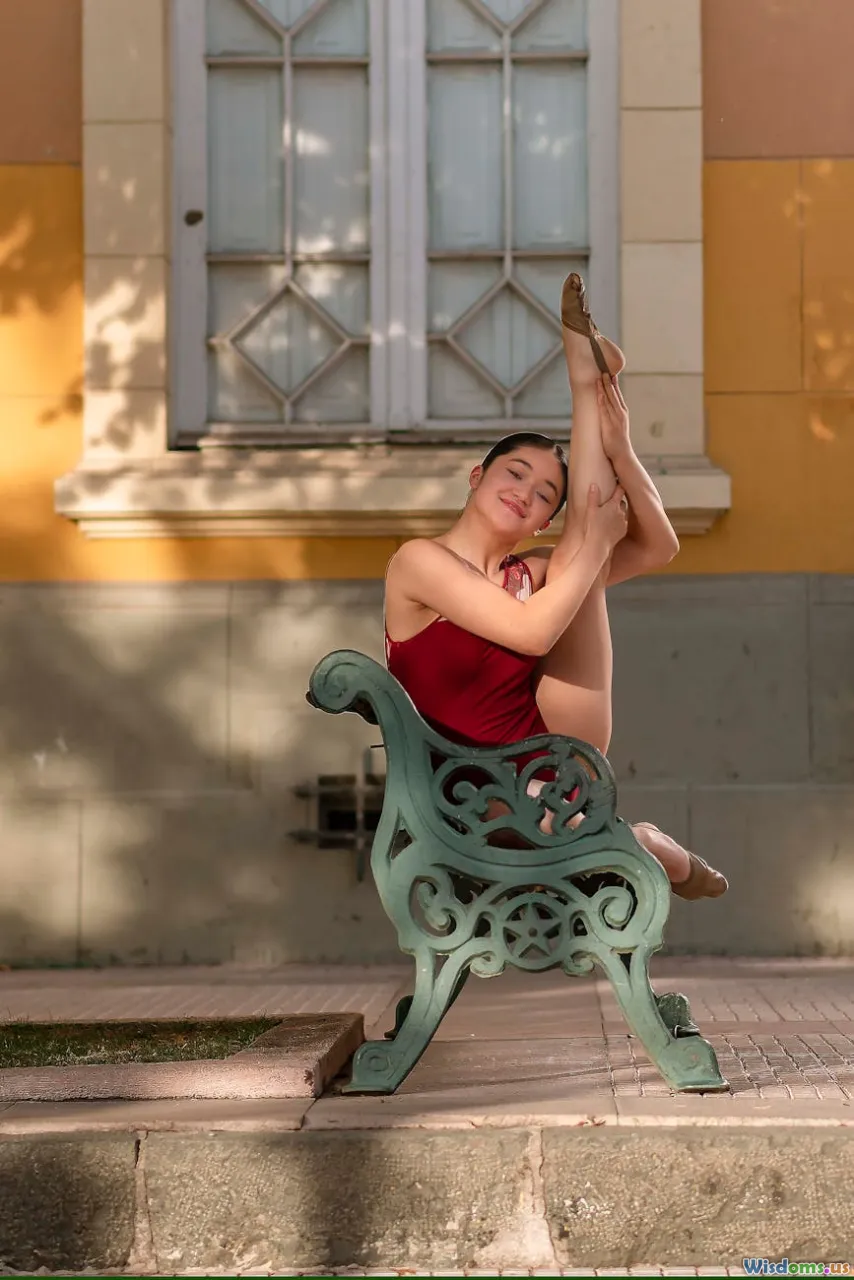
The adductors (inner-thigh muscles) are famous for pulling your legs toward the midline. What many lifters do not realize is that the adductor magnus—particularly its posterior or “extensor” head—acts as a powerful hip extensor when the hips are flexed deeply. In other words, at the bottom of a squat, the adductor magnus helps you stand back up much like your hamstrings and glute max do.
Why this matters:
- In deeper squats, the line of pull for the adductor magnus shifts to favor hip extension. That makes it a prime helper out of the hole.
- If your adductors are weak or under-recruited, you might feel your knees cave inward or you may struggle to generate force from the bottom.
- Strong adductors also stabilize the femur in the socket, aiding knee tracking and reducing shearing stress.
How to feel and train it in a bodyweight squat:
- Stance tune-up: Take a slightly wider-than-shoulder stance with toes turned out 15–30 degrees. This makes room for your hips and stretches the inner thighs as you descend, setting them up to contribute on the way up.
- Bottom-range pauses: Perform 3 sets of 5 reps, each with a 3–5 second pause at the bottom. Think about dragging your knees slightly inward toward midline without actually caving—like squeezing a beach ball between your knees while keeping them aligned over the toes. You should feel the inner thighs come alive.
- Cossack squat finisher: After your main sets, do 2 sets of 6–8 Cossack squats per side (a side-to-side deep lunge). Sink as low as your hips allow with a tall chest and push the bent knee out over the toes. You will feel a deep stretch-then-contract pattern in the adductors.
- Wall adductor pulse: Stand with your right hip a foot from a wall. Sink into a half squat, and press the outside of your right knee into the wall for 20–30 seconds while staying tall. Swap sides. This isometric drill boosts hip stability while lighting up the adductors.
Coaching cues:
- Drive the floor together: Imagine pulling the ground inward with your feet as you stand. This cue recruits the adductors without collapsing the knees.
- Keep the knees stacked: Track over the second or third toe. You want engagement, not valgus collapse.
Common sign you need this: If you feel wobbly at the bottom or your knees snap inward under fatigue, your adductors likely need both strength and awareness.
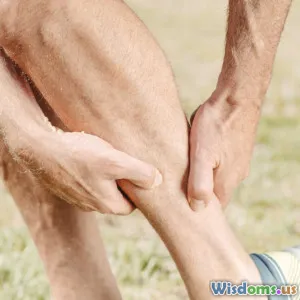
Soleus and the calf complex: the ankle’s shock absorbers

The calf is not just one muscle. The gastrocnemius crosses both the knee and ankle, while the soleus sits underneath and only crosses the ankle. When you squat, your knees bend, which slackens the gastrocnemius and shifts more work to the soleus. This makes bodyweight squats a surprisingly solid isometric and eccentric stimulus for the soleus especially near the bottom as your ankles dorsiflex.
What the soleus does in a squat:
- Eccentrically controls the shin’s forward movement as you descend.
- In a closed-chain setting (feet fixed), plantarflexion torque from the calf can help the knee extend by stabilizing the ankle and improving the timing of force transfer from foot to hip.
- Helps keep the heel rooted, improving balance, knee tracking, and quad drive.
If your ankles feel tight or your heels try to pop up, your soleus may be both stiff and undertrained in its lengthened range.
How to train it within the squat:
- Tempo squats: Use a 4-second descent, 1–2 second pause, and controlled 2-second ascent. Focus on letting the knee track forward over the toes while keeping the entire foot—heel, base of big toe, base of little toe—pressed down. You will feel your calves working hard to manage that forward shin angle.
- Wall ankle test drill: Stand facing a wall, one foot about 3–5 inches back. Bend the knee toward the wall without the heel lifting. Find the farthest distance you can touch the wall with your knee while the heel stays down. Perform 2–3 sets of 10 reps per side before squats to warm the soleus and clear ankle range.
- Heels-elevated variation (as a bridge): Place your heels on a thin plate or wedge and squat with perfect form. This reduces ankle demand temporarily so you can groove mechanics while you build soleus strength with tempo and mobility work.
Everyday indicator: If long walks or stairs make your shins or Achilles feel tight, or your squat depth stalls due to ankle restriction, bring the soleus into focus.
Tips to protect the ankle:
- Keep a gentle outward pressure through the forefoot so the arch does not collapse.
- Think of pushing the ground away with the whole foot rather than bouncing out of the bottom.
Gluteus medius/minimus and the rotator crew: the tripod of pelvic stability
Everyone talks about the glute max. Fewer lifters talk about the gluteus medius and minimus, the abductors and rotators that keep your pelvis level and your femurs aligned as you move. During bodyweight squats, these muscles act like guy wires, resisting the inward drop of the knees (valgus) and the side-to-side sway of the hips.
Why this matters beyond squats:
- Runners with cranky knees often have weak abductors. The same control deficits show up in squats as wobbling knees, hip shifting, or uneven depth side to side.
- The deep external rotators (piriformis, gemelli, obturator internus/externus) work with glute med/min to steer the femoral head, giving you a stable hinge.
How to target them during bodyweight squats:
- Band-above-knees warm-up: Loop a light miniband just above your knees. Sit back into 2–3 sets of 10 squat reps while maintaining outward pressure on the band. This teaches the knees to track over the toes without caving.
- Quarter-turn abductors: Stand tall, soft knees, miniband above ankles. Step sideways for 10–15 steps each direction, keeping toes straight and pelvis level. Then do your bodyweight squats and notice how much more stable your knees feel.
- Single-leg sit-to-stand test: Sit on a box or chair and stand up using one leg, keeping the knee tracking over the toes. If your knee collapses inward or your hip hikes, add 2–3 sets of 5 reps per side to your weekly routine.
Cues and checks:
- Spread the floor with your feet as you descend, then stand as if you are pushing the floor apart. This wakes up glute med.
- Aim knees at the second toe line. Record a set from the front; if your knees dive inward at the bottom, prioritize abductor activation drills.
A quick corrective circuit:
- 10 lateral band walks each way
- 8 banded bodyweight squats (knees gently outward)
- 6 pause squats with a 3-second hold at the bottom Repeat 2–3 times. Most lifters notice immediate improvements in knee tracking and balance.
Spinal erectors and the deep back line: the posture preservers
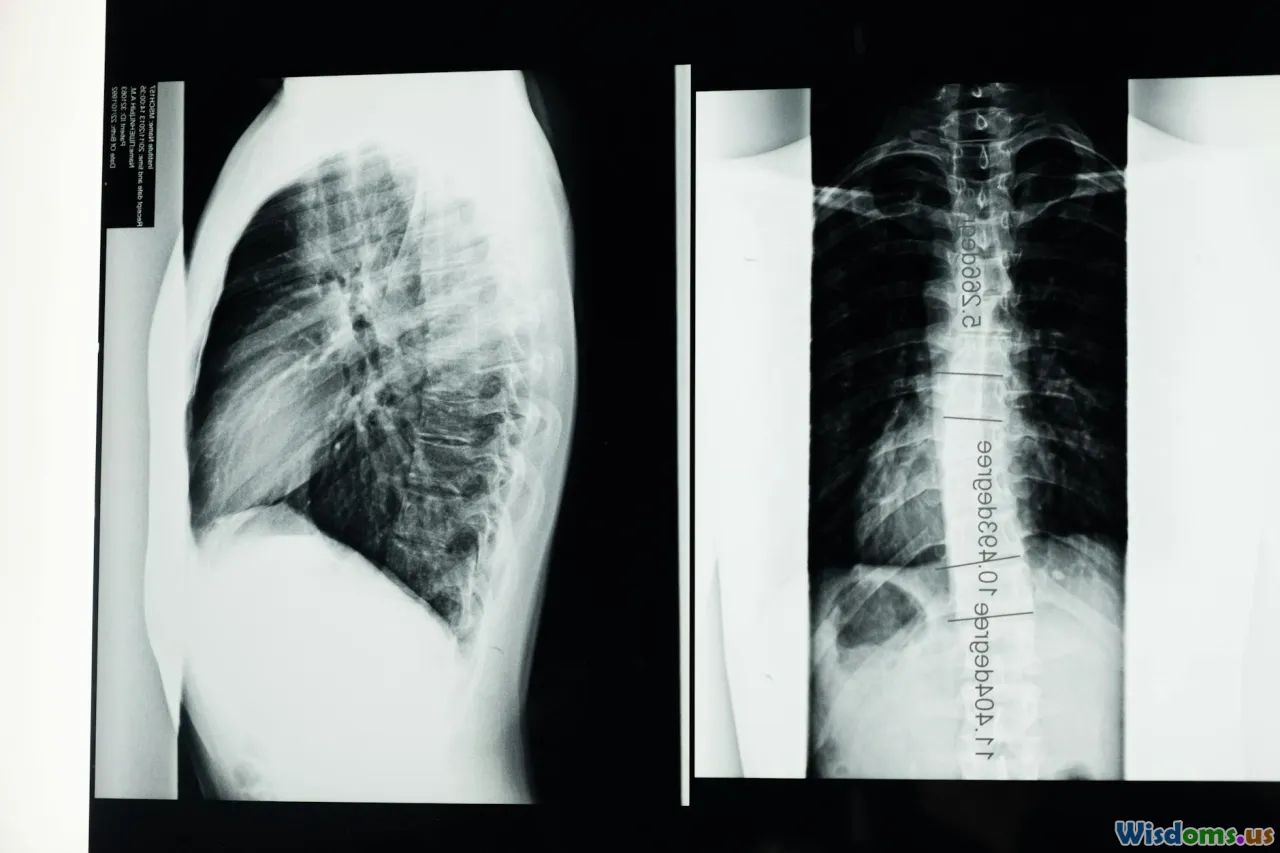
Even without a barbell, squats demand isometric endurance from the spinal erectors (iliocostalis, longissimus, spinalis) and the small but mighty multifidi that segmentally stabilize the vertebrae. These muscles resist spinal flexion as your torso inclines forward and link with the lats and thoracolumbar fascia to transfer force between the hips and the ground.
What they do in a bodyweight squat:
- Maintain neutral or near-neutral spinal alignment against gravity.
- Control the rate of trunk inclination so the center of mass stays over your midfoot.
- Coordinate with the abdominal wall to create a 360-degree brace, increasing intra-abdominal pressure that protects the spine.
If you feel your lower back working during deep bodyweight squats, that does not automatically mean something is wrong. It often means your erectors are doing their job. The goal is strong, even tension, not cramping or pinching.
How to strengthen them with bodyweight alone:
- Dowel alignment drill: Place a light stick along your spine, touching the back of your head, mid-back, and tailbone. Practice 2–3 sets of 5 slow squats keeping the three contact points. You will feel how your torso angle changes with depth and how your back muscles hold shape.
- Breathing brace reps: Before each set, take a nasal inhale into the belly and sides, then gently tighten as if preparing to be poked in the side. Keep that pressure as you descend for 3 seconds. Exhale through pursed lips as you stand. Five reps like this make your brace automatic.
- Anti-flexion holds: Bottom-position squat hold for 20–40 seconds with your arms straight out in front as a counterbalance. Keep the chest proud without hyperextending the lower back. Your mid and upper erectors will light up.
Troubleshooting:
- If you fold aggressively at the hips and feel the back overwork, add more counterbalance (arms forward) and increase ankle range with the soleus drills above. Better ankle motion reduces the need to lean as far forward.
- If your ribs flare up and back arches, exhale slightly at the bottom to set the ribs down, then stand tall.
Foot intrinsics and arches: the ground-force interface
Your feet are not passive platforms. Intrinsic foot muscles (like abductor hallucis, flexor digitorum brevis, quadratus plantae) and extrinsics (tibialis posterior, peroneus longus) form a dynamic system that stabilizes the arches. In a squat, these muscles help you grip the floor, control pronation, and transmit force up the chain. When the foot collapses, the knee often follows.
Why squats train them more than you realize:
- Each rep asks you to organize weight over a tripod: heel, base of the big toe, base of the little toe. That tripod must stay grounded as the ankle dorsiflexes and the pelvis drops.
- Micro-adjustments in foot pressure are constant, especially in deep ranges or on single-leg variations.
How to bring them online:
- Short-foot setup: While standing tall, lightly draw the ball of the big toe toward the heel without curling the toes. You should feel the arch lift subtly. Keep that engagement as you squat for 5–8 reps. No toe clawing; think gentle suction.
- Toe-anchored squats: Keep the big toe firmly planted and focus on equal pressure across the tripod. If the big toe lifts, your arch likely collapses and the knee may drift inward.
- Barefoot dose: If safe and clean, do 1–2 warm-up sets barefoot on a firm surface. Barefoot practice increases sensory feedback, helping you learn to maintain the tripod. Transition gradually if you are new to it.
Simple self-check:
- Film your feet from the front during 5 slow reps. If the big toe pops up or the arch flattens dramatically at the bottom, add short-foot holds and slow eccentrics for a few weeks.
A quick foot-priming routine (two minutes before squats):
- 20 calf raises, slow, with big-toe pressure
- 10 short-foot pulses per side
- 10 ankle rocks with the heel down
Technique tweaks to emphasize each overlooked muscle group

Use these quick adjustments to bias specific tissues without changing the exercise entirely.
-
For adductor magnus
- Stance: Slightly wider than shoulders with 15–30 degrees toe out.
- Tempo: Slow 4-second descent, 2-second pause at depth.
- Cue: Imagine gently squeezing the floor together as you stand without letting knees collapse.
- Bonus: Add Cossack squats after sets for a deep adductor stretch-strength combo.
-
For soleus (calf complex)
- Stance: Normal width, heels fully grounded; optionally elevate heels slightly to rehearse torso position while you mobilize ankles separately.
- Tempo: Emphasize slow eccentrics; pause where your ankles feel tight, then breathe and maintain heel contact.
- Cue: Keep shin moving forward over the toes under control, tripod glued down.
-
For glute med/min and rotators
- Stance: Normal width. Use a light band above knees to reinforce outward pressure.
- Tempo: Smooth down; drive up as if spreading the floor.
- Cue: Knees track over second toe; imagine headlights on your kneecaps pointing straight ahead.
-
For spinal erectors
- Stance: Your normal squat stance; arms extended forward as a counterbalance for posture practice.
- Tempo: 3-second descent with a crisp but controlled ascent.
- Cue: Tall chest, ribs down, head and tailbone gently lengthening away from each other.
-
For foot intrinsics
- Stance: Whatever allows you to keep the tripod; consider slightly narrower than usual to encourage foot engagement.
- Tempo: Slow enough to feel pressure shift underfoot without losing contact points.
- Cue: Big toe heavy, heel heavy, little toe heavy—no toe clawing.
Programming ideas you can start this week
You do not need separate isolation workouts to build these muscles. Blend emphasis into a simple, progressive plan.
Option A: Three-day squat micro-cycle
- Day 1 (Adductors + Soleus)
- Bodyweight squats: 4 sets × 6–8 reps, 4-1-2 tempo, wider stance
- Cossack squats: 3 × 6 per side
- Wall ankle test drill: 2 × 10 per side
- Day 2 (Glute med/min + Foot intrinsics)
- Banded squats: 4 × 8–10 reps, knees gently out
- Lateral band walks: 3 × 12 steps each way
- Short-foot holds: 3 × 20 seconds per side
- Day 3 (Spinal erectors + Integration)
- Counterbalance pause squats: 4 × 5 reps, 3-second bottom hold
- Dowel alignment drill: 2 × 5 reps
- Bottom-position squat hold: 2 × 30–40 seconds
Option B: One-session total blend (30–35 minutes)
- Warm-up circuit (2 rounds)
- 10 ankle rocks per side
- 10 short-foot pulses per side
- 10 lateral band steps each way
- Main sets
- Bodyweight tempo squats: 5 × 6 at 4-1-2 tempo, focusing on tripod foot and knee tracking
- Banded squats: 3 × 8 focusing on glute med pressure
- Accessories
- Cossack squats: 2 × 6 per side
- Bottom squat hold: 1 × 45–60 seconds
Progression knobs to turn over 4–6 weeks:
- Range: Aim to add a few degrees of depth while maintaining heel contact and spinal posture.
- Tempo: Progress from 4-1-2 to 5-2-2 eccentrics once mechanics are solid.
- Volume: Add 1–2 reps to each set weekly or add one more set on the main movement.
- Balance: Swap a set or two to single-leg variations (split squat, skier squat) to challenge abductors and foot control.
Practical troubleshooting for stubborn sticking points
-
Heels pop up at the bottom
- Likely culprits: Stiff soleus/ankle dorsiflexion limits; center of mass too far forward.
- Fixes: Increase ankle rocks and wall knee-to-wall drill; use a small heel wedge temporarily; slow down the bottom third with pauses to build tolerance.
-
Knees cave inward
- Likely culprits: Underactive glute med/min; adductors overpowering in the wrong direction; collapsing arches.
- Fixes: Banded squats and lateral walks; short-foot setup; film from the front and keep kneecaps aligned with the second toe.
-
Lower back pumps or pinches
- Likely culprits: Rigid breathing pattern; losing abdominal brace; excessive forward lean due to tight ankles or hips.
- Fixes: 360-degree breathing before each rep; counterbalance with arms forward; mobilize ankles; reduce depth slightly while you build control.
-
Hip pinch at the bottom
- Likely culprits: Bony hip structure or limited hip rotation space; stance not matched to your anatomy.
- Fixes: Try a modest toe-out and slightly wider stance; use Cossack squats to open adductors; stop one inch above the pinch and pause-breathe for 3–5 reps to gently expand usable range.
-
Arch collapses or big toe lifts
- Likely culprits: Underactive foot intrinsics; overemphasis on heels only.
- Fixes: Short-foot drill between sets; cue big toe and heel heavy; practice barefoot warm-up sets when appropriate.
Evidence-informed insights without the jargon
- Adductor magnus as a hip extensor: As hip flexion increases, the posterior fibers of the adductor magnus gain a stronger extension moment arm. Practically, that means deeper squats call on adductors to help you stand up.
- Soleus vs gastrocnemius: Because the gastroc crosses the knee, knee flexion during squats reduces its contribution relative to the soleus, making the soleus a prime ankle stabilizer under load.
- Abductors and knee alignment: When the knee drifts inward, it is often a control issue rather than just strength. Light band work teaches the brain to center the femur over the foot, improving joint mechanics even without added load.
- Spinal erectors and bracing: A coordinated abdominal brace (obliques and transverse abdominis included) teams with the erectors to create stiffness that protects the spine and lets the hips and knees produce power efficiently.
- Foot mechanics as the foundation: The foot’s tripod organizes force upstream. Subtle improvements in foot pressure can clean up knee tracking instantly for many lifters.
These principles explain why bodyweight squats alone can meaningfully improve movement quality across your entire lower kinetic chain.
A fast, effective warm-up to light up the hidden helpers
Use this five-minute sequence before bodyweight squats to prime the surprising muscle groups you just learned about:
- Ankle rocks and knee-to-wall drill (60–90 seconds total)
- Keep the heel down; aim for smooth, pain-free range. Soleus wakes up.
- Short-foot pulses (30 seconds per side)
- Gentle arch lift without toe clawing. Foot intrinsics engage.
- Lateral band walks (2 × 10 steps each way)
- Stay level through the pelvis. Glute med/min activate.
- Cossack squats (1–2 sets × 5 per side)
- Explore side-to-side depth. Adductors lengthen and strengthen.
- Counterbalance squat holds (1 × 30–40 seconds)
- Arms forward, tall posture. Spinal erectors and brace come online.
By the time you start your main sets, your ankles will move better, your knees will track straighter, and your torso will feel steadier.
Quality cues you can trust on every rep

- Tripod foot first: Heel, big toe, little toe pressed into the floor.
- Knees over toes you can see: Soft outward pressure, no collapse.
- Hips between the heels: Sit down, not just back; let the knees travel as ankles allow.
- Tall but not arched: Ribs gently down, chin neutral, chest proud.
- Breathe then move: Inhale and set your brace before you descend; keep a little pressure at the bottom; exhale as you stand.
String these cues together and the right muscles tend to do the right jobs without overthinking.
When to adjust, and when to leave it alone
- If a variation lets you maintain the tripod, track the knees well, and reach your target depth without pain, keep it. Consistency builds capacity.
- If something pinches or collapses, change the constraint instead of forcing it—add a small heel lift, adjust toe angle, or cut the range slightly while you practice control.
- If you are returning from an injury, prioritize tempo, pauses, and isometrics (holds) before adding speed or plyometrics.
- If you cannot feel the target muscles, slow the rep down by 2–3 seconds, pause where the challenge is greatest, and breathe.
Small changes in intent create big changes in recruitment—even in a simple bodyweight squat.
Your bodyweight squat is not just a quad-and-glute exercise; it is a full-spectrum coordination drill that quietly trains your adductors, calves, hip stabilizers, spinal erectors, and feet to work as a team. Bring those surprising muscles to the forefront with the drills and cues above, and you will build a deeper, smoother, stronger squat that carries over to everything from running and hiking to lifting and sport. Keep the reps honest, the tempo controlled, and the tripod rooted. The strength will follow.
Rate the Post
User Reviews
Other posts in Strength Training
Popular Posts