From Classical To Hip Hop How Genres Shape Harmony
15 min read Explore how musical genres from classical to hip hop influence harmony, shaping their unique sounds and traditions. (0 Reviews)
From Classical To Hip Hop: How Genres Shape Harmony
Music is a living language, with each genre expressing its own dialect of harmony. From the intricate counterpoint of J.S. Bach to the bold chords of The Beatles, and from the free-flowing progressions of jazz to the beat-driven backdrops of hip hop, the way harmony is crafted and understood continues to evolve. Exploring this journey not only reveals music’s historical progression but also how our ears, emotions, and cultures dance in tandem with time.
The Foundations of Harmony in Classical Music
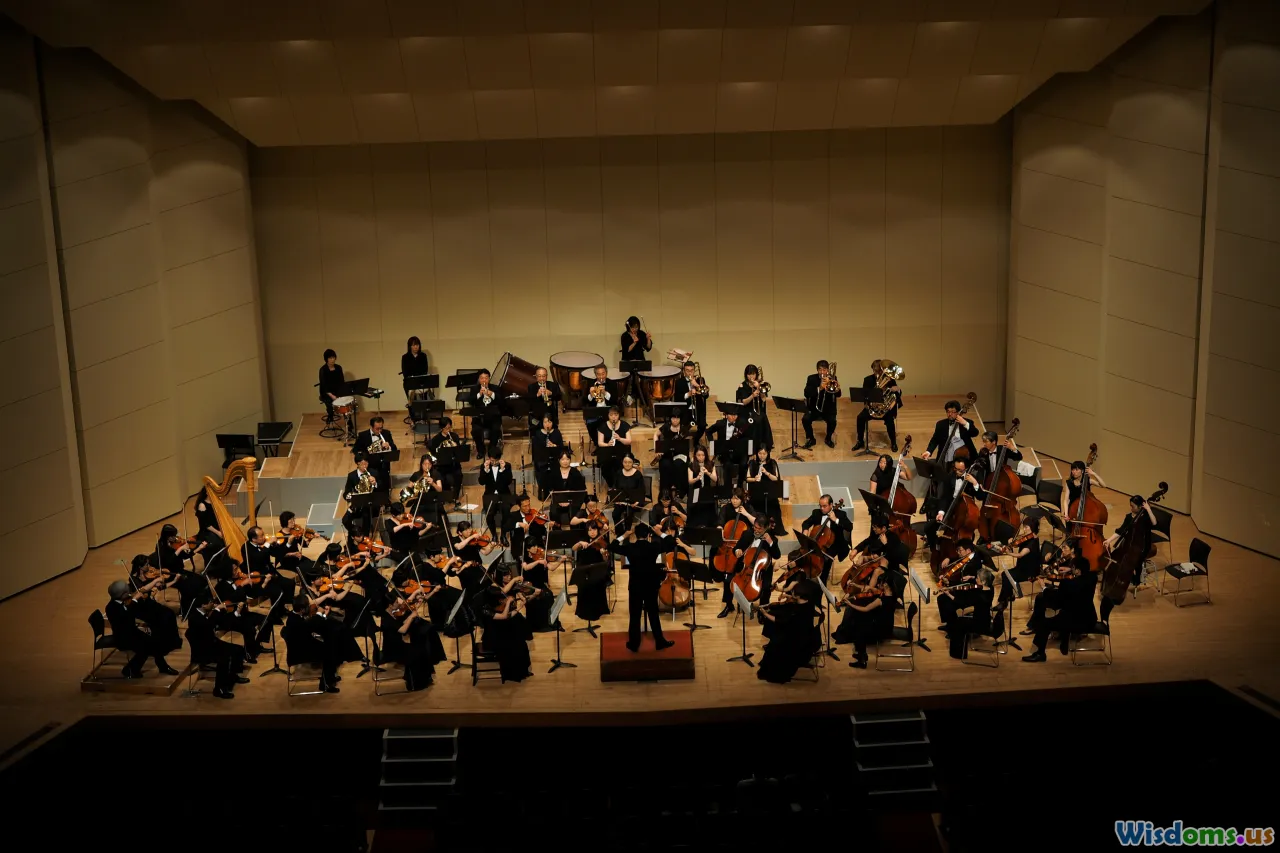
When most people hear the word "harmony," their minds often leap to the refined sounds of classical music. Since the Middle Ages, Western classical traditions have been at the heart of developing harmonic theory. Early polyphony saw composers like Leonin and Perotin layering lines in liturgical chants beyond plainchant melody, giving birth to harmony as we know it today.
As the centuries unfolded, figures like J.S. Bach took harmonic language to new heights. Bach's fugues and chorales used complex interlocking lines (counterpoint), systematically exploring every harmonic possibility within certain rules. The Baroque period prized the "chord progression"—a sequence of chords that underpins a piece’s emotional arc. In the famous "Prelude in C Major," for example, Bach moves through every chord in the key, creating a tapestry that is at once simple and sophisticated.
During the Classical period, composers like Mozart and Haydn championed clarity. Chord usage followed established cadences and balances between tension and release. Harmonic surprise—such as the startling chord in Haydn’s ‘Surprise Symphony’—became a storytelling tool.
Notable Techniques and Their Impact
- Functional harmony: Emphasizing relationships between chords (tonic-dominant-subdominant) to create a journey of expectation and satisfaction.
- Modulation: Changing key centers, as in Beethoven’s symphonies, bringing new emotional territories.
- Orchestration: Assigning harmonies to different instruments (woodwind, strings, brass), coloring the harmony itself.
All these traits laid the foundation for what harmony means in the Western ear: a particular grammar that, while classical in origin, would soon splinter and mutate in exciting ways.
Harmony Breaks Out: Jazz and Popular Innovations
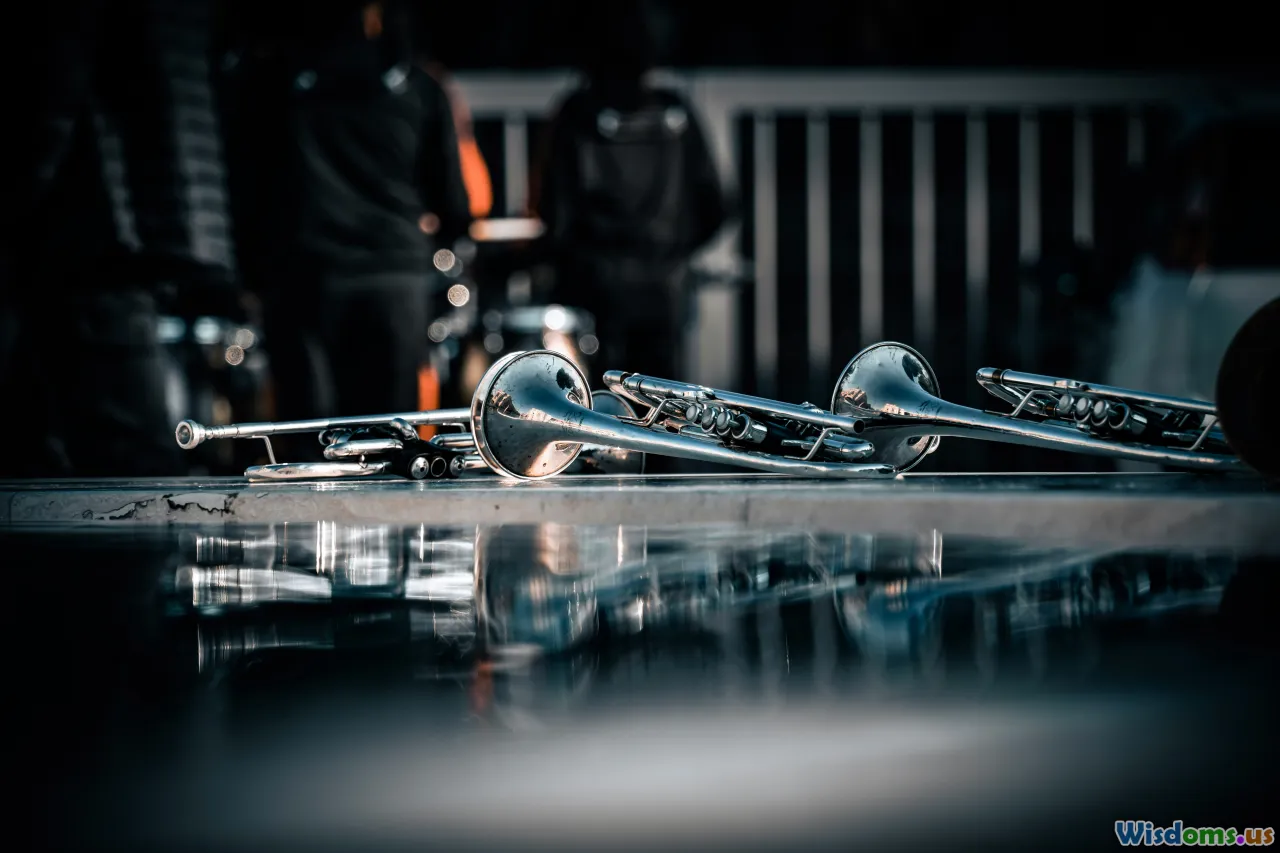
Jazz marked a radical turning point. While classical harmony relied on closely governed rules, early jazz (think Louis Armstrong’s Hot Five or Duke Ellington’s ensembles) expanded tonal possibilities. As improvisers, jazz musicians were less rigid about prescribed progressions and more focused on expressive flexibility.
Key Shifts with Jazz
- Extended and altered chords: Jazz uses not just triads but 7ths, 9ths, 11ths, and 13ths. Listen to Bill Evans playing “Waltz for Debby”—the lush chords extend far beyond the simple major or minor, adding color and ambiguity.
- Blues influence: Songs employ the I-IV-V progression with "blue" notes—flattened thirds, fifths, and sevenths—for emotional tension.
- Substitution: A G7 could become a B♭7 or D♭7 for a moment, introducing new tension before resolving. This reharmonization is central to jazz's inventive spirit.
The evolution of harmony accelerated in the hands of be-bop luminaries like Charlie Parker and Thelonious Monk, whose dense chromatic lines and chord substitutions made harmony practically elastic. Jazz blurred the lines between consonance and dissonance, letting musicians and audiences alike savor both sweetness and spice.
Rock, Folk, and the Democratization of Chords

If jazz showcased harmonic sophistication, rock and folk made harmony more democratic.
Early rock ‘n’ roll, at its core, borrowed heavily from blues progressions—a three-chord trick (often I-IV-V). The Beatles, with producer George Martin, amplified harmonic expectations by fusing classical ideas with pop catchiness. For example, “Yesterday” weaves in surprising chord changes (moving from F to E minor, for example) that transcend mere folk simplicity.
Folk music, meanwhile, celebrated communal singing with easy chord patterns—perhaps just a G, C, and D. Think Bob Dylan or Joni Mitchell, whose open tunings subtly transformed familiar chords into shimmering palettes. Harmonies became accessible for amateur guitarists while allowing varied emotional color.
Techniques and Trends
- Power chords: Rock pared harmony down, emphasizing root and fifth, cranking up raw energy with distorted guitars. Modern acts like Green Day or Nirvana embody this aesthetic.
- Vocal harmonies: The Beach Boys and Queen pushed lush block harmonies, layering voices to grand effect.
- Suspended chords and modal interchange: Borrowing from outside the home key became more common, with suspended chords (e.g., Dsus2) and modes offering new flavors.
This accessibility let harmony leave the elite chamber and enter garages, campsites, and protest rallies around the world.
Minimalism and New Directions in Harmony
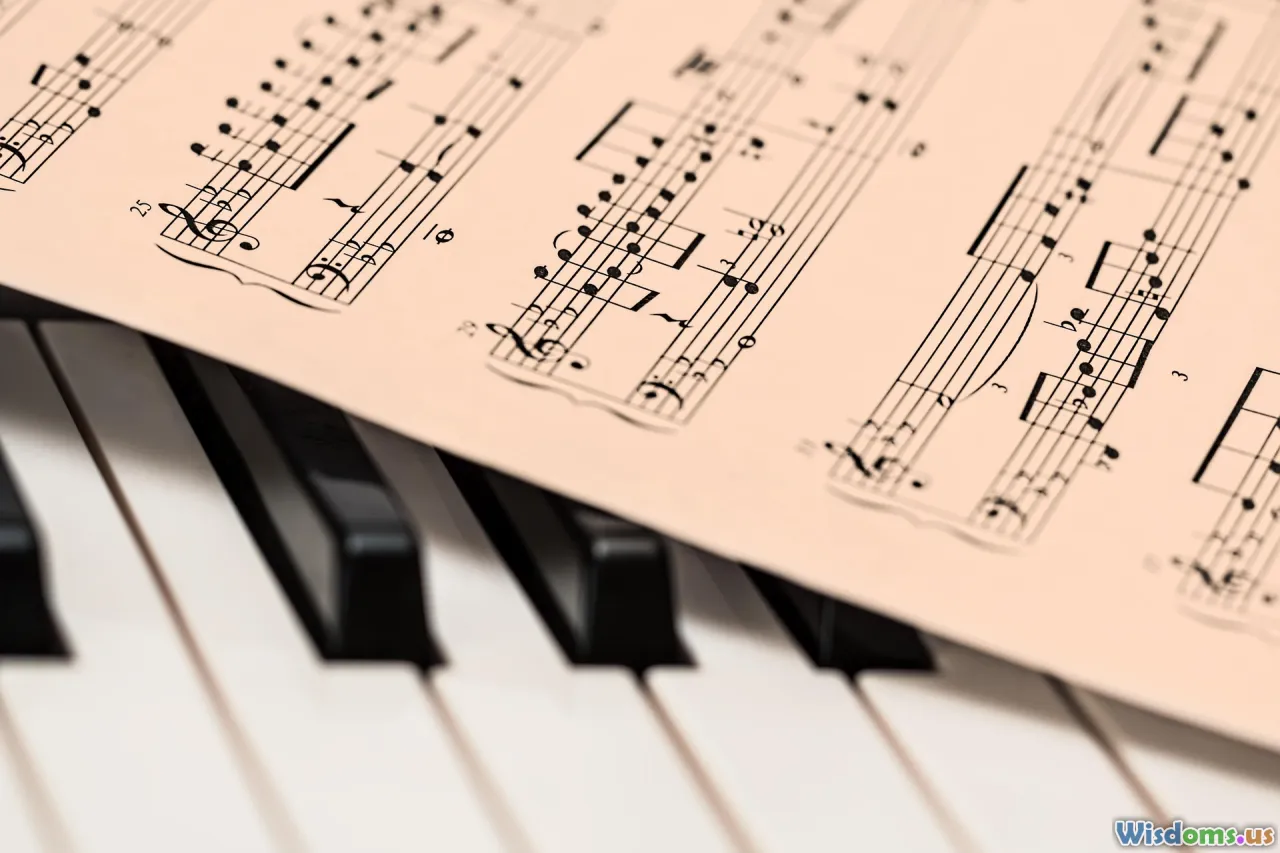
Twentieth-century composers like Steve Reich and Philip Glass rebelled against centuries of complex harmonic evolution. Minimalism strips harmony to its bare bones, opting for repetition, subtle shifts, and gradual evolution rather than elaborate progression.
Pieces such as Reich’s Music for 18 Musicians or Glass’s Einstein on the Beach build hypnotic soundscapes, often using just a handful of chords repeated with tiny rhythmic or melodic changes. In minimalist pop, artists like Brian Eno exploit drones and unresolved harmony to create ambient backgrounds, inviting the listener to notice small fluctuations over time.
This is harmonic experimentation—sometimes entire pieces evade expected resolutions, offering a spaciousness that traditional harmony rarely allowed. It was a deliberate challenge to saturated chromaticism.
Hip Hop: The Beat-Driven Revolution in Harmony

No exploration of harmony’s evolution is complete without hip hop, the genre that revolutionized music’s foundations in the late 20th century. At first glance, hip hop might appear harmonically minimal. Early tracks like Grandmaster Flash & The Furious Five's "The Message" ride a looped sample with little in the way of chord progression—rhythm, rhyme, and sampled hooks take center stage.
Yet, as the genre matured, so did its harmonic ambitions. Producers like J Dilla, Dr. Dre, Kanye West, and others started sampling more harmonically rich material—from soulful Motown hits to jazz standards and psychedelic rock. The result is harmony that is both referential and innovative: a quilt made from the harmonic fabric of dozens of previous eras.
Hip Hop’s Harmonic Landscape
- Sampling: By chopping and looping sections of old records, artists bring previously complex harmonies into a repetitive, rhythm-first setting. For example, Kanye West’s "Jesus Walks" makes a choral chord progression foundational to a hip hop anthem.
- Loop-based structure: Repetition replaces progression, creating grooves that are hypnotic but less harmonically narrative—inviting clever lyricism and rhythmic interplay.
- Digital harmony: With advanced production tools, artists weave synthesized pads and lush harmonies under rap verses (see Kendrick Lamar’s "To Pimp a Butterfly" album). Atmospheric chords become a unique textural bed, referencing jazz and soul.
Hip hop’s relationship with harmony is emblematic of the genre’s ethic: borrow, transform, and innovate. Perry, Questlove, and other pioneering producers have blurred the lines between orthodoxy and originality, refocusing the listener’s attention onto rhythmic, melodic, and even textural possibilities beneath the surface.
Cultural Context: How Society Shapes and Reshapes Harmony
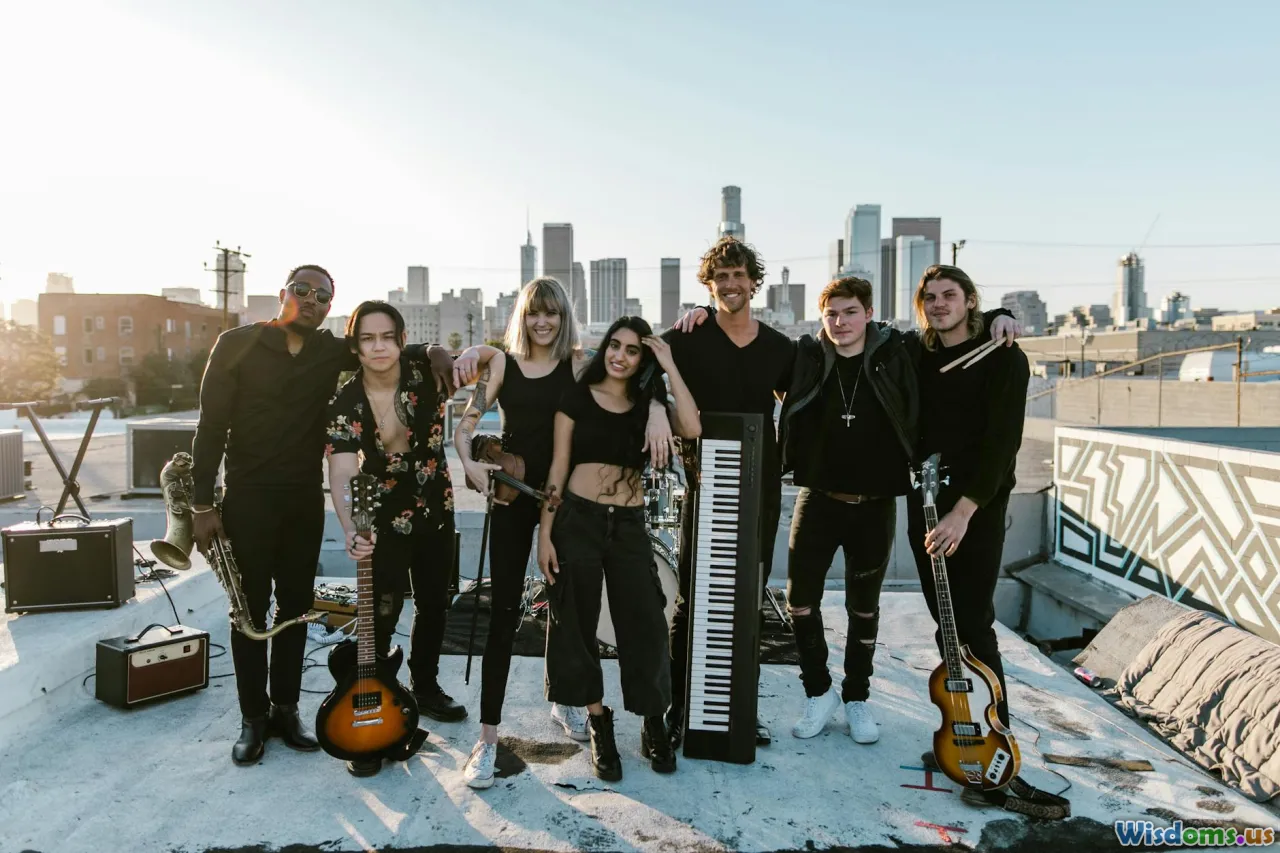
The harmonic journey is shaped by cultural, technological, and social factors as much as by musical thought. Colonial trade brought non-Western scales and rhythms into 18th- and 19th-century music. The African-American blues tradition introduced new note-bending forms of harmony. The global spread of popular music now incorporates everything from Indian rāgas (listen to The Beatles’ "Within You Without You") to Latin jazz fusions blending Afro-Cuban chords with modern R&B.
Social changes also accelerated harmonic experimentation. The civil rights movement of the 60s fueled the emotional uplift found in gospel harmonies fused with soul and rock. The dawn of digital music refashioned harmony as an endless pool of global sounds, ripe for creative recombination.
Culturally open genres rapidly soak up ideas—demonstrating how harmony is never static. What was once considered dissonant is now standard fare (just ask Arnold Schoenberg fans or serialist composers), and today's chart-toppers combine influences at lightning speed.
Making Sense of Harmony Today: Tips for Musicians and Listeners
Musicians and listeners alike can deepen their enjoyment of music by attending more closely to harmony’s many guises. Here are some actionable ways to immerse yourself in the evolving language of chords:
For Musicians
- Study across genres: Learn classical progressions, jazz chords, modal folk, and hip hop beat structure. For instance, try reharmonizing a Beatles tune using jazz voicings, or layering a classical progression over a hip hop beat.
- Experiment with tools: Use digital audio workstations (DAWs) to manipulate chord structures, build loops, and sample across styles. See how a gospel chord progression can morph into an electronic dance track.
- Analyze greats: Transcribe harmony from Duke Ellington, Radiohead, or Madlib. Notice where they break convention and where they adhere.
- Collaborate: Work with musicians from different backgrounds to see how their harmonic tastes differ, and fuse them in a creative context.
For Listeners
- Active listening: Pay attention to the underlying chords or pad sounds. With apps like Chordify or Hooktheory, you can decode real tracks.
- Spot inspiration: Identify when popular artists sample or channel classical, jazz, or folk harmonies.
- Broaden your palette: Listen to playlists that compare covers across genres—how does a pop tune differ harmonically in jazz versus its original?
By tuning into harmonic details, music transforms from background noise into a vivid landscape, full of fascinating twists.
Harmony’s Unending Voyage

As listeners, songwriters, or historians, we are all passengers on the ever-evolving journey of harmony. Its contours are shaped by timbre, rhythm, technology, and—above all—the desire to express something beyond words. Unlike many artistic languages, harmony is both rooted in tradition and fed by fresh invention.
From Bach’s carefully crafted cadences to the serendipitous refractions in hip hop’s intricate beats, harmony proves that music is a living art: transforming, hybridizing, and finding new meaning across eras and cultures. Whether you’re savoring a Mozart quartet, jamming over jazz changes, or nodding along to the grooves of hip hop, listen for the story harmony tells. Each era leaves its own mark, yet all are chapters in an endless narrative—one that belongs to any ear willing to listen.
Rate the Post
User Reviews
Other posts in Music Theory & Composition



Popular Posts