How 5G Technology Will Transform Urban Networking
17 min read Discover how 5G technology is set to redefine urban networking infrastructures and enhance city life through smarter connectivity and improved data efficiency. (0 Reviews)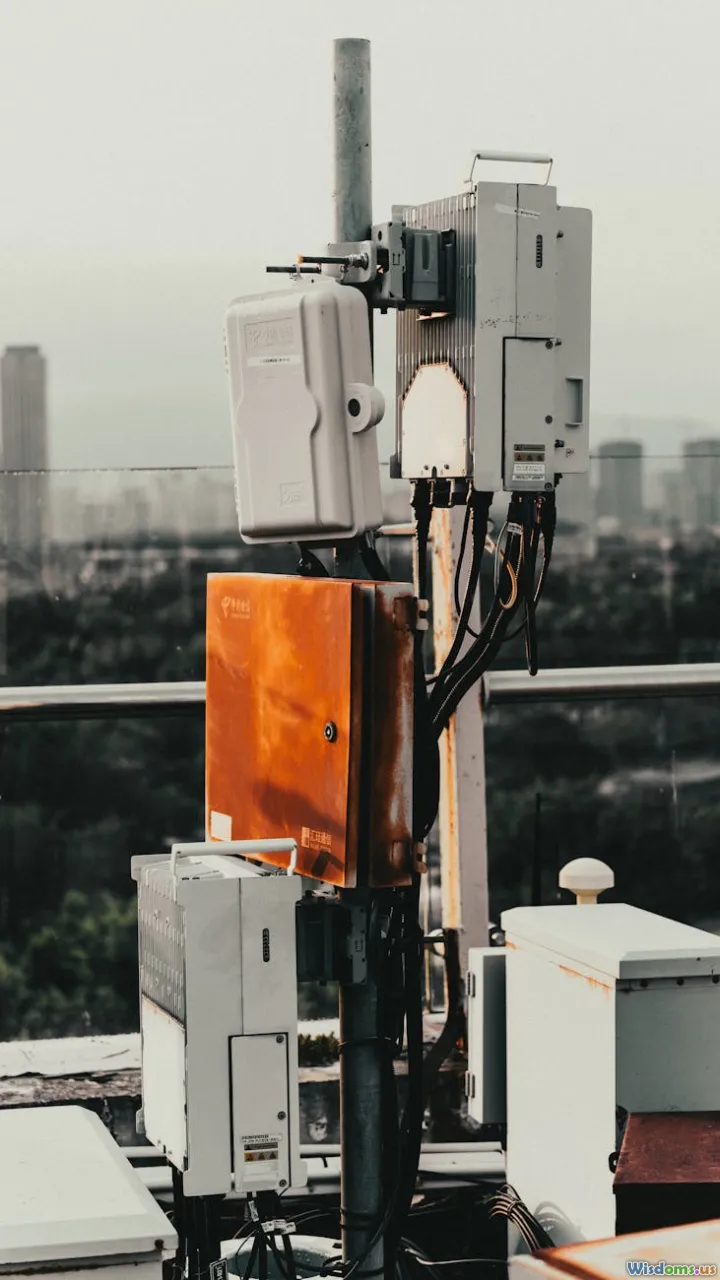
How 5G Technology Will Transform Urban Networking
Cities are more than dense clusters of people—they're engines of innovation, the stage for economic growth, and laboratories for technological change. In this ecosystem, strong communication networks are vital. As the fifth-generation mobile network—better known as 5G—rolls out globally, its transformative impact on urban networking is only just beginning. From revolutionizing transportation to reshaping public safety, 5G promises super-fast connectivity, low latency, and a green light for digital advancements never before imagined.
Unleashing Gigabit Speeds: The Foundation of Connected Cities
At its core, 5G is all about speed and capacity. Where 4G tops out at around 100 Mbps, 5G can deliver theoretical maximum speeds breaking the 10 Gbps mark. Translated into everyday life, that means downloading a high-definition movie in seconds, streaming 4K surveillance footage citywide without a hiccup, or enabling thousands of IoT devices per square kilometer without congestion.
Cities like Shanghai and Seoul are already reaping these benefits. In Shanghai's Hongqiao Railway Station, a 5G Smart Transportation system manages over 600 trains and hundreds of thousands of passengers daily—using data transmission at previously unattainable rates. With gigabit speeds, sensor data, AI analytics, and live safety feeds converge seamlessly in real time, empowering smarter infrastructure management. This lays the groundwork for mass urban digitization where bandwidth bottlenecks are history, and every device, from street lamps to skyscraper elevators, can UPGRADE online.
Ultra-Low Latency: Real-Time Responsiveness Changes Everything

Another quantum leap with 5G is latency—the delay between when data is sent and received. 5G drops typical latency from 50 milliseconds on 4G networks to a jaw-dropping 1 millisecond. For the layperson, a blink of the eye is 300-400 milliseconds.
This low latency is essential for technologies where instant responsiveness matters, such as autonomous driving, traffic light management, or remote surgery performed using robotic arms. In Stockholm, for example, AI-powered traffic signals now communicate across a 5G backbone, adapting cycle times to real-time flows. This precision reduces congestion, pollution, and journey times. In emergency response, responders rely on real-time video feeds and dispatch updates. With 5G's immediacy, decisions can be made with edge-level intelligence; every millisecond counts when lives are at stake.
Enabling Massive IoT Deployments: Millions of Sensors, Always Connected
Smart cities depend on interconnected devices—from environmental sensors to connected buses, streetlights, and waste bins. Present 4G networks can handle up to 100,000 devices per square kilometer. 5G boosts this number to over a million, all operating simultaneously.
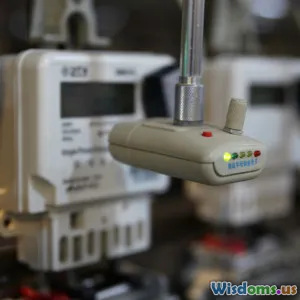
Take Barcelona's smart water meters; these now provide live consumption data to residents, optimize water usage, and alert authorities to leaks instantly. In New York, smart parking solutions relay spot availability in real-time. But as the scale of urban IoT expands exponentially, older networks risk overload. 5G’s architecture, with its network slicing and orchestration features, ensures each service (like traffic lights or emergency alarms) enjoys isolated and reliable bandwidth, immune from network crashes elsewhere in the city.
Network Slicing: Custom-Engineered Connectivity for Urban Services
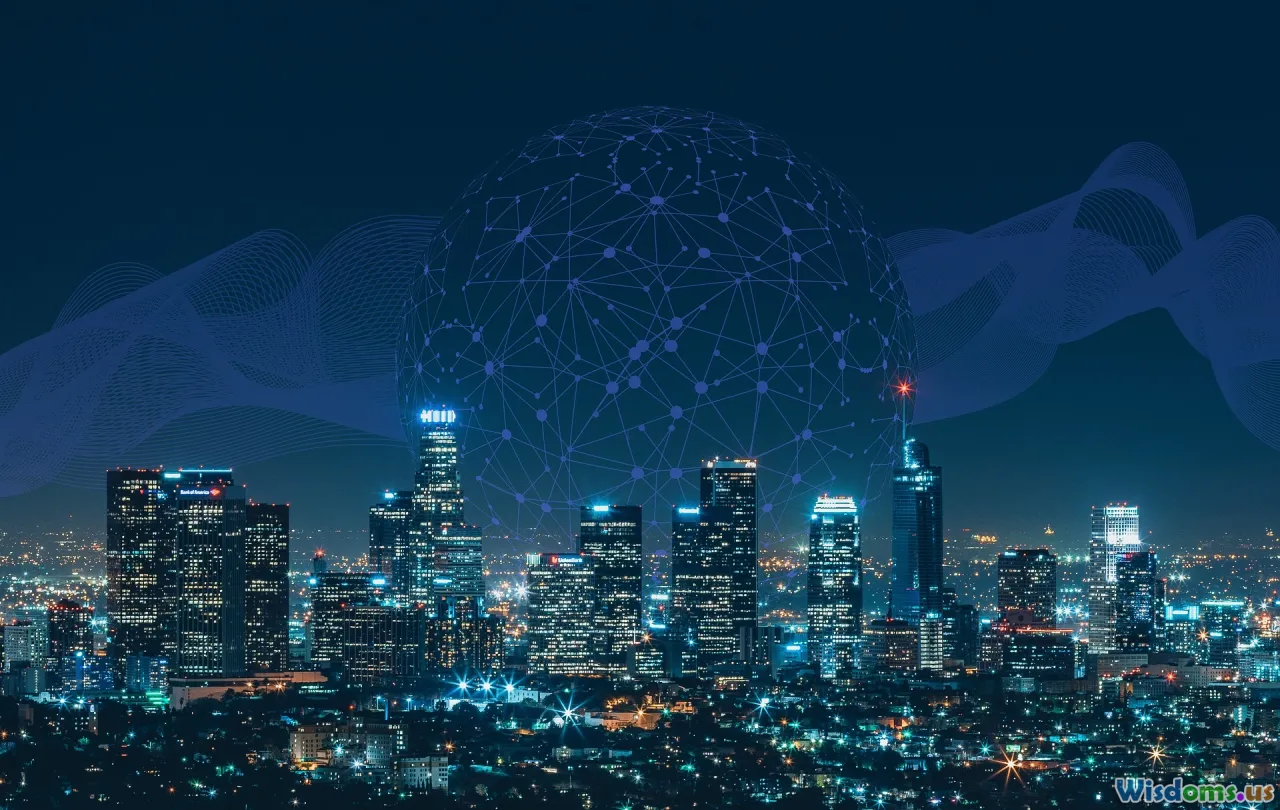
A lesser-known—but game-changing—feature of 5G networks is 'network slicing.' Instead of treating all data traffic equally, a city can configure dedicated segments—"slices"—of 5G for different uses: high-priority slices for emergency services, ultra-reliable ones for utilities, and high-throughput slices for entertainment districts.
Consider a packed stadium during a championship game—one of the densest digital environments possible. 5G slicing ensures that live broadcasting, stadium security sensors, and fan social media uploads each operate independently, maintaining uninterrupted performance even as thousands snap, stream, and share at once. Citywide, this guarantees that critical infrastructure—like hospitals and command-and-control centers—never compete for bandwidth with less vital traffic, a leap forward for reliability and resilience.
Smarter Transportation: Paving the Way for Autonomous Mobility
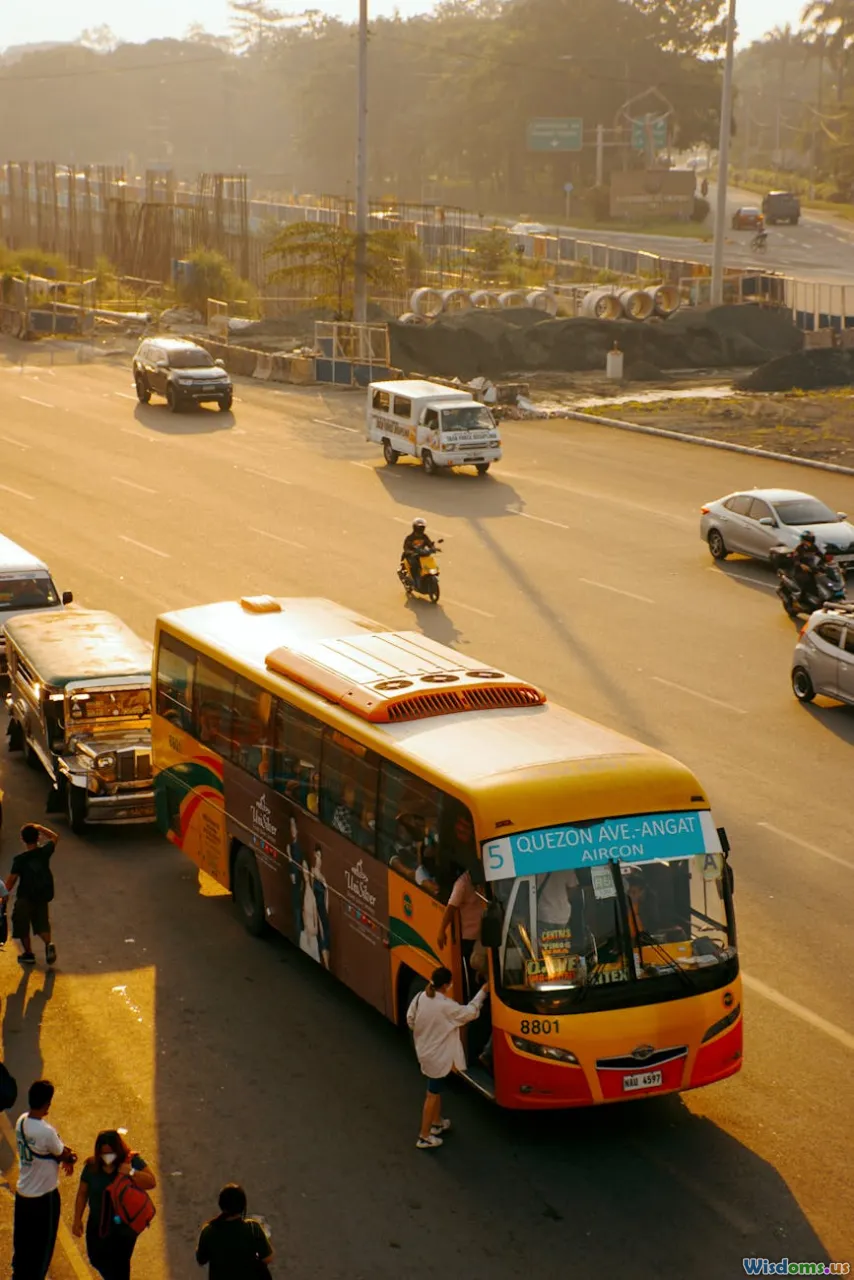
Urban mobility is in the midst of reinvention. With 5G, we're en route to cars that talk to traffic lights, buses, and even pedestrians' smartphones. Vehicle-to-everything (V2X) communication—a cornerstone of smart mobility—relies entirely on constant, high-speed, low-latency connections, precisely what 5G delivers.
In Singapore, a 5G-backed trial lets autonomous vehicles (AVs) receive directions from city infrastructure and roadside sensors, alerting them instantly to hazards and traffic patterns. Buses adjust schedules dynamically. Intelligent traffic signals adapt to real-time congestion, while emergency vehicles get prioritized routing. Ultimately, as these pilots scale up, 5G will underpin the algorithms making daily commutes safer, faster, and more efficient.
Public Safety and Emergency Response: Stronger, Smarter, Swifter

Urban resilience depends on robust emergency infrastructures, especially in crises. 5G connects body cams on police and firefighters to command centers in real time. Advanced drones can stream HD video from fire scenes, with AI detecting trapped individuals amid smoke. In pandemic scenarios, contact-tracing and live patient tracking require secure, ultra-reliable networks.
For example, in Los Angeles, the fire department employs 5G-connected robots able to navigate hazardous fire grounds, sending hazard telemetry and imagery to safety coordinators off-site. During large-scale incidents, communications between ambulances, trauma centers, and mobile command posts remain stable even when networks are overloaded by cell traffic from bystanders—a vital improvement over legacy network performance.
Healthcare Reimagined: Telemedicine and Remote Monitoring

5G’s advent in healthcare is particularly promising for urban hospitals and clinics. Imagine ambulance crews sending real-time vital signs, wireless ultrasounds, or live video for expert consultation while en route—a tangible reality in Berlin’s Charité hospital, where clinicians remotely assist paramedics mid-transport.
Remote diagnostics, telesurgery, and chronic disease monitoring through wearables all depend on stable, high-bandwidth, secure networks. As urban populations age, telemedicine augmented by 5G lets patients consult doctors virtually, easing the load on city ERs and improving accessibility for low-mobility residents. During the COVID-19 pandemic, bandwidth-strained calls gave way to 5G-enabled telehealth booths, keeping both doctors and patients connected, safely distanced, and continuously cared for.
Energy Efficiency and Sustainability: Greener Smart Cities

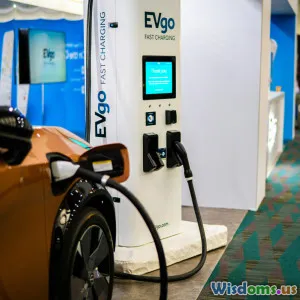
With urban areas accounting for 75% of global energy consumption, sustainable infrastructure is top of mind. 5G enables intelligent demand-response systems for everything from lighting and HVAC to EV charging points. Smart grids, relying on millions of connected endpoints, distribute electricity efficiently by matching supply to demand within milliseconds.
Consider the pioneering work in Amsterdam, where 5G is powering an urban energy platform. Sensors across buildings and electric vehicle charging stations coordinate, helping utilities adjust energy flow during peak surges or outages, lowering electricity waste and emissions. Such integration is only feasible with the high device density and reliability that 5G affords.
Transforming Entertainment, Retail, and Social Experiences
Urban life is synonymous with entertainment, shopping, and rich social interaction. 5G makes it possible to live-stream music festivals to thousands, deploy augmented reality (AR) for tourists at historic sites, or power immersive experiences in city malls.
Tokyo’s Ginza shopping district experiments with AR mirrors and holographic displays where shoppers virtually "try on" outfits or preview bespoke furniture. Stadiums deploy VR overlays and instant replay for fans—made simple with reliable, lightning-fast connectivity. As digital signage and pop-up AI assistants proliferate, only a dense, agile infrastructure like 5G can support such creative consumer experiences at city scale.
Overcoming Urban Deployment Challenges: The Path Forward
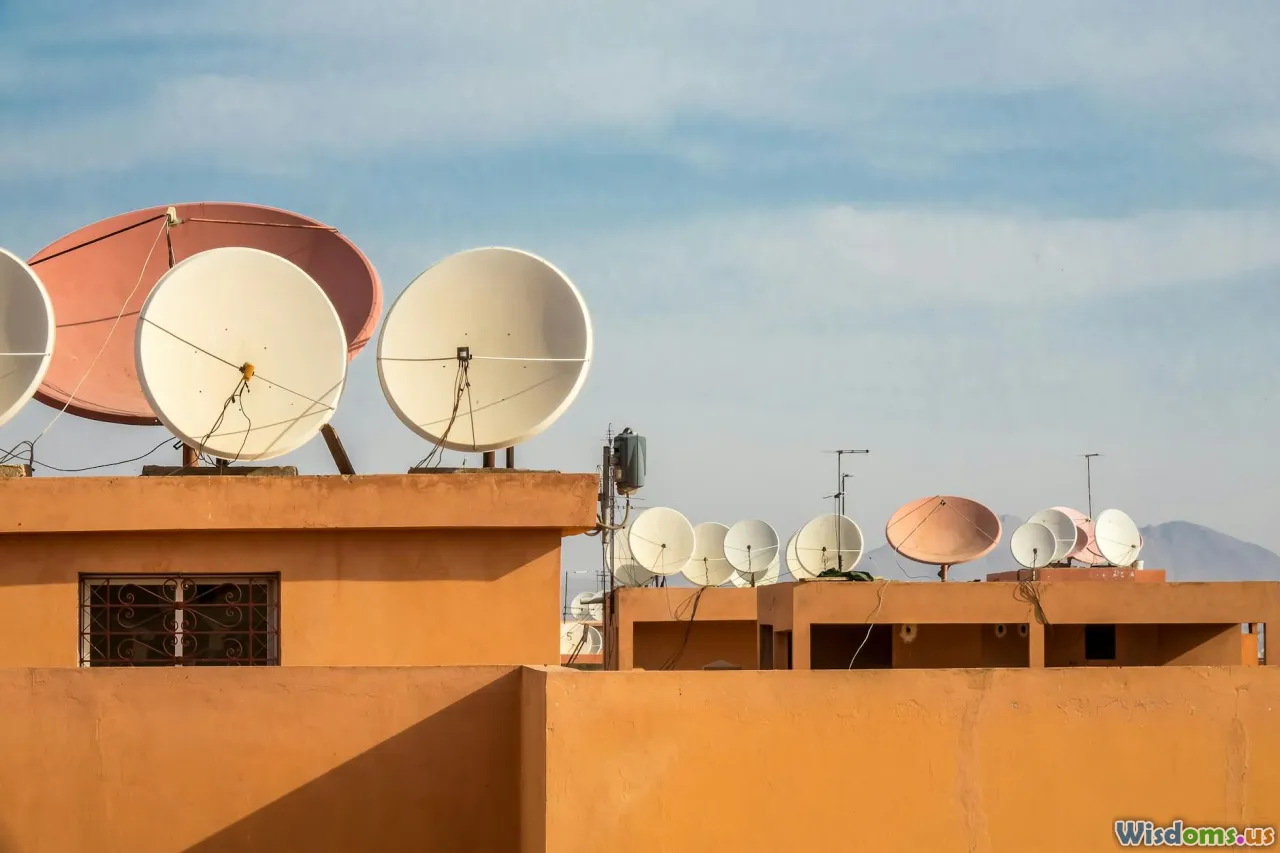
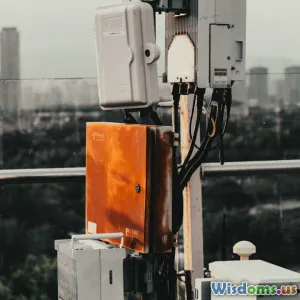
Despite its promise, implementing 5G in urban landscapes isn’t without hurdles. High-frequency 5G (millimeter wave) has limited range and requires many more small cell antennas—often every 100-200 meters. This means significant investment and careful urban planning, often necessitating updates to zoning laws, public consultations, and collaborative agreements between telecoms, city governments, and real estate owners.
In London, for instance, rollout delays stem partly from concerns about aesthetics and the costs of upgrading older buildings. A progressive solution comes from Helsinki, where 5G antennas are cleverly integrated into street furniture—bus stops, park benches, even lampposts—minimizing obtrusiveness and maximizing coverage. This underscores the need for bold public-private partnerships and open digital strategies as cities modernize their communications grids.
Security and Privacy: Fortifying the Urban Digital Backbone

With great connectivity comes new challenges in safeguarding public and personal data. As cities connect everything—trash cans, bridges, medical devices—attack surfaces multiply. 5G's architecture includes advanced encryption, mutual authentication protocols, and AI-driven intrusion detection, all designed to keep urban networks resilient against evolving digital threats.
Municipalities like San Francisco are piloting "zero trust" frameworks across city departments, ensuring operators verify every network request. Similarly, GDPR and similar data protection laws guide cities on best practices for handling citizen data on expansive IoT networks. The 5G era demands that cybersecurity budgets, policies, and public education keep pace with technical capabilities.
Urban Equality and Digital Inclusion: Bridging the Connectivity Divide

Rapid deployment of 5G also has the potential—if implemented equitably—to shrink digital gaps in diverse urban populations. Urban digital divide is a persistent issue, where affluent districts often enjoy the best connectivity, while poorer neighborhoods lag behind. Recognizing this, Johannesburg’s municipal 5G pilot commits to providing no-cost connectivity kiosks and subsidized data plans in high-density, underserved areas.
Extending robust 5G means more than just upgrading city centers; it’s about digital justice. Reliable, affordable access for all supports education, job searches, telehealth, and civic participation. Smart urban policies coupled with diverse partnerships—private sector, NGOs, and government—are key to ensuring every resident benefits from the next generation of connected living.
Getting Ready for the 5G Future: Strategic Recommendations for Cities

As urban leaders plan ahead, several strategic moves can maximize the value of 5G:
- Comprehensive Infrastructure Mapping: Audit current assets—light poles, bus stops, rooftops—for antenna siting; plan small cell placements with minimal community disruption.
- Integrate 5G in City Planning: Collaborate across public works, transportation, and utility departments so new developments are 5G-ready from day one.
- Foster Open Data and API Ecosystems: Enable startups and nonprofits to build on secure, city-hosted 5G networks, amplifying urban innovation.
- Prioritize Training and Digital Literacy: Empower city workers and residents to adapt to and leverage new services made possible with 5G.
- Engage Stakeholders Continuously: Keep citizens, businesses, and community groups informed and involved as deployments scale up, ensuring feedback drives progress.
5G’s Ripple Effect: Urban Networks Evolve for Good
The true impact of 5G won’t be measured by faster smartphones alone, but by intelligent traffic grids that save time, lifesaving response that costs no time, and digital opportunity extended to every street and alley. As cities embrace the transformative power of 5G, they are poised not only to widen the possibilities for business, government, and everyday life—but to ensure the agile, inclusive, and resilient urban networks of tomorrow.
Rate the Post
User Reviews






Popular Posts