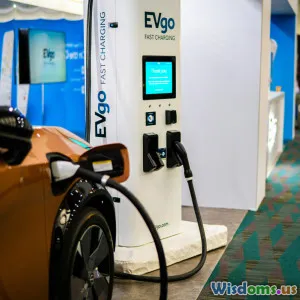
Why Hydrogen Cars Might Outsell Electric Vehicles by 2030
31 min read Explore whether hydrogen fuel-cell vehicles could surpass battery EV sales by 2030, analyzing costs, infrastructure, policy, fleet demand, and technology breakthroughs. (0 Reviews)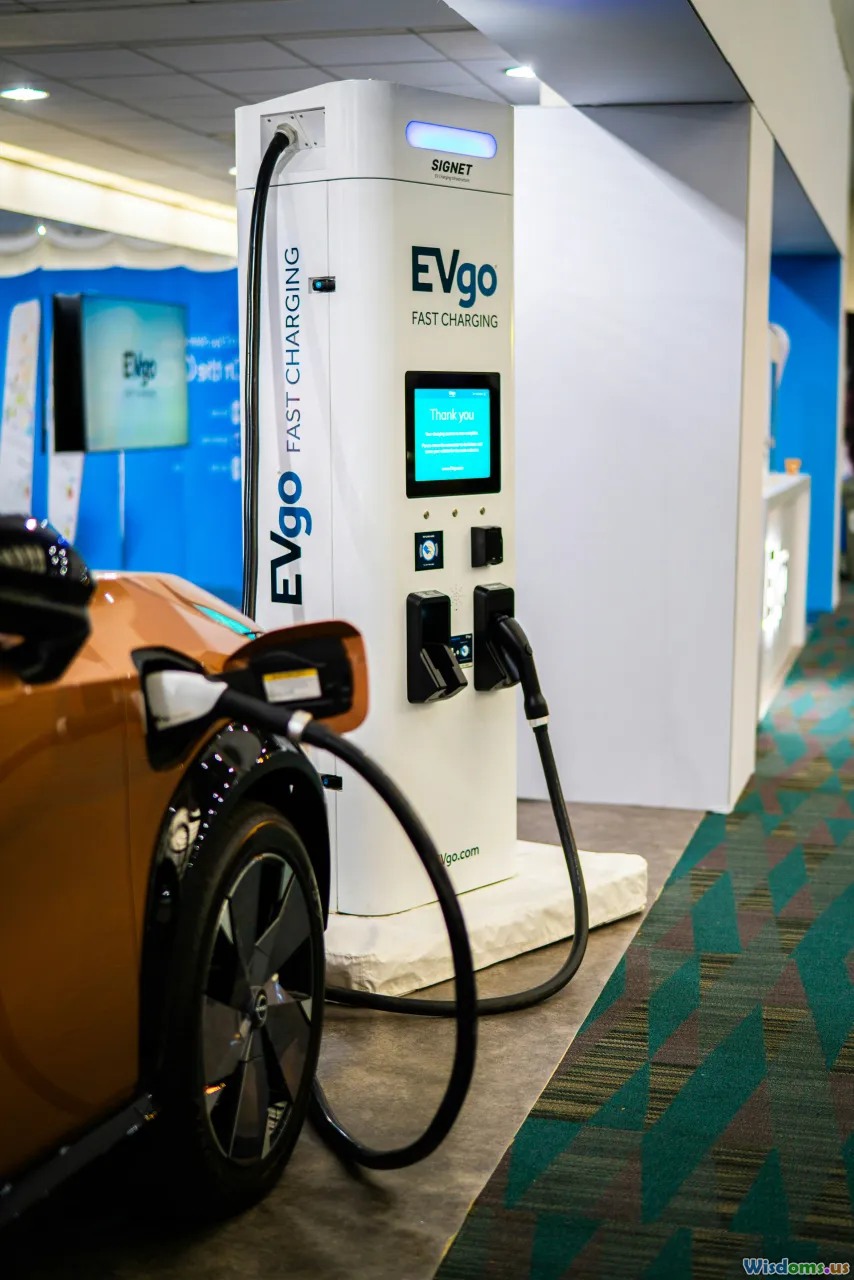
Electric cars have enjoyed a head start. In the last decade, battery-electric vehicles moved from niche to mainstream, reshaping supply chains and driver expectations. But the story of clean mobility is not finished, and a surprising plot twist could still emerge. Under the right conditions, hydrogen fuel cell cars might outsell battery EVs by 2030 in specific markets, segments, or even globally in a dramatic demand shock. That may sound improbable today—but careful analysis shows a path. The key is understanding why hydrogen could suddenly fit better with the way millions of people actually drive, refuel, and pay for energy.
The 2024 Baseline: EVs on Top, Hydrogen in the Pack

Battery EVs dominate the zero-emission conversation in 2024. Global EV sales climbed into the tens of millions annually, with well over 14 million plug-ins sold in 2023. Hydrogen fuel cell electric vehicles, in contrast, remain a small fleet—tens of thousands on the road worldwide, concentrated in markets like Japan, South Korea, Germany, and California.
This imbalance is real, and it matters. It means any claim that hydrogen cars might outsell EVs by 2030 must acknowledge the mountain to climb. But it also means the bar for disruption is not that the average driver replaces a compact EV with a fuel cell sedan. The path runs through specific choke points in the EV growth story and strategic strengths of hydrogen that become decisive as adoption scales.
Consider a few facts that set the stage:
- The majority of early EV adopters had home charging, off-street parking, and predictable commutes. Future adopters increasingly live in dense cities and rely on public charging.
- Fast-charging prices in many regions have risen toward 0.35–0.60 USD per kWh, eroding one of EVs’ strongest value propositions for drivers who cannot charge at home.
- Hydrogen retail refueling today is costly and sparse, but station throughput is high—one dispenser can serve a full day’s worth of high-mileage refuels where a single fast charger might cycle only a handful of cars.
- Hydrogen production and distribution are scaling rapidly for trucks, buses, industrial heat, and refining—creating a shared backbone that passenger cars could piggyback on.
Why 2030 Could Be Different: Four Catalysts to Watch

The gap between the present and a 2030 hydrogen surge is spanned by four catalysts. Each is independently plausible; together, they are powerful.
- Cheap, clean hydrogen at the nozzle
- The United States has set a Hydrogen Shot target to drive the cost of clean hydrogen toward 1 USD per kg this decade (at production). With the 45V tax credit, early projects can bridge the cost gap while supply scales.
- Europe’s Hydrogen Bank and contracts-for-difference aim to de-risk green hydrogen offtake. As industrial offtakers sign multi-year deals, production costs fall and logistics improve for co-located mobility supply.
- If delivered fuel prices in cities settle in the 3–6 USD per kg range, many high-utilization car segments can match or beat public fast-charging costs.
- Infrastructure that fits existing habits
- Hydrogen stations fueled by on-site electrolysis or delivered by tube trailers can be built at familiar fuel retail sites with predictable permitting. A handful of high-throughput stations can serve thousands of cars in a micro-market.
- Urban charging remains essential but is slow to roll out where curb space is limited and grid upgrades are needed. Even aggressive charging programs run into multi-year transformer and substation bottlenecks.
- Industrial hydrogen spillover
- Heavy-duty trucks, steel plants, refineries, and chemical producers represent the bulk of near-term clean hydrogen demand. As they build supply chains and storage, the marginal cost of serving mobility with the same molecules declines.
- Shared compression, storage, and logistics reduce costs and ensure stations have reliable throughput.
- Policy stacking and consumer incentives
- Regions like Japan and South Korea provide purchase subsidies, fuel vouchers, and station capex support for hydrogen cars.
- Zero-emission vehicle mandates increasingly count fuel cell cars equally with battery cars—letting automakers balance portfolios where charging lags.
- Cities seeking to limit curbside charging clutter might favor station-based refueling that keeps sidewalks clear.
Crunching the Numbers: When Total Cost of Ownership Turns the Tide
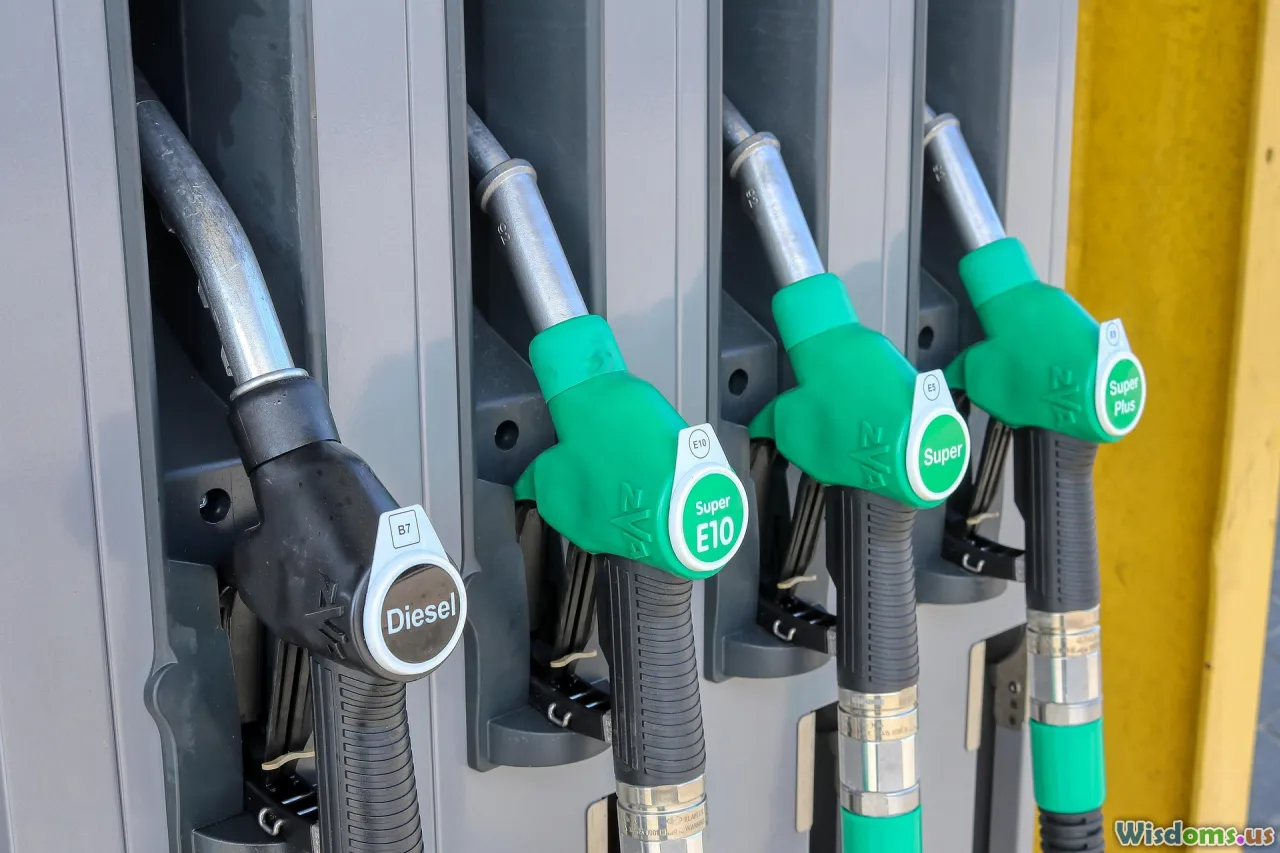
Total cost of ownership (TCO) is the scoreboard. Consider two realistic 2030 scenarios for a high-mileage driver covering 25,000 km per year in a midsize vehicle.
Assumptions:
- EV energy use: 18 kWh per 100 km; fast-charging cost: 0.40 USD per kWh; home charging is limited.
- FCEV hydrogen use: roughly 1 kg per 100 km; fuel price delivered: 5 USD per kg.
- Purchase price parity by 2030 is optimistic; assume EV MSRP 45,000 USD and FCEV 50,000 USD before incentives. Maintenance for both is low versus combustion, with FCEV stack warranties improving.
Energy cost per 100 km:
- EV at public fast charging: 18 kWh × 0.40 USD = 7.20 USD
- FCEV at station: 1 kg × 5.00 USD = 5.00 USD
Annual energy cost at 25,000 km:
- EV: 1,800 USD
- FCEV: 1,250 USD
If the FCEV carries an extra 5,000 USD upfront but saves 550 USD per year on energy, the gap closes within nine years on energy alone—faster if incentives, residual values, or maintenance favor fuel cells. For ride-hail, taxi, or corporate fleets clocking 50,000–80,000 km annually, the payback accelerates.
EV economics remain superb for drivers who charge at home at 0.10–0.20 USD per kWh. But the marginal buyer in 2028–2030 is not necessarily that driver. Apartment dwellers relying on fast chargers may find hydrogen’s predictable refueling cost and time compelling, provided local stations exist.
Infrastructure Math: Fewer Stations, Higher Throughput

A key advantage of hydrogen is throughput. Consider the rough math for a busy urban corridor.
- A single 350–700 bar retail hydrogen station with 1,000 kg per day capacity can refuel about 200 cars daily if each takes 5 kg. That station occupies a footprint similar to a conventional fuel stop.
- A 150 kW fast charger can add 30–40 kWh in 15 minutes. With queuing and turnover, one port might serve 12–20 cars per day. To match the car-per-day capacity of the hydrogen station, you might need 10–15 fast-charger ports plus grid capacity and curb space.
Charger networks are absolutely essential and will grow. But where siting is constrained, hydrogen allows networks to scale with fewer nodes. This is especially potent for fleet depots, airport zones, and intercity corridors where dwell time has a cost.
Battery Bottlenecks vs. Molecule Abundance

EVs are constrained by two systems: minerals and the grid. Hydrogen sits on top of a different system: molecules made from power and water (and sometimes biomethane or captured carbon in transitional phases).
- Mining, permitting, and processing lithium, nickel, and manganese are scaling rapidly, but supply shocks happen. Battery chemistries like LFP and sodium-ion reduce critical mineral intensity, yet high-energy packs for long-range vehicles still lean on energy-dense materials.
- Grid upgrades—transformers, feeders, substations—need long lead times. In fast-growing EV cities, local network upgrades can take years.
- Hydrogen production can flex with renewable generation and be sited near resources or demand, transporting molecules to where electrons are constrained. On-site electrolysis at stations eliminates some logistics.
Hydrogen is not free of constraints—water access, electrolyzer manufacturing, and compression equipment all need scaling. But the pathway to abundance is different enough that it acts as a hedge against bottlenecks that might cap EV growth in late-decade.
Where Hydrogen Cars Already Make Sense

While private buyers still face sparse station maps, several use cases are already compelling:
- High-mileage urban fleets. Taxis and ride-hail vehicles lose income while charging. Five-minute hydrogen refuels keep cars on the road. Fleet operators can contract for fuel, control depot logistics, and hit utilization targets that justify station capex.
- Cold climates. Batteries lose range in sub-freezing conditions due to heater loads and electrochemistry. Fuel cells maintain more consistent range and refuel time in winter, aiding reliability for emergency services and fleet commitments.
- Long-distance corridors. Intercity shuttle services or corporate fleets moving between cities prefer predictable refuel stops. Hydrogen stations on key routes can serve both passenger cars and heavy trucks, improving economics for all users.
- Dense housing markets. In cities where curbside chargers are crowded and parking is scarce, drivers may prefer a weekly refuel stop at a nearby hydrogen station over daily fast-charging sessions.
These segments constitute a meaningful share of new car purchases, especially when fleet procurement drives early adoption.
Technology Momentum: Fuel Cells, Storage, and Green Hydrogen
Technological progress in the hydrogen ecosystem is often underestimated because it occurs in several layers at once.
- Fuel cell stacks. Catalyst loadings have fallen dramatically, reducing platinum content per kilowatt. Automotive stacks now routinely target 5,000–10,000 hours of operation, with durability improvements coming from better membranes, water management, and thermal control. For a car driving 15,000 km per year, 10,000 hours equates to many years of service life.
- Tanks and packaging. 700 bar Type IV composite tanks store enough hydrogen for 500–650 km of range without the mass penalty of very large battery packs. Packaging constraints are easing as vehicle platforms integrate hydrogen tanks efficiently under the floor or rear seats.
- Electrolyzers. PEM and alkaline electrolyzer factories are scaling globally. Costs have been falling by double digits as gigawatt-scale manufacturing lines open. Solid-oxide electrolysis brings high-efficiency conversion when paired with industrial waste heat.
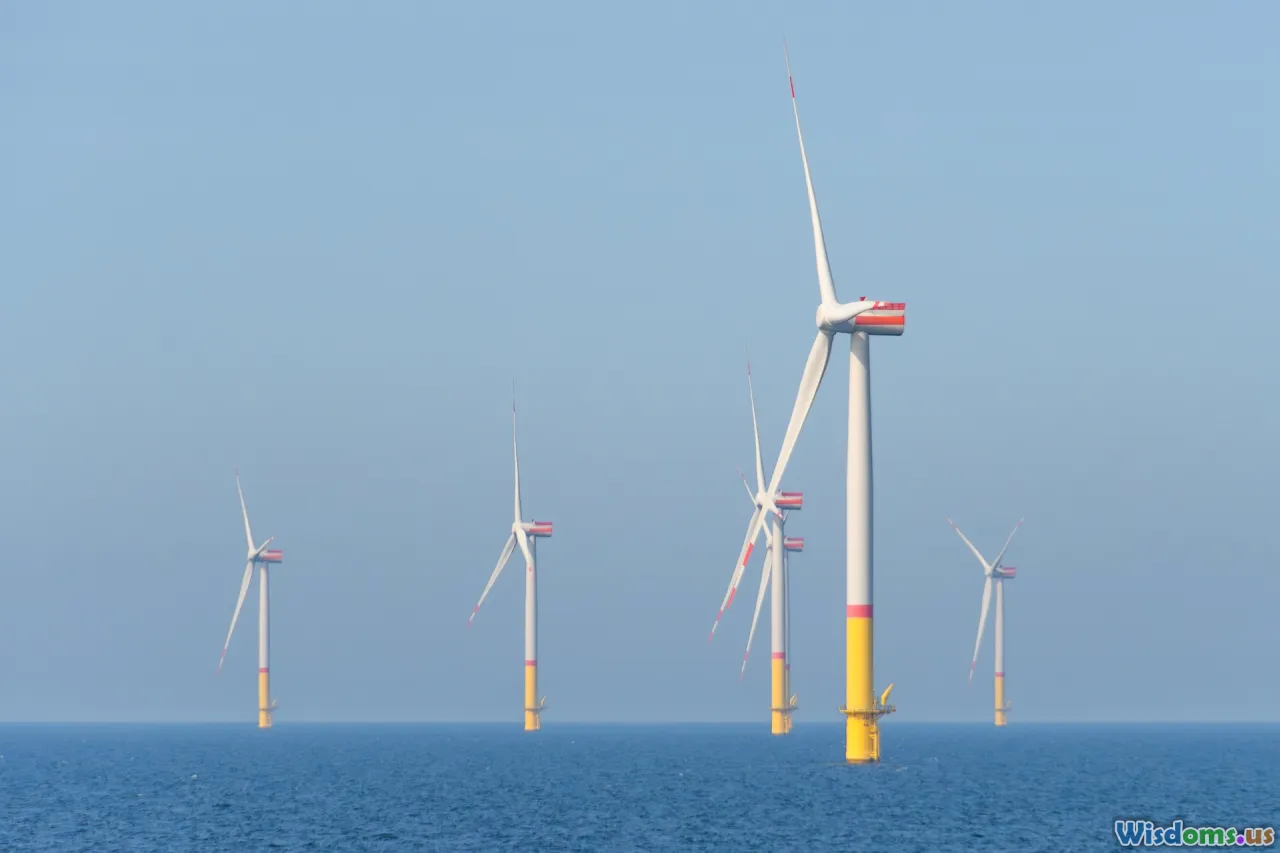
- Synced renewables. Offshore wind projects and curtailed solar generation can feed electrolyzers, converting stranded electrons into molecules for mobility and industry.
As these layers mature in tandem, the reliability and cost of hydrogen refueling improves in a way consumers can feel at the pump.
Automaker Playbooks: Who’s Betting on Hydrogen

Several automakers have public fuel cell roadmaps, often paired with battery EV portfolios.
- Toyota has iterated its Mirai and is integrating fuel cells into commercial vans and heavy vehicles. The company has indicated interest in flexible platforms that can host batteries or fuel cells depending on regional infrastructure.
- Hyundai’s Nexo and its hydrogen truck programs position the brand as a hydrogen-first mover across segments. Leveraging heavy-duty demand helps justify station buildout that passenger cars can use.
- Honda re-entered the space with a fuel cell variant of a compact SUV platform, reflecting a strategy to blend plug-in charging with hydrogen refueling for flexible energy sourcing.
- BMW has piloted the iX5 Hydrogen in small fleets, signaling an interest in fuel cells for long-range premium segments where cabin space and weight targets are strict.
- In China, several manufacturers emphasize fuel cells for buses and logistics vehicles, while keeping passenger car options under development. Commercial momentum could spill into consumer offerings if stations proliferate.
These bets are not charity. Automakers are seeking compliance credits, portfolio flexibility, and options against battery material or charging constraints in the late 2020s.
Policy Levers That Could Flip the Market

Hydrogen passenger cars need policy help to clear the chicken-and-egg barrier of stations and vehicles. Effective levers include:
- Production incentives. Credits for clean hydrogen production narrow the gap with fossil fuels and accelerate learning rates. The U.S. 45V credit is a prime example.
- Station capital grants and operating support. Early stations need utilization guarantees or vouchers to bridge to steady-state demand. Japan and South Korea have used this playbook.
- ZEV credit systems. Counting fuel cell cars fully—sometimes with bonus multipliers in early years—encourages automakers to offer models even where charging lags.
- Carbon intensity standards. Well-to-wheel policies that reward low lifecycle emissions favor green hydrogen, especially in regions with fossil-heavy grids where EV charging is not yet fully decarbonized.
- Urban planning. Cities may prefer centralized refueling over proliferating curbside chargers in dense neighborhoods, offering expedited permits for hydrogen sites.
With the right policy cocktail, local markets can flip in a matter of years, not decades.
A Plausible 2030 Scenario: How Hydrogen Outsells EVs

Outselling can mean several things: winning specific segments, dominating new sales in a region, or overtaking globally. A conservative path focuses on segments and geographies; an aggressive path imagines a global supply shock in batteries.
Segment-first scenario
- Markets: Japan and South Korea, plus selected European regions with strong hydrogen hubs and limited urban charging capacity.
- Vehicles: Fleet-heavy purchases—taxis, ride-hail, corporate cars—plus premium long-range models.
- Numbers: If combined annual new car sales in these regions total 6–7 million by 2030 and hydrogen captures a 20–30% share driven by fleet procurement and incentives, fuel cell cars could outsell battery EVs in those specific markets. The rest of the world remains EV-first, but regional headlines reflect hydrogen leadership.
Global upside scenario
- Trigger: Prolonged battery material bottlenecks or grid constraints slow EV growth in 2027–2029 just as hydrogen hubs come online and heavy-duty demand drives down delivered H2 costs.
- Policy: A cluster of large economies stack hydrogen production credits with mobility subsidies; regulators fast-track 1,000–2,000 high-throughput stations in dense corridors.
- Consumer reality: Apartment-heavy cities prioritize station refueling. For drivers relying on public fast charging at high kWh prices, hydrogen becomes cost competitive and time efficient.
- Numbers: If global fuel cell car sales reach 3–5 million by 2030—riding on fleet and premium segments—and EV sales stall below expectations, outselling in new sales becomes thinkable for a year or two in several markets or even worldwide in a stretch case.
None of this is guaranteed. It is, however, plausible given how quickly mobility markets can flip when infrastructure and incentives align.
How to Evaluate Hydrogen for Your Fleet: A Practical Checklist

Fleet managers can rigorously test hydrogen viability with a simple framework.
- Duty cycle and utilization
- Annual kilometers, average trip length, idle time, and access to depot parking all shape the energy strategy.
- If vehicles must stay in motion 18 hours a day or routinely travel 300–600 km between stops, hydrogen has an edge.
- Energy cost modeling
- Gather quotes for depot charging, public fast charging, and hydrogen supply under multi-year contracts.
- Model cost per kilometer at different utilization rates, including station demand charges or compression electricity.
- Infrastructure options
- Assess depot space for on-site electrolysis and storage versus reliance on public stations.
- Explore co-development with truck stops or logistics hubs to share hydrogen infrastructure.
- Incentives and compliance
- Map all applicable purchase subsidies, operating vouchers, and credit schemes.
- Compute effective total cost after incentives and resale value assumptions.
- Operational risk
- Plan redundancy: two stations within range or on-site backup storage mitigate downtime risk.
- Train staff on refueling protocols and safety.
- Pilot, then scale
- Start with a 10–50 vehicle pilot to validate reliability and cost assumptions.
- Use telematics to track real-world consumption, dwell times, and maintenance, then scale orders.
Risks, Unknowns, and How to Hedge

Hydrogen is not a sure bet. Smart stakeholders hedge.
- Fuel price volatility. Even with production credits, delivered hydrogen prices can swing with power markets. Long-term offtake agreements and on-site generation reduce exposure.
- Station reliability. Early networks can suffer downtime from compressor or chiller faults. Work with operators that publish uptime and invest in redundancy.
- Emissions integrity. Only low-carbon hydrogen delivers climate benefits. Require proof of origin and carbon intensity, and avoid pathways with high upstream emissions or leakage.
- Technology lock-in. Fuel cells and tanks are improving. Leasing stacks or selecting vehicles with modular components can reduce obsolescence risk.
- Consumer perception. Education and test drives matter. If drivers fear scarcity or safety issues, adoption stalls. Transparent communication and consistent station uptime build trust.
Hedging is straightforward: maintain a mixed fleet, secure flexible procurement contracts, and build stations that can serve both passenger cars and trucks to keep utilization stable.
Signals to Track Between Now and 2028

A few metrics will reveal whether hydrogen cars are on a 2030 breakout path:
- Delivered hydrogen prices at retail in pilot cities, with a target trend toward 3–6 USD per kg.
- Station throughput and uptime statistics—sustained utilization above 50% in urban hubs is a strong signal.
- Automaker commitments: announced production volumes, model line expansions, and crossovers sharing platforms with BEVs.
- Policy durability: multi-year funding allocations for stations and hydrogen production, not just pilot grants.
- Battery market stress: persistent fast-charging costs above 0.35 USD per kWh and grid connection delays for large charging depots.
- Fleet procurement announcements from taxi, ride-hail, rental, and corporate car operators.
If three or more of these metrics move decisively in hydrogen’s favor by 2027, the outsell thesis strengthens markedly.
Consumer Experience: What Drivers Will Notice

Comparing the behind-the-wheel experience helps explain adoption patterns.
- Refueling ritual. A hydrogen stop feels like today’s fueling experience: pull up, connect the nozzle, five minutes later you have 500–650 km of range. No hunting for an open charger or planning to linger. For some, that convenience alone is decisive.
- Range stability. Fuel cell cars offer consistent range across seasons, with less degradation in cold weather than many batteries experience.
- Cabin and handling. Without the mass of a very large battery pack, fuel cell cars can tune ride and handling differently, sometimes offering a lighter feel in larger vehicles.
- Maintenance. Both EVs and FCEVs have fewer moving parts than combustion cars. Fuel cell stacks require different service intervals, but automakers are extending warranties as durability improves.
- Safety and storage. Hydrogen disperses quickly upward if released, and tanks are engineered to rigorous standards. Clear safety protocols at stations and in vehicles are essential—and they are well established in industrial hydrogen.
For many drivers, the biggest difference will be psychological: the predictability of a quick stop versus the routine of planning charging sessions.
What It Would Take From the Charging World to Keep the Lead

For EVs to remain the obvious choice for most buyers, three improvements would blunt hydrogen’s late-decade momentum:
- Affordable public fast charging. Driving the retail price of kWh down through grid-friendly pricing, onsite storage, and policy support protects EV TCO for apartment dwellers.
- Dense urban coverage. Rapid permitting, standardized hardware, and curbside solutions that respect sidewalks are crucial for city adoption.
- Grid buildout. Accelerating transformer manufacturing, feeder upgrades, and substation construction keeps up with clustering demand in city cores and along highways.
If charging becomes cheap, ubiquitous, and reliable for those without home access, hydrogen cars will still grow—but outselling EVs becomes much harder.
Tips for Retailers and Energy Companies Eyeing Hydrogen Mobility

Energy retailers can make or break the hydrogen thesis at street level. Practical steps:
- Start with co-location. Add hydrogen dispensers to large sites already hosting EV fast chargers. Let customers choose and learn.
- Design for throughput. Invest in compression and storage sized for fleet peaks, not just average car demand. Consider separate lanes for taxis and ride-hail.
- Secure anchor tenants. Sign supply and refuel contracts with fleet operators to ensure baseline demand before opening day.
- Publish uptime and pricing. Transparency builds trust and usage. Real-time apps should show live availability and expected refuel times.
- Plan modular expansion. Use skid-mounted compressors and storage you can scale as utilization grows.
The Strategic Case for Automakers: Portfolio Optionality

Automakers face uncertainty across metals markets, policy, and consumer behavior. Hydrogen-capable platforms offer real options value.
- Dual-path platforms. Engineering for both battery packs and hydrogen tanks allows regional tailoring without bespoke models.
- Compliance flexibility. Fuel cell models can help meet ZEV targets in markets where charging lags, keeping sales channels open.
- Risk diversification. If a battery supply shock or policy swing hits late in the decade, hydrogen lines provide resilience.
- Branding and margin. Premium long-range trims with fuel cells can command pricing power where charging convenience is at a premium.
The investment is non-trivial, but the insurance effect against late-cycle surprises is significant.
The race to decarbonize road transport is not zero-sum. Batteries have and will continue to transform mobility, particularly for drivers with home charging and predictable routines. Hydrogen offers a complementary path that may become decisive for high-utilization fleets, long-range drivers, and dense cities where charging struggles to keep up. If clean hydrogen gets cheap at the nozzle, stations scale with high throughput, and policy stacks fall into place, hydrogen cars could outsell battery EVs by 2030 in targeted markets—and, in a stretch scenario, in new global sales for a time.
Whether that happens will be decided not by slogans but by the sidewalks and substations of real cities, the invoices of fleet managers, and the uptime of stations. The smart move today is to build optionality: invest in the charging we know we need, pilot hydrogen where the math already works, and watch the signals that reveal which technology best fits how people actually move.
Technology Sustainable Transportation Automotive Industry clean technology Green Tech Green Hydrogen Energy Transition Policy Incentives Hydrogen cars Fuel cell electric vehicles Battery EVs Hydrogen infrastructure Refueling time Heavy-duty transport Total cost of ownership Toyota Mirai Hyundai Nexo IEA research
Rate the Post
User Reviews






Popular Posts